





![Calculus Introduction (1/2) - Intro to differential calculus [IB Math Studies Revision Course]](https://i.ytimg.com/vi_webp/XRNCTKFWqc4/maxresdefault.webp)


![Newton's second law of motion [Marathi] | Laws of Motion | Grade 9 | Science | Khan Academy](https://i.ytimg.com/vi/rQRCphaRfI8/sddefault.jpg)















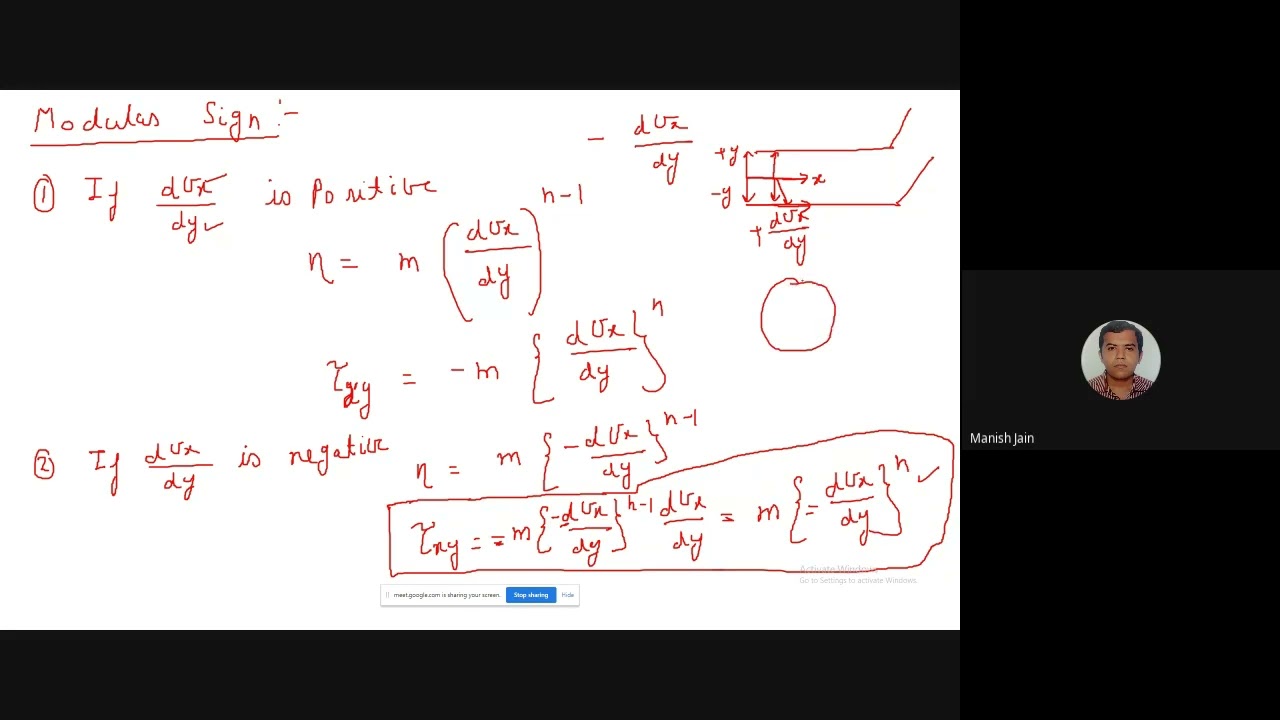
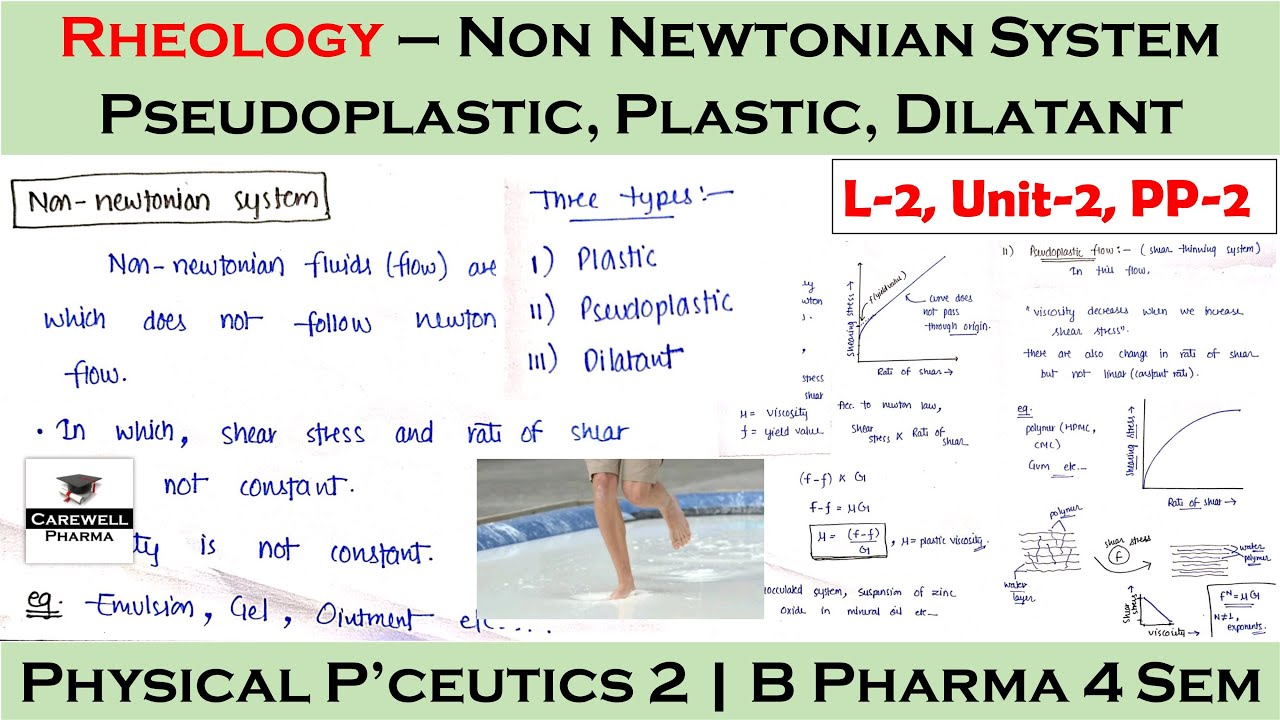

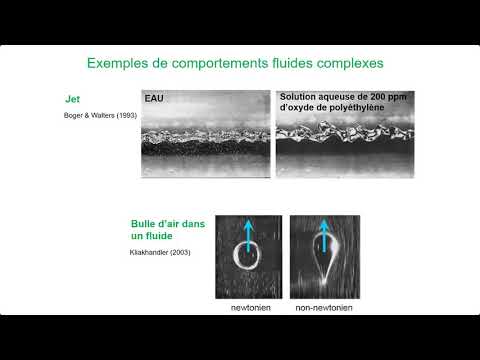

Fluid shear stress (τ) is directly proportional to the velocity gradient (du/dy) through the relationship τ = μ(du/dy), where μ represents dynamic viscosity—a fluid property measured in Pascal-seconds (Pa·s) or N·s/m²; this Newtonian relationship applies to most common fluids, though non-Newtonian fluids like dilatant, pseudoplastic, and plastic fluids deviate from this behavior, while ideal fluids assume zero viscosity.
Fluid Shear Stress & Viscosity Explained | Fluid Mechanics
Added:The fundamental definition of a fluid and how its molecular structure differs from solids under applied forces.
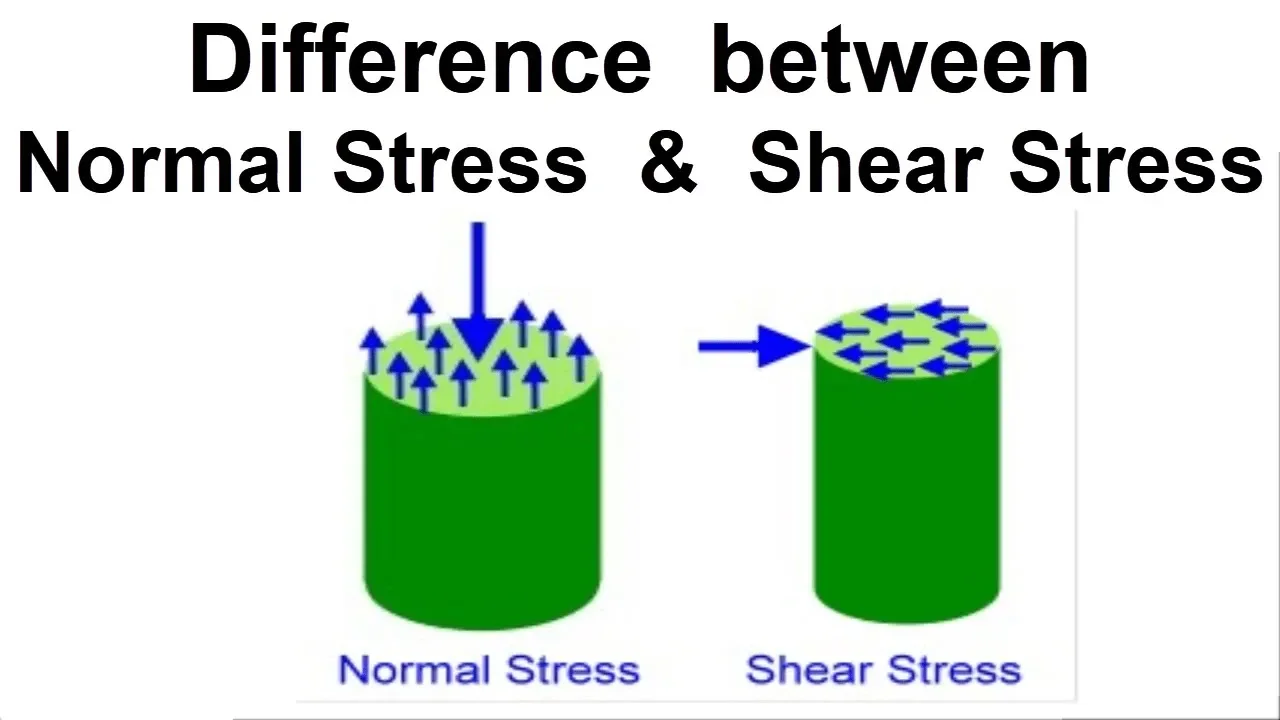
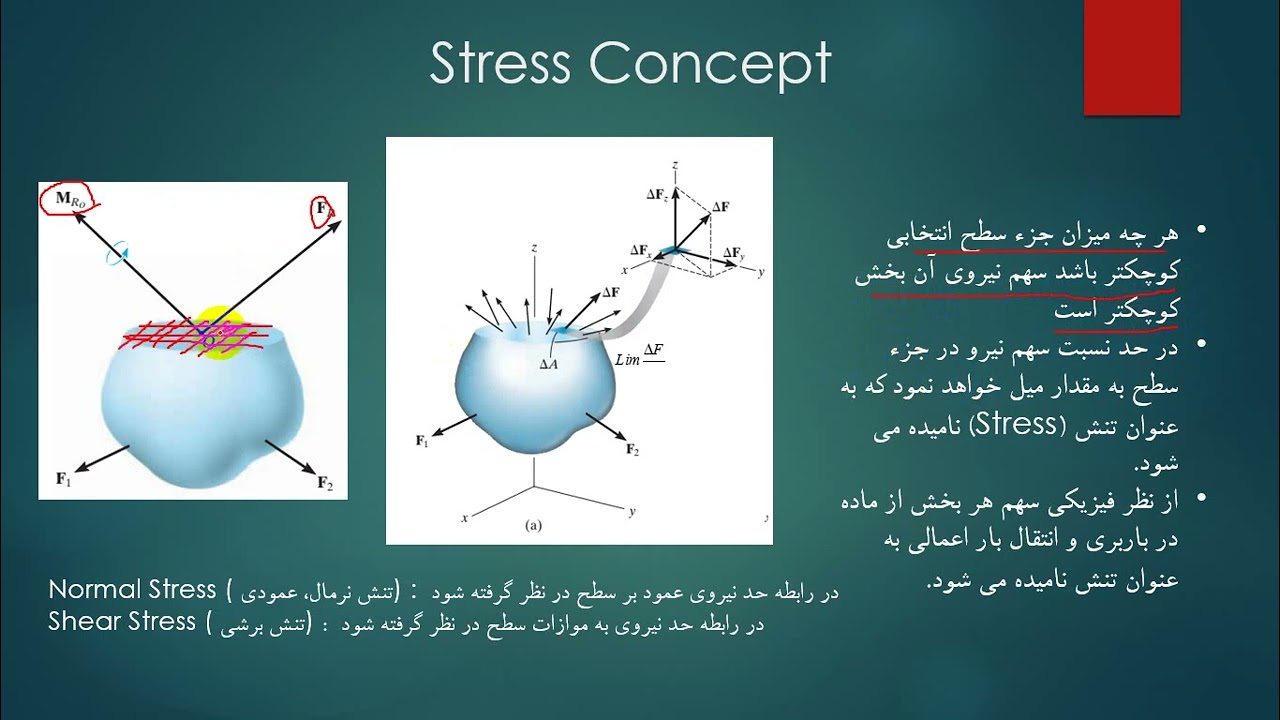
The concept of mechanical stress, specifically distinguishing between normal stress (pressure) and shear (tangential) stress.
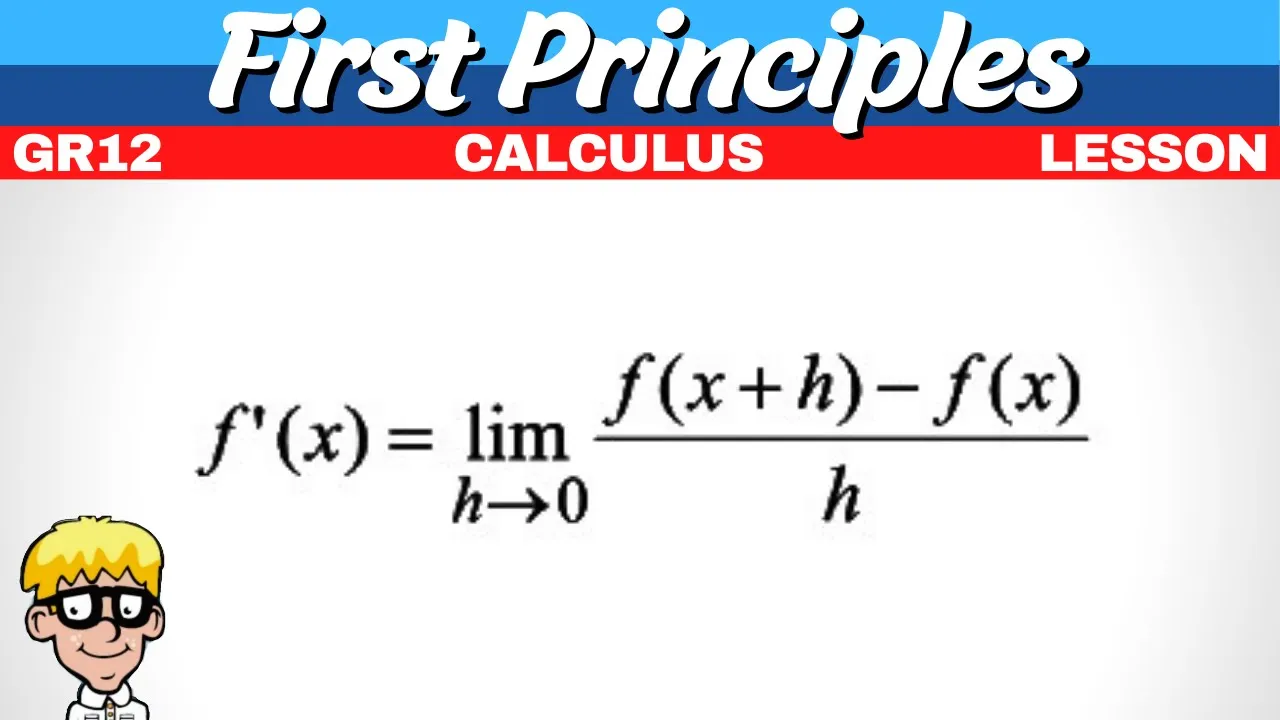
Basic single-variable calculus, particularly the concept of a derivative as a rate of change, which is essential for understanding gradients.
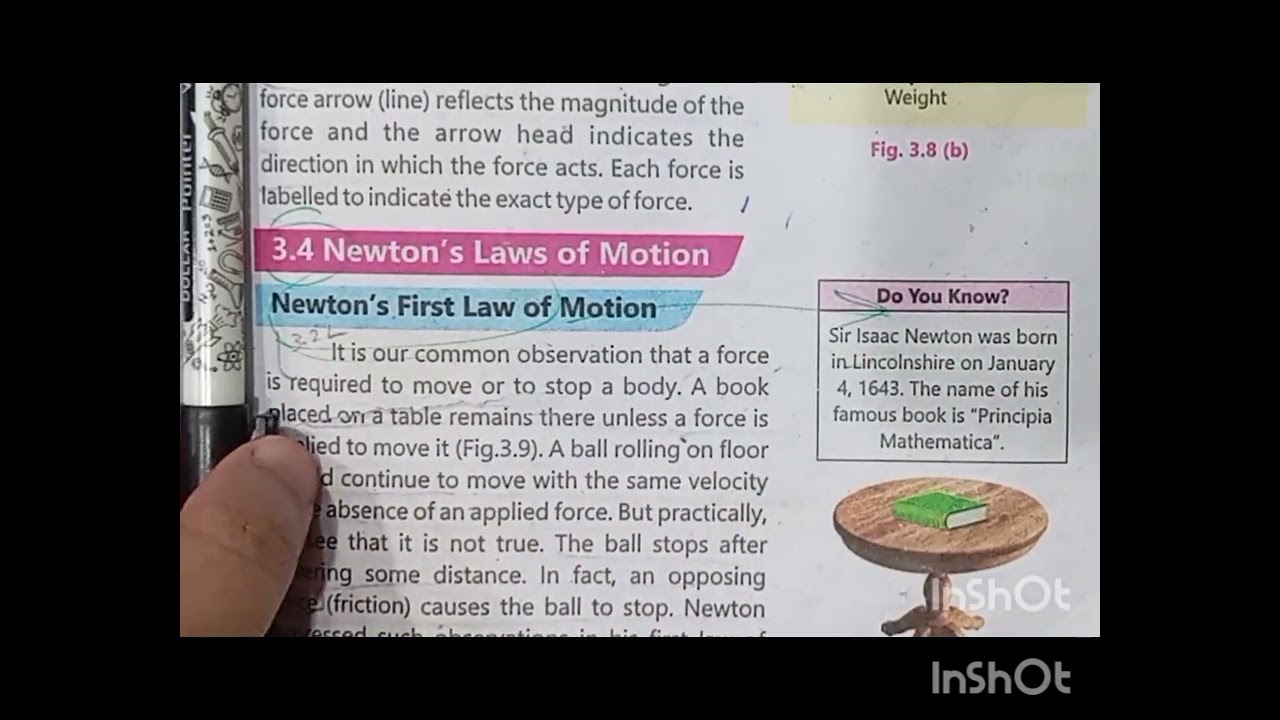
Newton's laws of motion, especially the relationship between applied force, mass, and acceleration.
Boundary layer theory, which examines how viscous forces dominate near solid boundaries and create velocity profiles.
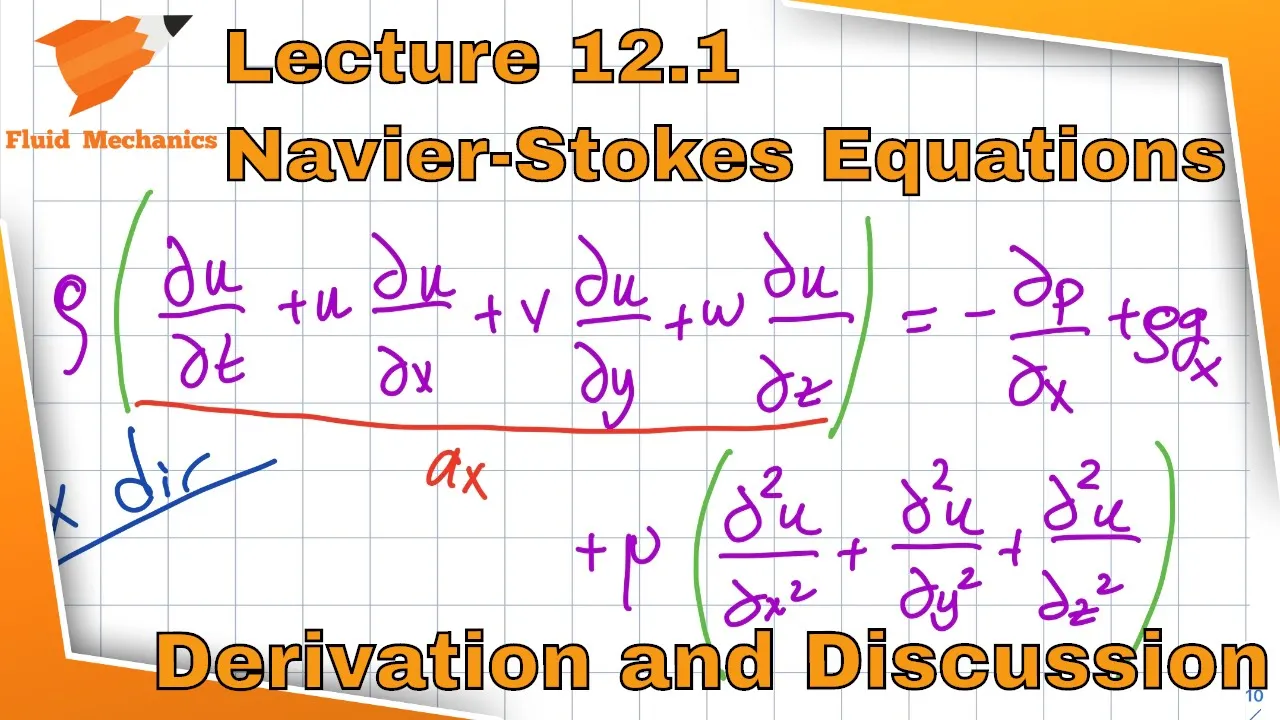
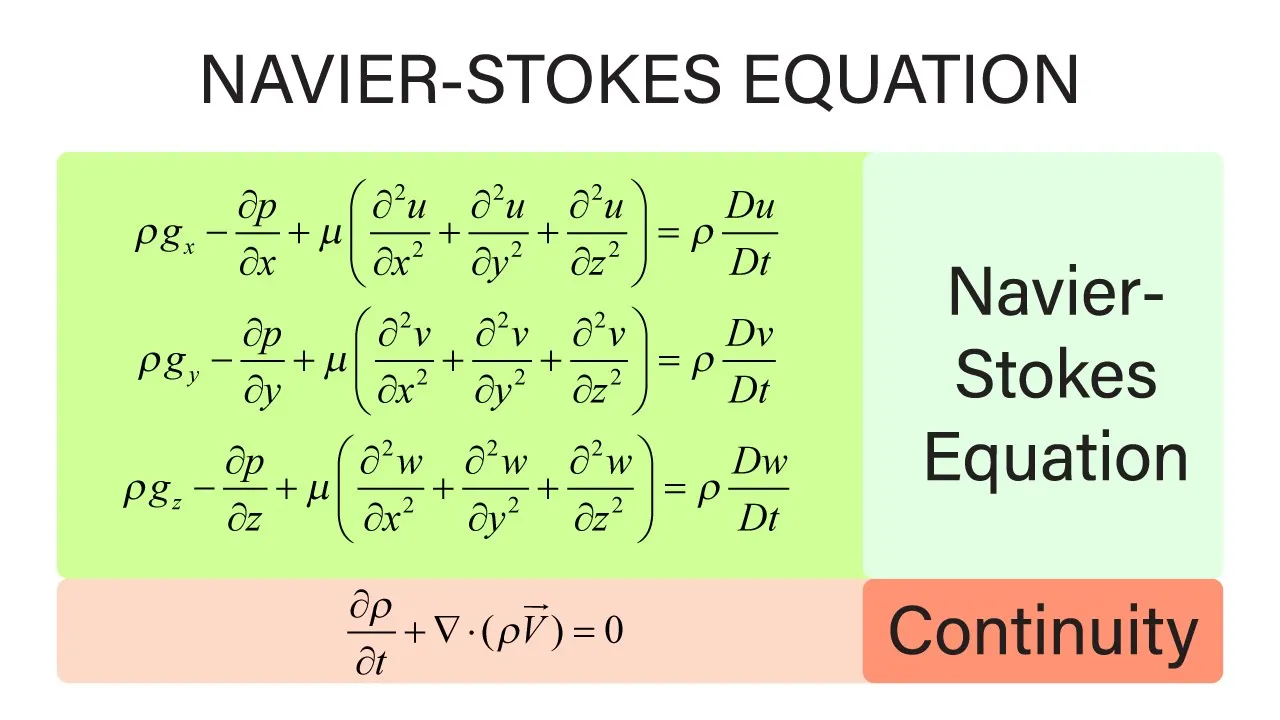
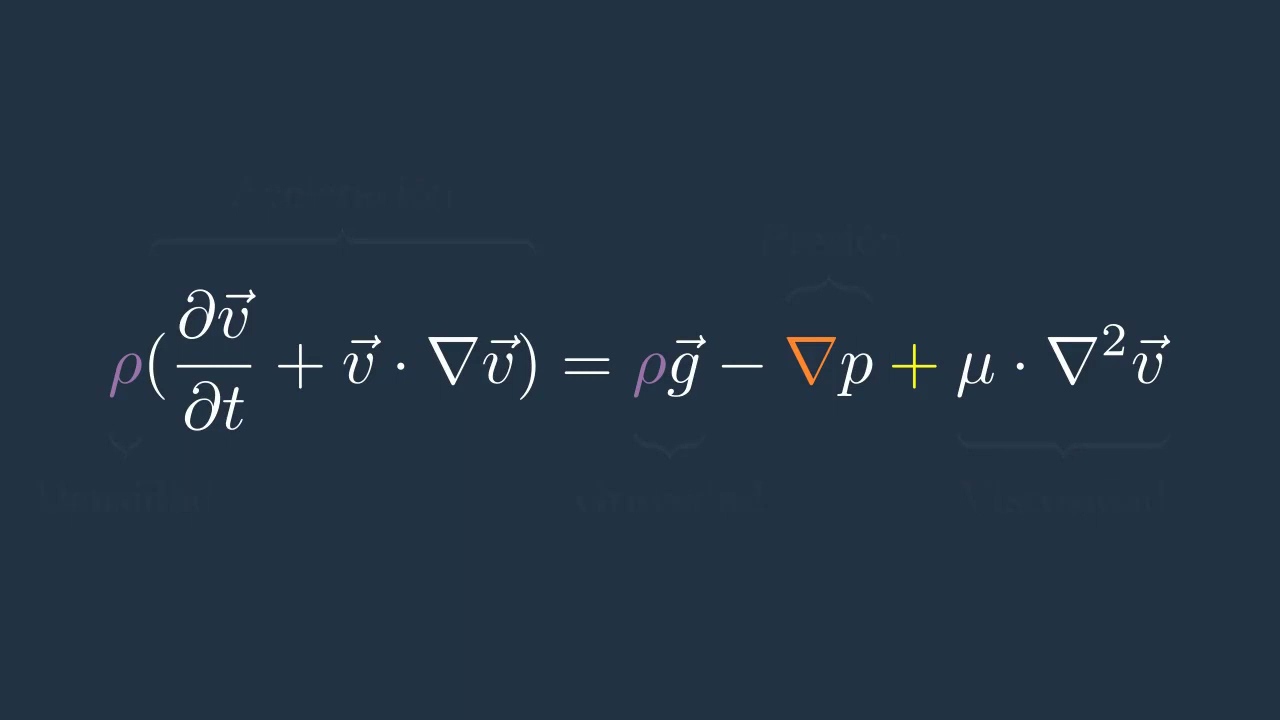
The derivation and application of the Navier-Stokes equations, the fundamental governing equations for viscous fluid flow.
Internal viscous flows, such as Hagen-Poiseuille flow in pipes, and how shear stress relates to pressure drop.
The Reynolds number and how the balance between inertial and viscous forces determines laminar versus turbulent flow regimes.
Advanced rheology, exploring specific mathematical models for non-Newtonian behaviors like pseudoplasticity, dilatancy, and viscoelasticity.
68.7K views445likes5:36Original Release: 2013-08-07
this is podcast number four and is entitled viscosity and fluid sheer stress okay all fluids all real fluids resist shearing motion essentially this means that if one fluid is to flow over another there's a friction to that motion um there are losses and they need to be pumped now this friction in fluence terms is termed viscosity and it's like one layer moving directly over another and between those layers is's a layer of friction and that term is viscosity now in many applications in engineering applications you can consider the viscosity to the viscosity to be so small that it could be considered invis invis fluids don't exist reality but part of being of engineering is knowing when you need to account for the effects of viscosity or when viscosity in a flow is so small that it is it could be considered invis or negligible to further an analogy um with solid mechanics we take a look at this block this is a three-dimensional block that goes into the screen and by applying a force over the surface a sheer force it will deform this block like this this will give us a sheer strain this angle Theta and over this area this area that extends into the screen gives us a sheer stress that is defined by the uh force of the shear the sheer force over that area that it's applied over and that's given the symbol to with the Greek symbol to this is an equation that you need to know for your course so let's now apply the same to a fluid if we take a look at these two plates we have the lower plate AB which is static not moving has a velocity of 0 m/s the top surface however CD is shown to be moving at a speed of u u m/s from left to right they're separated by a gap which is a distance Y and within that Gap is a fluid let's say water in this case now because the surfaces are termed a no slipped boundary condition it means that the fluid locally has the same velocity as those surfaces so the fluid at the bottom is not moving has a zero velocity and the fluid at the top is moving at a velocity of U m/s therefore there's something that we call a velocity gradient from the bottom to the top essentially the velocity of the fluid is changing as you increase with distance from the bottom to the top so this velocity gradient can be termed duy the sheer force is proportional to this velocity gradient duy now it was Newton that postulated that this was a direct relationship a direct direct linear relationship between the sheer stress and the velocity gradient and the constant of proportionality is Mu which is the viscosity of the fluid a fluid property this again is an equation that you need to know the units of viscosity mu are kilog per Ms or written another way are Newton seconds per met squar or alternatively Pascal seconds here's a diagram that shows on the Y AIS the sheer stress and plotted against the x-axis which is dy the rate of Shear or the velocity gradient as you can see the line the straight line that goes through zero is a Newtonian fluid that follows the equation to is equal to Mu du DY for the majority of fluids and all the fluids that we're going to cover in this course they are Newtonian however it is important to realize that there are many other types of fluids that do not behave according to this equation the study of these other fluids is called rology and typical fluids would be considered to be diletant fluids pseudoplastic fluids plastic fluids and one final one is an ideal fluid this this is where the sheer stress is equal to zero irrespective of the rate of Shear or the velocity gradient essentially it has a viscosity of zero it's an invis fluid and it's not a real fluid but can be but you can make this assumption sometimes depending on your application in fluid mechanics now a dynamic our kinematic viscosity is defined as the viscosity that we had previous divided by the density of the fluid and has units of met squar per second it is sometimes used to indicate the ratio of the inertia within the flow to the viscous forces lightly in the motion viscosity of a given fluid depends on the temperature and interestingly not pressure so if I was to increase the temperature of a fluid it would change its viscosity and that is podcast number four which dealt with viscosity and sheer stress within a fluid
Up Next

10:02
Wax Cylinder Recording: 1899 Pump Organ Phonograph Demo
@dr.parkinstine
2.2K views•2026-05-30
30:32
Ultrasonic Transducers: Resonant Frequency Measurement and Horn Design
@imajeenyus42
229.9K views•2017-02-22
54:16
Polymer Environmental Degradation: Mechanisms & Stabilization
@iit
1.8K views•2012-07-10

33:39
How a Student's Question Saved a NYC Skyscraper from Collapse
@veritasium
22.8M views•2025-04-26
Related Study Plans & Knowledge Roadmaps
Structured learning paths in Engineering
engineering
Building Acoustic Levitators: Physics & Arduino
01The Physics of Sound and Standing Waves
02Piezoelectric Transducers and H-Bridge Drivers
03Arduino Programming: Generating 40 kHz Signals
+ 2 more learning modules
14h5 modules
Explore Roadmap
engineering
Building Peltier Cloud Chambers: Particle Tracks
01Cosmic Rays & Cloud Chamber Physics
02Thermoelectric Cooling (TEC) Fundamentals
03Custom Liquid-Cooling Loop Design
+ 2 more learning modules
18h5 modules
Explore Roadmap
engineering
Yagi-Uda Antennas: Modeling, Build & VNA Test
01Introduction to RF and Antenna Fundamentals
02Yagi-Uda Antenna Design Principles
03Antenna Modeling and Simulation in 4NEC2
+ 2 more learning modules
18h5 modules
Explore Roadmap
engineering
ECG Monitor Design: Op-Amps, Filters & Noise
01Electronics & Breadboard Basics
02Op-Amps and Instrumentation Amplifiers
03Bioelectricity and ECG Fundamentals
+ 2 more learning modules
18h5 modules
Explore Roadmap