



![مناقشة لأفكار فيتغنشتاين مع كريتيكال [291]](https://i.ytimg.com/vi/hUIx7pTyXnM/maxresdefault.jpg)



![[2027 수능특강 독서] 인문예술6 동일성 명제 관련 문제에 대한 프레게와 러셀의 이론](https://i.ytimg.com/vi_webp/mkfj50EDO9I/maxresdefault.webp)
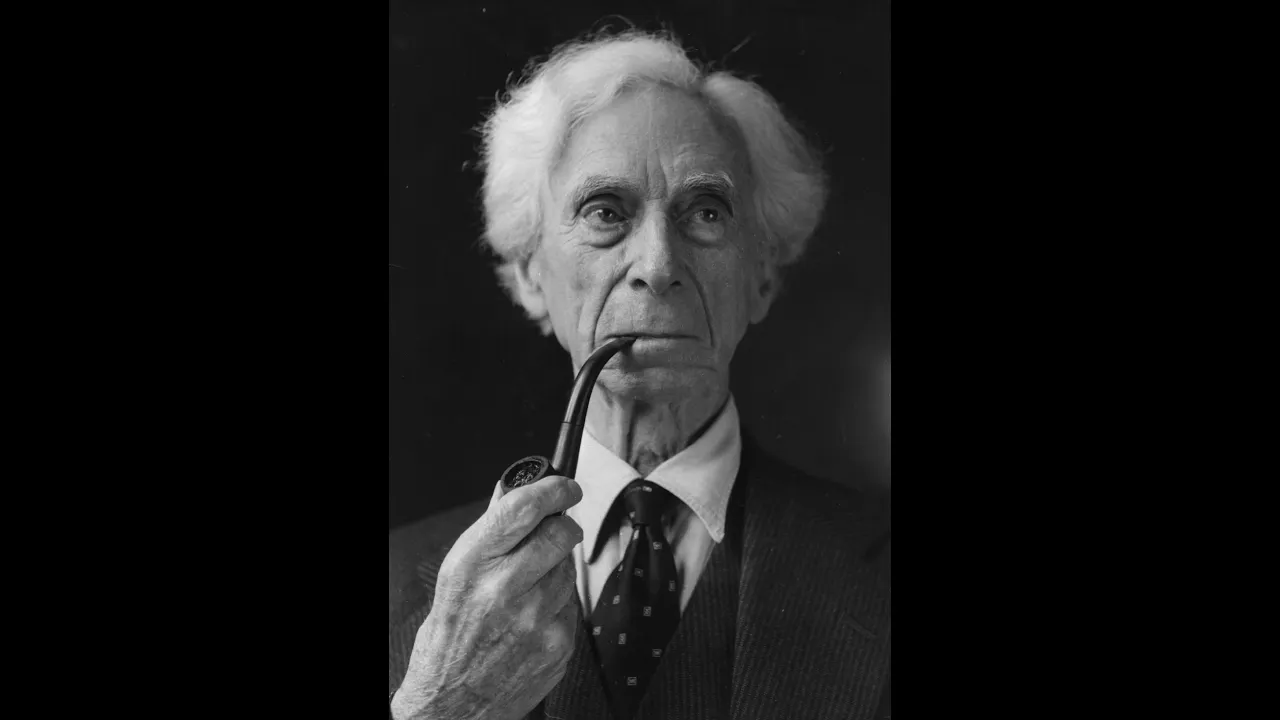

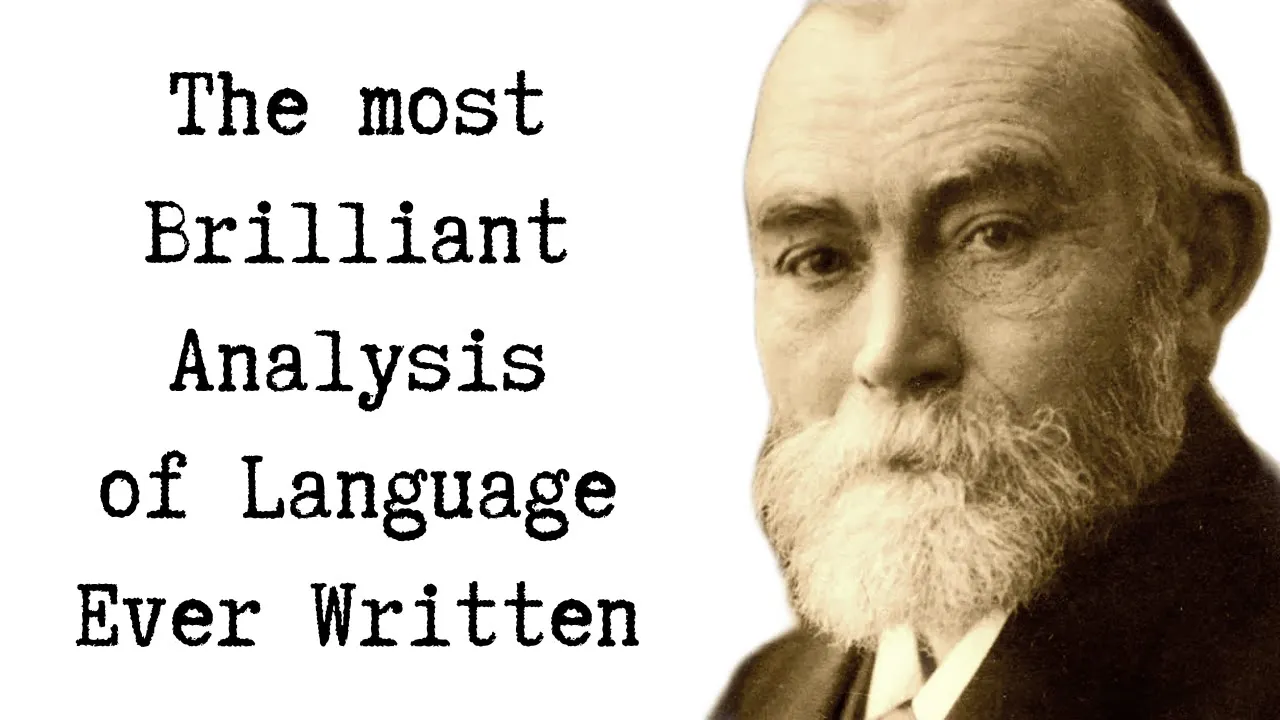









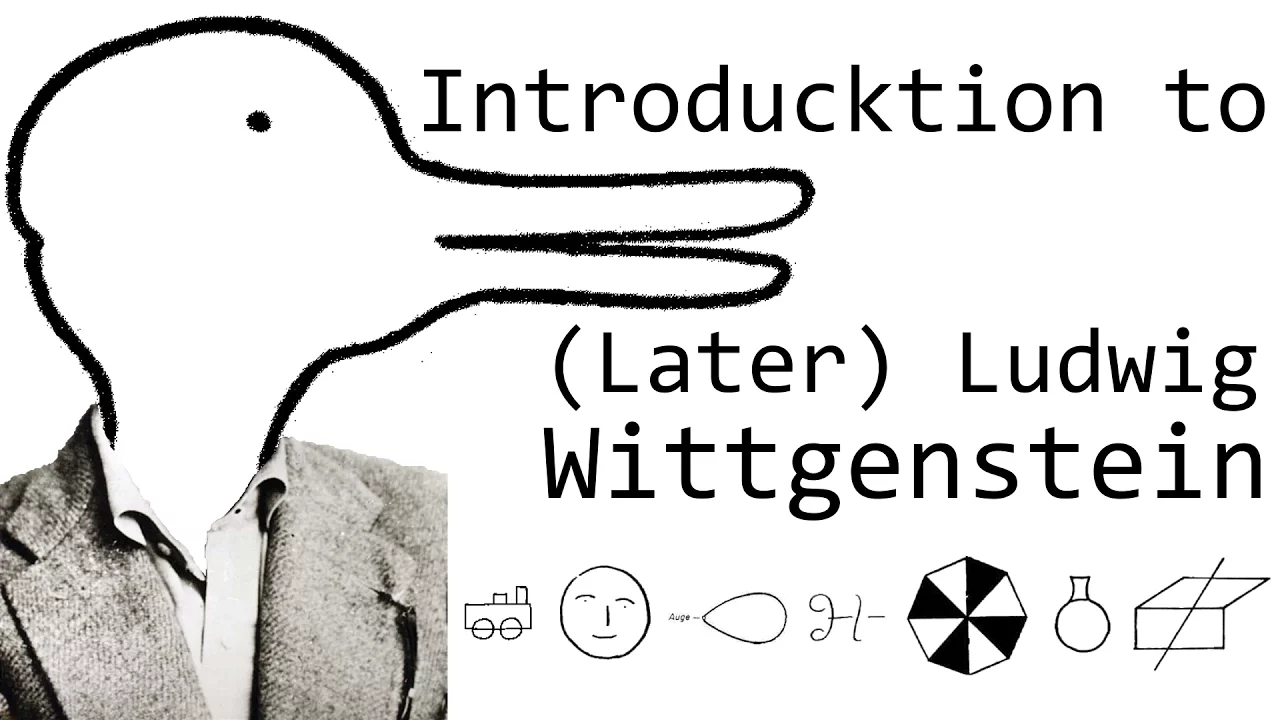
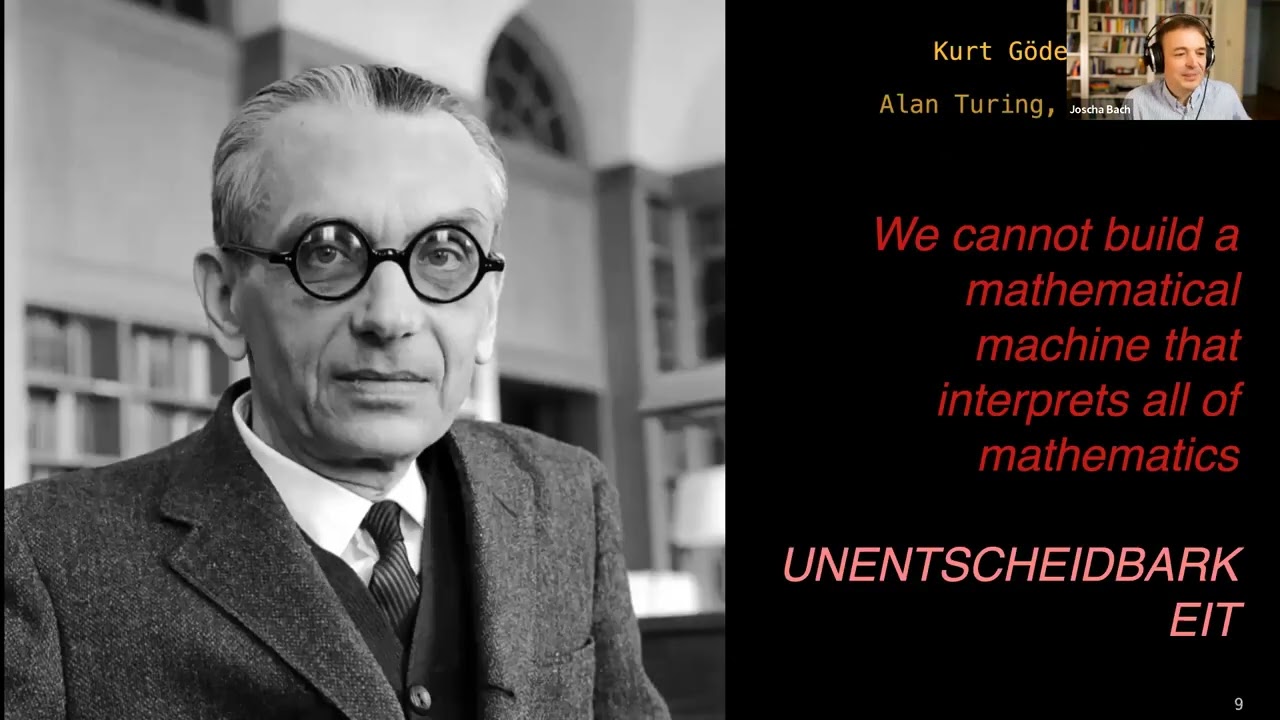
Ludwig Wittgenstein's later philosophy, developed in works like Philosophical Investigations, fundamentally rejects the early view that language has a hidden logical structure; instead, he argues that meaning emerges from language games—practices embedded in forms of life—where words gain meaning only through their use within specific social contexts, and philosophical problems dissolve when we recognize that understanding is not a mental process but an ability acquired through participation in shared practices.
Ludwig Wittgenstein's Later Philosophy Explained: Key Ideas
Added:Wittgenstein's early philosophy in the 'Tractatus Logico-Philosophicus', specifically his Picture Theory of Language.
The fundamental concepts of Logical Positivism and the Vienna Circle, which were heavily influenced by Wittgenstein's early work.
Gottlob Frege and Bertrand Russell's classical theories of reference and meaning, which Wittgenstein later sought to challenge.
The philosophical concept of essentialism—the view that categories or words must share a single, defining common essence.
Saul Kripke's influential and controversial reading of Wittgenstein on rules and private language, often referred to as 'Kripkenstein'.
The development of Ordinary Language Philosophy, including J.L. Austin's Speech Act Theory and Gilbert Ryle's concept of category mistakes.
The application of 'language games' and 'forms of life' to contemporary debates in the philosophy of religion (Wittgensteinian Fideism) and ethics.
How Wittgenstein's later philosophy of language impacts modern cognitive science, linguistics, and the development of Artificial Intelligence (such as natural language processing).
16.5K views547likes1:14:00Original Release: 2023-10-19
so this lecture is on the later Vicken Stein um and I'm a little anxious about it because Vicken Stein is a cult figure um that is he's one of these philosophers that people just they don't just read his philosophy and say that's got some prosen conss you you become a Vic consan or at least it seems to be that way for a lot of people um apparently he was very much a sort of cult leader figure in uh in reality he um he acquired a following uh when he lectured at Cambridge um and those students of his sort of went forth into the world and and spread his ideas in you know like Apostles of Jesus um and he a very he was a very strange man um he uh if you look at his life he fought for the Germans in World War I uh got captured by the allies and was working on his first um major work which is the tractatus logico philosophicus which is sort of the apotheosis of the fra Russell view of language um reading that is very it's it's written in a very auster style but it it's structured uh very uh precisely Vicken Stein was actually trained as a an architect originally and there is a house that you can visit I think in Vienna um because he was Austrian that uh uh he he designed and it's very very sort of precise and AER itself so as a an archit detect his um his sort of tastes are evident in the tractatus logico philosophicus so that's supposed to be sort of the the classic example of what's called the early Vicken Stein which is where he uh he first went to meet frager frager told him you you seem smart go study with Russell he goes and studies with Russell and and Russell decides that hey this guy's a genius and um he writes the tractates and then he thinks that basically the tractates says all there needs to be said in philosophy he sort of ended philosophy and therefore no more philosophy needs to be done so he sort of went off and did other things kind of disastrously he was a elementary school teacher and used to hit the children and things like this um and then he sort of drifted back into philosophy when he started questioning the ideas of the tractatus uh and it's this philosophy that rejects the earlier philosophy although as uh as you can tell from your reading there's there's some threads that continue throughout the entire philosophy it's not like he gives up everything that he originally believed um his view of the role of philosophy pretty much the same um from the tractates to the later work and it's not a it's a smaller role for philosophy the the most famous quote from the later philosophy about this is the philos Philosopher's treatment of a question is like the treatment of an illness and the aim of philosophy is to show the fly the way out of the fly bottle what's a fly bottle but anyway it's a bottle that a fly is inside um and this is a there's similar idea in the tractatus that uh the Philosopher's job is to sort of reveal where mistakes are made so philosophical puzzles on this view are just a result of misunderstandings about the way language is used so there's no deep philosophical puzzle as most philosophers believe there's just oh I've been using words wrong and when I understand the true nature of of the appropriate way to use language I will the the the puzzle will somehow disappear so it's as if philosophy isn't really engaging directly with the world is um seems to be a consistent threat and this is part of what is called the linguistic turn of 20th century philosophy that you know language is the key focus and philosophers aren't really dealing with the world um so that remained a theme but otherwise uh just about everything changed in the later philosophy including and most obviously the method of doing philosophy and the method of presenting ideas because the attractors even though it's a very forbidding work is a very kind of precise ordered work there's a structure to it it has sort of seven key uh paragraphs and then parenthetic and then subpar paragraphs it's like the structure of a computer program you have seven key things and then a bunch of sub routines attached to each each of the seven um so it it has this very precise structure whereas the later work uh which is collected in a bunch of places and and was never published during Vicken Stein's uh life um the only work that was published in his life was the tractatus and then the later work he was going to publish uh the the the major work of his later later period which is called philosophical investigations uh and then he he decided against it uh and never published it during his lifetime and there's other important works that were just collected by students there's something called the Blue Book which is one of the earlier works of his later philosophy which is just notes dictated to students and then the brown book so-called because it had a brown the notebook in which these notes were written down had a brown cover is a slightly later version which is more like the philosophical investigations then there's a bunch of other papers so there's voluminous writings but they were never published and they they've sort of come out in dribs and drabs afterwards uh usually brought to publication by his his acolytes by these people who uh who followed him and uh you know regarded him as as basically giving the truth about philosophy and if you've seen a photo of him he does look like a cult leader he's got this incredibly intense stare and apparently I I saw a Prof uh Professor once who'd who'd seen him speak and apparently he used to he there was something called the Vicken Stein slump he would lean on aurn like this you know as if tortured by the the the great ideas that were inside his brain fighting to come out uh so very charismatic I oddly a very charismatic figure given that he seems almost certainly autistic uh and was very kind of um antisocial you know he he went off to uh isolated places to do his work he wasn't he wasn't a clubbable guy you know he wasn't out partying or anything that he was very much a loner but at the same time when he encountered other people he had this massive effect on them um so the reason I'm nervous about this is because uh there are these sort of battles about interpreting him in particular because as I was as I was saying the later writings are very fragmentary um there are a lot of I find them a little bit annoying um in that they're very easy for someone to find them deep because there's these little uh short passages that are full of vivid uh examples although I find them the examples rather artificial but they're they're Vivid examples and they they sort of make you view the world a different way and you can you can have what seems like kind of a religious conversion reading that but it's also the case that they are open because he doesn't present his ideas in a structured argument and say as you're supposed to do when you learn to write philosophy papers you're supposed to learn how to present it clearly ideally present your argument as premise premise premise conclusion you know and then say well this is my most controversial premise let me defend it against objections that kind of thing nothing like that and that's on purpose because he thinks that that kind of approach to philosophy is the problem and that there that there uh that philosophy as part of language use is very fragmentary and and doesn't have a sort of uh single Essence and in sort of rejecting all of the the kind of uh ver approach to philosophy that is epitomized by bertr and Russell he goes very far the other way and presents his arguments in they're not really arguments they're just sort of um Vivid passages but having said that lots of philosophers have read him and said well you can extract from that argument uh and and in fact there's something called the private language argument that is perhaps more fought over than any part of Vicken Stein and it's called the argument even though he never calls it that and it doesn't really look like an argument uh okay so I am not an expert on Vicken Stein there are many people who are experts on Vicken Stein and probably anything I say is going to if if they dained to listen to me saying it they would get very angry so bear that in mind and uh if you find this interesting seek out somebody who who knows a lot more what they're talking about but here's a an essential introduction and I think a good way to frame this which benckenstein sort of does in the philosophical investigations is as a contrast to the old way of doing things now he talks sometimes in the investigations about the author of The tractatus you know he doesn't say me he doesn't say my old ideas he talks about the author of The tractates as if that's that's a a different person and perhaps he feels like it is because his ideas have changed so much but instead of actually tackling major figures like fre uh Russell who was you know his friend and teacher uh for a a large number of years I I don't know what happened to them in their late years whether they had a falling out but um but instead of sort of directly targeting sort of more recent figures he talks he takes a passage from St Augustine this you know um Prem medieval uh Christian philosopher where he talks about uh language acquisition and he says and and probably uh his idea in talking about Augustine is to play up how sort of ancient and embedded in philosophy these ideas about language are because they're here you know they they've been around for near 2,000 years um so it's all the more momentous that Vicken Stein is saying they've got it all wrong that they should be abandoned so uh this is the sort of austinian picture but it's um also largely the picture in uh the tractatus and remember the tractatus was very influential on the Vienna Circle The Logical positivist and those guys so Vicken Stein is interesting in that he sort of pre predates The Logical positivist and influences them and then presents a view that totally rejects their approach okay so let's take a look at this contrast so Augustine presents this view of uh because Augustine in the confessions it's a sort of biography it's one of the the first autobiographies the first most famous autobiographies and he describes his childhood remembering how he acquired language you know which is pretty weird people don't usually start that young but he describes it and he says I remember my elders pointing to things and telling me the word you know so chair table Apple that kind of thing uh and this is sort of the Common Sense View view of how language is acquired now it's interesting that Vicken Stein talks about this um because the the the approach to meaning that frager and Russell uh have taken up to this point is to focus strictly on language itself how do words mean and it talking about the relationship between uh words and the world where as immediately Vicken Stein says uh in order to understand meaning you have to look at how people acquire the meanings of words so one of the uh major insights or uh Innovations perhaps of the later Vicken Stein is to shift the focus onto people and in this respect of course he was very influential on mid 20th century philosophy we've already seen people like GCE talk about speaker meaning uh and focus on human beings as the sort of uh locus of meaning rather than looking at language well all of that uh is part of it was sort of in the air but if anyone was the Key Driving Force in this focus on human practices uh it's Vicken Stein and Vicken Stein ideas even before they were circulated people knew you know people were talking to Vicken Stein he was talking about these ideas and he was starting talking about this quite early on like uh 30s and early 40s he he died in 51 I think um but by that time he was well into the the late period the uh the late period started to happen in the 30s okay so the augustinian picture says that you basically pick up language word by word so you start with no words you pick up uh then you pick up one word and then you pick up another until gradually you know you pick up lots of words so the unit of meaning is the word uh for Vicken Stein that is completely wrong that is the unit words individually in isolation from practices are meaningless they they're just sounds the only the only sense in which a word can have meaning is as part of what he calls a language game uh and before we get into language games because this is a a key concept of Vicken Stein's that has been very influential um I think one of the most telling um per of Vicken Stein and perhaps the sort of Gateway into his um his different way of viewing language is his criticisms of ostensive definitions okay ostensive definition is a fancy way of saying that so an ostensive definition is when I Define a word by literally pointing so an ostensive definition of Apple would be to say the word apple and point an apple and that's how we think to this day that babies or infants learn words cuz we think we've taught you know how does the baby know what a ball is well I taught the baby by saying ball and pointing to the ball so we think ostensive definition is the uh the gateway to language acquisition and Vicken Stein I think convinced ly says this cannot be right because um think about what you must already know for an ostensive definition to work you have to understand what is going on in the game of ostensive definition that is you got to know how it works you got to know that when somebody does this you don't just look at the finger I mean if you try and do ostensive definitions to a dog or a cat they're just going to sniff your finger they don't get what's going on whereas it seems to be that when ostensive definition is successful it's because people already know oh I know what you're doing so I know how to use this um activity to acquire new information but you have to understand the activity you have to understand and it's quite complic at if you think about it because uh for one thing it's not this finger that you need to put that you need to sort of do an invisible dotted line going from the end of my finger that keeps going until it hits some middle-sized object but even then you don't know what aspect of the object is being referred to I mean as Vicken Stein says if I point at a a brown table and I say table how does the child know they mean the object rather than brown or rather than corner or rather than you know furniture or something like that it's amazingly complicated you have to have all of this shared all of these shared assumptions with the person teaching you for them to be able to teach you at all um so you cannot say that you start with nothing and then suddenly you acquire the meaning of a word because you don't start with nothing you have to understand the activity for to be able to learn the word and the ostensive definition is an example of a game now when he says game this is one of the the famous passages in Vicken Stein when he uses and it it's an analogy or a metaphor um as so much of uh Vicken Stein is but this is one of the famous examples from Vicken Stein if I can find the quote where he talks about um games as a metaphor games illustrate this property uh that he calls family resemblance and when he talks about family resemblance he is rejecting a standard practice in philosophy a standard practice in philosophy dating back to Socrates is to seek when you seek the meaning of a word you say that the word has an Essence and the essence can be captured with a definition that lists necessary and sufficient conditions so you know obviously something like Bachelor uh what does Bachelor mean well uh you learn what it means by beinging a definition that lists necessary and sufficient conditions in order to be a bachelor you have to be it's necessary that you be a man and it's necessary that you be uh unmarried and those two conditions together are sufficient to make you a bachelor That's a classic example of definition but um games and uh are a good illustration of something that cannot be defined in this way and he thinks that so much of life is much more like this he says consider the proceedings we call games I mean board games card games ball games Olympic Games and so on what is common to them all don't say there must be something common or they would not be called games but look and see pause there to note that vicenin does this a lot in his later work he's uh because he's um fighting something that he thinks is really ingrained in your way of thinking uh he says look don't don't go by your assumptions try and put your assumptions to one side and start aresh and look and see don't assume that there must be something in common with games cuz otherwise we wouldn't use the word games to refer to them all uh that's that's assuming this view that Concepts all have this hidden Essence uh that we can get at that a good definition or that philosophy will bring us closer to uh forget that just look at games look and see whether there is something common to them for if you look at them you will not see something that is in common to all but similarities relationships and a whole series of them that this is family resemblance uh that's another analogy so games is an analogy and family resemblance is another analogy the analogy being with a family I mean if you you can see two children neither of whom look alike but both of whom look like their parents so you can so you can connect one child to the other child by saying that child looks like the parents they've got the eyes and nose and the parents look like that child so you can link uh one child to another even though they don't actually resemble each other they' got and if you do this you know to the edges of the family you might have two people that look nothing in common maybe have different racial categories maybe you know uh you you wouldn't be able to say anything in common but you can put you can connect them as part of the same family because this one is connected to this one who's connected to this one who's connected to this one who's connected to this one and he says that's true of games that's true of language game so what that does is rid him of the obligation to give you a clear definition and in fact he's not going to do that that's what uh the the methodology of the later Vicken Stein avoids all of that kind of uh trying to get closer to a hidden Essence so language games are PR practices so uh one of the things about the tractatus is it's trying to get at the structure of language it's it's trying to say language works like this I've laid bare the structure of it and it's calculus like that is it's the structure of language is like the structure of logic it's like the structure of math There are clearcut rules and a clear-cut structure I have revealed the hidden structure of it I mean and that's what Russell for example is trying to do in building up uh the language of logic that there's supposed to be a clearer and better version of uh of language but as many people have pointed out even when logic is successful at what it does it only captures one part of language that is the part of language that is to do with um making claims about the world logic doesn't deal with questions with orders with uh Speech acts like promises it just is deals with truth and falsity so already critics of the Russell view say well you're just capturing part of language and Vicken Stein takes this idea and runs with it and says there is no single thing language that has an Essence that can be revealed there's all of these language games that are connected and in fact you can have two different language games that use the same word and one mistake that you can make is take a word that is being used as part of one language game and assume that because it's the same word it it the rules for its use in another language game are the same but they're not this is like saying you know you can use remember that board game Sorry um where uh and that the pieces for that look like porns and it would be to assume that because it's the same piece it's a porn that it moves exactly the same way in both games no it's just a coincidence that they look the same across the two different games you they certainly don't use them in the same way so that would be one example of solving a problem oh I see why you're having this problem not under why you're you're confronting this apparent Paradox is because you're taking a word that uh is used one way in a game and in one game and used another way in another and you're assuming that there's some rules uh there's some commonality between these two things no those are two different language games and he lists language games like asking questions telling stories playing play acting singing guessing riddles making jokes solving problems these are all activities that are language games and they don't have a common structure okay how does a word have meaning by denotation that's the idea of uh the frager Russell idea of course frager also has sense but um denotation is the meaning of the word apple is the thing itself uh vonstein says no and in this sense he sort of severs language from um the physical world it doesn't attach to the world it does in the um tractatus he had a picture theory of language that it depicts the world so it there was this close connection between language and it's supposed to picture the world that's where truth comes in truth is you know a true statement is one where the language reflects the reality but in this idea of meaning as use that is the meaning of a word is its use in a language game uh we've lost that connection so the the sole what captures the entirety of the meaning of a word is understanding the rules for its use in a language game um and we'll go into that in a bit more detail um the other thing is that language is self-contained so in one sense language is uh the later Vicken Stein sever language from talking about the physical world but in another sense language is bound up with the rest of social life so it's removed from talking about nonhuman physical world but it is embedded deeply in uh social life um everything that humans do so it's not a self-contain thing so that you can just say I'm just looking at language I'm not looking at Customs I'm not looking I'm not an anthropologist I'm a linguist that's consistent with this view whereas with this view no um language and uh all other aspects of Human Social Life are all bound up and this is where you come across the vican phrase form of life so a form of life of course Vicken Stein doesn't give a clear definition of it cuz that's not what he does that's not that's not how the later Vicken Stein rol FS um a form of life just seems to be well it's Anthropologist anthropologists by the way love Vicken Stein um for reasons that will become obvious but what an anthropologist might say is a culture that is it's a set of practices set of assumptions something that a a group can share a and it uh it shapes their approach to life the way they view the world um so the structure of language uh in the tractatus has a hidden Essence that you can philosophy will take us closer to whereas the phrase that Vicken Stein uses about language is that it lies open to view and you've got to it's a bit like um here's an analogy of my own uh if you've ever looked at kids paintings or kids drawings they all do a bunch of things that are clearly mistaken but they make the same mistakes so for example early kids pictures there's the sky is at the top of the picture blue always blue the ground is at the bottom green and then there's this big space between that is neither sky nor ground what what's that about what what is that it seems to be empty void but all kids pictures do that and the world isn't like that so where are they getting this from it's as if they're projecting they have what what they're drawing is not an actual not what a camera could do would do in other words kids don't operate the way that cameras do which is just take the world is and Bam there it is give you give you a representation of it they are trying to represent the world but they're representing it with symbols rather than direct depiction so this it's as if the the sky at the top is a symbol another thing that kids all do is if they draw people with Hats they draw the entire head and then they draw the Hat on top of the head it's as if the hat is filled with something and it's just teetering on the top of them they don't the Hat doesn't come down an obscure part of the head they draw it on top of the Hat you know uh if You' never seen kids pictures take a look they all do this and um if you're really bad at Art and you you want to learn how to do better art one of the tricks that art teachers do is they say okay uh I want you to draw uh this picture so they have a picture of something and then they turn it upside down so that you don't know what it is and then they say draw that and when you don't know what something is you will much more closely depict it because you're not saying oh I know what that is it's it's this thing and I have the symbol for this thing and I will draw the symbol that's where we get the problem because you're not drawing what's there you're drawing the symbol um so they try and break you by making you just see it as a set of colors and lines that you then reproduce and you're able to do a much better job of depicting it because you don't know what it is um and I think that's an analogy for uh what the what Vicken Stein is trying to do here he's trying to say and why he keeps saying look and see don't don't just um don't say there must be something common or they would not be called cames look and see so he saying that the puzzles that we have are as a result of these built-in attitudes that we have that are very ingrained and I'm trying to break you of that and I'm trying to to get you to look at what's really there and depict it ex uh accurately and when you do that your philosophical problems will dissolve um okay so uh Augustine describes you know learning by ostensive definition we've already learned why that is impossible because you know you'd have to acquire the language game uh of of first and ostensive definition comes up in discussions of pain and mental States we we'll get to that in a second uh the way you actually learn language is by being immersed in a form of life you you pick up the rules for use so you learn a word when you can use it the meaning of of an expression is uh comes from understanding but understanding and this on this Vicken Stein is very insistent is not a mental process understanding he says this is a Mis this is a misunderstanding that philosophers have they think understanding is like something that happens in your mind like feeling pain or something like that but he says look if you look at the way understanding works it's not like feeling pain feeling pain you can say when did the pain start when did it stop um where did it feel like it was none of those things make sense when you say we don't say how long did you understand the meaning of that word when did the understanding start when did it stop um same understanding a word is just like understanding how to play chess so it's it's having an ability and the way you understand a word so you can understand words but you can't understand words before you are embedded in a form of life so the words come second the meaning of the words is secondary to understanding the the context in which they're embedded that's the other way from Augustine Augustine says you know you build up language word by word you can say that kid knows two words and that's the totality of their language no that's not how it works for Vicken Stein you have to understand the language game and then the words make sense as uh uh in the context of that so you know how to use it um somebody you know that somebody knows know how to uh uh knows a word knows the meaning of a word when they use it correctly how do you know they're using it correctly because you're embedded in the form of life too it's um it's like uh when you go to a new school or something or you go to another part of the country uh like if you've never lived in the South and you move to the Deep South you feel like a complete outsider until a few months have passed and then without really realizing it you say oh I get how things are done here how did you get it you you were slowly marinated in the Customs you just Without Really realizing it you you until now you know when to say this when to do this that you know you don't swear as much down in the South but you know uh saying things that sound um nice in another part of the country are actual subtle put Downs in the South you pick up all of those nuances Without Really realizing it um you learn how things are done that's exactly analogist to learning how words mean so knowing the use of a word is having an ability like uh it's like knowing how to use a porn in chess you have an ability now this is um this involves following a rule but vonstein in the in the investigations offers an analysis of rule following that contrasts with rule following in the augustinian picture because they talk about rules too I mean the early Vicken Stein talks about Ru rules too but the analysis of what it is to follow a rule is very different rules and Rule following is very distinctive in the L of Vick canstein and it is the subject of a huge amount of literature and and disagreement so anything I say again is going to seem as s uh simplistic or wrong to a lot of people um but he certainly says that uh learning how to follow a rule isn't like reading a rule and having a a reading a rule and saying oh this is the rule huh I understand it now I've got a little definition in my head so I can know if I'm following a rule by sort of doing a mental checklist am I am I following the rule let's look at the definition of the rule no that's absolutely not what's happening when you follow a rule you don't rule following is done unreflectively you can follow a rule without it whereas in the the view of rule following in the augustinian picture is that to follow a rule uh you certain kinds of behavior doesn't count as following a rule you have to know you're following a rule to be following a rule whereas rule following in um in the philosophical investigations is done in unreflectively because the rule is constituted by uh repetitive Collective use as he um gring quotes Vicken Stein as saying that agreement and uh rule are cousins as it were are where you learn um where you learn the use of one you have learned the other um so uh and the other aspect to this is that um rule following has to be repetitive as he says the application of the concept following a a rule um presupposes a custom uh hence it would be nonsense to say just once in the history of the world someone followed a rule so rule uh following is constituted by repetitive Collective use so rules themselves are embedded in um Collective social life and he gives an example of a signpost and he says you can think of a signpost as it seems to be a good symbol for a rule in that it's you know it's like a a an obvious thing that stands out but if you think about it the way a signpost works is simply because of our Collective Agreement to have it do that because in a culture that didn't have signs signs would just be like weird objects they they don't by their very nature compel people to do or or guide actions they're just things so actually the force of a signpost is not the words on the the the wood or whatever it is is not the thing itself it's the agreement that we've made to understand it that way so the old picture kind of sees uh rules as like signposts from God as if they are outside of us and compelling us to behave a certain way whereas um in the uh in the philosophical investigations Vicken Stein tells us to understand rules as agreements that are part of our social life and their their Force comes from that and they are essentially public so understanding in the uh augustinian view is a mental process you know oh I'm under understanding something right now I will be understanding for the next 10 seconds in to this degree of intensity uh Vick canstein says that that makes no sense understanding and actually he talks about a lot of uh apparently mental states are actually not inner states uh so for example expecting he says what is it to expect somebody um to expect some isn't just to have a peculiar kind of sensation you know I know what uh jealousy is I know what hate is I know what pain is and I know what expecting is and I'm I'm experiencing expecting right now now expecting is a bunch of behaviors and um they are not they are public and open to view somebody looking at you can tell that you're expecting I'll I'll get into that that sounds like behaviorism um and I'll get into it uh how it can be argued that it isn't in a second uh so in the old view you must be aware aware of a rule to be able to follow a rule you can't follow a rule by accident but in the uh view of the later Vicken Stein it can be done unreflectively and uh rules coers you they're like as I said signs from God uh they have a power they have kind of an objective status now rules are our um are our products and they can change obviously uh like the meanings so this is something where um linguists uh who say that here's where um I have a pet peeve that I think think certain meanings should be reserved for example the phrase beg the question beg the question for philosophers means claim to prove something while assuming the very thing that you're proving it's an old phrase whereas now everybody uses beg the question just to mean what you've said prompts me to to raise this question or or yeah it means raise this question the way people use it so what you've said begs the question are you stupid or or whatever that's not what begs the question originally meant and we have a perfectly good phrase for that it raises the question or prompts the question where what a linguist would say is sorry everybody if people use beg the question to mean raises the question that's what it means because meaning is use and that's the way it's being used now in the same way that the word literally now means metaphorically like uh I don't know if you've seen Parks and Recreations there's this character played by Rob low who says literally all the time and he means he literally exploded with anger and that just means metaphorically because obviously he didn't explode with anger uh he was just very angry so but now lots of enough people use the word literally in that way that it now says in dictionaries includes metaphorically well that kind of fits with uh a viian picture of meaning uh meaning is just the way it's used and if the use changes the meaning changes um okay now uh so rules the discussion of rules is very um very much fought over in the Philosophical Investigation and it immediately predes what is usually called the private language argument uh which is perhaps the most discussed and disagreed over part of um Vicken Stein there's uh we've already talked about uh another great philosopher of who who's slightly later than wienstein in fact just died recently Saul kpy um and Saul krykey in the early 80s published uh a book on Vicken Stein on rules and and private language uh that created a huge amount of controversy because uh a lot of victinion said oh you're not getting Vicken Stein right now kryy said this is just my interpretation of Vicken Stein but that's one of the the debates is you know okay kryp key presents a kind of clear argument and says this is Vicken Stein's argument and of course Vicken say Vicken Stein expressly doesn't like clear arguments he would never say that you're getting him wrong so there's this huge debate and and sometimes kryp Key's version is called krippenstein um but in the philosophical investigations um Vicken Stein denies the possibility of a logically private language now what would a logically private language be this would be a language this uh isn't a language that could in theory be translated it is a language that is logically private uh uh that is it is in principle impossible for anyone to know its meaning how how could that happen well if it's about internal States so for example uh imagine I'm The Little Prince uh on an asteroid in the middle of nowhere and I'm thinking about stuff and I feel things and I say oh that feeling hm that's a distinctive feeling I'm going to call that love or hate or or even pain um and that'll be my term for it so I collect a bunch of terms oh that's a different feeling I'll call that unease or I'll call that hunger or whatever um so I come up with all of these words that are applied to inner states to feelings that I have um the in one sense this is the sort of picture presented by dayut because famously in uh the meditations deart argues that what we can know that what we know what we have knowledge of is our own direct experience what we don't have knowledge of is whether or not there's something beyond our experience causing it so for example dayart says I know I think therefore I am I know that I'm having thoughts that is something that cannot possibly be doubted so I know that uh whereas I do not know that you know when I say I see a tree or I say I see a table or I say I see other people I don't know if they actually exist all I know is that I'm what I do know is that I'm having Sensations that I interpret as being caused by something outside of my experience um so this is sort of skepticism that you that there's a gap between appearance the the things that you are directly aware of and what you think causes the experience uh what so jot says it's entirely possible that I'm just you know the only thing that exists in the universe and all of these things that I think are other people they're just imaginary or they're uh yeah they're just products of my imagination CU he says look you dream other people but those people don't exist so maybe when I think I'm awake it's just another species of dreaming um what Vicken Stein so so that's actually one of the uh philosophical puzzles is the problem of other minds and Vicken Stein he's promised that he will show the fly out of the the way out of the fly bottle he will solve some of these apparent uh philosophical P puzzles and the private language argument is a bit like that and he says and it's sort of you can tie it back to his discussion of ostensive definitions orig so extensive definitions in the language learning is where you teach other people how words use whereas uh if you were able to um give yourself names for your private mental States the reason why that would be logically private is because I could tell you the words that I use but you would never know what they attach to So in theory I could have I would know what each of these words mean because I can have the feeling but you can't have the feeling so you could never know what the words it would be meaningful for me but it wouldn't be meaningful for you that's the theoretical idea of a logically private language and Vicken Stein says that isn't even possible in theory there's no such thing that is possible to be a a logically private language because for the the uh what you're doing in this uh fantastic scenario of where I'm The Little Prince naming my own inner life is I'm doing the ostensive um ostensive definition internally it's as if there's a little me inside my mind pointing to oh that feeling and saying I'm going to call that feeling um love or hate or whatever the thing is though that I can um never know that in order for word my word hate to mean something it has to follow the rules of the language game but the rules of the language game are uh necessarily public that is it's only only in being part of a form of life where there's a constant rein formation uh reinforcement that you can be said to be following a rule at all so there can be no language game that is just internal like I said there's no such thing as following a rule just once in the history of the world you could say the same thing there's no such thing as a single person follow a rule without anybody else so you cannot have meaningful terms for your inner life well then the obvious response to this is but we do that don't we because I know what pain means and I I know it from feeling pain and that pain cannot be felt by anybody else pain my pain is my own um and here's where uh Vicken Stein's philosophical psychology comes in um and I'll explain about what a Criterion is so the view that Vicken Stein is rejecting is that my word pain denotes that feeling I get that is entirely private that pain is a label for a sensation that only I have so this on this view the way I understand pain is first in my own case and then I say I see other people behaving in the way that I behave when I'm in pain and I say oh that person I assume is in pain too um so they must be feeling that thing that I feel that I call pain so you start with your first person case and move to the the third person um Vicken Stein says that gets it ass backwards you start third person and you um you then get the first person from that so if pain is not as this picture would have it a a label for a private sensation how do we acquire what how does pain have meaning and he says essentially it's a particularly our use of the word of pain language is a particularly sophisticated form of behavior that is naturally as as animals we winse or Flinch when we're in pain and when you acquire the language game of pain feeling and attribution so so actually uh to experience pain is to be part of a language game you can't even experience pain as pain there can be something happening with you there's something going on with you that you know uh we would that other people would say is pain but to experience pain as pain you have to be embedded in a language game and you have to understand the rules of the language game and when you do you can use pain talk as a kind of behavior so talking and saying I'm in pain or being able to recognize pain is displaying Mastery of the language game of pain AC uh pain attribution um and so you actually are more likely to see this pain behavior in others so you learn learn uh what pain is first from um from the third person case uh if this sounds unconvincing um there's uh I'll I'm going to talk about his um philosophical psychology in a little bit but first of all um let's distinguish make clear that he is not a behaviorist or at least some people would say he really is a behaviorist uh but certainly vicans would defend him against that clent all right so the what is the Criterion of pain um as uh as graying puts it if you're a behaviorist all there is to pain is behavior so behavior is is M was this movement uh in philosophy of Mind in sort of the mid-century that has been more or less decisively trashed there there aren't really behavioralists in the philosopher philosophy mind anymore but what they said is that uh in order for uh us to ever know about mental states in the same way that we know about anything it has to be public information and the only public information that tie to mental states are physical manifestations of of mental states in the forms of behavior so to a behaviorist what is pain it literally is pain behavior wincing and you know sweating and whatever the obvious problem with that is people can pretend so uh behavior is not sufficient for pain and people can be stoic so behavior is not necessary for pain people can be in pain without showing it so that seems to be the problem the alternative view the sort of D cartisian view is that uh the grounds for um the external grounds for attributing pain to other people are inductive that is we say uh that wincing and and other things that are typically associated with pain are good grounds for assuming that um people are in pain but they they cannot guarantee it in deductive in behaviorist says that's what pain is pain is literally the behavior there's nothing beyond that so if you're displaying the behavior that's pain which seems obviously F the the other view is to say that well it's an indicator but it's a fallible indicator so uh we we say pain itself is beyond that now from behaviorism uh what Vicken Stein seems to take is that the uh there is a sense in which there is nothing Beyond public indicators um that pain could be but on the other side um there uh it is it is not simply once you understand the Criterion uh once you know The Language game of pain use you will know that it includes the concept of pretending behaviorism cannot handle the concept of behavior of pretending because the behavior is all there is to pain whereas part of understanding the pain the the correct use of pain as we use it is to understand that sometimes people can pretend so you that is incorporated when you have the correct CR creran of pain okay so his philosophical psychology is like this it is it sort of moves from the outside in uh and there are some good quotes that grying gives um uh one can in a quite ordinary and Myster unmysterious way literally just look and see what state someone is in and here's the quote from Vicken Stein Consciousness in another's face look into someone's face and see the Consciousness in it and a particular Shade Of Consciousness you see on it in it Joy indifference interest excitement topor and so on do you look into yourself in order to recognize the fury in his face in other words that would be if this view were right um if this view were right here's what would happen you would look at someone's face and you say oh he's doing that thing with his face that I know I do when I'm in when I'm angry or something I've I've been angry and I've looked in the mirror and I said hey I'm making that face oh he's making a face like that so then wait a minute what's the feeling I have when I make that face oh yeah it's that one that would be the mental process that would go through your mind uh if this was the correct view of understanding mental state uh mental state language but that's not the correct view as he says it is there the fury it is there as clearly as in your own breast Consciousness is as clear in his face and behavior as in myself we see emotion as opposed to what we do not see facial contortions and make inferences from them like a doctor framing our diagnosis we describe a face immediately as sad so what you see you directly experience emotion in others in uh just as clearly as you do in yourself so that tells us that the language game of mental state usage is not as described in the augustinian picture we're not and so we solve the problem of other mind the problem of other Minds is I see behavior that in me is associated with having a a mind with thinking with feeling pain I see it in other people but I can never be sure that they really have a mind or if it's just a robot or it's just fakery and um in this uh way Vicken Stein says that's the problem of other Minds get rid of that problem because that's not what happens that's not what happens when you see an in another's face you directly see the um the emotion grief we would like to say is p personified in the face this belongs to the concept of emotion that's just how languages work um then uh tied to this idea is uh challenging the cartisian picture of certainty certainty is um knowing uh for for dayut certainty is absence of doubt and for GE Moore famously uh who is a colleague of Russells and actually uh taught Vicken Stein G Moore gives this famous sort of expression of Common Sense philosophy because uh kti deart in the medit ation says it could be possible That We're Dreaming all this or that we're just disembodied Minds that are being toyed with with a demon deceiver kind of an evil God who just gives us all these Sensations as if we were it's basically where the idea of the Matrix comes from if they didn't get that from Plato's Cave uh that is that there's um you know in The Matrix you you're not really experiencing what you think you're experiencing it's just your brain is being manipulated well with dayart you don't even have a brain you just have a an immaterial mind and what and it appears to be having these Sensations for outside from outside that you think are caused by a physical world but it could be just ideas caused by an evil demon um in response to that g Moore says look let's be common sense about it that that that kind of standard of knowledge is ridiculous that kind of standard of knowledge means that I can't know that I have hands but if I know anything I know that I have hands so G Moore is uh in this article is arguing for a a different standard of knowledge whereas um Vicken Stein while he sides with the more common sense approach what he questions about it is he says you're still using this language of not knowing and you're connecting knowing to uh absence of Doubt but he says where there is no doubt there is no knowledge either um so uh and and we can tie this back to the notion of pain he says uh in what sense are my Sensations private well only I can know whether I am really in pain here he's this this is not Vicken Stein's voice this is the voice of an augustinian well only I can know whether I'm really in pain another person can only surise it that's this View and here's Vicken Stein commenting on that in one way this thing that he's just said is false in another way it is nonsense if we're using the word to know as it is normally used and how else are we to use it then other people very often know that I am in pain and then he imagines someone resp responding yes but all the same not with a certainty that I know it myself and then he responds again it can't be said of me at all except as a joke that I know I am in pain what is it supposed to mean except perhaps that I am in pain so in other words that's misusing the concept of knowing you just are in pain it's not something that you know because you cannot doubt it so you cannot have knowledge where there is no no possibility of Doubt which again is actually a complete rejection of the cartisian view which says you only know something when you cannot doubt it that's uh what he's doing in the meditations he's looking for something that he cannot doubt so that he can then use that as a Bedrock okay lot of key ideas in uh Vicken Stein and they all form this sort of interlocking web but perhaps at bottom is this idea of form of life um and there's a famous phrase uh that veinstein uses he says it at certain point you've got to stop um asking your why questions this this happens if you ever get into a conversation with a toddler a toddler will say why this and you will say because this and then they will say but why that and you will say because this and they'll say well why why that and at some point you'll say just because because I said so uh and Vicken Stein's version of this is when you're looking for the justification why is this why is this what we do there's very fairly quickly you come to the point where you just say it is what we do you cannot say any further than point to our form of life that's how we do things so justification can never be outside the form of life and say the reason why the form of life is like this is this no there's nothing outside the form of life he says I dig so far and then at some point uh my Spade is turned by which means his digging Implement it's as if you hit a rock and you can dig no further um so that sounds like relativism that sounds like relativism saying you know it's a bit like if you if we went to um certain parts of uh India where still to this day it's mercifully rare uh Sati is still practiced which is when a a man dies his wife and is cremated his wife is supposed to throw herself alive on the flames and be earned alive too this was one of the things that the British Empire claimed was so Savage about India which is why it's a good thing that the India was was subdued by Brits because you know we were civilizing them away from this kind of thing um uh but you know it's it was never Universal uh it was always rare and it's even rarer now but you know imagine that it's still done in some communities uh and we went to those communities and said you know what you're doing is wrong what they could reply if you're a relativist is well you're imposing the wrong standards on us you're not part of our form of life in our form of life that's what we do you cannot come from outside and say that's wrong you're making a mistake you're using you're using this term wrong from your language game from your form of life and you're trying to impose it on our form of life but in our form of life that's not how the term is used because actually this is what is required so you can see that relativism can be tied to extreme conservativism and it robs us of the idea of progress it rubs us of the idea of criticism of practices those kind of things and if Vicken Stein is advocating an extreme form of relativism as he appears to be then that's worrisome at best but uh it's also why anthropologists like him because uh relativism is much more common in anthropology departments where they are ready to say you know uh female genital mutilation is just a cultural practice that we westerners can't criticize than you know philosophers who say the hell we can't we have ideas of universal human rights and we think we can um so that's one uh area in which um Vicken Stein gets criticized but it's a very rich and novel approach so you can see why people discover the later Vicken Stein and think wow where has this been all of my drab philosophical career this is great I'm a Vicken Stein Kian going forward and you know he gets new converts every day
Up Next
10:26
The Linguistic Turn in Philosophy | Logical Positivism Explained
@BlueSpectacles
3K views•2014-02-21

164:01
John of Damascus on Holy Images: A Theological Defense
@BannedBooks
139 views•2026-04-25

68:32
Should We Destroy the Machines? Big Tech Surveillance Critique
@TheStoriesWeTell303
167.9K views•2025-11-30
4:57
The Myth of Sisyphus: A Greek Legend of Eternal Punishment
@TEDEd
8.6M views•2018-11-13
Related Study Plans & Knowledge Roadmaps
Structured learning paths in Philosophy
philosophy
Frankfurt School: Critical Theory & Culture
01Foundations of the Frankfurt School and Critical Theory
02Horkheimer & Adorno: The Critique of Instrumental Reason
03The Culture Industry and Mass Deception
+ 2 more learning modules
12h5 modules
Explore Roadmap
philosophy
Philosophy of Language: From Frege to Austin
01The Linguistic Turn: An Introduction to Language in Philosophy
02Gottlob Frege: Sense and Reference
03Early Wittgenstein: The Picture Theory of Meaning
+ 3 more learning modules
15h6 modules
Explore Roadmap
philosophy
Feminist Epistemology: Standpoint & Injustice
01Introduction to Epistemology and Feminist Critiques
02Sandra Harding and Standpoint Theory
03Donna Haraway and Situated Knowledges
+ 2 more learning modules
12h5 modules
Explore Roadmap
philosophy
Environmental Philosophy: Ethics & Deep Ecology
01Foundations of Environmental Ethics & Anthropocentrism
02Biocentric Individualism and Animal Liberation
03Ecocentric Holism and Deep Ecology
+ 1 more learning modules
10h4 modules
Explore Roadmap