



![Doctrinas económicas Parte 2 💰 Economía [CICLO FREE]](https://i.ytimg.com/vi/fLyzolxe7j8/maxresdefault.jpg)










![[LIVE 3월 23일 월요일 한국장 전] 지지선 붕괴가 희망이 될 수도!](https://i.ytimg.com/vi/9dgVpCjXx_U/maxresdefault.jpg)




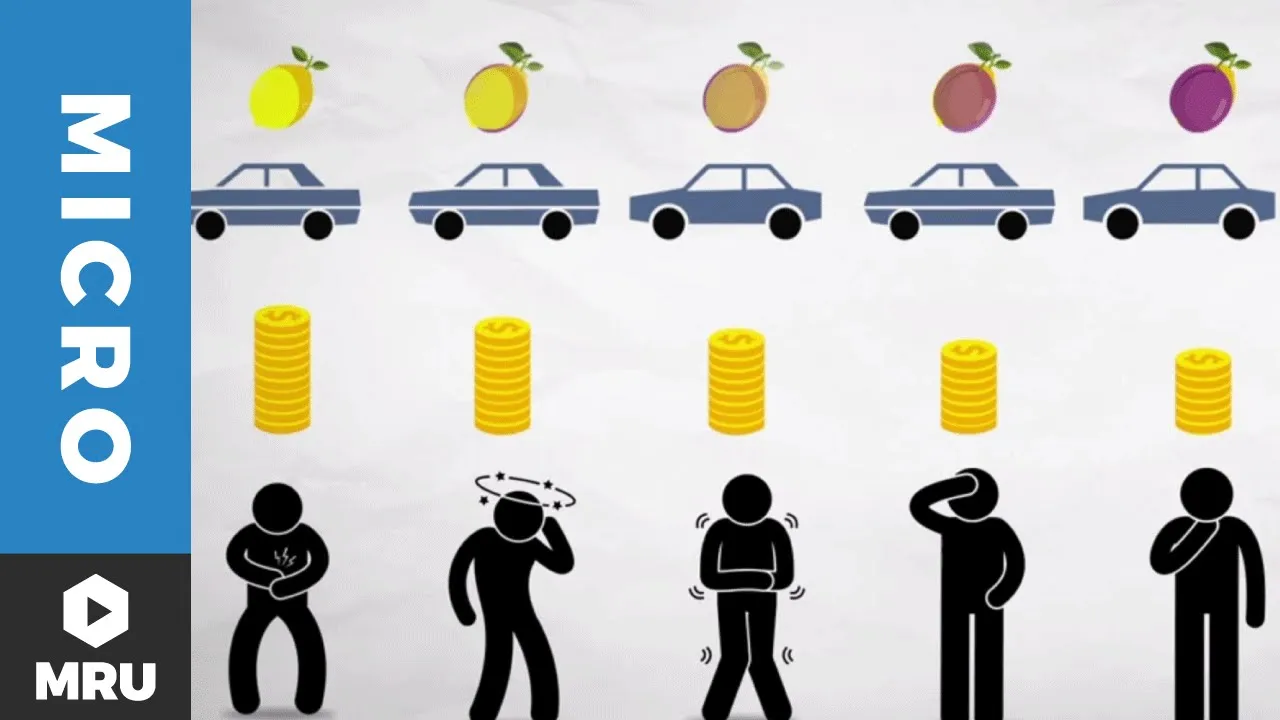

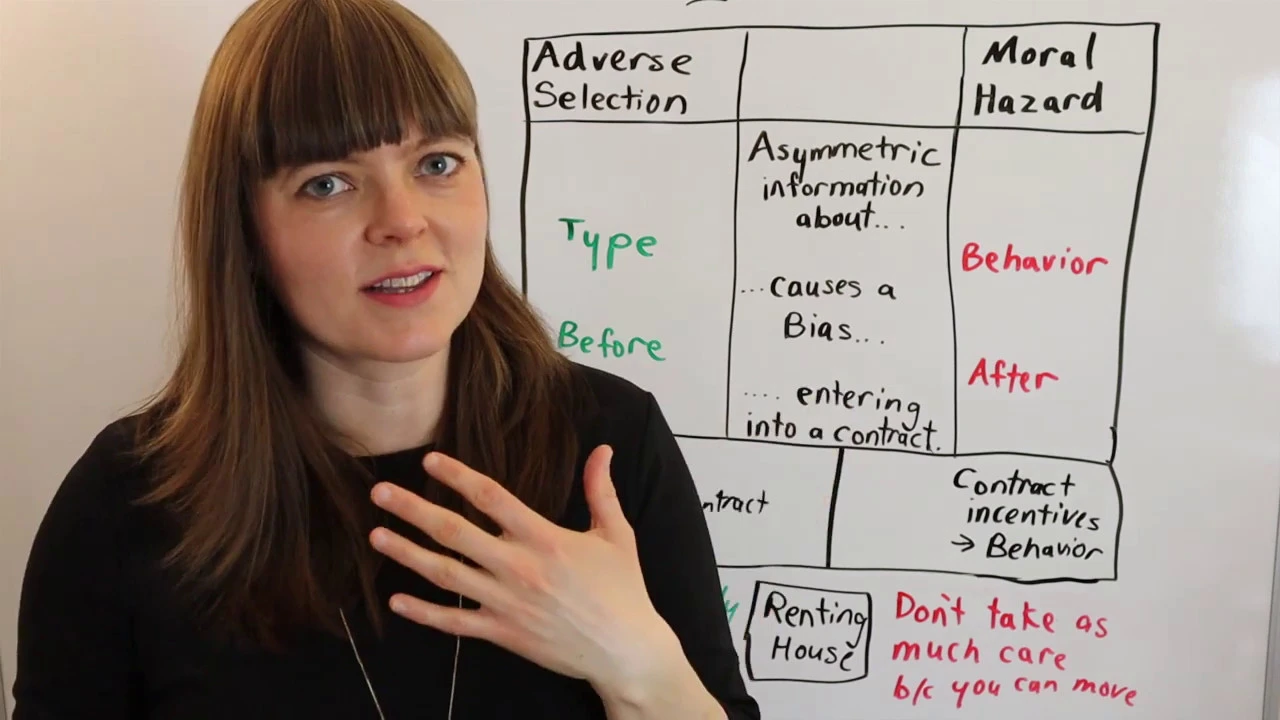
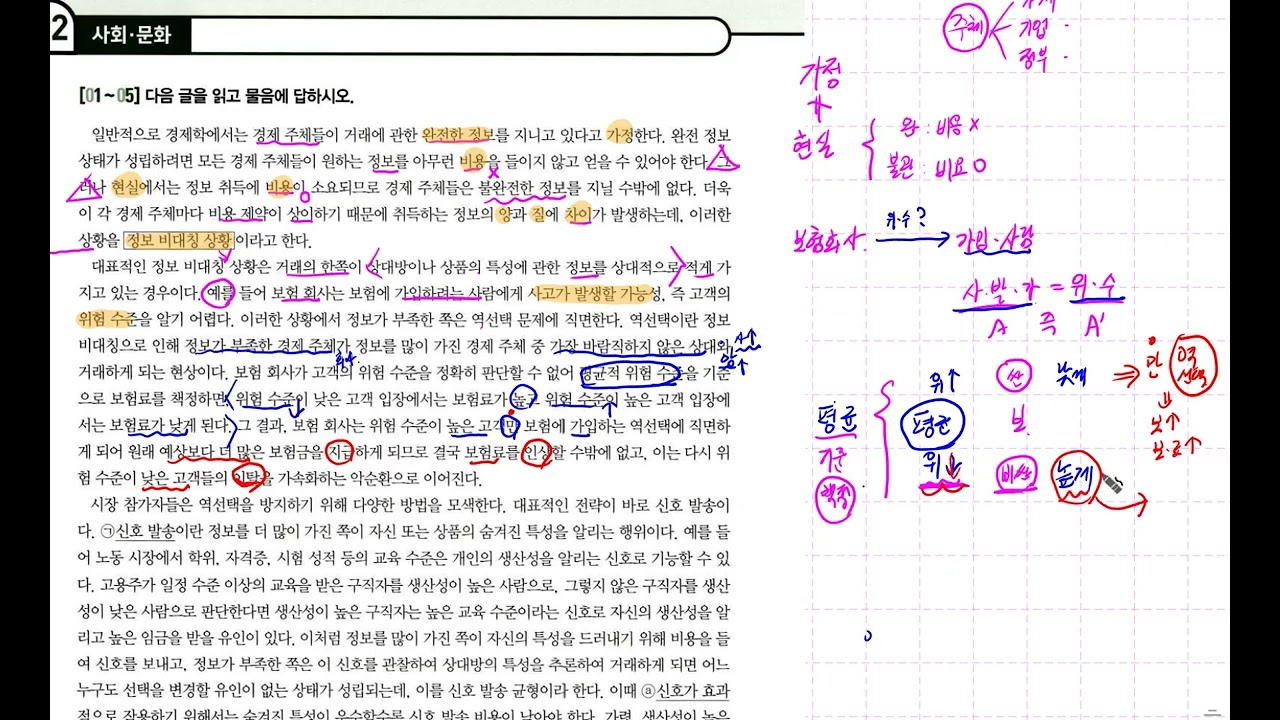
Akerlof's Lemons model demonstrates how asymmetric information—where sellers know more about product quality than buyers—can cause market failure in used car markets. When buyers cannot distinguish between high-quality cars worth £4,000 and low-quality 'lemons' worth £1,000, they only offer an average price of £2,500. This causes high-quality sellers to exit the market, leaving only low-quality cars, which further drives down prices and eventually destroys the market entirely. Similar adverse selection problems occur in insurance markets when buyers know more about their risk profiles than insurers.
Asymmetric Information & Market Failure: Akerlof's Lemons Explained
Added:Basic supply and demand theory, including how market equilibrium is established under the assumption of perfect information.
The concept of market failure and the general conditions under which markets fail to allocate resources efficiently.
The basic distinction between symmetric and asymmetric information in economic transactions.
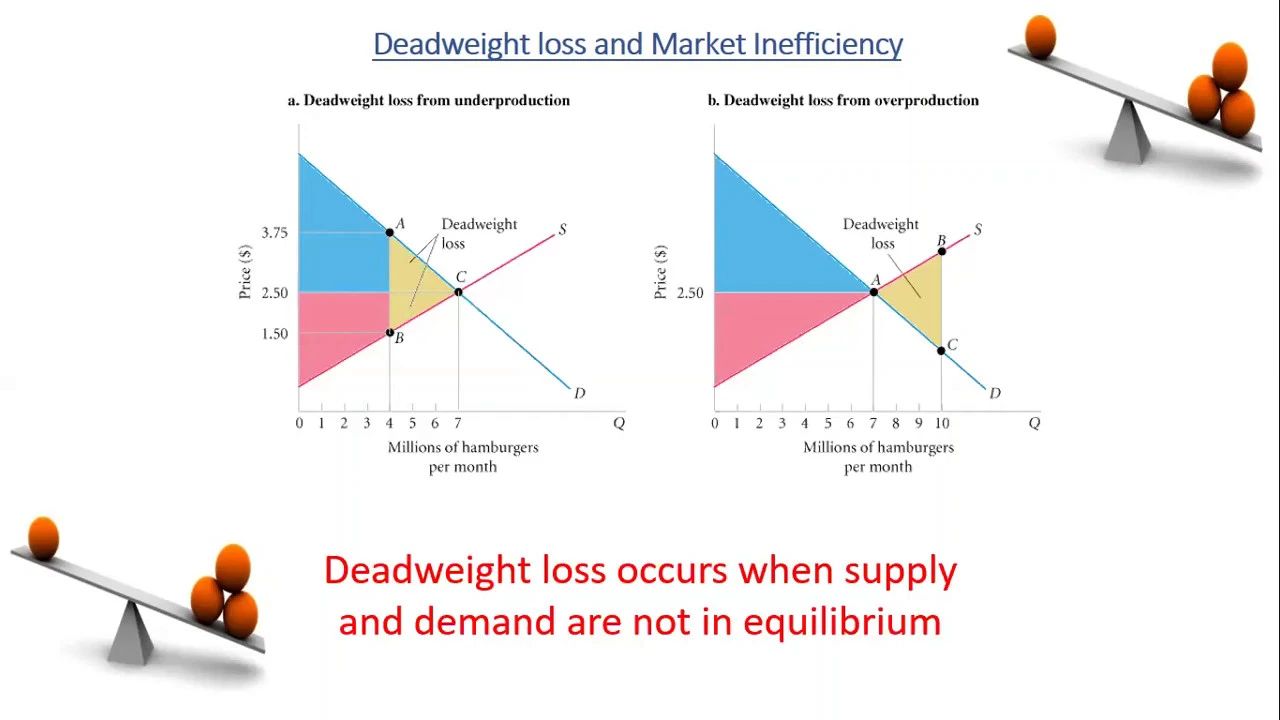
The definition of consumer and producer surplus to understand how market inefficiencies lead to welfare loss.
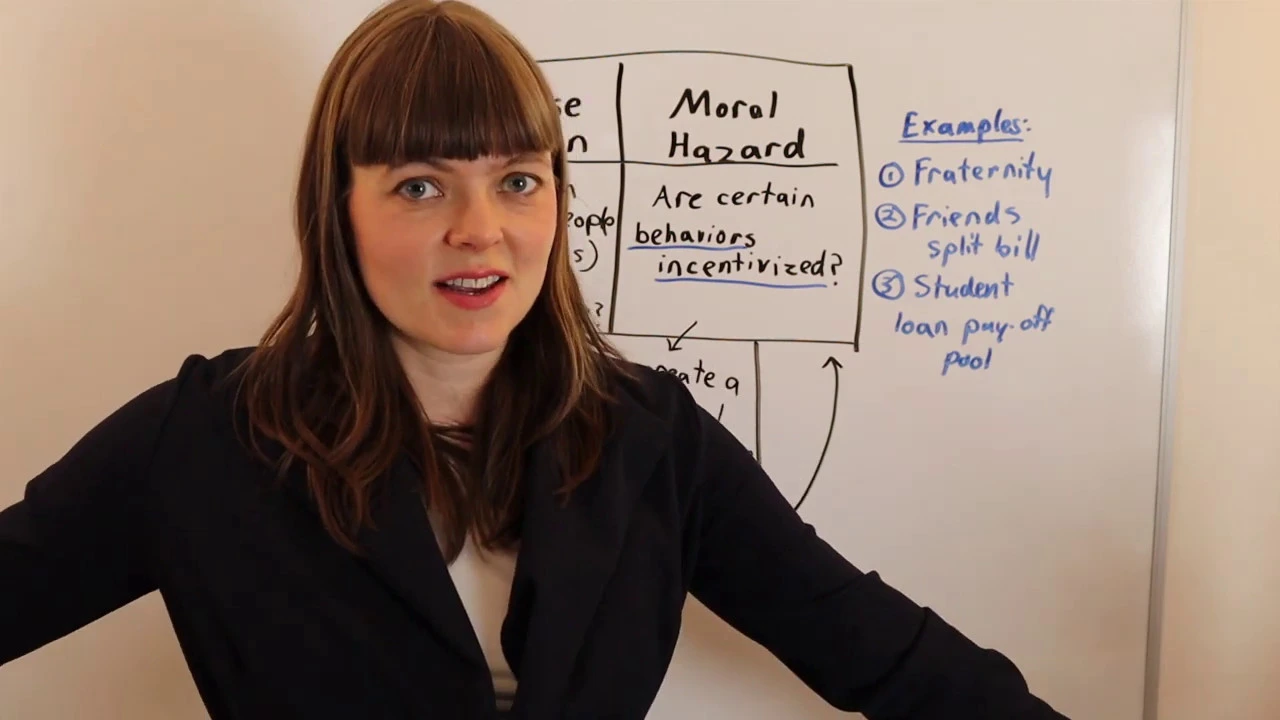
The broader economic concepts of adverse selection and moral hazard, exploring how they differ and manifest in various industries.
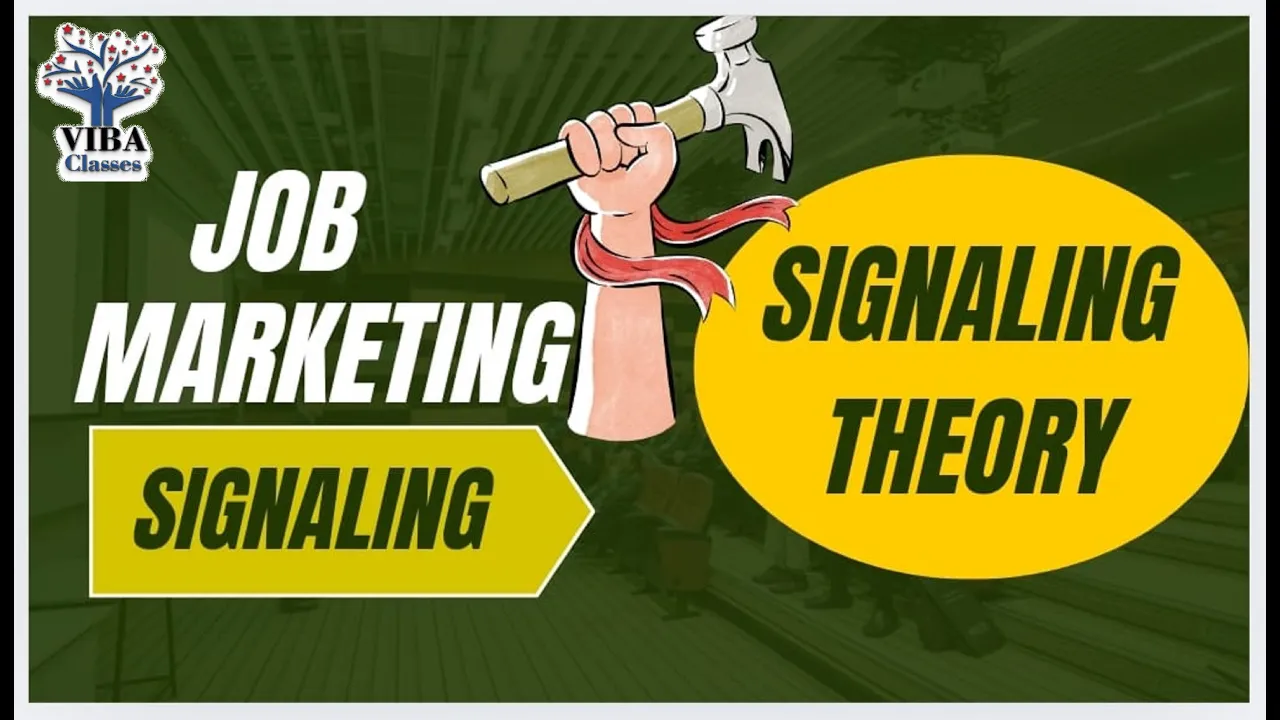
Signaling and screening theories, such as Michael Spence's labor market signaling, as strategic mechanisms to mitigate information asymmetry.
The Principal-Agent problem and its implications for corporate governance, employment contracts, and organizational design.
Real-world applications of asymmetric information in the insurance and healthcare markets, including the phenomenon of the 'insurance death spiral'.
65.4K views586likes11:50Original Release: 2016-02-20
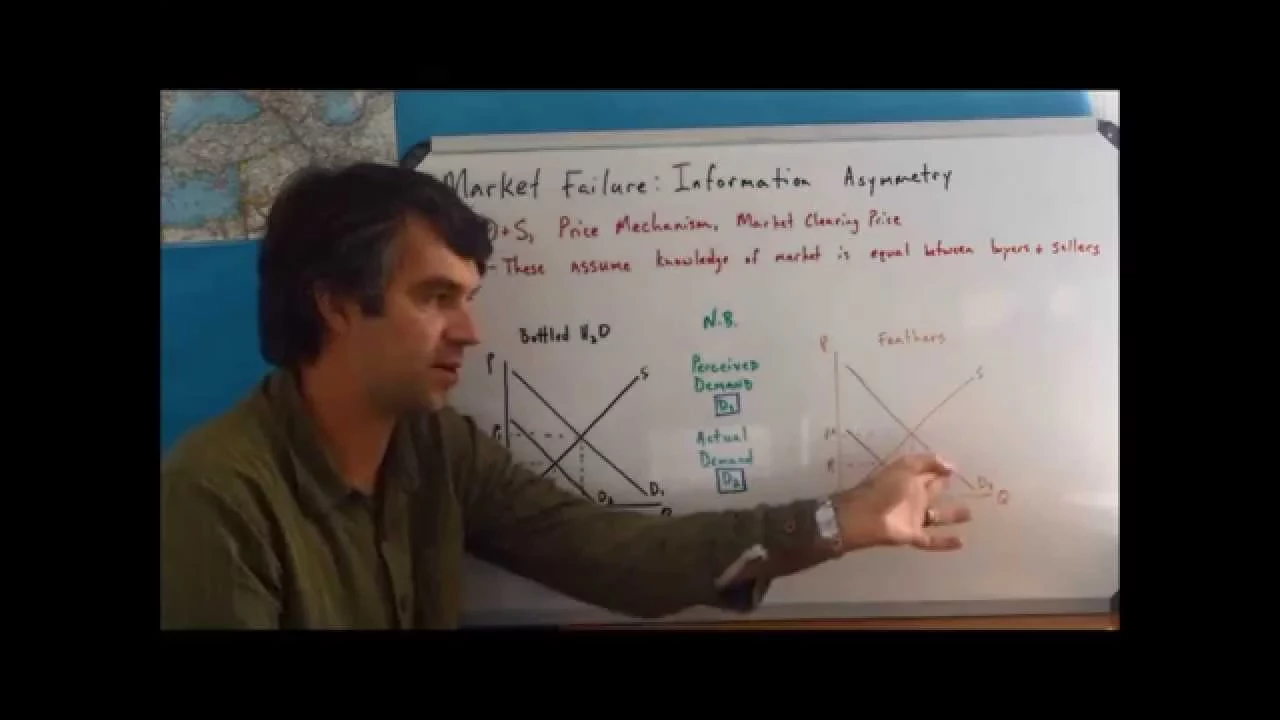
another form of market failure that we need to understand at as is asymmetry of information and how that can lead to some quite serious market failures um and in in some cases the absence of a market altogether what do we mean by information asymmetry first of all well information asymmetry can be said to exist if there is a situation where one economic actor knows more than the other by economic actor um in this context we mean the buyer or the seller um now it does work both ways um the example that we're going to look at first is where the uh the seller has more information um but then towards the end of the video I'm going to go through a uh the a situation that explains what happens when the buyer has more information now a lot of these ideas of information asymmetry are very associated with an economist uh called George aof who won the Nobel Prize in 2001 for um his work on on these sorts of problems um there were a couple of other economists that uh that won the prize the same year um also for looking at at asymmetry although they looked more at uh uh kind of how it could be dealt with and so on so it was akov who mainly looked at the problem of Market uh market failure caused by information asymmetry and the uh the example that he used in his work was to consider the market for used cars and particularly uh consider why uh a used car even if it's kind of a very new new used car sold for so much less than than a brand new car so we're going to run through the same example here um it's known as aov's lemons um and uh and hopefully that will explain uh what information asymmetry is and why it can cause market failure so to think about this um we need to kind of envisage a situation where we've got uh we've got two cars uh one is a high quality car worth £4,000 the other is a low quality car worth £1,000 um now we've got our um car dealer uh this is our dealer okay and obviously the dealer is the expert so he knows he or she knows which car is which so he he knows which car is the high quality car and which car um is the low quality car we also have our buyer over here now the buyer is not a car expert and so what that means is that actually the buyer is unable to tell which car is the high quality car and which car is the lowquality car just by looking at them so the information asymmetry here is that the dealer knows which car is which the buyer is uncertain and that's what generates the situation of information asymmetry let's have a look at how that plays out and how that can cause market failure I suppose the important thing to just make clear here is that as we've seen already in economics the buyer will be willing to buy the product if the value of the product uh that that the buyer perceives is greater than or equal to the price they have to pay obviously they're not going to buy a car if it costs them more to buy than uh than they think it's worth if there was no information asymmetry if there was perfect information in this market this would then simply come down to an informed Choice by the consumer are they willing to pay more to get the high quality car or are they essentially willing to take the chance um with the lowquality car because it's cheaper um and that's a that's a a a straightforward rational decision down to the preferences of the consumer and that would be fine but what we really need to consider here is the impact that the information asymmetry has on the buyer's decision making and therefore the dealer decision- making in this process the decision being faced obviously by the the dealer is that they will sell if the price that they receive for the car is greater than or equal to the value of the car itself now what this should result in is a nice uh straightforward equity equilibrium where high quality cars find a an equilibrium at 4,000 and lowquality cars find an equilibrium at 1,000 but because of the information asymmetry that doesn't happen now to start with we'll just think about things from the buyer's point of view so what does a buyer know a buyer knows that a high quality car is worth 4,000 the buyer also knows that the lowquality car is only worth 1,000 the problem the buyer has is they don't know which is which so what that means if they walk into car show them are they going to be willing to pay £4,000 for a car probably not because they are not going to be confident that that car is of a high quality because essentially they know that the dealer could put two cars in front of them and the buyer wouldn't have any idea which one is the high quality car so what does the buyer do they start to factor that in when they think about the amount that they are willing to pay for the cars and rather than treating these essentially as two separate products a high quality one worth four and a low quality one worth £1,000 what essentially the buyer will start to do in their heads is they will essentially start to treat them all the same because they don't know which ones are which and they would be willing to only offer a price somewhere in the middle now if they thought there was a 50/50 chance that price would presumably be halfway between the two at £2,500 so what that means is the buyer walks into the car showroom thinking that uh that because they they can't be sure that they're going to get a high quality car the uh the maximum essentially they're going to be willing to pay for a car is £25,000 so let's think about what that means then for the dealer let's bring the dealer back into this so the dealer remember is only going to sell if the price that uh that they will receive for doing so is greater or equal to the value of the car um now what we can clearly see is that if the buyer is is essentially treating all cars the same and is only willing to pay £25,000 for them then the low Quality Car will be sold because uh it's only worth £1,000 um the high quality car though won't the dealer won't offer this car for sale because essentially it it's not they won't get enough for selling it so they uh they remove this this car from uh from the sale and then the buyers are only left with the low quality cars so this is the first form of of the market failure that essentially we end up with a situation where the the bad quality cars the low quality cars drive out the higher quality cars from the marketplace and the even more substantial uh failure in this market is then that the removal of these high quality cars means that the average value of cars left also falls what that means is that the buyers will start to think about this number and this number will start to fall the amount they're willing to pay for cars and what that means is the lower the amount they're willing to pay go the the more high and middle Quality Cars leave the market and in the end all we are left with for sale are the low Quality Cars um which obviously the the buyers May well not want so we've got essentially kind of two forms of market failure in operation here one is uh a relatively standard kind of allocative inefficiency the fact that uh there are there are high quality cars which could bring benefit to the consumers which aren't being uh consumed um the other market failure is that actually uh without some action this could actually destroy the market because essentially what this will mean is that the the average quality of cars will just go down and down and down and down and that's the nature of the market failure which was um put forward by George aof now there are a number of things that the dealer can do if we think about the dealer here to try and convince the buyer of the value of a car and essentially to make the uh to make the high quality car an attractive option where the buyer would actually be willing to pay the higher amount of money for it because if we remember the reason that the consumer was only willing to pay2 and a half th000 was because they weren't sure whether the car was high quality or not so how did dealers try and convince consumers that uh that their cars are of high quality well this is why they offer things like warranties um or extended service agreements um things like that where basically they are trying to offer the buyer something which will convince them that uh that the car being offered is of high quality and therefore that uh that it's worth paying more money for because of course it's not in the Dealer's interest to have a high quality car sat there that they can't sell so the dealer wants to sell these cars for £4,000 what they need to do though is convince the buyer that uh that that it's essentially worth that money so dealers uh reputable dealers will spend quite a lot of money trying to convince the buyer that that they are trustworthy and that when they say a car is high quality that that actually is the case I said at the start of the video I'd briefly touch on uh on a market that works the other way around most common one we use here is to think about insurance um an insurance is a situation where the uh the information asymmetry is the other way around here the buyer knows more than the seller so if I uh if I apply for insurance uh you know let's say I apply for well I mean any form of insurance really um you know let's say apply for life insurance um or health insurance or even things like car insurance and so on um basically I I know more about my life my health and my driving style than the insurance company do um and as a result of that we end up with uh with a situation of of what we call adverse selection and this essentially means that only the people most likely need the insurance will actually end up paying for it because if all people had to pay the same premiums then essentially if if I knew that uh you know that I was a very healthy person um I looked after myself and I drove very carefully I wouldn't be willing to pay the higher premiums to compensate for those people that weren't so my choice would then probably be not to have insurance but that would then cause the same problem as before because that would mean that the only people who did want Insurance were the people who who didn't look after themselves and who didn't drive carefully and again that would cause the destruction of the market because ultimately the only people left getting insurance would be those people who are almost guaranteed to need it and under those circumstances the insurer simply wouldn't offer the insurance in the first place so uh again how how do we get around this well uh in most countries well in all countries really there are laws which dictate the information that you must give uh when you are applying for insurance and if the insurer asks you a question you must answer it honestly and doing that hopefully will enable the insurance company to identify who are the people at high risk who are the people at low risk and then offer them premiums which accommodate for that fact so really what what in both cases here what uh the solution is to these information gaps is to try and provide the uh the buyers and sellers with enough information to view them as two separate markets the high quality and the low quality if they can be given enough information to view them as two separate markets and have confidence that they're looking at them as two separate markets then the information asymmetry uh market failures should go away because people will be willing to pay the price which is requested
Up Next

11:09
Economics of Insurance: Expected Utility & Fair Premiums
@EconomicsinManyLessons
124K views•2014-05-09
5:07
Impact of Yuan in Indo-Russian Trade Amid Sanctions
@WION
261.9K views•2022-07-01
10:33
Behavioral Economics Explained: Rationality, Nudges, and Risk
@crashcourse
1.1M views•2016-03-12

113:18
The Age of Easy Money: Fed & Inflation | Full Documentary
@frontline
21.2M views•2023-03-15
Related Study Plans & Knowledge Roadmaps
Structured learning paths in Economics
economics
Sovereign Debt: Defaults, IMF & Restructuring
01Introduction to Sovereign Debt & Government Bonds
02Debt Sustainability & Credit Ratings
03Anatomy and History of Debt Crises
+ 2 more learning modules
12h5 modules
Explore Roadmap
economics
Market Design: Matching Theory & Gale-Shapley
01Introduction to Market Design and Price-Free Markets
02Two-Sided Matching & The Gale-Shapley Algorithm
03School Choice Systems and Mechanism Design
+ 2 more learning modules
10h5 modules
Explore Roadmap
economics
Impossible Trinity: Forex, Capital & Policy
01Introduction to Monetary Policy and Central Banking
02Exchange Rates and International Capital Flows
03The Mundell-Fleming Model
+ 2 more learning modules
8h5 modules
Explore Roadmap
economics
Healthcare Economics: Market Failures & Systems
01Introduction to Healthcare Markets and Market Failure
02Asymmetric Information and Adverse Selection
03Moral Hazard and Insurance Design
+ 2 more learning modules
12h5 modules
Explore Roadmap