![The Federal BUREAUCRACY [AP Gov Review Unit 2 Topic 12 (2.12)]](https://i.ytimg.com/vi_webp/FdCM8VRhzA8/maxresdefault.webp)










![財務官僚とアイヒマン〜財務省が「減税潰し」に汗をかく真の理由とは?[三橋TV第949回]三橋貴明・さや](https://i.ytimg.com/vi_webp/qVOfi87ngMY/maxresdefault.webp)








![[Live Webcast] Francis Fukuyama on Political Order and Political Decay: China and the United States](https://i.ytimg.com/vi/8d6on9tPLxk/maxresdefault.jpg)


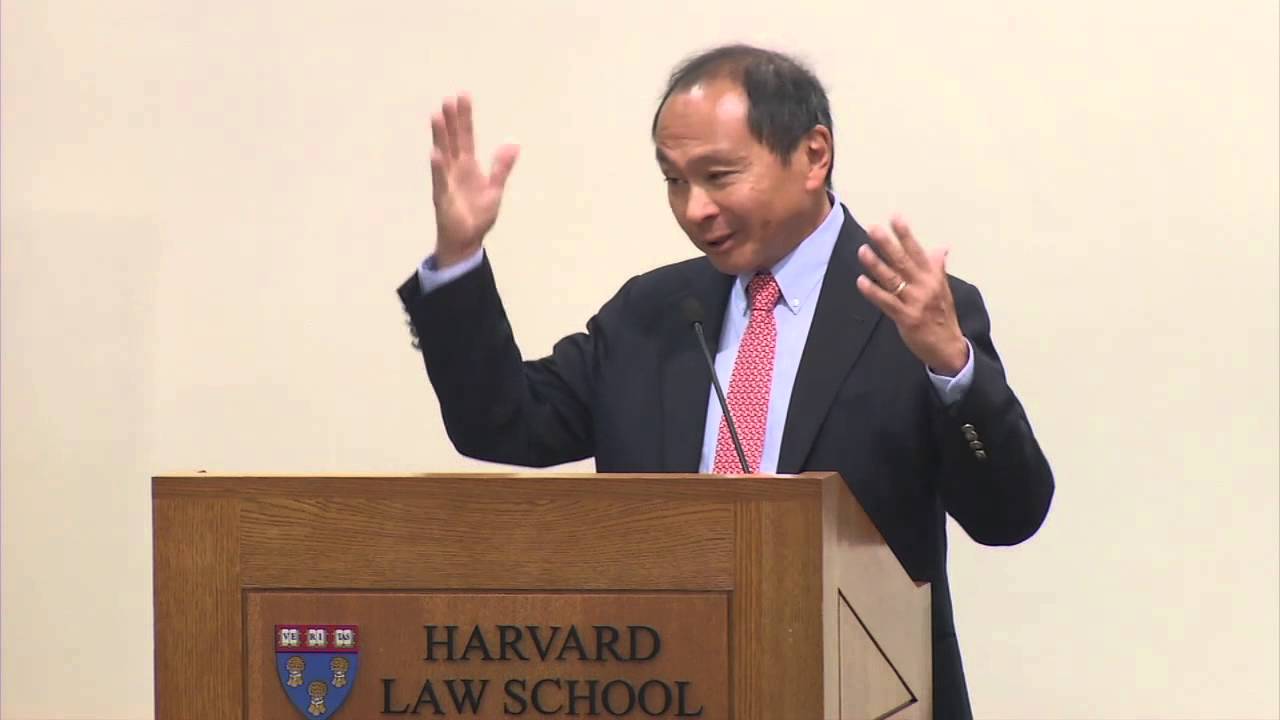






The fundamental problem with the American civil service is not that it has too much power (as conservatives argue), but that it is over-constrained by excessive rules and regulations, creating a culture of rule compliance rather than outcome-oriented decision-making. This stems from deep American exceptionalism—the unique distrust of government rooted in the revolution against monarchical authority—which has resulted in hundreds of pages of rules governing even simple purchases like office desks. The solution requires delegating more authority to public officials with good judgment, rebuilding the federal workforce with younger, technically skilled personnel, and implementing reforms that allow government to accomplish large-scale projects more efficiently while maintaining necessary accountability mechanisms.
Civil Service Reform and US Governance: An Expert Analysis
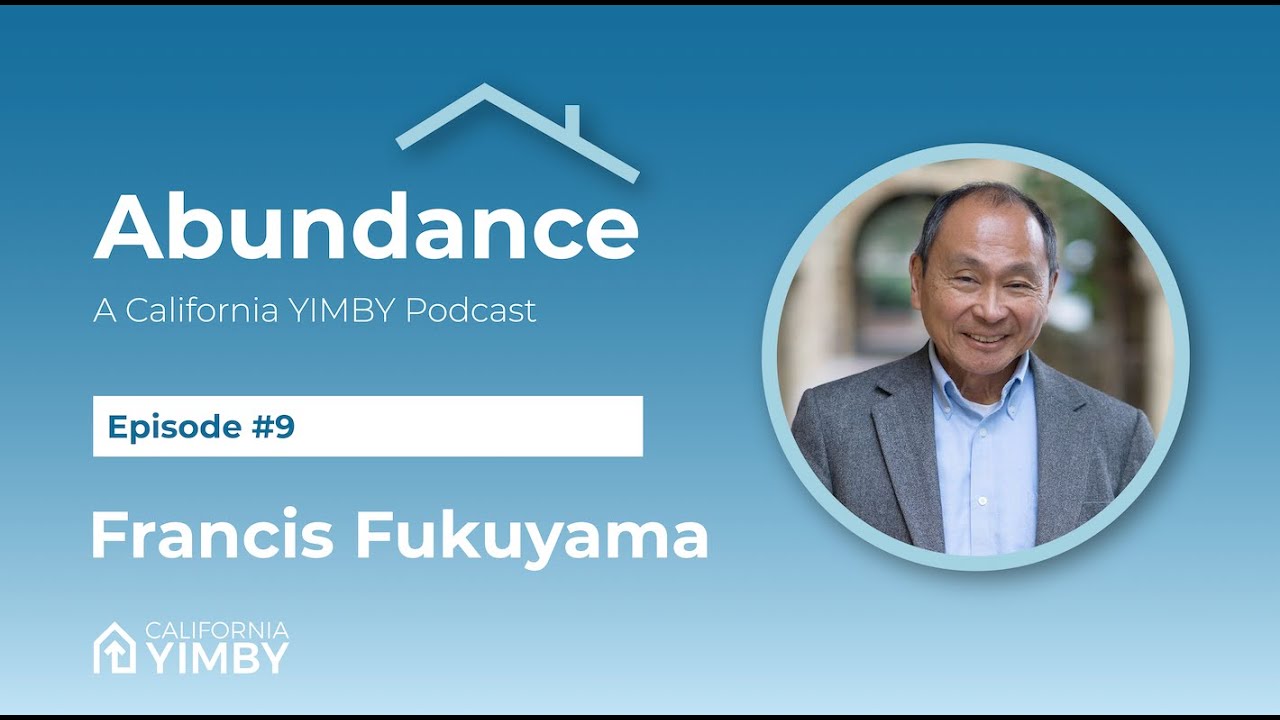
Added:Dr. Fukuyama is the Olivier Nomalini Senior Fellow at Stamford University's Freeman Spogley Institute for International Studies.
uh you also direct the Ford Dorsy masters in international policy and as I mentioned before and as we all know in this room Dr. Fukuyama is one of the world's most influential political thinkers, best known um undoubtedly for your 1992 book, The End of History and the Last Man, uh which has been translated into more than 20 languages and remains one of the most debated books in modern political thought. You also have a forthcoming memoir, I believe, in the autumn, although no pressure. Um, in the realm of the last man to be published. I'm sure you're you're thinking a lot about that. And in between, you've written extensively and spoken extensively and of course one of your books, the origins of political order. You've recently turned your attention to questions about the American civil service. You lead Reform for Results, a Stanford Universitybased working group that focuses on protecting and reforming the civil service in response to growing efforts to politicize it. So you um are you take seriously your engagement and we all thank you for that. I think that means a lot um to Chicagoans. You were born in Chicago um and to our community.
Go ahead. You can clap. You were born in Chicago. That was really a clap for your mother and father. um since they made the choice. But uh but it it does mean a lot I think to understand your roots. So we're going to begin our conversation and then we will of course um take your questions. Um so you've spent your career studying the state political order, democratic transitions, the end of the cold war, what it meant um not only for the the countries um the former Warsaw pack countries but but for the future of democracy and liberalism.
And now you have turned to the civil service. Um, and I think we all in this room understand perhaps we assume your motivation. Um, the uh significant cuts to the American civil service um under the second Trump administration doge um the the feeling that maybe the the US state had become bloated. Um, but a range of views on what the appropriate and proper response to that could or should be. And so I'm curious, you know, when did you start thinking about this question and and why? What was your sort of instinct and your motivation? And first of all, thank you for doing this.
>> Well, it is a delight to be back in Chicago. I was born in the lying in hospital in Hyde Park. Um, both of my parents were graduate uh students at the UFC at that time. uh and I love this city. So I'm very happy to get this invitation. Um so this is something that this uh this this forthcoming memoir will explain how I got to focusing on the American bureaucracy. It really started with the interventions in Afghanistan and Iraq where because of the intervention the states in both of those countries collapsed and the big problem for American foreign policy was not democracy building. It was actually getting a functioning state that could maintain security, collect taxes, do the things that states do. And that was a point at which I began to realize how important it was to have a modern uh uncorrupt uh effective state. And as time went on, I spent more and more time thinking about that in a developing country context. But then began to realize that our American state was also problematic because it was not delivering, I think, the way that many citizens wanted it to. Uh and then, you know, in the leadup to the 2020 uh 2024 election, the Heritage Foundation had this project 2025.
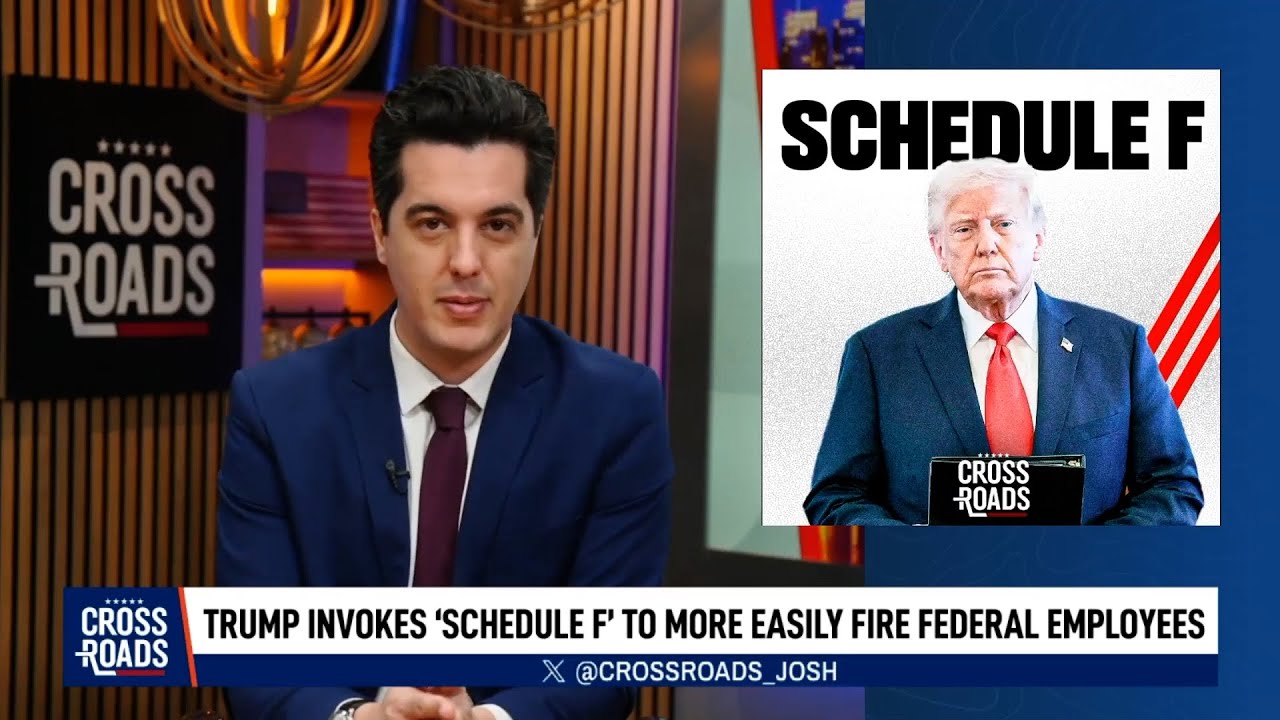
Uh just for a little background, in October of 2020, the first Trump administration issued an executive order creating something called schedule F, which basically would put every single American civil servant on an atwill basis. So that essentially what they were doing was going to take the US civil service back to the period before 1883 when the Pendleton Act was first passed that for the first time required a merit-based civil service. Uh there was a civil service commission. People had to take a civil service exam to be hired. Uh prior to that we had the spoil system. uh we had you know that begins with Andrew Jackson where every single fourth class postmaster in the United States was a political appointee. The parties after the civil war would switch positions roughly every two years.
Everybody would be fired from the previous administration and they would hire a bunch of political hacks uh to replace them. And this was a system that the uh United States had up until the Pendleton Act. Uh and essentially, you know, what I foresaw was we're going to go back to that patronage system of the 19th century where you have a very political administration that uh really does not respect expertise or merit and the civil service is going to be filled with a lot of people whose primary uh qualification is political loyalty uh and not you know their background, skills, knowledge, education uh in doing their jobs. So that's why we started this reform for results uh group uh first to monitor what was happening. Uh once the election happened, we couldn't do very much. This was all up to lawyers, you know, uh litigating against the, you know, these mass firings which many of which I think were just blatantly illegal. Uh and what we're now turning our attention to is what a future civil service ought to look like.
because I'd be the first person to admit that the old system was, you know, had a lot of problems that really needed to be fixed.
>> Thank you for that. And it it is um it it's useful also to understand that you started thinking about this long before um schedule F and project 2025. So when project 2025 was before it was really getting very much attention. You were obviously following it, but most people were not. And I con I was in London at the time. I convened a session with the chair of project 2025 at Chattam House.
Um and um and he he was on the screen and we were in the room. It was in December of the year before the year of the elections and it was the first time where people stayed I'd ever seen people stay for at least 45 minutes after the talk was over because they were so jaws were dropping. But and here I guess here's my sort of question to you. Um his articulation of the thesis behind it was in certain ways if you sort of remove you know details and maybe you know our own political biases and you just took it um at face value. It was compelling actually. And the argument was you know that we have a civil service that tends to live in um you know in the the Maryland DC suburbs in Maryland and in Virginia. They're overwhelmingly liberal. They've lived there for a very long time. They've worked in the institutions. They have a set of ideas. And that the civil service had ceased to serve the elected the legally and constitutionally elected president of the United States of America. and that when presidents came into power, they they were elected to do something and they couldn't actually deliver it because the executive was no longer doing their job. Um, and and you know the rest, but and you know there were there was much that followed from that to do with waste and size and all the rest of it. And the people in the room were largely Democrats, Americans in London. that the Brits didn't even think that this mattered because it was so far out that they this project 2025 thing seemed irrelevant. Um but how do you I mean how do you respond to that and you've sort of you know you've you've you've kind of already started by saying of course you know there's a problem um in terms of functionality and size and scale but how you know how do you respond to that and maybe it gets to you know how do how do people who are not pleased with the decision to have large-scale firings very abruptly by what many people perceive to be non-expert outsiders some of them quite young how do you put forward a positive vision rather than, you know, just simply a critical one.
>> Okay. Well, this is a great way for me to talk about what I think is the fundamental issue with the American civil service. So, as you said, there is a conservative narrative that has been in place since, especially since the New Deal that we have an unelected bureaucracy that really runs the country out of the control of democratically uh elected representatives or the president uh and they tend to be liberal and they have their own agenda that is at odds with the wishes of the rest of the country. Now that narrative is is true in certain I think relatively narrow areas of government. I mean for example in the department of education you know their title nine administration that affects all universities. I think that authority has been expanded really without you know a democratic mandate to do so. So you can find instances where you have an outofcontrol government bureaucracy that has its own agenda uh and and you know it needs to be brought under uh control.
But this is this is the one point I want you to take home with you. I think that the fundamental problem with the American bureaucracy is exactly the opposite. It is over constrained. There are way too many rules that American bureaucrats, public officials have to follow. And what it does is it has created a culture of rule compliance rather than a culture in which a public official thinks about the actual outcomes that they want the government to achieve. Uh and they are, you know, hired and promoted on their on the basis of their ability to fire uh to to follow rules. Now where do these rules come from? It comes from this very deep thing I think in American political culture.
Americans do not trust the state. They don't trust the government. Uh typically an American thinks of the government as a potentially tyrannical force that can take away their individual liberties.
This is very different. This is one of the deepest features of um American exceptionalism. My one of my mentors Seymour Martin Lipit spent his whole career writing about this aspect of American exceptionalism. Uh it comes out of our history the revolution against you know monarchical uh authority. If you go to Europe or Asia you know Japan, Korea virtually every other modern country does not have this same suspicion of government. And in fact, you know, in Europe, typically people think of the government as something that protects them against foreign and domestic enemies, against, you know, corporations that are really going to be taking away their rights and liberties and so forth. But it's very uniquely American to distrust the government. And as a result of that we have piled up all sorts of rules on the way that the government operates that makes it extremely constrained in making just simple decisions. So for I can give you many examples of this. Uh if you want to buy an office desk in a federal agency you have to go something through something called the federal acquisition regulations.
This is hundreds of pages of extremely detailed rules about how you can procure that office desk. You have to have multiple bids. You and then the losing biders have the right to appeal to several levels of you know appeals processes. And that is the reason that procurement in the United States is slow and why things that the American government buys are so much more expensive than a private company buying exactly the same product because American procurement officials don't have the freedom to use their own good judgment uh in order to you know to uh do those sorts of things. And this is replicated throughout many uh uh parts of the US government. Um one of the areas where we're trying to work on some reform ideas you know have to do with for example technology uh where you know we have these very very rigid rules for how to acquire a computer system. There have been disasters in uh software procurement unlike Silicon Valley where they take a minimum viable product and work on it and keep getting user feedback. You know, the US government perceives by these extremely rigid rules uh that uh prevent them from doing that. And one of the problems I think really is so so I guess to get to the bottom line what I think actually is not that we need to constrain the US government further. We ought to give it a little bit more freedom for public officials to use good judgment and common sense to make decisions in view of actually getting outcomes rather than simply doing this this you know uh mechanical rule following. Now you cannot delegate more authority to officials if you don't have good officials uh that have good judgment and good background. And that's why actually the quality of the people that work in the federal uh in federal employment you know you have to pay a lot of attention to and that's one of the big weaknesses right now. The average age of a federal bureaucrat is somewhere in the mid to high 50s. the number of uh full-time federal officials under the age of 30 is something like 4% of the federal workforce. And if you're talking about a government that can adopt technology and uh you know, especially in an age of AI where we're talking about wanting to govern uh and regulate artificial intelligence, this is not the workforce that's capable of doing something like that. And so, you know, one of the things that I think we desperately need is to encourage young people with good skills uh to, you know, come to work for the government.
Culturally, that's been very very difficult to do. I mean, I suspect in your teaching, you don't see a lot of American, you know, students wanting to go to work for the federal government.
And again, uh, part of the reason they don't want to, you know, it takes six to nine months to, you know, you answer a job, uh, opening at a at a federal agency and it takes 6 to 8 months to get an answer to get an interview uh, compared to a private sector company where you'll get that interview hopefully in a in a uh, in a week or two. Uh and again that really has to do with this burden of rules that make it really difficult to you know to speed things up. Uh and so that I think is kind of fundamentally what's at the core of uh of the problem. And unfortunately in this administration we have done everything possible to disincentivize people to go to work for the federal government. M uh you know one of the early things that Doge did was to go after probationary employees. These were young people that had just been hired to see whether they were any good or not, right? And you know, those were the uh first people that were fired.
>> I I there's a lot in there, but I guess um you know, at at your core, at the core of what you're saying, um Americans have a suspicion of the state. We know, right?
No kings. um small government Americans, our bureaucracies have become not fit for purpose, bloated, overregulated, slow. I mean there there is a symmetry in the critique that you are articulating and I think that's really um profoundly important, right? That there you're not sort of articulating a radically different critique. In fact, you're you're recognizing that there is a fundamental problem.
>> Okay. But with one major difference. So I think on the right the critique of overregulation uh is directed at the way that the government regulates the private sector and my argument is that it is actually the public sector itself that is overregulated. Uh so just another way to think about it. uh I kind of invented this term vetocracy.
In the United States, we have a system of checks and balances uh that, you know, at the present moment we desperately hope is going to stay in place because we want to check uh executive authority, outofcontrol executive authority. But for much of American government at at lower levels, uh the problem is kind of the opposite that there are too many checks. uh uh in the system uh we delegate you know I I've been thinking about infrastructure a lot over the last few years because that's one of the areas I think of poor performance of US government uh you know especially in my state of California uh we were promised that you know the state legislature where the with the federal government uh voted for highspeed rail sometime in the mid 1990s at the moment they built maybe 10 miles of it in the middle of the central valley where nobody lives Uh and part of the reason for that is that in order to actually promote a federally backed project like that, you have to jump through so many regulatory hoops that uh it becomes very slow and very expensive and ultimately, you know, kind of kills off the project. And so I think that this is not something that bureaucrats want. I think that they would very much like they and their political backers would very much like to actually be able to do these large projects uh effectively. But the way we've organized the American government uh we give a lot of players in the system the ability to veto things uh and we don't delegate real authority to actually make decisions. Now you might say that this is an argument for Trumpism. I would say that it is an explanation where Trumpism comes from because of the inability of the government under normal circumstances to actually, you know, do things like build the Second Avenue subway or fix WMAN rink or build high-speed rail. Uh you get, you know, populists that want to go to the other extreme that just say we should have just executive authority to cut through all this nonsense and just get things done. And frankly, I think that a lot of the support for Trump lies in the fact that he's, you know, an executive who's built stuff and he can just do things. We don't want to go to that extreme. We don't want to have somebody that is basically flouting the law, uh, you know, in pursuit of, uh, of objectives. Uh, what we want is a government that can act legally within the parameters that are set by Congress, but that can do things in less time. And we can do this in the United States. The US government in the 1930s,4s and 50s built Hoover Dam, uh the the the the Bay Bridge in California, electrified the upper Tennessee Valley. It mobilized for World War II. It built the interstate highway system. And between Kennedy's announcement in 1961 and the actual landing of Apollo 11 in 196uh9, eight years passed to do this incredible thing of putting an American on the moon. So there was a time when the US government could actually accomplish really big things. And I think one of the, you know, one of the sources of male these days that leads to people like Trump and and Elon Musk rising to power is the sense that we've lost that ability to actually accomplish things.
And so, you know, that's I think kind of what we ought to be hoping for in a period after, you know, the the current administration passes from the scene, which I think will happen eventually.
>> You've really um tackled a rather large problem. Um so, how how are you trying to do this in a way that's not political? I mean, this is an extremely difficult thing to do in a country that is so highly polarized. The Chicago Council, as you know, has been polling Americans consistently for more than 50 years. And our um public opinion, you know, mirrors the results of of those who have sort of come into this field, many people, right, showing how polarized we are. But when you articulate this message and when you're trying to actually create a series of proposals and a coalition presumably behind you, how do you do it in a way that reaches out across a broader um group of Americans and you know how do you avoid the perception that this is just the anti-Trump or the anti-Republican find anti-Trump if you are but anti-Republican which is still you know a significant percentage of people who we hope will go in and work in these jobs and help with these reforms.
>> Yeah. Well, I think the idea of um being able to build things and accomplish things on a national level is not a particularly uh uh partisan point of view. Uh there is actually in Congress in the House there's a bipartisan Build America uh caucus that involves both Democrats and Republicans that actually want to take on this, you know, question of making it facilitating uh a government that can actually deliver, you know, goods in a more timely way and get through some of the, you know, morass that prevents it from uh from doing that. I mean, that's a fundamental I mean, that in a way has been a long-standing Republican critique of of US government. I think at the moment, actually, what you're getting is the opening up of the possibility of a more bipartisan approach to this. You may be aware of um the abundance movement you know uh this book that Ezra Klene and Derek Thompson published last year uh in which they argue that you know in a way it's the Democrats that have been the ones that you know believe that legitimacy comes out of you know more and more procedures and uh they've got to get off of that uh you know that uh that track and realize that it's kind of the excessive procedures that have prevented them from accomplishing uh you know what they want to do. So for example uh you may not you may not know this but the vast majority of alternative energy in the United States today is provided by two deep red states Texas and Oklahoma. The reason that they produce so much alternative I mean if you take drive out on I 40 across the Texas panhandle you will see the largest goddamn wind farm you've ever seen in your life. goes on for like a hundred miles and all that electricity is bottled up in Texas because they can't build transmission lines to get it to where the demand is in California right on the west coast. Uh and part of you know it takes almost 10 years to get the permitting done to get a transmission line built. You have to go through multiple states and multiple jurisdictions and there's not really the authority to do that. And I just don't see how fixing this problem is a particularly partisan, you know, project. Uh because I really do think that in many ways both sides are contributing uh you know to the problem.
>> I mean I I agree with you completely. I will say that one of my colleagues, not at the council but um in the field so to speak based in Washington said to me when I was returning to the US he said Leslie if you believe in the the there is no such thing as you know not being partisan in today's America if you believe in the rule of law and you articulate it you're taking a political position. I sort of my jaw dropped and I continued to move forward talking about the rule of law. Um, but I I guess um you live in California, you are surrounded by people in the tech industry. You're in the conversations.
You're at Stanford presumably the the world's leading um university for hosting conversations about artificial intelligence. how I mean that you know the future of the state, the future of all the things that you're talking about we assume will be um deeply implicated or deeply affected and impacted by artificial intelligence. I is that something that you can even grapple with or do you think that you know everything you've said sort of sits apart from these sort of known unknowns that are going to affect how we govern? Yeah. So, it's really premature to predict what the real world impacts of AI will be except to say they're going to be really big. Yeah. I just I I don't see how you can avoid it. Um, and I do think that it is something that needs to be regulated.
I mean, one of the actually crossartisan movements in this country is people don't like AI. They're very worried about it both in the Republican party and in the Democratic party, right? So there is growing uh there's there's a kind of crosscutting split between the parties that uh is very worried about the future of AI. It's very likely to increase inequality. It is going to destroy certain jobs. It's certainly going to disrupt uh many people's lives and I personally think that we are going to have to regulate this thing. But you cannot regulate something you don't understand, you know, and and this is one of the big problems that the government has been losing capacity. Uh this, you know, I I kind of go back to the 1980s when Ronald Reagan said, you know, the scariest words you can hear are, "I'm from the government and I'm here to help." And from that point on, you know, young people, if they had any kind of publicspirited desire to work for the common good, they did not go into the government. They went to work for a public interest law firm or for an NGO or for an international organization, anything but the government. And I think that as a result of that, you don't have a government that has the knowledge and the technical skills to really deal with some of the big technological challenges that are coming up. You can't procure technology.
you know we we outsour you know the 80s was a time when the US government began to outsource everything and you can't even outsource properly if you don't have the engineering knowhow or the technical uh expertise to know what these contractors are doing and so this is why I think that one of the things that desperately needs to be done is to rebuild the federal workforce to get younger people into it and to have a recognition that you've got to have those skills and abilities in the government itself before you can even talk about doing something like regulating you know artificial intelligence.
>> Is anybody doing it better? I mean you you you indicated that others are don't have this you know and we we know it to be true they don't have this instinctive anti-state anti-government um bias but we also know the EU has become overregulated. We were talking over talking about this over lunch before we joined came to the stage. Um and but as you're looking around and trying to build this model and make these proposals, is there anybody to look to that's doing this? Well, I mean we have the China model, we have, you know, a lot of European countries. We have all sorts of examples, but anybody to look to or we really out there on the edge kind of making it up and and improvising and trying to get it right on our own? I'm not sure that uh in with with respect to AI specifically that any you know it's also new that everybody is kind of making it up as they go along.
So I'm not sure that there are any particular better models. Uh it's certainly the case that most European governments still can call on uh you know a workforce that is of higher you know technical ability uh than the United States. uh and so uh so it is something you know that I think is a problem that is held in common by many other democracies and not simply by the United States.
>> So we're going to open it up and before we do let me ask you one final question.
I'm looking forward to the cards. Um and and that is are you really so pessimistic about the next generation?
And I I guess I pose it because you know I I like you teach a lot. um spent last weekend with some students at the Hamilton Luger School of Global and International Studies. So, selecting on the dependent variable because they've obviously chosen to study internationalism and public policy. Um, but my intuition is that there are a whole lot of people that would give their right arm to have the kind of careers that some people in this room have had to to be able to serve the country, to lead, to be in the foreign service, to work for, you know, the agency that no longer exists, USAD. Um, that they understand that America has this global footprint and there are all sorts of tremendous things, but that they feel like their dream has been cut short. Um and so I'm curious if you could maybe comment on that before I start reading out the questions.
>> Yeah. Uh no, I do think that there is a well of uh idealism that exists among uh young people today that really does not have a good outlet. Uh I think that you know well just to give you one recent example I gave a talk about um uh well we hosted Mark Dunkelman who wrote the book why nothing works which is kind of an analysis of what's gone wrong in American society such that it's so hard to build stuff. uh and uh so we did this at the Stanford Law School and it was very interesting because the room was absolutely packed with you know Stanford law students that actually want to understand how they can act well let me back up a little bit so Dunkelman's basic point is that there have been these two trends in American history one that he calls a Jeffersonian trend where you want to push power down to the people as far as poss possible. And the other trend that he calls a Hamiltonian trend where the government itself is the agent of change. And he says, you know, for most of the 19th century, it was Jeffersonian. Beginning in the progressive era in the 1880s going all the way through the New Deal, the country switched to a more Hamiltonian mode where the government was the leading progressive uh force. But ever since the 1960s, the Jeffersonians have made a big comeback. And this is why, you know, young law students don't don't want to go to work for a regulatory agency. They want to go to a nonprofit or, you know, a public interest law firm. But that room full of young Stanford law students was full of people that were basically Hamiltonian. You know, they had come to the realization that actually we do need a more competent government. uh and that they would be the ones that would be prime candidates, you know, to exercise leadership in that kind of a different America. And I sort of think that uh you know, I see this in a lot of schools around the country. So I hope that this is something, you know, if you're looking for some optimism about this, I think that might be uh a straw in the wind.
>> There's so many questions here. This is this is a little bit like exam reading um back the blue books back in the day.
Um but you all have fabulous handwriting.
>> We we don't allow students to use computers and they have to go back to blue books now that we have AI.
>> Uh so first question, how can we bridge the economic gap present um be present between private jobs and public service in order to recruit talented young workers? So maybe I concrete ideas on programs that people in this room and others can put their their wealth behind.
Uh yeah. So you're never going to solve the pay gap. You know, the public sector is never going to pay as well as as uh the private sector. Uh what you can do is to tap into that public service motivation that many young people have.
For example, by making it easier to go in and out of government, right? So that you don't have to give up your whole lifetime uh you know working for the government. You can go in to solve a particular problem and then go back to the private sector and then go back in a few years later when the need arises.
You can cut through a lot of the red tape that's involved in working uh for the government. And I think that you know in the end part of what is attractive uh potentially about working for the government is the inspiration of the projects themselves. And so if you can actually clear away some of the obstacles that make it difficult for people in government to do their jobs, you know, you will make it easier for young people for see them to see themselves in uh, you know, positions of real authority.
>> I really like this idea of programs that allow people to go in and out. We think about those between academics and public service, but less private sector into public service, and they're they're absolutely critical. I mean there also programs for women who've taken time off to come back in. There's so many people to draw on that where that would be um uh motivating. So many next question.
Many rules that constrain bureaucrats are made to prevent abuses of power and self-deing. How do you think we can solve or prevent these kinds of issues if we remove those rules or absent those rules?
>> Well, so this is I think a fundamental mistake in the way that people think about this. It's not there's not a dichomous choice between the current system and no rules at all. What you want to have are necessary rules that prevent abuses from power. You certainly have to have accountability of public officials so that if they screw up or they're corrupt that they're punished for it. Uh but you know if you just look at the volume of uh rules that current officials have to uh uh worry about uh a lot of them for example are based on you know kind of non-existent uh problems that existed 20 years ago but they stayed on the books. Nobody knows where the rules came from and nobody knows why they need to be enforced. So there's a huge winnowing I think of rules that will keep the fundamental monitoring and oversight capacities that a democracy demands and yet make it easier you know to make decisions.
>> Um this is a this is an important question. How does the US military fit into your thinking about strengths or weaknesses in the US civil service?
>> So great great question. And I'm all teed up to answer that one because I think that the US military is the one part of the US government that actually took to heart my basic argument that you need to delegate more uh authority. So after Vietnam, the army went through a long period of soulsearching about why the military had not performed very well in that conflict and they came up with a very different kind of doctrine about the way that they uh train soldiers that goes under the headings of mission orders or commander intent. The basic concept that is still taught uh today in the US army is that you need to delegate as much authority to the lowest possible command level. Uh because it is the second lieutenant that is trying to assault a building or a village. That's the person that actually knows and has the situational awareness to actually do their job. It's not a general sitting, you know, 100 clicks back uh in in uh the division headquarters. And that's one of the reasons that the Ukrainians, for example, have done so much better than the Russians in their war. We taught them this mission orders approach. Uh they're much more decentralized in their decisionmaking.
And as far as I can see, it's really the one part of the government that takes to heart, you know, what I've been trying to tell you is my view. uh you have to delegate more authority to people that can actually use it uh properly and that usually is at lower levels of the organization. people that have local knowledge, people have the skills and ability to actually make good decisions.
And that's why I think we've got one of the best militaries in the whole world is precisely because we are willing to, you know, to delegate uh uh downwards in that fashion. And the military spends a huge amount of time in training and in leadership training. And that's something that civilian agencies really don't do. How do you square the circle between delegation and accountability especially in the military where the question of accountability is so serious?
>> So this this actually is a very difficult question because you can have accountability that is too strict like if you make a single mistake and you're punished for it. uh in the military they have a doctrine that is called freedom to fail because they are telling their young officers you got to make decisions on your own and that involves taking some risks and if you make a decision that doesn't work out well we are not necessarily going to punish you for it. we will, you know, your your promotion board will look at the circumstances and if they feel that although it didn't work out, that you took a reasonable and even a necessary risk, uh, that's not going to stand in the way of your career. And this is something again that civilian agencies have a lot of trouble with because and and partly it's due to the you know the polarized nature of Congress because the moment that anybody sees a mistake made by a bureaucrat they pounce on it as evidence of corruption or you know malfeasants uh and it makes it very very difficult to actually take risks as a federal uh uh as a federal official because you know you know that you're going to your career may end even if it was a risk that was necessary and perfectly reasonable at the time like the Celindra stuff you know under Obama was a good example of that the energy department is trying to act a little bit like a venture capitalist and invest money in uh you know new technologies may may not work out so in venture capital land that's what they do you know probably you know 49 out of 50 investments they make don't make money but the ones ones that do you know are really spectacularly successful. We cannot do that in the US government because we are too caught up with a strict enforcement of a kind of accountability that doesn't take account of the need for occasional risktaking and you know uh you know doing things in a more innovative way.
>> Okay, another question and also a very these are big and important questions.
Um, how can we promote the idea of the common good to revitalize the civil service and democracy? The common good.
Um, >> yeah. Um, I think that defining a substantive common good is pretty hard. And in fact, in a liberal society, in a way, liberalism, modern liberalism, it's built around the idea that we're not going to agree on what the ultimate common good is. You know, liberalism started in the 16th 17th centuries after the wars of religion where Europeans were killing themselves over doct do doctrines like transsubstantiation.
Is transubstantiation good? I don't know. But everybody decided, you know, that's not what we're going to uh fight over. I do think that what you can do is train young people to take public service more seriously. So I taught in east coast schools and in west coast schools and in most east coast schools you're training students to want to go to a hedge fund or to Wall Street and in Stanford they all want to become billionaires you know doing a startup.
um what you see less often, but but you do see are are students that actually want to do public service of some sort.
And I do think that we can make public service, you know, sexier and we can make it something that is much more of an aspiration uh for young people than today. Uh there's this one example I like to cite which is if you read Dean Aerson's memoir, he was a undergraduate at Yale when World War I broke out and the United States started uh calling up soldiers and he said that virtually everybody in his Yale undergraduate class quit college uh in order to list in the enlist in the US Army and go over to Europe. Can you imagine a Yale undergraduate class doing that today?
No. It's ridiculous. they would never think of that, right? And that I think sort of shows the shift in the respect that public service gets in contemporary America. And I think everybody needs to figure out how to try to make, you know, the idea of public service something more honorable that you're not maybe going to earn the highest salary of your peers, but you are going to do something that does serve a common purpose. I mean to be fair to our younger people um you know you have to maybe hope or believe that if there were if there was a threat as profound as people felt there was at that moment that things would look very different. I mean this is sort of the big question, right? Do you need do you know and following from it on the public service question to to build a common good, do we need um I mean it seems completely um beyond the fabric of our imagination to think that you could require um not a draft but a year of public service or two years of public service.
I was living in the United Kingdom at the time of the pandemic and there was sort of a moment where the government um proposed a form of public service um not exactly as a requirement but as a p very well- paid alternative um but it but there is this sense that you know war which you know we're told by Chuck Tilly made the state um but that that war actually does kind of bring people together and helps create that sense of public service being a common good and we're sort of, you know, wealthy um in relative standards, historical standards, and therefore maybe a little bit complacent because there's, you know, there's nothing really big at stake. So maybe this is kind of baked in to the moment that we're in.
>> Well, not to worry. Our world is headed towards a lot of chaos.
>> So we're we're protected, right? Two oceans, big military. I mean, >> yeah, that's true. I mean, I do think uh at least in Europe that the Russian invasion of Ukraine woke a lot of people up to the fact that actually maybe just sitting back and enjoying life uh wasn't the safest uh course of action. You know, you're right. Uh I don't wish to have a war that will motivate young people to want to do public service, but there's a lot of stuff that needs to be done in the United States, you know, in terms of housing, in terms of opportunities for for people, building things, you know, building infrastructure. Uh I think that, you know, you don't need to have a war to convince people that there are things that are in the public interest that really need attention and they're not getting enough of it.
So, u maybe a penultimate question, the ultimate question is really one that you're going to struggle with. Um I won't tell you what it is yet, but the um it's a good one asked by every speaker in a Chicago audience, I think.
Um what about capture? How do you prevent in your in your reform proposals? And it really is kind of a big question, right?
How do you prevent the capture of bureaucratic agencies by industry by lobbyists um corporations and this individual sites EPA FDA um regulations you know as the state grows as you reform the state as you think about your proposals how do you build in mechanisms to prevent capture?
Yeah. So, um, this is a really good question. It's actually one of the research topics that my group is, uh, looking at at the moment. So, if you hold a public hearing for anything, like you want to build, you know, a new railway station or you want to do something, you know, a big infrastructure project, you hold a public hearing. Who shows up? Well, it is all these extremely wellorganized, well-resourced uh interest groups, right? So, you get the developers, you get the labor unions, you get the Sierra Club, you get, you know, lots of very well uh resourced uh very familiar uh groups and they really dominate the conversation.
And one of the big challenges is to figure out how to get public input from people that are not well organized, that don't have a lot of resources, that actually have a big, you know, this happens in discussions in California about housing all the time because the moment you open up a public discussion about that, there's one group that's not represented and that's people that are trying to buy a house in California and they can't afford it because it's too damn expensive, you know. But the developers and the environmental groups and you know the labor unions are all there at the table. And so I think we need to come up with new approaches to public participation that better represent these underrepresented groups.
uh we have a uh center in my center at at Stanford uh that's led by Jim Fishiskin on deliberative polling that will use actually a kind of randomization in the selection of participants in these public cons consultations so that you really don't get captured by these existing you know wellorganized groups. This is a very underststudied, you know, topic and I think it's one that we desperately need to uh invest more time, effort and thought in. Um, thank you for that both for the question and and for the answer because I think when you know those who have admired our country from around the world when they look back at America um one of the things that they look to as being kind of the hallmark of what makes this country extraordinarily rich and I don't mean in wealth terms but powerful is our civic engagement, our civil society that you know you know the one one form is protest but it's just the sense that we have a democracy that is a participatory democracy and that sort of capture the lobbyists is sort of the underbelly of it which is you know the dark side of civic engagement. Um but it has a it has a purpose. You've got to organize people in in order for them to effectively participate. So it's tremendous. I mean, the work that you're doing, the work that you've been doing for as long as I've been following your scholarship and met everybody in this room has um certainly taken on the hardest and most important questions and challenges. It is um it's an extraordinary thing for us to have you in this room, to listen to you, to see that you're taking on now. You could talk about the end of history forever.
everybody would have you in the room, but you've taken on instead um the greatest problem for America's democracy of our time. And so I'd like to congratulate you, but not before you answer the most important question for this room, which is, are you a White Sox fan?
>> Uh yeah. Well, I hate to admit uh that um my wife got rid of our TV set like 35 years ago because she didn't want our kids to watch TV all the time. And it's actually very hard to be a fan of anybody if you don't have a TV to watch sports on. Uh so I use that as a defense to get out of difficult questions like this.
>> Thank you so much for joining us. This has been tremendous.
Up Next

Repeated Prisoner's Dilemma: How Grim Trigger Strategy Sustains Cooperation in IR
@Gametheory101
43.2K views•2012-07-19

BRICS Pay and de-dollarization: A New Financial Order Emerges? | 55 chars
@DannyHaiphongYT
164.6K views•2024-10-22

Government Surveillance Methods: 10 Ways You May Be Watched
@BeAmazed
1.6M views•2017-04-09

Explaining the Saudi-Iranian Proxy Conflict in the Middle East
@Vox
18.2M views•2017-07-17
Related Study Plans & Knowledge Roadmaps
Structured learning paths in Political Science