





















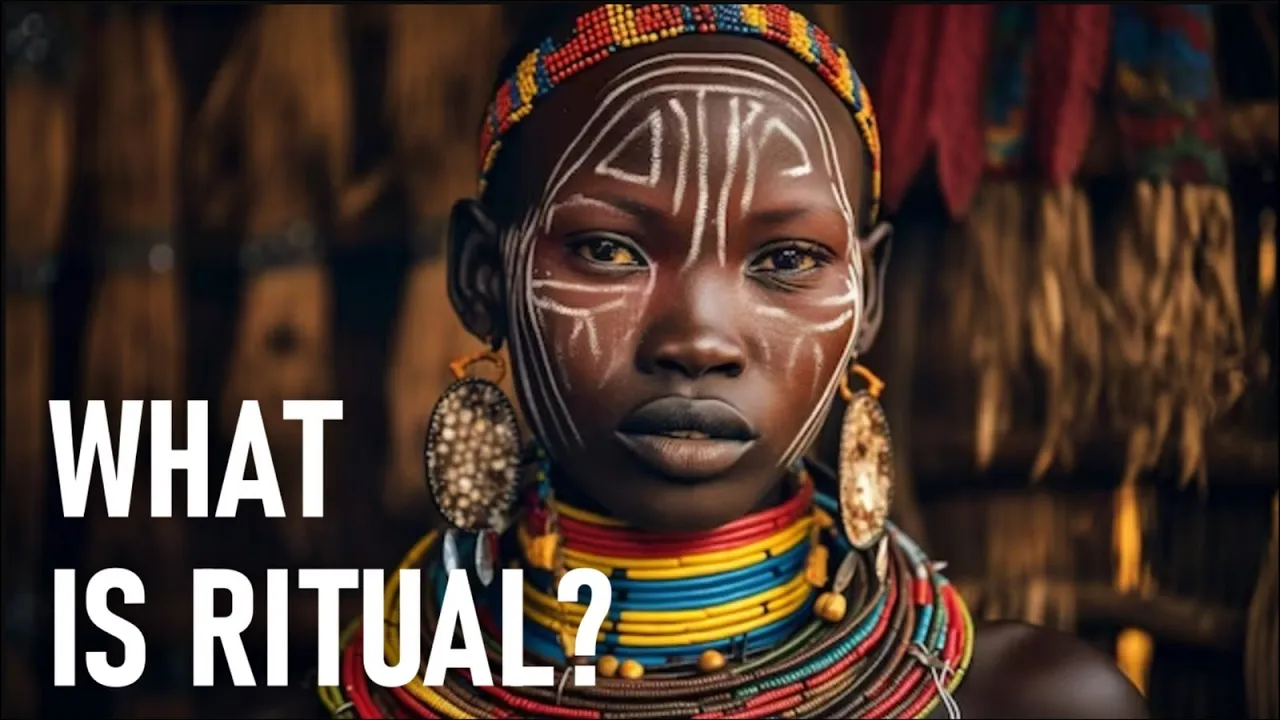



A ritual is symbolic behavior that is socially standardized, repetitive, religious or secular, highly structured, and full of meaning; it serves to maintain community cohesion by bringing people together through shared practices that everyone in the society understands and participates in.
Understanding Ritual: Symbolic Behavior in Anthropology
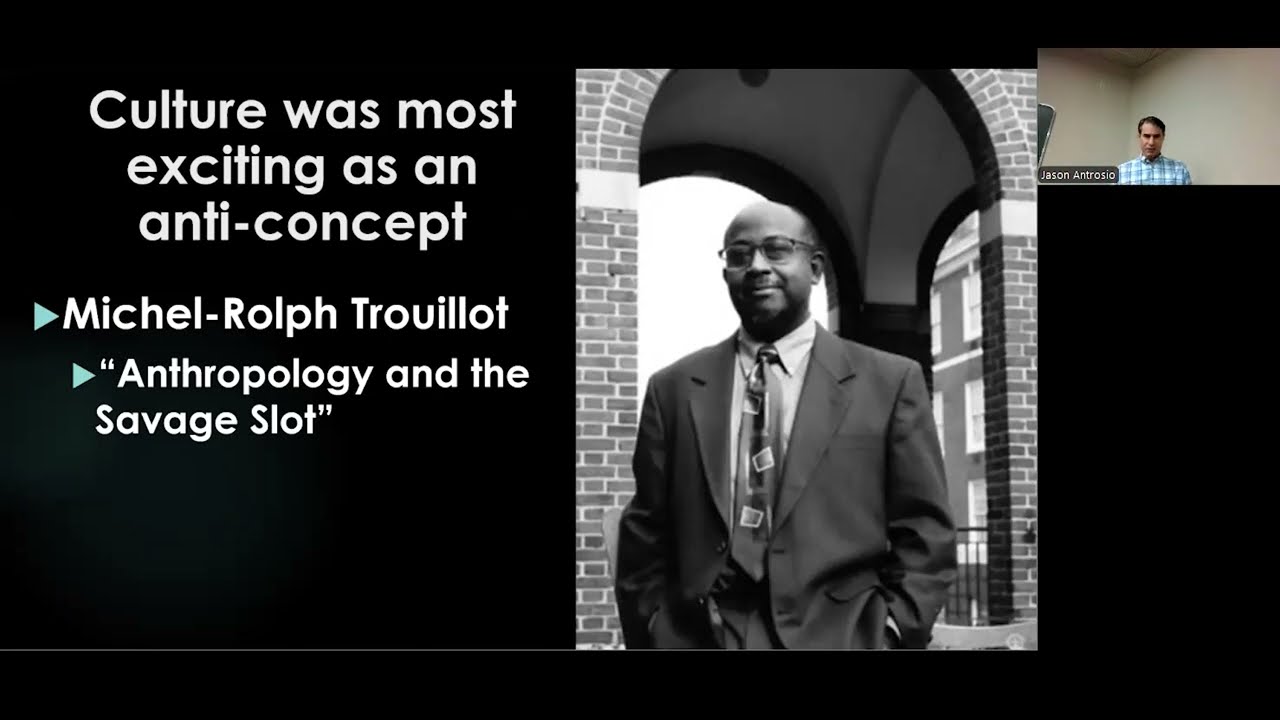
Added:The anthropological definition of culture, specifically how shared beliefs, values, and practices shape human behavior.
The basic concept of symbolism and semiotics, understanding how arbitrary objects, gestures, or words can represent complex meanings.
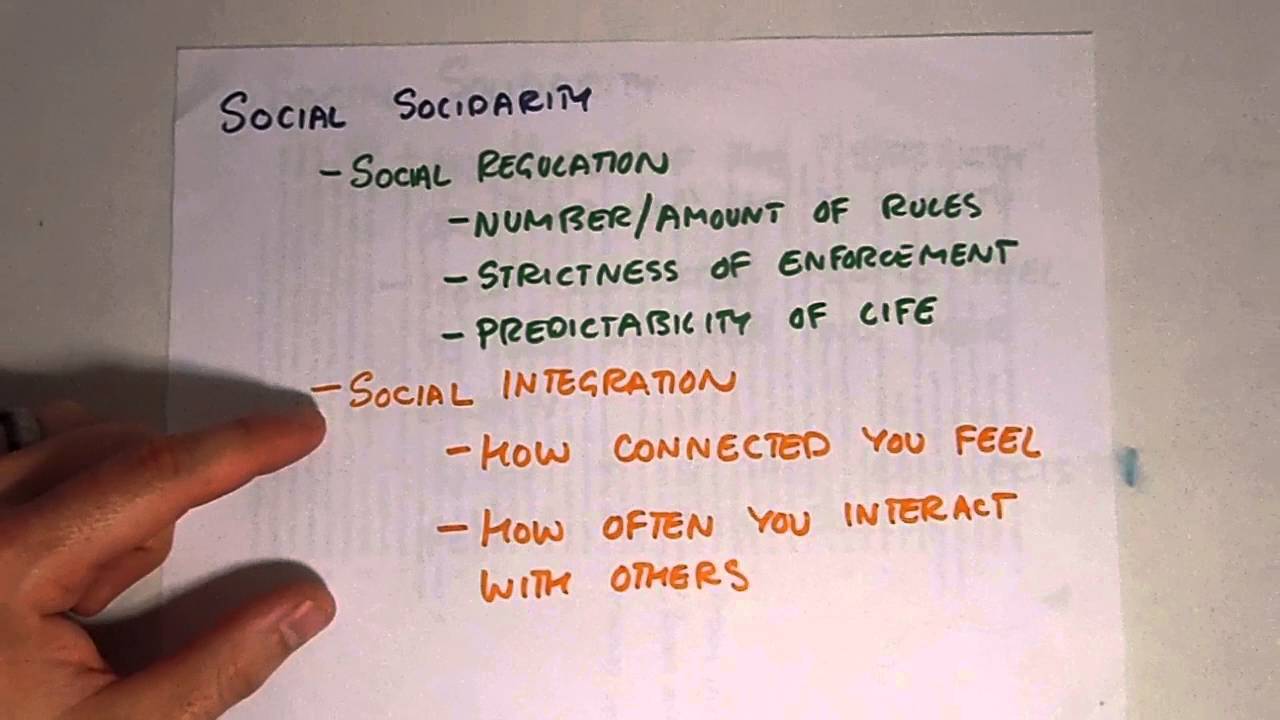
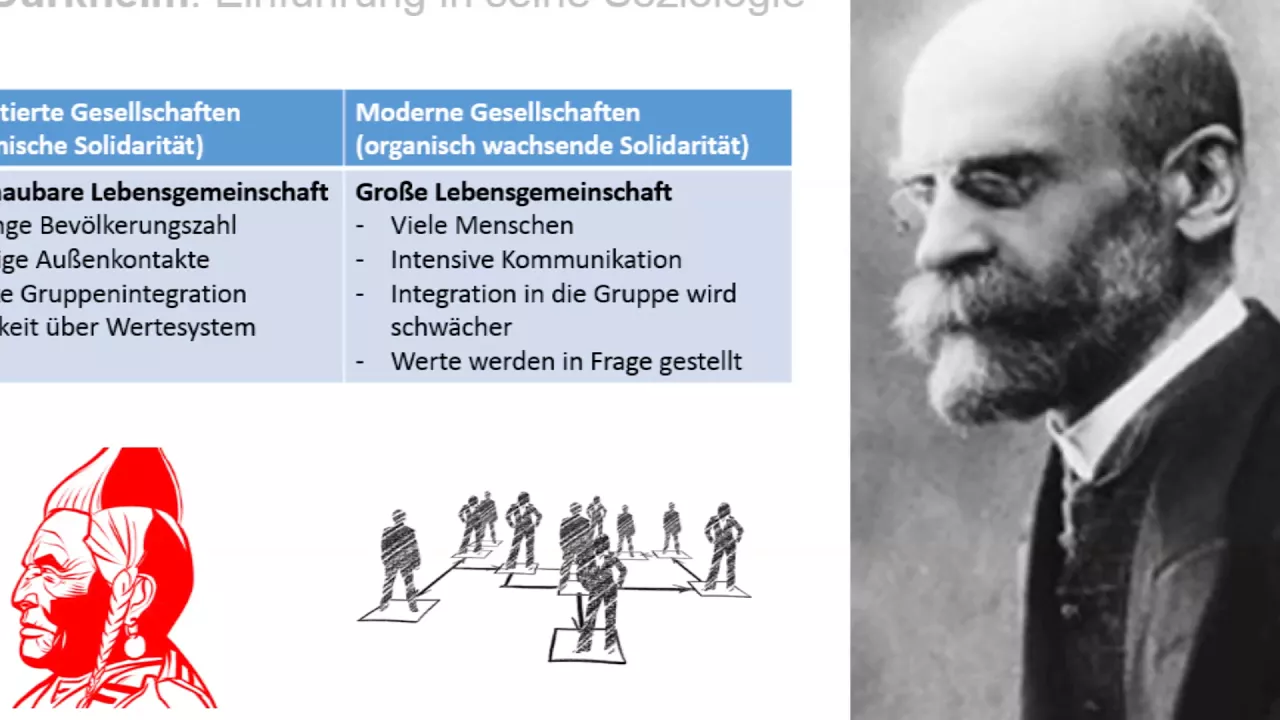
An introduction to classical sociological theories of social cohesion, particularly Emile Durkheim's ideas on social solidarity.
The conceptual distinction between 'the sacred' (set apart and forbidden) and 'the profane' (everyday, mundane life).
The study of 'Rites of Passage' based on the frameworks of Arnold van Gennep and Victor Turner, exploring the phases of separation, liminality, and incorporation.
The anthropological concept of 'communitas' and how intense feelings of social equality and togetherness are experienced during rituals.
Analyzing modern, secular rituals (such as sporting events, graduation ceremonies, and political rallies) using anthropological ritual theory.
The study of ritual performativity, exploring how symbolic actions and spoken words actively construct and transform social realities rather than just reflecting them.
995 views29likes7:23Original Release: 2024-09-24
what is [Music] ritual okay going onward on our old school classics in anthropology what is ritual this is another one of those words man where when you hear it you go ritual oh yeah I mean I know what that is it's like you know a ritual and when I say ritual you think of stuff like right away and you go oh yeah I know what it is but it's it's it's hard to kind of purse it out right what does it really mean you think of things like okay a bunch of people are together and maybe it's some sort of religious thing and maybe they're all doing a certain prayer or maybe they're all eating a certain thing at a certain time and there's like meaning and stuff and they do it at certain times of the year or the day what is it okay this is another one of those ones where I like to go with kind of cold anthro definition first and then we break it down okay a uh ritual is symbolic behavior that is socially standardized and repetitive okay that's the first part symbolic behavior that is socially standardized and repetitive religious or secular that's the second part and then highly structured and full of meaning that's the third part right got it there's a lot of words there and we can kind of break it down so the first part of what a ritual is symbolic behavior that is socially standardized and repetitive okay what does that mean it means what it says this is behavior that has more meaning to it like yes you might just eating this wafer but this wafer means so much more right it's it's symbolic this wafer it's not just for caloric intake it's not just for sustenance there's more to it right so it is symbolic behavior that is socially standardized and repetitive that means when I eat this wafer at this time everyone else in my Society knows what I'm doing they know I'm not just eating a wafer I am eating the the body of Christ right or or pick whatever sort of religious symbolism you need but but the important part is the rest of my culture knows this right the rest of my Society knows this they don't look at me and go why is that weirdo eating that weird wafer right everyone gets it socially standardized and repetitive right repetitive means you do it of course over and over again but you do it at a specific moment in time right oh it's only Sunday at this moment right this kind of thing it's repe it can be anything though so that's the first part it's something you do that has meaning to it and everyone else in your Society knows that meaning first part of a ritual second part is it's religious or secular sometimes they're religious like the like the way for example that is a religious ritual but they can be secular too secular means like every day you can have rituals at a birthday party right a birthday cake the whole birthday cake ceremony is a ual the birthday cake ritual as part of the birthday party right we can so we can think of um a wafer in a religious sense we can think of a birthday cake in a secular sense now these rituals are finally highly structured and full of meaning highly structured means there's a lot of steps to it let's take the birthday cake example for a moment right so it's it and let's let's Bust It Down um is a birthday cake symbolic behavior that is socially standardized and repetitive of course it is the birthday cake itself is symbolic it's a symbolic thing you eat only on your birthday how often how many times a week do you eat birthday cake you never do until it's your birthday it's this cake with candles on it and stuff it's very specific right there's a lot of symbolic meaning there every candle for a year some of us do one year to grow on an extra year very symbolic when you think of it we had to learn this stuff right if you if you were an alien coming into this culture you'd be like what are they doing with the birthday cake and the candles what is this right so it it is um it is this symbolic Behavior again everyone else in the room it's socially standardized and repetitive so everyone else in the room knows what's going on and they know they know the steps if you start singing the Birthday Cake song people don't go what is this song I need to download this on iTunes I have no idea we all know the song right so we we we are part of this in in our culture right we it is socially standardized it is also repetitive when do you have your birthday cake once a year on your birthday it's repetitive right but very specifically repetitive at those times we all engage in it and as we see rituals are part of community cohesion it brings us all together because everyone does it right it's my birthday today it's your birthday tomorrow and we all do this thing to keep our society together um is it religious or secular the birthday cake it's secular we already talked about that finally highly structured and full of meaning absolutely it's highly structured think of it the birthday cake ceremony we know it how does it start if you're the birthday boy or girl here's how it goes you're sitting down and I bring out the cake right and what I'm going to do first what comes first oh I dim the lights a little I light the candles over here and then what happens we start with the happy birthday to you happy birthday to you right and we continue the song You know the song the song ends up I've set the cake in front of you now what happens you blow out the candles no right before you blow out the candles what happens you make a wish exactly you make a wish you blow out the candles and hopefully you blow them all out because if you don't blow them all out what oh you don't get your wish either way we're like yay happy birthday right that is a classic secular ritual we all know it because we're a part of this Society but if again if you were an alien flying in here and observing this you would be like what the hell are they doing and that's because you're not part of our group rituals are great and keeping and maintaining group cohesion and that's why you do them
Up Next

14:57
Functionalist Theories of Religion: Durkheim, Parsons Overview
@ilovesocio1634
11.8K views•2015-09-10
54:57
Contemporary Sociological Theory: Micro, Macro, Integrative
@NaSESYNC
45.7K views•2016-02-17
19:23
How to Analyze Conversations Scientifically | Elizabeth Stokoe | TEDx
@TEDx
1M views•2014-12-04
9:41
What is Sociology? The Sociological Perspective Explained
@crashcourse
4.6M views•2017-03-13
Related Study Plans & Knowledge Roadmaps
Structured learning paths in Sociology
sociology
Celebrity Culture: From Hollywood to TikTok
01Foundations of Celebrity Sociology
02The Rise of Micro-Celebrity & Digital Platforms
03Parasocial Relationships & Algorithmic Intimacy
+ 2 more learning modules
12h5 modules
Explore Roadmap
sociology
Hostile Architecture: Space, Power & Control
01Introduction to the Sociology of Space
02Social Control and Surveillance in the City
03Hostile Architecture and Defensive Design
+ 2 more learning modules
12h5 modules
Explore Roadmap
sociology
Loneliness Epidemic: Third Places & Isolation
01Foundations of Social Capital and Community Cohesion
02The Death of Third Places and Urban Space Erosion
03The Privatization of Leisure and Atomization
+ 2 more learning modules
12h5 modules
Explore Roadmap
sociology
Sociology of Tourism: Gaze, Power & Heritage
01Foundations of the Sociology of Travel and Leisure
02John Urry and the 'Tourist Gaze'
03Staged Authenticity and Cultural Commodification
+ 2 more learning modules
14h5 modules
Explore Roadmap