
![How to Play Dhol [Complete Beginner's Guide] | Simply Dhol | Manvir Hothi (English)](https://i.ytimg.com/vi_webp/U7QXd-zTxGc/maxresdefault.webp)


![Figuras Rítmicas [Parte 1]](https://i.ytimg.com/vi/nn0XVBYI5uM/sddefault.jpg)





![[Polyrhythm] - How To Play 3:4, 5:4, 6:4 and 10:4](https://i.ytimg.com/vi/sZ4jOg343e8/maxresdefault.jpg)








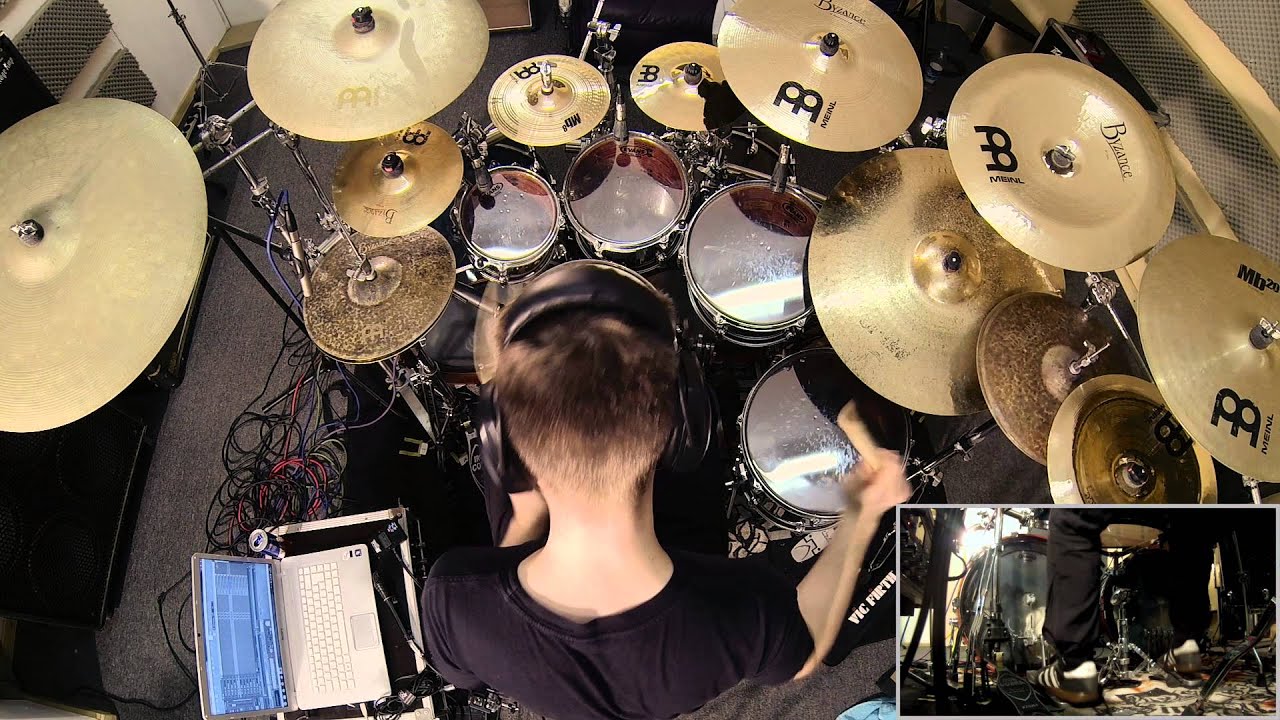
Meshuggah's 'Clockworks' demonstrates how complex polyrhythmic music can be constructed using only twos and threes as rhythmic building blocks within a 4/4 time signature, where the song's four main riffs each present these rhythmic blocks in different ways while maintaining the same underlying mathematical structure of 128 sixteenth notes per 8-bar section.
Deconstructing Meshuggah Clockworks: Twos, Threes & Subdivision in 4/4 | In-Depth Analysis
Added:Understanding of basic music theory, specifically the 4/4 time signature (meter) and standard bar structures.
Familiarity with rhythmic subdivisions, including quarter notes, eighth notes, sixteenth notes, and triplets.
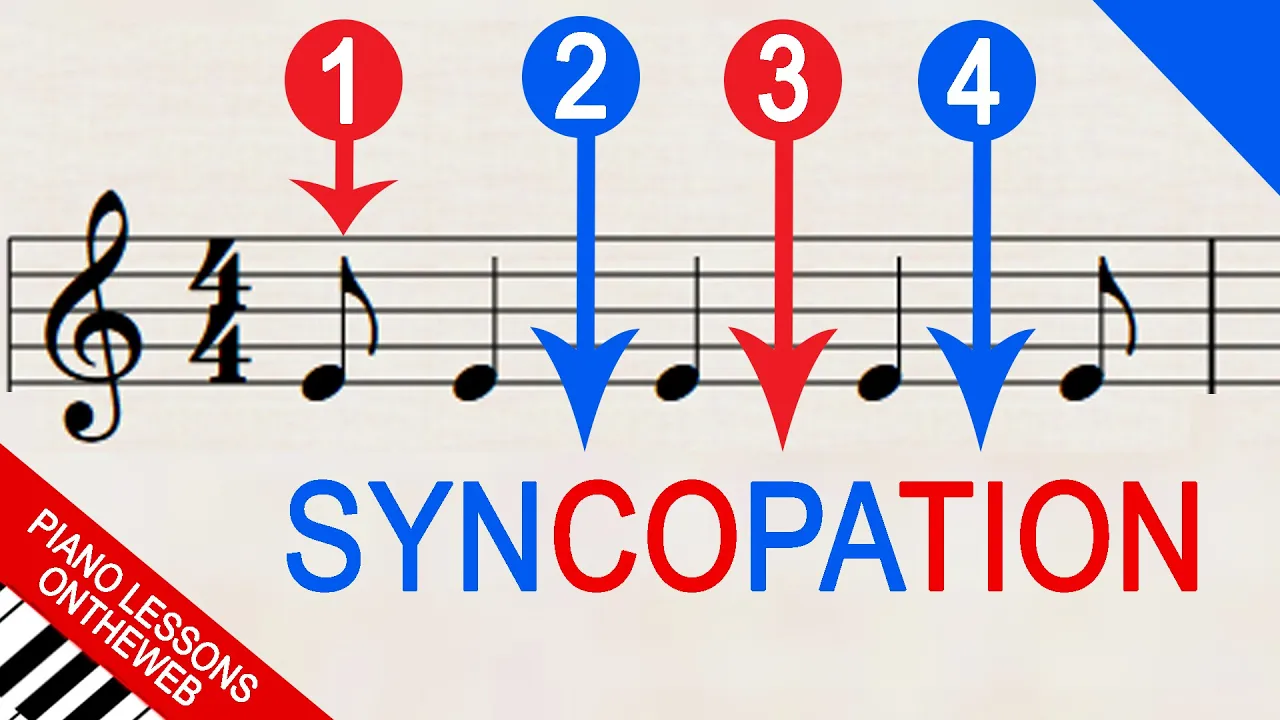
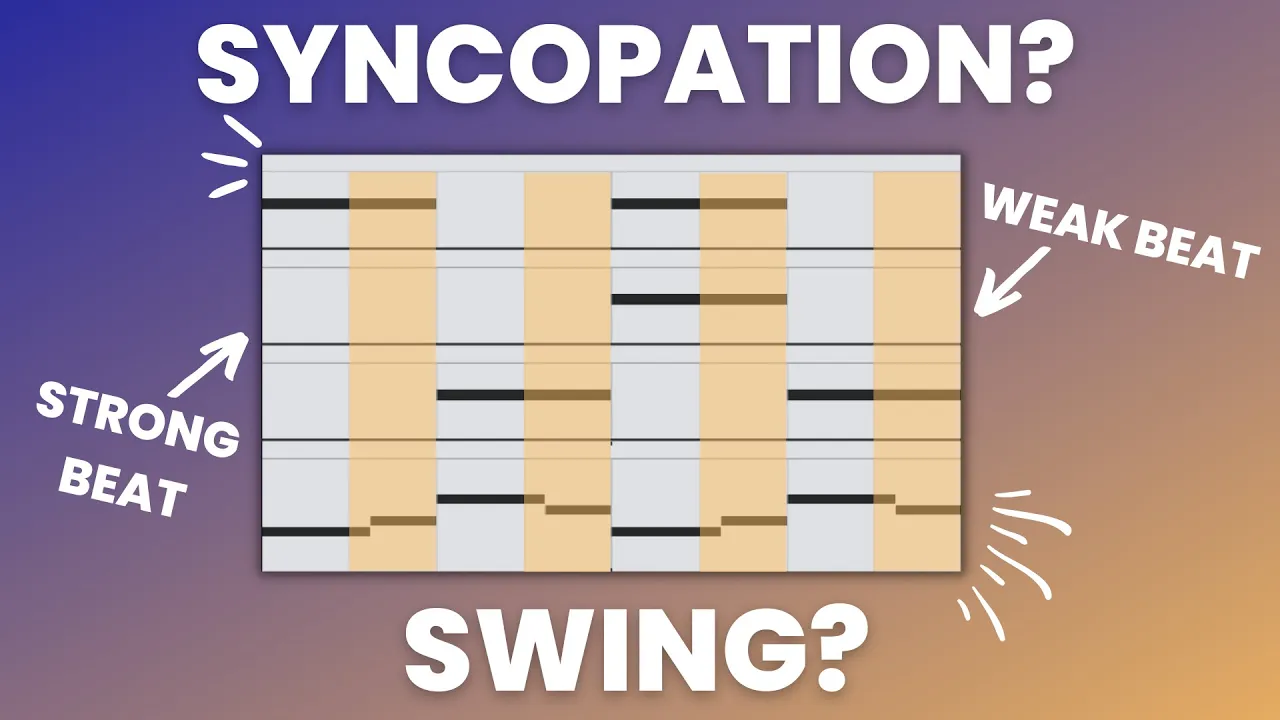
A foundational grasp of syncopation and how shifting musical accents away from strong beats creates tension.
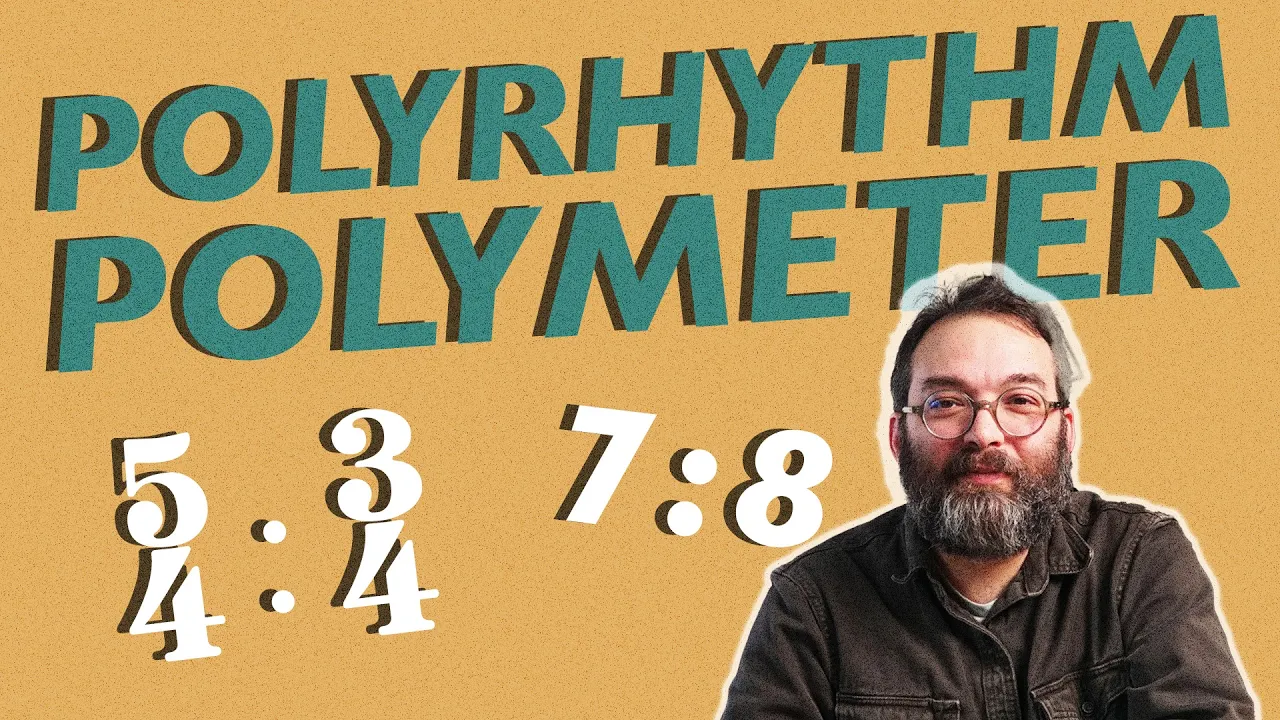
The conceptual difference between polyrhythms (multiple conflicting rhythms played simultaneously) and polymeters (different meters aligning over time).
Exploring advanced polymetric composition using larger odd-numbered groupings (such as 5s, 7s, or 11s) over a steady 4/4 grid.
Studying the concept of 'rhythmic displacement', where a repeated musical phrase is shifted to start on different subdivisions of the beat.
Analyzing the rhythmic and mathematical structures of other progressive metal and math rock acts, such as Animals as Leaders, Car Bomb, or Tigran Hamasyan.
Developing physical polyrhythmic independence on an instrument, such as maintaining a steady 4/4 foot-tap while playing complex subdivisions on guitar or drums.
324K views9.8Klikes14:55Original Release: 2021-02-09
no time for pre-intro jokes we have a lot to cover [Music] first of all 10k subs not too shabby i'm super happy that you guys appreciate the hard work i've put into this channel so thank you today we have clockworks by meshuggah from their latest album the violent sleep of reason and by the way after the awesome response to the combustion video i decided to have a monthly meshuggah slot in the channel but get this you decide what song i'll break down but more of this on the end let's go let's go let's go all these meshuga videos will heavily use the guest vs host method discussed in this video so you might want to check it out okay so everyone already knows all meshuggah songs are in 4-4 fine fine i get it but this one well it's also in four four but it's epic check it out we have four main riffs so let's start with number one the opening riff of the song a short disclaimer i like hearing the click on the slower side so i rather hear these beats as quarter notes and 130 beats per minute rather than half notes in 260 bits per minute okay so counting with my quarter notes we have eight bars for the intro as we know eight bars equal 64 eighth notes or 128 16th notes our building blocks for this song will be twos and threes and each riff will have its own way of presenting these blocks but the numbers will stay the same you'll see the pattern here looks like this three three two three three three two three three three three two three and this three right here is played as a long note as for the rest of the notes the guitar is playing muted chugs oh and this is an eight string guitar not a six string guitar thank you nick candusi i hope i pronounced your name right and the drums are just accenting the hits [Music] the hits here are two sixteenth notes long and three sixteenth notes long but this little two here is pretty cool it's played as three sixteenth note triplets which are the same duration as two sixteenth notes but sound a bit faster this pattern is 36 16th notes long which means it can repeat three times to reach a total of 108 beats and for the remaining 20 the pattern starts again but ends a bit early in this riff all instruments play on the host side the only thing keeping the 4 alive is the beat count and the fact that the riff restarts after 8 bars of 4-4 nothing else [Music] awesome riff number two the verse this one is 16 bars long and the riff is a bit longer as well here it is three three two three three two two three three three three two two two three three two two oh man it's too long for the page all the twos here are played as three sixteenth note triplets which remember that's still the same duration as two sixteenth notes another cool thing to notice here is the orchestration on the drums so when he plays the three group he plays snare kick kick and when he plays the two group which is actually played as three 16th note triplets he also plays snare kick and kick so it's the same pattern and it just sounds like it speeds up which is pretty cool cool stuff bro the sum total for this one is 46 sub beats so it repeats five times which gives us 230 sixteenth notes and as for the last repetition we only play the first 26 beats of the riff for it to fit into 256 beats the instrument distribution here is a bit different guitars and bass are still on the guest side kick and snare as well but the hi-hat is now playing quarter notes and the crash emphasizes the 1 of every 4 bars of 4 4 which means they're on the host side [Music] [Music] that's such a violent verse the next riff is uh pretty interesting this new riff has the exact same numbers as the previous one only now they're played as long open notes so we have eight bars of that and then we have another verse but instead of restarting the riff they kind of just like bulldozer over the bar line so they continue the same riff as before without stopping it the only difference is that in this new verse the guitar is muted the snare hops onto the host side playing the back beat on 2 and 4. this goes on for 8 more bars with 2 extra quarter notes on the house just to make the break even breakier [Music] [Applause] [Music] [Applause] is [Music] [Applause] okay cool next riff number three the next riff has the same blocks yet again but they're segregated first all the threes well six of them and then all the twos or i mean eight of them the twos are still played as those sixteenth note triplets so you can think of them as faster threes six of these and eight of these will result in 34 beats this riff spans over eight bars so this happiness right here repeats three times and the last repetition gets shortened by four of these groups the guitars here play long open chords so the riff is way more evident if you listen to the drums obviously the guitars follow that pattern but the drum pattern is just way more clear oh and the snare ditched the host and went back to his friends on the guest side [Applause] oh [Music] okay last riff this riff has the best setup in the history of riffs we have this eight bar section that has one purpose and one purpose only which is to ramp you up to the meanest headbang ever recorded this section is all made of threes but in eighth notes so one two three one two three one two three one two three one two three here's the warm up [Music] [Music] and there is if your face doesn't look like this right now you should see a doctor this riff has a very interesting expanding pattern it's 16 bars long and it's kind of a column response between the threes and the twos remember all of these are eighth notes now by the way the notes that i'm writing represent the length of the chunk not the rhythm of the group so the three side always repeats five times and the two side answers as follows after this chunk of threes we have four of these after this chunk we have five after this six and after this one seven can you guess what comes here well eight probably right no after these last five threes our beat count is at 109 eighth notes and as always we need to deal with the remains so if this section is 16 bars long that means we need to get to 128 eighth notes so we can't fit eight of these because it's too long but we sure can fit another three of these oh and lastly before we play this check out the snare and crashes here the snare plays the back beat on three in support of the host but also plays the beginning of each response from the two side so the snare is playing on both the guest and the host sides the crash on the other hand is also playing on both sides good luck to everyone [Applause] [Applause] [Music] [Applause] i [Music] [Music] bad [Music] how awesome is this song it's pretty cool this is quite a way to start an album i mean once you heard that you're like okay okay i am listening so now that we got that covered i have a few announcements first as i said earlier i'm gonna have a monthly meshuggah slot here on the channel and you guys get to pick which song i'll discuss so for next month's video the song options are do not look down nostrum or bravos i've created a youtube poll as you can see on my community tab i'll also post a link in the description so feel free to pick your vote if you're watching on facebook or instagram comment below or just hop on to youtube and vote in the poll and lastly i want to announce that i'm going to be having a whole month dedicated to this band and that month is going to be called may sugar this is an awesome idea that was given to me by one of the subscribers 9s0dx and i loved it so i'm going with it so during the month of may i'm going to have two meshuggah breakdown videos i'm gonna upload some extra meshuggah content and i'm working on something pretty cool that is top secret so stay tuned thank you all for watching and remember calculators are friends not food that's right
Up Next

18:27
Metric Modulation Explained Through Jazz, Rock, and Classical Examples
@DBruce
72.8K views•2022-07-16

10:20
Mozart's Musical Dice Game Explained: History, Rules, & Fun
@webpianoacademy
5K views•2023-03-13

47:36
Understanding Diatonic 7th Chords in Major Keys | Music Theory Tutorial
@GracieTerzian
54.7K views•2022-03-02
10:49
Understanding John Coltrane's Giant Steps: A Music Theory Analysis
@Vox
10.4M views•2018-11-12
Related Study Plans & Knowledge Roadmaps
Structured learning paths in Music Theory
music-theory
Composing Galant Music: Partimento & Schemata
01Foundations of Figured Bass and Keyboard Harmony
02The Rule of the Octave (Regola dell'Ottava)
03Galant Schemata: The Building Blocks of Form
+ 2 more learning modules
30h5 modules
Explore Roadmap
music-theory
Decoding Overtone Series: Tuning & Drone Music
01Acoustic Foundations: The Physics of the Overtone Series
02Tuning Systems: Equal Temperament vs. Just Intonation
03Microtonality and Spectralism: Beyond Standard Pitches
+ 2 more learning modules
24h5 modules
Explore Roadmap
music-theory
Impressionist Harmony: Scales, Planing & RPGs
01Foundational Music Theory: Keys, Intervals, and Seventh Chords
02Impressionist Color: Chord Planing and Parallel Harmony
03Whimsical Textures: Pentatonic Cascades and Whole-Tone Scales
+ 1 more learning modules
14h4 modules
Explore Roadmap
music-theory
Negative Harmony: Axis Reflection in Indie Pop
01Music Theory Foundations: Scales, Intervals, and Triads
02Functional Harmony and the Circle of Fifths
03Demystifying the Negative Harmony Axis Reflection
+ 2 more learning modules
16h5 modules
Explore Roadmap