
















Soil carbon measurement involves multiple methods including soil testing (aggregate sampling, respiration, loss on ignition, combustion, and permanganate oxidation), remote sensing, carbon models (COMET, Cool Farm Tool), eddy covariance towers, and soil chambers, each with distinct strengths and limitations; carbon sequestration occurs when carbon cycles through soil biology and becomes inaccessible to microbes, forming stable organic matter that stores carbon while improving soil health, with healthy soils showing higher respiration rates as they actively cycle carbon and sequester more carbon over time.
Measuring Soil Carbon for Effective Farm Planning & GHG Reduction
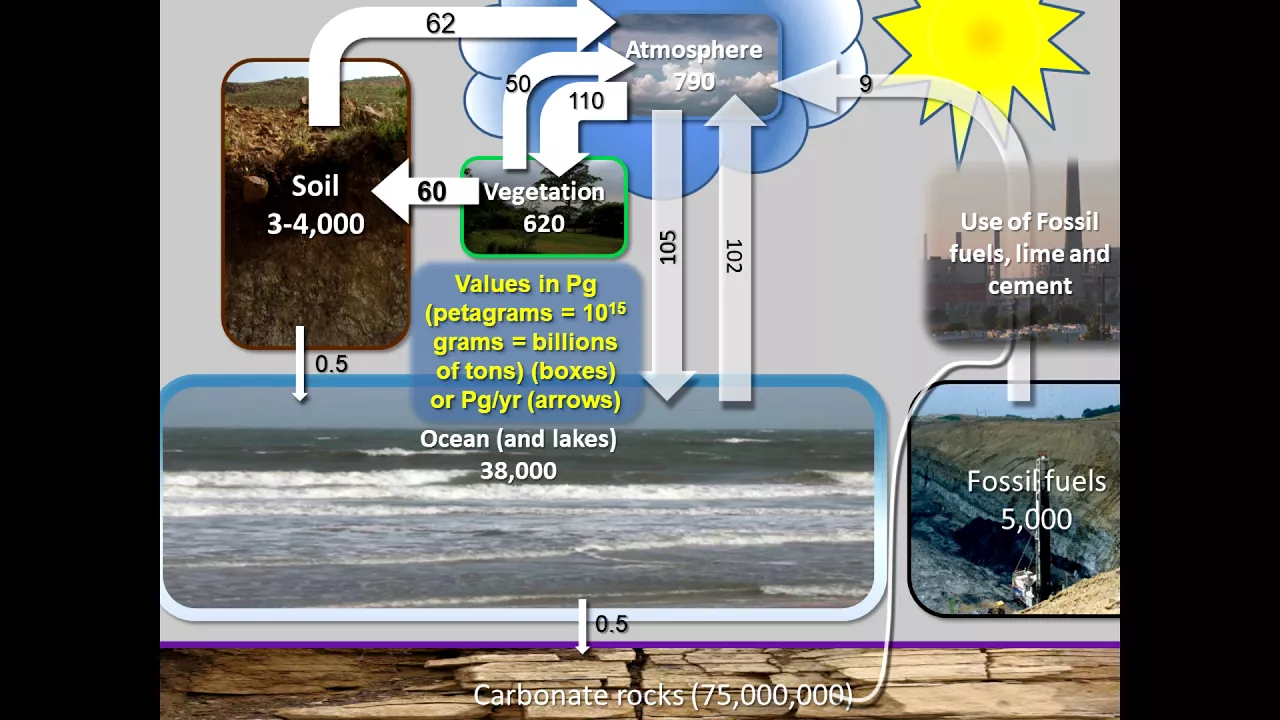
Added:Understanding of the global carbon cycle, specifically how carbon is captured by plants and stored in terrestrial ecosystems.
Fundamental concepts of soil science, including soil organic matter (SOM) composition and its role in soil health.
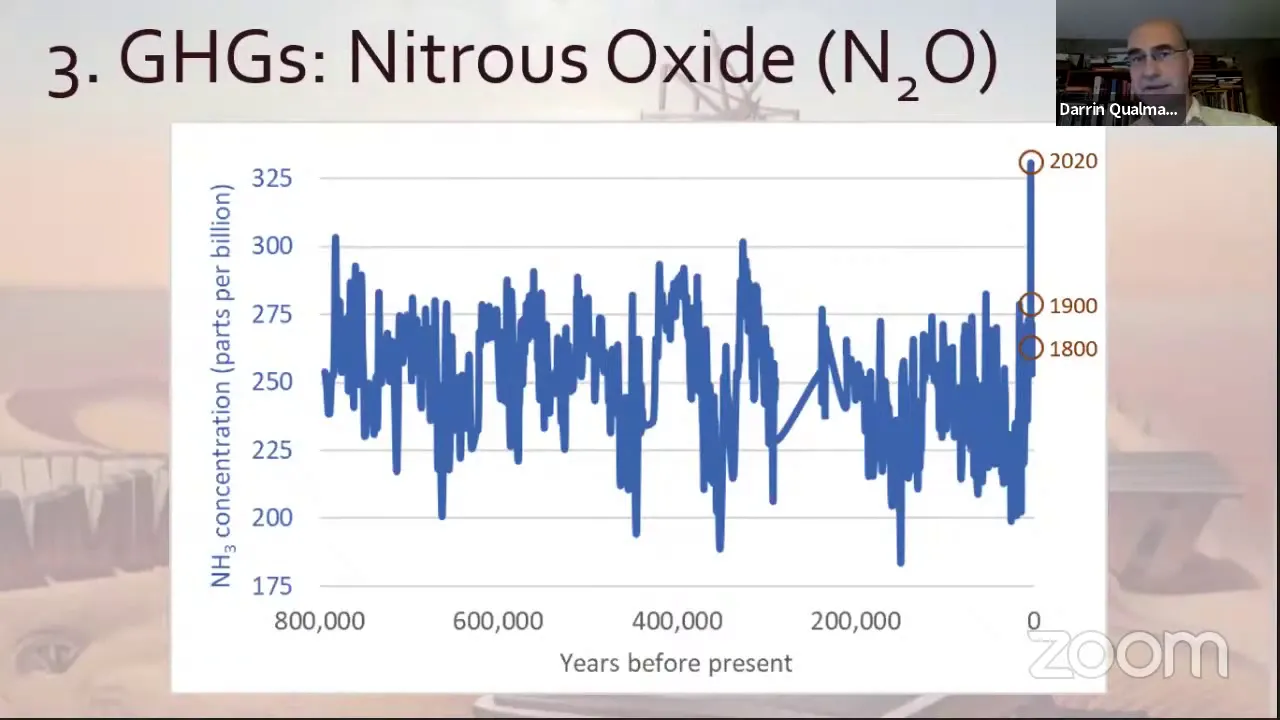
Basic knowledge of primary agricultural greenhouse gases (such as carbon dioxide, methane, and nitrous oxide) and their impact on climate change.
Familiarity with the concept of carbon sequestration and the role of agricultural soils as potential carbon sinks.
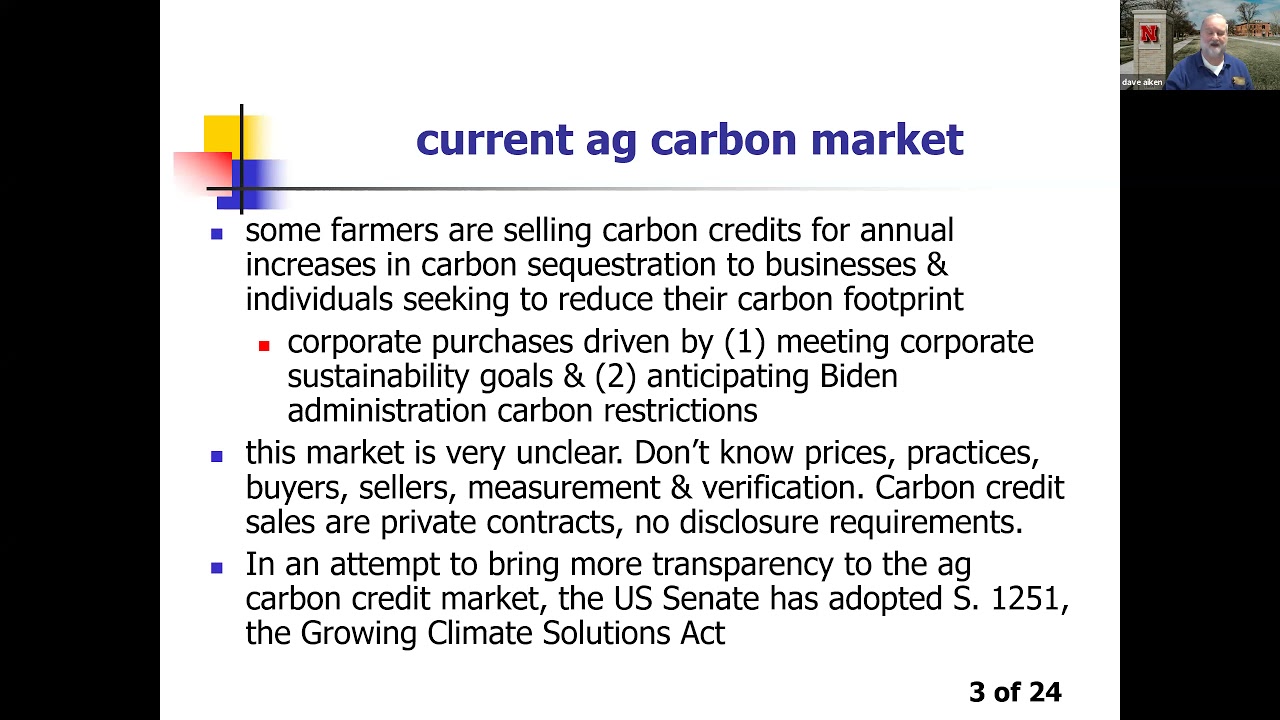
Exploring carbon credit markets and the protocols required to verify soil carbon sequestration for financial compensation.
Designing and implementing regenerative agriculture practices (e.g., cover cropping, no-till farming, managed grazing) to actively increase soil carbon.
Utilizing predictive biophysical models (such as COMET-Farm or DNDC) to simulate long-term soil organic matter dynamics and GHG emissions.
Analyzing agricultural policy frameworks and farm certification programs that incentivize sustainable carbon farm planning.
286 views3likes1:13:01Original Release: 2023-06-30
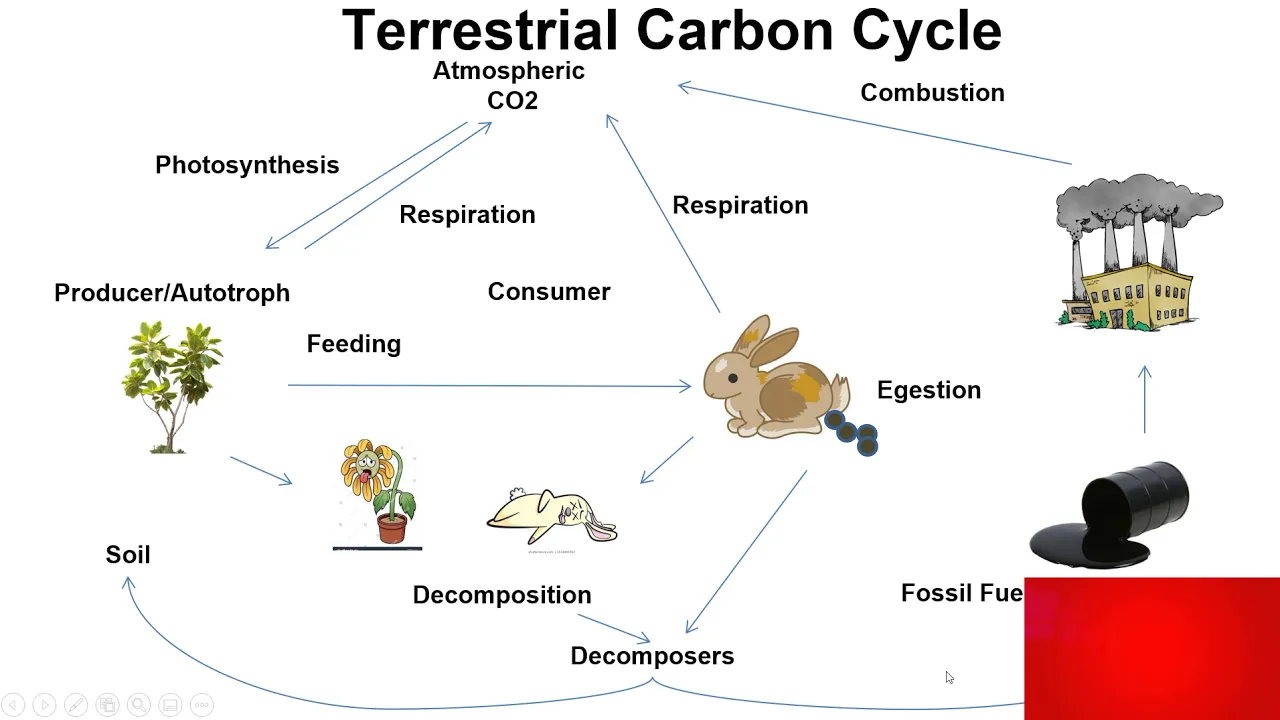
all right well we'll just jump right into this um I'm having to kind of do a few different things so sorry if I get distracted because I'm still admitting people through the waiting room um but again I'm Charlie Dube I'm the head of regenerative Partnerships here at agrology it's wonderful to have everyone here um really quickly I'm just going to do some quick housekeeping and that sort of thing um well first off welcome to the soil carbon measurement strategies webinar today we will be exploring various methodologies for quantifying soil carbon and carbon emissions in agriculture we're going to be looking at the strengths and the limitations of each method and also looking at how these various quantification methods tie into and inform carbon Farm planning this is going to be the first of six webinars that we plan to host this year and we'll be exploring a variety of pressing issues in regenerative agriculture ranging from certifications to measuring and managing soil Health as well as exploring carbon marketplaces kind of a whole gamut of things so keep your eyes out for future webinars um before I introduce the speakers I just wanted to run through some quick housekeeping I have everyone set on mute um so please keep yourself muted unless you want us to hear all the fun you know background noise of your life um we're gonna do question and answer at the end so you can feel free to unmute yourself in that period um and also feel free to write questions and comments in the chat I always think it's really fun when the chat becomes a lively discussion you know alongside the webinar so that's there feel free to jump in if you have any questions we'll try to get to those at the end and you can feel free to put those in the chat and then we're also going to follow up with an email to everyone who registered and that'll include a link to the slides as well as a recording of This webinar so don't feel any pressure that you need to write everything down because you will get a copy of all this um these are the variety of different quantification methods that we're going to go over you know soil testing remote sensing practice based models and other models we're gonna be also looking at Eddie covariance Towers soil Chambers and the static continuous soil chamber that agrology has developed and yeah without any further Ado I'd like to introduce our speakers so the first is Miguel Garcia he holds a PhD in environmental Sciences from the University of California at Riverside and he's the manager of the sustainable AG program at the Napa County resource Conservation District I asked for a fun fact from each of our speakers and Miguel shared that when he's not out helping Farmers transition towards regenerative practices you just might find him in your local karaoke bar singing his heart out uh he loves karaoke and our second speaker is Adam coppo he's the founder and CEO of agrology which is a public benefit Corporation dedicated to helping Farmers become more resilient to climate change before agrology Adam has worked as a strategic inventor at various companies and he holds over 51 patents his fun fact is that he enjoys both coaching kids soccer as well as getting injured in adult soccer and with that I will turn it over to Miguel who's going to give us an awesome overview of the carbon cycle and kind of take it from there so Miguel just let me know when you want me to move slides forward thank you Charlie I really appreciate it and thanks agrology for the invitation uh I will be walking you through what the carbon cycle is and why uh should anybody in agriculture should keep an eye on this and and what the role of carbon is in overall soil health so here we have a big picture of what the carbon cycle is basically the carbon cycle is the exchange transport and transformation of carbon among the Earth's ecosystems uh snapshot of that would be how the carbon dioxide from the atmosphere is taken out by plants will transform it into carbohydrates that they use as a source of energy a large portion sometimes as much as half of the carbohydrates that the plants produce is actually introduced into the soil and we call these exudates these these plants exudase serve as a source of energy for for the soul microorganisms so the plants and the soil microorganisms have a symbiotic relationship where plants provide the microorganisms with a source of energy and the soil microorganisms assist the plant in accessing resources so the there's there are microorganisms in the soil such as the Nitro salmon as bacteria that can fix nitrogen and make it available to the plant we have all the microorganisms that will process organic matter and transform them into forms uh in terms of the nutrients inorganic matter into forms of the gland can use uh there's other organisms such as the mycorrhiza of fungi which uh it is a very it's another important soil microorganism it establishes itself within the plant roots and expands through the area it then searches for nutrients in water and it will share what it finds with the plant so this increases the plant's reach a healthy mycorrhizal Community can be extremely helpful when dealing with soils that are depleted of nutrients or when we don't get enough rain so the plants co-evolved with these soil microorganisms and they have this symbiotic relationship um to keep each other alive uh these microbes process the carbon coming from the plants uh in the form of these carbohydrates the plant exudates they incorporate into their bodies and when they die uh they they everybody's getting incorporated into the soil um these microbes will also digest that plant material so that allows to digest uh whatever plant material it's on top of the soil so as these microorganisms die the bodies get digested and then this releases the carbon back into the atmosphere and the form of carbon dioxide so as the microbes are digesting the organic matter in the soil plant materials or the bodies of other dead microorganisms they're basically doing what humans do which is we consume food and then we transpire carbon dioxide so we got carbon dioxide coming into the soil through the plant and now we have carbon leaving the soil again so this this is um uh this carbon now could be accessed by the plant again so hands while we're going uh against a circle a cycle so this is what we call part of the carbon cycle now not all of the carbon that is part of the microorganisms body or the plant material or the plant Exodus is is processed so some of them uh gets transformed and it becomes part of a complex uh it is it is processed and then it becomes part of complex organic structures in the soil and these structures are very complex so some of the carbon gets hindered in the micro rhythms cannot access it anymore so these will slow down considerably the decomposition so by by the effect of this some of the carbon is not accessible so then it becomes uh quote-unquote stored in the soil um and the longer it stays in the soil the less it becomes accessible to the to the microorganism so we have these two pools of carbon one that is rarely accessible to the microbes and then one that is not as rarely accessible to the to the micro and how quickly or how efficiently this carbon is accessed or absorbed by the microorganisms has to do also with the amount of nitrogen in the soil so these ratio we can cover the nitrogen will play a role in where um having uh too much nitrogen or having too little nitrogen will impact how the the carbon in the soil gets digested um so as the carbon keeps cycling we see it that it enters the soil and then some of them will exit through restoration and then some will get to stay in the soil and as this cycle continues uh we will end up with a buildup of carbon in the soil because unavoidably some of it will not be easily accessible to microbes anymore so these carbon now has been Incorporated with all the elements in the soil such as nitrogen and phosphorus to form stable complex molecules that we associate with what we call organic matter so these organic matter is about 50 carbon but is these organic complex structures that also have nitrogen and phosphorus and various of other elements so it is important to note that in this part of the carbon cycle concerning plants and soil we still see carbon leaving the soil because the microorganisms are at work digesting and reproducing if we would see no carbon leaving the soil at all that would imply that there's no biology that the soil is is dead so we want to see these cycling and in a minute we're going to talk about the implications when it comes to uh the the Greenhouse Effect and climate change so when we are looking at the relationship between plants and soils is about enhancing these carbon cycles and we want to see the soil generate carbon dioxide because that tells us that the soil biology is quite active the more disciples continue between uh the plants getting the car conduction from the atmosphere incorporated into the soil the microbes digesting it this the more these Cycles occur occur the more chances for these carbon to become uh uh trapped in the soil and be not accessible to the microbes and we call that carbon sequestration so when the carbon has gone through these so many cycles that it gets to a point that some of it is just not accessible to the microbes anymore it just becomes part of the organic matter in the soil that's what we call carbon sequestration in agriculture current sequestration is very important because by maintaining adequate amounts of carbon in the Solar in the form of organic matter we ensure a healthy biological environment where plants can thrive the carbon in the soil will also influence the chemical and physical properties of the soil for one the organic matter stores nutrients that become available become slowly available as microbes digested so it is a continuous slow release of nutrients for the plants and organic matter also serves as a glue that keeps solar particles together and this contributes to a stable soil structure that promotes good soil porosity this helps enhance the ability of the soil to retain water efficiently um the the carbon cycle obviously goes far beyond agriculture humans of course are a great source of carbon in the form of carbon dioxide through the burning of fossil fuels forest fires are also a great source of carbon and this carbon dioxide builds up in the atmosphere and carbon dioxide is a greenhouse gas so they're having excess carbon dioxide and the atmosphere enhances the greenhouse effect this contributes to global warming and eventually manifests in the form of our global climate change carbon dioxide can be dissolved in the oceans and either stay dissolve in the oceans or be incorporated into Coral in the form of calcium carbonate so uh this is a form of inorganic carbon compared to the organic carbon that we were talking as part of organic matter um calcium carbonate can also be found in soil so we have forms of uh organic and inorganic carbon being present in the soil so the oceans is helping build car uh sorry it's helping build Coral however even though the oceans have a great capacity to store carbon we're getting close to the Limit where now the additional carbon being added is actually acidified in the oceans and instead of helping build more uh Coral is is preventing so it's slowing down the buildup of coral so Coral that gets damaged doesn't get to regenerate as easily so between global climate change and ocean acidification among other global concerns we seriously have to think about ways of reducing the amount of carbon that is entering the atmosphere and soil happens to have one of the largest capacities to store carbon uh according to Scientific estimates soil can store as much as twice where the atmosphere could if it is managed properly agricultural soils in particular can be managed in a way that enhances carbon sequestration which can help reduce the amount of carbon in the atmosphere while enhancing soil health so it's a no-brainer the more carbon we can put and keep in the ground the more carbon can be removed from the atmosphere and the better also health will be so when farming is done in a way that optimizes carbon capture we call that carbon farming it is a strategy for achieving carbon storage and carbon sequestration by implementing specific [Music] conservation farming practices um in a strategy to achieve that is called a carbon plant so Charlie if you could please go to the next slide thank you so uh developing a strategy in which a farm will be enhancing the amount of carbon that gets into the zone that gets thrown into the soil is called a carbon plant so this is um account from plan incorporates a whole Farm approach to enhancing the rate of carbon sequestration uh through the implementation of conservation practices that enhance this carbon cycle so we want this carbon cycle to continue and we want the biology in the soil to be active but we want to make sure that as much of that carbon stays in the soil to enhance solar Health an upper CD has been developing compound plans for veneers for several years now so please contact me if you are interested in learning more about the process if you are interested in having a compound developer for your for your Vineyard uh our neighboring our city is in Sonoma and Mendocino also develop compound plants so if you're farming um in these areas feel free to reach out to them there's a lot of activity related to carbon farming around California and in other parts of the country and other parts of the world so anywhere you are reach out to your research conservation districts reach out to the USDA to um to see if they can assist you with developing these compound plants in our website naprcd.org again naprcd.org we have a sample of a carbon plant that we have developed recently in case you're curious on on how the plans look once they're completing uh next slide please in the current fund plan we described the carbon sequestration potential of various conservation practices uh so we talk about I just have a couple examples here cover crop small chain uh and reduction in tillage cover crop will enhance carbon sequestration because the living roots are themselves exuding carbon and that is contributing to the biology mold chain conserves moisture and also helps enhance the biology I'm going through this very in a very generic way but if anybody is interested to learn more about it you can always reach out to me in the case of no-till uh the reason we promote no-till or reduction until after carbon sequestration strategy is because when the soil is left alone everything is in equilibrium So within the soil you have areas with oxygen areas with no oxygen but everything is in equilibrium the moment we deserve the soil we have expose the more surface area of the soil and by default we're exposing more of that organic matter to the oxygen so some of it gets oxidized so you can lose organic matter just by oxidation through exposure to the air but also you're going to have a disturbance in the balance of the amount of oxygen that is entering the soil and that is going to alter the biology so since we have microbes that like oxygen and microbes that don't like oxygen so by leaving the soil alone you allow the soil to reach its natural equilibrium and by not exposing a large surface area so to the air you're preventing some of the oxidation of the organic matter again I'm going through this in a very superficial way in the current Farm Plant uh we need to quantify in order to we need to quantify the the amount of carbon that these practices could sequester in order to develop a strategy and to be able to prioritize uh but also programs State programs such as the health soil program will pay you based on an estimation of how much carbon you can sequester so we use uh inner compound plants the common farm and the comet uh planner tools which is a model that was developed by the USDA in collaboration with um Colorado State University and this gives us metric tons of carbon dioxide that would be sequestered if the conservation practice in question were to be adopted so if you tell me I have 100 acres I've been tilling regularly what would happen if I stopped tilling so these two will give you an estimate of how much carbon you would be preventing from going to the atmosphere and how much carbon would stay in the ground if you were to reduce your tillage by by acreage now this is a model so it is based on several peer-reviewed research papers but it is a model so it is not perfect it is one of the best tools that we have available to make a prediction but it's not perfect by no means so the the the the the best way to really know uh how all these practices are sequestering carbon how much carbon is sequestering would be by actually measuring the amount of carbon in the soil so if you were to actually measure the amount of carbon that is in the soil before and after you implement any practices and throughout the years as you're implementing practices that would be the best way to really know what's really happening but when we're trying to prioritize what would what could have the greatest impact these two is very useful just as a mental exercise so that you can see okay if I have limited resources or limited time what can I do that would have the greatest impact and again it's not perfect but it is a very useful tool it is very powerful and it is scientifically based is based on scientific peer review research so and it is constantly being updated is constantly being refined so it is it is constantly becoming better and better so we use these tool to develop a strategy when we're developing compound plans um next slide please so like I said the best way to know how much carbon you are actually sequestering or how much carbon you have to begin with would be by sending so samples to allow so this involves sending somebody out in the field and collecting several soil samples um the the method that we use or the method that we suggest people use is what the USDA refers as the aggregate sampling meaning you pick an area let's say you have a 20 acre plot you would go and collect about 10 samples throughout those 20 acres all of those samples get put in a bucket that is mixed thoroughly that is put in a bag like the one shown in the picture here and then that gets sent to a lab the key is that you need to make sure that you have a a very thorough representation of your field in that every sample is collected at the same depth and that you're collecting the same amount of soil because if you're going collect more from one region than the other within uh your your sampling area that could also keep discrepancies so the benefits of this method is that you develop an average of what that field looks like and ideally the entire field should have the same so texture same slope all of that but if it doesn't then those become different sub sections that you need to sample um if there's different if there's significant differences in the soil type you need to make sure that you sample those separately to make sure that you get good representation um and then make sure that the same person is when the sampling or that everybody in your team knows the protocol and that everybody's following properly so again make sure that you have a uh a good representation of entire field make sure that the soil is collected at the same depth and make sure that same amount of soil was collected in each of those sampling sections and make sure that everything is mixed very thoroughly uh before sending the samples so when it comes to carbon and what the labs can tell us they are different methods uh that will give you different pieces of information so I want to walk you through some of the most uh widely used methods for measuring carbon so the first one would be solar respiration so you will send a sample to a lab what they will do is they will dry the sample and then re-wet it and then they will put it in a chamber where they're measuring the amount of carbon that is coming out of the ground for the next 24 hours so this is a sample that came from your property was dried air dried and then re-wet it and that re-wetting essentially what it's doing is restarting the biology and the sauce all the microbes that went dormant because there was not enough moisture for them to become active uh all of a sudden become very active and they measure the amount of carbon dioxide for the next 24 hours so what that is telling you is basically how biologically active your soil is the the drawback of this is that it's done in a laboratory setting so you're taking the soil that was Disturbed you're taking me so that um was sent out and then you're re-wetting it so you're getting a pretty good idea of what the biology of your soil is and as long as you're repeating the same method you can compare between Seasons so you can compare between sections of your field but it is uh it is based on not an artificial conditions quote unquote still very valuable it still gives you a lot of information another method to measure carbon in the soil would be oh let me just take a step back so for the soil respiration it is essentially measuring the biology in the soil and how much organic matter is being digested so those are the microbes taking the organic matter that is already existing in the soil and then digesting it so that's telling us also um the ability of the of the microbes to digest what is already there so it is sort of like a an indirect measure of how much carbon you have in the soil if there's no respiration that means that either you don't have enough biology because there's not enough energy source for them so that can tell you that you're depleted of organic matter um the next method would be total carbon by losing technician so this method is trying to measure all of the carbon that is in the soil and what they do is basically they they introduce an amount of the soil into a furnace uh they keep it at 360 degrees Celsius for about two hours they wait the sample before and after so this has to be here it has to be dry of course so you have to have remove the moisture first then once the soil is dry they put it into the furnace and they burn it at this temperature trying to um basically release some of that carbon that is incorporated into the soil um so then they measure before and after um this would be probably one of the cheapest methods out there because they basically just put it into an oven and then you can do these probably with your uh if you buy a furnace yourself they're not it is not a fancy uh lab equipment so if you send a sample to a lab to do this should be relatively inexpensive depending on what is around your area however at that temperature depending on the amount of clay that you have there depending on uh you know the accuracy of the instrument how long you keep it in the furnace you may or may not get a true representation of how much carbon release in the soil so um the solution to that would be to actually combust the entire sample so that's the next method which would be by combustion so in this case the carbon the whole sample is is burned to the ground so it's it's burned entirely and these um uh this is attached to an instrument that would measure the amount of carbon dioxide coming off the sample so everything in the sample is burned to the ground and the instrument is directly measuring the amount of carbon dioxide you can also measure the amount of nitrogen in the same way because you can measure the amount of nitrogen gases that are released this is a more expensive lab instrument so if you use this method it would be a little more expensive but it's more accurate than the lesson of ignition because you're actually burning everything down in measuring the amount of carbon dioxide that is coming out of it one thing to consider here is that the the carbon dioxide that has been measured is everything all the carbon in the soil but these also can incorporate the inorganic carbon that does not form part of the organic matter in the soil so if you want to know just the organic matter the samples need to be they acidified so they add acid to remove the carbon that is inorganic so any calcium carbonate or any other carbonates in soil can be removed by acidifying and so this is something that the lamps you know just know that if you just ask for total carbon combustion it would be all the carbon organic and inorganic carbon in in that sample um then finally the last method to look at Carbon in the soil would be by the um permanganate oxidation method so we discard when when we measure these we're measuring the potential carbon in the soil that can be oxidized by potassium permanganate we call this epoxy for short potassium permanganate oxidizable carbon so this is carbon that gets exposed to uh a very powerful oxidant which is potassium permanganate and it's essentially measuring how much of this carbon can be oxidized by by these high uh strong oxidant and what this tells you is is the portion of the organic matter that is active um or soil microbe activity so meaning the portion of the organic matter that is easily accessible to the soil of microbes so we talked about earlier how they are shrimps of organic matter in the soil that are just uh hindered in complex structures that the microbes cannot access anymore so that's the carbon that becomes uh that stays in the soil for a longer period of time and then we're going to have the portion of that that the microbes can actually access so this method would only tell you how much of that carbon is actually available to the microbes and this is important to know because this will tell us the amount of energy available for microbes to to access and for the microbes to be able to do their job um so all of these are ways of measuring carbon in the soil they're measuring different things they're telling us different things one of the drawbacks to these methods is that you get a snapshot in time of when you collect the samples the carbon cycle is always active but the rate of carbon sequestration will be different throughout the season due to weather variations or moisture and soil management it can also be different from season to season due to these factors so when you're collecting these samples you're just getting a snapshot in time so you have to be very careful on when you're collecting the sample so if you want to know what's really happening throughout the year you would have to collect samples at different points in time during the season that is time consuming and it can get expensive so we we would have to decide you know when is the best time to collect the samples and then if you want comparisons from year to year you would have to make sure that the samples are collected around the same time examples are collected about the same way and they're sent to the same lab because unfortunately this type of analysis are not regulated so if you send your sample to 10 different Labs you might get 10 different results uh not to take away any credit from how valuable these methods are but the reality is that it can vary from Lab to lab so it's important to stick around with the same lab and make sure that everything is pretty much the same but the reality is that you're just getting a Snapchat in time so you're not going to be able to see what the the subtle differences that are happening from system to season forget about seeing what's happening throughout the day because then you would have to collect samples you know at different times during the day it's not practical um so with uh with the lab analysis we can get a lot of information just keep in mind that these are limitations on on the kind of information that that you can get next slide please foreign intended into the the carbon cycle and and the importance of it in um in agriculture so it is important to know that carbon sequestration is an effect of the carbon cycle the carbon cycle is just constantly moving it's constantly changing carbon uh from the atmosphere into the soil back into the atmosphere and it's going through these Cycles now the more of these cycles and the healthier these Cycles are the more the chances that some of that carbon will become unavailable to the microbes or it will become less easily accessible by the microbes so we want these cycling of carbon to be happening in our soils in agriculture and forests and anywhere else and the soils are are the healthiest are the ones that are going to be the most active so you're gonna see more carbon Plumbing out of the ground in healthy soils now these sounds counterintial because we're talking about we want to keep that carbon in the ground but it's important to know that the more of these Cycles are happening the more this carbonate is becoming sequestered in the less and the less that is accessible so the more carbon dioxide is going in out of the soil through this respiration and and how the microbes are are just doing their work digesting and Drug producing the more carbon that will be entering the system so we want to see these carbon fluxes occurring in in healthy soils and the more they happen the more carbon will eventually become a stable in the ground and that will contribute to removing carbon from the atmosphere and that has a huge potential to mitigate the impacts of climate change so when you walk in your in your Farms I encourage you to look down because you are walking in a in an immense Universe of life in one single tablespoon of soil healthy soil you can find as many organic in some size humans have ever lived on Earth so there is a whole universe below ground and the more we take care of it the better it will take care of us um that's all I have thank you thank you very much Miguel um and now we'll move to Adam and he will look at um I think yeah we'll jump into some of the other methods of soil quantification yeah and so I don't want to be too repetitive here since Miguel just did a great job of explaining the pros and cons of soil testing uh and so we'll go real quick on this slide before we move on together so to emphasize again if you really want to understand soil carbon the absolute ground truth is is measuring the soil but of course it's really hard to do that at scale because you need to physically sample each place you need to blend samples across depth and then you need to make sure the lab is doing a consistent procedure on a properly calibrated machine but this is a very widely accessible uh and extensively supported approach without a ton of upfront costs you can get started with it very cheaply and uh you know the challenges with that really come down to the fact that you have snapshots in time uh there's variation between Labs or probably even machines doing the analysis within lab not everyone's out there sampling their soil every day and another thing I'll highlight of course is that this does Miss other greenhouse gases like nitrous oxide which are particularly potent and cannot be captured in a in a soil test analysis so without spending too much more time on this let's move on to the next slide so another approach to assessing uh soil carbon is remote sensing remote sensing means the measurement from afar so as opposed to getting down in the dirt and actually measuring you're using sensing equipment typically mounted on an aircraft or more frequently a satellite to gather data to understand what's happening and there's some big advantages to this approach specifically the fact that it can cover a wide area and it can do it very quickly so you know there are satellites that essentially scan the surface of the Earth almost every day now so you have an enormous data set getting built up and that happens autonomously there's minimal labor involved for aircraft there can be or for drone there can be but these satellites are flying all the time up in orbit Gathering that data and so it can be a really powerful way to understand what's happening there's some significant cons too first off there is low resolution so especially as we look at specialty crops where plots and blocks are small it can be hard to say you know this this area here and this this five acre plot that's cultivated differently than neighboring 5 acre plot uh what's happening there just inherently a low resolution technology the Second Challenge here is it's low accuracy so remote sensing tends to be really good at relative uh comparisons so you might be able to say Block B has higher soil carbon levels than block a but you can't say what either of those soil carbon levels are uh and that's challenging additionally it typically excludes non-carbon greenhouse gases without making some guesswork involved so this is not a way to approach nitrous oxide emissions there are some aircraft and drones that will fly over with gas sensors to measure gas flux in a wide area and that's an effective way maybe to look at some of this but typically that's not considered remote sensing so I want to call that out and then finally there's minimal scientific track record here so there are been a few papers published that cover remote sensing for carbon uh soil carbon analysis but not to the degree where it's a widely accepted methodology in the scientific Community um and that's that can be challenging when you're looking at a measurement approach and You Really Want To Build The credibility of the performance and outcomes of your carbon firing plan next slide please so the next next approach is carbon models and this is a widely used approach because it was one of these state-of-the-art things for a very long time so we've already mentioned Comet there's also the DND steam model and finally there's the cool farm tool and these these approaches have a number of great advantages first of all they can be very low cost or free so they're a great way to start experimenting with carbon monitoring on farms they're very accessible some of these tools have web-based interfaces or app-based interface faces that make it very easy for Farmers to go in and start understanding this they are generally accepted as a way to quantify the benefits of of various carbon farming practices and that's great and they you know fundamentally they're a lot better than nothing and that's that's a really important thing to take away as well but if this is the only approach and it has been for a long time it's great and so especially if you do modeling maybe combined with some soil testing that's an excellent way to get an understanding of what's happening on on your farm and to show that your carbon farming plants are having outcomes there's one major con here and that is that models are not measurements and they never can be so this is all hypothetical saying if you hypothetically make these changes to a hypothetical Farm in this hypothetical area here are the hypothetical outcomes and they cannot be guaranteed to apply to your farm these models are typically built for academic purposes to understand you know broad broad ecosystems but what happens in a model doesn't necessarily happen exactly on your farm and so that's the you know these these measurements and monitoring and suggestions the models need to be taken with a grain of salt next sideways and now we start moving up the difficulty and cost structure Eddie covariance towers are a greenhouse gas flux analysis approach and so what uh any covariance Tower is basically a three-dimensional Sonic anometer that measures uh wind speed and then a bunch of gas concentration uh analysis equipment and then a lot of computation to basically measure over time what the net flow up or down out of the soil and the uh and the plants are of greenhouse gases and so you could probably already tell from my description that this is not a cheap approach uh and before I get into the cons we'll stick to the pros here so one great thing about this approach is it's real time the data streams out of these towers in real time so you can see how cultivation practices weather events seasonality all of these things are affecting the sequestration or emissions of carbon out of the soil they also have pretty good sensitivity so you're sensitive to a lot of different kinds of events uh they are pretty accurate so you get a really good real-time register uh these devices of these these towers can typically look at more than just carbons they can look at Carbon and methane and even energy exchange through uh temperature and H2O and understand energy Exchange in the ecosystem they're widely regarded as the scientific gold standard for understanding the flux or the flow of greenhouse gases in and out of a natural environment and agriculture environments uh they also cover a moderate measurement area which is nice so it's not just the footprint of the tower can be a you know a few 100 meters radius or even larger depending on the height so there's a lot of really excellent advantages to this which is why they are used extensively uh by researchers in in scientific environments but then there's some cons that make them difficult for applications in practicing agriculture the biggest con is the extremely high cost so these devices will cost on the low end tens of thousands of dollars on the high end hundreds of thousands of dollars and it's unfortunate because they're they're great devices but it's just gonna limit their applicability now additionally there's practice compatibility issues so if you have you know let's say sprayers or trimmers or any equipment like that running through fields and you have an Eddie covariance Tower in that field and that Eddie covariance Tower gets hit by the sprayer or trimmer that's a pretty big problem they also can be vulnerable to to weather potentially and just a lot of challenges like that because they're inherently expensive they'll require some maintenance which is challenging because that maintenance typically requires a pretty qualified technician uh they are also not very mobile so the footprint that they measure is pretty fixed you don't can't pick these things up and move them uh and they have the potential to miss some flux during still air periods because fundamentally this technology requires movement of air to measure the flux however uh you know these cons don't weigh outweigh the pros the real challenge here we'd be using any covariance Towers everywhere is is that cost barrier uh and the also the aligned practice compatibility error if these things were cheap and durable I think we'd see a lot of application which would be awesome next slide please so an additional uh greenhouse gas flux approach is the soil chamber and so the soil chamber is essentially an enclosed volume where concentrations of gases are measured over time to see if the soil is emitting them or absorbing them and in what rates and there's a number of Pros to this uh this approach it is real time if it's a digital uh analyzer connected or inside it's highly sensitive so you can pick up minute fluxes of gas in and out of the soil it's highly accurate because the sensing technology is used to measure this have been refined over decades and uh it's there's uh you can pick up carbon and other greenhouse gases including methane and nitrous and then finally there's an extensive scientific track record there's almost 10 decades of lineage of soil chamber research starting with uh physical manual sampling and then extending all the way through the automated systems we say today and you actually another Pro I forgot to mention here is that when the sampling is done manually a soil chamber can be practically free you can build one out of uh components you'll find around a junkyard and you can measure gas files and send them to a lab for analysis via the manual process but the challenge of course is always that's manual on the con side these Sims that are automated are extremely expensive similar to any covariance Towers there's also the labor of those manual systems if you want to get a lot of data over time the automated systems can produce continuous data which is great but those manual systems unless you have a huge capacity of affordable labor you're not going to get that much data out of them we're going to run into practice compatibility issues again on actively cultivated Farms these devices especially the automated ones can be very expensive and you don't want to be hitting them with tractors or mowers or sprayers they also measure fundamentally a small area which is sort of the area directly on the chamber which is challenging because if you haven't selected the right area of soil to measure you've not sure that's representative necessarily of the field and then finally a lot of these devices open and close this is part of their operation to flush the gas and while that's advantageous for ensuring that it's measuring well it can be a problem because there's actually transient signals that you can measure from the soil and depending on the open and closing cycle those transient signals may be nest and uh so now we'll go on to the next slide and talk about agrology's approach uh for greenhouse gas flux analysis and so we looked at all of these measurement approaches we tried to find a way to get the best of all of them without a minimum amount of downsides and provide Growers with the continuous feedback in Rich detail that will really help them both with managing soil Health measuring soil carbon sequestration but also just agriculture in general and so we saw that the the salt chamber was a nice way to be highly accurate on carbon leaving the soil as well as nitrous and that it'd be great if we could get something like a uh an Eddie covariance tire without the cost and so we combine a soil chamber with a concentration gradient mass that measures CO2 concentration at different heights around the canopy and this allows this approach to continuously Monitor and quantify soil carbon flux and eventually We Believe net system exchange it's also a great approach for Gathering real-time insights on soil Health since we see soil respiration happening continuously all right let's Growers see the effectiveness of the regenerative practices very very quickly the device itself is small and easily mobile and can be installed or uninstalled within a minute which is really important for two things one it allows the device to be moved around in agricultural uh operation between different blocks or different fields or even different rows just to capture more data so you can be more confident you're getting representative data and additionally it lets you remove a device if agricultural practices and cultivation practices can interfere so for example if you are a tractor operator tilling a field between vegetable plantings you can pull this device out as you approach it and reinstall behind the tracker's Implement in just a couple of minutes with minimal disruption uh there's no labor beyond the installation and movement of the device and then finally it is a multi-greenhouse gas capable device next slide please so one of the great things about the soil chain approach is the rich real-time carbon data and so we see here some data from a an upgrology test site where first we see uh the effects of rainfall on the far left so precipitation actually fills the soil pores flushes out the CO2 in the soil pore and we're capturing that in the in the Arbiter devices chamber over time we also see growing significance of a the root exudate triggered of microbiome respiration spikes so what's happening here is as photosynthetically active radiation arrives on the plants of the cover crop and the vines that triggers a release of root exudate in the morning to stimulate energy exchange between the soil microbiome and the plants and we see that energy exchange happening with a burst inactivity in the soil and so that's a fun thing we've realized is actually a really great way to track soil Health in real time similar to a Vital sign of the soil that you can measure electronically and then additionally we'll see the diurnal soil carbon respiration cycle with differing levels of activity between night and day next slide please additionally to seeing these things it's applicable to understanding carbon Farthing and regenerative agriculture so yeah here in data sets showing uh on the same area about 30 rows apart in a Vineyard a conventional block and a uh regenerative block the thing that's so awesome is that the data is visibly visibly different the conventional block has minimal root executed first in the morning and there are uh or sorry the conventional block is minimal root exudate burst in the morning and the regenerative block tends to have massive ones and so just as uh we heard from Miguel earlier you could really see that this regenerative healthy soil is breathing and cycling carbon exactly how we would expect and hope to see and this is this is again this is real data this isn't anything that's been faked or mocked up this is the raw CO2 concentration stream from that agrology Arbiter chamber and it's just instantly apparent how a healthy soil respires so much more carbon than a uh conventional next slide please we can even see this in the flux analysis so here we're now moving for the same uh regenerative and conventional block we're looking at the carbon flux and the fascinating thing here is we see for the just the chamber aspect of this component that the regenerative block is respiring very vigorously cycling CO2 back to the canopy and so we see a lot of carbon dioxide coming out of the soil and that is counterintuitive course because we want to see sequestration in the soil but healthy soil with sequestering carbon is going to respire a lot more CO2 that conventional block fascinatingly actually absorbs CO2 occasionally and we believe that's due to a lack of importability of carbon dioxide and the soil leading to absorb it to support any level of biological activity so again sometimes when you measure this data you'll see things that are counterintuitive but are explained once you understand the role of healthy soil and how carbon Cycles uh next slide please and the final slide we have here is Arbiter data again from the conventional and regenerative difference now looking at canopy analysis of CO2 concentration in canopy and again we see the conventional blocks tend to absorb less CO2 than the regenerative blocks which maintain a lower level of carbon dioxide a lower concentration and that's exactly what we'd expect to see where the the healthier soil is growing healthier vines that are absorbing more CO2 releasing that as excitate into the soil people and fostering a healthier soil that is then respiring more carbon back up and so you know all this data can confirm hypotheses or studies that you see uh in scientific journals uh but now you can do it actually on almost any form by deploying this equipment and the great thing here is this is all real-time data which lets Growers connect their practices to outcomes very quickly typically within just a few weeks so next slide please that's what I figured I think we're now at the an answer portion I've seen questions coming in and Charlie had asked if you don't mind please to start feeding those to us so that we can answer them yeah sounds good so um we had a the first question about remote sensing and can it be accomplished through low-flying drones and then Michael had a great answer there saying yes they can do it but Like Satellites they will not measure the fluxes and they will give a summation of the Industrial Field and livestock emissions but there's no way to separate out those different no methane sources um and then he also said you know highlighted that again that would be a temporary snapshot so it's not going to be ongoing flux um I think that's a great answer so we'll probably just leave it at that and then Lee asks the question can you review the pros and cons of sensors like terralytic that measures oxygenation and CO2 respiration rates at 6 and 12 inch depths uh and and apologies the question was what is the pros and cons of that approach to measuring oxygen in the soil uh yep oxygenation and CO2 respiration and also Lee if you want to take yourself off of mute and you could um you know kind of jump in a little bit deeper into that question yeah done such a great job kind of going over the other aspects that um it was kind of curious just in terms of you know maybe some of the below ground soil sensors just kind of what your experience has been with them in terms of uh accuracy of the data because and it was seen some anomalies with uh some of the hotel motel stuff where kind of uh some of that CO2 respiration rates actually decline at the 12 inches below the surface where things are getting very healthy and and are kind of a you know becoming more active in the sour soil but did don't know you know imagine kind of nutrients or kind of being pulled up but uh I was just kind of curious you know of you know what's the value of measuring at the surface versus measuring below and you know has have you kind of come across sensors that you feel are generating accurate data sure okay thank you for that expansion Lee uh so the first thing I call out here is uh you know I'm not I haven't physically analyzed paralytic devices I'm not aware that they're in market yet and that's always a challenge uh so if they are and anybody has experience there please please participate I I've just I've only heard that they are in a kind of prototyping phase and haven't been widely released so that always makes it hard if the product isn't in Market to speculate on uh on the pros and cons so the challenge to measuring oxidation and CO2 respiration at depth is that you know that's that's again that's a snapshot in depth and I think for oxygenation it's a great way to understand if the the roots of cover crops and primary crops have access to oxygen in the soil which can definitely promote healthy soil but those approaches will not get you to understanding the flux of gas in and out of the soil which is really the ultimate goal here for carbon farming is to understand is is the soil healthy is is it emitting CO2 and sequestering CO2 is expected are we getting towards a net ecosystem exchange understanding of the carbon in versus carbon out of the soil uh just measuring the soil isn't going to be enough to do that and that's just essentially physics because you're not looking in the canopy and you're not looking at emissions so you know what I'd say is at agrology you're always excited to put out new sensors with new applications and this is certainly something we'll look at to see if we can get data on you know CO2 emissions in the soil But ultimately by measuring at the surface we're capturing uh the entire gas profile of the soil underneath the chamber which is advantageous as well uh does that cover your question Lee we'll assume that it did all right great yeah thanks for that Adam um okay so the next question is how much carbon is sequestered per acre per year from cover cropping mulching no-till and reduced till um and I'll turn this to Adam or Miguel but I would say first and foremost it's just important to highlight it really depends on soil characteristics on location on the management history of that you know so there's there's no easy answer to that um Miguel I don't know if you want to jump in I have some numbers that I've seen averages there but yeah first and foremost is it varies as I think the easiest yeah yeah I think you got it right but if you can show some numbers um just so that people can get a reference point I think it would be good but um when you go into the comment planner model you are asked to put in your your county so the motto is uh is tuned in for different areas of the of the country and um California has their own specific uh version of it as well so when you put in your account in California it will give you an estimate of what it will be expected for where you are based on your soil characteristics based on climate but the reality is that uh it would depend really on where where you're farming um again it's it's a model but the model doing does incorporate uh weather and region into it would you mind Charlie sharing some of the numbers that you know yeah so somebody can get a reference point and then just keep in mind whatever you hear from Charlie it can be plus or minus uh a specific uh you know amount absolutely so there's this really interesting study that I saw that it was it was a meta study so it looked at I think around 80 or 90 different peer-reviewed studies that looked at it's specifically no-till and cover cropping the average and don't quote me on this and I'd be happy I can send this um this study out because it is an interesting one so in the follow-up email look for that um but uh for cover cropping I believe it was around three quarters of a ton per acre per year but what's really interesting there is that around 10 percent of the fields that were studied actually had um less carbon sequestration after they moved to that new practice and then around 10 also had over two tons per acre um per year so that just shows there's a wide variability you know all the way from actually a negative impact through the average of around three quarters all the way through um you know two tons and then it was similar numbers for um so that was no-till similar numbers for transitioning to cover crop and I believe that was a little bit uh lower than no-till but it was around like 0.67 um per tons of tons of carbon dioxide per acre per year um so I'll follow up with that that study and you can look into it and again I think what's really important to highlight there is that if you're using these these practice based models it's not going to look at that wide range that's where you know actually measuring what's going on in the field is really important because depending on a variety of factors you could have a wide variety of different outcomes and so it's important to measure the actual outcome of your practices another thing to consider is that the amount of common sequestration would change over time so if you're beginning with a very healthy soil that already contains a good amount of organic matter the amount at that point you're not sequestering anymore you're maintaining what you already have there so the initial conditions how much organic matter you have to begin with we also play a role over time and how long you implement the practices if you are no-tilled for 10 years versus five versus two that's a difference something that is still up in the air is uh you know for those folks I like to do alternate dealing meaning they till some sections some years and then they rotate them with other sections of the years is that enough time to sequester carbon and keep it in the ground or are you removing all of the carbon that you sequester it really depends on the side I've seen research papers that talk about losing as much as half of the carbon that you introduce you know the research paper showing that not as much carbon is lost because it has to do with intensity of the tilling the moisture of the soil so there's a lot of factors that will play a role into the rate of carbon sequestration that these models just can't capture because there's there's just so many moving Parts But ultimately uh what we have seen is that the longer you implement these practices the better Carbon sequencies you would see over time and then your soils will reach a capacity so also those would have a capacity uh you know Clay cells tend to retain organic matter than sandy soil so you can't expect a sandy soil to perform the same way that a clay so does and and there's variations in between so getting to know your soil is very important for you to determine what the limitations are as far as current sequestration goes um so it is 1103 so I just wanted to highlight that if people have to start jumping you know we just we appreciate you coming really appreciate all the questions where we'll stay we'll stick around for a bit um and uh we'll continue to you know ask and answer some of these questions um we will follow up with an email with the recording with the slides with that study that I mentioned as well as everyone's contact information um that was asked for so I'm just going to jump to the next slide here which um has some contact information for both Miguel and Adam um again I will follow up with an email so you'll have my email but um just wanted to highlight that we're at the top of the hour here and really appreciate everyone coming um again we're going to be having more of these webinars but I think that fundamentally having coming together as a community and having these conversations is super important so we're excited to play our part um and would be excited to talk to anyone who's interested in exploring uh these topics further so yeah to jump back to the questions our next question was around the costs of the agrology devices and then it says what are the o and m costs I believe you're probably saying ongoing maintenance costs um maybe you can uh you can expand on that if that's not the correct interpretation but Adam do you want to talk about cost structure yeah sure and so the challenge here of course with any cost thing it depends on the scale so for the smallest Range of uh of work that agrology will typically engage in it's going to be about seven thousand dollars a year for a few devices that can cover about 60 to 80 acres that includes the devices all the analysis uh the maintenance the warranty and typically installation and movement is necessary and so that's kind of the starting point comes down quite a bit from there as as costs improve and ultimately what we hope to do down the road is connect with carbon markets to help offset some of that cost through the creation of high quality continuously monitored carbon credits what I'd say is if you're interested in the cost and understanding how they can be applied to your project to please reach out to us and we'll be happy to discuss it and figure out how we can come to an arrangement that works we've collaborated with a lot of academics to help validate the uh the product if you're coming from an academic environment and can help us that we're always eager to do it and then we're you know we're open to exploring how to make this work for other agricultural systems and other types of companies so please don't let that initial cost uh discourage you let's get on the phone and talk awesome um so the next question uh well I think it's important to highlight just um looks like Damon I'm not sure if I'm pronouncing your name correctly so apologies on that but um was highlighting that they were able to sequester around 10 tons of CO2 per acre per year um in a Virginia Farm um I would highlight that the numbers that I was throwing out there that is a change in sequestration so that's not total sequestration but that's a change based on a practice change um additionality is um you know a big thing in the carbon space in terms of looking at if there's a change in practice or a change in a structure what is the additional carbon that is sequestered thanks to that you know what is the additional impact um so yeah I just wanted to highlight that um and then we have a question from Michael around the spike pattern that we associate with the root exudates uh he says the spike pattern you associated with root exodates are highly unusual in biology can you elaborate more on the mechanism of action and how you validated this pattern with an independent technology and also at what resolution this happens and uh that's a great question I want to highlight to everyone that uh Dr Michael here is a foremost expert on on gas flux and uh and soil chemistry and arrange other subjects and it's great to have you on the call uh and to talk with you again and so if we could actually go back a few slides please oh uh if uh just so we can have some visibility to come into this this one when this first occur yeah that's perfect uh when we first saw this pattern uh we thought it was a measurement error until we realized that this is happening every 24 hours uh we aligned it with wet their data that's independently measured to see that it was occurring around the arrival of photosynthetically active photons uh and so then after discussing with some other biologists and soil scientists we came to the conclusion that we're pretty confident it's a suited interaction we've seen it across many different sites as well uh it's stronger in healthier soils and weaker so healthier organic or generous soils it's weaker in in conventionally farmed soils or soils that are considered to have low biological activity that have been measured using other approaches uh like uh CO2 burst tests and so we you know this is it's a work we're confident that's what we're observing here it will take more analysis and studies to to prove that conclusively but it's the we found the best explanation it even correlates highly with the degree of intensity of those uh of the photosynthetically active radiation on a cloudy day you'll get less or none sometimes if their clouds moving through we'll see a double Spike occur uh and so there's a number of things that point to this I'd be happy to share separately since I don't have it ready here what this looks like across a number of different sites I would be very happy to get to your input on this uh Dr Michael and to learn more about what we're doing and see how we can improve this but yeah it it is certainly highly unusual the the explanation we've come to due to the periodic irregularity of it is that you know it's triggered by the arrival of not sunlight but enough photosynthetically active radiation that's triggering our response from this we've also seen this the lines with the daily minimum of uh of vocs in the air so VOC Spike right as this happens we believe that's also from the beginning of photosynthesis occurring in the plants as the stomata open up in the leaves and we see some gas exchange so there's a number of different separate data sets that we've measured that I'll point to this we are also open to additional explanations and uh and if you have anything else you'd love to add I'd love to hear it yeah I was going to open up Dr Michael if you're still here would love to hear your thoughts on on that hang on yes so um yeah I was just reacting to that one Spike patterns are just in biology not really very common right you know outside absolutely not Electro physical that's sad um we have seen you know and I go back about 20 30 years ago when we looked at high resolution measurements in um and bioreactors um which were at the Hertz level and so forth or even even below that you were actually able to track an an enviroreactors you obviously have asynchronous cultures and so you know if you have a synchronous culture for instance from yeast or E coli you can actually track on the respiration rate the um the meiosis um and and the cell division etc etc so it is not unusual that that you know these kind of things are happening at that you know very very small and high resolution but but we literally haven't really seen that and I would would probably say from a from an ediflux perspective that it would be important to probably pair that up you know possibly with a separate measurement technology that is higher resolution such as any flux um yeah I do I actually do have a site in mind where we can do that what we have is massive amount of photosynthetic activity so it would be useful to to do that um because if this is really something that is happening I don't I'm not sure that a flux Tower would actually grab that just because of the uh geospatial summation that is happening as a calculation of that but on the other side I would have to say yeah no I haven't seen you know something like this happening yet before it would be it would be a very awesome validation of the technology quite frankly a very unique positioning of the technology also yeah we were we were I was sure when we first saw the data streaming and from the first devices we put it in the field for analysis that we were seeing a an artifact if so of some strike on a sensor or something like that we figured it was temperature driven but after looking at all the other different types of data We Gather from these devices uh none of that aligned and explained it and so we started seeking other explanations the thing that really blows our mind though is if you look at these spikes you'll see the concentration Rises slowly but then it plummets and I still can't wrap my head around that yeah because this is this is faster than the the so these chamber the Arbiter Chambers are vented Chambers it's faster than the CO2 it's much much faster than the CO2 can vent from the chamber it is actual reabsorption of the soil and sometimes we end up you know below where we started so again you know this is this is a device that we didn't build frankly to do this kind of we're not trying to build a scientific instrument here we're trying to build something to give Farmers understanding of soil health and that ecosystem exchange we started picking this up it's super interesting I'm excited to see it we have seen when we do soil level uh we call Soil level CO2 measurements so outside of its chamber and you'll see over here you know if we look at the bottom image you'll see a black box on the chamber and then a black box next to the chamber yeah perfect thank you Charlie we'll see a very small Spike on that that correlates completely with this so that you know there's definitely CO2 coming out of the soil but it's this unique signature we get from the chamber that's fascinating and then of course the fact that we're seeing uh distinctly that it's correlated with uh with healthier soils so yeah I'd love to work on understanding this we have we're up on the um the Arkansas rpe site now with a couple of these Arbiter devices Dr Michael uh they uh they were offline because of storm for a few days as you're probably aware but they're back on uh and um 10 o'clock yeah exactly yeah we start stuff coming uh exactly around then we're looking to deploy on more Eddie Towers because of course calibration and validation is important one thing I will emphasize uh that's important to say here is that you know we We Gather raw data with these Arbiter devices we then process that data into soil flux and eventually as we refine the machine learning next net ecosystem exchange that doesn't change the validity of the raw data we've gathered it just changes the process thing we do so as we deploy against more calibration and validation sites with Eddie towers and other very very high quality instrumentation we can always go back and improve our measurements we look forward to continuously calibrating and validating improving this product for our customers over time uh just to get them the best measurements possible and again you know we really designed this to accurate but to also be durable and compatible with cultivation practices and frankly uh repairable and affordable enough that they can genuinely go out into a cultivated farm and so a key thing with the agology's products is we expect active farming around them we know that they will occasionally get damaged and will be there to fix them and the cost of repairs and maintenance is included in the service contract because it's really important that if you want to measure this stuff on active Farms that it can be part of an active farm and what we've learned over multiple years of operating devices around active Farms is that things are going to happen to them and so we uh we've built them so they can be repaired and affordable and that we have a business model that can support measurement on active Farms so uh any other questions about that or anything you'd like to expand on Dr Michael but yeah it's it's a it honestly we saw that I was like oh you know our stuff's not working these spikes are some crazy thing there's no way this is real and it took several conversations with soil biologists and soil scientists to convince us that there was a biological basis Well you certainly have a paper at your hands if not anything right yeah yeah just not the time to write it yet but we would love to work with some collaborators on that absolutely awesome are there any other questions any other uh Curiosities or comments from anyone else going once going twice all right well with that I think we'll wrap it up um once again thanks everyone for coming really appreciate it uh here are the contacts for Adam and Miguel I'm sure they would love to hear from any and all of you um also I will follow up with an email to you directly with the recording and the slides um and also keep an eye out for a future webinars so we're going to be doing five more of these at least this year and really looking forward to seeing you all then so reach out if you'd like to talk more about agrology or any of these things we're here and again thanks so much for your presence
Up Next

46:45
E-Waste Crisis in Southeast Asia: Thailand & Malaysia (2024)
@CNAInsider
164.1K views•2024-03-26

15:54
Life in Biosphere 2: Sustainable Ecosystems & Human Survival
@TED
334.9K views•2009-06-16
14:30
Microplastics Everywhere: How Plastic Impacts Our Lives
@TEDx
100.9K views•2018-05-08
10:28
Ice Stupa Artificial Glaciers: Solving Ladakh's Water Crisis
@SonamWangchuk66
3.2M views•2015-05-03
Related Study Plans & Knowledge Roadmaps
Structured learning paths in Environmental Science
environmental-science
Ocean Noise: Cetacean Impacts & Mitigation
01Fundamentals of Underwater Acoustics
02Marine Mammal Bioacoustics
03Anthropogenic Noise: Shipping & Seismic Surveying
+ 2 more learning modules
16h5 modules
Explore Roadmap
environmental-science
Road Ecology: Corridors, Overpasses & Fencing
01Foundations of Habitat Fragmentation and Carnivore Ecology
02The Road Barrier: Ecological Impacts of Transport Infrastructure
03Principles of Ecological Corridors and Connectivity Mapping
+ 3 more learning modules
14h6 modules
Explore Roadmap
environmental-science
Ocean Acidification: Kelp Buffering & Shellfish
01Fundamentals of Ocean Chemistry & pH
02Chemical Pathways of Coastal Acidification
03Bivalve Physiology & Calcification Under Stress
+ 2 more learning modules
18h5 modules
Explore Roadmap
environmental-science
Ice Stupas: Glacial Retreat & Water Security
01Foundations of Glaciology & Mountain Hydrology
02Climate Change and Glacial Retreat Dynamics
03The Science of Ice Stupas & Artificial Glaciers
+ 2 more learning modules
14h5 modules
Explore Roadmap