



![The Effect of Globalization on CULTURE [AP World History Review—Unit 9 Topic 6]](https://i.ytimg.com/vi_webp/f7T55UixV-o/maxresdefault.webp)
![Dadaísmo x Surrealismo | Leitura Coletiva "Arte Moderna" - Argan [13]](https://i.ytimg.com/vi/jcYd_Ajmgt4/maxresdefault.jpg)




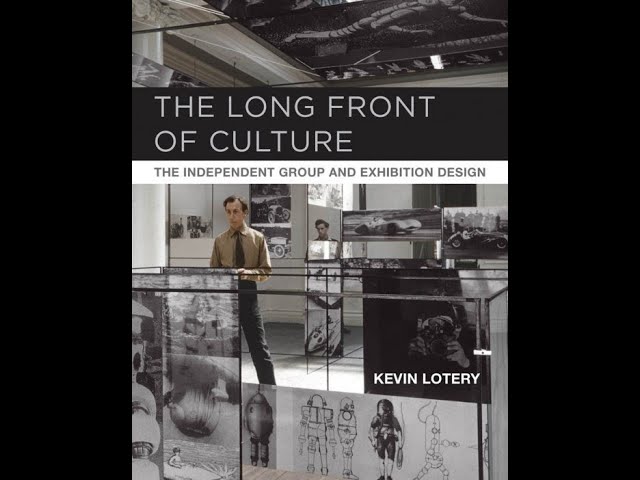





The Independent Group, a pioneering collective of artists, architects, designers, and theorists who met at the Institute of Contemporary Arts (ICA) between 1952-1955, established key principles of Pop Art through their collaborative approach, embracing popular culture, technology, and the interplay between body and machine, as exemplified by Eduardo Paolozzi's scrapbook collection and his book 'Metalization of a Dream' with critic Lawrence Alloway.
Eduardo Paolozzi and the Independent Group Pop Art Legacy
Added:An understanding of the post-WWII geopolitical and cultural climate, specifically the contrast between British reconstruction/austerity and the rise of American consumer culture.
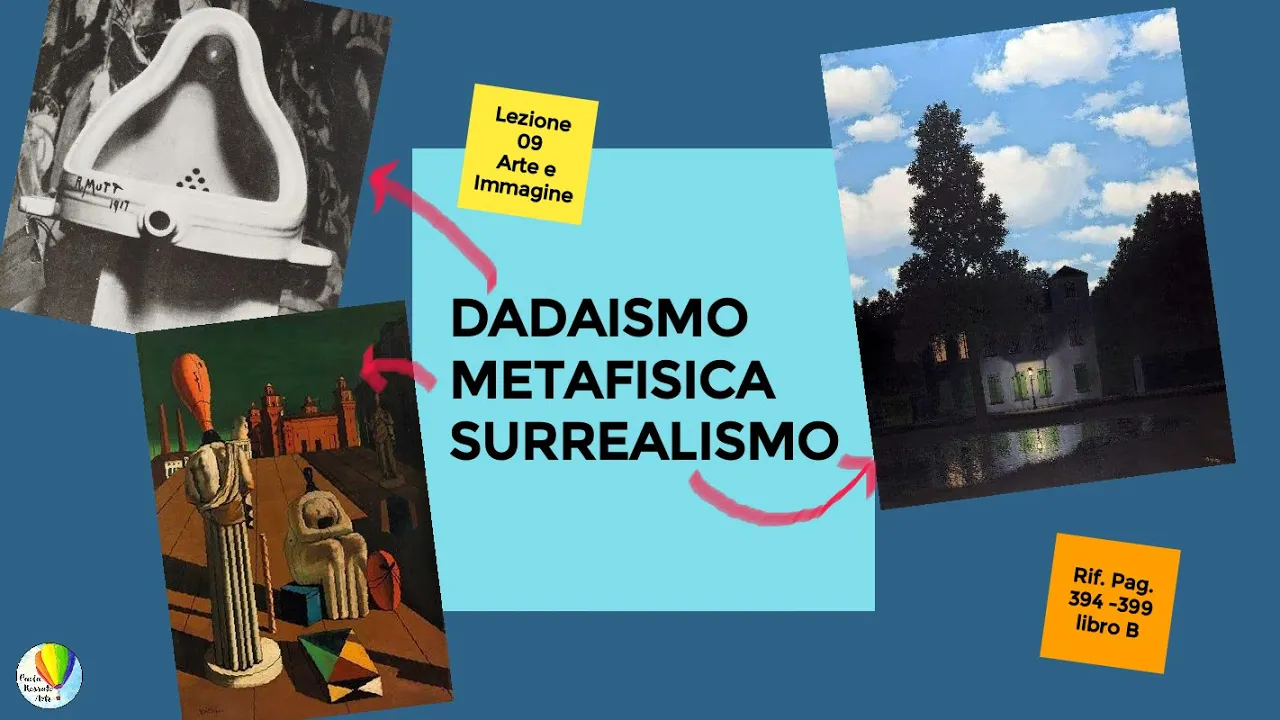
Familiarity with the foundational avant-garde art movements of the early 20th century, particularly Dadaism, Surrealism, and their use of found objects and collage.
A basic definition of Pop Art and an awareness of how it sought to blur the lines between 'high' art and 'low' commercial culture.
A comparative analysis of the British Independent Group's intellectual approach to consumerism versus the commercial and celebrity-focused American Pop Art movement.
In-depth research into the individual contributions of other prominent Independent Group members, such as Richard Hamilton, Alison and Peter Smithson, and Reyner Banham.
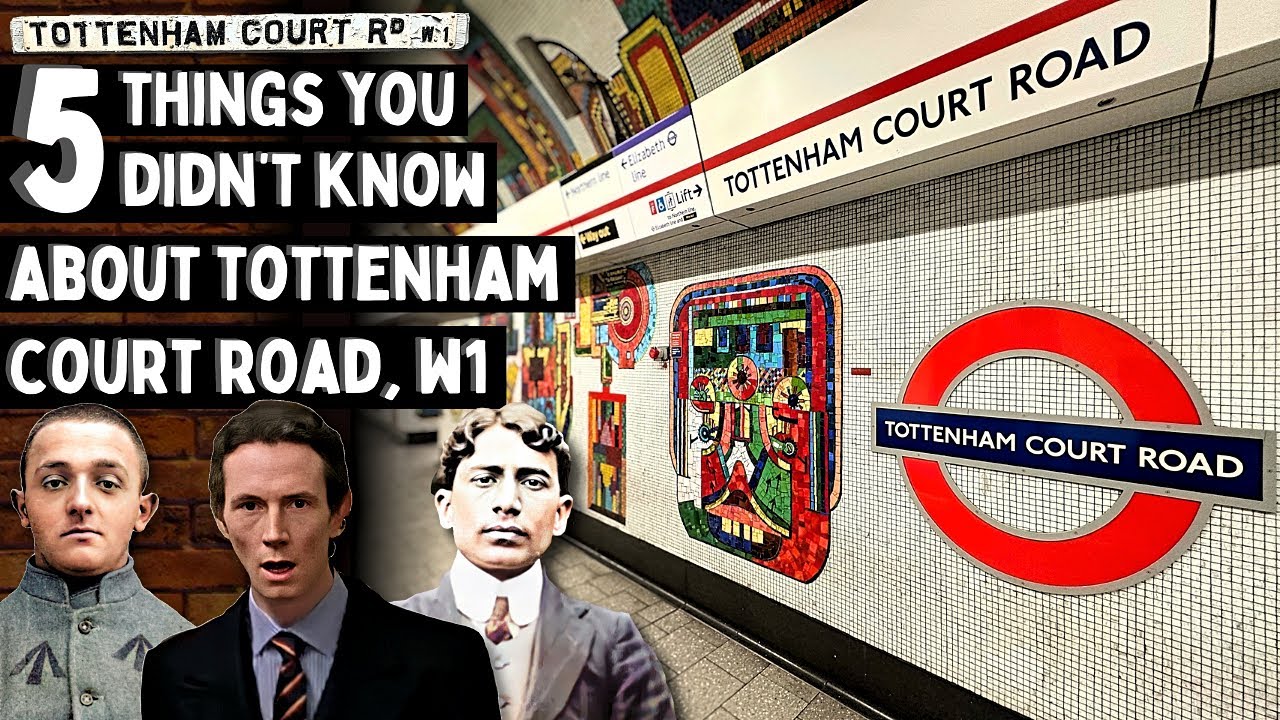
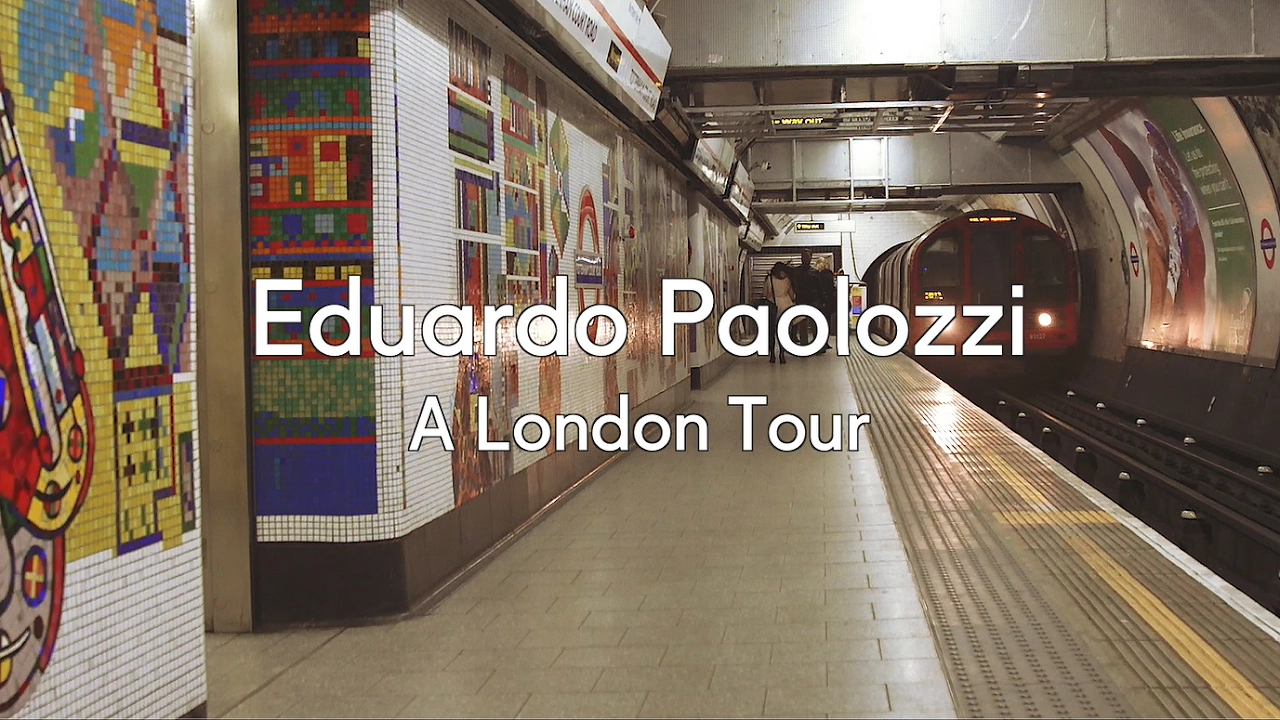
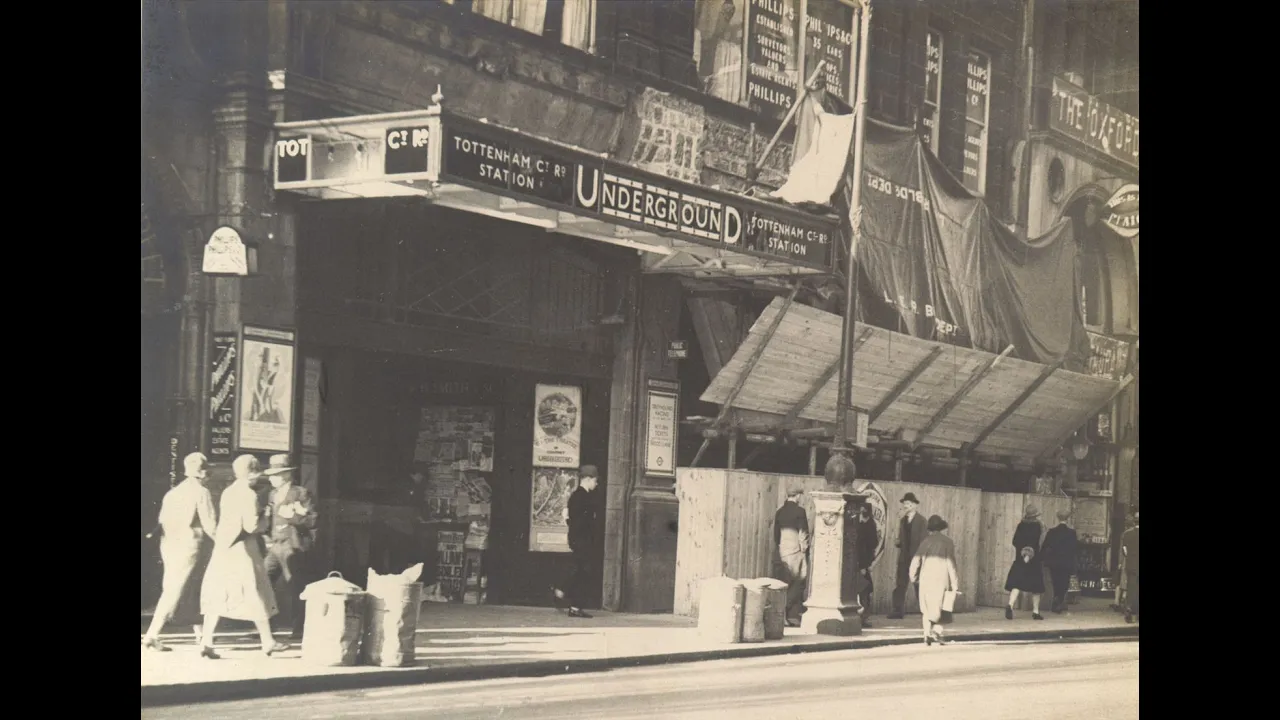
An exploration of Eduardo Paolozzi's later career, including his large-scale brutalist public sculptures and mosaic designs, such as those at Tottenham Court Road station.
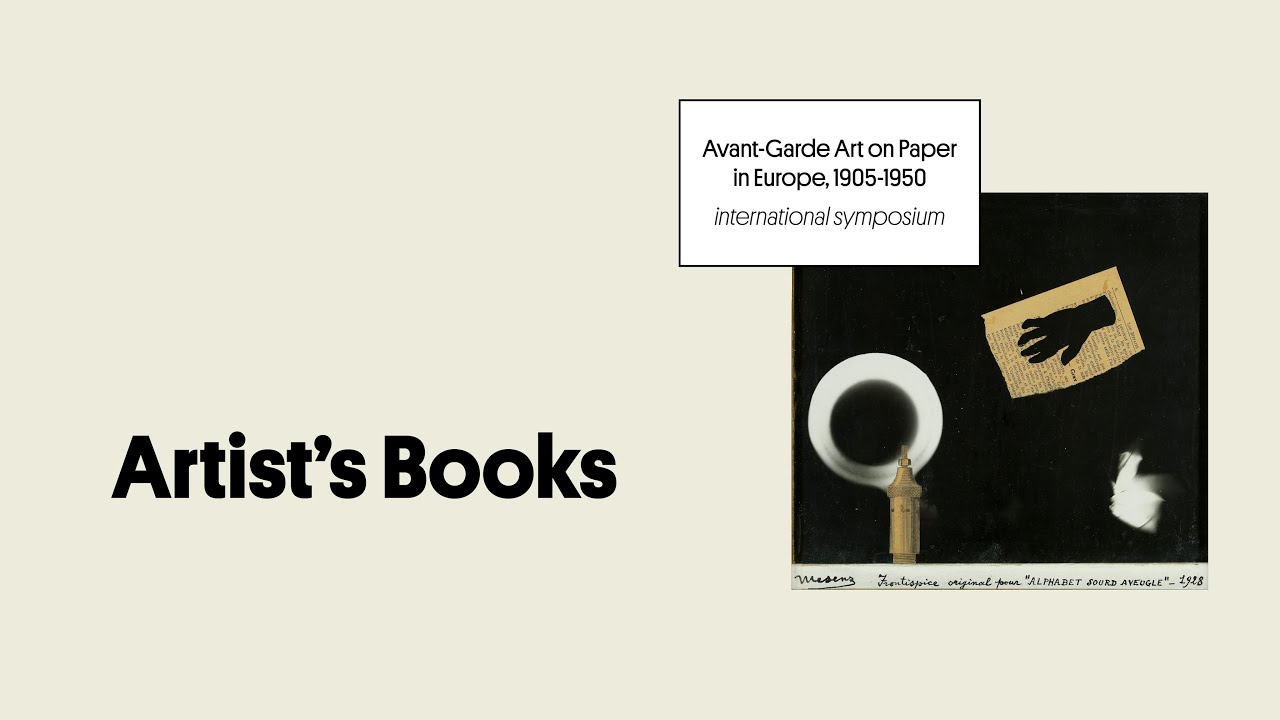
Study of the evolution of the 'Artist's Book' as a medium, tracing how 'Metallization of a Dream' influenced graphic design, typography, and self-publishing in the 1960s and 1970s.
8.4K views54likes6:01Original Release: 2009-12-04
[Music] jazz jazz the metalization of a dream was the title of a book produced by the Royal College of Arts lion and unicorn press in 1963 it was the result of a collaboration between two independent group members the sculptor Eduardo palotti and the art critic Lawrence Alaway it brings together many of the key themes first explored by the independent group in its meetings during 1952 to 1955 at the a valer as the fathers of Pop the independent group was far more subtle adventurous and creative than that seen from the post disciplinary digital age the group is a key example of artists Architects designers music producers and theorists working creatively together they questioned boundaries had an all-inclusive approach to culture loved technology and boys toys and random juter positions none more so than the interplay between body and machine and they loved the fact that popular culture was not beautiful and didn't last forever the Scrapbook mind of pooty is revealed between the covers as it's revealed in the crazy cat archive a collection which palotti amassed during his lifetime and donated to the Victoria and Albert Museum where it can be seen at the blly road Annex named after the cartoon cat created by George Herman in 1920s America it lays bare po lot's enthusiasms spark plugs meets Glamour Girls Freud and Marilyn Monroe Charles Atlas the airplane and Beauty parade It's All American it's all big stuff it's Gruff and rude and it's all interesting pasted in roughly to cheap scrapbooks these are not the refined sketchbooks of an accomplished artist but the enthusiasm of a child a lover of 20th century visual culture a creative presence the random Jor positioning and sheer scale of the collection resonates with our digital age the cut and paste mentality the defacement with glue the materiality and physicality of the scrapbooks are key they're presented in a Rough and Ready manner which demands our attention The Collection is massive comprising scrapbooks hundreds of tear sheets and an extended Modern Cabinet of Curiosities but the point is that these are not Curiosities they are not other they are not kit they are what pooty loved as a child and as an adult the robots toy stations plastic toys and science fiction Adventures have been lovingly collected and randomly stored tided for display by the vna's archists in a room in a building that was once a sorting office perfect but Palazzi not only collected things and images he collected [Music] people and this connection informed and inspired his creative practice metalization of a dream contains a perceptive commentary by fellow independent group member the critic Lawrence Alaway he understood completely that pooty was not looking at The Uncanny he was looking at the canny the no the lived with and the loved as is natural to somebody who grew up surrounded by the picture palaces news stands and billboards of the 20th Century City palo's content is the patterns of connectivity that link apparently Divergent events and objects so the prosthetic arm links to the body and allows a man to light a cigarette it relates to the other bodies represented in the David Johnson collage but it's also a testament to the con con activity of the independent group palotti produces this image which is written about by Alaway but the arm appears again on the screen created by his close friend and creative collaborator Nigel Henderson which is owned by another independent group member Sandy Wilson although now part of the palent House Collection in Chichester a Palazzi screen print appears in the front of a book by independent group Architects Allison and Peter Smithson about Urban Str uring and we can't miss out the Fantastic creative collaboration of exhibitions like parallel of life and art and this is tomorrow provocative and pedagogic or the Lesser known cover for architectural design from the Asis when cage collection creative collaboration lies at the heart of the independent group's activities whether with each other as people between disciplines and Concepts between and across cultural boundaries and Hotsy is one of the most important of these Connections in the circuit board of the independent group [Music]
Up Next

26:18
Jackson Pollock: Myth, Art, and Abstract Expressionism
@GreatArtExplained
298.2K views•2025-06-13

114:18
Christian Iconography: History, Theology, and Meaning | Fr. Panayiotis Papageorgiou
@Trisagionfilms
58.8K views•2020-02-21
7:48
Ukiyo-e Art: History, Woodblock Printing & Influence
@japanathand
6.3K views•2023-06-08

16:34
Earliest Depictions of Jesus in Art: 10 Ancient Images Explained
@UsefulCharts
5.9M views•2022-06-03
Related Study Plans & Knowledge Roadmaps
Structured learning paths in Art History
art-history
Gothic Cathedrals: Engineering, Light & Society
01The Birth of the Gothic: Romanesque to Suger's Vision
02The Structural Triad: Pointed Arches, Ribbed Vaults, and Flying Buttresses
03Theology of Light: Lux Nova and Sacred Geometry
+ 2 more learning modules
14h5 modules
Explore Roadmap
art-history
Pre-Raphaelites: Realism, Symbolism & Critique
01The Victorian Art Establishment and Academic Formula
02The Founding of the PRB and Radical Realism
03Medieval Revivalism and Literary Symbolism
+ 1 more learning modules
8h4 modules
Explore Roadmap
art-history
Street Art: From Subways to Art Market
01Subcultural Origins in Philadelphia and New York (1970s)
02The Subway Era and Style Wars (Late 1970s - 1980s)
03The East Village Scene and Early Gallery Crossover
+ 2 more learning modules
10h5 modules
Explore Roadmap
art-history
Classic Maya Art: Iconography, Glyphs & Ritual
01Foundations of Classic Maya Visual Culture
02Deciphering Maya Hieroglyphs & Text-Image Integration
03Sacred Geography and Cosmological Architecture
+ 2 more learning modules
14h5 modules
Explore Roadmap