






![مراجعة مصادر الالتزام كاملة للفرقة الثانية [ الدكتور خالد أحمد ]](https://i.ytimg.com/vi/r7iNkVh6Gfs/maxresdefault.jpg)



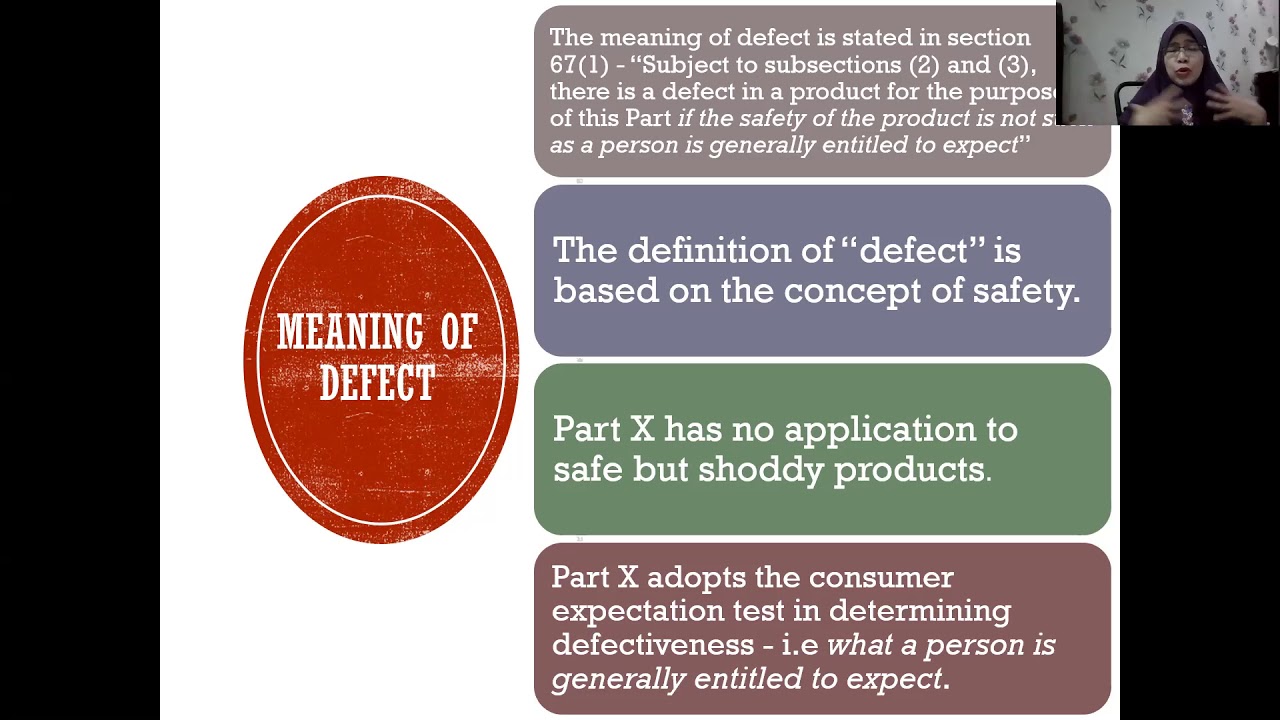


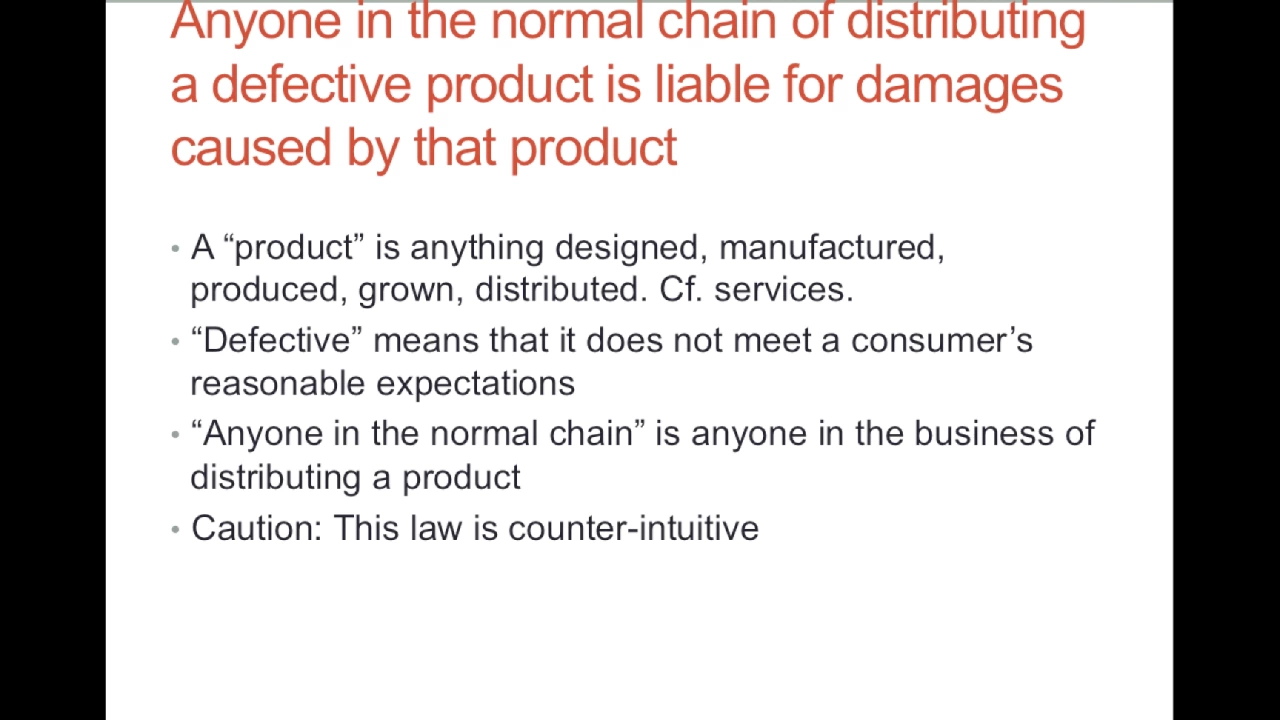


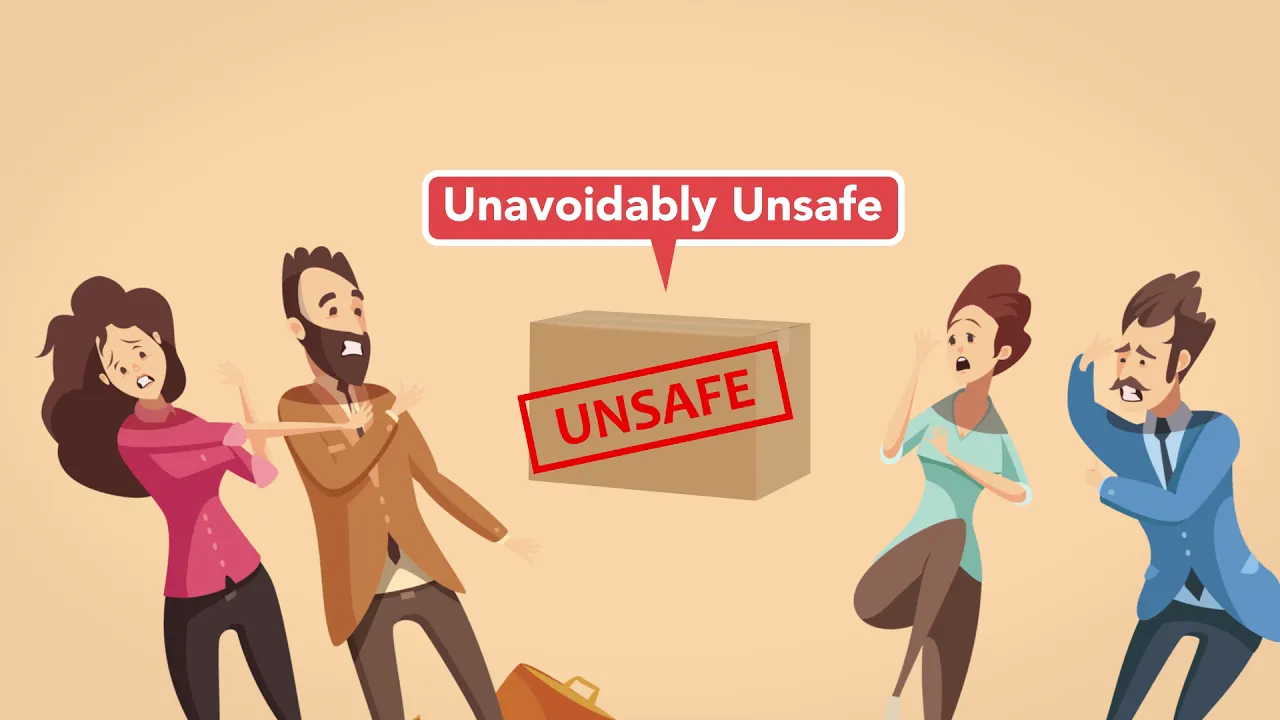




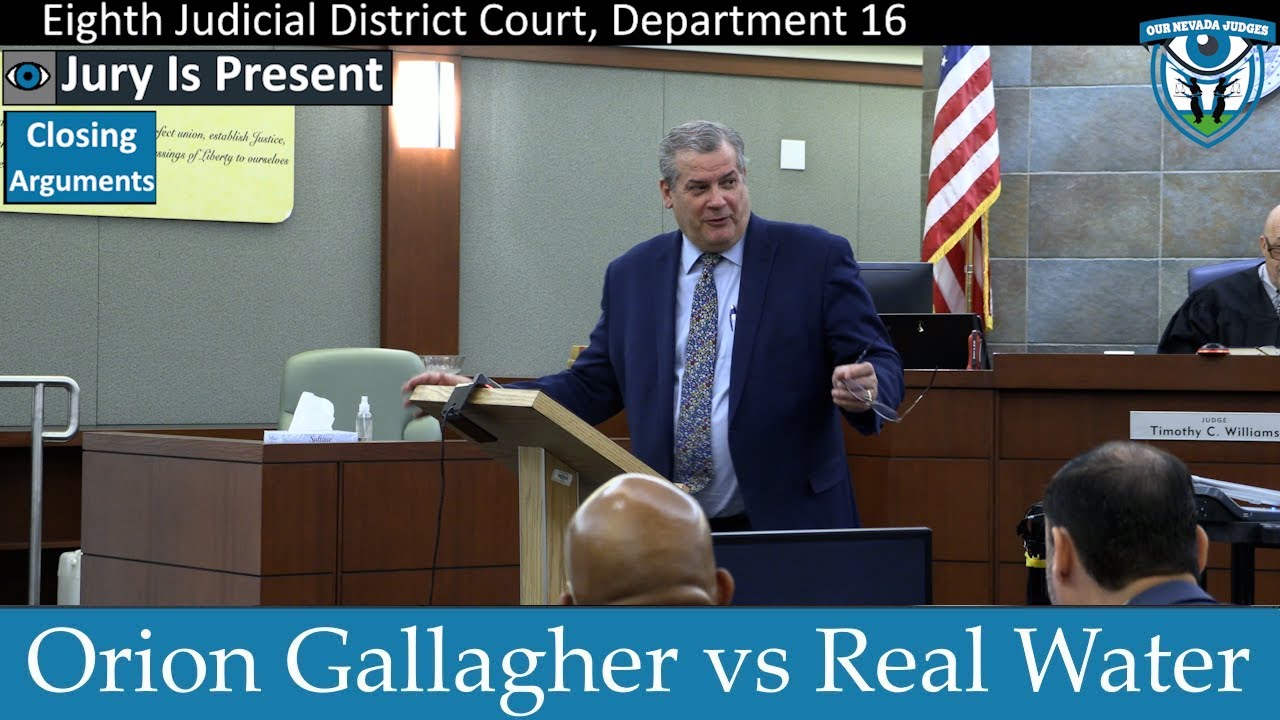
In products liability law, strict liability holds manufacturers automatically responsible for injuries caused by defective or dangerous products without requiring proof of negligence, whereas negligence requires demonstrating that the manufacturer was negligent in designing, manufacturing, or distributing the product; additionally, negligence cases consider comparative fault and failure-to-warn claims, while strict liability does not.
Negligence vs. Strict Liability in Product Liability Lawsuits
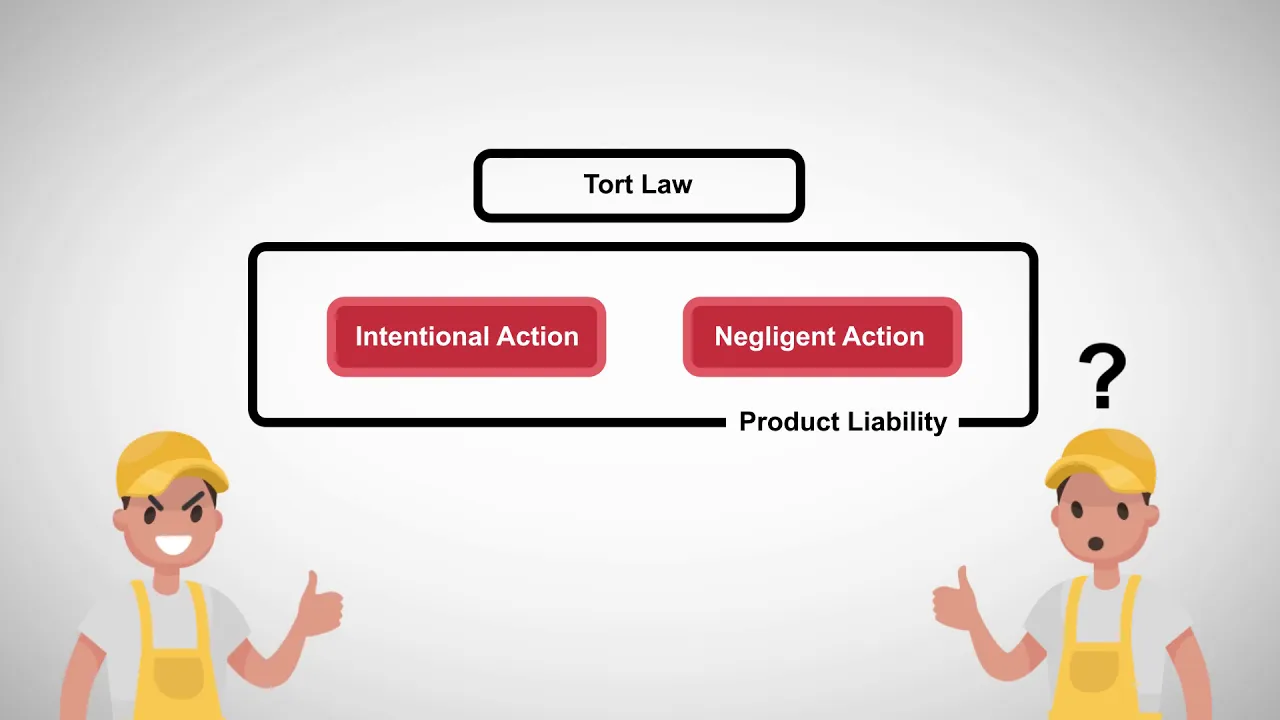
Added:An introductory understanding of Tort Law, which governs civil wrongs and the compensation for damages.
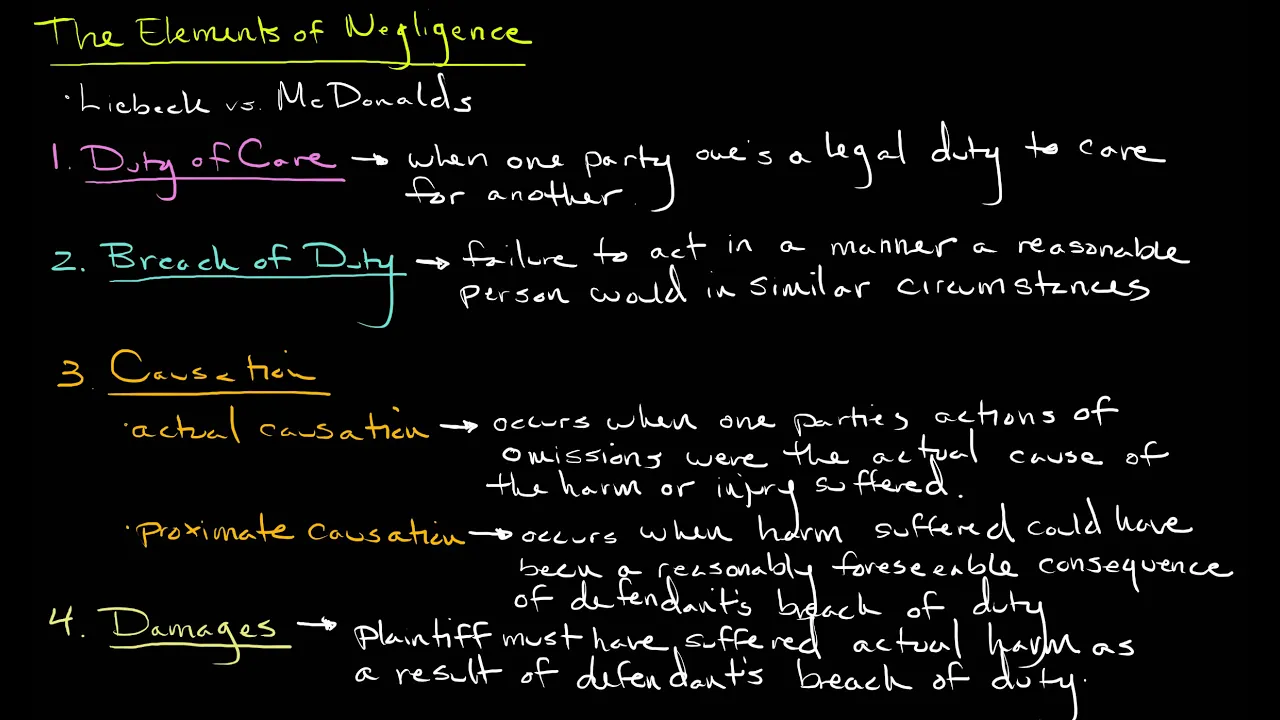
The legal definition of 'Negligence' and its four core elements: duty of care, breach of duty, causation, and damages.
The general concept of 'Product Liability' and how the supply chain (manufacturers, distributors, and retailers) can be held legally responsible for defective goods.
The difference between civil liability (seeking compensation for harm) and criminal liability (seeking punishment for law violations).
The three specific categories of product defects: design defects, manufacturing defects, and marketing defects (failure to warn).
Legal defenses to product liability claims, including product misuse, comparative fault, and the statute of limitations.
Analysis of landmark product liability cases, such as MacPherson v. Buick Motor Co. and Greenman v. Yuba Power Products.
How federal regulatory compliance (e.g., FDA or CPSC standards) affects liability exposure and defense strategies in court.
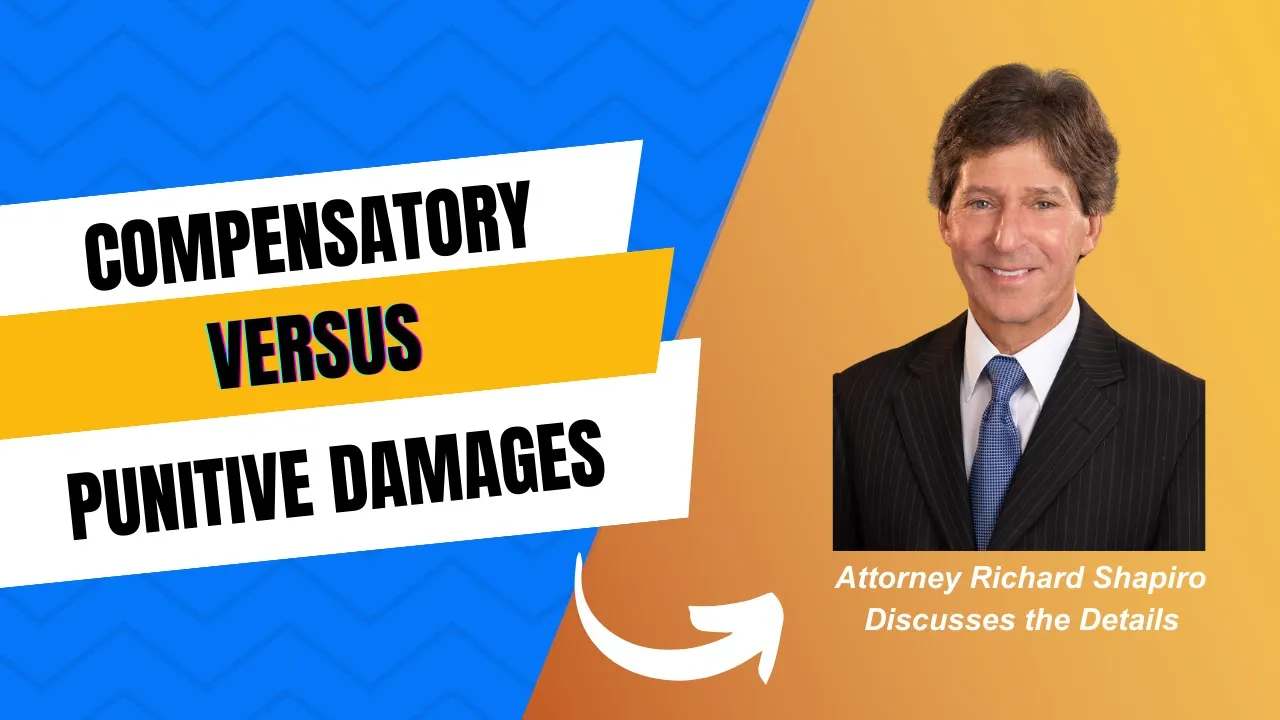
The calculation of damages in product liability lawsuits, specifically the distinction between compensatory damages and punitive damages.
464 views1likes4:55Original Release: 2021-12-17
[Music] [Applause] the difference between negligence and strict liability yes there is [Music] there is a difference between negligence and strict liability the difference is that in a products liability case there was a case years and years and years ago that invented products liability by a guy named learn it hand what a great name for a judge his first name was learned l-e-a-r-n-e-b hand anyway if a manufacture a manufacturer has a duty to put products in the stream of commerce that are not defective or dangerous when put to the reasonably anticipated use that is what products liability law is so if you have a product that is dangerous or defective and that caused an injury in person that is strict liability the product manufacturer the person who made designed manufactured and distributed that product is automatically liable for the damages that defectively dangerous product caused now that can sometimes be different people somebody may have designed it someone may have made it made it may have made it somebody may have distributed it distributed it but that's the case all three are strictly liable although most states have a statute that says if all you did is distribute it and the manufacturer is in the case and it's solvent it can pay the judgment the distributor can get out missouri no one only have that statute and many states do so that's what's negative strict liability is negligence is you have to it adds another layer in that proof you can have strict products liability you can also have negligent products liability negligence products liability isn't strict that's the difference what negligence says adds another requirement that says that the manufacturer of the distributor something had to be negligent in that design so there are some products that are dangerous but they were not negligibly done for instance there's a lot of construction equipment jackhammers bulldozer stuff if a bulldozer comes down on your foot um then that and maybe this is a bad example but that is did it hurt you yes but that's not negligence for the product manufacturer so product manufacturer then a negligence is is a way is a is a different standard for products liability um usually when we put always rather when we plead um and there can be different jury instructions for negligence or strict liability in strict liability comparative fault may not apply in negligence it's comparative fault because if someone's using the proper the the the product badly negligence also brings into account a failure to warn so there are some products that have inherently dangerous natures to them like a bulldozer like a pool like a trampoline but um if a manufacturer warns of those dangers then they can get out of liability saying we warned you guys that you guys know when you're driving a car you can't you know it goes 80 miles an hour that can be dangerous you got to be careful so we're going to have warnings about that you can't look at your phone while you're driving that kind of stuff so if a now the question is whether that that warning was adequate and whether it was non-negligent if it wasn't negligent if the warning was good plastered that red diamond that says warning warning don't do this clear communicated then that might not be negligent but if a manufacturer doesn't do that or does a bad warning or it peels off easy or it's not in yellow blah blah blah then that might be negligible so those are that's generally different magnificent and strict products liability let's go to one of my captions visit us on the web at burgerlaw.com we answer a lot of questions in our faq or frequently asked questions section of our website we have a lot of videos on our youtube channel that answers questions so we try to do this in a multiple of um a multiple of context i got a lot of questions coming up um let me see i got oh i got a lot of them um let me go to someone who i haven't gotten a question from [Music] [Applause]
Up Next

13:06
Overview of Tort Law: Intentional Torts, Negligence & Strict Liability
@centerforinnovationinlegal3204
427.8K views•2014-08-11

4:27
US Secondary Sanctions Impact on EU Businesses and Blocking Legislation
@Bureauvandijk
1.6K views•2019-03-20

5:27
Forensic Phonetics: Speaker Identification in Legal Cases
@nptel-nociitm9240
539 views•2025-03-19

24:42
Police Interrogation Tactics: False Confessions & Legal Reform
@LastWeekTonight
7M views•2022-04-18
Related Study Plans & Knowledge Roadmaps
Structured learning paths in Law
law
Self-Defense Law: Imminence & Castle Doctrine
01Foundations of Self-Defense Law
02Imminent Threat & Reasonable Belief
03The Principle of Proportionality
+ 3 more learning modules
12h6 modules
Explore Roadmap
law
Defamation Law: First Amendment & Actual Malice
01Introduction to civil torts and the First Amendment
02Elements of Defamation: Libel and Slander
03Public Figures vs. Private Individuals
+ 2 more learning modules
8h5 modules
Explore Roadmap
law
Hearsay Rule: Trial Evidence & Exceptions
01Introduction to Trial Evidence & Courtroom Basics
02Demystifying Hearsay: The Core Definition
03Non-Hearsay: Exclusions Under FRE 801(d)
+ 3 more learning modules
14h6 modules
Explore Roadmap
law
Medical Malpractice: Law, Liability & Care
01Foundations of Tort Law and Civil Liability
02The Four Elements of Medical Malpractice
03Defining and Proving the Standard of Care
+ 2 more learning modules
12h5 modules
Explore Roadmap