










![Герменевтическая несправедливость | В гостях Михаил Хорт [S01:E93]](https://i.ytimg.com/vi_webp/HCuX7P2FUkw/maxresdefault.webp)




![[UFMS Digital] (Multi)Letramentos Decoloniais Translíngues - Módulo 2](https://i.ytimg.com/vi_webp/gAEXwTezNWc/maxresdefault.webp)





Feminist epistemology challenges the conventional view that knowledge is produced by abstract, isolated individuals and instead argues that knowledge is situated, collaborative, and shaped by social locations such as gender, caste, class, and ability. This approach critiques how dominant groups' social authority translates into cognitive authority, rendering marginalized voices' experiences as subjective rather than factual. By emphasizing the situatedness of knowers and the power dynamics in knowledge production, feminist epistemology advocates for inclusive, co-produced knowledge that acknowledges multiple perspectives and experiences, particularly those of women, Dalits, and other marginalized groups.
Feminist Epistemology: Knowledge, Power, and Social Justice
Added:Basic Epistemology: Understanding the philosophical study of knowledge, including traditional concepts of truth, belief, justification, and objectivity.
Fundamental Feminist Theory: Familiarity with the concepts of patriarchy, gender as a social construct, and how power relations influence social structures.
Sociological Positionality: The idea that an individual's social identity (race, class, gender, and geographical location) shapes their lived experiences and worldview.
Traditional Empiricism and Science: Awareness of classical scientific methodologies that advocate for value-neutral, detached, and universalist approaches to producing knowledge.
Feminist Standpoint Theory: Exploring the works of theorists like Sandra Harding and Patricia Hill Collins on how marginalized social positions offer epistemological advantages.
Epistemic Injustice: Studying Miranda Fricker's framework of testimonial and hermeneutical injustice, which examines how people are silenced or discredited as knowers.
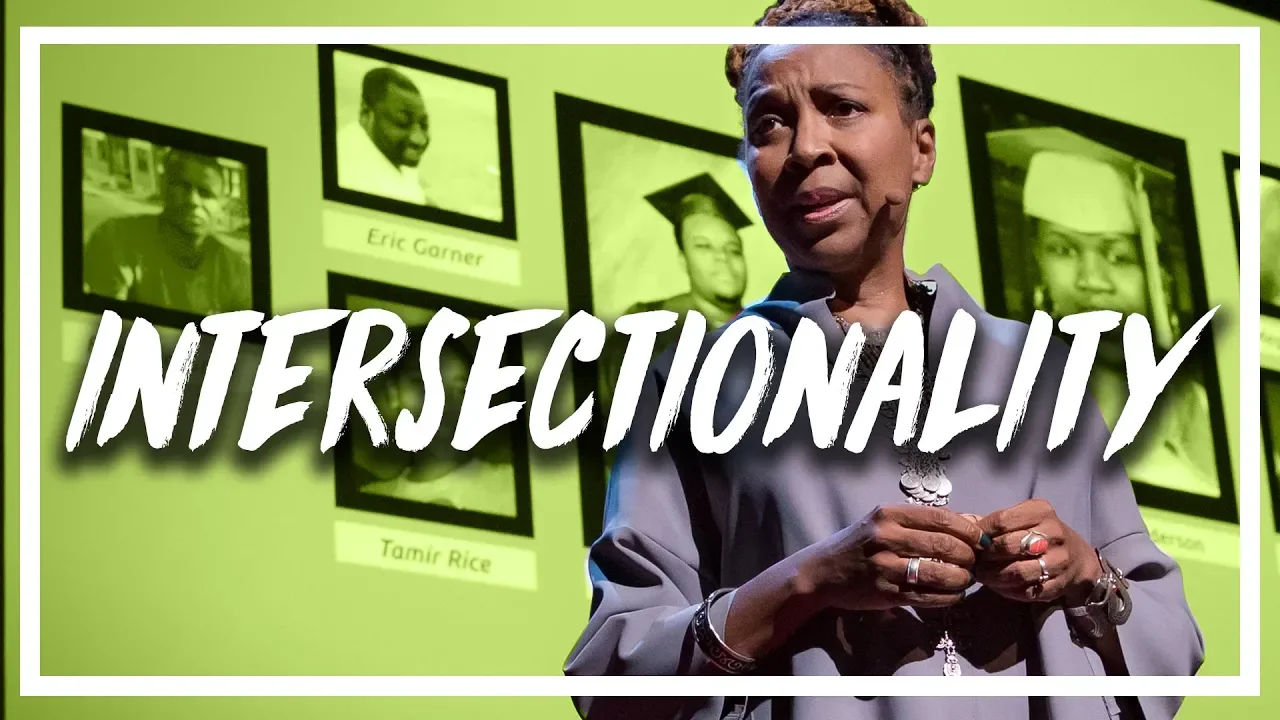
Intersectionality in Knowledge: Analyzing how intersecting categories of identity (e.g., race, class, sexuality, and disability) complicate social standpoint and knowledge production.
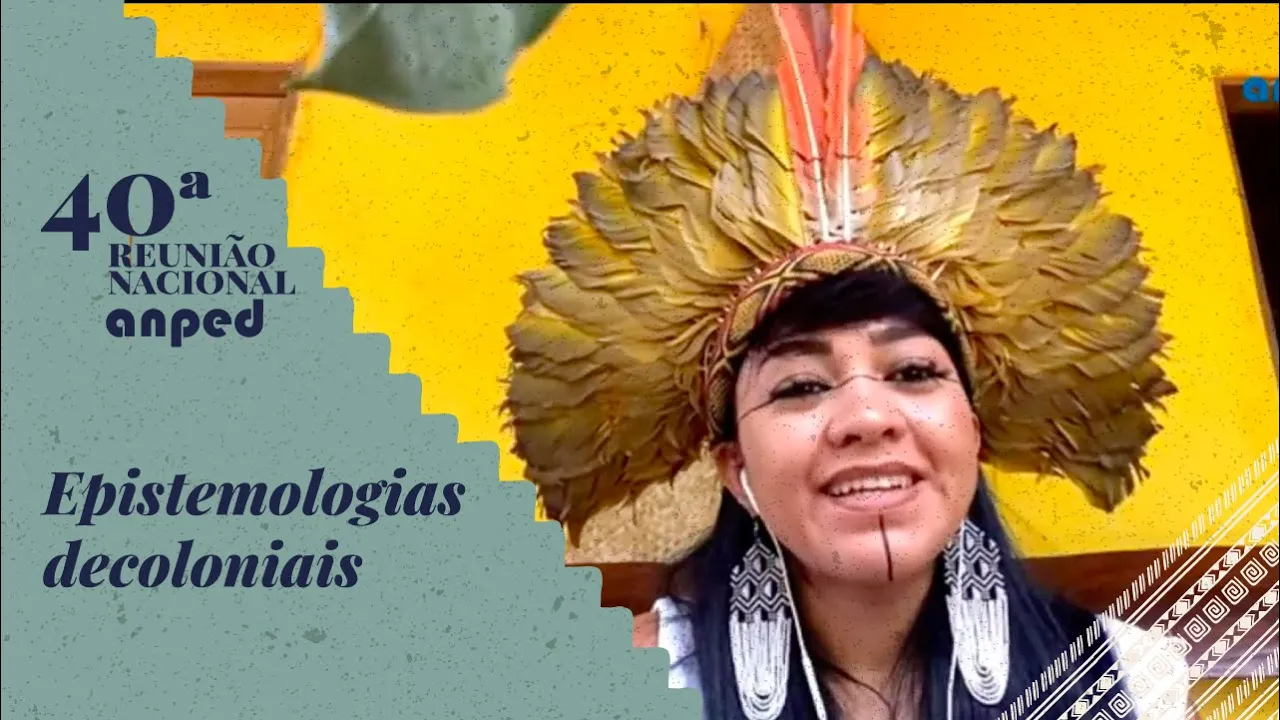
Decolonial and Indigenous Epistemologies: Investigating non-Western frameworks of knowledge that challenge Eurocentric, colonialist assumptions about science and truth.
Feminist Research Methodologies: Learning how to design and conduct empirical research that centers marginalized voices, such as participatory action research and reflexive ethnography.
3.2K views118likes1:44:51Original Release: 2021-04-17
towards their villages and homes so the story of the pandemic our knowledge of the pandemic would remain incomplete in india for instance if we do not record archive and engage with the experiences of these millions 1.5 million at a conservative estimate who walked on the highways of india last year this time to go back to their villages when the lockdown was announced much of the knowledge created about the pandemic for instance is based on the abstract category of the citizen which actually occludes the misery of the poor and the marginalized because not all citizens are similarly placed as i said just now it doesn't take into account the experiences of the under or the unemployed persons the persons with disabilities the itinerant the migratory and the stateless people there are many illusions and omissions that mark most mainstream accounts of the pandemic and the measures to cope with it the knowledge that is being created about the pandemic determines to a very great extent our responses to it so therefore epistemology is a very important question for us as teachers and scholars and researchers it's not just about creating knowledge that knowledge becomes the base for the kind of response that governments and states are adopting to cope with the pandemic to deal with the pandemic the approach used to create knowledge influences the responses to it we might have had a different and more inclusive response to the challenges posed by the pandemic had we created a different kind of knowledge about it i don't know i'm just sort of this is in the realm of speculation really for instance one of the measures to delay the transmission of the virus has been the lockdown that requires people to shelter in this measure has however in countries like ours created untold misery and suffering for the poor and world over and this is not just in india the world over it has resulted in exponential spike in cases of violence against women now from the earlier experiences of the pandemic and similar lockdowns in west africa the experience of the ebola and the zika outbreaks it was well known that when there are pandemics of this nature one of the consequences is an exponential increase in violence against women however we chose to disregard this knowledge while framing the current set of measures for the lockdown thus rendering thousands of women vulnerable within their homes that was supposed to be safe i'm sure all of us remember the famous slogan last year stay home stay safe so the very place that was supposed to be safe turns out to be the unsafest place from the data and statistics that is now coming out the question at the heart of this discussion is what is considered knowledge who has it how is it acquired and transmitted how does new knowledge get acceptance can humanities and social sciences lay claim to knowledge as much as engineering technology and the sciences can do the performing arts in cinema photography design and similar expressions qualified to be described as knowledge systems can knowledge be produced collectively is it produced only in some specific location through certain standardized methods these and similar questions are central to the critical debates around the questions of epistemology today often we take the answers to these questions as self-evident truths however increasingly the project to destabilize these so-called truths has gained momentum across universities and departments and it is heartening to note that the department of philosophy of the university of delhi is interested in these questions so there's lots to say about feminist epistemology and obviously it's not possible for me to cover everything in vana so i'll just uh raise some important facets some important debates and we'll try and engage with those so today i have been asked to discuss feminist epistemology and feminist epistemology refers to the insights and knowledge that has emerged out of feminist political engagement and consciousness raising feminist knowledge projects take great care to ensure that the voices ideas perspectives and theories produced by those engaged in feminist struggles are acknowledged rendered visible and not overwritten with accounts of professionalized or academic writing so feminist epistemology feminist knowledge is acutely aware and conscious that it emerges out of that it has a direct connection with and that it is based on feminist action feminist activism feminist mobilizational efforts so the two are actually linked with one another so they're not really separate in that sense feminist epistemology by virtue of its close connect with the movements and campaigns is committed to the view that knowledge is produced collectively collaboratively and in a cooperative framework it sees knowledge as co-produced and dialogic in nature not finite and singular typically feminist knowledge production exalts in acknowledging the linkages with the movement it's it's very happy to admit and acknowledge and accept the influences the inputs not only from other scholars other uh you know activists but from the ground so uh there is a clear appreciation acknowledgement and celebration of this link feminist epistemologists also stress the socially interactive nature of knowers so all of us are knowers but we are socially interactive of course in the digital age all of this has to have a different kind of conversation now but uh even so we realize that we are socially created each of us so the way we interact with each other even as knowers even as people who are pursuing knowledge it will be intersected by and it will be determined by our specific social locations so they argue that epistemically human beings are deeply dependent on one another and i think that's a very important facet of feminist epistemology the idea that human beings are dependent and here dependent is not used in a negative or pejorative sense not in the sense that it takes away the autonomy of the individual but on the other hand to say that it is co-produced knowledge is co-produced so uh some some amount of you know there's lots that i could say about the background to feminist epistemology but yet a short sketch i think is in order the gender question in epistemology arises with respect to how women know and are known how do women get knowledge this was one question can they get knowledge how are they known how does knowledge or how do knowledge systems represent them these were some of the earliest questions that the early feminists asked who claims to know them and why what conception of knowing the subject informs and inflects the operative conception of knowledge through which claims by and about women are adjudicated how is knowledge situated formally morally politically about women so who produces the knowledge about women can women produce knowledge about themselves why is the knowledge about women produced in certain ways these became certain important questions from where this entire debate actually gathers steam and takes off women and knowledge are often subject of crude jokes and memes i'm sure all of you have come across such things and it makes us uncomfortable uh i'm i'm sure you've heard of that uh you know popular uh book with the title that says women are from venus yeah so basically to say that you know uh they're a puzzle wrapped in an enigma uh which is a mystery so basically saying nobody knows what women are thinking nobody knows what women are uh you know what how their mind works or how do they what is it that they know so they remain a puzzle or that women cannot ever be understood because and that's very dangerous because they do not often mean what they say i'm sure you've heard of this so these become the uh troubling set of context and there's much more that i could add to this but this is just a glimpse which becomes the take-off point for a stronger deeper discussion about women and knowledge systems underlying this is the assumption that women do not possess rationality since women supposedly inhib inhabit a world that's framed by their bodies they are sort of imprisoned by their bodies whereas men supposedly are freed from their bodies they are not regulated by hormones so they are able to live a life of the mind and thus produce knowledge that is relevant and meaningful and universal and eternal and dynamic all the good things yeah women on the other hand it is assumed are impossibly entangled with their bodies and their hormones across time and space their lives are characterized by reproductive and care functions that are in the realm of nature so women uh women do it uh you know birds and animals do it so it's it's basically just a natural activity that women are always engaged in women's lives consist therefore of repetitive activities such as cooking cleaning you finish cooking and cleaning what you have to do next you have to cook and clean again right so it's repetitive so this repetitive cyclical nature or care activities you you feed the baby bake the baby clean the baby put the baby to sleep only to find that the baby is dirty so you pick the baby up clean the baby again feed the baby so it's cyclical in nature it's repetitive in nature and of course women's bodies are also determined by the cyclical flow of hormones so this repetitive uh nature of both their bodies and the functions that they perform uh really uh you know sort of uh prevent them at from producing the kind of knowledge that men can and because they're basically engaged in unvarying activities there's no change in the kind of work that they do cooking washing dusting caring how can they produce creative and dynamic knowledge so they remain childlike intuitive spontaneous tempestuous prone to mood swings these are the qualities dismissively associated with women's thinking what kind of knowledge can such beings produce what kind of knowledge so in in hindi i don't know if everybody here knows hindi but uh you know usually we hear people say or in english you hear the word old wives tales irrational but you know sweet and charming but it's not knowledge really you know it's it's like um some superstition some mumbo jumbo and you sort of indulge in what daddy is saying but it's not really knowledge uh these are all phrases that contain within them a clear degree of um you know infantilization and condescension of women's lives and experiences and the knowledge generated from these experiences whereas men inhabit the domain of culture men are cultured because they have a mind that can be cultivated and this mind is free from repetitive chores and psychical body rhythms thus enabling them to think rationally and therefore they are capable of producing knowledge that's creative innovative dynamic it's here that feminist politics steps in to call out the unequal nature of the division of labor in most societies that creates a situation where men have leisure to think and produce knowledge and women do not have access to that leisure in the realm of academic knowledge production original single authorship is valued all of you are i'm sure in the throes of having to make your cv calculating your api points so i'm sure you know that single or third uh book gets more points than an edited volume if you write a chapter in an edited volume it doesn't get the same points as you would get so on and so forth so the the kind of obsession with individual knowledge production uh is something that feminist epistemology is extremely uncomfortable with because it inadvertently contributes to a tendency and it fails to acknowledge the intellectual contribution of others of activism it does not recognize the lineage of ideas and theories that have been forged outside of the academy often incrementally collectively and informally that said i don't want to set up a binary between various epistemologies of knowledge academic versus activists etc etc but i think what feminist epistemology is trying to do is to try and create a kind of continuum i think that is what feminist epistemology is interested in doing uh one of the since most of you here are from the university systems and various departments i think it would be interesting for those who don't know to know uh to look at this book by sandra harding which really is uh very very central to any discussion on feminist epistemology ah it's a book published very now it's quite an old book 1986 but it remains the concerns it raises remain very relevant even today the science question in feminism that's the title of the book uh it examined uh various epistemological uh positions within feminist approaches to knowledge so it's not as though there is one singular feminist approach to epistemology even within feminist you know discussions there are various uh emphasis and accents that are there the various orientations that are there and there's a lot of overlap however broadly she classified it into three this doesn't mean that they are exclusive or final because uh knowledge keeps flowing and is dynamic so the broad categories that she identified were feminist empiricism feminist standpoint theory and feminist postmodernism having said that please do not think of these as watertight categories that are not talking to each other because that's really against feminist epistemology to not talk to each other to not have a conversation or dialogue with each other if that's not feminist epistemology at all but broadly just for the sake of our convenience we can divide it into these three categories i shall offer a brief snapshot style description of these facets for those who might be interested so a feminist empiricism actually it challenges the uncritical focus on men and advocates adding women so it says basically it's saying that look knowledge systems are okay but the only problem is that women are not here so we need to add women i i'm sure some of you have already sensed the discomfort with this position is that you know just adding women of course that's important to bring in women is important but that's not enough because you're not really engaging with some of the fundamental assumptions be uh that are underlying this kind of knowledge production feminist standpoint is something that i'll talk about in slightly greater detail so i won't talk about it here feminist postmodernism of course is skeptical as you know very well as philosophy um you know researchers and scholars here you would know that it is skeptical of universal claims of reason and progress of science and argues that only political solidarities across social locations can ground feminist findings that means there can't be one singular feminist epistemology there are feminisms and there will be epistemologies and we'll talk about this as well not in great detail not possible to cover everything but i'm sure we'll have an occasion to refer to this there's a lot of conversation that's going on between these uh positions so please don't think of these as water tight positions of the many ideas that are contained within feminist epistemology uh i would like to begin by uh examining the idea of the situated knower i think you know the situatedness of knowledge actually that that really is to my mind uh it is one of the very powerful and attractive ideas that feminist epistemology has to offer um somebody's raised a hand do i have to is that a question do i have can i answer the questions no ma'am you go ahead we'll take the questions at the end yeah i prefer that please okay so um we will talk a little bit about the situated nature of knowledge and the situated nature of the knower of the person who is trying to gain that knowledge so feminist accounts of epistemology is actually uh it's it's a if you start plotting it it's a history of departures from conventional ideas on epistemology conventionally epistemology believes that knowledge is a priori it's like a normative it's a production of normative principles normative values uh normative systems of understanding the world feminist epistemology moves away from this second conventionally it is understood that knowledge should be objective um and it should be a political it must not side with any position feminist epistemology moves away from this assumption another assumption that conventional epistemology at least in social sciences talks about is that it should be impersonal sort of objective they are connected with each other feminist epistemology i am sure you all of you've heard of the slogan the personal is political so there is really no way that feminist epistemology can remain impersonal a lot of the personal will necessarily be part of the knowledge who are you who am i who's talking about it what is my personal location what is my history the person who's writing this book who is she i don't necessarily have to erase myself from the knowledge that i am um producing i must in fact write myself into the knowledge that i am producing because that is really the honest way of reflecting upon my own circumstances and helping the reader or the student know more about the producer of the knowledge that it is really a slight of hand to pretend that there is no um sort of tangible producer of knowledge i'll come to that in just a little while and that experience personal experiences have no place when recording knowledge feminist epistemology moves away from these ideas many others but i've just mentioned a couple feminist epistemologists argue that people may understand the same object in different ways and that depends upon the distinct relationship in which they stand to it it depends upon where you are located the way you look at things the way you look at social development the way you look at the world around you at the relationships between people all of this is contingent upon and constructed by to a very great extent to the distinctive social location that you are in that the knower is located in one of the major contributions of feminist epistemology has been the thorough critique of the individualism of modern epistemology and the corresponding and therefore the corresponding reconstruction of epistemic subjects as situated knowers that it's not as though there is an autonomous pure individual who has no descriptive identities he or she or they are simply individuals with no caste class color race ethnic identity none of that just an individual knower feminist epistemology is uncomfortable with such an imagination in fact they would like to feminist epistemology would like to place the knower in a complex set of social relationships and acknowledge that it is from this position that this knowledge is being created or that this knowledge is being produced so from the cartesian beginnings which all of you are very familiar with of modern epistemology where knowledge was thought to be the result of careful exercise of an individual's mental faculties to the dominant contemporary epistemological framework wherein epistemic subjects are interchangeable so it doesn't matter who is knowing there is knowledge a could know it or b could know it or x could know it it doesn't matter knowledge remains knowledge it remains something which is unchanging only the sub the knower changes and it really doesn't matter who the knower is nowhere is interchangeable feminist epistemologists have drawn attention to the inadequacies of this abstract category of the individual very uncomfortable and i'll just show you why it is so feminists have criticized the claim that knowers are abstract isolated individuals on the contrary they focus upon and they emphasize on the collaborative nature of knowledge production and this is something that's highlighted by feminist epistemology all of us depend on each other for specific and specialized forms of knowledge not only is the layperson dependent on the expert and this expertise differs so today i might be the expert but tomorrow there might be a subject on which you are the expert so i'm dependent on you if you need the tap in your house to be fixed you need to depend on the expertise of the plumber the if the plumber needs to know something about how to get admission to the university you become the expert so there are no permanent fixed universal experts who have access to certain esoteric sets of ideas that can be described as knowledge everybody has knowledge everybody has expertise in different facets of life and we as human beings in a society need to share that so this is the idea that feminist epistemology is trying to advocate so not only is the layperson dependent on the expert and we can be both layperson at some times and sometimes experts but even within epistemic communities so let us say the community of philosophers in the department even there supposing there's a research team there are cognitive divisions of labor somebody specializes in social philosophy somebody else specializes in political philosophy so there is this kind of division of cognitive labor and this results in dependence on each other's expertise for knowledge that's relevant to one's own research so for me to do my research for me to write my paper i need the knowledge that is produced by others so in such a milieu how can i claim that knowledge is the is the result of my own individual pursuit it is very clearly a group activity a shared activity an activity based on exchange of ideas information and knowledge feminist epistemologist however so so i i hope this bit is clear and then they go on to argue that we need to be mindful of the power dynamics within these activities and that's what makes this argument complete so yes it's co-produced yes we need to have cooperation yes there is knowledge and we are dependent on each other however it's not this cheerful dependence where everybody is dependent on the other in the same way with no consequences or the same set of consequences the fact is that there is a power dynamics within this exchange of knowledge and this is something that feminist epistemology is trying to alert us to there is a power dynamics which examines the correlations between structures of cognitive and social authority those who are socially superior those who are socially privileged those who are socially in a powerful position have cognitive power cognitive influence and the ability to project their knowledge and their understanding as the normative standards of knowledge in any given society and feminism's responsibility of feminist epistemologies project really is to uncover these power dynamics that that really completes the story here this the story you know talking about stories i'm sure all of you have heard of how the nobel prize for instance slipped uh this um this very well-known scientist chemistry um uh specialist in um called rosalind franklin who despite her path breaking work in the field did not get uh acknowledged and it was uh the trio of crick wilkins and watson who later came to get the nobel prize for their pathway path breaking work on the double helix structure of the dna so rosalind franklin actually was the some of the photographs that she was able to take in her lab especially photograph number 51.
this was crucial to the discovery that qriken watson later made about the double helix nature of the dna however uh the nobel went to them and her efforts were uh not acknowledged and not recorded it's only now that we begin to hear of rosalind franklin's work thanks to feminist historians of science so this was a classic instance of social authority that men have which mapped on to cognitive authority a situation wherein women's contribution to knowledge is either ignored unnoticed or dismissed and disregarded that's really what happened with rosalind franklin in addition to this feminist epistemologists have expressed discomfort with the way in which individual knowers are themselves conceptualized as generic you know noah's interchangeable as i said earlier in the act of knowing feminists argue that each knower is situated in a specific location and hence brings to the activity of knowledge and knowledge production their own specific set of experiences those of us who are teachers here and we've taught in classrooms that are heterogeneous we would remember very well how students are differently located so while you might be using the same lecture you might be using the same study material the same study resources and they are attending the same lecture but each of the student because of their specific social location brings to the classroom and brings to the lecture different qualities and makes different sense of the same of what you are saying so it's not as though all of them are making the same sense of it because they are bringing their own specific experience from their social location and it is the task of a feminist teacher to actually draw out those distinctive social locations and social experiences into the classroom discussion in order to co-produce a new kind of knowledge about whatever it is that you are trying to discuss in class having said that to give an obvious example sex specific bodily experiences such as knowing pain during childbirth for example cannot be accessed by members of other sexes feminists argue that there is a vast range of experiences differentiating along the lines of social location so bodily i just gave you an example social locations as well for instance in a city like delhi the city of delhi is experienced by women men others very differently the question of safety access to public washrooms ability to use public parks or roadside eateries traveling by public transport these are all very differently marked experiences for the genders men women and other genders the difference in knowers that feminists attend to are not random or idiosyncratic you know it's not as though or she likes pink but she likes dark pink kind of a situation but these differences come out of socially structured and systematic structures of difference you know they are they are socially created and they're systemically created it's not some random um like or dislike or i experienced it this way and i did not experience it like that it's not random and arbitrary according to these arguments one's perspective shapes and sets the limits of how we can know that's very important our social location determines the limits of what we can know and how we know it it has a huge influence therefore to have these kind of anonymous uniform ways of testing students is something that we might want to actually discuss and think about because each student really is bringing a unique and specific set of social experiences to the table as a corollary institutions of knowledge production like universities are dominated by if we look around and if we are honest about our universities we are dominated by a particular kind of group and groups not one group necessarily but a set of groups and their perspective on what is knowledge their perspective on what is worthwhile to know how it should be known this then acquires the status of being true knowledge because universities are in the business of certifying systematizing and sort of accrediting and saying that yes indeed this is knowledge but it's not some are uh you know it's not some already existing self-evident truth it is a group of people or groups of people who have distinctive social locations who are coming together with their own social experiences who produce this knowledge and lend to this knowledge credibility and legitimacy for example many who argue that under representation of women in science is a concern you know there's a lot of discussion today about women in stem and they believe that this is of course a problem because this indicates that women are not being given equal opportunities to be a part of science but there's another reason for why this is being talked about and that reason is that women in science the absence of women in science is a cause for worry also because the way science is shaped the way scientific knowledge is shaped scientific discoveries will be shaped and scientific experiments conducted it will reflect only one particular or some particular dominant groups and their sensibilities and perspectives therefore under representation of women in science is not only a justice issue but it is also an epistemic issue the the stem scientists stem feminist scientists are saying that the nature of scientific discourse itself the nature of scientific experiment scientific knowledge itself would benefit if diverse kinds of people and it doesn't mean only women here if diverse kinds of groups of people are able to come to the scientific table come to the laboratories and try and start bringing their own perspectives into creating experiments producing knowledge thinking about things because right now you have a particular kind of profile of the knower who is creating and producing this knowledge feminist epistemology focuses on how the social location of the node affects what and how she or he or they know individual social locations consist of their ascribed identity gender race ability caste class sexual orientation and so on these subjective identities are incorporated into the self-understanding of people how i understand myself and this in turn influences my ability to know and create knowledge confidently if i have a self-identity which makes me feel ashamed which makes me feel abject which makes me feel diffident and tentative then my confidence to produce knowledge and to produce knowledge with conviction will be adversely affected is what feminist epistemologists are trying to argue orthodox epistemology presupposes a standardized knower who is everyone and no one in particular donna haraway you know very interestingly calls this the god trick of seeing everything from nowhere in particular and yet strangely the knowledge that this noah produces bears close resemblance to the values of the dominant groups in society and benefits the interests of these groups unknowingly perhaps this results in an uneven distribution of authority expertise power and privilege in society the implication is that if the knower cannot see from nowhere from an observation position that could be anywhere and everywhere then the knowledge that they produce cannot be reliable knowledge reliable knowledge can only be produced if you are producing it from nowhere in particular and from everywhere this results in what feminist epistemologists describe as epistemic oppression and how i'll just talk about it epistemic norms that uphold the social economic and political privileges of some are then upheld and imposed upon those whom it oppresses this perpetuates norms that treat those with powers as credible transmitters of objective knowledge so those who have social authority also have cognitive authority and what they communicate what they say has credibility because they produce objective knowledge and truth everybody else who is marked who has a specific identity such people can only talk about their experiences these are only opinions not facts so this is that classic distinction that many of you are familiar with fact versus opinion of fact versus values all other knowledge production is suspect because they are producing subjective experiences of politicized opinions they support broadly shared distinctions between fact and opinion as i said and dismiss resistance as biased opinion so if you question this then you are biased when it challenges the idea if you challenge this idea then you are biased thus a woman's observation can easily be disregarded as a subjective experience or a dalit student's observation can be easily dismissed as political opinion as opposed to the objective knowledge and truth that flows from those who have epistemic privilege of being the credible transmitters of knowledge now i'll talk a little bit about experience and embodiment people experience the world by using their bodies which have different constitutions and are differently located in space and time disability studies challenges the nominativization of knowledge that is based on the so-called able bodies the normativization of what the disability study scholar anita guy describes as the temporarily able-bodied yes ability is temporary sooner than later all of us are disabled in one way or the other we use glasses hearing aids walking stick wheelchair so on the knowledge that is however produced is the knowledge that reinforces the perfect within quotes normative human body thus producing uh in its arrogance the disabled body so what she has argued is that there is no already existing disabled body it is a certain kind of epistemology that results in the production of the disabled body dominant epistemological frames assume an embodiment that is perfect and able feminist epistemology has questioned a range of knowledge domains such as public planning health economy and so on wherein the normative person who creates the knowledge and to whom the knowledge caters to is the able-bodied male for instance if we take up the ubiquitous issue of public washrooms at least in delhi studies have found that women have fewer washrooms than men washrooms for persons with disabilities is even more difficult to locate wash basins spots taps garbage disposal lighting design everything caters to the standard able-bodied male user this apparently inconsequential fact has serious implications for scores of women and persons with disabilities in determining their life choices with regard to education with regard to livelihood and with regard to travel for long feminist critics of modern medical practices for instance have pointed to the resistance that medical sciences have to deviating from the so-called normal meaning male derived medical model in studying women's symptoms as they experience and report them it exposes the conviction that any special interest group you remember i just spoke about the dalit student women etc any special interest group cannot be objective their experiences and circumstances cannot yield knowledge each of us individuals we do have first hand and personal access to our own bodily and mental states and knowledge about ourselves which differs from an expert's knowledge about ourselves the movement in feminist epistemology has been away from the dependence on the expert to experiential knowledge women's experiences with doctors and therapists is a case in point where women's complains of pain for instance there's a lot of feminist study on this very this this facet of pain in the context of feminist epistemology it's often dismissed as fiction or a vague condition which was often referred to as you know that horrible word hysteria which itself has a complicated history in modern psychology and psychiatry or nervous depression it was believed that hysteria could be set off by a plethora of bad habits which included reading novels which caused erotic fantasy so if you read novels you were prone to hysteria and other similar deviant tendencies resulting in any number of symptoms so it's because you read that you had seductive behavior irrationality and you became a general troublemaker you know you were just a troublemaker if you read too much a number of 19th century practitioners gained fame as hysteria doctors they specialized in this the belief was that the uterus is the root cause of all this it's a troublemaker power excellence it was best stated when pregnant the triad of marriage sexual intercourse and pregnancy this was considered to be the ultimate treatment for the semen hungry womb it's no accident that such a diagnosis took off just as when women were fighting to gain access to universities and professions in u.s and europe a decrease in marriage and falling birth rates coincided with this medical diagnosis that criticized the new woman and her focus on intellectual artistic or uh you know activist pursuits instead of motherhood a prominent psychiatrist in philadelphia sir mit s mitchell championed what he called the rest cure sick women were put to bed ordered not to move a muscle and instructed to eschew all intellectual and creative work of any kind because that's the root cause of all the problems that women have they were fed four ounces of milk every two hours and they were not even permitted to visit the washroom in many cases disturbingly disturbingly scores of women and this is in the u.s that i'm talking about women artists and writers were diagnosed as hysterics in a period when rebelliousness shamelessness within quotes ambition and over education were considered to be the likely causes for all of this it was suggested that too much energy was going into the brain instead of staying in the reproductive organs of the women and this is why women were behaving strangely transgressing prescribed roles would make women sick british suffragettes for instance were treated they were actually treated within courts as hysterics in prison outspoken proponents for women's rights were often characterized as the shrieking sisterhood in our context in india we hear of women being declared as mad or dire you know which for instance when they begin to assert themselves and claim property and land which is rightfully theirs such women are again forcibly treated or forcibly institutionalized some of you would have read of this exceptional work of fiction called yellow wall paper by charlotte perkins gilman where you find that she is complaining about her husband who is a doctor actually and thus an expert and he belittles her experience her experience of uh you know loneliness um a kind of postpartum depression that she was going through and she was the the cure that was prescribed was a kind of a rest cure that i spoke about she uh was not allowed to she was actually asked to relieve her mind so that she was not allowed to read or write or think she just had to lie in bed and this actually made her depression worse and you must read the book i don't want to spoil it for you i'm sure you'd uh make a good connection when you read it now nancy um heartsocks uh uh 1983 articulation of standpoint theory is very significant uh for us here when we talk about feminist epistemology she argues that women's contribution to uh subsistence that means you know daily maintenance and um care work that women do and um to child rearing this results in a systematic difference of experience across genders what she's saying is that the kind of work that women do routinely systematically and every day that gives to them a different kind of experience about life about relationships and about social structures accordingly the activities of women that place them in a socially underprivileged position so because they are only doing this kind of work and they're not really you know theoretically they're not working and they're not earning um if at all they are they are doing it only in addition their primary role and responsibility remains care cooking cleaning looking after etc etc child birth child reading so this puts them in a socially underprivileged position but despite that she says that this becomes the basis for a privileged epistemic standpoint and why does it become a privileged epistemic standpoint because they are able to gain a perspective through which a deeper understanding of patriarchal institutions and ideologies can be reached and how this happens or how this could happen it needn't happen in every case but how it could happen and result in a feminist standpoint is that you're able to see your life and you're able to see the systematic marginalization that you experience despite the role that you are playing in child rearing bearing maintenance work subsistence cooking cleaning bodily care functions despite that your underprivileged and your powerlessness is very evident to you but you're also able to see that due to the work that you are doing there are others in society who are able to lead a life of pleasure privilege and leisure once you're able to make this connection you acquire a feminist standpoint it's it's it's something that it this becomes the epistemic privilege that uh women could acquire in fact it's you know this is an idea that has a very long lineage it comes from marxism it comes from the work of the polish marxist lukach and it has a you know history here i'm not going to talk about that right now uh some of you might have watched the celebrated malayalam film on one of the streaming services called the great indian kitchen if you have not i recommend that please do watch it for questions of feminist epistemology you would uh those of you who watched it you would recall that the film shows the daily grind of domesticity that the female protagonist engages in and you know it's very remarkable she's nameless she doesn't have a name in the film in that sense she's a stand-in for thousands of women across time and space so the daily grind of domesticity as seen through the eyes of the woman protagonist not only does it tell us about her life the film then shows us as a result of this daily grind what is the kind of life that the men in the household are able to leave for example her father-in-law who just has to sit and the toothbrush with toothpaste on it is handed over to him so that he can brush his teeth so this connection between the grind that she engages in and the life of leisure and comfort and privilege that the men in her family can once and if you're able to make this connection that becomes what um feminists have described as the fem uh standpoint theory or standpoint in various um you know it's differently articulated by in different accounts for most feminist and point theorists a standpoint is understood as an achieved stance it's not just a perspective it's an achieved stance it is achieved when you are able to see and make that crucial connection once you make that link you have achieved that standpoint uh this achievement of an epistemologically privileged and your privilege means some a standpoint from where you can actually see everything you're able to see the connections privileged in that sense involves a political engagement that makes clear to the socially underprivileged the shared nature of their experience and that's really important because what it does is when you have achieved this uh epistemic uh position or this standpoint you're able to see that it's not just a random arbitrary fate that you are subjected to in your household but rather this is the fate that many others like you elsewhere are also experiencing and thus it becomes revelatory of the systematic structure of power relationships and that really is feminist epistemology when you are able to achieve this status and you're able to make that connection and you're able to establish this as a systematic arrangement of social relationships of power power relations that that really is the key so the two very important ideas here shared so when it is shared when you realize that it's not just i who is going through this but there are many others like me then there is the possibility of feminist political action there is the possibility of activism then because if you think you are the only one then you despair and you think okay maybe i just have to go through my life like this but once you begin to understand that there are many others like you then there is the possibility of actually coming together and doing something and when you begin to realize that this is systemic that there is it is organized it's not just random and it's not just the personal quirk of the father-in-law in that film where you know he sits with the brush waiting for uh the toothpaste to be put on it it really becomes um you begin to have a different kind of knowledge and you begin to have a different kind of perspective on your own ability to engage with the world around you feminist standpoint theories have developed theories have developed substantially over the years and one of the ideas that has really broadened the scope of feminist standpoint theories is of course patricia hill collins's uh really powerful idea of intersectionality which i'm not talking about right now but this has resulted in what we call today the black feminist standpoint or the dalit feminist standpoint uh maybe when we have a discussion we can speak a little bit more about these things feminist epistemology urges us to engage with the experiential and relational aspects of knowledge production especially within institutions of knowledge by universities in india for instance are not only seats of knowledge production they're also expected to be agents of social transformation yet it is well known that universities can and sometimes do collude and align with powerful interests thereby lending credibility to certain forms and kinds of knowledge i spoke about it social authority maps onto cognitive authority in recent times the roads must fall movement which started in south africa and then spread to the uk and elsewhere or the decolonized movement is an acknowledgement of the nexus between imperialism ill-gotten wealth through slavery loot and plunder and knowledge production the question is how can somebody who engaged in slave slave trade root and plunder and donated large amounts of wealth to university departments is it morally politically and epistemically justified to base knowledge production centers on this kind of field gotten wealth what kind of knowledge will such centers of knowledge production uh produce can we actually produce knowledge which is just uh if we do not acknowledge to ourselves and i'm talking about the western universities if they do not acknowledge to themselves the history of colonial rule and slavery and plunder which brought to the universities so many advantages and so much prosperity can we pretend that this did not happen what kind of a knowledge can such a university produce can the knowledge productions and practices that emanate from centers of learning that are financed by such resources produce knowledge that is credible ethical and relevant the processes structures and governance models are also very important when we talk about knowledge production and we need to examine these very carefully and this is precisely the theme of my latest book with my co-authors and co-editors non-consultative authoritarian educational institutions cannot produce epistemic systems that are democratic it is these concerns that i think i raise when i talk about doing feminisms in the academy the university and the classroom has been a a site of liberation but it has also been shyla japan in her really important and path-breaking book shows us that the classroom especially for students from uh marginalized backgrounds dalit and ubc communities for instance or st groups for instance the classroom also becomes a site of intimidation hurt and humiliation thus the same space of the university classroom evokes different emotions attitudes interests and values towards knowledge so much so that sometimes the injustices and inequalities of the university space as experienced by dalit students for example result in death by suicide as in the case of rohitwemula the contradiction between the promise and practice of education illuminates the inequalities of the broader societal location the inequalities of caste race religion gender ability and other kinds of hierarchies feminist epistemologists have argued that in some cases the distrust across social locations is so strong when you are in different social locations you are just not able to trust each other that only friendships uh can actually friendships are needed to sort of bridge this gap and sharing of knowledge is possible only when those links of social friendships and affect are created dalit and obc students often complain for example that despite gaining entry into institutions of higher education and research they are kept out of the exclusive circles of friendship and easy familiarity that uppercast students have with their faculty and this results in feelings of exclusion and isolation feminist epistemologists frame many of these issues in terms of epistemic oppression that involves persistent epistemic exclusion within universities and research organizations and other academic settings relation to other inquirers is also very crucial the university space is hierarchically organized and cognitive authority does flow from the top those who are socially powerful downwards so very often women and other groups that are on the margin experience erasion of their labor they also experience humiliation sexual exploitation and intimidation these are quite well known the very controversial list of sexual harassers in the academy that was compiled by a young student of loria sarkar in 2017 as a crowd source facebook list of sexual harassers in indian universities is the case in point feminist epistemology is committed to a plurality of ways of knowing and understanding from poetry to data driven analysis from use of government archives to engagement with memory studies and life narratives all these and more would be part of the feminist epistemological toolkit situatedness influences knowers access to information and the terms in which they represent what they know it bears on the form of their knowledge articulate diffident formal etc etc it affects their attitudes towards their beliefs are you certain about your beliefs are you a bit nervous and unsure are you open to dialogue and the authority which they lay claim to their beliefs and offer them to others the philosopher miranda fricker i'm sure some of you are very familiar with her work has argued that epistemic injustice undermines the subject specifically in their capacity as a knower of course but in addition hermeneutical injustice undermines the subject in their capacity as an interpreter of their own social experience so you don't have the confidence and the courage to interpret your own so you lack in social self-knowledge you are diffident so for example for long women for instance struggled to interpret experiences of sexual harassment at the workplace resulting in and they suffered in isolation the inability to interpret one's own social experiences results in grave epistemic injustice and it was only through painstaking feminist mobilization and efforts that women began to make sense of the social experience of sexual harassment at the workplace this revelatory knowledge brought to the feminist movement in general and to individual women in in particular a special and distinctive kind of strength derived from the knowledge and ability to interpret one's own social experience kancha elaya the well-known critic of caste-based power talks about the strangeness of lessons that he learnt at school that were a complete variance from what he experienced within his family and community of goatherds and shepherds that he belonged to thus his social experience was never validated in the certified normative knowledge imparted at school and university to go back to where we started the pandemic this is a moment for the insights from feminist epistemology to be placed center stage in order to understand the impact of the virus across time and space how different groups have been differently impacted by it the nature of responses to the deprivations caused by the pandemic the vaccination programs and the rebuilding of societies and economies at the end of the pandemic it requires collaborative co-created knowledge that values multiple and plural approaches steeped in an acknowledgement of the hierarchical nature of social societies and not an approach steeped in militaristic discourse of corona warriors who would vanquish fight and control the virus thank you i shall stop here thank you so much ma'am thank you so much for uh giving this detailed aspect of not only the theoretical understanding of what is uh a feminist epistemology but also the practical issues related to that you know sometimes it's we generally see that people raise questions regarding you know can you say that epistemology in itself you know that is so abstract objective uh that it is biased no it cannot be and you know i always uh probably with a smirky smile i respond to that yeah for you it is not but for us it has been okay so uh that is like you know the way you have narrated this whole uh understanding of how epistemology has been touching every core of our reality that is very significant i would like to uh thank you you know from the core of our hearts that you have uh uh cleared this difficult notion in such a lucid way that is like you know very apt uh for all kinds of our audiences who are probably do not have any specialization in philosophy and uh there are so many participants there as i would like to inform you that that there are uh 1800 participants in this uh course so some of them are here only because we have some limitations on google meet but others are listening to these videos this lecture uh through you know live sessions so thank you so much ma'am and with these words i would like to ask dr sujatha are you there yes i'm there yeah yeah dr suchata is the lecture coordinator of today's session and thank you so much dr sujatha for being here with us even though i do not feel like thanking her because she is my friend okay so uh she is my colleague she is my friend and she is an assistant professor in the department of philosophy university of delhi um her area of specialization includes environmental studies feminism and ethics and she has so many things to like you know cover in such a small introduction so various publications and presentations and uh she has been there as a part of the gender champion committee of her department and she has been very active member of her department so whenever i ask for help she is always ready so even though as i said that she was in a very uh terrible situation today in the morning and still she is here she maintained her presence so thank you so much dr sujatha please give your remarks uh for the lecture as the lecture coordinator thank you so much uh i it's a very difficult job ma'am with the very onset i'll have to accept this that after such an insightful lecture it would be very difficult to give a note on what you have mentioned this is like you know um shooting beyond my limits but uh nevertheless since this work this task this arduous task has been given to me i will try and just understand that what you said and obviously reiterate few of your points which you just mentioned for the benefit of all the participants the students here ma'am uh you first started your lecture from epistemic arrogance to epistemic humility i think this is exactly what you actually achieved in your lecture from what you had the notice instead of being arrogant you were so humble and the way you reached out to us it made it very interesting very easy to comprehend and uh it would benefit everybody present for the lecture ritu and i have been teaching this topic and i am to say that i have learnt a lot from this lecture of yours and uh the best part the lucidity of it all is that you know you related to the general examples when we are talking about epistemic knowledge one of the main criteria as i feel ma'am you could just add to it or uh just suggest that one of the main criteria should also be lucidity and simple language when we talk about objectivity of language you know this all might sound very difficult to comprehend for say a lay man and here we are trying to talk about epistemic knowledge we're trying to talk about social situatedness we want to make it inclusive by bringing forth the exponential value of women also so how do we achieve this we can only achieve it by you know reaching out to them and also trying to incorporate what they talk in their simple day-to-day language it should not be considered as something and you know something like dadhika no which can be totally related to the background so how you related you know instead of not only making it theoretically very insightful not only making it theoretically very comprehensive you made it very simple for everyone to understand by relating it to these examples to which we all owe you because we understand it much better now so this epidemic example that you gave that yes the challenges are that we need to bring to the table we need to understand what these unequal relationships are and instead of making into a power dynamic structure what we need to do is collate their experiences it should definitely not be a combative mode but a collateral effort a cooperative effort to get the uh point of view of people especially women also who suffered they were an equal participant or a maybe half the workforce or people who got dislocated displaced so how do we go about it of course it has to be a collective cooperative and grow produced effort and when me say that you know this this semblance of knowledge or this putting together of knowledge uh in together it should it is a you mentioned that it is a dependent effort you know we need to it needs to be symbiotic it should definitely not be considered pederative or derogatory in any sense but yes co-produced and not in a combative mode not saying that one's aspect is side and the other is totally wrong because we try to bring forth our different experiences on the table so um very um feminist epistemology as you very correctly mentioned that we need to understand it cannot be a singular approach to epistemology and while i say this i was also brought forth to this very important idea that we academicians also need to learn that when we are trying to struggle for our api scores and we try to uh gain over each other by producing single authors i think this is a very important takeaway that i'm taking that of course if it is a single authorship even when we are seeing it in a limited realm of say my area of specialization which could be environmental ethics my views could be very limited and you know if i add different perspectives i gain a lot from you know different aspects maybe if i am working in an idea of hinduism uh collated approach from buddhism or other religion would add to my facets it would add to more arms in my quiver so that brings it that again highlights a very important point which you brought forth in such a simple way that you know apis course which we relate to ritu and i have gone through this uh process right now so we are so well aware of this apis course and yes critique of individualism again reiterating the same fact that when we talk about knowledge it it is critique of individualism and it needs to be a collated effort knowledge understood feminist epistemologies have made a very important point that it should not be just seen as a normative effort but also a descriptive and because we are saying it needs to be a descriptive aspect also this obviously highlights that you need to bring their experiential value forward and this is social situatedness and yes when we talk about social situatedness standpoint theory as you just elaborated i would not go into the detail of what nancy has talked talks about it or sandra harding talks about it but again standpoint theory again opens the door for both not only objectivity but reflectivity so reflexivity gives again an idea to the researchers to the epistemologist that you need to stand behind the frame you need to analyze the all the particularities beat cultural particularity or the social situatedness or how one needs to uh put forth the questions sometimes the questions in itself could be enabling or disabling say when you are doing a particular research and if you uh try and do a quantitative research and you move forward with your list of questions more often than not if the questions are you know uncomfortable people would probably not like to come forth and share the experiences especially the experience has been a uncomfortable one so a reflexivity along with objectivity which is a very strong point that standpoint theory has brought forth i think feminist epistemologists reiterate that point that you need to reflect each and every aspect highlight the backgrounds and uh not only that this would enable the researchers to reflect on the plurality of positions as you just mentioned with the plurality of positions and the multiple approaches and that would probably make it a com comprehensive i don't know whether they can still call it holistic but it would make it a very comprehensive study so um i would i'm very very impressed with this first opening line that you have made that from the position of arrogance you know we need to abandon this power dynamic structure from this position of arrogance we need to in you and i are also in a position where we sometimes can fall into this trap we are talking about feminist epistemology even we can fall into this trap of arrogance that i know it and maybe a student is not as capable so to get everybody into the sector make people talk contribute to the epistemological area we need to abandon this we also need to understand it at our end and only then one would be uh you know one can lecture or one can advise one can preach that even the feminist epistemologists need to do this so your examples of class soon where you know student is inhibited because of the experiences he or she might have had because of a disadvantage situation your examples of women being limited in the choices that they make about their lives in the career because of the situatedness of the boss rooms these are such real examples that i relate to we we all struggle in our day-to-day life and of course this makes a very a distinct contribution whether one is participative in the whole process or is not so all in all ma'am i think though ritu gave me a very difficult task we go back from this lecture learning a lot and we really we are really really thankful and grateful to you to have taken out time and to share your knowledge made it look so simple and lucid and yet uh having such gainful insights into it thank you so much ma'am thank you thank you so much and uh i guess like you know being a lecturer coordinator like always you have done your job very nicely so with these words now i would like to ask megha and unna to take up the questions and they will iterate those questions to ma'am and she will respond to those questions who is going to go first are you there i think she's doing some settings so just let's let wait and winner will go first with google me questions okay so orana's mic is not working i guess she has mentioned that so megha are you going to hello sorry megha am i am i audible now yes you are absolutely audible and you will need questions all right great so we'll begin thank you so much professor mennon for this very insightful lecture i'll proceed with the q a session now um so the first question is as a woman it is often very difficult to name one's unease in certain situations where you know that the discomfort is coming from a gendered place and would you have any comments regarding this or advice on how to overcome this unnameability hello ma'am i'm not very sure actually whether i've understood the question uh fully um but if the question is um it's actually saying that um that you you sense a discomfort but you don't know quite what it is uh um yes uh and i think you know this is something that um it's not unique to or specific to women uh i mean you know it is people on uh the margins of society in various ways say a person with disability it could be a black person in a largely white context it could be a student from an adivasi group in a classroom that is full of non adivasi people so this this feeling that you are somehow not fully a member of the group and you are existing on the margins and that you are on the outside you're on the periphery because your experiences are not shared by everybody else there and that's what makes you the outsider this is where i think standpoint really becomes uh a very uh helpful idea for us to work with till such time that we are able to actually make sense of our the reasons for our being on the margins and somebody else having more power and that and we are able to draw a connection between that and we are able to see that this is a shared experience of many others till that time there's diffidence but the uh at a juncture when you begin to realize that you're not the only one and it's not some random arrangement there are many like you and it is part of a very elaborate socio-economic structure that's when you begin to become assertive and confident and that's when a different kind of vocabulary emerges i don't think from the outside it is for us to tell people okay so now when you feel this way this is the name that you can give to your feeling i think that's very presumptuous it would have to come from the experience and engagement with that situation the realization that there are others like you the coming together the understanding that this is a consequence of an elaborate and systematic organization of society which is resulting in this so for example sexual harassment you know uh i i spoke about miranda fitness work if you look at her work she begins her book with this very um disturbing account actually of a um office assistant in an american university back in the 1940s or 50s where one of the very senior professors of the department actually one evening groups her in the elevator and not only groups her he forces uh himself on her and plants unwelcome kisses on her mouth and she then decides to quit her job she is so you know she tries avoiding him she stops taking the elevator for a few weeks she climbs up the stairs then she tries to avoid seeing him and then she finally quits her job when she quit her job she asked for compensation and one of the grounds so you have to write the grounds on which you are asking for compensation she had no name for the experience that she had gone through so she actually wrote personal reasons and because she wrote personal reasons she got no compensation even for having quit the job so today of course after the anita hill judgment and all in the u.s i'm talking about the us in india for instance after what bhavri devi went through in rajasthan we now have the vocabulary of sexual harassment at the workplace the vishakha guidelines happened the law came in there was a there are icc's now we have the language it has come from the collective struggles and experiences so i don't think one of the things that feminist epistemology will be very cautious about is to sit and name other people's experiences and other groups experiences so i would hesitate to do that now right now thank you um the second question is from a feminist epistemologist's perspective can knowledge ever be objective and if so how does it fit with the situatedness of power and this is in the context of the knowledge that is produced by mathematicians physicists etc yes i think uh certainly knowledge uh can be objective and knowledge is you know uh it is objective in uh in a way in which it is mindful so it's mindful of the subjectivities or subjective experiences from which it has emerged it is it faces that um origin of its knowledge squarely bravely and honestly and says that from where i am located this is how i see the world and this so i think that pure objectivity that you know classical epistemology talks about i don't even know whether i would want to engage with that kind of objectivity but i think honest within codes knowledge that is objective which admits which begins by saying here i am uh i belong to this social group and this was my history and this is where i am located from where i come this is how i see the world so i don't think feminist epistemology is actually making a cause for only relative knowledge and everybody's subjectivities that's a caricature of feminist epistemology i think when feminist epistemology talks about the need to move away from objectivity it is talking about that kind of objectivity which does not admit its own subjective origins i think feminist epistemology is actually advocating an objectivity which is clear about the origins of both the knowledge maker and the knowledge seeker and tries to and has a dialogic attitude towards knowledge you know the word that i used to co-produce to understand that i go to class with a certain understanding the student brings his or her or their experiences to the classroom in the light of those experiences i engage with them and we create and we make a new sense of what has been discussed so yes objective knowledge is certainly possible but an objective knowledge which is mindful aware and transparent that admits that this is where i am seeing the world from and this is what it looks like so i suppose that should answer the question um there's another question that's sort of related to this how does feminist epistemology deal with the notion of generalizability in knowledge well you know uh it is generalizable as you know knowledge especially when you theorize you are attempting to generalize and when you generalize that generalization is coming from diverse experiences so i just gave the example of bhavri devi rajasthan and anita hill in america clearly they are very different experiences but yet i am able to also generalize that doesn't discount the fact that anita hill was a black woman bhavi devi is a obesity or perhaps dalit i can't remember right now from rajasthan their locations are very different and yet it is possible to bring the two together you know to say that feminist epistemologies against generalizability then you then you are actually taking away the possibility of feminist mobilization it's then you're actually arguing that each individual woman will have to fight her own battle i don't think feminist politics is actually talking about that so when you say that situatedness you are actually confronting the fact or you're actually admitting to the fact that each of us is put together in a frame that is provided by certain social and economic structures social economic familial cultural sexual structures we interact with those structures those structures impact us we interact with similar structures elsewhere it is through that that our locatedness is created so there is room here for both specificity and generalizability like i just gave you the example of sexual harassment you know when many women begin to talk about it each of these specific experiences becomes a generalizable theory of sexual harassment at the workplace that is not to discount the specificity of anita hill's experience as a black woman that is not to discount the experiences of a bhavri devi who belong to a particular caste background in rajasthan performing a particular kind of work in that society and that creates its own complexities that is why i talked about patricia hill collins's idea of intersectionality the question that i'd like to ask now is has feminist epistemology and its pursuit of social justice been looked at through an existentialist lens yes you know i'm not at all uh familiar with current work that has come out from existential philosophy on this so i don't want to answer it with any other i'm not i'm sure just because i don't know doesn't mean it doesn't exist right then i'd like to ask so this is a question from someone who doesn't have an academic background in philosophy and they're asking how important do you think it is to read theory to be a feminist wait a minute there is some stuff so the voice is not very much clear we will um turn off something okay so yes ma'am i'll do that i'll do that just a second right is it better now mom yeah it's better yeah yes okay sorry yes ma'am so this question is from someone who doesn't have an academic background in philosophy or feminism and they're asking how important is it to read feminist theory in order to be a feminist um you know it's not important to read feminist theory to be a feminist yeah um most women who are who think about their lives and who are able to make these connections between their lives and other women's lives and most men also uh those who are able to make these connections and those who feel that this is unjust they've already arrived you know they are feminists there is really no one prototype of a feminist you know much as the popular press would like to carry cajun feminists as balcotti and smoking and hard drinking and you know anti-family or whatever it is that the caricatures are the fact is that there is no one set of prescribed qualities that a feminist has i think to know your life to know your uh you know the lives of others around you to aspire for a life that is more democratic and based on principles of fairness and justice not only for yourself where you realize that your life is connected with others i think that's a feminist sensibility uh you know the women who hugged the trees in uttarakhand yeah the chipko movement for instance um they were women who hugged the trees not just for themselves but for generations of uh people who would come after them you know many of them perhaps are no longer alive even so i think the the desire to extend yourself to understand that justice needs to prevail not only for me but for others around me to be willing to take action to change that these are essential feminist qualities and i really don't think feminist theory precedes feminist action feminist theory comes out of our experiences and our actions it's not some esoteric creature that is hanging there you know resplendent and that you will someday get it's it's really a consequence of what you have gone through in life when you try to systematize it and you try to bring a certain degree of generalizability theory is produced and each of us is a theorist in our own ways so i don't have an academic background in philosophy at all urna but you know the fact is that my own life's experiences have taught me a lot we need to value that very much that is really the burden of my song today why are we discounting our own experiences why are we discounting the experiences of all these 200 odd people that are here it is out of this that feminist theory will grow not some fruit which is you know in some exotic island that you have to go and pluck and bring to delhi or wherever it is that's a lovely answer man thank you so much megha will take over now with the rest of the questions thank you and thank you ma'am for answering the questions from google meat now i will take questions from facebook live session and this is the question from pritish i'm also posting the question on the chat box uh so here's the question and i'm also speaking so even the knowledge of brahmins or any other dominant class is biased and subjective some problems that actually exist for many may be completely invisible to them for an example caste itself has become invisible and it is common to see people saying this might be bad for societal political cultural and emotional aspects but in epistemology without an emotional aspect what knowledge is to be trusted can any knowledge be trusted at all so ma'am this is the question uh megha it's a very interesting set of observations and i agree broadly with everything that's being said i really don't see the question in it um yes i i agree that you know emotions are very important how you feel about your classroom how you feel about a certain teacher how you feel about your institution how you feel about the discipline all of these things do impact the way knowledge that you create about that will shape up so yes i agree and as for caste that is the case with race that is the case with so many other um you know hierarchies in society part of being privileged is the ability to not acknowledge oppression you know that is really part of being privileged when you uh it's very common for instance to hear men say oh this feminism now everybody is equal so it's uh you know when you are in positions of power one of the things that you can do is to invalidate the experience of those on the margins and those who have less power by saying oh come on now don't rant all the time and you're always so political this is the way in which you dismiss any challenge that comes your way it's a standard trick and it's not just with reference to caste it is with the race it is with ethnic identities i mean the world over this is how power really operates thank you man for answering these questions i think this is one of the virtues we all should have developed that we should recognize there is kind of an inconsistencies and discriminations in our society so the second question is from new her and i will just read this question that how how does feminist epistemology propose to tackle the challenges of volume scale and infrastructural incapacity to be able to actually bring up the uh marginalized voices so the question really is that because of the infrastructural limitations how marginalized voices can be bring up to the academy and maybe so this is the question map megha i couldn't hear fully can you just repeat that i heard the word infrastructure repeat it the question is due to the infrastructure limitations how the marginalized voices can be bring up in philosophy so can you please answer it what does that really mean i don't understand in what are i mean infrastructural limitations can be of infrastructure limitations ma'am the income incapacity the limitations of volumes and scale so this is the question i'm sorry i don't quite get it you know it's not a problem if you if would you like to take another question ma'am otherwise we can move on to the vote of thanks i think i've answered enough questions all right no no of course man thank you so much for your time ma'am right so i shall begin with the vote of thanks now professor menon thank you so much for all your time this morning for this truly riveting lecture um as you can see our chat box is completely flooded with um the appreciate with lots of appreciation of all the points that you've raised our participants are quite happy today a morning well spent um to our lecture coordinator dr sajada rayabhija thank you so much for being with us here today ma'am for raising many wonderful points regarding professor menden's statements lots of food for thought there um and of course i would like to thank our wonderful course coordinator dr rita jaswell for her constant guidance and support and um the the unending efforts that she put towards this lecture in particular this lecture would have remained a pipe dream ma'am without your involvement so thank you so much i want to thank megha my my co-moderator i want to thank all our colleagues over at tpp for their involvement and support and lastly thank you so much to all our wonderful participants for remaining so engaged so involved we'll see you next time here at tpp thank you again professor menon yes thank you very much okay uh thank you so much uh everyone and thank you mom uh once again whatever your queries are if those queries haven't been addressed here due to the positive time you can always have those questions in your mind one of the most uh generally asked question which i could read from the chat box is that you know can a man be a feminist ma'am before you leave us please please just one thing just just this one question okay so you know the jury is out on this and there are uh two broad kinds of answers to this that's possible one is to say that yes of course uh because uh feminist is uh it has nothing to do with the anatomy and in any case we know that the anatomy itself today uh with and and has always been uh you know i mean who really is a woman uh is the question that this raises in other words it's a philosophical uh question uh is womanhood contingent upon hormones is a womanhood contingent upon anatomy or is womanhood contingent upon certain experiences of marginalization or is uh you know womanhood contingent upon chromosomal arrangements now each of these questions will give us different kinds of answers to who is a woman and therefore who can be a feminist and we also understand so uh so we understand that womanhood itself is a dynamic conception it keeps changing if that's the case uh those who are uh you know um sort of placed differently in diff in the gender spectrum can certainly be feminists there are others who feel that feminism has to be a space for those who identify themselves as women because all other spaces are actually occupied and overwritten by the presence of the more powerful sex gender uh identities it doesn't mean that men cannot be or others cannot be allies of feminism but leave this space to women because they really it historically there has not been uh the opportunity for women to occupy a space that is solely there's for articulation now um i i think you know um it's today with the querying of our sensibilities and understandings it's very uncomfortable for me to say that only a woman can be a feminist um it's there's nothing natural about it you know neither about a woman being a feminist nor about a woman for that matter so if that's the case i would think that feminism has to be thought of as an ever expanding set of alliances ever expanding set of solidarities and therefore those groups in society that are committed to social justice that are committed to egalitarian philosophy that are committed to democracy certainly be part of this feminist collaborative network so that would be my answer i mean i have lots of thoughts on this but for now i couldn't have thought of any better answer okay thank you so much farm even you know we uh when we are teaching uh these courses we get these questions these kind of questions and uh it's like you know very wonderful the insight you have given that is really really very wonderful so thank you so much once again mom and uh i would like to inform all the participants that the quiz based on the lecture will be available on the telegram group and you will have to uh pass the quiz in order to get the certificate and once again thank you so much everyone for being here thank you thank you thank you
Up Next
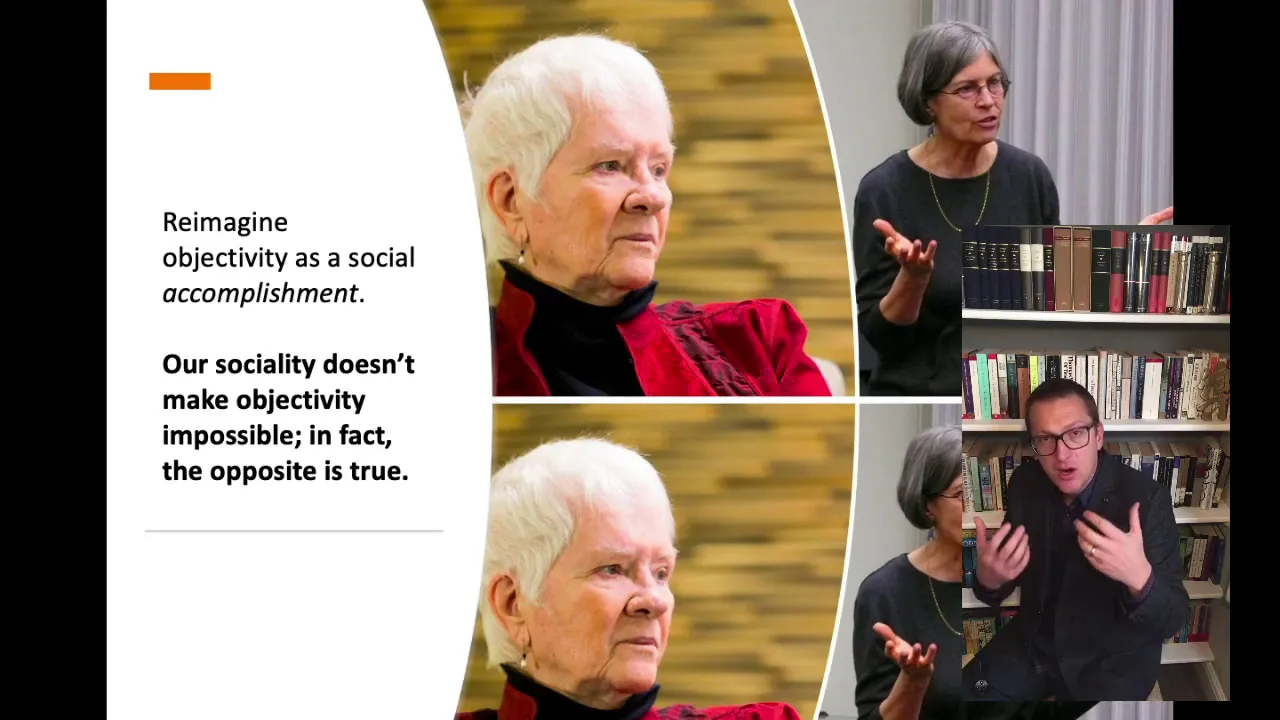
9:09
Strong Objectivity in Science: Harding & Longino Explained
@burchian3838
3.9K views•2020-11-28

164:01
John of Damascus on Holy Images: A Theological Defense
@BannedBooks
139 views•2026-04-25

68:32
Should We Destroy the Machines? Big Tech Surveillance Critique
@TheStoriesWeTell303
167.9K views•2025-11-30
4:57
The Myth of Sisyphus: A Greek Legend of Eternal Punishment
@TEDEd
8.6M views•2018-11-13
Related Study Plans & Knowledge Roadmaps
Structured learning paths in Philosophy
philosophy
Frankfurt School: Critical Theory & Culture
01Foundations of the Frankfurt School and Critical Theory
02Horkheimer & Adorno: The Critique of Instrumental Reason
03The Culture Industry and Mass Deception
+ 2 more learning modules
12h5 modules
Explore Roadmap
philosophy
Philosophy of Language: From Frege to Austin
01The Linguistic Turn: An Introduction to Language in Philosophy
02Gottlob Frege: Sense and Reference
03Early Wittgenstein: The Picture Theory of Meaning
+ 3 more learning modules
15h6 modules
Explore Roadmap
philosophy
Feminist Epistemology: Standpoint & Injustice
01Introduction to Epistemology and Feminist Critiques
02Sandra Harding and Standpoint Theory
03Donna Haraway and Situated Knowledges
+ 2 more learning modules
12h5 modules
Explore Roadmap
philosophy
Environmental Philosophy: Ethics & Deep Ecology
01Foundations of Environmental Ethics & Anthropocentrism
02Biocentric Individualism and Animal Liberation
03Ecocentric Holism and Deep Ecology
+ 1 more learning modules
10h4 modules
Explore Roadmap