








![[WALKTHROUGH] Suspense Cue Composition - Joshua Mosley](https://i.ytimg.com/vi/cKr9XHQKpMg/maxresdefault.jpg)




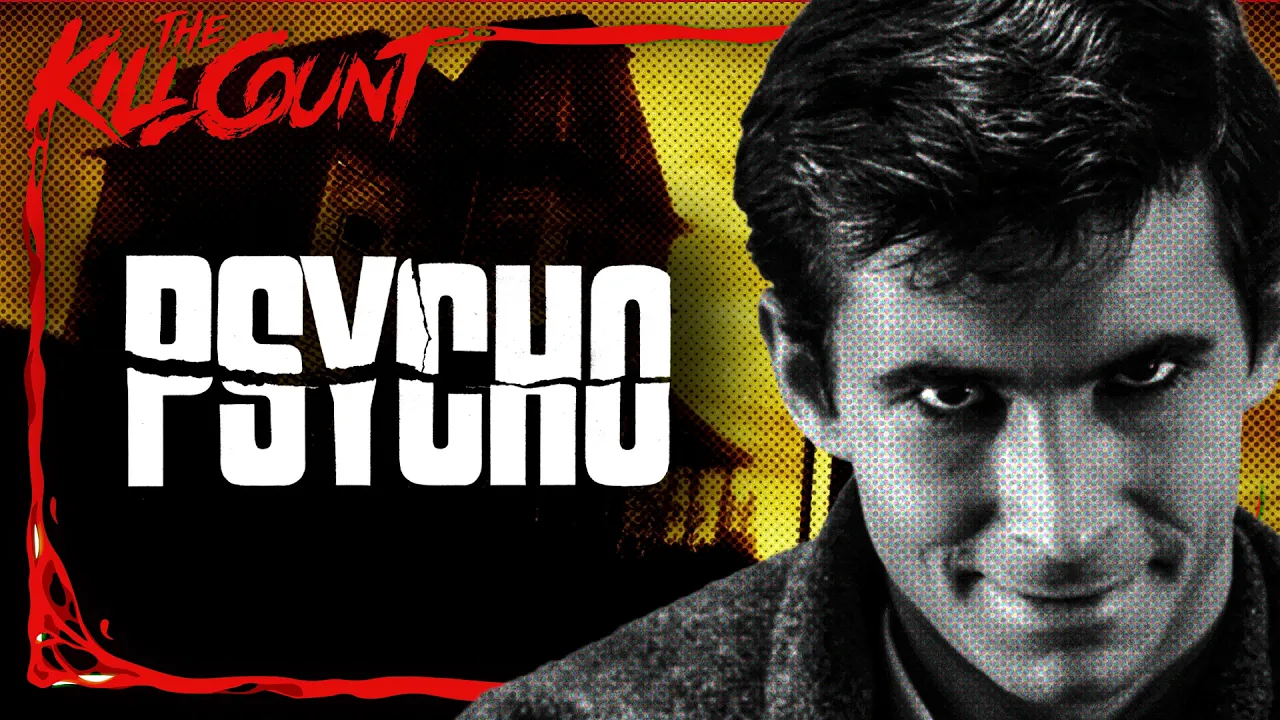
Bernard Herrmann's innovative use of string techniques—including mutes, pizzicato, glissando, tremolando, and sul ponticello—in his Psycho score demonstrates how limited instrumentation can create rich, emotionally powerful film music through precise articulation, bowing, and section division, establishing motifs like the famous shower scene's stabbing cluster chords and the psycho theme that recur throughout the film to build suspense and atmosphere.
Bernard Herrmann's Psycho Score | A-Level Music Analysis with LSO
Added:Familiarity with standard string instrument techniques and terminology, such as pizzicato, arco, tremolo, and con sordino (playing with mutes).
Basic score-reading skills and music theory, including an understanding of clefs, dissonance, chromaticism, and chord structures.
Fundamental concepts of film music, such as the purpose of a 'cue', how music creates suspense, and the distinction between diegetic and non-diegetic sound.
Comparative analysis of other seminal horror and thriller film scores (e.g., John Williams's 'Jaws' or Danny Elfman's works) to trace the influence of Herrmann's techniques.
Practical application of Herrmann's methods in student composition, such as writing a short suspense cue using a restricted ensemble and ostinatos.
A deeper exploration of 20th-century modernist classical music (e.g., Béla Bartók and Igor Stravinsky) to understand the classical origins of Herrmann's harmonic language.
Exam preparation tailored to the Edexcel A-Level Music specification, focusing on writing analytical essays on the 'Psycho' set works.
27.5K views807likes40:01Original Release: 2022-04-08
[Music] hello welcome to this exploration of one of the most iconic film scores of all time bernard herman's psycho eight cues from psycho are on the ed excel a-level syllabus and we're going to be exploring five of them today performed by the london symphony orchestra under the baton of sir simon rattle a few things to note before we begin the orchestra are playing a suite of the best bits from the film score called a narrative for string orchestra arranged by a composer called john mussari so some of the time it doesn't quite match up with what's on the film and what's in your anthology be a bit careful when you're analyzing the music especially when it comes to bar numbers and the endings of specific cues also you'll notice that our musicians are sat in a slightly unusual layout there are screens and masks that's because this performance was recorded here at saint luke's in 2020 during covert restrictions all of these measures are put in place for the safety of the musicians and have no musical impact at all but bernard herrmann wouldn't have really wanted it to look like that so a bit of background psycho is a horror film from 1960 directed by alfred hitchcock despite a low budget being shot for tv and a shaky start at the box office it's gone on to be one of the most talked about films ever and one of hitchcock's absolute best it tells the story of a woman called marion crane who has stolen some money and gone on the run she stops off for one night at the spooky bates motel where she meets and is murdered by its owner norman bates and her murder in the shower is one of the most famous scenes in cinema history hitchcock asked his friend and collaborator bernard hermann to provide the music for his film bernard hermann was born in new york in 1911. after studying at the prestigious juilliard school he started a career as a conductor but then he became interested in writing for film and stage when he met orson welles together they made citizen kane which is now regarded as one of the greatest films ever made with another iconic film score hitchcock and hermann were an established team by the 1960s but hermann was a bit of a tricky character he always insisted on complete artistic freedom which was unusual in the world of film where the director normally has the final say but hitchcock respected his friend so much that he gave him completely free reign hermann brings in modern sounds from the concert hall he orchestrates and conducts the music himself and he even receives equal billing on screen alongside hitchcock his first innovation was in his choice of instrumentation hitchcock was working to a tight budget so herman cut costs by using only the string players of his orchestra he said that their sound perfectly matched the black and white images on screen and it forced him to be extra inventive he had to try and find lots of different sounds from their limited palette before we look at the music we're going to explore some of the techniques he uses despite only having string instruments herman manages to get a lot of different sounds from their limited palette he uses a lot of techniques like pizzicato glissando tremolondo soul ponticello sometimes he splits them into up to eight or nine different parts and he's quite specific about things like dynamics articulation and bowing i'm joined by two wonderful players from our string section maxine and rebecca welcome so the first question is does bernard hermann write well for strings rebecca what do you think yes he does actually um and this is really fun psycho is really fun to play but also i've played another piece by hermann the clarinet quintet which was well written and actually really gorgeous and you like horror films i've just discovered i do i like being scared having that jump out of your seat moment do you like psycho very much so i mean that's you can't get much more classic then psycho and i think we all think twice you know when we walk into a shower and uh certainly on tour in the hotel i quickly pull back the curtain just to check when i get into the room wow we're getting a real insight there into your life so let's talk about some of the things that herman does mutes you play with mutes on almost for the entire score so tell us what a mute is what's it sound like why don't you go first um a mute basically does what it says on the tin it it just deadens the sound so it's pretty easy to just take on and off quite quickly and it just adds a very different muffled quality which i think composers generally use to really really great effect something that's so simple but yet has a very very different kind of sound then let's see the opening with a mute and then without okay what's quite unusual about the way he uses the mute is that it's really loud and quite often the mute is used as maxine said to to muffle things so it's really unusual that he's here but this is with the mute and this is without [Music] it is quite different differently and is it unusual to play for such a long time with muton it is for this kind of piece i think yeah i was quite surprised when i first saw it i think there's only sort of 16 bars when you don't have the mute on something very tiny like that the famous bit yeah that means okay so boeing herman is really specific about his boeing are all composers like that i don't think all composers are some are very very particular about sounds they want if they want things on a down bone then to be quite harsh which is obviously you know a big part of psycho with having the down bows you get a very different sound than if you were going down up down up and down down down down gives a violence to it so i think it just depends on what you know he was writing specifically for action on screen so i think that contributed a big part of why he wanted to be quite specific but it's not always the same with composers it you know often you can change things and mix it up it's it's never that set in stone i think herman would have been really cross if you'd have changed anything he was really really specific well it would sound really different so why don't we hear the beginning which is down could you play the beginning together all those down bow chords and then do something different with it [Music] so now what happens if you don't do it all down well now that sounds completely different that sounds very quite mess yeah it does it does so he had a point and i love that you use the word violent that it makes a violent sound yeah because i think with um certainly music that's written for film in soundtracks and things their point of contact first is seeing the action on screen so putting music together to that it just adds to the element of what you're seeing and for this of course the famous moments you know we're all thinking of you know uh a knife and that's reflected very much in in the way we have to interpret the music that he's written yeah because when you do the shower scene it looks like you're stabbing as you're playing yeah yeah very much so there's a bit into busy now division always kind of makes me wonder what's going on there's a bit where you are split into eight parts so normally a string orchestra would be five parts violin one violin two viola cello bass but herman splits you into eight parts and that's for you with your anthologies that's the cue that's called the city but for us it's a bit different for us it's a roundabout bar one three one um why why does he do that when when you see davi do you have to kind of have a chat about who's on what part or do you know what it depends if it's division two because we sit in desks or two it's nearly always just inside and outside players and that's very straightforward sometimes if it's a big tune the conductor will want the tune at the front so we'll dvc front to back and then if it starts being to vc in numbers of three and things like that we have to start doing maths and figuring out who plays what so what would it sound like if you didn't have divisie and you had double stopping horrible can you show us how horrible that would be thanks [Music] see that looks quite difficult it is and it wasn't in tune either sorry so do you think that's why you did the visit to make it easier and to get the sound you wanted to make it easier to make it sound in tune and also to sound more expressive because it's really hard to do a nice vibrato if you're double stopping whereas if i was just playing it would sound much more expressive and your part is impossible um certainly most of it you couldn't really double stop so it's and exactly as rebecca said you would then stop thinking of it as a lyrical moment well rebecca thank you for playing horribly for us i really appreciate it it's entirely my pleasure um so i want to whiz through some of the techniques that herman uses and we'll talk a bit about them first one probably everybody knows what this is pizzicato and there's a lovely pizzicato moment in violin 2 bar 31 which are those leaning semitones we've been talking about a lot so it would still actually be muted [Music] sounds a bit like jaws and i think it has that quality of something's about to happen it's so simple but it has that feeling of something's about to happen and it's all a bit ominous just underneath the surface and pizzicato is pizzicato just pizzicato it's just plucking or are there loads of different ways of doing pizzicato there's a few techniques you can have pizzicato called a bar top pits bartok was a hungarian composer and he made up a pit where it ricochets back against the fingerboard so instead of just standing like that would sound whoa like that but there's none of that in this i don't think i don't think so um no i don't think so but it probably could have been yeah it's a really great effect um saw ponticello what is that um that's when obviously the direct translation being on the bridge so the being the bridge of the violin or cello being here so it's just basically getting as close as possible to the bridge and making it's quite a sort of so you just don't have a true note it has this icy quality to it which is so effective on the cello it's it's kind of spooky [Music] and that was also tremolondo right so what's tremolondo yes well that's when you're moving the bow very fast so without trem that would have sanid [Music] but with trem you try and put as many up and down bows on as possible very very fast so it sounds [Music] like that so that's tremolondo and soul ponticello yes and it's a chromatic scale it is max even though you can't find it could you do that i have found it hey [Music] it just has this really it sets your teeth on edge somewhat and i think it it just adds to this whole feeling of foreboding and just tension in the air uh and glissando let's go to the murder scene so those famous upward glissandos down bows you know the bit i mean and also very very high notes so he's written a gliss to the upper note and you can actually start from any any note you want it's just basically to get this effect of of stabbing someone and to think i don't think he envisaged it being particularly accurate in in that you know a whole section starting from the same note it would have just been impossible i think it's just the intent of this whole punchy stabbing motion and it's really quite creepy i think and does gliss just mean slide so you just slide yes yeah sort of from you know some composers would give a specific note to a specific note here herman just puts gliss so you know whatever is comfortable it's quite fast moment so you you can't gliss there's only so far you can gliss in that amount of time so it's it's a really really effective piece i mean most people would know that immediately immediately yes and on the cello it's very high uh it doesn't sound that high because we don't go as high as the fiddle but it's [Applause] is it that loud in the real thing well it's a lot louder because there'll be more yeah and also there's someone else underneath playing on a different note so the whole thing is really nasty and there's one more technique which is no no vibrato which happens in the cellar the end of the cellar queue for those of you the anthology so for you it's around four to five why would a composer write non-vibrato do you just naturally always use vibrato until you're told otherwise um it depends on the style of the music but generally yeah we do use vibrato to color the sound of the bow and can you just show us what vibrato is so vibrato is an oscillation of the hand so it would [Music] sound like like a human voice uses vibrato when they're singing it's the same thing so you would do a bit of that until it says nova brought up probably yeah and what does nova brothers sound like it's sort of inexpressive and cold and nasty and [Music] so final final final question this is really iconic this is really famous particularly for the violins is it clever or is it a cliche who wants to go first i think it's clever and especially considering you know it the time it was written so many people will have taken this and and copied it and just been inspired that's been so useful thank you psycho is undoubtedly a scary film but for the first 20 minutes or so not that much happens on screen we just watch a woman going about her everyday business and dealing with a tricky love affair the music however is designed to make you feel unsettled and uneasy and by the end of the prelude you really know that something awful is going to happen let's listen to the full prelude now see if you can figure out how bernard hermann does it [Music] so [Music] bernard hermann has just introduced us to several of the motifs he's going to bring back time and again he's also introduces to his unique sound world which is made up of short motifs rather than long melodies unstable often dissonant chords and repeated patterns or ostinatos the prelude is in 2-4 it is fast and it has a strong rhythmic drive from the almost constant quavers that are sometimes interrupted by syncopated notes from the bass it breaks down into four distinct musical ideas the first one is this stabbing unpredictable rhythm [Music] this chord is ambiguous it's neither major nor minor it's not really in any key and it doesn't have a tonal center it's not a nice sound marion is stabbed to death in the shower this stabbing unpredictable chord sometimes called the hitchcock chord placed right at the beginning of the film is setting us up for what's to come this dissonant chord isn't chosen for its function within the harmony it's chosen for its specific sound herman's music at this point isn't moving towards a cadence or anything like that he's choosing his chords for their sound effect the stabbing chord continues in the basses and the cellos whilst the second violins and the violas move on to the second idea alternating falling semitones [Music] semitone leans are then present throughout this prelude look at bars 9 and 10 where we have falling semitones in thirds on the second violins and the opposites on the violas the first violins then enter with their idea and it's an unusual one it's not in a key again so it's a tonal and it has a sort of wonky rhythm it feels unpredictable it's not it's just unusual [Music] all these ideas are designed to make you feel uneasy there's no sense of p the harmonies are clashy and the rhythms are unpredictable the orchestra has a dark sound because the string players are playing with their mutes on and they'll continue to do so for almost the rest of the score idea number three is a dotted rhythm with a syncopated bass so listen to the bass notes which come at the end of each bar syncopation of course means an emphasis on the weaker beats the end of the bar this section is all made up from repeated patterns or ostinatos [Music] hermann then returns to ideas 1 and 2 before introducing his last idea idea number four at bath 37 this is a ghostly tune here it is in full that tune is really the only single melody in the whole score and it's known as the psycho theme we hear it twice in the prelude first on soaring first violins and then on cellos high in their range at bar one one one when we hear the cycle theme at this point the texture is homophonic melody and a compliment and at the end of the theme we get those falling semitones once again at bars 45 and 46 and then 119 and 120. that falling g to f sharp is the semitone lean that we've been hearing all the way through the prelude when a musical idea is associated with a character an emotion a place or a thing on screen it's known as a light motif many film scores operate in this way they have a handful of light motifs and then one big single tune that develops as the plot progresses bernard hermann takes this idea one step further because the whole prelude is a light motif it occurs six times during the whole film and always when characters are busy travelling or on the move the psycho theme is a light motif too and we'll hear it twice within the prelude and then in disguise later on this is incredibly detailed well thought out stuff if you didn't know anything about the film and you wandered into the cinema in 1960 by the end of the prelude you would know that you were in for an exciting unpredictable and scary ride so now you know how bernard herman does it let's listen to the whole prelude again [Music] so [Music] q2 is called the city the camera pans across the phoenix skyline and closes in on a hotel window the music does pretty much the same thing in a slow tempo in 4-4 the strings are split into eight parts and play notes of equal length all crotchets so it is homorhythmic the instruments are playing at the top of their range and the lush chords are doubled at the octave so we have a romantic yearning sound it is a hot day a lazy afternoon and there's a still feeling in the air this is music as landscape there's no melody there's no rhythm not really any sense of pulse this is music that is providing the setting of the story at this point again we're not really in a key the chords could be described as diminished or half diminished and when they fall all the way down they turn around and climb back up again the technical term for this is retrograde motion this cue is another light motif it occurs six times during the whole film and often when characters are going about everyday mundane situations now as you listen to our version of it be a bit careful it's considerably shorter than the one in your anthology [Music] let's move on to one of the most famous music cues in cinema history the murder or the shower scene now in 1960 it was very difficult for alfred hitchcock to shoot this scene he wasn't allowed to show nudity he couldn't show the stabbing and he didn't want you to see the murderer's face so he had to be very clever about how he designed this scene he also didn't really want music in it at all which would have been a mistake because if you watch it now with the sound turned off you'll notice that there's not that much happening on screen this is the only point where the musicians play without their mutes and herman uses two simple motifs the first one is a series of high notes which spread across the ensemble forming an eight note cluster chord [Music] all down bows are marked s f f the intervals are stacked up so that they're almost octaves so you have e flat to the e below f to the f flat below that you could call them diminished octaves or major sevenths and when the motifs run through the strings it starts again and this time with added upward glissandos i'll leave it to your imagination to work out what they might be depicting [Music] the second half of the queue is made up from alternating arco and pizzicato chords from the upper strings and low doom filled bass notes there's the interval of the semitone and the tritone in all of the chords the first one is a half diminished chord on d and the second is made up of two interlocking tritones so we have d to g sharp and then g to c sharp or d flat the tritone is one of the most unstable of all intervals avoided for hundreds of years by composers who associated it with the devil so really interesting that it's used here the q finishes with a low tritone c to f sharp [Music] on screen at this point marion sinks down the tiles into the bathtub and dies again this is music without melody it's music as sound effect and it is a light motif this murder cue appears four times in the overall film be careful when you listen to our version of it because it's a little bit different from what you've got in your study guide [Music] um [Music] so [Music] later on in the movie marion's sister lila rushes into the cellar to hide from the murderer hermann uses short tremolondo motifs to depict this hidden within the texture there's an emphasis on the interval of a semitone borrowed from the prelude and also some chromatic movement we start with a trill on the note d doubled at the octave and then two semitone leans [Music] hermann creates a polyphonic fugal texture with phrases shared between pairs of instruments and overlapping by a quaver at the end of the queue there's a long falling chromatic scale and the players are asked to play soul ponticello with their bow close to their bridge there's a lot of detailed dynamics louds and softs herman's music depicts the danger of the scene with short flickering motifs and lots of tremolondo at the end he builds up a wide spaced chord which is actually a nine note cluster chord but there are no clashing sounds because of the way the notes are spaced across the instruments here's the full cue [Music] [Music] [Music] before we hear the finale of hermann's wonderful score i'm going to quickly whiz you through the three extracts that we can't hear performed by the lso and give you a few things to listen out for the first one is marion which is the most conventional of all of the cues it is tonal so you could say that it's in c major and it is ternary form a a b a it's made up from a three-note phrase which is filled with sadness and melancholy each phrase has an arching shape and the interval of a fifth although towards the middle of the queue the intervals start to diminish to fit with the harmony underneath the phrase is repeated and forms a sequence [Music] [Music] underneath the lower strings have a falling pattern which is often chromatic [Music] these two falling ideas with lush tonbra are rich and romantic but the falling shape and the dynamic tells us that marion is not happy the q comes to a rest like so many others on an ambiguous chord it's actually a g minor chord with a major seventh on top so if we're in c major we could call that a dominant seventh left hanging in the air rather like marion's state of mind at this point and of course that chord is the hitchcock chord again from the prelude toys is the most rhythmically conventional q in the score it has a double pedal so there's a long e in the bases a crotchet e in the cellos an octave above and a crotchet f above that in the violas [Music] in total contrast above that the violins are split into eight parts and have a series of falling seventh chords with ppp dynamics [Music] this is a really simple cue but it's incredibly detailed the bases and the violins have got a lot of dynamic detail the cellos are playing pizzicato and the violas have only down bows so herman knew the exact sound he wanted and how to get it then there's the wonderful discovery which is a packed flurry of notes spiky rhythms dissonant chords and chromatic movement it begins homorhythmically but then when the cellos and the basses move across to triplet crotchets we have poly rhythms with the semiquavers elsewhere the discovery is the body of norman bates's mother sitting in a rocking chair as the chair is spun around we hear falling chromatic scales and the music shifts from 2 4 to 3 8.
these chords are actually falling seventh chords look closely at the top note of each alternate bar and you'll see the psycho theme [Music] the final chord is bleak and hides within it two tritones the interval of the devil once again [Music] the finale queue comes of course at the very end of the film we have discovered that norman bates spoiler alert killed marion whilst he was hallucinating he was his own dead mother on screen we see a close-up of his face with his mother's face superimposed on top the music is perhaps the most sympathetic here it begins with a three-note viola theme which is bleak and directionless it is monophonic as the viola line grows more chromatic and the second violins join we move towards a polyphonic texture a bar 15 a solo viola sketches a three-note motif which is known as the madness motif and has been used at various points throughout the film we hear it twice from the violas and then once from the cellos and bases before three heavy ff chords bring the film to a close this final chord is again ambiguous and features tritones within it so we have a d at the bottom with an a flat minor chord on top and the distance between d and a flat is of course a tritone the placing tessitura dynamic and bowing of these final chords echo back to the first chords we heard in the prelude psycho is now considered to be one of the best horror films ever made and it really inspired the hundreds of films that followed it pushed the boundaries in terms of what could be shown on screen hitchcock really relied on herman to create the feeling of suspense and said that 33 percent of the success of the movie was down to his composer hermann said that hitchcock only finished 60 of the film and he had to do the rest whatever the truth it really does represent the best of the two art forms film and music working together to conjure up atmosphere images and story that just couldn't be created in any other way let's finish by listening to the finale [Music] [Music] [Music] [Music] so [Music] you
Up Next

5:40
Theme vs Leitmotif: Musical Concepts Explained
@Sideways440
223.1K views•2016-10-26

10:20
Mozart's Musical Dice Game Explained: History, Rules, & Fun
@webpianoacademy
5K views•2023-03-13

47:36
Understanding Diatonic 7th Chords in Major Keys | Music Theory Tutorial
@GracieTerzian
54.7K views•2022-03-02
10:49
Understanding John Coltrane's Giant Steps: A Music Theory Analysis
@Vox
10.4M views•2018-11-12
Related Study Plans & Knowledge Roadmaps
Structured learning paths in Music Theory
music-theory
Composing Galant Music: Partimento & Schemata
01Foundations of Figured Bass and Keyboard Harmony
02The Rule of the Octave (Regola dell'Ottava)
03Galant Schemata: The Building Blocks of Form
+ 2 more learning modules
30h5 modules
Explore Roadmap
music-theory
Decoding Overtone Series: Tuning & Drone Music
01Acoustic Foundations: The Physics of the Overtone Series
02Tuning Systems: Equal Temperament vs. Just Intonation
03Microtonality and Spectralism: Beyond Standard Pitches
+ 2 more learning modules
24h5 modules
Explore Roadmap
music-theory
Impressionist Harmony: Scales, Planing & RPGs
01Foundational Music Theory: Keys, Intervals, and Seventh Chords
02Impressionist Color: Chord Planing and Parallel Harmony
03Whimsical Textures: Pentatonic Cascades and Whole-Tone Scales
+ 1 more learning modules
14h4 modules
Explore Roadmap
music-theory
Negative Harmony: Axis Reflection in Indie Pop
01Music Theory Foundations: Scales, Intervals, and Triads
02Functional Harmony and the Circle of Fifths
03Demystifying the Negative Harmony Axis Reflection
+ 2 more learning modules
16h5 modules
Explore Roadmap