




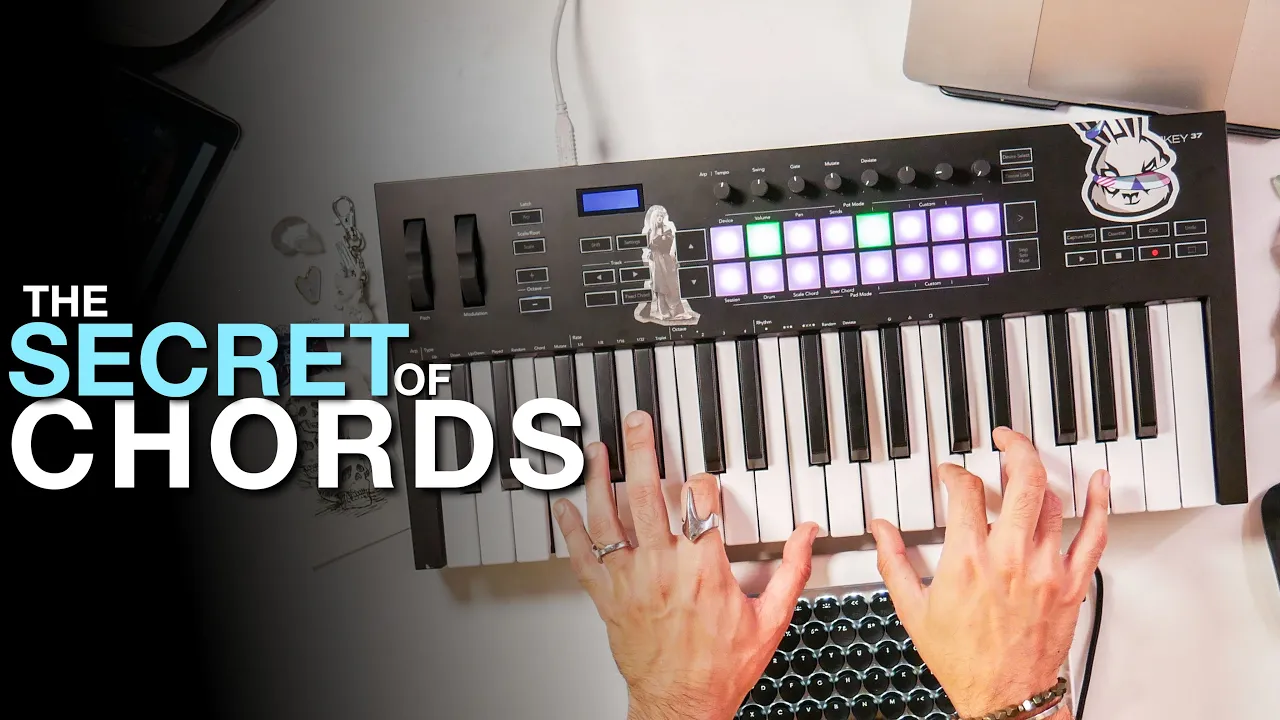






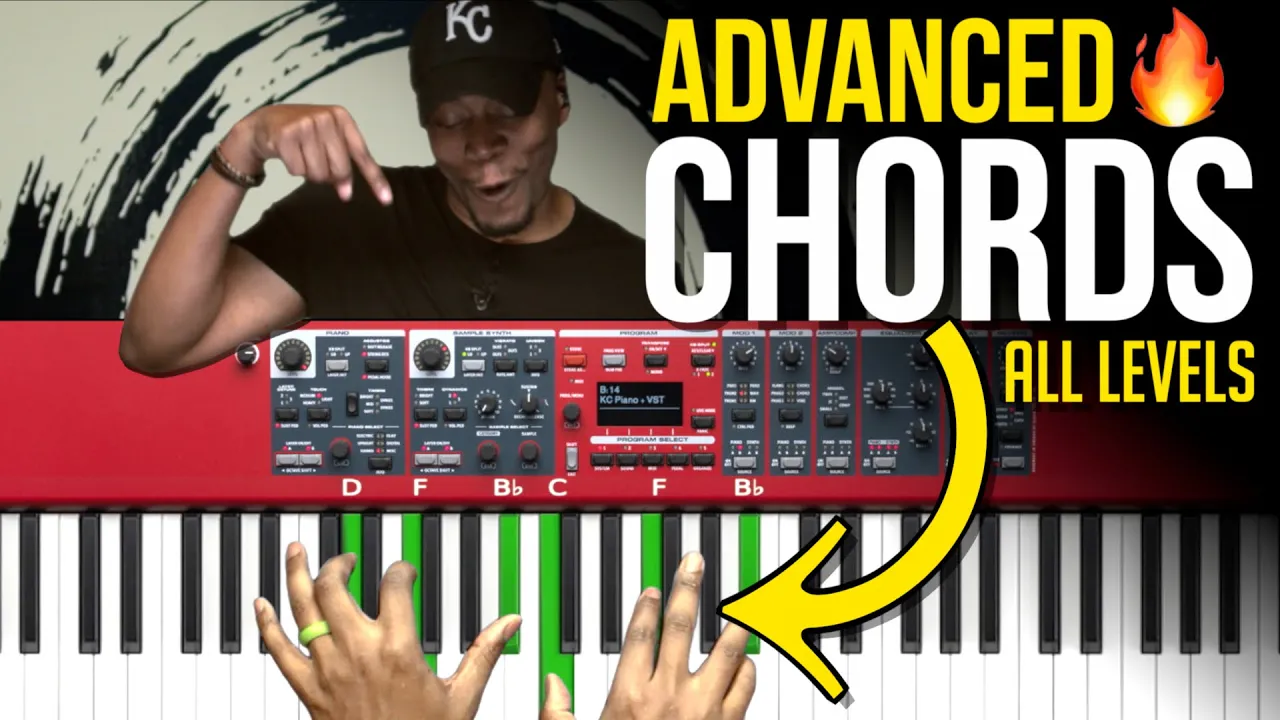





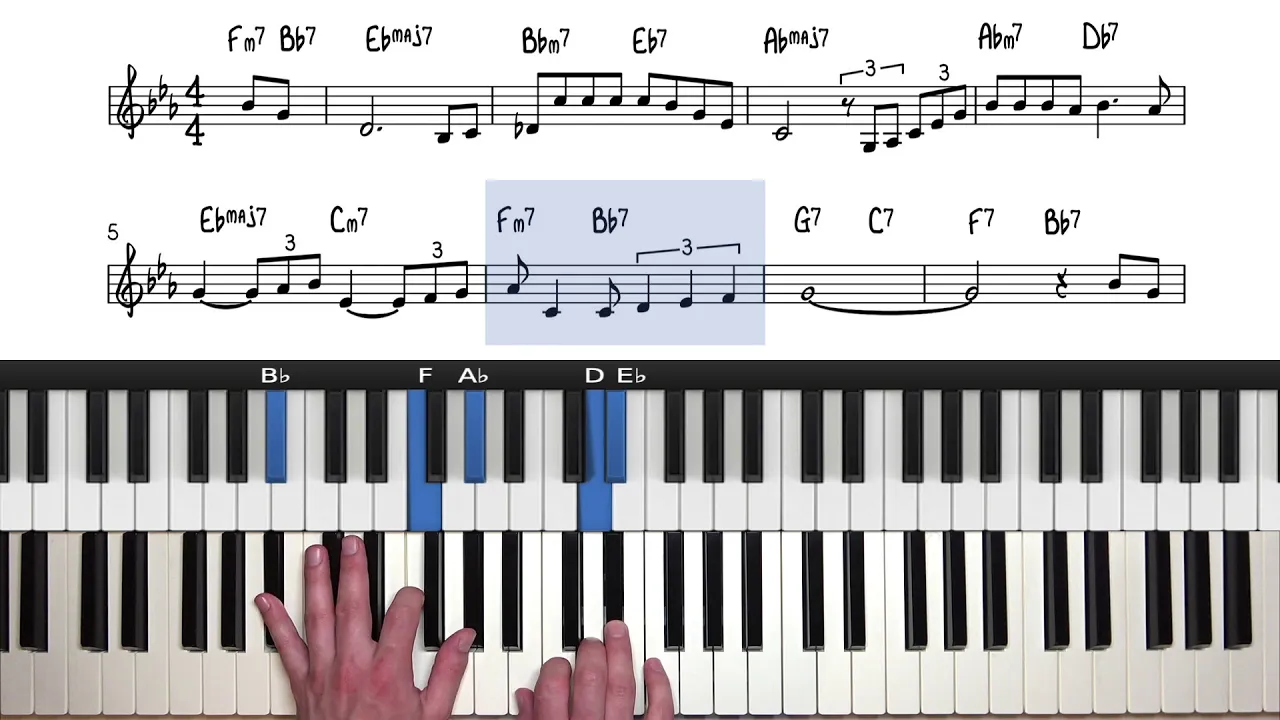


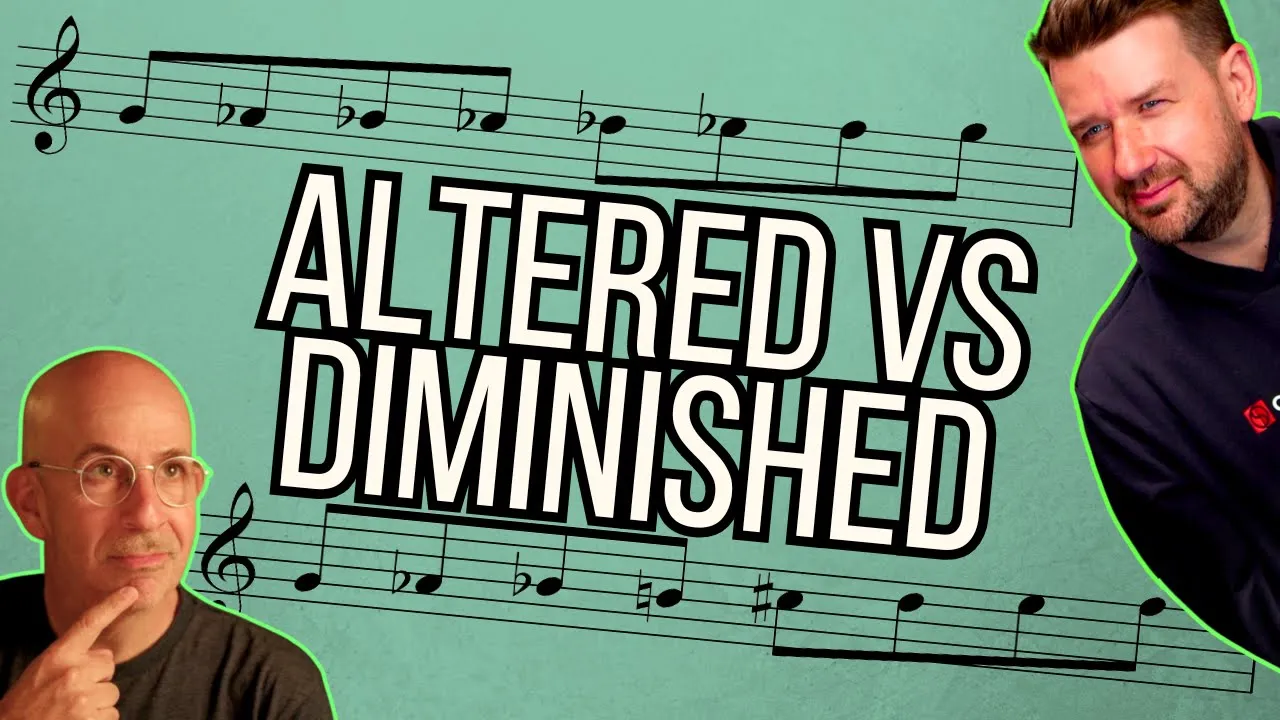


Chromatic passing chords are created by playing a scale (1-2-3-4-5) followed by a diminished seventh chord (4) and then a chromatic movement (5) to reach any destination chord, working in all 12 keys for Gospel, R&B, Jazz, and Neo Soul music.
How to Play Chromatic Passing Chords for Gospel, Jazz & Neo Soul
Added:Familiarity with basic major and minor scales, intervals, and keyboard geography.
Understanding of diatonic harmony, including Roman numeral analysis and common progressions like the ii-V-I.
Knowledge of seventh chord construction, specifically major, minor, dominant, and basic diminished triads.
An introductory understanding of voice leading, or how individual notes within a chord transition to the next.
Applying chromatic passing chords to reharmonize standard melodies in gospel, jazz, and neo-soul repertoires.
Exploring tritone substitutions and secondary dominants as complementary methods for chromatic modulation.
Integrating upper-structure triads and altered extensions (9ths, 11ths, 13ths) into passing chord voicings.
Improvising melodic lines over diminished and chromatic progressions using the half-whole diminished scale.
100K views3.4Klikes8:37Original Release: 2023-05-08
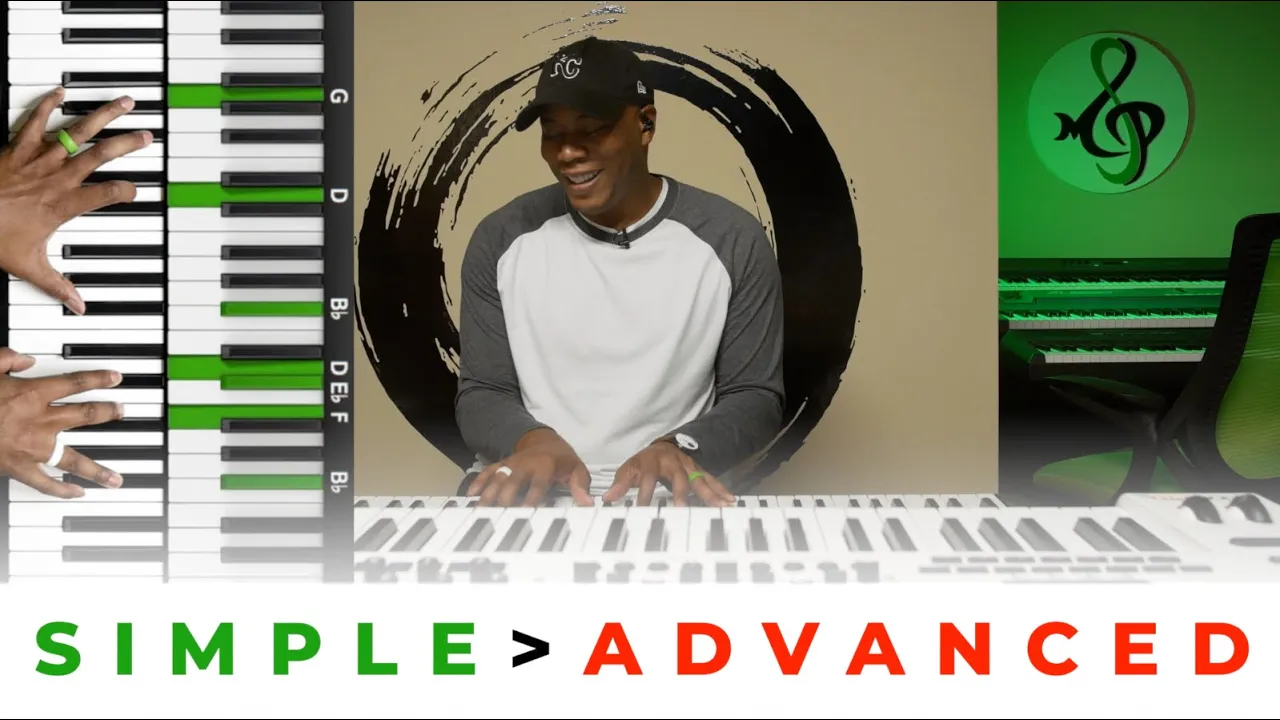
[Music] keep it moving [Music] which one are you used to do you flow right into it or do you take your time and create a gap in between I've never heard that before everybody [Applause] if you noticed they didn't do this in the video but I'm going to show you guys how you can do this lick to take you to any major chord as well watch this [Music] Praise Him [Music] Praise Him praise him now let's talk about what I'm doing because I know y'all like Casey you're showing off bro you're not really taking your time to break this down I promise I'm gonna break this down and include it with this lesson is a PDF so that way you can follow along you can get every one of these nuances in all 12 keys and again this is a one-time donation that will last a lifetime so you get PDFs MIDI files play along tracks you name it study study guys so we're in the key of E and we need to go to the five remember five takes you to your destination so what is five of this e we want to go to the five one two three four five so now we're gonna do this Lick in the key of B so Step One play one through five one two three four five play it with me come on one two three four five cause we are in the key of B which is gonna take us to our e all right so one two three four five step one step two what you wanna do is you wanna create some type of chromatic movement so one look at this left hand two three there's my chromatic move so one two three I don't know if you guys noticed this but I'm even playing the same number Within These chords here's just a single note this is one note this is two notes together this is three notes together watch this this is four notes together and this is a g diminished seventh chord so one two the scale is going up one two three four five and this works in any key one two three no four we're going to play a diminished seventh chord and then five we can keep this going down a half step but we gotta keep this diminish seventh chord open so here's a g flat or F sharp diminished seventh keep it going so one two three five Praise Him [Music] Praise Him KC what are you doing bro I thought you were in a flat there for a second that's right one two three four five a flat is five to what key I'm gonna give you time to figure this out this is five of C sharp or d flat depending on how you look at this now I know this is showing um G sharp but because we're in the key of E so this is a flat one two three four five one two three four five is the major scale but a flat is five two C sharp and we're gonna do C sharp minor so five to the one we want to get to the C sharp so what do we do go down to the five one two three four five so we're now in a flat so hopefully you guys see how this circle official to how this five works so and again in the PDF it's going to walk you straight through each of these examples so that way you're not having to be confused or think without being able to see everything step by step so we're in a flat here is one two three four five come on play it with me one two three four five now remember we want to go down half steps or chromatic one two three and we can play these three notes together because we want to add this up single notes two notes three notes and remember the four is going to be a diminished sevens one two three four because this is still the diminished seventh chord this is a C sharp diminished seventh we just moved it down here all right so one two three four and we need that five take this down a half step and then we can continue this up and then this takes us to our C sharp minor chord this also will work if you want to go C sharp major no discrimination there one two three four five so let's say we're doing the song [Music] we'll take you to the one all right if you're playing against C sharp because five to the one but this song is in the key of E and we need to get to this C sharp minor so praise him praise him now I'm gonna need y'all to be able to do this exercise in all 12 keys I can't reiterate that enough okay so we are at this Praise Him praise him we're trying to get to this court which is a f sharp minor chord how do we get to the F sharp minor chord go to the five well if this is one one seven six five we're gonna do that lick in the key of C sharp hopefully this is clicking hopefully this is clicking you go five to that destination so C sharp just so happens to be the five one two three four five that step one is do the scale one two three four five step two add that chromatic movement one two three one two three one two and remember since we're three might as well gonna play three notes four notes is gonna be our diminished seventh chord which is the a diminished seven foreign and this is going to take us right here to that beautiful F sharp minor nine with eleven okay so boom boom boom keep it moving Praise Him [Music] you can do it again now I asked you guys to comment below which one are you used to do you flow right into it or do you take your time and create a gap in between I've never heard that before so I can't reiterate enough I mean being able to play this movement in all 12 Keys as you can see I'm flowing smoothly and we can do this in any key one two three four five I see one two three and then we go to our four which is going to be a diminished seventh five which is also going to be a diminished seventh chord and this takes us two hour F major so we can keep that diminish going praise him now we're trying to get to this [Music] praise him that we're trying to get to a D Minor now how do we get to the D Minor you go to the five one two three four five and you're gonna do that lick in the key of A so that's the reason why I'm encouraging you guys to join this free Club because you get the PDF that's going to walk you through each and every one of these in all 12 keys so I love you guys so much if you want more chromatic movements check out this video right here I'd love to see you guys here but you all know that I never like to close any video without letting you know that today is a new day a new life and a new opportunity for you to become a better you check this video out right here for some more chromatic movements
Up Next

12:01
How to Make Neo Soul Chord Progressions in FL Studio: A Beginner's Guide
@BroBeatzTV
29.6K views•2021-04-01

12:54
Triumph of Orthodoxy Icon: Byzantine Art & History Explained
@BenCallan
2.1K views•2024-08-06

9:49
FastAPI vs Flask vs Django: Choosing the Right Python Web Framework
@TechWithTim
302.5K views•2024-05-26

1:42
Game of Thrones Opening Credits: A Cinematic Analysis
@gameofthrones
46.3M views•2011-04-18
Related Study Plans & Knowledge Roadmaps
Structured learning paths in General & Interdisciplinary Studies
general-studies
Elevator Engineering: History, Physics & Cities
01From Hoists to Safety Brakes: The Dawn of Vertical Lift
02Hydraulic vs. Traction: The Engineering Physics of Elevators
03Modern Speed, Safety, and Algorithms
+ 2 more learning modules
12h5 modules
Explore Roadmap
general-studies
Rubber: Material Science, History & Geopolitics
01Origins of Natural Rubber & Mesoamerican History
02The Chemistry of Natural Rubber & Vulcanization
03The Geopolitics of the Rubber Boom & Colonization
+ 2 more learning modules
12h5 modules
Explore Roadmap
general-studies
Containerization: Evolution, Logistics & Trade
01Ancient Trade & Bulk Cargo: Amphorae to Barrels
02The Industrial Revolution & Cardboard Packaging
03The Containerization Revolution: Malcom McLean
+ 2 more learning modules
12h5 modules
Explore Roadmap
general-studies
Textile Tech: Evolution, Labor & Global Impact
01Pre-Industrial Textiles: Handloom & Cottage Industry
02Mechanization: The Spinning Jenny to the Power Loom
03The Factory System & Global Labor Transformation
+ 2 more learning modules
10h5 modules
Explore Roadmap