








![Przetwornice DC - DC [RS Elektronika] #162](https://i.ytimg.com/vi/0ThEipykTms/maxresdefault.jpg)








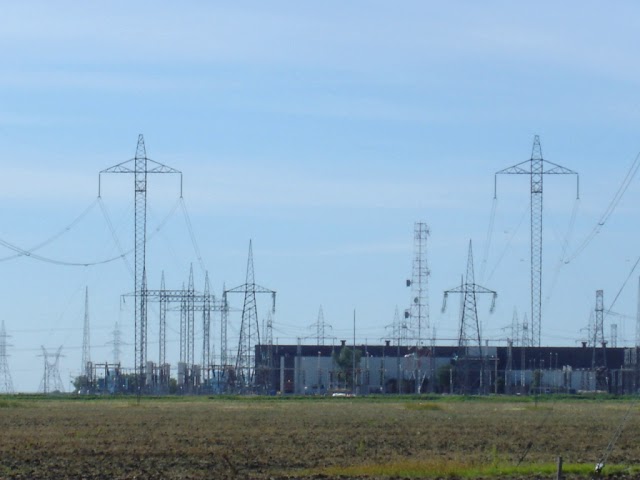
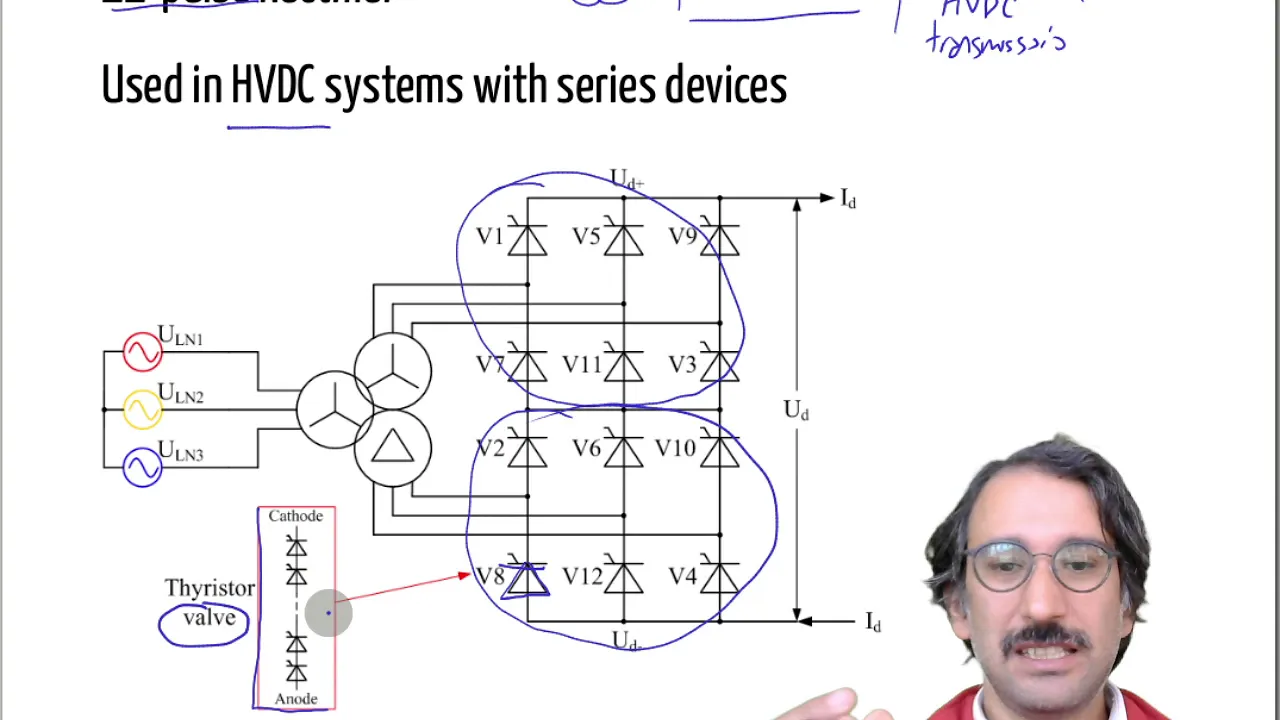



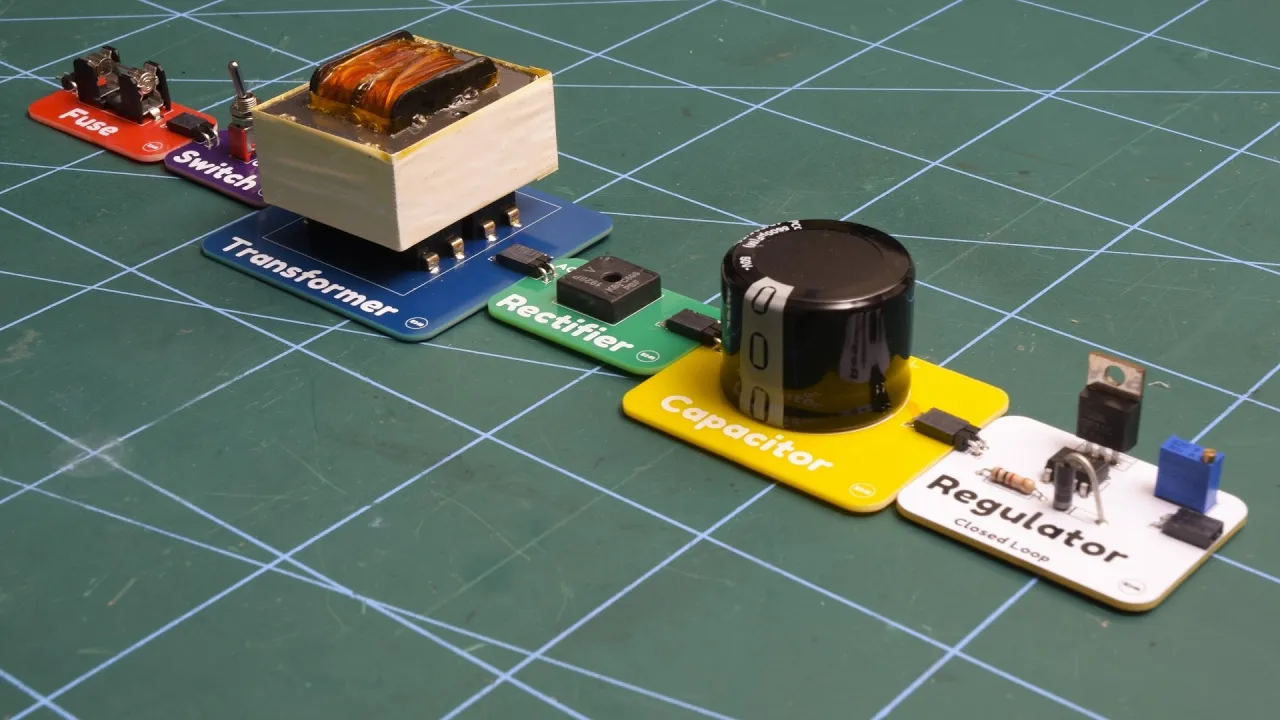


For ROV power systems, increasing voltage reduces current draw, which minimizes voltage drop and allows the use of thinner, more flexible wire; a 48V system with appropriate DC-DC conversion can deliver power efficiently over long tethers compared to lower-voltage alternatives.
ROV Tether and Power System Design for Voltage Regulation and Efficiency
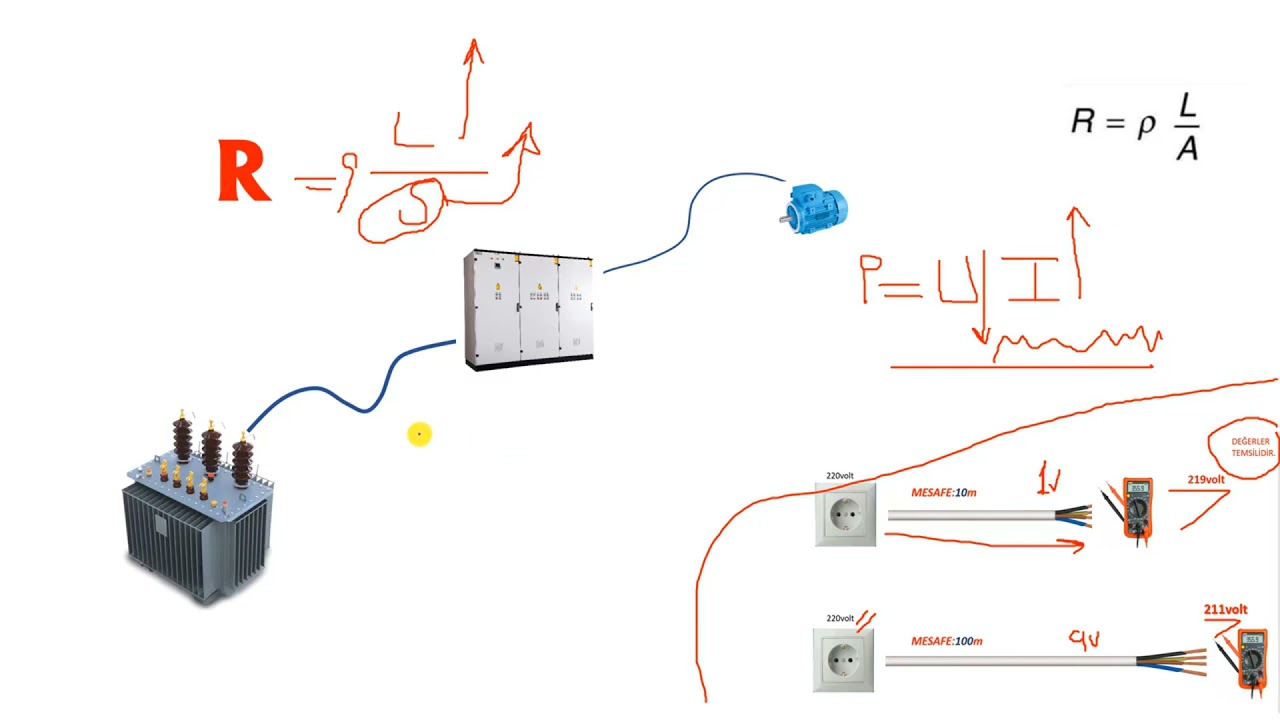
Added:Ohm's Law and Electrical Power: Understanding the fundamental relationship between voltage, current, resistance, and power dissipation (P = I^2 * R).
Conductor Resistance and Voltage Drop: Knowledge of how wire gauge (AWG), material properties, and cable length contribute to electrical resistance in transmission lines.
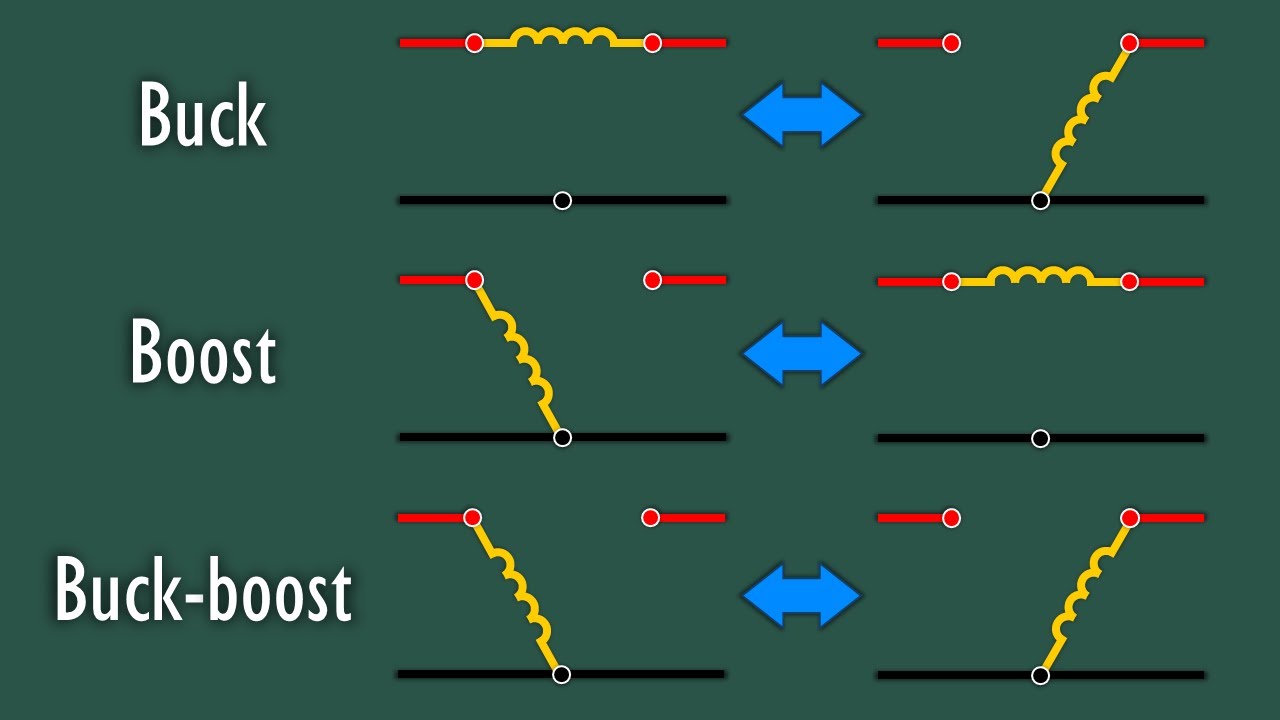
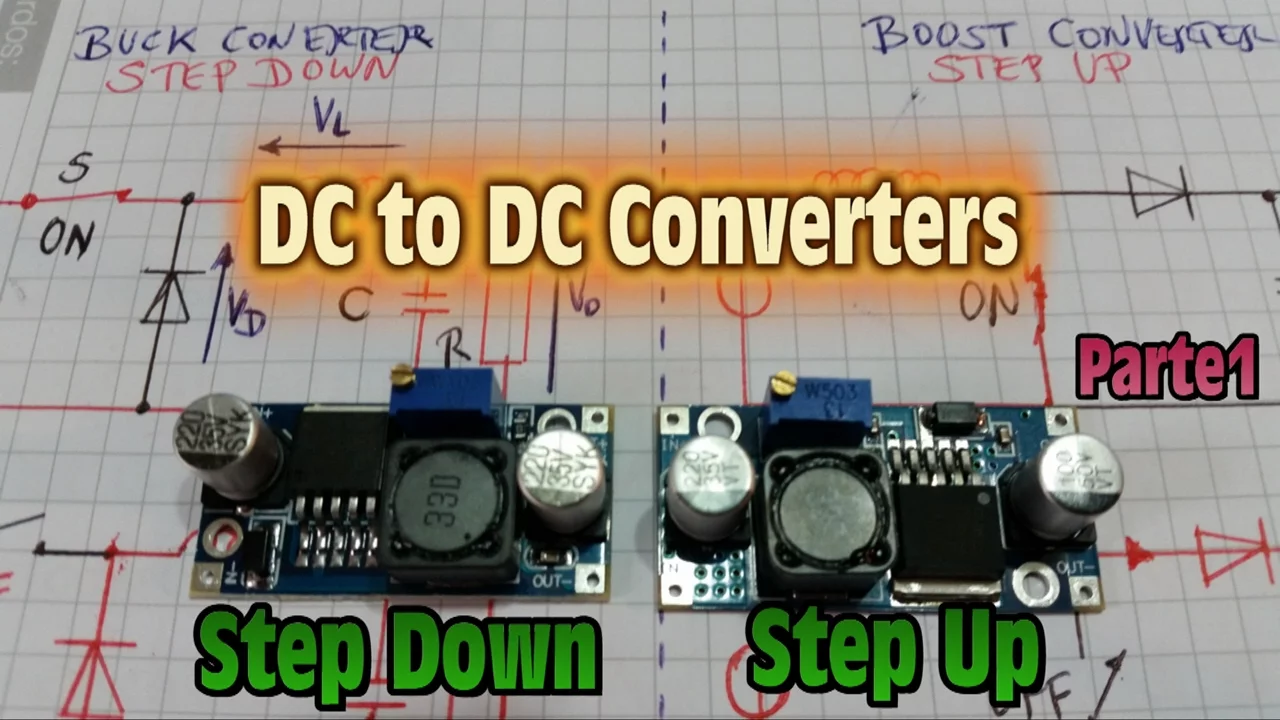
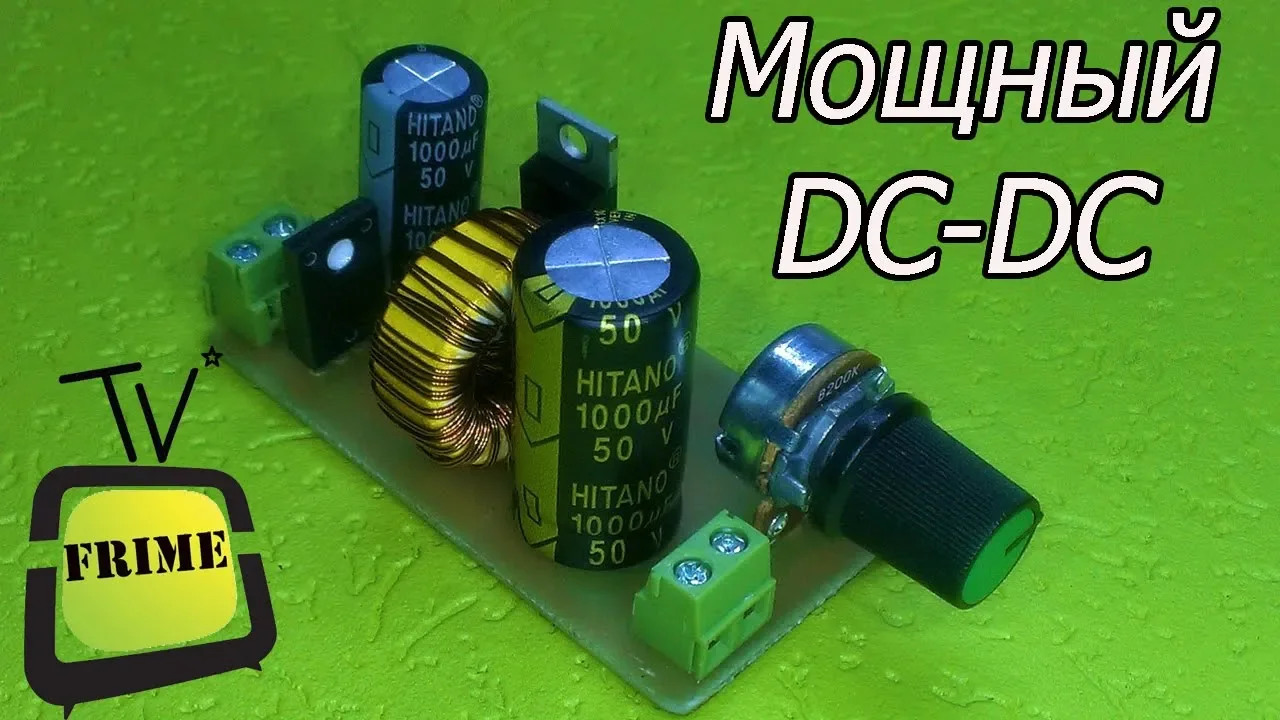
Basic DC-DC Power Conversion: Familiarity with how step-up (boost) and step-down (buck) converters function to regulate voltage levels.
ROV Architecture: A baseline understanding of Remotely Operated Vehicle systems, specifically the functional role of the tether in supplying power and telemetry.
High-Voltage DC (HVDC) Transmission: Exploring higher voltage systems (e.g., 150V to 1000V+) commonly used in commercial, deep-sea ROVs to further minimize copper weight and power loss.
Power Line Communication (PLC): Learning how to multiplex high-speed telemetry and video signals over the same physical power conductors in the tether.
Thermal Analysis of Spooled Tethers: Studying heat dissipation and current-carrying capacity (ampacity) limits when tethers are wound on winches or reels under load.
Active Closed-Loop Voltage Regulation: Designing surface power supplies that dynamically adjust output voltage based on real-time load telemetry feedback from the ROV.
5.8K views60likes8:45Original Release: 2014-03-30
hi there first off i'd like to apologize has taken me so long to get another video up i've been really busy and haven't had much of a chance to make too much more progress with my rov so in this video i'd like to focus on my tether and power system for my rov and what i'm using and why i'm using these parts for it so i've seen a lot of people using 12-volt car batteries for their robot and you know that i guess that'll work but i'm just going to do a little comparison here so if i'm using 12 volts at say 14 amps that's you know a few motors some lights that's about what i'm going to use 12 volts at 14 amps that's approximately 200 watts so you could take a battery like this this is just a standard you know motorcycle battery i think maybe it's for alarm systems or something similar but 12 volts 8 amp hours so at that amp rate of 14 amps i'd get half an hour 40 minutes tops if i ran 14 amps all the time of course i probably wouldn't so you get a little bit more time than uh just you know if you were flat out running at 14 amps so that's you know that'd be one way to do it so for the sake of this uh video i'm gonna go with a 150 feet tether for uh just all these numbers here and the first example just made from 14 gauge wire this is hobby wire it's silicone and very flexible basically high current so at a 12 volts 14 amps 150 foot tether and if you're drawing that full you know 200 watts 14 amps you're going to end up with 1.4 volts on the other end of that tether or basically an 88 loss so because you're drawing nearly 14 amps over 150 feet of this wire you're basically just turning this all this wire into a giant resistor and uh it's just dropping all the voltage so that's not good and you're not going to get power on your motors control you know any control circuitry that's not going to work out so that's you know that's definitely not a good thing but i've seen people try and do it and i don't some of it seems to work okay depending on how much current they're using but if i try to do this with my system it would not be good so to properly do this you would need two gauge wire or as best i guess so at 12 volts at 14 amps at the other end of that tether you get 11.3 volts which is only a five and a half percent loss so that's a little bit better but two gauge wires massive wire expensive probably not very flexible and it's not going to be buoyant very important at all with all that copper in it so that wouldn't work out very well so the next option for me was to bump it up to 48 volts this is four times the voltage of the uh regular you know car battery or household battery like this but since i can run at 48 volts and at the same time only require three amps i can make this wire 14 gauge and as you can see at the other end of that 150 foot tether i've only lost three volts less than three volts which is only a five percent loss so by bumping up the voltage four times i essentially decrease the current by four times as well so here's the power equation so the higher i boost up the voltage the lower my current rating is and the smaller i guess higher gauge wire i could go smaller in diameter diameter but higher in number so that's why i chose to do but go with the 48 volt system now that brings its own set of difficulties because almost nothing in the hobby you know hobby king cells they they don't sell motors that run at 48 volts you ought to convert everything down so the first part of that difficulty is you got to supply 48 volts so that's a power supply for a server 48 volts at 600 watts so i get about 12 amps here's let me see here's a ruler it's one foot so it's a pretty big power supply almost foot in foot and a quarter like 13 14 inches so that supplies out of those big lugs back and back there that supplies 48 volts so that goes on the surface and i do have to have a be somewhere near a household type connector a mains connector that's ac single phase ac going into the back of this and i have then 600 watts of dc going out here so then that goes down my tether i will use 14 gauge maybe 12 gauge just depends and uh at the other end when i'm drawing uh three amps there i've only lost five percent of my voltage so now at the other end of this tether i'm left with 45 volts at three amps so now i gotta convert that down for all my voters my motors so this is a voltage converter dc to dc converter for a golf cart actually the input is 48 volts output is 12 volts at 10 amps i probably won't run it that high as you can see 10 amps max you don't want to run it close to the max but anyway this will convert that 48 volts at say for this converter itself maybe an amp down to 12 volts at 10 amps so now i can run a couple of motors and maybe a light off of this so that's why i've chosen to go with a 48 volt tether system and you can see those numbers right there 450 foot tether you basically need to go you can't just use a car battery at this type of current because current determines the size of uh your wire so if i you know here's some 10 gauge wire much thicker this 10 gauge stuff is for higher current and so you could run you know 12 volts at you could run more amps through this than this but if i raise the voltage i don't need as many amps so even though on this other end i'm using 14 amps you know i'm still even even though well eventually i'm running at 14 amps i'm still only drawing three amps out of here because of all those converters in the way so i'm essentially i'm converting the volts up at the and the surface end of my power supply and then my current goes down so that allows me to have a small tether and then at the other end i'm converting the volts down so the amps go back up and then that's how i power all my motors and then there's some you know inefficiencies involved in that with this you know only 90 efficient 80 efficient so i will lose power but i will be allowed to have a much more flexible tether smaller tether lighter tether less expensive tether as well thank you if you have any questions go ahead and post them in the comments and i'll leave an email address in the comments below as well if you'd like to email me thanks see you later
Up Next

45:44
MV Storis: Deep-Sea Rock Placement Vessel for Pipeline Protection
@BigShips-fi8zm
79.6K views•2026-01-13

30:32
Ultrasonic Transducers: Resonant Frequency Measurement and Horn Design
@imajeenyus42
229.9K views•2017-02-22

54:16
Polymer Environmental Degradation: Mechanisms & Stabilization
@iit
1.8K views•2012-07-10

33:39
How a Student's Question Saved a NYC Skyscraper from Collapse
@veritasium
22.8M views•2025-04-26
Related Study Plans & Knowledge Roadmaps
Structured learning paths in Engineering
engineering
Building Acoustic Levitators: Physics & Arduino
01The Physics of Sound and Standing Waves
02Piezoelectric Transducers and H-Bridge Drivers
03Arduino Programming: Generating 40 kHz Signals
+ 2 more learning modules
14h5 modules
Explore Roadmap
engineering
Building Peltier Cloud Chambers: Particle Tracks
01Cosmic Rays & Cloud Chamber Physics
02Thermoelectric Cooling (TEC) Fundamentals
03Custom Liquid-Cooling Loop Design
+ 2 more learning modules
18h5 modules
Explore Roadmap
engineering
Yagi-Uda Antennas: Modeling, Build & VNA Test
01Introduction to RF and Antenna Fundamentals
02Yagi-Uda Antenna Design Principles
03Antenna Modeling and Simulation in 4NEC2
+ 2 more learning modules
18h5 modules
Explore Roadmap
engineering
ECG Monitor Design: Op-Amps, Filters & Noise
01Electronics & Breadboard Basics
02Op-Amps and Instrumentation Amplifiers
03Bioelectricity and ECG Fundamentals
+ 2 more learning modules
18h5 modules
Explore Roadmap