

















ApE (Ape) is a free, downloadable plasmid editor software that allows users to view, design, and edit DNA sequences at the nucleotide level, featuring tools for creating custom annotations, translating DNA to amino acid sequences, designing PCR primers, generating enzyme maps, and visualizing plasmid structures for molecular cloning applications.
How to Design Plasmids with ApE Plasmid Editor Tutorial
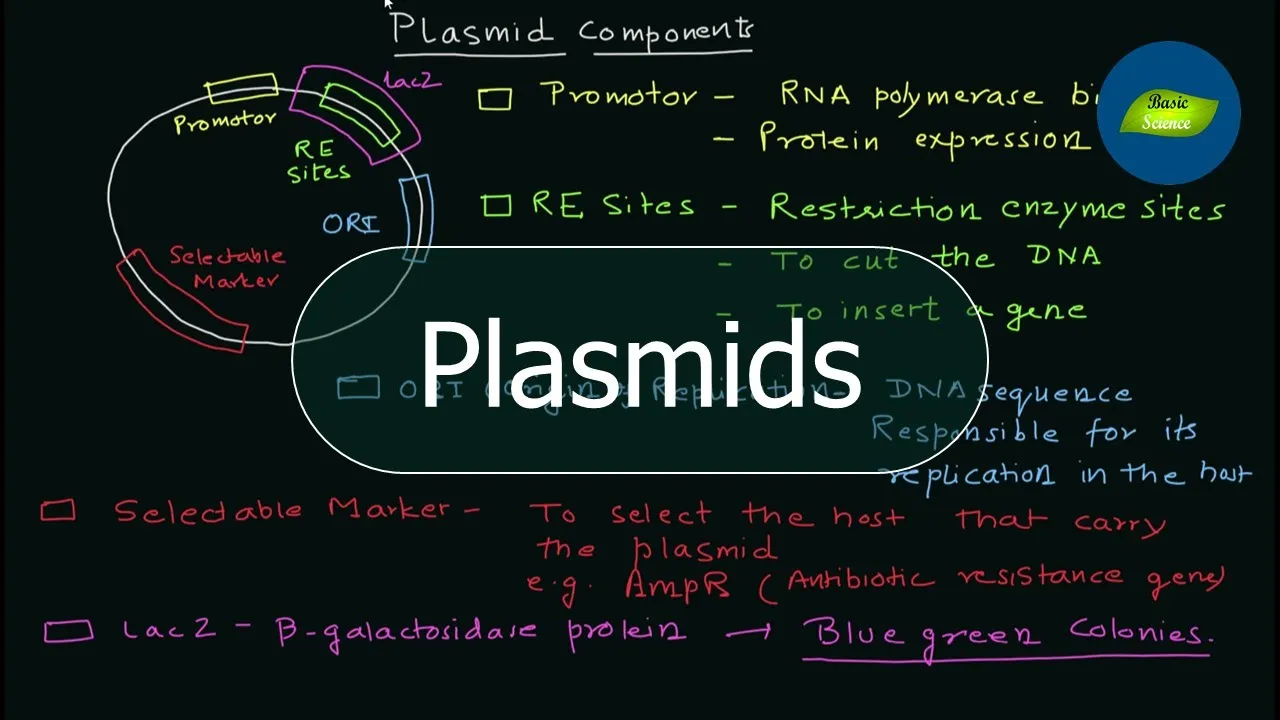
Added:Basic plasmid anatomy, including the structure and function of essential genetic components such as promoters, ribosome binding sites (RBS), open reading frames (ORFs), terminators, origins of replication, and selection markers.
The fundamental principles of restriction digestion and ligation, specifically how restriction endonucleases recognize specific DNA sequences and generate sticky or blunt ends.
The concepts behind the Polymerase Chain Reaction (PCR) and the structural parameters of primers, such as melting temperature (Tm), length, and GC content.
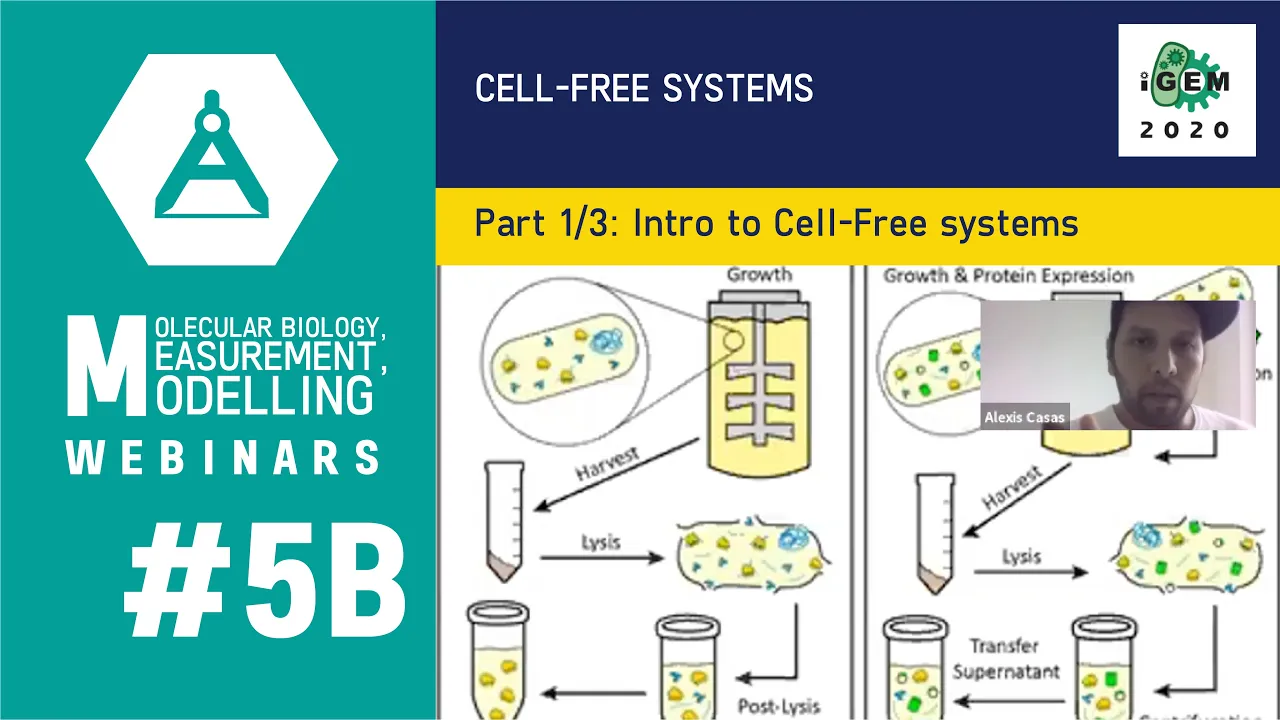
An introductory understanding of cell-free protein synthesis (TXTL) systems and how they differ from in vivo (cellular) expression systems.
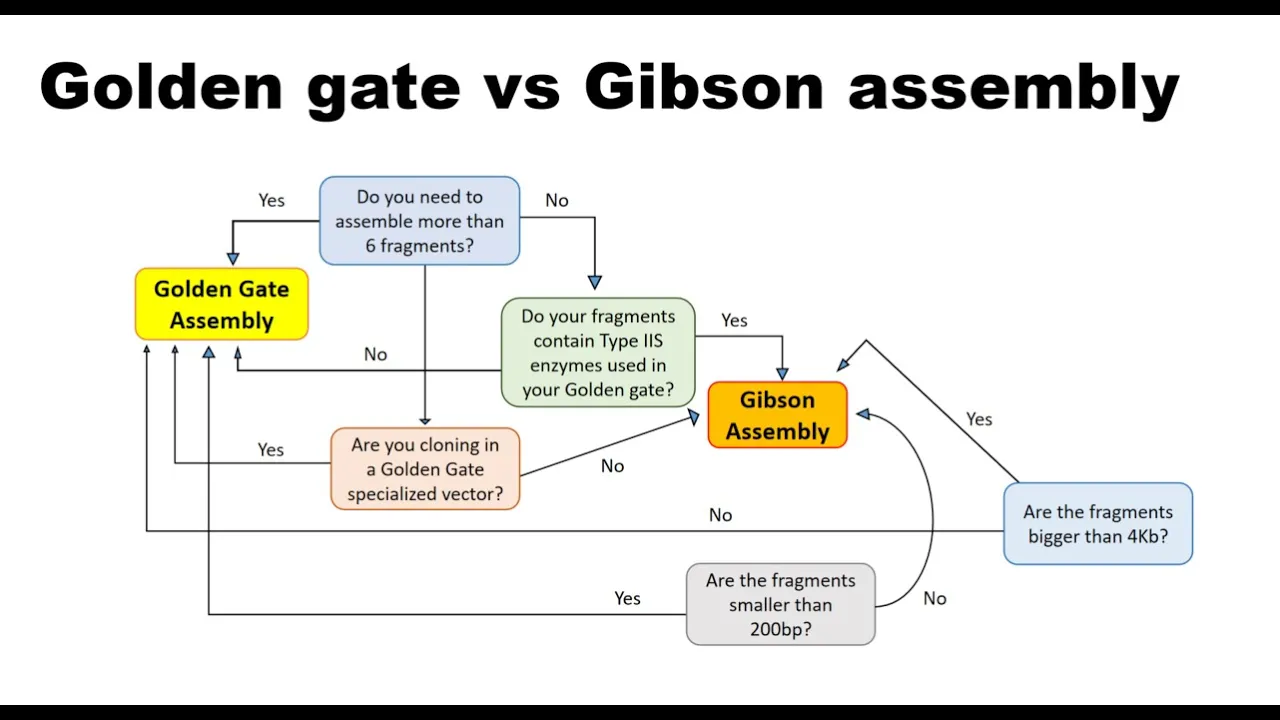
Advanced DNA assembly technologies, including design strategies for Gibson Assembly, Golden Gate Assembly, and Gateway Cloning within plasmid editors.
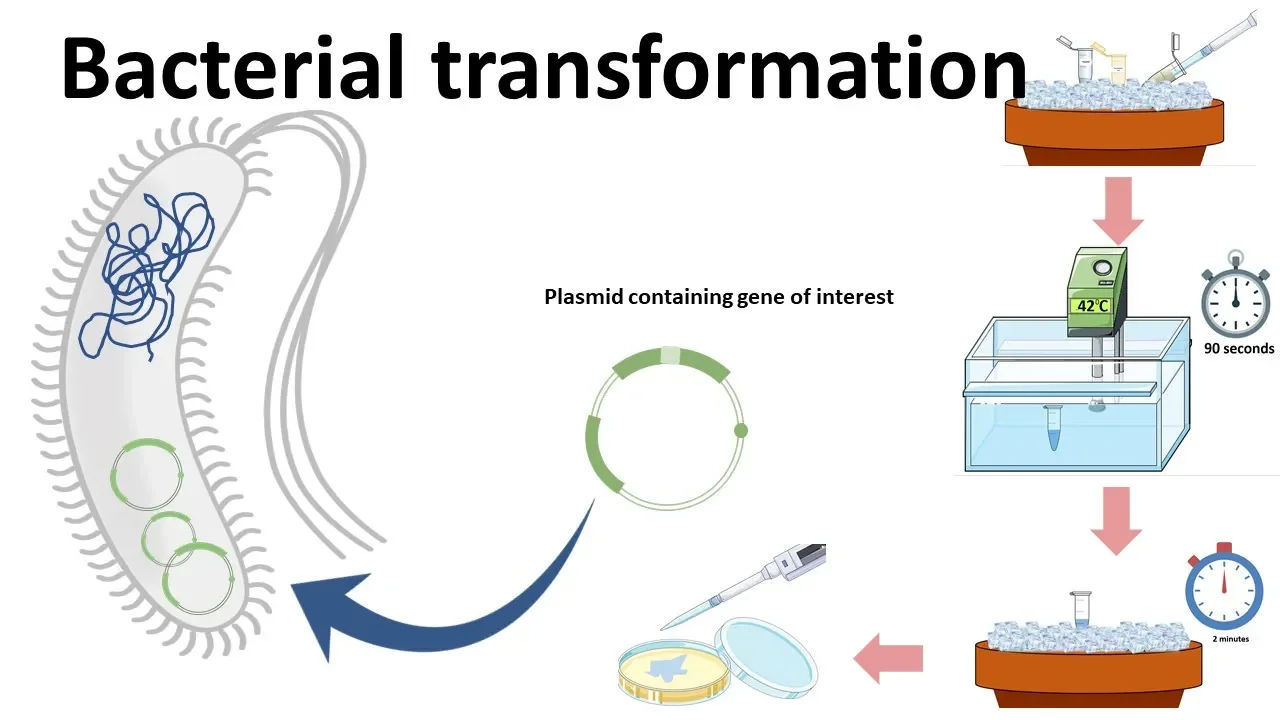
Experimental translation of digital designs, focusing on wet-lab molecular cloning workflows like restriction digestion assays, plasmid purification, and bacterial transformation.
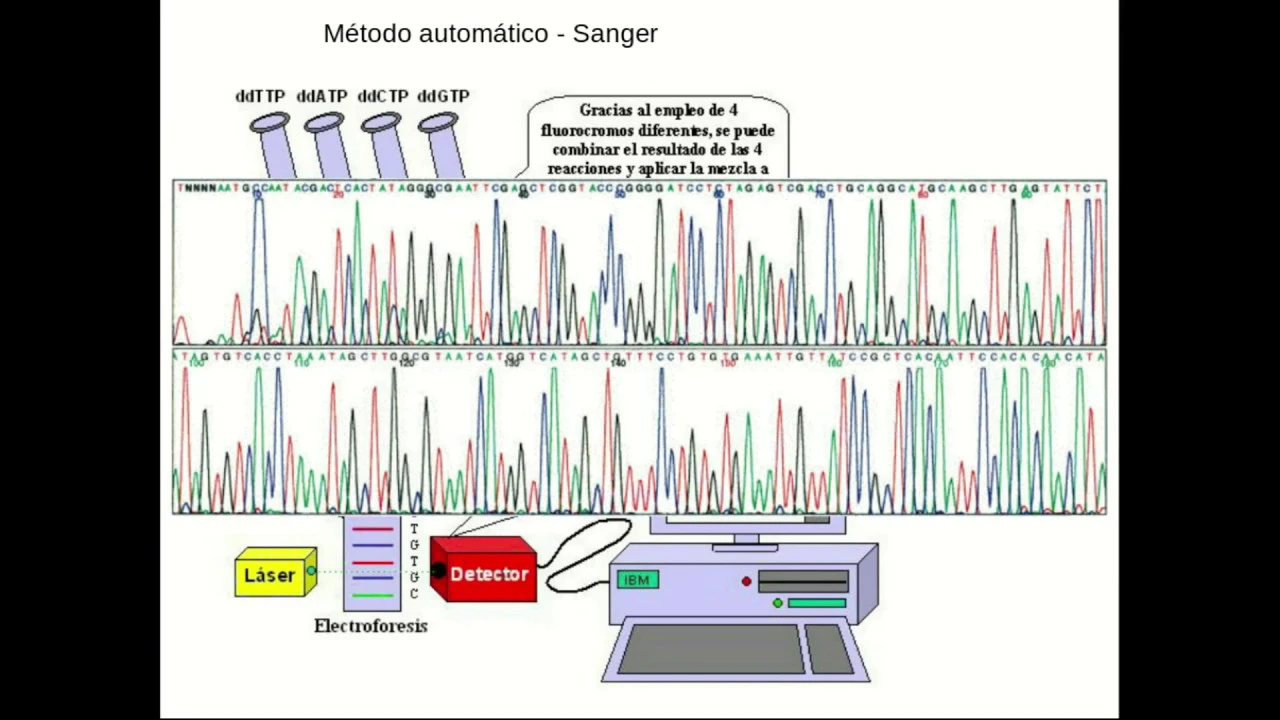
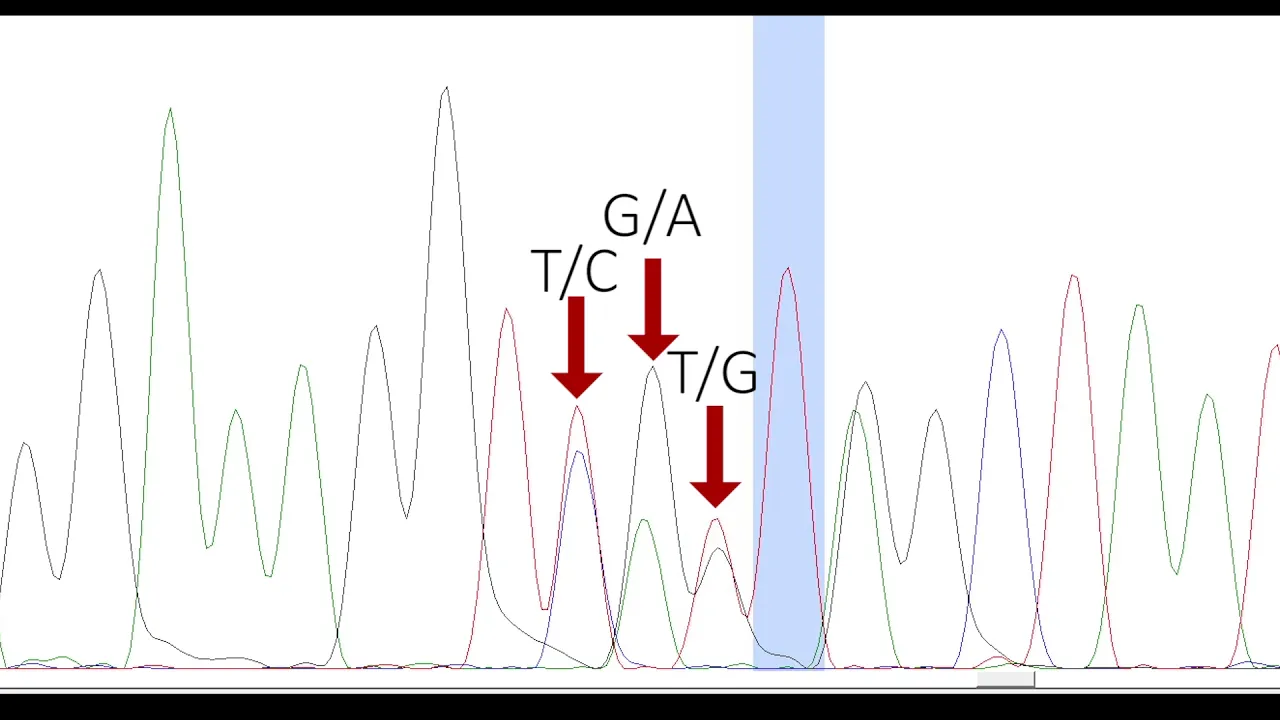
Methods for verifying physical plasmid constructs, specifically how to design sequencing primers and analyze Sanger sequencing chromatography data against the reference in silico map.
In silico design optimization strategies to maximize protein yield in cell-free systems, such as codon optimization and plasmid copy number selection.
304 views4likes11:30Original Release: 2024-08-28
hello my name is Ben Style with daol Arbor biosciences and I'm here to talk about the AP plasmid editor software and how it can be used for Designing plasmids for my txtl so this is a free software available online and I will show you how to navigate to it and download it it has many useful features that can be used for Designing not just plasmids from ITX but also linear DNA and the makers of this software also have a YouTube channel and a Twitter account that you can also use for additional resources they have an additional tutorials on YouTube that can help you further learn how to use their software so first I'll show you how to get to the software itself so if you just type in eight plas editor you can easily find it it's the first thing that pops up and this is out of the Jorgenson Lab at Utah and once you click on that you can select either the Mac version or the windows version depending on which you need to download and you also have a link here for their YouTube channel and uh their Twitter Twitter handle down here and you can also find a library of fluorescent proteins if those are of interest for cloning purposes and so once you have the software installed here I have it pinned to my taskbar so I just click on the icon and up Pops an empty window and to open a file you just go to file and in my case I'm going to open a recent file this is a genbank file of our t7 dgfp positive control plasmid as click on that and this file has several annotations already within it uh because it's a genbank file so when I open it it already has several things highlighted and there are SE there are several important elements here that I'll go through and the features are listed here in this window above the sequence starting with a bagel 2 restriction enzyme site uh but first I'll go through the regulatory sites that are important so first is the t7 promoter that's necessary for transcription to make the MRNA and that uh transcription starts at the first G of this GGG sequence and continues all the way through the Terminator that's here in the end in blue and then after the promoter there's the utr which is where the ribosome binds and then uh scans down to find the atg start code on here this is for gfp so the start C on is the atg and then goes all the way through this ATC for gfp and followed by the TAA stop codeon so those are some of the important elements for uh gfp and flanking this open reading frame are an nco1 restriction site which starts at the CC and goes through the GG sequence you'll see that the atg of which is the start codon is within this restriction enzyme site and it also adds an additional G after the um start codon and this can change the second amino acid of your sequence which is generally tolerable but if it is not for your particular use case you can find another plasma that does not have this site um so that you don't have to change the sequence but if you want to insert your open reading frame you you would highlight this atg G sequence all the way through the last uh codeon of the gfp sequence and then you would just paste in your own just be sure that the NCO one site is retained or you can recapitulate it by um adding the sequence back so it needs to be CC a g and then once you do that you've essentially within this program created a plasmid that expresses your protein of Interest using our plasmid backbone now if you want to order that as a linear DNA fragment so that you can clone it yourself you should add 12 base pairs to the five Prime and three prime NS five Prime uh being in front of the nco1 site and then Downstream of this xho1 site here highlighted in purple uh you want that additional sequence upstream and downstream so that the Restriction sites have somewhere to land so that they can efficiently cleave your linear DNA prior to cloning it into the plasmid backbone and and for that you can just use the plasmid that comes with the kit this plasmid is amp resistant which is the amp resistance Gene is highlighted here in red and then in Gray is the replication origin so required both elements of the are required for propagation in nu coli these elements are not required um for the cellfree system because there's no cells and you're not selecting for plasmids or trying to grow them up uh which is why linear DNA also works well in our system so to highlight some other features of this program uh one is just to focus on features so if you wanted to create your own feature you just highlight a sequence go to Features say new feature and then you can name it whatever you like you can make it whatever color you want uh from this pallet here feature type you can select what that is whether it's a regulatory sequence like an enhancer or another promoter or the T box uh for jeans you can also select whether it's an intron or uh fry Prime utr and then once you have that selected you can also determine where you want it in this list of features at the top so here's all the features you have already and you can dictate where it should show up relative to these other features and once you're done with that you can hit okay so here it just added new feature at the top because I didn't give it a name and then if you want to delete this new feature you can just delete it um and that's what I'm going to do because that was just a demonstration so some other uh enzymes within our plasmid that you can use to do different things so this uh Bagel 2 site is Upstream of of the promoter so if you wanted to swap out the promoter and replace it with something else you could use this Bagel 2 site if you wanted to swap out just the utr you could use the xba1 site which is in yellow here and this utr again is this blue green so you could use the xba1 site to swap out the utr and you could use those in combination with the nco1 site if you just want to swap out the utr or if you want to swap out the utr and the open frame all at once you would use the xba one site and xho1 site for example uh which is after the open reading frame so some other things you can do with this program uh if you highlight the open reading frame so here atg through ATC you can translate it so you can determine whether you have the correct protein sequence or amino acid sequence you can either use a onlet code or threel code for the amino acids we do three-letter I hit okay and of course it has three-letter code for each amino acid and it also shows you how many amino acids it is long and then what its molecular weight is which can be helpful so you know where approximately it should show up in a gel and then also going back to that if you did do translation with the onel code I actually think that might be easier if you want to ever do an alignment with the open reading frame here and what its amino acid sequences versus something in a database or some reference you have uh to be sure it's correct uh another feature is that you can go under Tools and you can design primers so find PC primers and under in the fine PCR primers window they have some default properties that you can change as you wish um but if you hit okay here it's going to find essentially all the primers in the plasmid sequence that match these properties and depending on where you want your primer to land uh you could select any one of these in this list this goes across the whole plasmid again and then you can also find uh you can also use the reverse complement sequence uh to do the primer that goes in the reverse and another feature is under enzymes if you want to generate a map of the plasmid and where the unique enzyme cut sites are as those can be helpful for cloning I have some highlighted in the sequence but if you wanted to know all of them you can go to graph map plus u that U is the unique sites and that shows here so this is your plasmid it's 4,137 base pairs long and then it shows you where all the unique enzyme sites are if for presentation purposes you just want to have a graphic map of your plasma then you can just select graphic map under enzymes it won't show you uh the enzymes like I had in the other map it'll just show you the ones I have as features and then this can be blown up and used as an image in a PowerPoint slide for example if you just wanted to give people an idea of how you designed your plasmid and so there's lots of uh features within this program I won't be going through all of them but uh feel free to explore and feel free to to go and check out some more of the eight plasma software videos on their YouTube channel and then of course reach out to me if you have any questions on how to design uh DNA plasmid for the system uh but otherwise thank you very much for your attention and good luck with your plasma design and using the ape software thank you
Up Next

57:42
Cloning & Expression Vectors Explained | Recombinant Protein Tech
@iit
18.3K views•2011-09-27
14:12
Quantitative Real-Time PCR (qPCR): Principle, Method & Data Analysis
@animatedbiologywitharpan
129.2K views•2023-09-06
23:33
Microbial Degradation of Plastics: Biodegradation Pathways & Sustainability
@majeedhammad
2.9K views•2021-04-11

16:04
CRISPR and Genetic Engineering: How Gene Editing Works and Why It Matters
@kurzgesagt
30.5M views•2016-08-10
Related Study Plans & Knowledge Roadmaps
Structured learning paths in Biotechnology
biotechnology
AAV Production: Transfection, Prep & qPCR
01Introduction to Gene Therapy and AAV Biology
02Mammalian Cell Culture: Suspension HEK293 Cells
03Upstream Bioprocessing: Triple-Transfection Optimization
+ 2 more learning modules
18h5 modules
Explore Roadmap
biotechnology
Building Gut-on-a-Chip: PDMS, Cells & TEER
01Foundations of Microfluidics and Gut Anatomy
02Cleanroom Fabrication & PDMS Soft Lithography
03Epithelial Cell Culture and On-Chip Seeding
+ 2 more learning modules
26h5 modules
Explore Roadmap
biotechnology
Optimizing CFPS: E. coli Extract & Yield
01Fundamentals of Molecular Biology and Translation
02Introduction to Cell-Free Protein Synthesis (CFPS)
03Preparing E. coli Crude Lysate (The Extract)
+ 2 more learning modules
19h5 modules
Explore Roadmap
biotechnology
Haematococcus PBR: Design, Stress & Astaxanthin
01Biology and Life Cycle of Haematococcus pluvialis
02Bench-Scale Photobioreactor (PBR) Design and Engineering
03Culture Media Formulation and Inoculation
+ 2 more learning modules
15h5 modules
Explore Roadmap