


















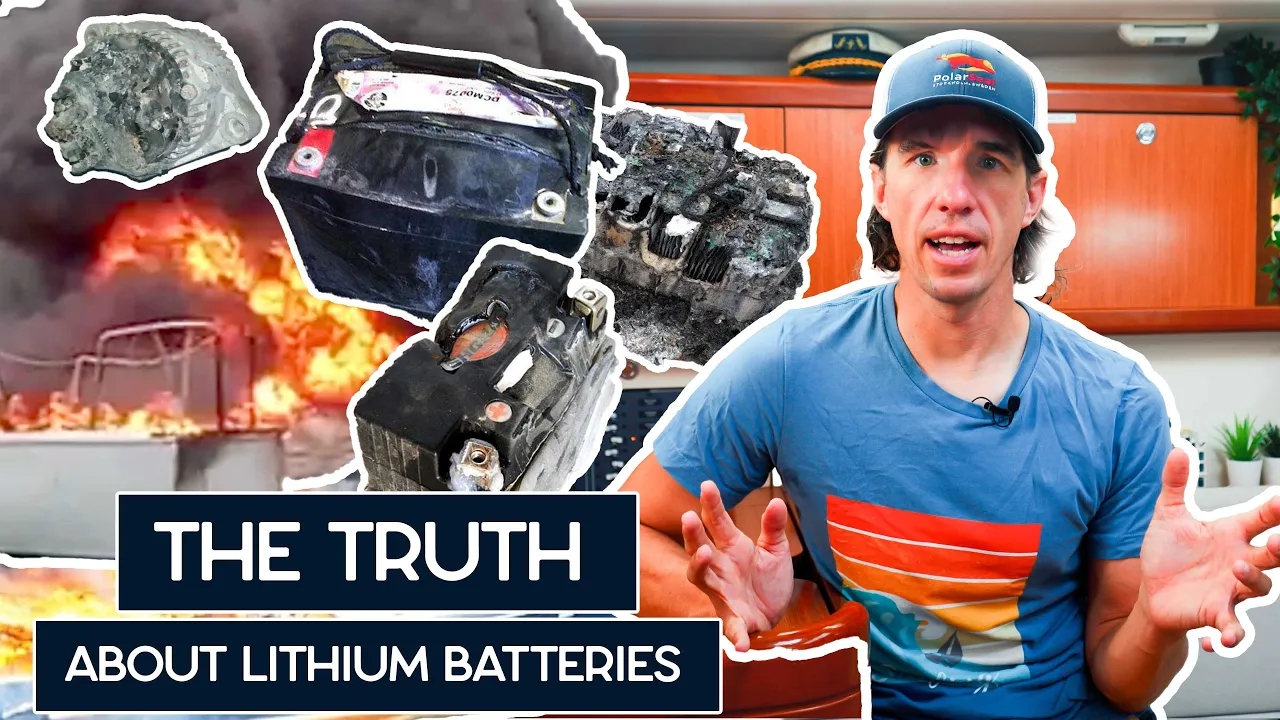



Building large 3D printed FPV quadcopters presents significant challenges including weight management, structural integrity, and safety considerations; the video demonstrates that while such projects are technically feasible, the extreme weight and fragility of 3D printed components can lead to catastrophic failures, as shown when the creator accidentally drilled into a battery during thumbnail preparation, causing a fire that destroyed the electronics.
3D-Printed FPV Quadcopter: Build, Flight, and Failure Analysis
Added:Basic UAV Flight Dynamics: Understanding the physics of quadcopter flight, including lift, thrust, torque, and how multirotors achieve attitude control (pitch, roll, and yaw).
Principles of 3D Printing (Additive Manufacturing): Knowledge of thermoplastic materials (such as PLA, PETG, and TPU) and how print settings like infill density and layer orientation affect mechanical strength.
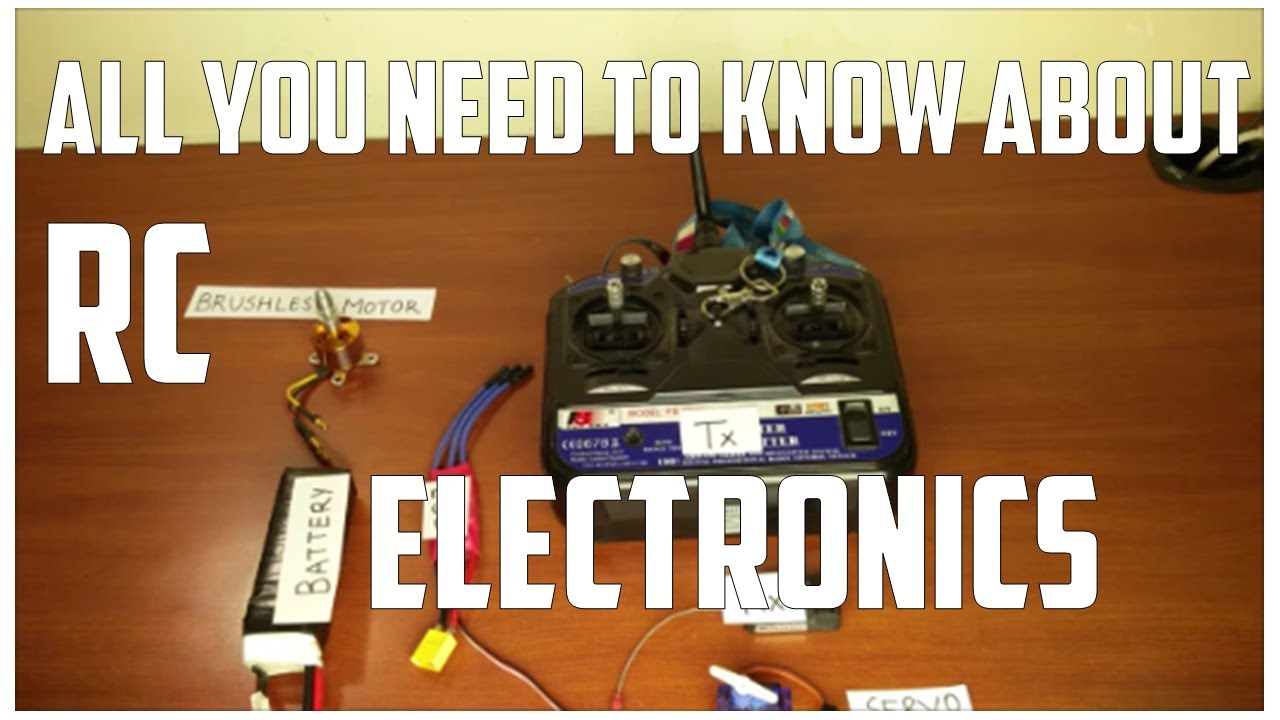
Introduction to RC Electronics: Familiarity with standard drone components including brushless motors, Electronic Speed Controllers (ESCs), flight controllers, and radio transmitters/receivers.
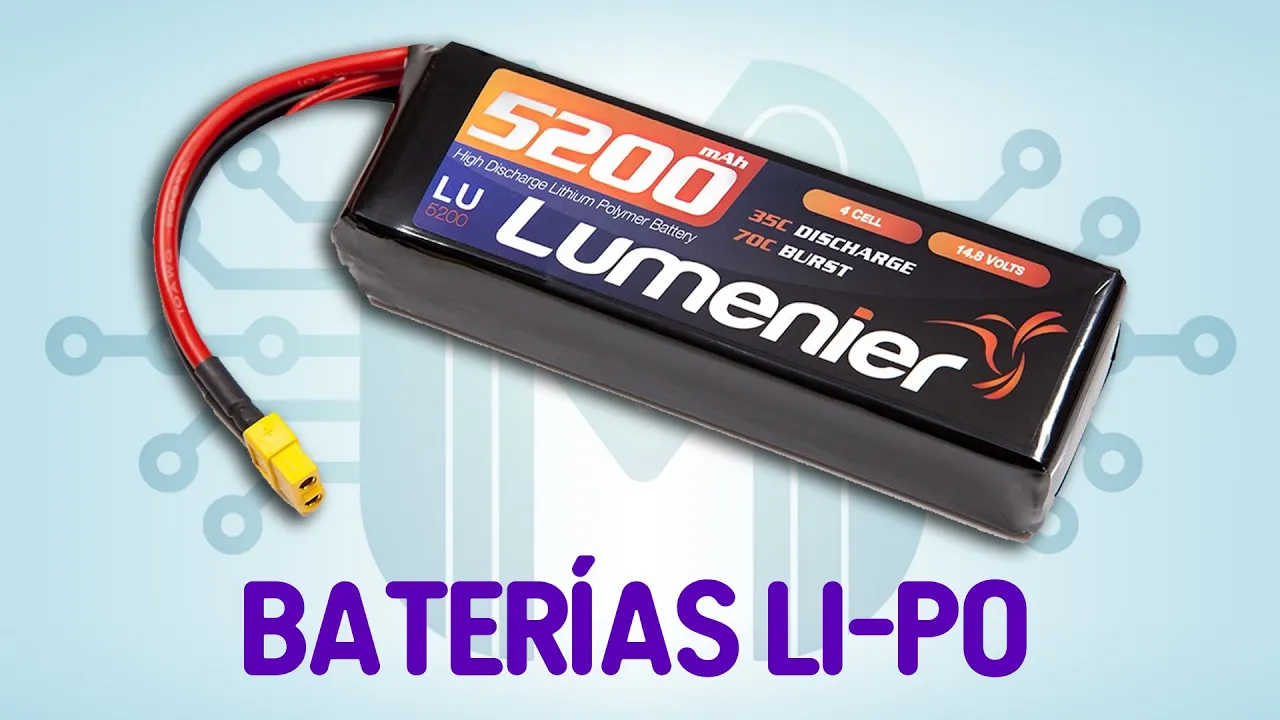
Fundamentals of LiPo Batteries: Understanding the basic chemistry, safety guidelines, voltage characteristics, and potential hazards associated with Lithium Polymer cells.
Failure Mode and Effects Analysis (FMEA): Applying structured engineering methodologies to systematically identify, analyze, and document potential failure points in custom unmanned aerial systems.
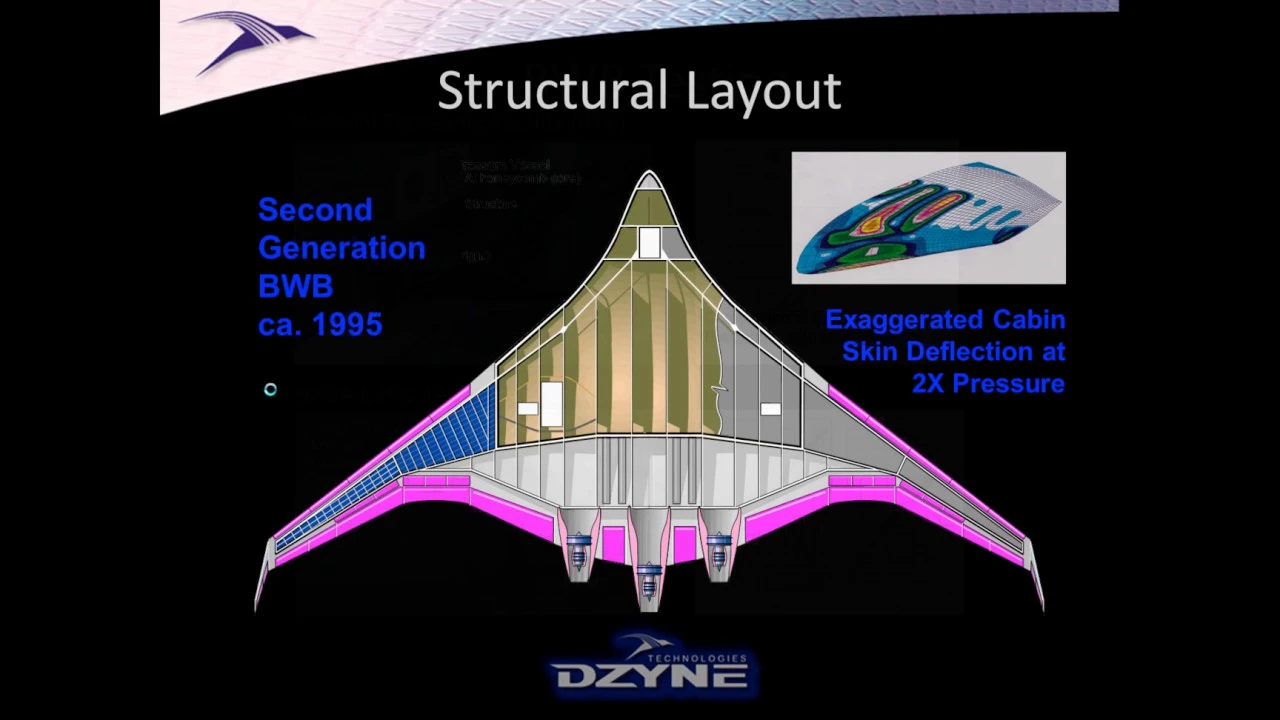
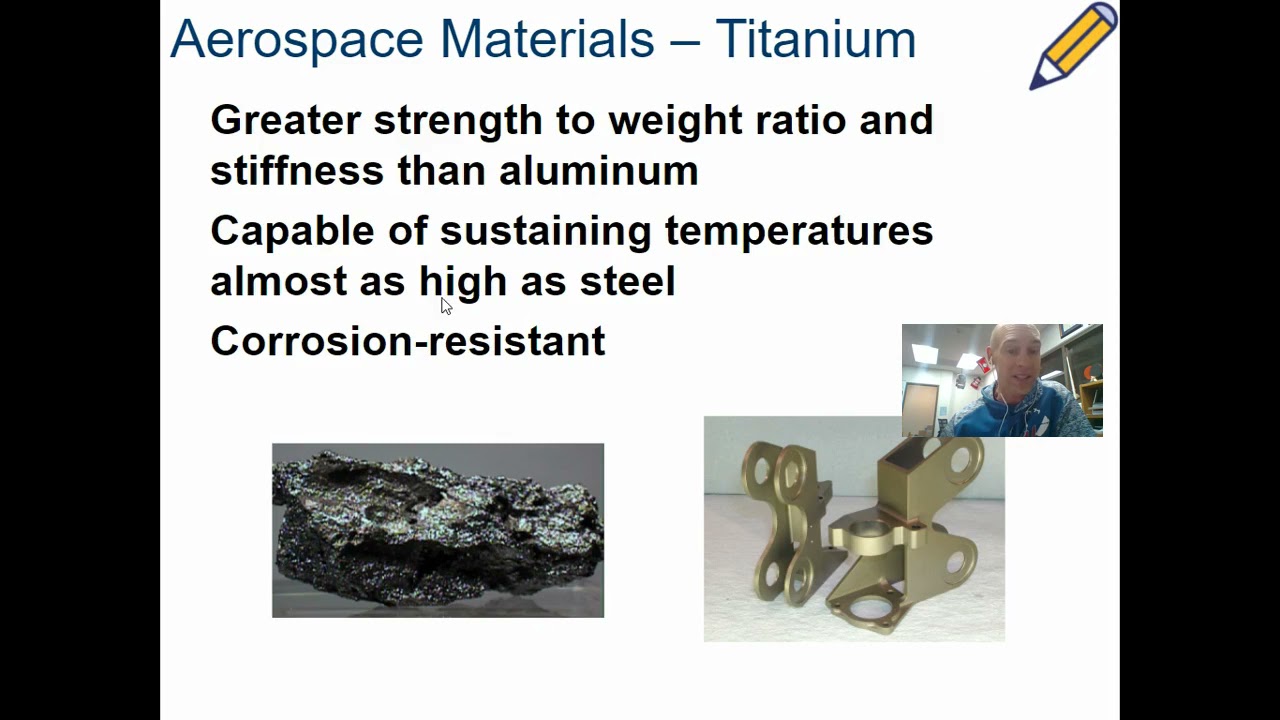
Advanced Material Science in UAV Design: Investigating high-performance composite filaments, continuous fiber reinforcement, and post-processing techniques to maximize the strength-to-weight ratio of structural components.
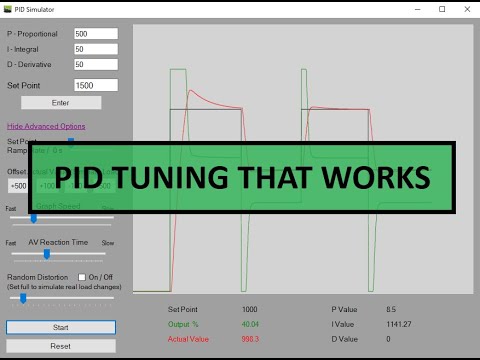
Control Systems and PID Tuning: Deepening knowledge of closed-loop feedback systems, sensor fusion (gyroscopes and accelerometers), and tuning PID controllers for flight stability.
Battery Management Systems (BMS) and Thermal Runaway Mitigation: Studying the chemical mechanics of thermal runaway in lithium-based batteries and designing robust containment, charging, and monitoring systems.
78.8K views3Klikes9:03Original Release: 2023-08-25
in this video I'm going to take this 12 pound 3D printed quadcopter and fly it through that if this thing runs into this it's probably gonna be a pretty bad day now to get started I pulled out the quadcopter that I made and flew in the last video this thing is Giant and even though the motors are made out of plastic it actually flies pretty well looking at the comments section of the last video literally half of them are all about adding fpv which I think is a great idea so let's do that to get started I took everything apart which is luckily pretty easy the arms just slide off and then I can set them to the side so I can reuse them later stands for first person view and it allows the pilot to see the same thing as the quadcopter would see and it's what all the cool kids were doing like five years ago to add this to the quad we're gonna need to make a few new parts the camera I'm using goes into this little 3D printed pod which allows it to rotate and for the wires to pass through the back I then printed out some parts for a housing and everything gets assembled with heat stake inserts and screws this is a really robust way of Designing things and allows things to be assembled and disassembled very often to design all these pieces I have been using onshape which is great because it allows me to assemble things in CAD before ever printing it also has tons of other features and it's entirely cloud-based which has been really nice because you can use it or reference it anywhere you are now somehow I need to get the video from this camera to my fpv goggles and that's where this comes in this is what's called a VTX and it's what broadcasts the video signal at up to one watt which means you can still get good video signal even when you're pretty far away these things also get really hot so I added some heat sinks to help cool everything down now since I'm changing some parts of the frame I also need to reprint this giant centerpiece this piece takes like an entire day to print but once that was done I could finally start assembling this new design allows me to install two massive six cell batteries which are really heavy but it might help increase the flight time the fpv module we made earlier then slides right between them and once again it assembles with heat stake inserts and screws from here all I had to do was reinstall a giant bundle of electronics and reattach the motor arms and it should be good to fly and luckily for me the next week was an event called flight Fest if you don't know what flight Fest is it's a giant event put on by the guys over at the flight test YouTube channel and it's a whole weekend full of RC planes camping and just a whole bunch of fun so I packed up the whole quadcopter tons of spare parts and then hit the road all right it's 6 51 and we are off to flight Fest now before we go fly this thing let's talk about the sponsor of this video PCB way if you guys do projects like me then PCB ways Services may be really helpful for you they make custom ordering pcbs really easy with their website and I even use their services to make the board that controls this quadcopter additionally they do things like 3D printing CNC Machining and Sheet Metal Fabrication and then they ship everything right to your door I've always been impressed with their services so give them a try using the link down in the description below alright now back to the video now once I got the flight Fest I met up with Nick Reed who also makes YouTube videos oh my God you should definitely check out his channel because he's actually the one that designed this open source flight controller that the quadcopter uses I also decided I needed to decorate the quad a little bit more so I added these LEDs because you know why not looks way better with them on than it does with them and then I wanted to let Nick fly it just to see what he thought alrighty here we go oh like a pro [Music] it is heavy how's that throttle response it's so heavy but it's flying that's so cool [Music] [Applause] not in a bad way like a good semi truck Nick is right this thing is definitely very heavy and slow but it does fly and you know that's why I made it throughout the weekend we flew the quad a few more times and only had a couple minor crashes I think I only cracked like one piece which was an arm interestingly enough this was actually an arm printed in ASA which I think has a lower layer adhesion so just cracked along the layer line so luckily I'd brought extra pla arms I swapped that in and we were good to go [Applause] [Music] I think we need to get a bigger printer all in all flight Fest was an awesome experience and got to see some crazy RC stuff like their combat that they have every year where there's just hundreds of planes in the sky all at once and then just two weeks later I brought the quad to San Francisco for Open sauce I had it on display as an exhibit and I got to meet and talk to a lot of you guys which is a really awesome experience so after like a month of traveling we can actually get back to what I started doing with this which is trying to fly it like an fpv quad so I took it out to a field nearby and got everything ready to go all right so today we're going to use these giant six cell batteries um it's still probably not going to fly for very long uh because this thing is so heavy but it should at least fly all right so I have these fpv goggles but I actually don't trust myself enough to fly this thing without you know knowing where it is so I'm just gonna have a pull-up on a laptop and we'll go from there I first flew a short test flight just to see how easy it was to control using the fpv feed still flies well unfortunately this thing is actually pretty scary to fly using only the fpv video you end up with a great sense of the quad's orientation but not necessarily its location relative to you and with a quad this big that can be really dangerous it's also worth mentioning the Onboard video you see here is from a GoPro the real fpv video looks like this so that also makes things a little bit harder kind of likes to y'all now I think one of the motors is potentially going bad all right let's put it down a little bit of a tough Landing but we should be good so I think now it's time to go for the big obstacle all right we should be good to go new batteries swapped in drones over there so we're just going to take off and go for it so we'll see how it goes [Music] oh [Music] oh hey technically we did go through it [Music] thank you all right so there was certainly some damage you can literally see where the the props like cut through the foam so but the quad looks like it's in one piece definitely a little bit of a hard Landing I think we did break we broke one prop loose up here so looks like it's not going to fly again today but maybe there's some hope of it flying again we'll see if we go back and look at the footage we can actually see that the prop holder broke when the quad hit the ground rather than when I hit the phone this means it technically made it through with no damage at this point though I feel like I've done everything I can with this quadcopter and it's still just humongous and heavy and terrifying editing Michael here I've been working on the video was done went to go make a thumbnail and then there was an accident ladies and gentlemen there's been an accident so I was trying to drill a hole in the bottom of this thing so I can mount it on a tripod and take some pictures for the thumbnail I forgot there's a battery inside so I drilled right into the battery which promptly caught on fire and pretty much cooked everything inside I tried spraying with the fire extinguisher but obviously that didn't work luckily I think the motors are still good I don't know I got stuff in my Crocs not the Crocs here's the damage from that test flight looks pretty small now compared to the damage from the fire I'm an idiot what a dumb mistake damn that sucks luckily it looks like the GoPro permitted out mostly unscathed but the rest of electronics don't look too good yes obviously this really sucks I was sort of done with this project but this is really not how I wanted to see it go I wanted to include this in the video though because this type of stuff does happen and it's important to keep safety in mind unlike I did I guess anyway that's all for this one so I'll see you next time foreign [Music]
Up Next
24:26
Generative Design Tutorial: Fusion 360 Beginner Guide
@ProductDesignOnline
141.4K views•2019-11-23

26:22
Walking in the City: Urban Rituals and the Flâneur in Contemporary India
@PSBTIndia
1.9K views•2016-08-02

9:49
FastAPI vs Flask vs Django: Choosing the Right Python Web Framework
@TechWithTim
302.5K views•2024-05-26

1:42
Game of Thrones Opening Credits: A Cinematic Analysis
@gameofthrones
46.3M views•2011-04-18
Related Study Plans & Knowledge Roadmaps
Structured learning paths in General & Interdisciplinary Studies
general-studies
Artificial Light: History, Tech & Human Impact
01The Pre-Electric Era: Fire, Oil, and Gas Lighting
02The Incandescent Revolution and Grid Electrification
03Gas Discharge and Fluorescent Illumination
+ 3 more learning modules
14h6 modules
Explore Roadmap
general-studies
Elevator Engineering: History, Physics & Cities
01From Hoists to Safety Brakes: The Dawn of Vertical Lift
02Hydraulic vs. Traction: The Engineering Physics of Elevators
03Modern Speed, Safety, and Algorithms
+ 2 more learning modules
12h5 modules
Explore Roadmap
general-studies
Rubber: Material Science, History & Geopolitics
01Origins of Natural Rubber & Mesoamerican History
02The Chemistry of Natural Rubber & Vulcanization
03The Geopolitics of the Rubber Boom & Colonization
+ 2 more learning modules
12h5 modules
Explore Roadmap
general-studies
Containerization: Evolution, Logistics & Trade
01Ancient Trade & Bulk Cargo: Amphorae to Barrels
02The Industrial Revolution & Cardboard Packaging
03The Containerization Revolution: Malcom McLean
+ 2 more learning modules
12h5 modules
Explore Roadmap