







![Domina el Turnaround I – VI – II – V [Jazz Manouche y Armonía]](https://i.ytimg.com/vi/UsBskVOino0/maxresdefault.jpg)
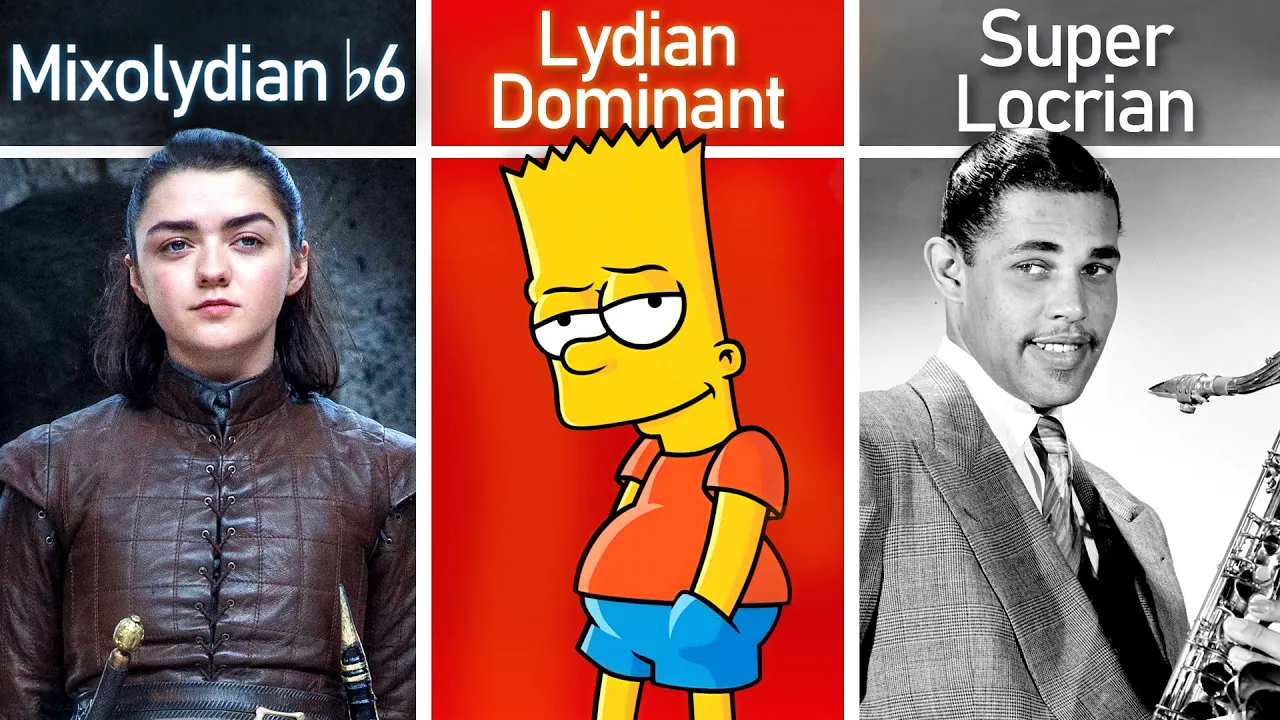
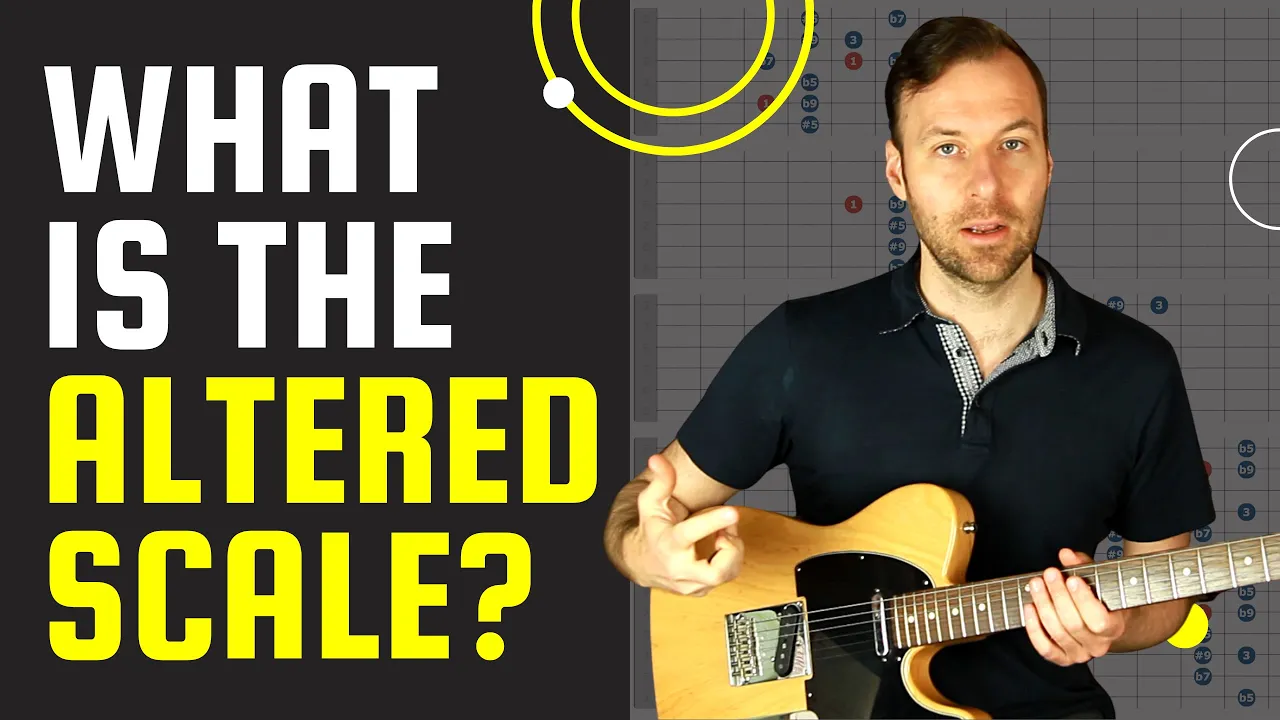






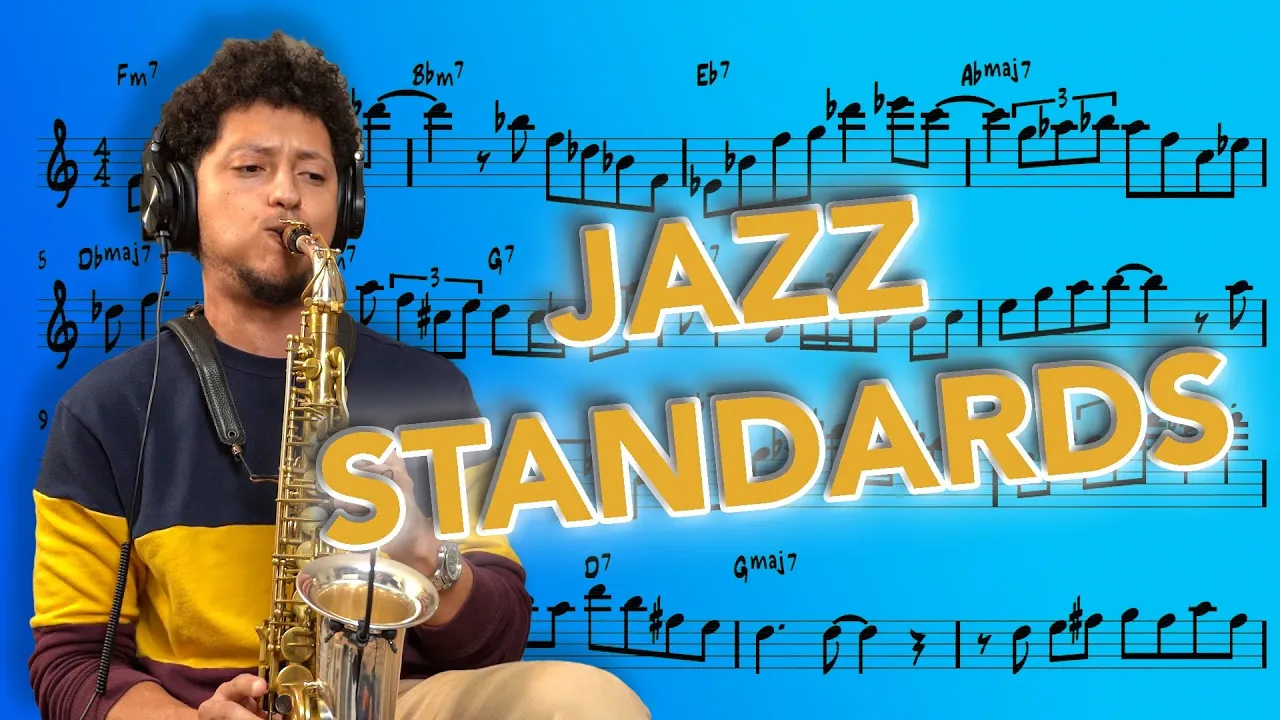
Jazz music employs six distinct types of dominant 7 chords, each derived from different scales and offering unique harmonic colors: (1) Normal Dominant 7 (1, 3, 5, b7) from the Mixolydian mode; (2) Dominant 7 flat 9 (1, 3, 5, b7, b9) from the Harmonic Minor scale; (3) Dominant 7 sharp 9 (1, 3, 5, b7, #9) from the Half-Whole Diminished Scale; (4) Dominant 7 Altered (1, 3, 5, b7, b9, #9, #11, b13) from the Altered Scale (7th mode of Melodic Minor); (5) Dominant 7 sharp 11 (1, 3, 5, b7, 9, #11, 13) from the Lydian Dominant Scale (4th mode of Melodic Minor); and (6) Dominant 7 flat 13 (1, 3, 5, b7, 9, 11, b13) from the Mixolydian b13 Scale (5th mode of Melodic Minor). Each chord type provides specific melodic options for improvisation over dominant seventh chord progressions.
Every Dominant Chord in Jazz, Explained
Added:[Music] [Applause] almost all of western music can be summed up in just three words tension and release a dominant chord typically known as the five chord represents tension an artonic chord AKA R1 chord represents release or resolution in classical music the various types of five chords are pretty finite there's the good old Triad the Triad with the seven on top giving us the five7 chord and if the composer is feeling really spicy within a minor key you might hear them stack the flat and n on top that's about as far as five chords get within the Classical period of Music fast forward hundreds of years to Now jazz music uses all kinds of variants of the 57 chord each one of them are distinct in sound and originate from unique scales we're going to break down each of these chords and check out some ways that you can play melodic lines over them using Chad left gz Brown's ebook 60 dominant phrases as a source of reference if you want to download that P package and use code Dom Logic for $5 off you can find the link in the description below so let's go ahead and check out the first chord the normal dominant 7 this is the most fundamental dominant 7 chord this chord consists of 1 3 5 and flat 7 its possible upper extensions consist of 9 11 and 13 this particular flavor of of dominant 7 chord derives from the fifth of a major scale in this instance our chord is C7 C is the fifth note of an F major scale so this entire lick uses the notes of F major the scale of one flat the B Fleet but since the root of this chord is a c and not an F it would be better to instead think of this scale as the C dominant scale also known as the C mixian mode which are all the notes of c ma except our seventh will be lowed giving us that B flat as you can see in our lick here this is the scale being used let's hear it one more time awesome so what is the next most common dominant chord that you'll hear in jazz that would be the dominant 7 flat nine oh a little darker huh again this chord consists of 1 3 5 and flat 7 but this time the upper extensions are flat 9 11 and flat 13 this Dominic chord derives from the fifth of the harmonic minor [Music] scale so you will often hear this being referred to as the fifth mode harmonic minor it can also be seen as a friggen mode but with a major third rather than its regular minor third giving it the new name as the frian dominant [Music] scale this lick by Chad is composed entirely of this scale let's hear it [Music] again great so since you're now familiar with the dominant 7 flat n what about about the dominant 7 sharp [Music] nine W different color huh as usual this chord consists of 135 and flat 7 but this time the upper extensions have both a flat nine and a sharp nine 11 and natural 13 wait what this means we have eight notes what scale has eight notes that would be none other than the half hole diminished scale yes upon playing this scale over this chord you will be hitting all eight of those very specific tones as you see in this lick this is the only dominant 7 chord type that has both the altered ninths paired with a natural 13 let's hear this lick from Chad one more time incredible now that you are a master of dominant sharp nine chords you should know that any dominant chord with any flatten or sharpen extension is considered an altered chord because we altered at least one of their extensions however there is a dominant chord that's so altered it's literally called the dominant 7 altered chord ah yes the Holy Grail of altered chords this chord has a 1 three and flat 7even but no perfect fifth this time it utilizes every possible altered extension so scratch a natural knif and replace it with both the flat n and sharp nine the 11 is now sharp 11 we probably would add a flat 11 if it were possible but the flat 11th would just give you a major third which already exists in the cord so we won't have that we discard the natural 13 for the flat 13 again if we were to sharpen the 13 we would just be left with the note that already exists in the chord which is the flat 7 notice that a sharp 11 is also the same as a flat Fifth and a flat 13 is the same as a sharp five so we also got rid of the perfect fifth and replaced it with both a flat five and a sharp five all right all right so that was a lot of number gibberish wasn't it is there even a scale for all this what the heck scale would this come from why yes there is a scale if we put all the notes together we get what is known as the altered scale the altered scale is really just the seventh mode of the melodic minor scale also known as the super loan mode so if we look at the root of our dominant altered chord and just go up a half step we quickly find our source melodic minor [Music] scale so let's hear that lick one more [Music] time excellent now you are an altered Lord all of the chords we just talked about sound great if they're functioning as a 5 S chord but what if it's not functioning as a five chord what if it is what is known as a nonfunctional dominant chord then we could use the dominant 7 sharp [Applause] 11 ooh mysterious sounding for this chord we're dialing way back in all the altered extensions we have once again our 1 35 flat 7 but this time the extensions are 9 sharp 11 and 13 this deres from the fourth degree of the melodic minor [Music] scale giving us what is known as the lydian dominant scale this is typically the scale of choice on non-functional dominant chords such as the flat 7even dominant 7 chord which can be found in bars s and8 in chokee or in the fourth bar of just friends let's hear these notes in this lick one more [Applause] time spectacular that leaves us with one more dominant chord quality the dominant 7 flat [Music] 13 cool this sound can be played over augmented dominant seven chords this chord has a bit of contraversy as musicians still can't seem to agree what is the right corresponding chord scale with this chord why well if you build the chord you get a 1 three sharp five and flat 7even if you fill in the blanks with the natural extensions 9 11 and 13 the result is a scale that doesn't exist and it sounds [Music] bad so the most typical scale played over this chord is the whole tone scale however Chad left goz Brown prefers to think of these chords as instead dominant 7 flat 13s this gives us a 1 3 5 flat 7 9 11 and flat 13 a flat 13 is the same thing as a sharp five yet we still have our natural Fifth and this is actually a real [Music] scale the scale that utilizes all these specific notes is the mixian flat 13 which is the fifth mode of melodic minor all the notes of our lick here utilize this scale let's hear it one more [Music] time incredible well everybody that concludes our six dominant chords now you can understand any dominant chord that's thrown in your way by any lead sheet if you really want to explore how to construct clear melodic lines over for each of these dominant core types again you can download Chad left quitz Brown's 60 dominant phrases ebook found in the description below all righty everyone if you found this video helpful please leave a like And subscribe as it really helps this channel out and please leave a comment of what else you'd like to see from us in the future thank you everybody I'll see you next time
Up Next
Understanding John Coltrane's Giant Steps: A Music Theory Analysis
@Vox
10.4M views•2018-11-12

Mozart's Musical Dice Game Explained: History, Rules, & Fun
@webpianoacademy
5K views•2023-03-13

Understanding Diatonic 7th Chords in Major Keys | Music Theory Tutorial
@GracieTerzian
54.7K views•2022-03-02
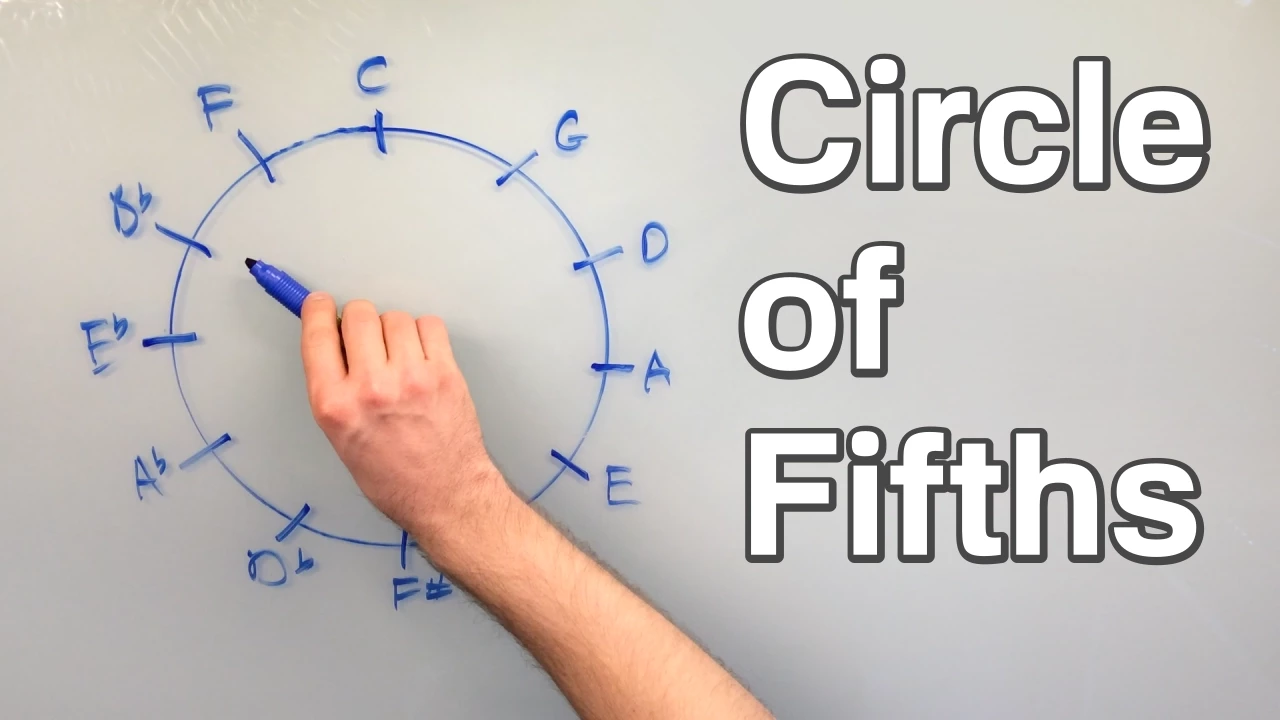
Circle of Fifths: How to Apply It in Music Theory
@MichaelNew
6.3M views•2015-03-13
Related Study Plans & Knowledge Roadmaps
Structured learning paths in Music Theory