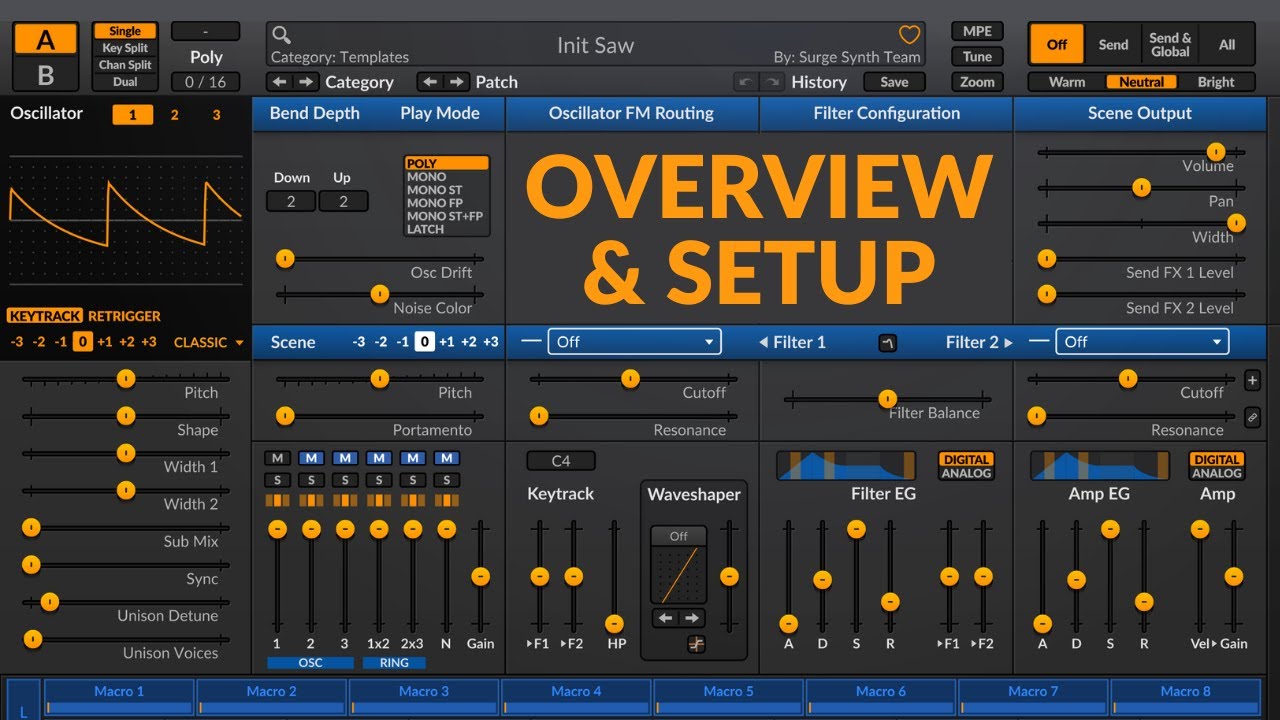


![[ VST ] 化け物級のフリーシンセ!Surge XT](https://i.ytimg.com/vi_webp/vlkAnMLQ8gs/maxresdefault.webp)








![Kahoot Soundtrack 10 sec. [Extended] 1 HOUR](https://i.ytimg.com/vi/N08z0L1xCnc/maxresdefault.jpg)

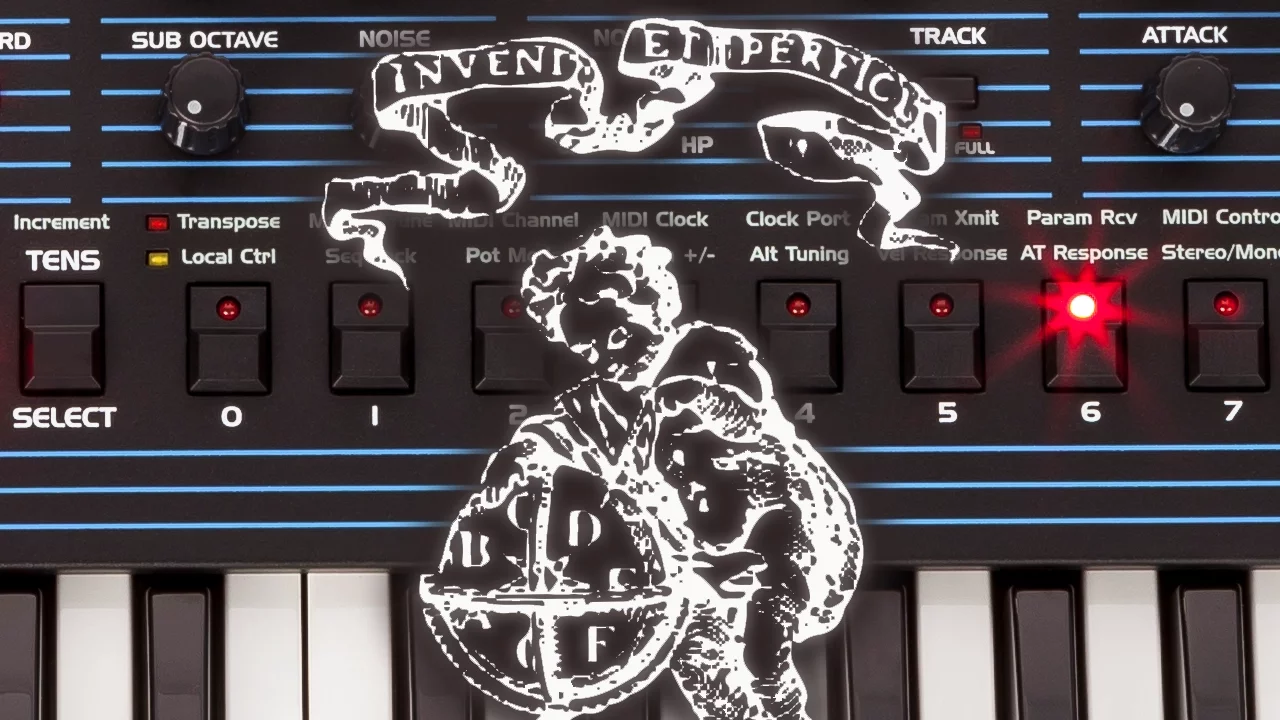





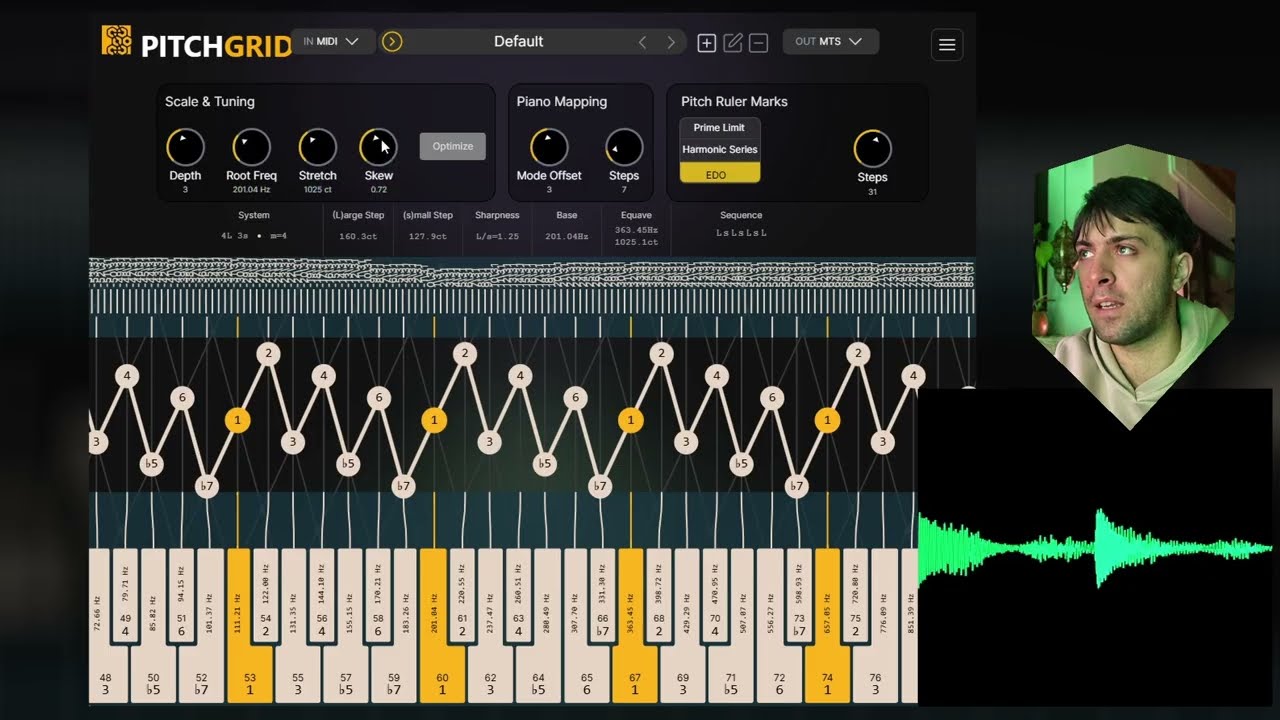

This video explains how modern software synthesizers like Surge implement microtonal tuning systems through Scala (.scl) tuning files and keyboard mapping (.kbm) files, enabling musicians to explore alternative tunings beyond the standard 12-tone equal temperament; the implementation allows for both monotonic and non-monotonic keyboard mappings, though users must adjust synthesizer parameters like LFO amplitude and envelope settings when using non-standard tunings to achieve desired sonic results.
Surge Synth: A Comprehensive Guide to Microtonal Tuning
Added:Basic synthesis concepts and navigation of the Surge XT synthesizer interface.
The fundamentals of the standard Western tuning system, 12-Tone Equal Temperament (12-TET).
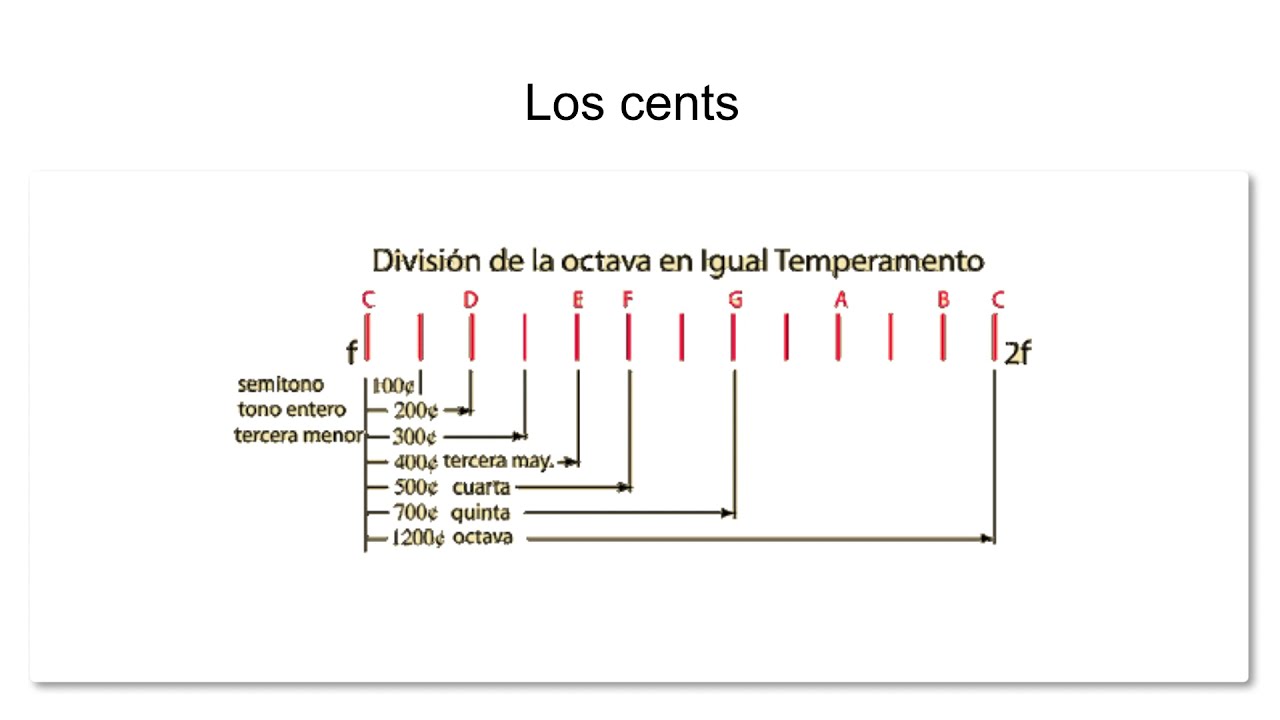
Basic acoustics and music theory concepts, specifically pitch frequencies, interval ratios, and the measurement of cents.
An introductory understanding of microtonality (xenharmonics) and why alternative tunings are used.
How to create, edit, and export custom Scala (.scl) and keyboard mapping (.kbm) files using specialized tuning software.
Exploration of advanced tuning theories, such as Just Intonation, historical temperaments, and non-octave repeating scales.
Compositional and harmonic techniques for writing music in non-traditional tuning systems.
Implementing global microtonal tuning across multiple plugins and DAWs using standards like MTS-ESP and MIDI Polyphonic Expression (MPE).
7.1K views270likes6:41Original Release: 2020-07-28
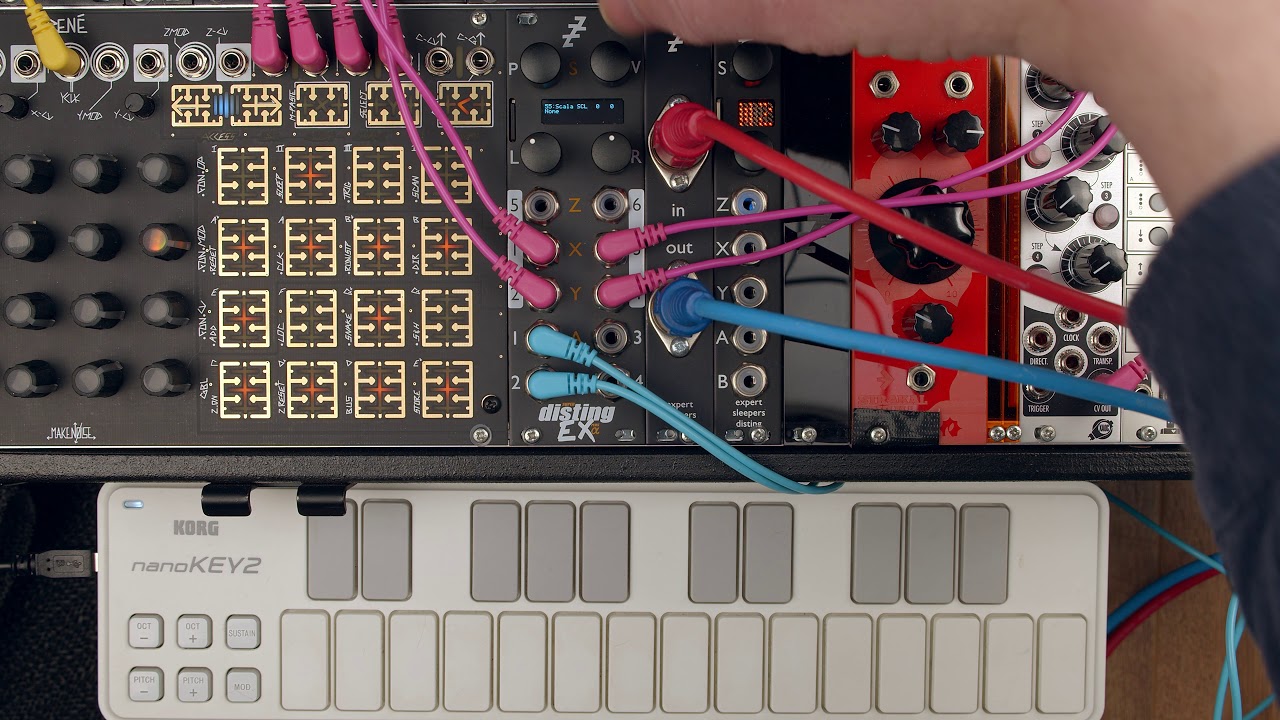
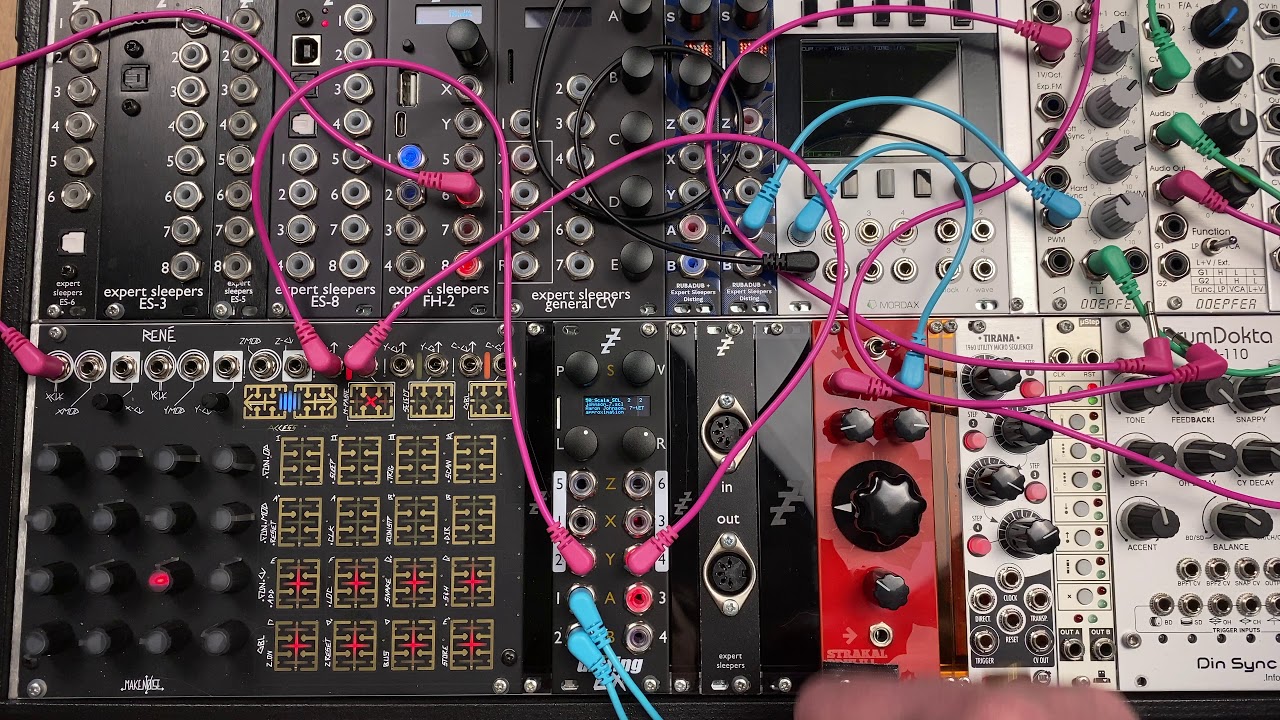
this is surge it's a cross-platform software synthesizer plug-in available for windows osx and linux having only just started messing around with it recently i've found even just the presets to be super inspiring and i'm sure anyone who's more familiar with synthesizers in general could go insanely deep with all the options surge provides settings that i'm only just finding out about let alone becoming familiar with but search is interesting for a few other reasons too a good place to start is that it's open source it was a closed source professionally developed product until its creator clais johansson released the source code since he wasn't going to be working on it anymore that's just an exceptionally cool decision to make in my opinion and that was just under two years ago in september of 2018.
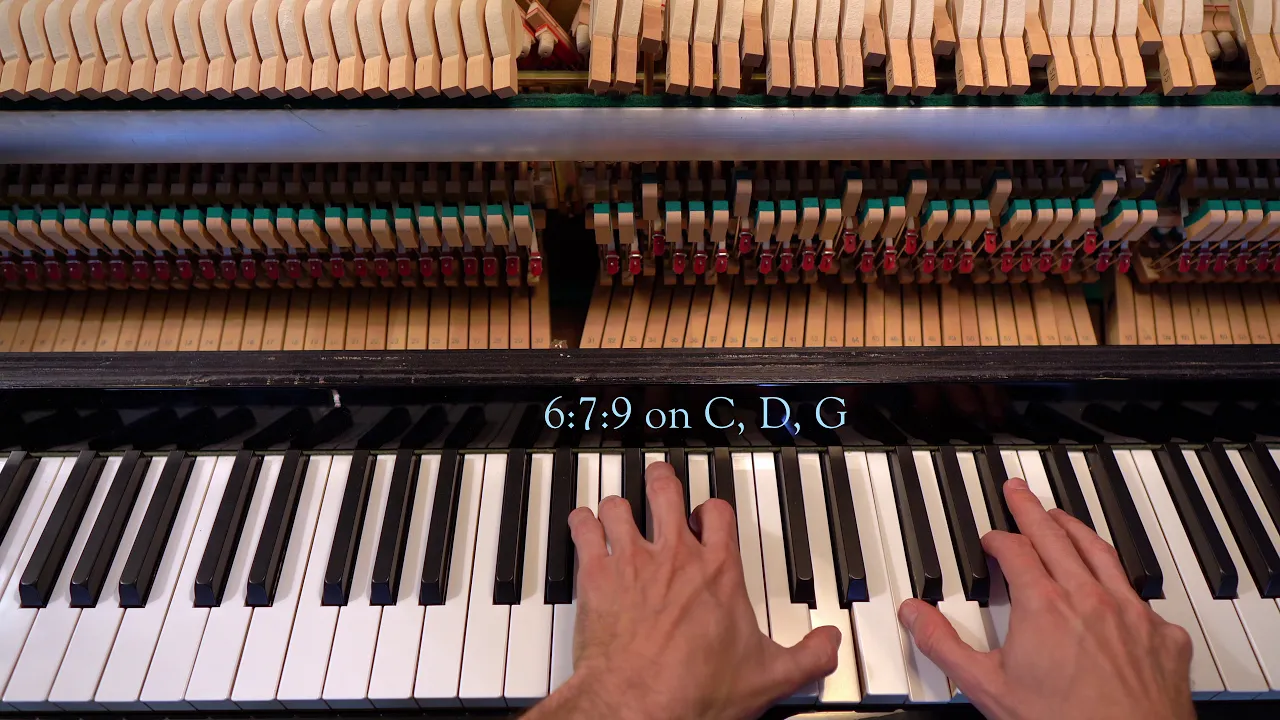
here's what surge looked like back then notice anything different as you might have already guessed them being facetious the glaring hole in this ui is enough to make vincent dino weep i'm talking of course about the tune button [Music] what do you mean the what button right here in all its glory the tune button this baby will have you up and running with five tone nickel temperament and under one minute per tone minutes per tone of course being the international standard for the difficulty in getting your synth to like play the pitches you want it to dude this baby takes scale of files so you can play anything from the harmonic series to apex twin keyboard mapping files so that you can put whatever notes on whatever keys you want and it also lets you set your own reference frequency this is a judgment free zone go ahead and set a right to 420hz so how did we get here the gold standard for alternative tuning from here the old standard of 12 tone hegemony i had the privilege of speaking with microtuning superstar jackie legend to find out for those of you not familiar with jackie's work he's a composer developer and visual artist who built the zen arts line of synthesizer plugins which were also used heavily by uk german based wizard sevish you can even hear both of them on a single release just check out subversio which includes three tracks from sevis three from jackie legend and three from tony dubshot each one worth a listen in my opinion while the zen arts synths are no longer maintained jackie has obviously been busy elsewhere apparently he has a bit of a pet peeve of virtual instruments only going halfway with their tuning implementation with scala tuning file support but no keyboard mapping support as someone with an axis 49 i can understand his frustration so when he came across the search project where they had already laid the foundation for scl support that's the tuning file he jumped at the chance to be a part of implementing what has become one of the best implementations of the complete scala scl kbm format he's seen in software very cool while in some implementations like piano text which is very good the mapping is required to be monotonic that is strictly increasing throughout the keyboard mapping no such limitation exists in search one thing to note though is that while their implementation seems to be spot on many presets think of their effects in terms of steps and so when you change the size of those steps via a tuning file you do change those effects that means that many presets will sound anywhere from slightly to completely different depending on the step sizes of your tuning you'll get especially bizarre results if your mapping is non-monotonic with higher pitches mapped to lower midi notes luckily these undesirable behaviors can be tempered or even eliminated by adjusting the effect that's causing the problem for example here's the keyboard preset dirt out of the box played via my axis 49 with a highly non-monotonic mapping for top meme tone tuning and here's what it sounds like after lowering the slfo amplitude and the env2 amplitude [Music] these edits can of course be saved as your own user presets and do remember that if your mapping is monotonic with regularly sized steps it will probably work fine with most of the presets out of the box as a side note i'm open sourcing the program i wrote to generate scala tuning and keyboard mapping files for the axis given the generator and period sizes you would like mapped onto your axis in an isomorphic layout the program is crude and it has no gui but at least it's out there of note before finishing up is that the search synth dev team is also working on what they're calling the tuning workbench synth a synthesizer for learning and experimenting with microtonal scales and it allows you to adjust your current tuning in real time instead of having to reload files the workbench is a complete implementation of their tuning library an mit licensed programming library inspired by the work that went into adding tuning functionality to search this library makes it possible to add tuning support to other synth projects other synth projects like dext which models the yamaha dx7 the search synth theme has its own fork of dex with tuning support already added each of those things on its own is just too cool and i can't wait to take the tuning workbench synth for a spin see what dext has to offer and maybe someday actually make use of their c plus plus library myself i'm also excited to continue exploring what search has to offer and to become at least a little bit less ignorant about sound design in the process besides the drums every instrument in the background track to this video was an instance of surge and the tuning was top meme tone link to the track on soundcloud in the description thanks for watching be sure to check the description for links to everything i covered in this video and thank you to my supporters on patreon as well for funding the production of this video if you liked this video and would like to support me my bitcoin cash address is on screen or you can set up an automatic per video contribution on patreon thanks again see you next video [Music] you
Up Next
5:14
Sharing bitKlavier Tunings to Other Plugins via MTS-ESP Tutorial
@bitklavier
904 views•2022-09-29

12:54
Triumph of Orthodoxy Icon: Byzantine Art & History Explained
@BenCallan
2.1K views•2024-08-06

9:49
FastAPI vs Flask vs Django: Choosing the Right Python Web Framework
@TechWithTim
302.5K views•2024-05-26

1:42
Game of Thrones Opening Credits: A Cinematic Analysis
@gameofthrones
46.3M views•2011-04-18
Related Study Plans & Knowledge Roadmaps
Structured learning paths in General & Interdisciplinary Studies
general-studies
Elevator Engineering: History, Physics & Cities
01From Hoists to Safety Brakes: The Dawn of Vertical Lift
02Hydraulic vs. Traction: The Engineering Physics of Elevators
03Modern Speed, Safety, and Algorithms
+ 2 more learning modules
12h5 modules
Explore Roadmap
general-studies
Rubber: Material Science, History & Geopolitics
01Origins of Natural Rubber & Mesoamerican History
02The Chemistry of Natural Rubber & Vulcanization
03The Geopolitics of the Rubber Boom & Colonization
+ 2 more learning modules
12h5 modules
Explore Roadmap
general-studies
Containerization: Evolution, Logistics & Trade
01Ancient Trade & Bulk Cargo: Amphorae to Barrels
02The Industrial Revolution & Cardboard Packaging
03The Containerization Revolution: Malcom McLean
+ 2 more learning modules
12h5 modules
Explore Roadmap
general-studies
Textile Tech: Evolution, Labor & Global Impact
01Pre-Industrial Textiles: Handloom & Cottage Industry
02Mechanization: The Spinning Jenny to the Power Loom
03The Factory System & Global Labor Transformation
+ 2 more learning modules
10h5 modules
Explore Roadmap