







![악보 보는 법 6 ] 조표와 으뜸음](https://i.ytimg.com/vi/WwHdh50zebo/hqdefault.jpg)
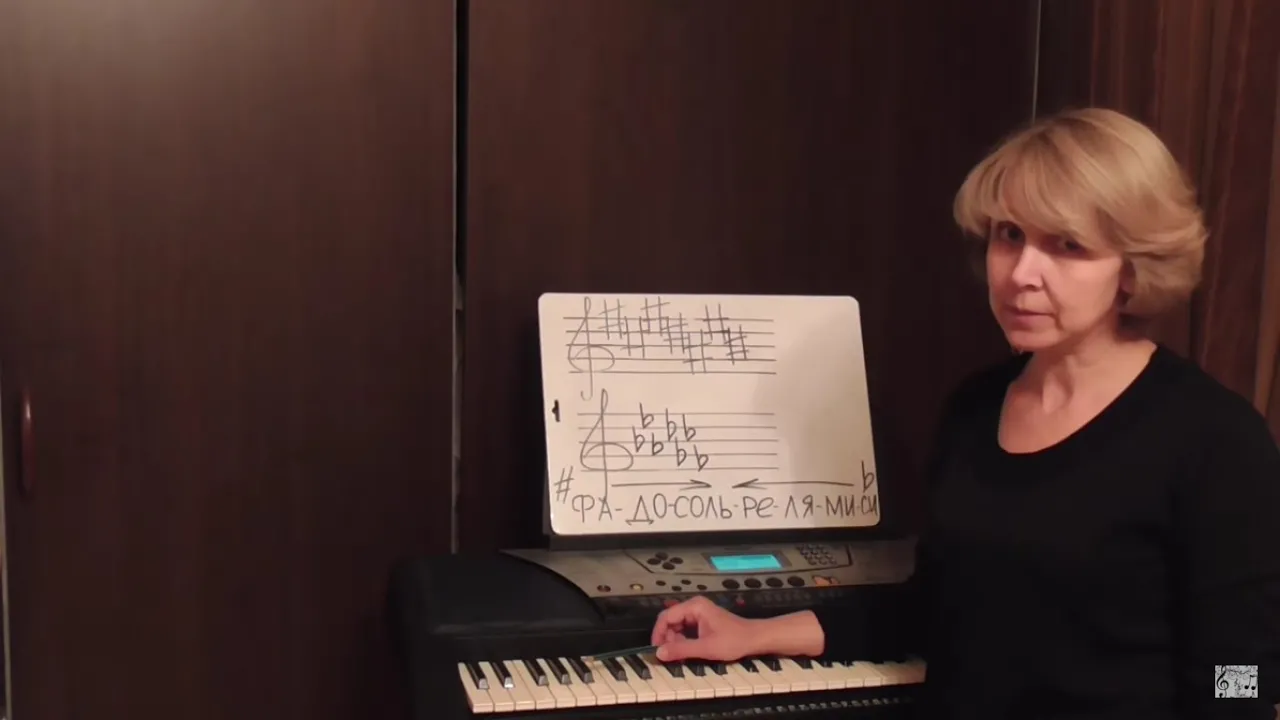




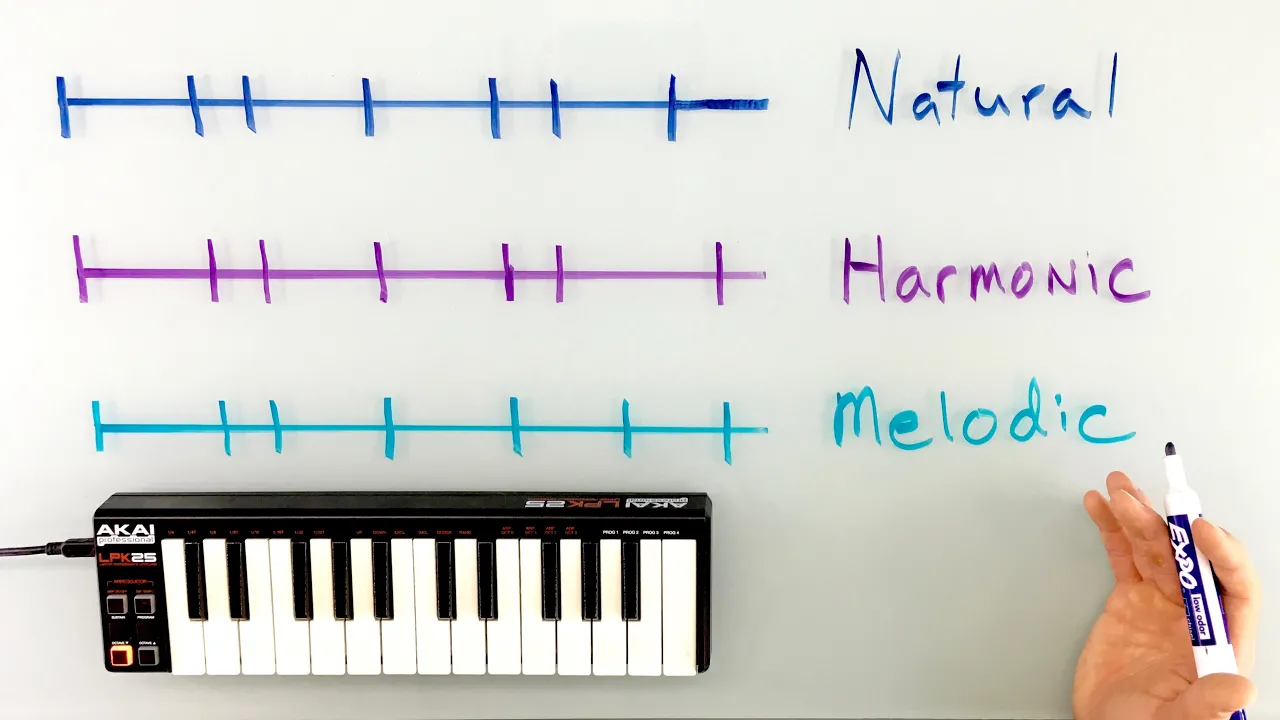





To identify a minor key signature, start with the major key signature and move down three half steps (a minor third); for example, Bb major becomes G minor. To confirm a piece is in a minor key, use three checkpoints: (1) listen for somber/melancholic tonality, (2) check if the final chord resolves to the tonic, and (3) look for the leading tone (half step below the tonic). There are three types of minor scales: natural minor (follows key signature without alterations, rarely used in classical music), harmonic minor (raises the seventh scale degree to create the leading tone, most common in minor keys), and melodic minor (raises sixth and seventh degrees when ascending, lowers them when descending). Practice these scales methodically using a metronome at slow tempos while engaging multiple senses—saying notes aloud, thinking about finger placement, listening, and visualizing the keyboard—to build lasting muscle memory and deepen music theory understanding.
Mastering Minor Scales and Key Signatures: A Complete Study Guide
Added:I remember asking my piano teacher when I was a kid why are there so many minor scales for each minor key signature and how do you figure them out and remember them I was so frustrated because I didn't understand how to make sense of all of the minor scales and key signatures or what the purpose of them was and I don't want that to be the case for you by the end of this video you will not only understand how to figure out the minor key signatures in a piece of music you'll also Master the three types of minor scales and know exactly how to practice them this is going to boost your theory knowledge improve your site reading and enhance the level of emotional connection that you bring to your pieces hey there I'm Ashley welcome to Ashley Young music studio where you'll learn to practice smarter not harder which is going to help you achieve a higher level of confident musical expression let's dive in we're going to start by going over the minor key signatures and then we will dive into scales how to figure out the key signature if you know the piece is in a minor key and then I'm to take you through three checkpoints to determine whether the piece is in a minor key and to confidently identify its minor key signature if you know the piece is in a minor key it can be pretty easy let's say you were at your lesson and your teacher said all right I'm going to assign you this Boven Sonata in G minor and you go home to practice the Sonata and you look at the key signature and you think to yourself okay I remember my teacher said it was in something minor but I don't remember what she actually said how do I figure out this key signature now the best way to to do this is if you have an existing knowledge of major key signatures because you can always figure out the minor key signature by starting with the major now if you don't know your major key signatures that's okay I actually have a video that tells you exactly how to learn all of that so I will link that in the description for when you're done with this but just stick with me it will still make sense even if you don't know your major key signature so let's pretend your piece has two Flats if the piece were in a major key signature Two Flats would be B flat major but you were at your lesson and you remember that your teacher said it was in something minor and so now we have to figure out what the minor key signature is with two Flats so you're going to take the fact that you know that Two Flats would be B flat major and you're going to go to your piano and find a B flat so once you found your B flat then you're going to go down three half steps to the minor key so we go 1 2 3 and if you're sure the pieces in the minor key then you can be sure that this is the name of your minor key signature so in this case it's the key of G minor but if you're not sure the pieces is in a minor key or if you really want to reassure yourself and make sure that you got it right then you're going to go through these checkpoints the first checkpoint is listening for tonality in other words listen to how it sounds let's examine the tonality of this piece called old French song by chovsky now when you're listening you want to consider the emotional impact typically the major key signatures are going to sound cheery and bright maybe even a little bit playful while the minor key sign signatures are going to sound more somber melancholic or just plain sad now that you've heard old French song for a few seconds you can hear that this piece sounds definitely on the more melancholic and sad side however this checkpoint on its own isn't foolproof because nobody's ear is going to be 100% accurate 100% of the time and if your ear isn't accurate the guess might be incorrect and not every major piece sounds bright and cheery and happy and not every minor piece sounds melancholic and sad that's why we have the two other checkpoints so let's dive into the second checkpoint which is to check the last note or chord of the piece now this one is great because you're going to look for the last note or chord in the piece and you're going to see if it resolves to the tonic and if you don't know what that means that's okay the tonic is the name of your key signature so the old French song is in the key of G minor we're going to look at the last measure of the piece now in this piece the last chord is a G minor chord so that is now another piece of evidence that tells us that this piece is likely in the key of G minor now this checkpoint also isn't always foolproof because sometimes the piece doesn't resolve to the tonic at the end or perhaps you had a key change in the piece and now you're ending on the tonic of your new key that's why we want to go to the third checkpoint the third checkpoint is to check for the leading tone now not always but often if if a piece is written in a minor key you will see the leading tone of that key written throughout the piece leading tone is a half step below your tonic now a leading tone will naturally occur in all major keys so let's take for example the key of C major this is our C major scale and the leading tone is a half step below the tonic so we have our first scale degree second third fourth fifth sixth 7th and our tonic now notice that this seventh scale degree is a half step below the tonic and it creates a little bit of tension we want to go to the tonic we don't want us to end here in fact if I were to play the c major [Music] scale and end on the leading tone it leads you right you want to go to the tonic it's all about the tension and the release we don't want to be left hanging on the leading tone now the leading tone is in a few chords in major and minor keys so when I play a 5 seven chord in a minor key I have the leading tone and I don't want to end on that chord listen to that chord it sounds like it wants to drive you back to the tonic and the same is true in major keys in the key of C major the dominant seventh chord doesn't sound like a chord you want to end on it wants to lead you back to the tonic we want that resolve and this is a really important concept and it's going to come back later in the video so let's break it down a little bit the resolution that you hear is not just about music it's not even just about Minor scales or minor key sign signes it's about this common theme in art and in humanity in any piece of art whether it's a song or a movie or a book or a painting that you're looking at we don't want to be left hanging we don't want to be left in the place of tension we want the resolve and this can show up in a variety of different ways if it's a love story we want the Happy Ending if someone is struggling or going through a big life challenge we want them to be the hero of Their Own Story we want the resolution but the wild thing is is that the leading tone doesn't naturally occur in a minor key signature and so this checkpoint kind of Segways us into our chat about the three types of minor scales so as we go through these three types of minor scales we're going to wrap up this third checkpoint the first type of minor scale is your natural minor scale let's stick with the key of G minor since the piece that we were looking at was in the key of G [Music] minor now the natural minor scale follows the key signature to a t so in the key of G minor we have a b flag and an E flat it sounds sad but it doesn't really create a lot of tension at the end of the scale because you guessed it it lacks a leading tone look at this minor scale here's my first scale degree second third fourth fifth sixth the seventh scale degree is actually a whole step away from the tonic and so yeah I don't want to end on on the seven scale degree but it doesn't quite might give me the same drive to resolve to the tonic and so it's very rare in Western classical music that composers will rely solely on the natural minor scale because remember we want the tension and we want the resolve we want the Happy Ending we want the person to be the hero of their own Journey we want the resolution and the natural minor scale doesn't really have that this leads us to our second type of minor scale the harmonic minor scale in the harmonic minor scale the seventh scale degree is raised a half step let me show you so let's do it we have our first scale degree second third fourth fifth six now our seventh scale degree would be this F natural but we're going to raise it up a half step to an F sharp and now what happened you guessed it woohoo we have our leading tone our half step below the tonic that really drives us and leads us to resolve to the tonic let's listen one more time [Music] it's worth noting that the harmonic minor scale is one of the most common used scales in minor key signatures and when you think back to what we were talking about in checkpoint number three which was to check for the leading tone when you see this leading tone all over a piece in a minor key it's because the composer is using the harmonic minor scale when we look at old French song which is in the key of G minor and we see all of the F Sharps which is the leading tone it means that chaikovsky was utilizing that harmonic minor scale because he wanted the tension that that leading tone causes and the resolve that comes after that tension now the leading tone in the harmonic minor scale doesn't just change the scale it also changes all of the chord possibilities within the scale and within that key but that's like a whole other can of worms and a topic for another video the third type of minor scale is the melodic minor scale the melodic minor scale ascends with a raised sixth and seventh scale degree and then you lower them on the way back down so it sounds like this 1 2 3 4 5 now six would be here on the E flat but we're going to raise it to an e natural six seven would be here on the F natural but we're going to raise it to an F Shar seven eight so let's listen to that one more [Music] time so now the second half of the melodic minor scale sounds major and then on the way down we're going to put it back to how it [Music] was so the way down on a Mel minor scale actually is just the natural minor scale let's listen to it without me [Music] talking now this scale sounds really cool and because you have the sixth and the seventh scale degree raised on the way up and lowered on the way back down it opens up even more harmonic possibilities for composers as you can see the topic of minor scales and minor key signatures is a little bit dense and it's no wonder that when I was a kid I was so confused about it and if you were struggling before this video it totally makes sense but now that you know all about minor key signatures and scales I'd recommend that you open up your books and look at the key signatures of all the pieces even if you're not learning them and try to figure out are they in a major key are they in a minor key and if they're in a minor key what minor key signature are they in this is going to get you really good at determining if the pieces are in minor keys and what that key is you can also use key signature flash cards which I actually give you for free in my video about major key signatures you can use these flashcards to practice naming all of the minor key signatures so that when you do see them they come to your mind really quickly I also really quickly want to give you three ways that you can practice these minor scales so that your knowledge of Music Theory can deepen so that your site reading skills get better and so that you can enhance the emotional quality that you bring to all of your pieces but first if you're liking this video give it a thumbs up make sure that you are subscribed to this channel so that you don't miss out on any of the content I appreciate every single person that is a part of this community and subscribing not not only helps you it helps me put out videos like this on a regular basis and then put a comment below the video let me know what you like about it I would love to get to know you so when it comes to practicing minor scales I want you to remember one word methodical the point is not speed and it's really unlikely that you're going to need to master every single minor scale in every single minor key really quickly unless your goal is to go to university or pursue a performance degree it's just not necessary and this is where a lot of piano players go wrong they try to learn all of the SC sces and they try to learn them really quickly but it's so much better if you can go slowly and methodically so that your brain and your hands can build the connection with each other so you can truly Master the scales all right so you're going to use the metronome and you're going to go nice and slow I would say 40 or 50 I'm going to actually put my metronome to 60 right now because this metronome is a little bit broken so we're going to turn the metronome on to 40 or 50 in this case it's 60 and we're going to focus on one scale type at a time so we can start with one hand you can start with two hands I would recommend one hand especially if this is neww I'm going to do the natural minor scale and I'm going to actually say the notes out loud so that I can commit them to Memory let me show you G A B flat C D E flat F G F E flat D C B flat a g the focus here is to get the scales into the four types of memory you're saying the notes out loud so that your brain is engaged you're thinking about the way the scale feels so that your muscle memory is engaged you're listening so that your AAL or your ear memory is engaged and you're looking at the way everything looks on the keyboard so that your visual memory is engaged as you practice you can also say which scale you're practicing so natural minor scale natural minor scale natural minor scale and then when you go on to the other types of minor scales you would say them out lot harmonic minor scale harmonic minor scale and then melodic minor scale melodic minor scale there you have it your complete guide to minor scales and keys and it only took us like how many minutes I'm going to link the major key signature video here on the end screen so that you can watch it figure out all the major scales and get those free flash cards but also I'm going to link my free 4day piano event that is coming up very very soon in just a few short months we will be spending 4 days together in Zoom for free for my event called piano practice lab if you haven't already reserved your free seat you're going going to want to do that as soon as possible you'll learn to design a weekly practice routine that accelerates your trajectory toward confident musical expression it's a great event and it does fill up so make sure you register now happy practicing [Music]
Up Next

Music Theory Essentials: 7 Core Concepts Every Guitarist Needs
@EricHaugenGuitar
309.3K views•2023-03-31

Mozart's Musical Dice Game Explained: History, Rules, & Fun
@webpianoacademy
5K views•2023-03-13

Understanding Diatonic 7th Chords in Major Keys | Music Theory Tutorial
@GracieTerzian
54.7K views•2022-03-02
Understanding John Coltrane's Giant Steps: A Music Theory Analysis
@Vox
10.4M views•2018-11-12
Related Study Plans & Knowledge Roadmaps
Structured learning paths in Music Theory