









![[8/20] 生物 〜生殖と発生②〜ウニ・カエルの発生らへんをアニメでやってみた](https://i.ytimg.com/vi/Ebo-vfvaY7A/hqdefault.jpg)









The chordin-BMP gradient system is an evolutionarily conserved molecular mechanism that establishes the dorsal-ventral axis in bilaterian embryos. Chordin, a secreted protein produced by the Spemann organizer, acts as a BMP antagonist by binding and neutralizing BMPs (Bone Morphogenetic Proteins). This creates a concentration gradient of active BMP signaling that patterns both the ectoderm and mesoderm. The gradient is maintained through a regulatory network involving tolloid (a metalloproteinase that cleaves chordin-BMP complexes) and sizzled (an inhibitor of tolloid). This same molecular machinery is found across diverse organisms from frogs to fruit flies to sea anemones, representing an ancient patterning system that originated in the last common ancestor of all bilateral animals.
Edward De Robertis: 2021 SDB Lifetime Achievement Award
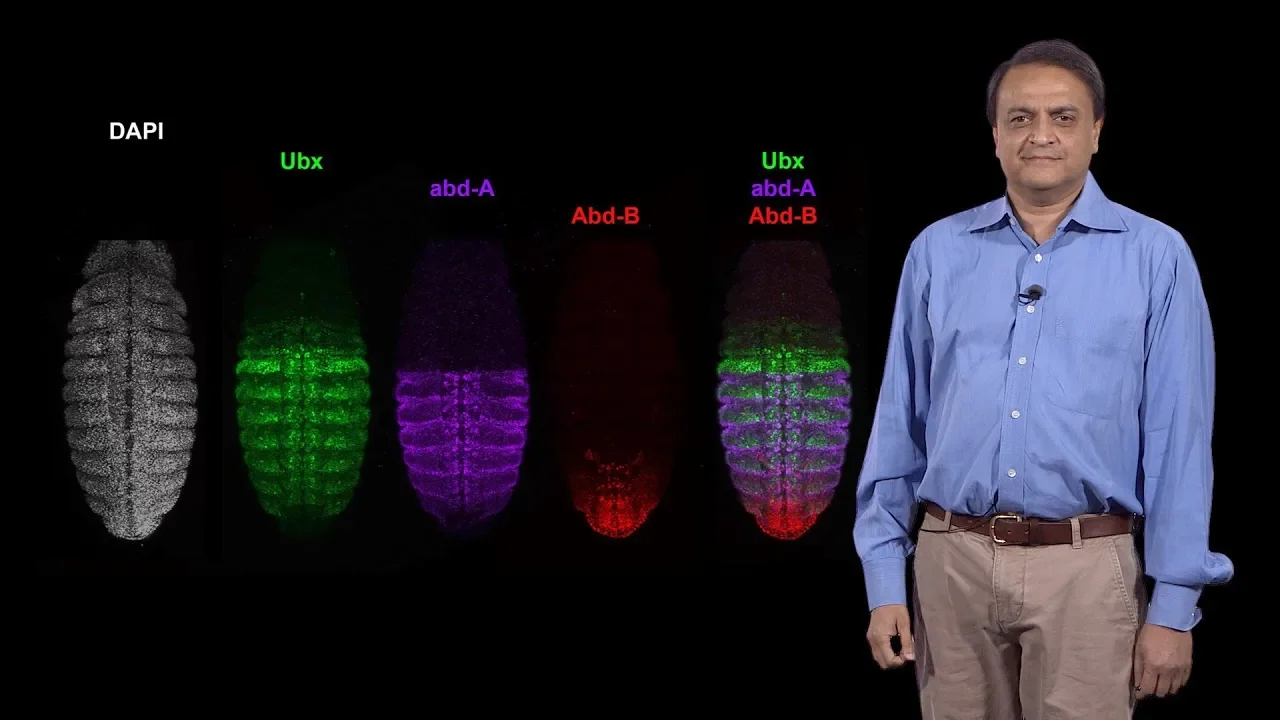
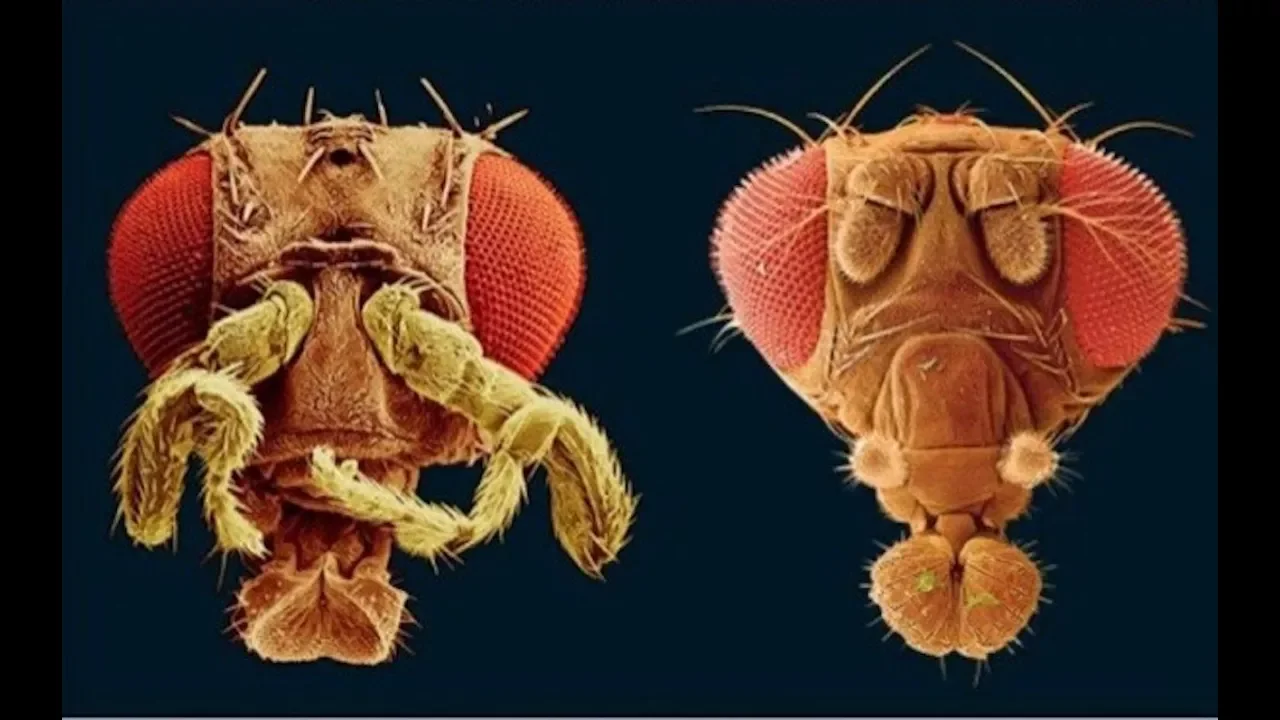
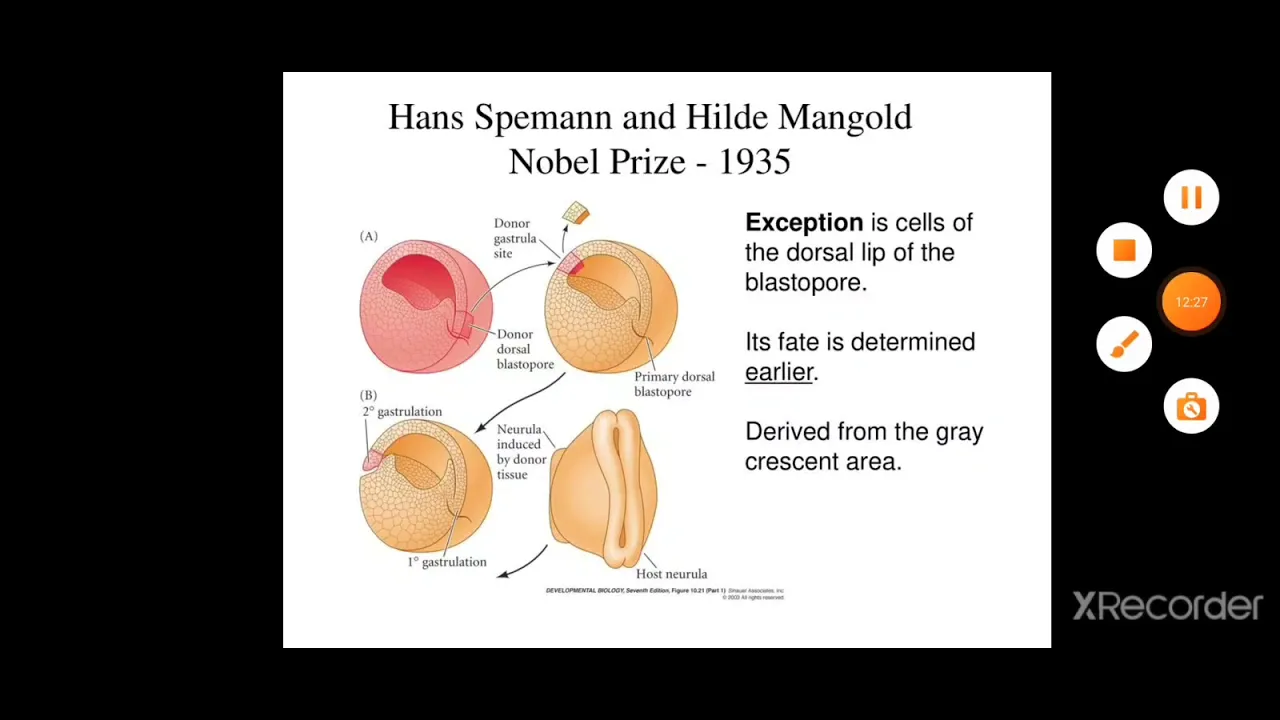
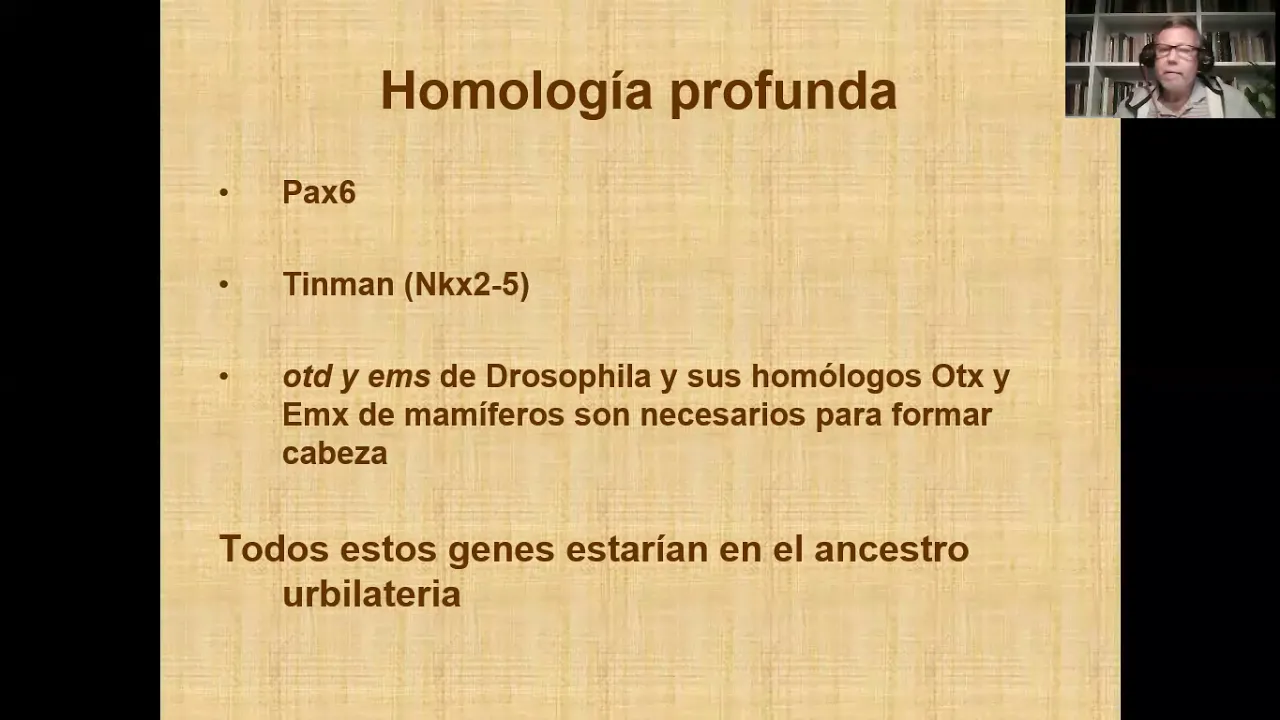
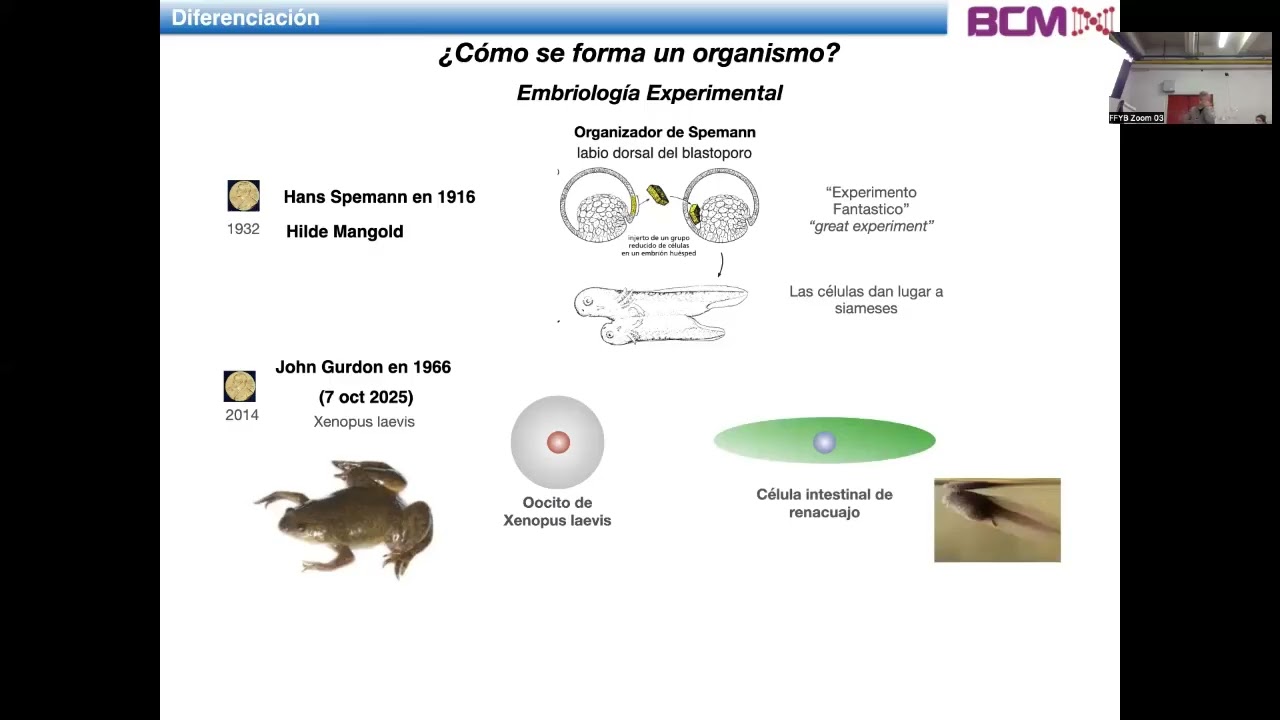
Added:and uh thank you all for uh being here today uh to participate and for your participation at the stb as well as this awards uh session uh it gives me absolutely great pleasure to be able to uh um bestow on behalf of the society for developmental biology the lifetime achievement award uh to our friend and colleague dr eddie de roberts i would like to share um my screen presently so i can show you something very quickly um hopefully you can see this um so this is what the actual um trophy looks like uh i i wish i could give you this in person eddie but uh you will be getting this in the mail at some point i presume but i just want to um provide you with a little bit of a of a story and history perhaps of uh what it's like to be a member of the society for developmental biology i have to say that i first met eddie uh when i was a undergraduate student in 1981 but i did not meet him in person i just didn't know that i was going to meet him in person but i met him through this particular book it's a book that he and his father wrote this is probably the 10th edition this is my own copy from 1981 and it was an introduction to me in spanish to the fields of molecular and silver biology i have to remember this is in venezuela 1981 i spoke no english so this was kind of like my window into understanding the complexities and the inherent beauty that there is uh instilling the molecular and solar basis of temporal transformations of tissues and cells and all and so um it's remarkable when i think about it that today i would be actually presenting this award to edit and it's hard to imagine in 1981 that that would be happening today in 2021 uh but let me tell you a little bit about eddie eddie was born in cambridge massachusetts um he was born there because his father was doing possible training at mit and then after uh his father concluded his work at mit they moved back to uh south america uh eddie uh received his an md and phd from ui as well as uh as argentina from the law institute and he did post total training with john gurdon as well as moved from john garnisa lab to basil to uh take hold of his first um independent position at the university of basel uh the one thing that i want to bring to people's attention because this is something that is usually not uh readily uh associated with eddie is that um i i believe that eddie's uh working 1984 uh with along with his colleague at the time uh the late wilton gearing of isolating the first uh vertebrate developmentally controlled gene which we now call a hulk c6 was really probably one of the most influential findings in embryology at the time it was because it helped provide for the first time i think unambiguous evidence that evolutionarily conserved mechanisms we're actually controlling embryonic patterning across a broad number of organisms out there so um in short you know i think eddie's work uh has shown that the patterning of all known balaterian organisms occurs via conservative elemental pathways this is something that we now take for granted but if something wasn't entirely certain uh just a few a decade a half ago that it would actually be the case today beyond being an extraordinary scientist eddie has also been a terrific mentor to both members of his lab as well as members outside of his lab particularly many of us in the developmental biology community and without eddie i just want to congratulate you and wish you the very best and very much looking forward to your presentation thank you thank you very much let me share my screen thank you so much alejandro and i would like to thank oh i would like to thank the sdb for this lifetime award which means more to me more than you can even imagine because this is my society this is what i have done all my life so it validates a life with the embryo so i will tell you what got me here just first from the hox genes to stream an organizer but then how the importance of the cordon gradient how does that tell us about the embryo regeneration and especially about avodavo and i would like to end in some unpublished work that relate lysosomes to the early wind signal in our view wind is a cell biological signal of great importance and to get here you first need to have the best mentor possible which i did most of you know john garden and after six years with him at age 33 i was appointed full professor in basel switzerland where i completed really my education with my colleague walter gehring just one of the greatest developmental biologists and there we did this important experiment which was just mentioned the first ox gene cloned from a vertebrate in a collaboration and at the time no one imagined that a fly would develop similarly to a vertebrate so it was a wonderful moment and that may gave me more lift and i got an offer from the university of california in los angeles which see which for an endowed chair and so in 1985 we moved to los angeles and we're still there in the same place and there our work took a different turn we studied the most famous experiment in embryology which is the experiment done by suprema mangold in 1924 and what they did here repeated by me what they did was to transplant the dorsal lip of the blastopores which is this region where gastrulation starts and transplant it into the ventral side of a recipient embryo i show this movie because i learned how to do this procedure from a movie so i think that maybe you know maybe other people can learn it too so i keep on showing it you can do this free hand and you take a hole in the embryo and you put your graft within it then you give it a little push and a push and within an hour the embryo heals almost miraculously and two days later you get an embryo which has a second axis in which the transplant gives the notochord mostly but the brain the eye the cement gland the somites are all induced in the neighboring tissue so this was the discovery in 1924 of embryonic induction and spayman received the nobel prize in 1935 for this but there was nothing much that could be done until in the 90s molecular biology became practical and a number of groups tried to look at what were the genes that were had this incredible inductive activity and we first isolated a homeobox chain that marked the organizer and then many secreted genes were isolated these are bmp antagonists this is a nodal antagonist all of these are wind antagonists of which the one that we're going to talk today is cordon which is at the nerve center of the spayman organizer it is expressed in regions which when transplanted have activity as organizer when you deplete the the this gene the organizer loses its inductive activity and the this is the rna but the protein diffuses in the embryo where it acts as an antagonist of bmps and this gene was cloned by yoshiki sasai who gave me cordon and is the same person that gave all of you organoids so he was a great developmental biologist and as the years went on we realized that it was not just gordon but also there were other genes in the opposite pole of the embryo that were part of a network of interacting extracellular proteins like this one called sizzles and this network has on the dorsal side bmps that are made dorsally together with cord and they're neutralized they flow to the ventral where they'll then cleave by a metalloproteinase called toloid and toloid will cleave this complex release active bmp get to peak bmp signaling and then allow the transcription of more toloid in the transcription of sizzle which turns out is an inhibitor of toloid safrin a cartoon shape you see that cordon is a large protein with bmp binding modules with binds bmp and toloid is this little scissors that cut them in two in the particular places which we identified and together with a cofactor called twisted gastronation bmp can then diffuse and bind and signal through its receptors but on the eventual side toloid might be confronted with sizzle and it will recognize sizzle and will try to cut it but it cannot cut it so sizzle is a classical enzyme competitive inhibitor for toloid and from this cycle then you get this constant gradient formation of bmp we have been able to visualize the coordinate gradient in from the dorsal of the embryo it forms of quite the protein now with an antibody to all the way to the ventral this is a very long way in this case two millimeters from here to here and the most of the cordon is found in a narrow extracellular matrix or signaling highway that separates the ectoderm from the mesoderm the ectoderm from the messenger called brushes cleft and synapse and also the endoderm so from here you can create a gradient that will pattern both the ectoderm and the mesoderm so that you get a coordinate development of the germ layers in the embryo with respect to a gradient of bmp signaling which is the reverse of the coordinate gradient and we've done experiments to show that all this is driven by the degradation of cord and by toloid which is the key part of this now understanding this gradient of cordon has many advantages it helped us understand for example a very old experiment in which the frog embryo has a is less pigmented on the dorsal than on the ventral but you can take a blastula and cut it in half before the organizer is formed and this from this half embryo you're going to get the ultimate regeneration you're going to regenerate from half the whole of the missing half in the other case also the whole of the missing half both come from the same egg these two so how can that be that you get this amazing regeneration when you cut the embryo you create this enormous wound in the embryo and yukimuriyama found that what happens is there's a healing so that this the dorsal side less pigmented will come to lie next to the old ventral side and then from the opposition of this high ventral with this high dorsal the organizer will be formed at a 90 degrees displacement so instead it's going to be displaced and there it's going to the dorsal lip is going to involute so so that instead of forming in this regular region where you would have expected really it goes 90 degrees then involutes and then creates the right side and the left side of the embryo with the high bmp region on the opposite side of where chordin is formed so that for it's uh this is published and it's quite interesting how do you make a twin out of a single egg and also knowing cordon allows us to understand things about evolution probably so darcy thompson in a classical book a hundred years ago wondered why does the puffer fish which is in fact a close relative of the sunfish why do their body shapes look so different there must be some underlying mechanism so here to celebrate his centennial i did this experiment of injecting sizzled morpholino only on the ventral side of the embryo which is more pigmented this is the less pigmented so if you decrease sizzle you're going to get more tolerant you're going to get less cordon you're going to get more bnp you get more bnp you're going to get more ventral sterile tissue and since we only injected the ventral side the head remains the way the same so the head is normal the posterior ventral is expanded so you could argue well maybe it's a change like this you could say oh that is maybe you know an exaggeration but it turns out the experiment has been done by nature and kenya ota in taiwan has found that you know the twin-tailed goldfish which has been kept for hundreds of years by aquaculture that it's a it's a very uh uh old mutation i had them when i was a child and a fishbowl they've been kept because the cordon mutants they like to swim in a fishbowl but if i want you to see that the shape of the body is completely different from one goldfish to the other so then this tells you that corden is a morphogenetic protein that makes morphology so it's a makes morphology of the adult body plan and of the embryo and this turned out to be quite important because what we found in the frog about cordon and toloid and bmp has been found also to be true in many other organisms for example in the fruit fly where cordon is called sog and the bmp is called dpp and then in many animals but interestingly even in the cnidarians techno has found that during the formation of the blastopore in the in the sea anemone you have a patch of cordon and dpp this diffuses through the embryo where toloid will cut the cordon and will release so that there is a gradient of bmp with the maximal opposing the place of where you have cordon therefore in the vast majority not all but the vast majority of the bilateral animals the cordon tolerate bmp pathway is a molecular machine used to establish a diffusion gradient that spans the entire animal embryo so this is an ancient patterning system and in 1996 a long time ago for most of you got the good idea with sasai to write a review in nature where we proposed that the or primeval bilateral animal unbilateria was an animal of great genetic complexity that gave rise to all the protostomes and all the deuterostomes and it contained the cordon tolerate bmp and it contained the hox genes in the anterior posterior axis so what i would like to tell you today is not only that this animal living in the bottom of the sewers complex it also had a planktonic larval form shown here as a larva for an anilid which is characterized by two ciliaros that beat in opposing directions an apical tuft and an ocelus a little eye so this would be like for us for um anilid but the similar larvae are also seen in hemichordates and in sea cucumbers that are deuterostomes so probably this was a very had a complex life cycle as life cycle in the bottom of the sea and how unlikely is that from this creature all the animals came through evolutionary changes in these development control genes that are still used today so with that i would now like to tell you about unpublished work of that we're doing in those wind signal because cordon is turned on by earlier gradients of which the first one is this gradient of by wind and what we found a number of years ago is that during wind signaling this is when through its receptors it's very important for this the receptor complex that contains an enzyme called gsk3 and adapter called axon to become sequestered inside multivesicular bodies so now as part of the normal membrane trafficking you have this outside inside the vesicle formation by these escort proteins it produces the sequestration of active gsk3 from the cytosol into these organelles and this causes protein stabilization by decreasing cytosolic phosphorylation of phosphodigrams that normally are required for protein degradation the most famous one is beta catheter which becomes stabilized and explains all the transcriptional activities of wind but there is much more to gsk3 than just well so that the inhibition of gsk3 than just beta-gatin because 20 of the human proteome we found has three or more gsk3 sites in a row and this explains the stabilization of many proteins in a process that is now called wind stop and it's part of the wind field so what we found more recently in these two papers here is that when wind signals it triggers a process called macropinocytosis usually it used to be called pinocytosis or cell drinking it triggers the the local inhibition of gsk3 triggers the formation of actin lamellipodia that engulfs microns vesicles that are microns in size that will sequester the many proteins from the outside and take the receptors into the multivesicular bodies and into the lysosomes so that now proteins that are on the outside will go into the lysosome there will be very important and big nutritional changes so i'll illustrate that with the uptake of bovine serum albumin into a group of cells these are 3t3 cells and they're put with a bovine serum albumin for 30 minutes and you see that without wind there there is very little uptake but with wind there the bsa is taking up and this is not just any old bsa this is uh cleaved because this is a derivative which fluoresces when it is cleaved in the lysosome so these are active lysosomes and we've shown that the lysosomes when you put wind become much more acid the lysosomal proteases such as cathepsin d become activated and there are big metabolic changes in the amount numbers the types of amino acids that then are digested from these lysosomes and importantly all these changes don't need any transcription or no well sorry no translation of new proteins because they take place in cyclohexamine and they take place almost instantaneously so in our view wind is a regulator of membrane trafficking and that's a very important part of its biology not so it's not all beta-gatine so this now what about the embryo and so here are 64 cell embryos stained with sir lysosome which is a reagent that stains the active form of cathepsin d so you can barely see that there is an enrichment on the dorsal side of lys active lysosomes as opposed to inactive lysosomes but if we inject wind eight mrna into the vegetal pole of the embryo you see the dorsal side which is less pigmented the dorsal side has a large amount a large increase in the amount of active lysosomes this embryo will be then dorsalized if you let it grow and in fact if we inject lithium chloride lithium chloride is a wind mimic because it's an inhibitor of gsk3 and then you see that then wind sorry that lithium chloride also produces a large increase in gsk in in lysosomal activity so we think that these early stages of development this formation of micro of lysosomes this is an activation of lysosomes is very important in the wind signaling and in the embryonic patterning so this reminded us that now i'm going to tell you about the work of nidia tejida [Music] as was the previous slide that we knew that there's a and chloroquine is a drug that alkalinizes a weak base alkalinizes lysosomes and blocks wind at high concentrations but at low concentrations it allows the formation of these intraluminal vesicles of the mbvs each of these little vesicles is has been formed by the escort machinery you see here and so it turns out that at low chloroquine concentrations wind can be two to three times more active but you know there's this topical drug now called hydroxychloroquine and nydia found that is much more effective than chloroquine at inducing activity of beta-catenin in a wind assay in hela cells so this is with wind but with plus hydroxychloroquine it goes up in this case at this concentration 34 times and this of course requires wind because if you put hydroxychloroquine alone it doesn't have any effect the hydroxychloroquine and we do it if you do it with lithium it's the same thing it increases over here only by six five six point five percent but hydroxychloroquine alone doesn't do anything and in the embryo this effect of hydroxychloroquine on increasing wind signaling is quite spectacular because we can inject four nanoliters of lithium chloride at 300 millimolar into the ventral side of the embryo and we you can see that no you get a slightly dorsalized embryo big cement gland big eye big head but if we put hydroxychloroquine between 1 and 10 millimolar and it will form a radial embryo with a radial cement gland a radial eye a radial blaster board this means that it has a radial [Music] um a radial uh organizer and this requires this process for example of macropinocytosis well there is an inhibitor of micropinocytosis called ipa so if we co-inject lithium hydroxyproline and inhibit micropinocytosis all this goes away and if i have a regular embryo an eyepalone or hydroxychloroquine alone is without effect we can get the same things if we block the formation of of multivesicular bodies with hrs morpholino so then what we have is then first that hydroxychloroquine might be working through the increase of wind not through the inhibition of the lysosome but more importantly we feel that the lysosomes early on in development must be very important in the early win beta-gatinean signal which is the dorsal determinant in the frog which is so important and i expect to devote the rest of my scientific life to try to study this cell biological properties of the egg and their lysosomes with that i come to the end of my talk and i would like to thank the frog embryo which so good to me and my many colleagues throughout the years that have been also so good to me and my present group people that are working with me now and i will leave you with these thoughts but in particular i what i want to do is to thank again the society of developmental biology for this extraordinary recognition i am very happy to have received it thank you my peers so much
Up Next

Neurulation Explained: Formation of the Nervous System
@AKLECTURES
295.2K views•2014-12-09
Bacterial Communication: Quorum Sensing and Biofilm Formation Explained
@JHUAAP
12.6K views•2011-06-28

Enteric Nervous System Explained: The Gut's Brain | Neurobiology Lecture
@alumniu6029
438 views•2018-09-12

Bacteriophages: Earth's Deadliest Killers and Future Antibiotics
@kurzgesagt
34.6M views•2018-05-13
Related Study Plans & Knowledge Roadmaps
Structured learning paths in Biology