















![Advances in adjunctive treatments for PTSD [Complete version]](https://i.ytimg.com/vi_webp/OhBmN_PwJAA/maxresdefault.webp)





Fear extinction is the brain's process of learning new, safer associations to counteract fear responses, rather than unlearning them; it involves the prefrontal cortex regulating the amygdala's fear response through mindful exposure to feared stimuli, which activates dopamine to reinforce new safety memories and weaken old fear associations over time.
How Fear Extinction Rewires the Brain to Reduce Anxiety
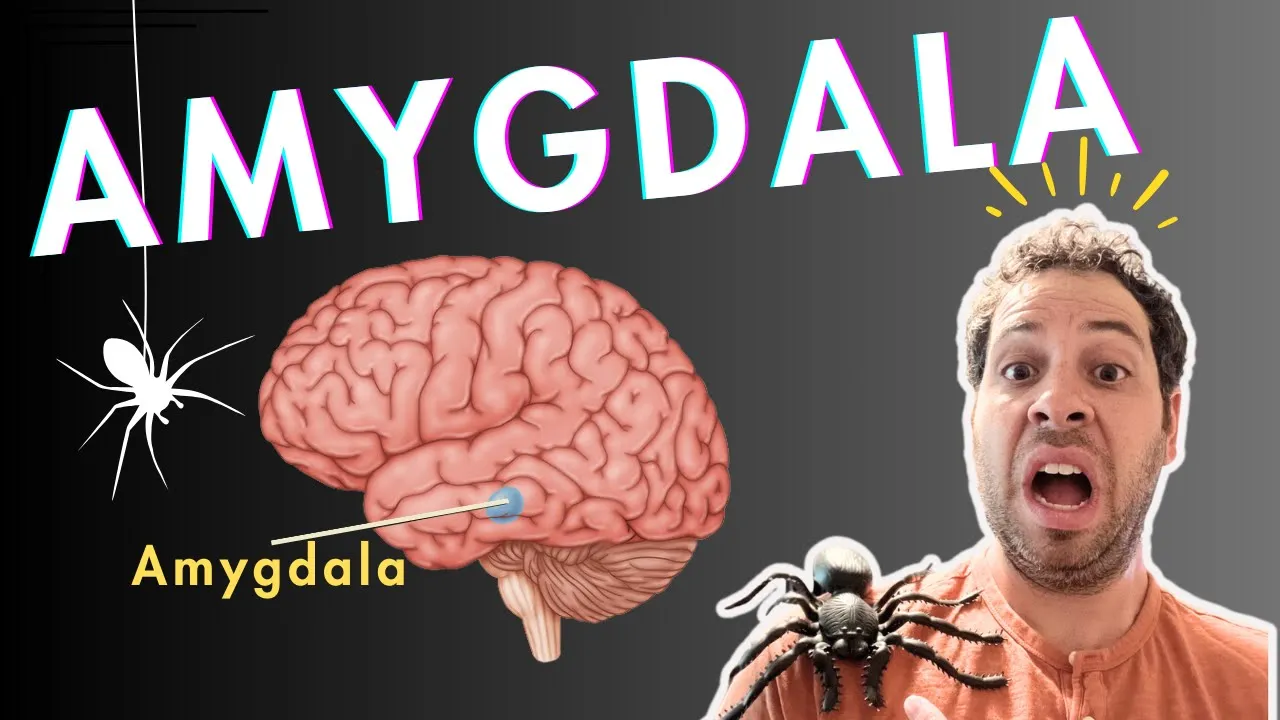
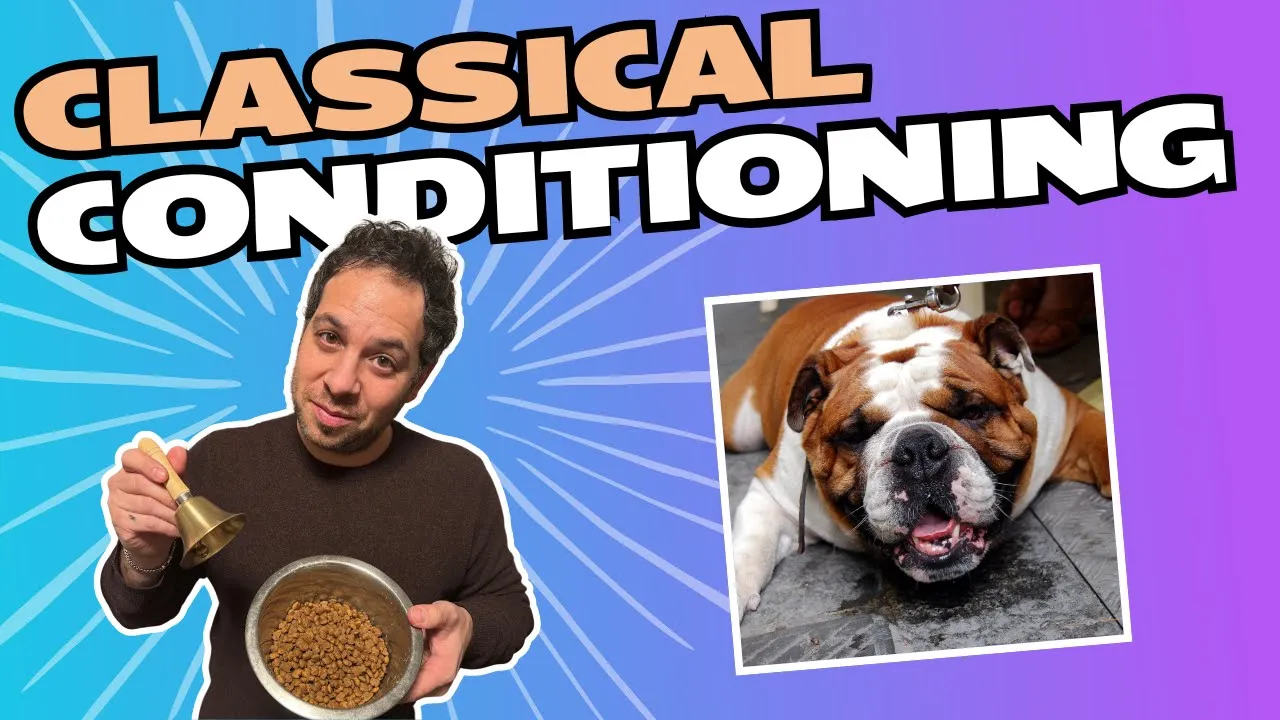
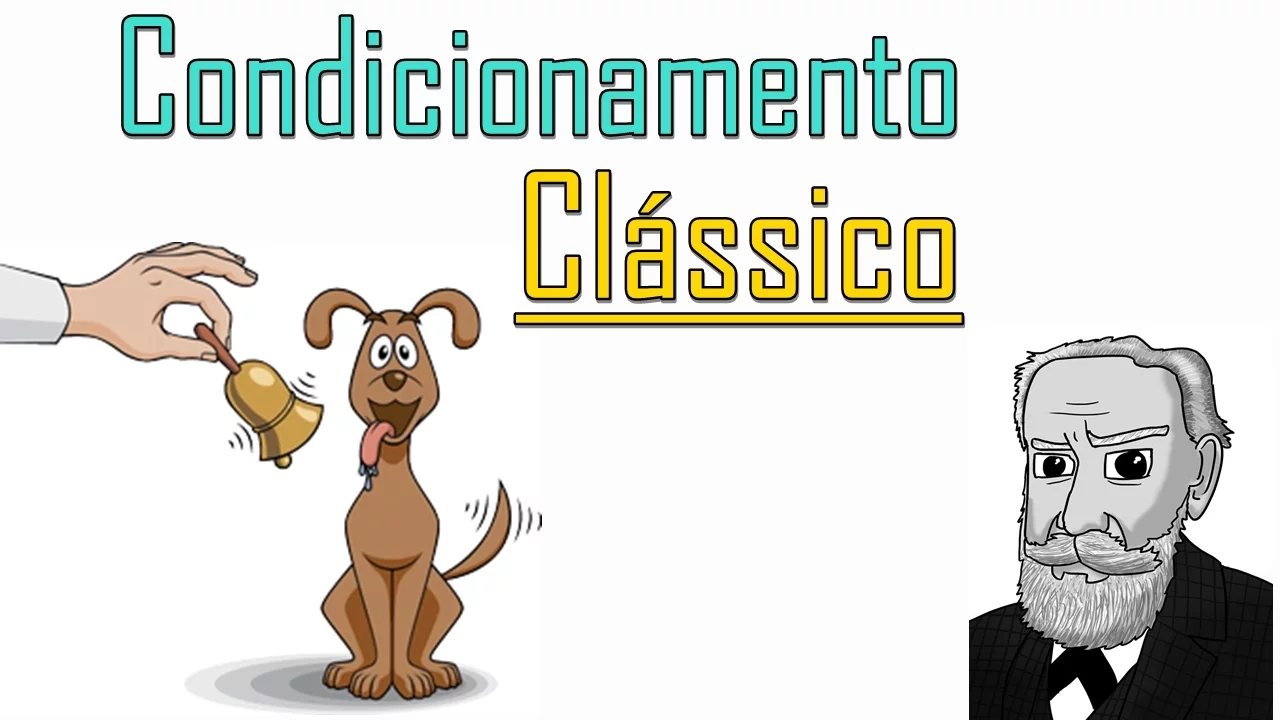
Added:Fundamentals of Classical Conditioning (Pavlovian learning), specifically how conditioned stimuli pair with unconditioned stimuli to evoke fear responses.
Basic neuroanatomy of the threat-response system, focusing on the cooperative roles of the amygdala, prefrontal cortex, and hippocampus.
The concept of neuroplasticity, or how synaptic connections in the brain structurally and functionally adapt in response to new experiences.
The physiological mechanics of the stress response, including how anxiety manifests physically and neurologically.
Clinical applications of extinction learning, such as Exposure Therapy and Cognitive Behavioral Therapy (CBT) for treating PTSD and phobias.
The phenomena of spontaneous recovery, renewal, and reinstatement, which explain why extinguished fears can sometimes return and how relapse is managed.
Pharmacological interventions that facilitate fear extinction, including the study of cognitive enhancers like D-cycloserine and beta-blockers.
Advanced neurocircuitry of safety learning, specifically the inhibitory control exerted by the ventromedial prefrontal cortex (vmPFC) over the amygdala.
1.5K views45likes34:56Original Release: 2022-03-08
[Music] hello hello and welcome to another episode where i'm continuing along our journey deep diving into anxiety today i'm still talking about how we can make our brain more resistant to anxiety and specifically through fear extinction before i jump into that i do need to talk about fear learning first because when we experience a situation that triggers fear we learn to associate that fear with the context and the conditions around it this is really important for us to understand um because it is a survival mechanism that whole process helped us survive to get to where we are today in cavemen days if we saw a danger you know maybe we're going to a certain watering hole and there were danger dangerous animals predators there you know at dusk we learned really fast to not go back to that watering hole at dusk right we might go check it out a few more times but if we see that pattern we really start to be cautious around other watering holes as well so we're cautious around that one especially at certain times maybe that one completely at any time but then we start you know being more careful especially if something happened that was traumatizing at a watering hole so our middle it takes in that information and it lays down a memory for us to use later because remember that hippocampus is right next to the amygdala so something happens it takes all that information lays down in memory so that we remember it so that we can be safe in the future and as part of that process the dopamine is triggered so that dopamine is important to help solidify that memory and that dopamine reinforces our behavior so in this case maybe it's to run away to make sure that we we're safe so our brain is like we need to do that again because that's what made us survive you know putting your hand on a fire you immediately pull it away dopamine's now firing to say yes definitely pull your hand away if there's something hot dopamine it's so important for reward learning and for motivation we've we've talked a lot about dopamine you probably have heard a lot about dopamine just it's our motivation right to do anything but it's really important when we're talking about anxiety it's what drives behaviors a very easy example is eating a piece of cake maybe we've had a stressful day we eat a piece of cake our dopamine kicks in and it tells our brain this is awesome and that's also survival mechanism because back in caveman days when food was scarce anything sweet and anything fatty the brain was like this is awesome because it meant we were gonna survive and so we would always look for more sweet fatty things it's a problem now in today's society where food isn't scarce but our brain hasn't changed in you know 10 000 years and so we are still thinking this is awesome when we eat some cake and so then it increases that likelihood that we're going to eat a cake again in the future and if we've created this habit of stress cake feel better we start to create this loop this habit loop and we get temporary relief even though it's only temporary that's enough because it kicks in that dopamine it's laying down that memory and teaching the brain hey avoiding stuff over here feels good and eating this cake when i'm stressed feels good even though it's only temporary our brain doesn't want to see that it's only temporary but in that moment it's enough to increase the likelihood that that's going to happen again so if we're worried about school if we're feeling sick you know we want to stay home and we get to stay home because now mom's like oh my gosh you're sick you shouldn't go to school now it's nice and cozy and it's safe major rewards are happening in the brain or like my little guy i think i've talked about him before you know i was doing an assessment little guy came in from recess and i said kate now we're gonna do some writing and he's like oh no i'm anxious when i have to write so when i'm anxious i get to go sit with the secretary like dude you just came in from recess you don't need to go sit with the secretary we're gonna do some writing of course he's gonna feel fantastic being with the secretary he's got a sucker in a drawer nice little cozy seat for him he doesn't have to write so we're reinforcing that behavior because the brain is you know getting this big reward of hey sugar someone i love get to avoid the uncomfortable thing we create this anxiety loop and so that's why we fall into a lot of those traps that i've talked about in previous episodes too so we know from an evolutionary standpoint we you know we have to cope with threats in our environment to survive but in today's society this fear learning it can be hugely problematic before it was for survival now it's actually killing us so i shared an example in previous episode where my daughter had had a bad dentist visit so it wasn't just the dentist that she became fearful of and it wasn't just if she had to get you know initially was she had to get a tooth pulled and so it was the needle and then the tooth pulling but then it became the dentist and the chair and his whole office and then the whole neighborhood this is fear learning where kids learn to be scared or worried about things and it's not usually just the one thing it's all of the information and all of the context around it and if she you know we happen to have been playing a particular song the first day she had a really bad experience with the dentist or right after now that song could be part of that fear context so these fear responses they're very reflexive meaning we have no control over it it just happens automatically but we do have these neural networks that help us determine if the threat is actually a threat or totally irrelevant and so i was kind of talking about that last time our prefrontal cortex it's its job really is to say wait a second amygdala this neighborhood this mcdonald's that happens to be next to the dentist has nothing to do with the dentist it's safe right so the neighborhood of where the dentist is is totally irrelevant our brain should be able to pick up on that but for our anxious kiddos those anxiety disorders i mean really anxiety disorders if we look at them they're developed and maintained because that brain network responsible to help us manage anxiety and to extinguish that fear even just emotion regulation in general that part of the brain it's not working and that's why anxiety disorders develop because that part of the brain isn't working and so that's why they have such big emotions and big reactions to the smallest of things and they can't think rationally later they probably can but not when their amygdala is taken over so we really need to understand that brain to get to the heart of anxiety and so that's why i went over the brain several episodes ago around you know 15 episodes 15 through 18 is when i went through the brain and so that's why it's really important to understand the brain to know what's going on um i just want to talk about one more piece of fear learning too when a kid is faced with something scary all the sensory input is combined together to form one single context and that's associated with fear and those memories are laid down so even though all of this information is being taken in it's forming one context fear-based context so that includes everything that's happening in the environment but also everything that's happening internally like in the body and there's likely things that we're not even aware of right like i said it could be music faintly playing in the background it could be the smell of something in the air you know it could be anything and so that's why fear learning it generalizes so quickly because so many pieces of information are brought together and combined together and so it can be really tricky to pull it out that's why we don't ask why who knows why there's so many pieces of information that were combined together to create that fear so you know this is contextual fear learning and it's so automatic and and only one experience is enough to really entrench that learning unfortunately so it becomes really hard to disentangle and it makes everything so irrational because there's no direct cause and effect the brain just works in funny ways like that so although fear learning happens so quickly and it's generalized so easily our brains are amazing and they can be changed and so that's what we're talking about in this little section this you know different parts that i'm talking about rewiring the brain so we want to ensure that we're addressing that underlying dysfunction in the brain that leads to anxiety right so it's that prefrontal cortex getting it back online faster making it less startled so it can really take in all the information and make a rational judgment about what's going on not through talking not through trying to think our way calm that's not gonna work we have to change our brain pathways through neuron neuron activity and the way we do that through you know change the neuron activity and change those brain pathways is through fear extinction so fear extinction that allows us to control and to stop all of those you know startled fear responses that can lead to anxiety so some you know what will refer to fear extinction is unlearning anxiety but i don't really like that i do talk about it we're still looking you know a better language but essentially it's just important to know we don't really unlearn we just respond in more helpful ways to anxiety because we can't our brain doesn't work in subtraction it only works in addition so we have to learn new stories we learn that we are safe and that our fear response will fade away because we are learning those new stories those new associations with our worries and so they counteract the old anxiety association so like for example for me dogs are dangerous i'm still a little bit hesitant when i see a german shepherd especially running wild towards me barking or even just any dog barking running towards me i still have a little fear right so i haven't unlearned that but i've got lots of news stories to tell me oh if he's running towards me with his tongue hanging out and his tail wagging he wants to play he wants to say hello right so i'm learning new things to help my so my prefrontal cortex can be like whoa wait a second amygdala i'm actually safe this dog just wants to come play with me that's really important when we look back in history it was pavlov who really first described extinction and and he was talking about well if you if you know him he had so many famous experiments which he trained dogs to associate a bell with a good reward um and so he would literally you know ring a bell and then food would be there right away and dogs would be you know just watering at the mouth because they want this food so they learn the association that bell means food and soon even without any food they were started to salivate just by hearing that bell but they can also unlearn that association as well but learning it like i said just having the belt was enough they don't need to see it they don't don't need to smell the food or anything just hearing that bell was enough but the association it's not permanent and they did eventually stop responding so their response was extinguished it became extinct once he stopped presenting the food with the bell so they were able in that situation to realize hey so it's not so much unlearning the association to realize hey the bell isn't necessarily what caused the food for example so when we look at fear extinction this is an active process so it's really involving activity in that prefrontal cortex which remember is responsible for telling the amygdala to calm down it's not a big deal it decreases that fear response and it regulates the amygdala's activity that's the job of the prefrontal cortex now in a previous episode i talked about how fear unlearning is a lot harder than fear learning so it does take time because remember fear learning takes all of that information lots of different pieces of information brings it together and generalizes very fast whereas to unlearn it you know with little albert for example he had to unlearn every single thing that he became scared of even though it only took one thing for him to be scared of everything so i do want to say it's not actually like i said unlearning because our brain works in addition so we're not erasing it we're not getting rid of the original memory the fear memory you know it's just about new learning and so with new learning i can learn dogs are pretty safe they're pretty cool we know anxiety doesn't get better on its own and kids don't simply outgrow anxiety and that's because that amygdala lays down these emotional memories that are extremely powerful and they're very very long lasting those memories can become so entrenched become so easily activated that they're almost resistant to becoming forgotten and unfortunately you know if we keep worrying we're releasing cortisol and we know chronic cortisol that can damage the brain right and especially the brain cells in the areas that support learning and so that means that that memory piece memory formation is affected so it's harder to learn new memories and new stories and so our anxious children they tend to engage in anxious behaviors that impair their ability to learn and that's just making anxiety stronger and stronger so we know that fear learning it can happen really easily and at a very young age i mean i was a baby when i was bit by a dog and i learned very fast that dogs are dangerous so that early fear learning it can have a major impact on the physical and mental well-being of children so understanding this unlearning process is really important uh just so that we know early intervention is important we don't want to wait they don't outgrow it we know anxiety actually gets worse over time now i also talked about how i'm learning fear is fundamentally different process from fear learning like i said it takes way more time way more effort to unlearn those worries than to learn them in the first place but let's dig into that because we can still rewire the brain our brain is amazing it can be rewired um so that it loosens its hold on those worries and we can strengthen the prefrontal cortex now i did talk last week about how we can start engaging in the unlearning process i keep talking and learning but it's the fear extinction through mindfulness by being fully present our prefrontal cortex has the opportunity to see the full situation for what it is and stay online to learn and say hey anxiety's not helping me in the moment me freaking out is not helping me me avoiding this situation is not helping me me eating this whole bag of cookies is not helping me and i'm going to talk more about that in the future but that's essentially where mindfulness comes in right but today i want to shift i already talked a little bit about mindfulness i really want to talk more about the extinction learning so learning new stories that are going to counteract that negative fear response to specific stimuli so it could be animals or spiders or heights or social situations here we need to show our brain that these scary things are manageable and there are different things and i will talk in future episodes just about things that maybe aren't so tangible it's just fears of the future or jinxing or you know things that we don't have any control over or even just feelings in our body we might not even have specific thoughts so i will talk about that in future but for right now we're talking about those kind of tangible things and even untangible but things like you know monsters under the bed for example so this is really where we get into exposure therapy where the focus is on learning new things we're reappraising the situation so children are exposed to their fears so being left alone in the dark for example until that fear response is loosening its holes and the prefrontal cortex can be like whoa whoa whoa not a big deal so for exposure to work the amygdala has to be activated for learning to occur that's so important and i think it's a piece that a trap that we maybe fall into because we want kids to feel good we don't want them to feel anxious especially if we're professionals working with them we don't want to make them more anxious we want them to feel better the problem is if they're feeling good and the amygdala is not activated there's no rewiring the brain it's got to be turned on to be able to do anything that amygdala it learns through anxiety and so for the brain to form new memories and and to learn safety you know we are safe dogs are safe the world is safe obviously that part of the brain needs to be awake and so that's the amygdala it needs to be awake to be able to learn that new story so therefore there's got to be some anxiety kids have got to get uncomfortable they need to feel anxious it's really important that they understand that because and why because there's been times where you know we're doing something and i remember my early days i would do some exposure therapy and then i'd be like whoa whoa wait wait wait do you know why we're doing this i'm like because you're mean no or parents like i coach parents to do it and then the kids like why are you being so mean and they just think everybody's mean and the world isn't more unsafe whoa whoa we're not gonna rewire the brain if that's happening so it's really important that they understand why they gotta be anxious we gotta have that little guy in your brain awake so that he knows to be able to learn just think if you're in a classroom sleeping would you be able to learn the math that the teacher's trying to teach you no there's no way learning's happening so it's really important that they understand that for them to learn it it has to be awake and so when we feel uncomfortable that's fantastic we can already say this is a new way to change how we are reacting to that anxiety we can be like yes that means i've got the amygdala's full attention it is watching it is alert this is a great opportunity to rewire my brain so just instilling that is almost half the battle because we're changing that reactive sort of response to be like yes opportunity to work on this and for you it's the adult yes great opportunity for for me to work on this with this kiddo that's what we need right to have the ambiguous full attention the only way we're going to have them make those full attention is when we're feeling anxious and so they need to understand that you know the more likely that that they're they're feeling anxious that amygdala is going to be more engaged right and they're going to be more motivated to do the work if they just think that you're being mean and they don't understand why we're doing this they're not going to want you themselves anyways right it's just going to be a bad experience but knowing that this discomfort they feel that means they're gonna learn something new they're gonna make new connections in the brain they're gonna you know become stronger masters over anxiety that's the whole point of this so being mindful of what thoughts and feelings are coming up so staying in the body that's really important and i hope that that's something that you've been working on over this past week lots of little moments staying in the body that's going to be important so they can stay grounded and also make sure that their brain is getting all of the information that it's it needs because that's when anxiety starts it's when we close the brain off to any information and the amygdala takes over fills in all of those gaps with a conspiracy story so by being mindful the brain's getting all of that information to learn this isn't a big deal i'm actually safe we're consciously teaching the brain that our initial predictions were wrong and so by violating those previously held expectations those first predictions that's how we're going to change the brain and our behavior so it's also important when we're looking at this to realize that it's not very rewarding to run away or to have a major freakout or to you know hold my fingers behind my back it's actually not very helpful they gotta realize that's not helping them manage their anxiety and they know that because the next time the situation comes up they're still feeling anxious so if they're doing all of those things and actually oftentimes kids afterwards feel remorse i'm so sorry i freaked out i feel so bad that i said those things or oh man i'm such a baby why could everybody else do it and i freaked out right afterwards they see that that anxiety or those behaviors didn't actually help them just in the moment they're caught they're blinded and sucked into that cult to think that it's going to help them so you know it's just realizing that's actually making anxiety stronger by doing those things so knowing exactly what's happening in the brain what's happening in the body that's really important to help with learning of course you feel like you're going to have a heart attack kiddo that makes sense because this is what your body's trying to do to protect yourself that makes sense if you think that this is going to be so embarrassing everybody's going to laugh at you and you're going to have no friends dude that makes sense because if you were a caveman who didn't have any friends probably wouldn't last very long so of course you feel that way so providing those explanations for those anxious feelings of course you feel that way it really helps normalize it and and they realize that all that mystery's gone because i know exactly what's happening for me now a key part of all this it's not just about learning those new stories like dogs are safe but we also want to make sure we're activating that dopamine system and then remember the dopamine is the motivation that's a key ingredient to teaching our brain because it helps the dopamine helps lay down those new memories it helps with learning and it helps to really reinforce hey it's good not to avoid in the moment it's good for me to stick my neck out there and try something new this is better than expected i'm learning something that's really important so we know that that activity of the dopamine that really represents you know the the the more activity right the degree to which the outcomes are better or worse than expected so what i mean is lots of dopamine we've got lots of those neurons with dopamine it's increasing their firing to rewards that are either unexpected or better than expected and that's what's going to drive reinforcement learning you've probably had this experience where you had a really difficult situation maybe it was a hard conversation that you had to have with someone you feel like you can't talk you're going to throw up there's pressure on your chest it just feels awful but when you go and have the conversation you feel so much better and lighter and closer and connected with the other person not always but we usually feel better afterwards i'm sure you have experiences so we want to draw on that for kids right the first time they were no no no no no it's too scary scary scary and then they're like yes i did it it was the best thing ever right those are the experiences that we want to tap on in in getting them to see the difference of no no no no no no no no that contraction no no no yes i did it and then the expansion so being able to recognize those different feelings so physiologically internally but even our body language all of those things and that's why i talked about a couple of episodes ago that awareness is really helpful so it's really critical that kids can see this discrepancy between what they expected to happen and what actually happened for any new learning to happen so that brain stops predicting danger all the time because that's essentially what it's always doing it's just gonna always predict danger it's those conspiracy stories so that previous association so between a threat and its predictor it's no longer valid so dogs are dangerous and are going to rip my face off the more exposure i have to dogs and really safe and i'm purposely teaching my brain it's not that i'm just gonna go and expose kids to dogs and they're freaking out the whole time you know it doesn't matter if they're there 100 million hours if they're not consciously learning that that association is no longer valid no learning is going to happen so they need to consciously see that there's no association there and we also need to make sure kids are consciously recognizing that this new way of being this new way of responding this new way of behaving expansion going towards bring it i'm up for it yes this discomfort is awesome i'm going to rewire my brain it's actually pretty good it's better than expected and look at how good i feel so being able that's another reason why the mindfulness piece is important tapping into this feels fantastic this feels good i feel so much lighter we want to tap into those good feelings too to show the brain see you are making me feel so uncomfortable but look at how great i feel now so our brain it learns based on those rewards and so we have to make sure the rewards are being known in the first place right it's like yes you got your chocolate bar you're so excited but then you're stressed and you open it up and you eat it all in one bite and you didn't even enjoy it you're not consciously aware of any of that right so we've got to make sure that any new experiences it's a rewarding one that they're consciously aware of they're consciously drawing their attention to those rewards look at how good it feels in my body that relief that release so we can really speed up the process by associating that previously scary situation with a positive experience so they're more likely to engage in the adaptive behaviors again so that's why that dopamine signal it's got to be activated for new learning to occur so we've got to be consciously aware and we've got to have that dopamine firing and the faster that we do that and the more dopamine we've got the faster we're going to reduce that fear response this is called counter conditioning so when our brains are realizing our old way of reacting isn't actually helping it's not really rewarding right and we learn a new response our original fear memory it's sort of buried away right it's just that our normal fear response it's weakened over time because we're integrating new memories we're layering new memories over top and these new memories when it's done right they become stronger and stronger and they're able to suppress those old fear memories from being automatically you know brought to the surface so we don't necessarily unlearn or erase that fear response like i've talked about already but you know there is some evidence we are finding i mean we're always finding out more and more about the brain we're always going to continue learning there is some evidence that erasure can potentially happen over time with targeted practice um so i think that that's actually helpful to know it is way harder as kids get older another reason for um early intervention because if we can get kids early enough we can erase some of those previous memories um and actually there's more and more evidence to you now that i'm on this we know fear memories they might not necessarily be erased for adults but we might be able to unlearn them and erase them when we target children and the younger that they are you know that's another reason why we want to look at that early intervention but we still see relapse and especially with our teens and our adults especially because that fear extinction it's so contextually based so if someone finds themselves in a new situation the old way of responding kicking in so for example with little albert he was initially conditioned to be scared of a white rat but it generalized so quickly that fear learning so it wasn't just the white rat that he was scared of he quickly became scared of santa masks cotton balls fur coats right anything fluffy even though he was never specifically taught those things his brain i just keep using that because it's a good consistent example for us to be able to use so he had to unlearn every single thing but maybe there was something we didn't realize maybe a crumped up tissue and now all of a sudden he's relapsing because he didn't unlearn that so it can really kick in again right and so we got to think about that and over time if we're not maintaining our fear extinction muscle those old ways will start to creep back in so that makes sense right that we can't get rid of our fear response just to case there's real danger we still need to have it and so that's why we're not really unlearning but i think that that's important to remember yes relapse can still happen so even though if a kid is doing good we gotta keep working at it we got a key it's just like a muscle you can't just build muscle get to you know go and do your show competition and then never work out again it just doesn't work that way so that's why the mindfulness piece is so important because when we're mindful it doesn't matter what context we find ourselves in we can fall back into our bodies we can remain present we can take in all of the relevant information and then we can really process rationally should i be worried should i be anxious is this an emergency so it's important to continue practicing that mindfulness all the time so we don't revert back to old habits so we don't necessarily always need to be exposed to things but i gotta say having two dogs is really helpful for me to stay in the habit of knowing that dogs are more butt heads than evil and demons are gonna rip my face off so you know i think that those are pieces but with mindfulness it doesn't matter where you are what the situation is you can always fall back to that now to maximize that exposure effectiveness we really want to ensure that we're violating all of those expected outcomes as much as we can so you know making that learning very conscious it's very explicit you know and we're looking at did your feared outcome happen we want to see if there was a discrepancy and here's the thing even if their worst case scenario did happen the final outcomes they still survived mostly you know i had a little guy who was scared of getting yelled at and maybe he got yelled at but it wasn't just getting yelled at there was some deeper outcome that he was really scared of you know monsters it's not just a monster grabbing it's monster eating us and we die it's usually way more fatal way more severe than just getting yelled at or just getting grabbed and so we really got to figure out what would happen if that happened what would happen if that would happen digging deeper digging deeper digging deeper because that's when we can say okay yeah you got yells yeah you peed your pants yeah you got made fun of sure those bad things happened but did the ultimate outcome did you survive so we're consciously being aware i survived it sucked but i'm still here to live another day the world didn't crumble in on itself right so making sure that we're violating those outcomes very consciously very explicitly we also want to increase variability of the exposure so rather than graded hierarchies or fear ladders we we're gonna maybe start at the top they're our most scariest thing we're gonna use lots of different contexts we're gonna remove any safety behaviors we're gonna combine fear cues so maybe i'm terrified of the dark and dogs and snakes i don't know we whatever we worry about here's the thing if we're gonna combine them all so you know with those three things maybe it's locking me in a dark room with a dog and a snake that i can't see right so that's combining fear cues that can really help deepen the extinction because if i can face all three of those fears at once dude i can fix you know i can handle anything the thing is though we gotta make sure that those fear cues all lead to the same outcome so i'm scared that i'm going to die maybe for example but if i think that the dark is i don't know i'm gonna go crazy and the dog is i'm gonna get my face ripped off and the snake i'm scared i'm going to lose a limb so there's three different outcomes then it's not going to be very effective we want to make sure that if we combine some of those fear cues it has the same sort of outcome that's going to deepen the extinction occasionally reinforcing that extinction is really important because we want our brain is all about rewards so we want to make sure that we're reinforcing that intermittently and we're incorporating retrieval cues so i mean there's lots to think about i am going to leave it there for today because there is so much to go into i do go into even more detail about making resistant to anxiety through fear extinction and how to set up effective exposure therapy sessions in my anxiety compass mastery training program so you can definitely check that out if you want to deep dive into that with me with consultation and you know based on your kiddos there's just so much here you know i do talk high level around exposure therapy in in future episodes as well in this podcast but i can't get too much into the nitty-gritty because there's so many things we need to be very careful about that you really do need guided consultation or supervision unless you're an expert in it already and you know all of the things that you need to do for effective exposure therapy but i just find there's so many easy ways to fall into traps that make it worse and so that's why you know i'm giving you as much as i can but making sure i can't stress enough how important it is to make sure you know what you're doing because we can cause more damage um than good when we're doing that so leave it there for today have a great day help those anxious kiddos be bold and courageous and i'll see you next week [Music]
Up Next
65:59
Emotional Learning & PTSD: Brain Mechanisms Explained
@glucklabrutgersuniversity-9876
604 views•2020-03-28

59:49
Neuroscience and Genetics of PTSD: A Precision Medicine Approach
@UWPBSCI
221 views•2024-05-09

4:10
Vagus Nerve (CN X): Anatomy, Nuclei & Functions Explained
@Alilamedicalmedia
305.2K views•2022-10-31
13:03
How Exercise Benefits Your Brain: Science Explained
@TED
11.4M views•2018-03-21
Related Study Plans & Knowledge Roadmaps
Structured learning paths in Neuroscience
neuroscience
Appetite Regulation: Brain Circuits & Hormones
01Foundations of Endocrinology and Brain Anatomy
02Introduction to Energy Homeostasis
03Peripheral Signals: Leptin, Ghrelin, and Insulin
+ 2 more learning modules
14h5 modules
Explore Roadmap
neuroscience
Neuroeconomics: Value, Risk & Brain Mechanisms
01Foundations of Neuroscience and Brain Anatomy
02Introduction to Neuroeconomics and Subjective Value
03Dopaminergic Prediction Errors & Reinforcement Learning
+ 3 more learning modules
18h6 modules
Explore Roadmap
neuroscience
Spatial Navigation: Cells, Grids & Brain Maps
01Foundations of Brain Anatomy and Memory
02Place Cells and Head-Direction Cells
03Grid Cells: The Brain's Coordinate System
+ 2 more learning modules
12h5 modules
Explore Roadmap
neuroscience
BCIs: Neural Decoding & Prosthetic Control
01Neuroscience Foundations: How the Brain Signals Intent
02Signal Acquisition: Recording the Brain's Activity
03Neural Decoding: Translating Brain Waves into Data
+ 2 more learning modules
25h5 modules
Explore Roadmap