


![Bestimmung der Intervalle über Halbtonschritte [Erklärung | Definition | Intervallabstände | Abi]](https://i.ytimg.com/vi_webp/WaFV5BrfZxc/maxresdefault.webp)



![The SECRET Formula To Writing STUNNING Ultra-Modern Chord Progressions [Harmony]](https://i.ytimg.com/vi/6N1KRVJXh80/hqdefault.jpg)
![Аккордопедия - SUS аккорды в хвост и в гриву [Теория музыки по-пацански]](https://i.ytimg.com/vi_webp/NXXzfzG2k94/maxresdefault.webp)


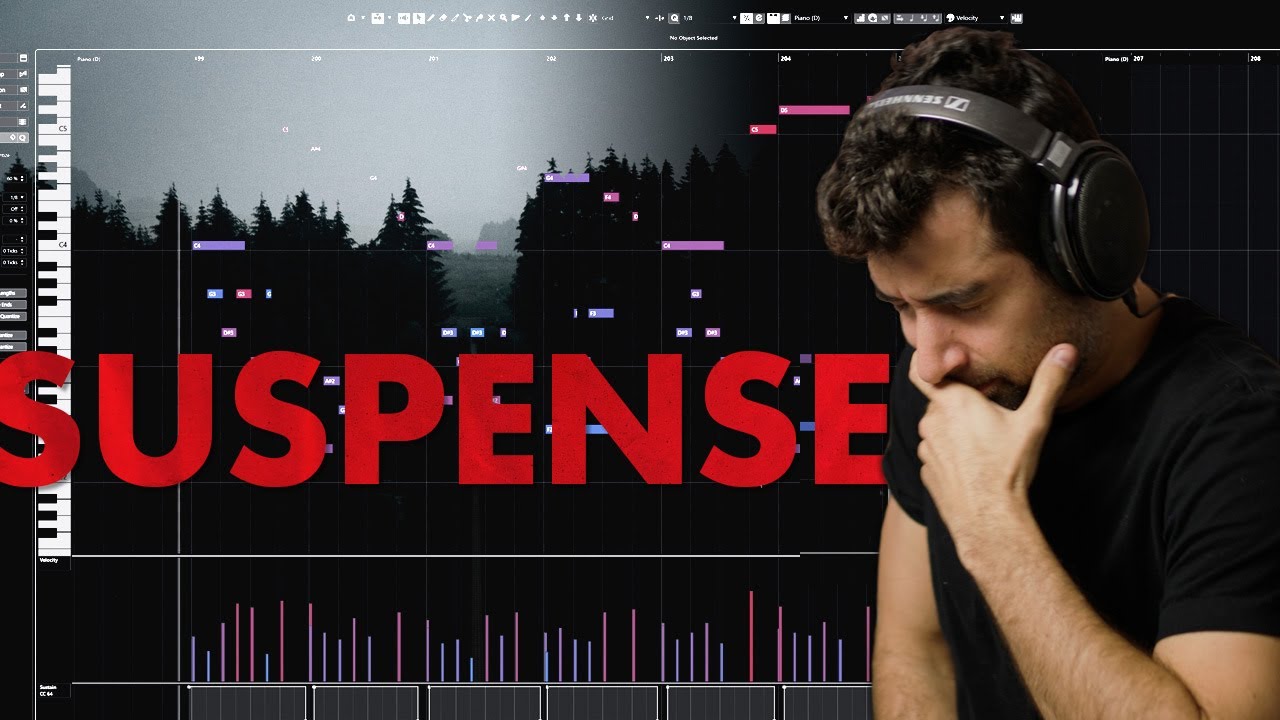
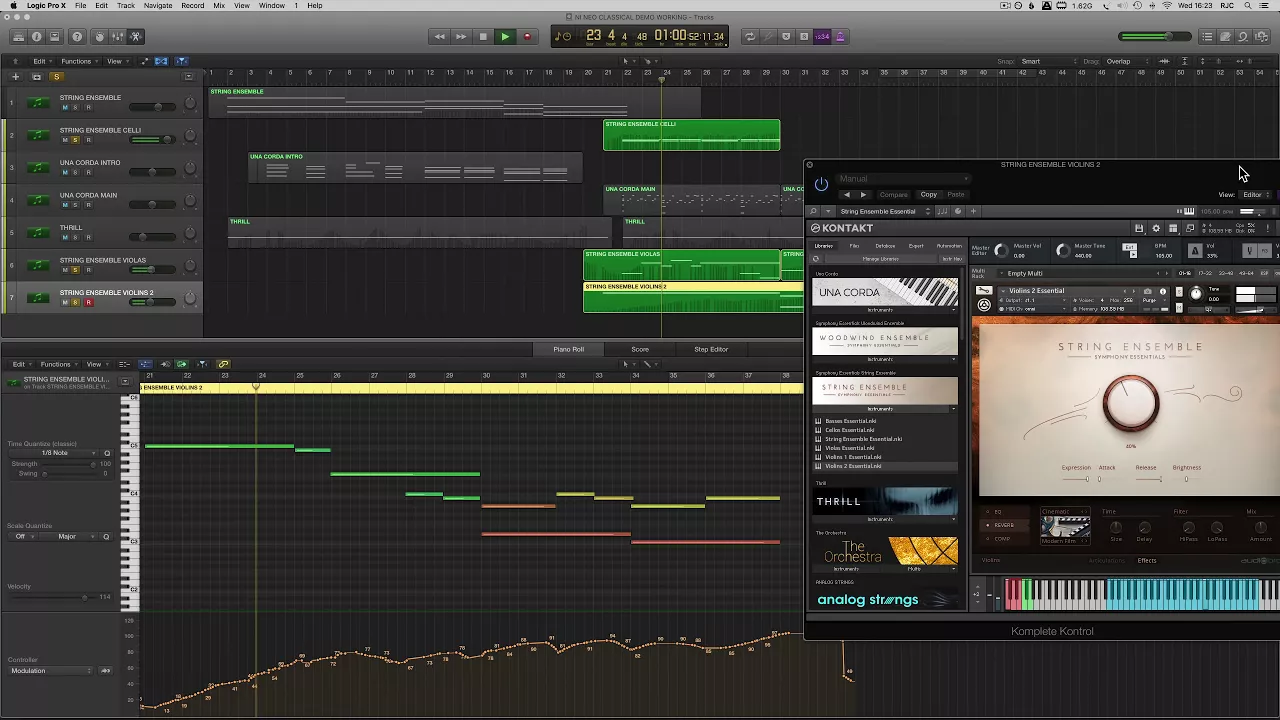


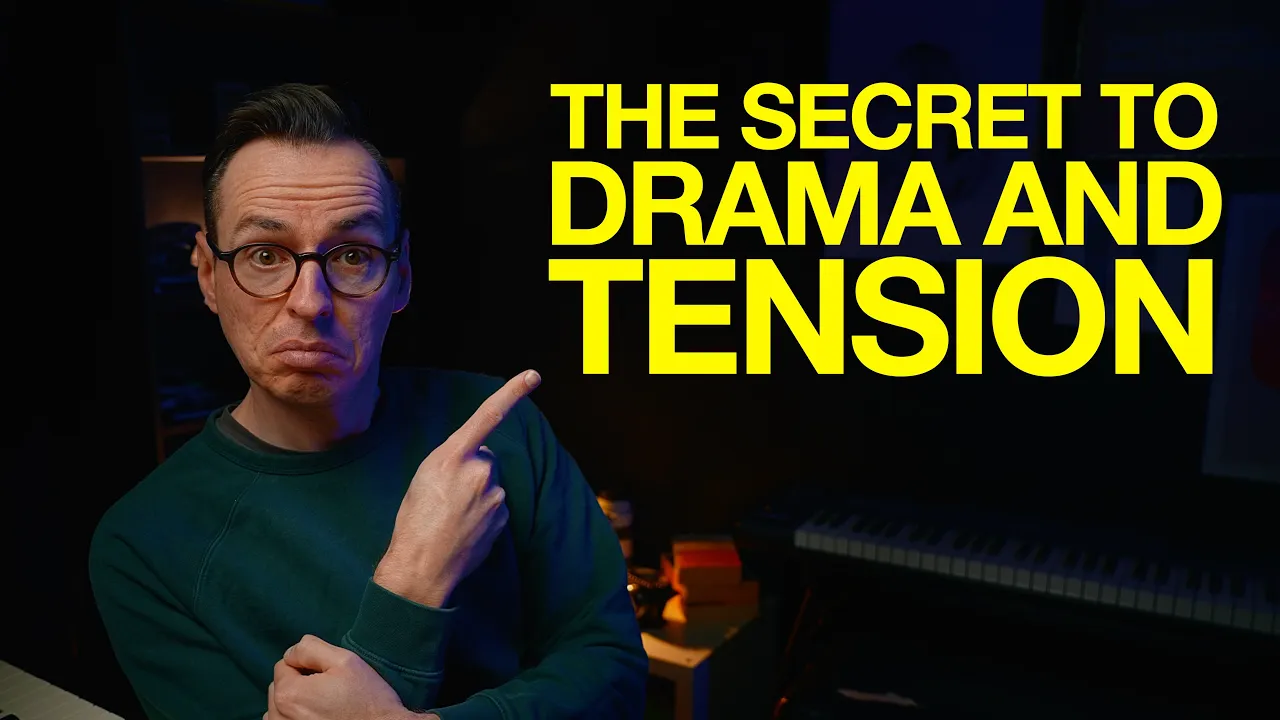



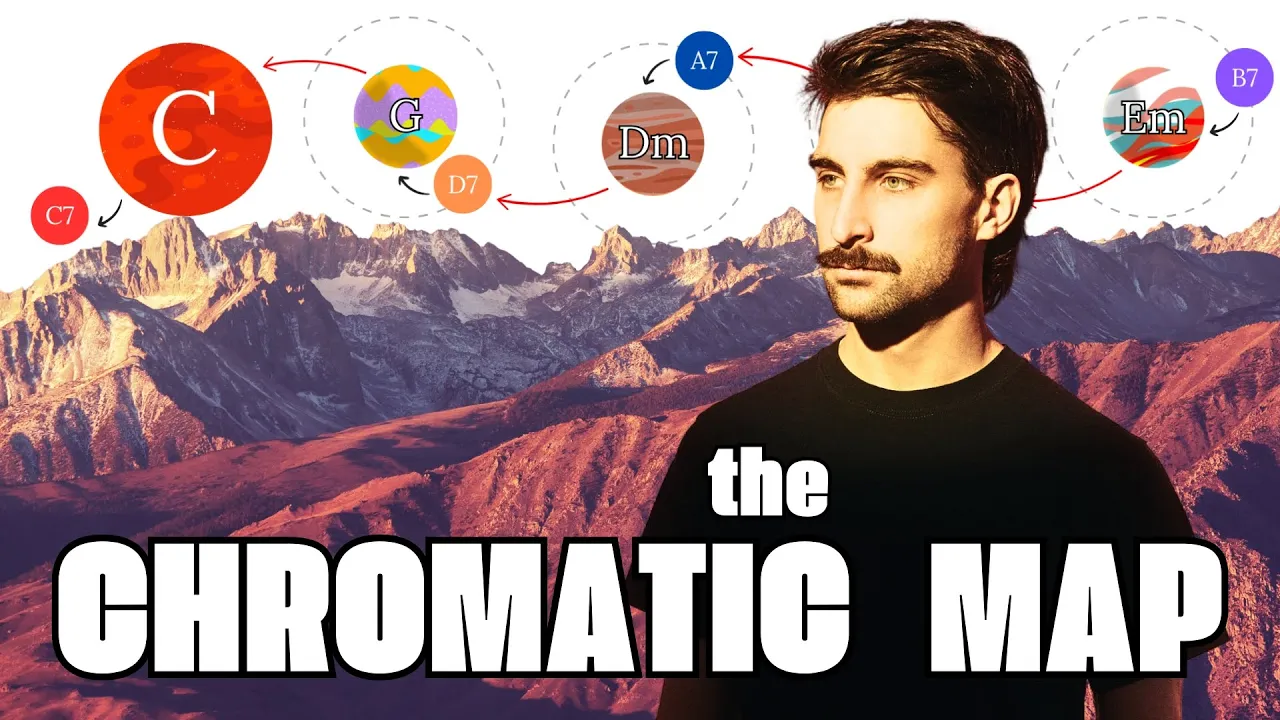
To create suspense and tension in music, use two minor chords that are a half step apart (such as E minor and F minor). The half-step transition between these chords creates an unexpected and mysterious atmosphere because the chords share few common notes and have very different triad structures. This technique works by using the notes of each chord to generate arpeggios in the left hand and melodies in the right hand, with the chord change occurring at key moments to heighten the sense of mystery and tension.
Creating Suspenseful Music with Two Minor Chords: Composition Guide
Added:Basic construction of minor triads (Root, Minor 3rd, Perfect 5th).
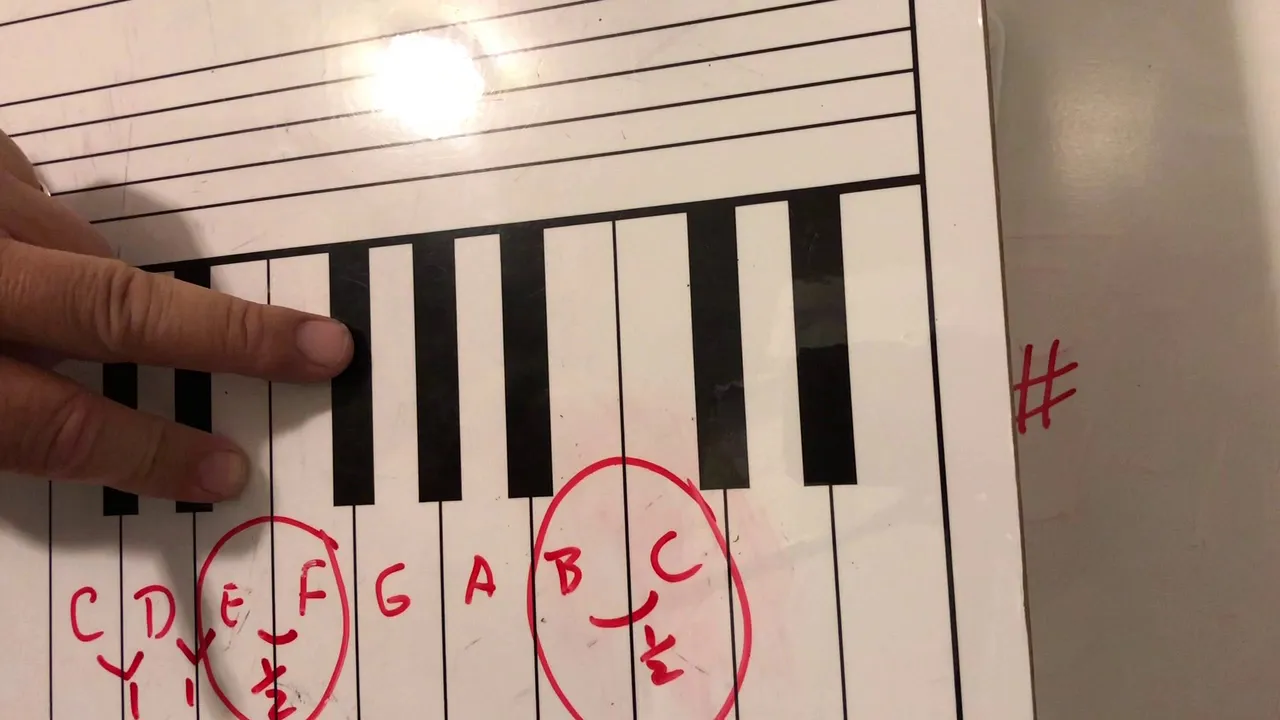
Understanding intervals, specifically half-steps (semitones) and keyboard geography.
A foundational grasp of diatonic vs. chromatic harmony.
Voice leading techniques to smoothly connect non-diatonic chords.
Using pedal points and ostinatos to sustain tension over the chord progression.
Orchestration strategies to arrange piano compositions for suspenseful cinematic ensembles (e.g., strings and woodwinds).
Exploring other cinematic chord relationships, such as chromatic mediants and tritone substitutions.
4.4K views148likes7:13Original Release: 2023-04-29
[Music] our first section is about creating suspense and tension to do this we're going to write a piece of music using two minor chords a half step apart so before we go further let's talk about what that means when we talk about the distance between two chords we're talking about the distance or the interval between the chord Roots let's say we have these two chords first one's E minor and then F minor so the root of the first chord is e and the root of the second chord is f um so since those are half step apart we can say that the E minor chord and F minor chord are a half step apart this will be really useful later on in our piece so uh let's take these two chords E minor and F minor and and will'll create a piece of music out of them uh on their own they just kind of sound Bland um so what we're going to do is we'll take the notes of the first chord and we'll start using them to create arpeggios let's take a look at the score for example 21A by the way this piece is written for piano so the right hand would play the treble cleff and the left hand would play the base cleff so we'll zoom in to the first measure we're in E Minor and right here in the left hand we have notes outlining E minor and then above that we have the right hand providing a melody and a little bit of Harmony if we follow the top notes of the right hand we'll see we have e e f Shar G so we're gently climbing up so we've created all this just from the E minor chord the right hand draws upon the E minor scale to create this little Melody and then the left hand is just playing arpeggios that come from the E minor chord then in measures three and four we apply the same idea but now we're drawing from the second chord the F minor chord so here our left hand our pegat up and notice right here we have a g which isn't exactly in the F minor chord but that g is a part of the F minor scale and then the right hand continues playing this melody and filling out some harmony let's take a moment and listen to how this music makes us feel and see what kind of mood it creates [Music] so notice right here at the end of measure two we transition we move a half step up from E minor to this unrelated F minor and it's that halfstep transition that makes it sound a little mysterious the E minor scale and the F minor scale don't really share a lot of notes in common and the E minor Minor triad and F Minor triad are very different so for that reason this chord change creates an atmosphere that feels a little unexpected and mysterious and let's continue the piece we have four more measures to go so in measures five and six we continue the same type of idea the left hand is kind of arpeggiating a little bit and then right here in measure six the right hand plays this this upward line and we have an a Shar which is a non chord tone and that note isn't in the E minor scale or the E minor chord so we call it a non- chord tone and what's happening is it's a half step away from B so it's just a little momentary dissonance right there uh let's listen to that measures five and six I'll play it right [Music] now yeah it's kind of mysterious and then let's look at our final two measures we're back to F minor same thing our left hand is arpeggiating upwards we see that G again right here and then our right hand continues the melody so let's take a listen to the whole piece in its entirety one more time [Music] so that is our entire piece written for piano we took two chords just these two chords E minor and F minor and they serve as a harmonic outline for our piece we use them to generate all the arpegios and the melody
Up Next

53:17
How to Produce Visual Novel Suspense Music in FL Studio 20 - Tutorial
@endofmidsummer
2.5K views•2021-01-13

12:54
Triumph of Orthodoxy Icon: Byzantine Art & History Explained
@BenCallan
2.1K views•2024-08-06

9:49
FastAPI vs Flask vs Django: Choosing the Right Python Web Framework
@TechWithTim
302.5K views•2024-05-26

1:42
Game of Thrones Opening Credits: A Cinematic Analysis
@gameofthrones
46.3M views•2011-04-18
Related Study Plans & Knowledge Roadmaps
Structured learning paths in General & Interdisciplinary Studies
general-studies
Elevator Engineering: History, Physics & Cities
01From Hoists to Safety Brakes: The Dawn of Vertical Lift
02Hydraulic vs. Traction: The Engineering Physics of Elevators
03Modern Speed, Safety, and Algorithms
+ 2 more learning modules
12h5 modules
Explore Roadmap
general-studies
Rubber: Material Science, History & Geopolitics
01Origins of Natural Rubber & Mesoamerican History
02The Chemistry of Natural Rubber & Vulcanization
03The Geopolitics of the Rubber Boom & Colonization
+ 2 more learning modules
12h5 modules
Explore Roadmap
general-studies
Containerization: Evolution, Logistics & Trade
01Ancient Trade & Bulk Cargo: Amphorae to Barrels
02The Industrial Revolution & Cardboard Packaging
03The Containerization Revolution: Malcom McLean
+ 2 more learning modules
12h5 modules
Explore Roadmap
general-studies
Textile Tech: Evolution, Labor & Global Impact
01Pre-Industrial Textiles: Handloom & Cottage Industry
02Mechanization: The Spinning Jenny to the Power Loom
03The Factory System & Global Labor Transformation
+ 2 more learning modules
10h5 modules
Explore Roadmap