
![Epithelial Cell Junctions, Basal Lamina, Basement Membrane [Epithelium 2 of 7]](https://i.ytimg.com/vi_webp/E4GKv5efKU8/maxresdefault.webp)












![[KSCBFM] 제1차 대한뇌혈류대사연구회 온라인 심포지엄 - 연사 : 박태은(UNIST)](https://i.ytimg.com/vi/IG19HqCeA1c/maxresdefault.jpg)






Transepithelial/Endothelial Electrical Resistance (TEER) is a quantitative technique that measures the electrical resistance across a cell monolayer grown on a porous membrane, reflecting the tightness of cell junctions and barrier function; it qualitatively assesses cell monolayer health and quantitatively evaluates cellular confluence by detecting changes in ion flow through transcellular and paracellular pathways, with values typically increasing from low levels immediately after cell seeding to higher values once a confluent monolayer forms, and varying significantly between cell types based on their junctional characteristics and ion channel expression.
TEER Explained: Measuring Cellular Barrier Integrity
Added:Basic cell biology of epithelial and endothelial cell monolayers, including the structure and function of cell-cell junctions (specifically tight junctions and adherens junctions).
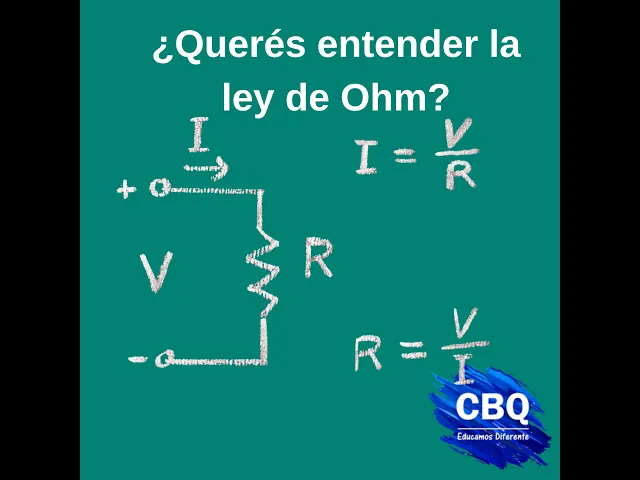
Fundamentals of electricity and biophysics, particularly Ohm's Law (Voltage = Current x Resistance) and how ions conduct electrical currents in aqueous solutions.
The concept of in vitro cell culture on porous semi-permeable membrane inserts, such as Transwell systems, which allow access to both apical and basolateral chambers.
The principles of membrane permeability and transport mechanisms, including paracellular versus transcellular transport pathways.
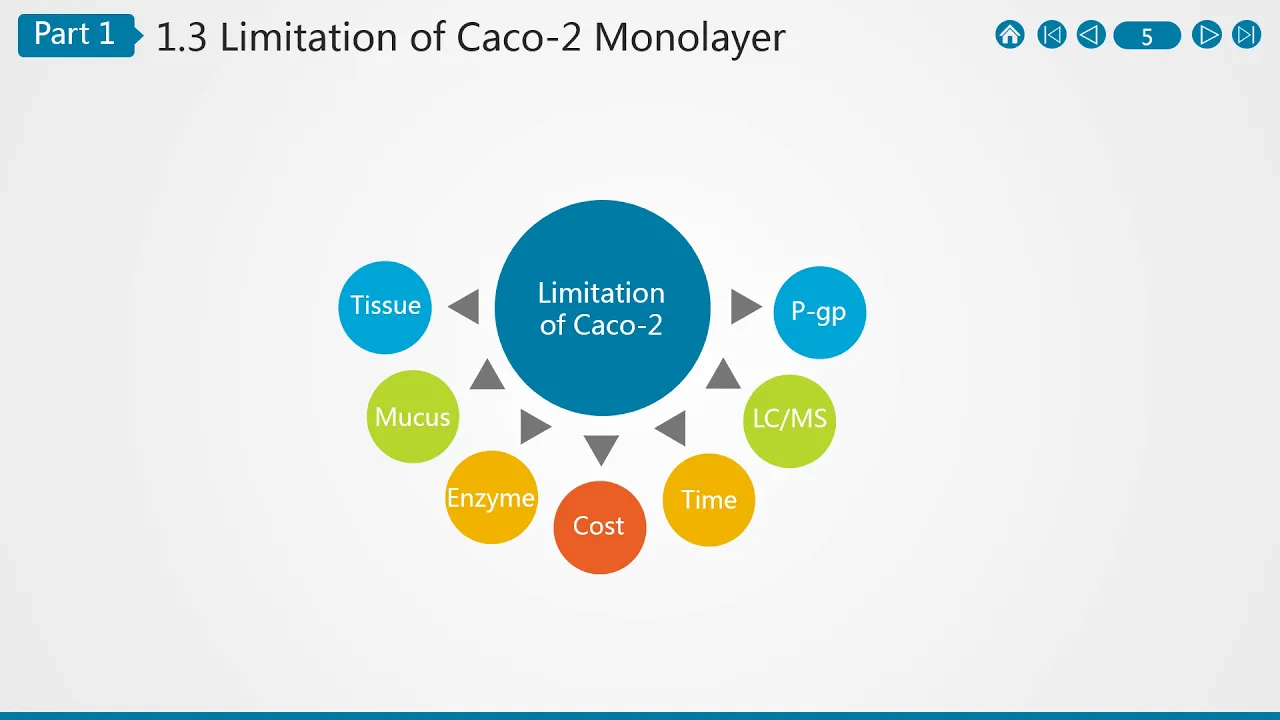
Application of TEER in pharmaceutical sciences to model and evaluate drug absorption across the Blood-Brain Barrier (BBB) or intestinal epithelium (e.g., Caco-2 cell models).
Integration of TEER monitoring into microfluidic 'Organ-on-a-Chip' systems for high-throughput, real-time physiological barrier modeling.
Complementary methods for validating barrier integrity, such as macromolecular tracer flux assays (e.g., FITC-dextran) and immunofluorescence staining of tight junction proteins.
Utilizing TEER to study the mechanisms of host-pathogen interactions, inflammatory cytokine disruption, or toxicology on cellular barrier functionality.
1.3K views7likes3:54Original Release: 2024-10-18
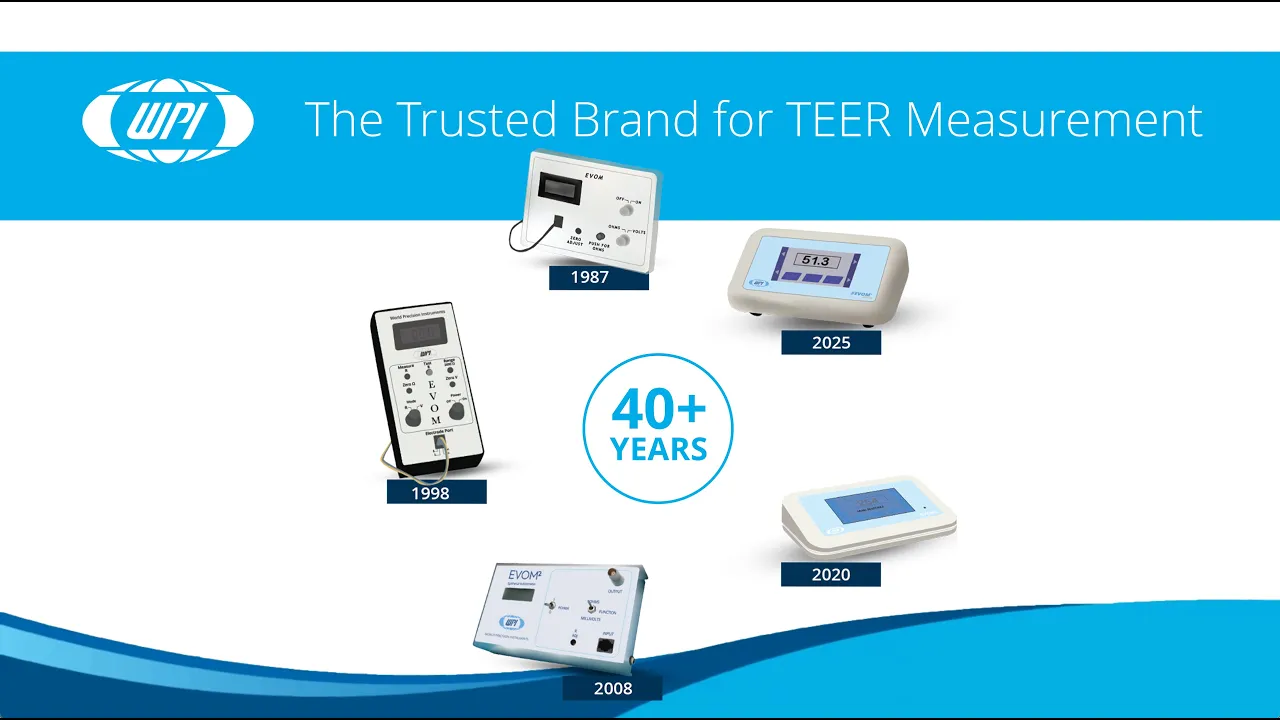
[Music] trans epithelial endothelial electrical resistance tier qualitatively measures cell monola health and quantitatively evaluate cellular Confluence by measuring the electrical resistance across the cell monolayer it is commonly used to assess the integrity and permeability of cellular barriers such as epithelial and endothelial cell layers in cell culture PL let's look at what tier is and how it is used tier is a measure of the resistance to the flow of ions across a cell layer growing on a porous membrane it reflects the tightness of the cell Junctions and the barrier function of the cell layer ions and electrical current can be transported through the cell trans cellular and through the space between the adjacent cells paracellular tissue permeability studies require a confluent cellular layer and tier measurement is generally used to confirm the formation of a confluent monolayer initially 24 hours after cell seating tier values are generally low because the current passes easily between the cells over time the cells multiply and start covering the gaps finally a confluent cellular monola is formed at that point the permeable membrane is fully covered with cells and does not allow easy passage of electrical current C values of confluent cellular monolayers can vary depending on the cell type monolayers of a certain cell types which normally Show Low tier values generally have relatively leaky type Junctions monol of other cell types show high tier values and these cell types are known to have tight tight junctions while both monolayers are confluent the tier resistance values can be markedly different based on the nature of the cells themselves the presence of more transcellular ion channels on cells can further allow easier flow of ions or electrical current through the transcellular pathway which can additionally lower tier values tier is typically measured using a probe with a pair of electrons placed on either side of the cell monolayer one in the apical compartment above the cells and one in the basil lateral compartment below the cells an electronic instrument like the eom auto or eom manual applies a small defined voltage across the electrodes and measures the resulting current from which the resistance is calculated the tier value is calculated using 's law Ral V / by I where R is resistance V is voltage and I is current current tier is usually reported in units of ohms Time Square cm to account for the area of the cellular monol tier is a valuable tool in cell biology and pharmacology for assessing the barrier function of epithelial and endothelial cell layers its non-invasive nature and quantitative output make it ideal for various research applications WPI designed the first first tier measurement meter almost 40 years ago today with its proven track record wpi's evom technology the gold standard for tier is trusted by researchers around the globe [Music]
Up Next

16:51
Anaerobic Bacteria Culture Techniques | Microbiology Lab Methods
@microbialconcepts
15.2K views•2022-02-18

50:12
Bacterial Communication: Quorum Sensing and Biofilm Formation Explained
@JHUAAP
12.6K views•2011-06-28

5:35
Enteric Nervous System Explained: The Gut's Brain | Neurobiology Lecture
@alumniu6029
438 views•2018-09-12

7:08
Bacteriophages: Earth's Deadliest Killers and Future Antibiotics
@kurzgesagt
34.6M views•2018-05-13
Related Study Plans & Knowledge Roadmaps
Structured learning paths in Biology
biology
RNAi: Biogenesis, RISC & Gene Silencing
01Molecular Biology Foundations: DNA to Protein
02Introduction to RNA Interference (RNAi)
03Molecular Biogenesis of miRNA and siRNA
+ 2 more learning modules
10h5 modules
Explore Roadmap
biology
Mycorrhizae: Signaling, Biophysics & Ecology
01Foundations of Mycorrhizal Symbiosis
02Molecular Signaling and Root Colonization
03Biophysics and Bioenergetics of Nutrient Exchange
+ 1 more learning modules
11h4 modules
Explore Roadmap
biology
Circadian Clocks: TTFL, SCN & Periphery
01Foundations of Molecular Biology & Gene Expression
02Introduction to Chronobiology and Actograms
03The Core TTFL: Molecular Architecture of the Clock
+ 3 more learning modules
14h6 modules
Explore Roadmap
biology
Population Genetics: Math, Drift & Selection
01Genetic & Probability Foundations
02The Hardy-Weinberg Principle and Baseline Models
03Mathematical Modeling of Natural Selection
+ 3 more learning modules
18h6 modules
Explore Roadmap