










![Leo Strauss lectures on Plato's Meno 2 - [1966]](https://i.ytimg.com/vi/LvmSekZu__o/hqdefault.jpg?sqp=-oaymwEmCOADEOgC8quKqQMa8AEB-AH-BIAC4AOKAgwIABABGGkgaShpMA8=&rs=AOn4CLC76ZqC4v1yznjQAGw5Ph6pBqGCtA)







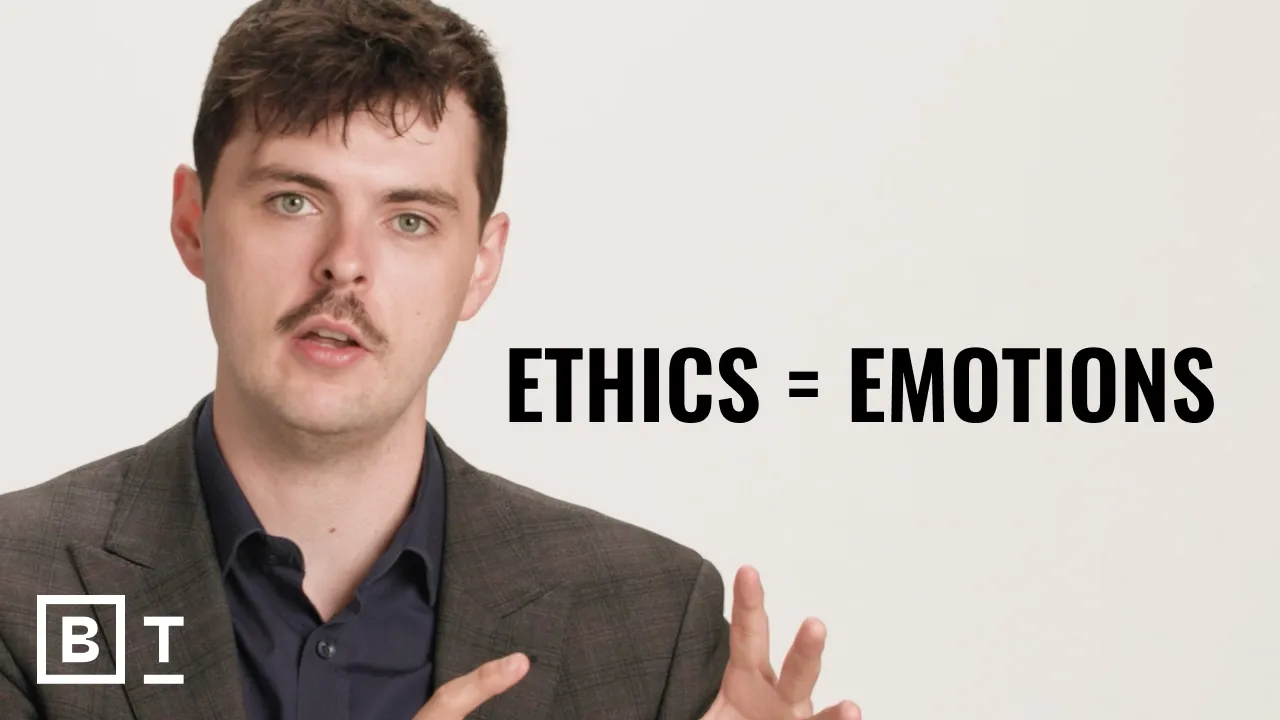
According to ethical emotivism, moral statements are expressions of subjective preferences rather than objective truths, but this doesn't eliminate morality; instead, morality emerges from the scientific understanding that certain experiences (like extreme suffering) are objectively worse than others, creating a 'moral landscape' where some choices lead to better states of consciousness than others, and we have reason to pursue the highest possible states of well-being through rational analysis of our preferences and available options.
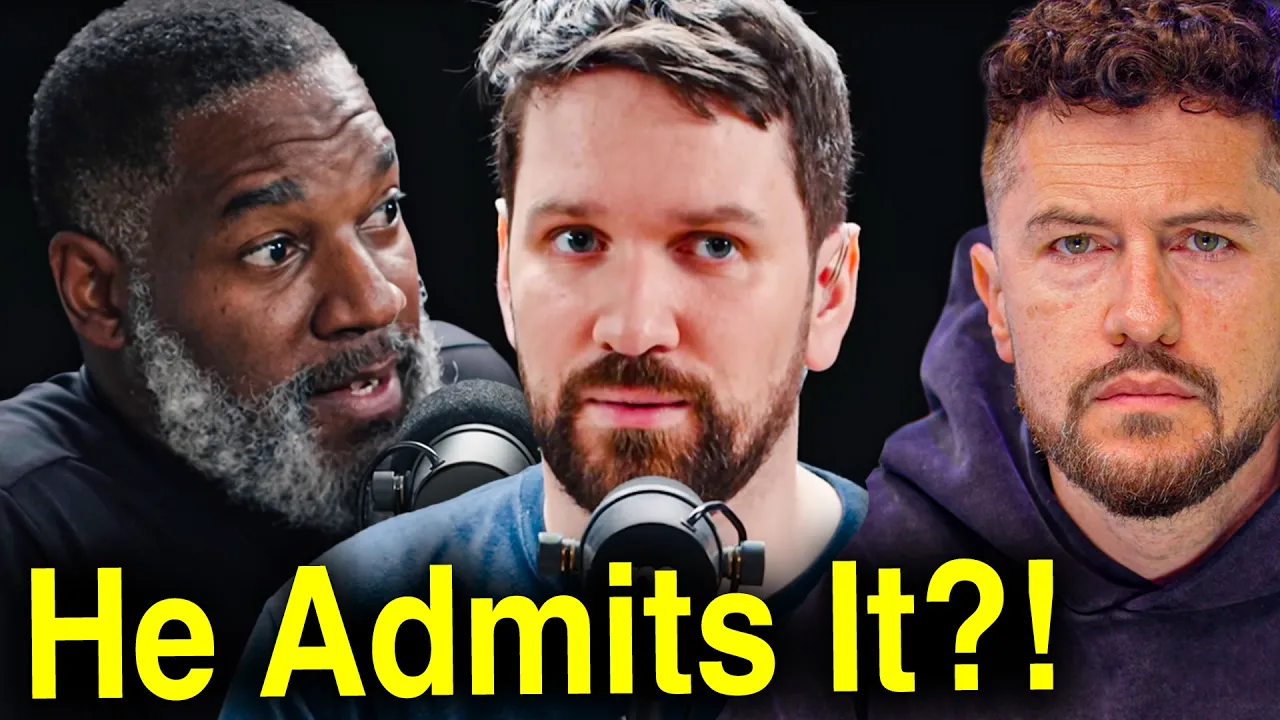
Sam Harris vs Emotivism: Moral Truth Debate
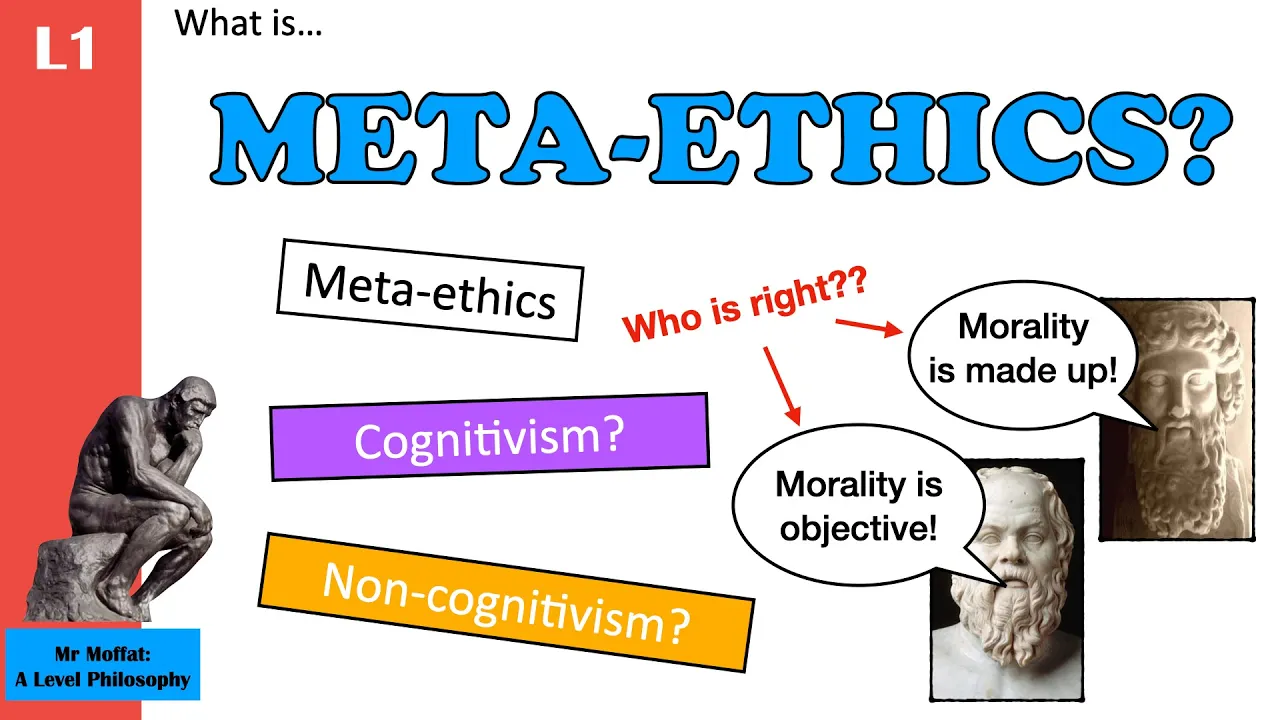
Added:Introduction to Metaethics: The distinction between moral realism (the belief that objective moral facts exist) and moral anti-realism (the belief that moral facts are subjective or non-existent).
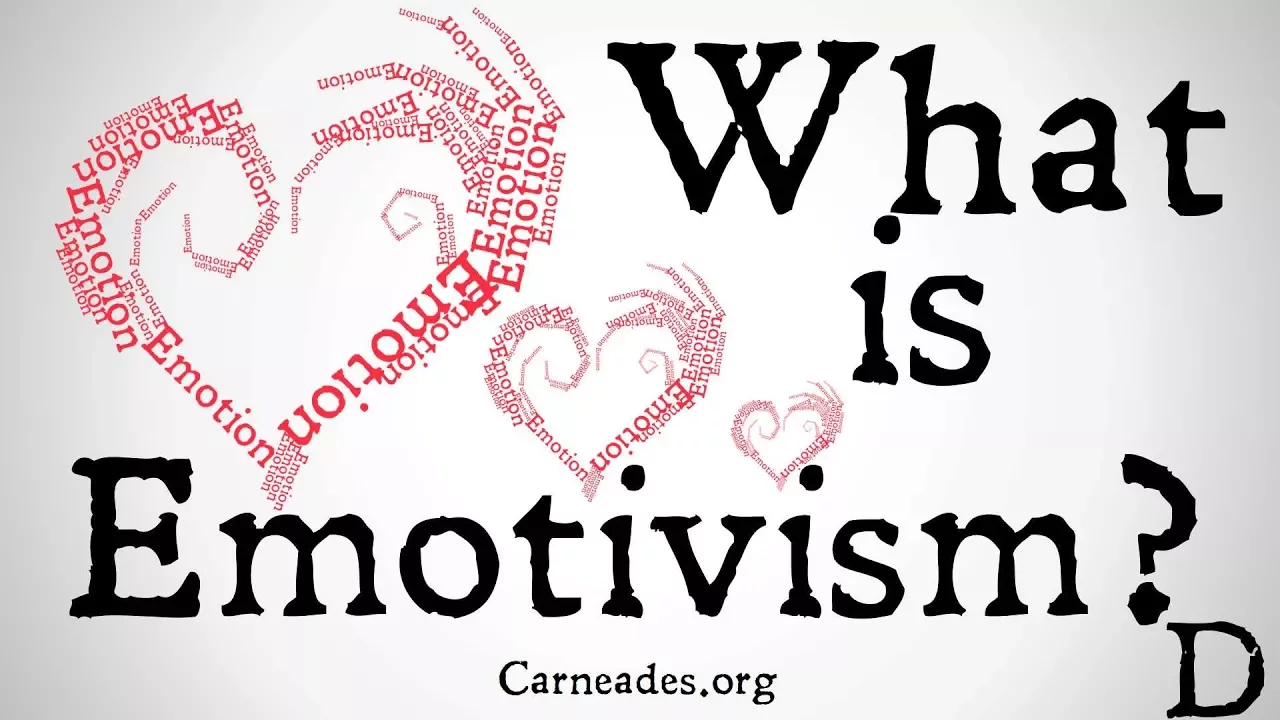
The Concept of Emotivism: The philosophical position, often associated with logical positivism, that moral judgments are not factual statements but rather expressions of emotional attitudes (the 'boo/hurrah' theory).
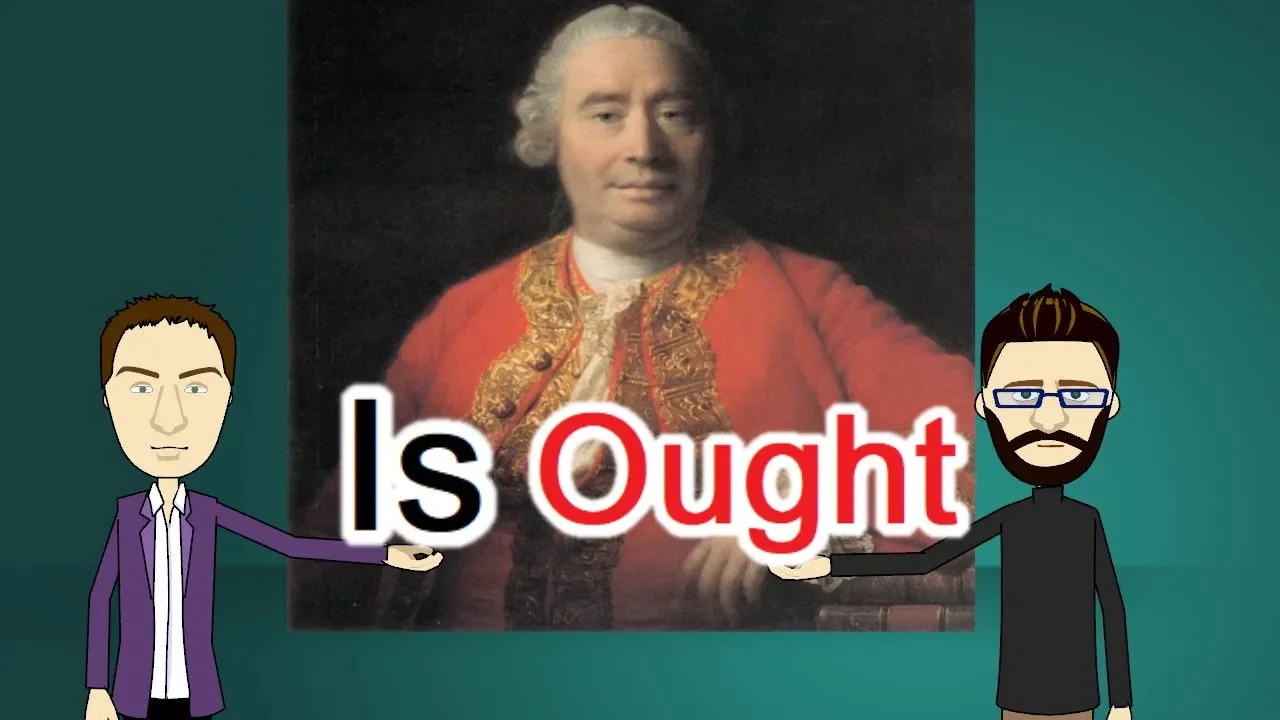
Hume's 'Is-Ought' Problem: David Hume's philosophical barrier stating that one cannot logically derive prescriptive statements about what 'ought' to be solely from descriptive statements of what 'is'.
Sam Harris's Ethical Framework: The core premise of his book 'The Moral Landscape', which argues that science can determine human values by measuring the well-being of conscious creatures.
The Fact-Value Distinction in Philosophy of Science: Exploring whether scientific inquiry can be truly value-free, or if epistemic and ethical values are deeply intertwined with scientific practice.
Cognitive Science and Evolutionary Ethics: Investigating how evolutionary biology and neuroscience explain the origins of human moral intuitions and cooperative behaviors.
Expressivism and Quasi-Realism: Delving into advanced metaethical developments by philosophers like Simon Blackburn and Allan Gibbard, who attempt to reconcile non-cognitivism with realistic moral discourse.
AI Alignment and Value Learning: Analyzing the practical challenges of programming ethical frameworks into artificial intelligence, debating whether to teach AI objective ethical truths or aggregate human preferences.
211K views3.4Klikes21:39Original Release: 2025-11-04
Maybe you can tell me what what I'm missing from my picture then because like I say, I'm broadly speaking an ethical emotivist. Um, but >> say more about the consequences of that.
What does that mean?
>> I I and I'm not sort of um I don't know. I I always like to be a little bit agnostic about these things, you know, open to change and all that, but I'm broadly attracted to this view that when we make ethical statements or pronouncements, we're essentially just expressing emotions at each other. And so when I say that murder is wrong, I'm sort of expressing some kind of distaste or I'm expressing something akin to saying don't do that, which is just like a command. It doesn't have any truth value. It's not even subjectively true or false. It's just it's just like a a command or an expression. And so if that's the case, then this this sort of ethical talk is completely different to the to the picture that you're painting.
And so no, not not really. I I can translate some of that into the picture I'm painting cuz again you're you're it sounds like you're you to say that it's just a statement about the way we feel or might feel.
>> Well, it's not to be clear, it's not a statement about how we feel. It is the expression of the feeling. So, um the mistake that's often made with emotivism is when I say murder is wrong. I'm not saying something like I don't like murder or I feel bad towards murder >> because that can be true and false. As we were discussing earlier, it can be true that I don't like murder. It's the expression of the dislike to the murder.
So, a famously has it as just going >> boo murder. You know, that's not something that >> has any kind of truth value. And >> well, boo doesn't, but >> you're granting that it is possible to not like murder and that could be an objective state of a subject.
>> Yeah, that's no that's no problem at all. Yeah. Sure. Okay. And so I find myself in a world where I put my hand on a hot stove and when I do, I go, I don't like that. And it's objectively true that I don't like that.
>> Cool. And so I look around the world and there are certain experiences that are going to make me suffer and some that are not. And so I pick the ones that don't make me suffer because I prefer them. And like that's it, man. That's like that's the story.
>> Okay, let's build from there. So that's you as the emotivist picking and choosing in the space of possible experience. Would you grant that there are experiences you haven't had and you don't know what you're missing?
>> Uh yes in terms of what I would if experiencing those you know subjectively enjoy. Sure.
>> Right. So and and it might be there probably there are circumstances where or they're experiences that are available to people and you know other conscious minds but they're not available to you given how you are right. So you might not have the talent required to get there or the genes required to get you there or absolutely no problem.
>> Okay. So the landscape of of possible experience extends what you currently know or even can know. Right. And that's true of every person like you.
We're saying boo at each other in that context.
>> And this landscape we're talking about is a landscape of experiences, either possible or actual, which if I were to experience them, I would go, "Yay." I go, "Yeah, sure. Great."
>> But the but the the the yay, the thumbs up and thumbs down can be uh increasingly strident, right? I mean, like there's experiences that are so good.
>> Absolutely. that you you'll have the experience of everything that's happened up to me up to this moment in my life was comparatively worthless compared to this experience that I'm now having, right?
And >> and obviously the the opposite is the case.
>> Um so what do you make of the fact that these these exper experiences exist, right? and they're radically different.
Um, and that they're right and wrong answers with respect to how to get from one to the other. It's not you don't randomly get just hurled toward one or the other.
>> You know, it's you're >> there are at every level that we can understand ourselves scientifically from the genome on up, you know. So, so genetics and neuroscience and psychology and uh sociology if that were actually a science um economic systems everything every there's every contribution to a possible change in in the character of our experience can be more or less well understood.
>> Absolutely. Yeah. No problem with that either.
>> Okay. So all those converging lines of of fact-based discussion can be brought to bear on this navigation problem.
>> Yeah. So because I've got this subjective preference to reach this peak, >> I can use all of the scientific resources available to me to go and reach that peak.
>> Okay. Now what if we just add one other element to this which is you've got this your preference weights such as they are now. You got the factory settings but um you know you didn't pick your parents, you didn't pick your jeans, you you know you didn't pick the factory, you didn't pick your culture and the world into which you were born and every you were just you've been tuned up by forces beyond your control.
Now we have something like a completed science of the mind and you can actually change your preferences. Okay?
>> Right? And there's this additional question of whether that would be whether you should do that, whether that would be a good thing to do and but good as measured by what? Well, >> well in in my in my universe, we we don't have terms like good yet. That that hadn't entered into.
>> So you you'll just say boo differently >> if we change those weights, right?
>> So let's say like somebody offers me the opportunity to take a pill >> and let's say that in this world I don't really like music that much, >> right? So, I don't really care for it, whatever. And I can take a pill that's suddenly going to turn me into this great music lover where I'm going to experience this brand new joy. And although right now my preference isn't to to enjoy music, so it doesn't seem to matter to me. I can change my preferences so that now this new pleasure opens up to me and I can experience it. What would I do? I'd look at that pill and I'd go, >> "Yeah, sounds great. Awesome." And I I take the pill just because I would prefer to have that preference. It's a second order preference, right? But there's still no space here into which has entered a concept of like moral prescription of goodness of of a I'm still just in this world where there are experiences I prefer and I use my scientific analysis of the world to achieve those. And when something comes along uh that allows me to to to really radically improve that that feeling of subjective preference, >> hell yeah. You know, use all the science you can get to to give me those pills, >> right? But still still no no no moral judgments here, right?
>> Well, there are potentially, but they might not be necessary. I mean, as long as you're going to concede that you might not know what you're missing, if you might not know how good life could be if you only made certain changes to yourself or to your thinking or to your culture, right?
>> So, we have a bunch of people like you who just don't want to talk about shoulds and oughts, right? And they never do. they just they just occasionally they say boo, but they don't think anything really hangs on it.
And then if we it just is a it could be an empirical fact about you and and your or people like you. Um that you're cognitively and emotionally and culturally and civilizationally closed to certain outcomes which are available the moment you begin to to play a little bit different. I'm not sure why those would be correlated because like this idea that you know there are experiences that are available to me that I don't even know what I'm missing >> that doesn't require me to believe in any any concept of of morality because if you said to me >> I'm still just on the So again I'm I'm bracketing >> morality you the jud the judgmental you know veilance of that term >> for the purpose of this part of the conversation I'm just saying that there's descriptively it's we're in kind in the descriptive value still value laden landscape of of this feels much much better than this over here which I never want to taste or touch again right uh >> crucially just for clarity I would say in in in my view here this is subjective value these are subjective >> these are objective facts about conscious system >> objective facts about how to best achieve what one subjectively values >> yeah but that that doesn't that turn sorry that turn doesn't do anything deflationary for me it's just there's there are certain things that only exist as uh appearances in consciousness, right? That is that is their onlogical status, right? There's no >> um even if we could later correlate them with other states of the the physics of things, um >> it is it's just you can't conceptually reduce them. You can't be there's there's no the the there is as conscious experiences, right? And and I would say consciousness itself is one of those things. It's just that the only evidence for consciousness in this universe is >> as consciousness, right? It's like there's no evidence in a brain that that that consciousness is a thing, right?
>> Okay.
>> Um, >> so so is there is there something from this this picture that we've that we've been painting so far >> where I've started in a in a in a world I don't know why I'm imagining like I'm on some desert island like we're starting from scratch, you know, like the the opening Minecraft game or something. I'm just here in this world and there are things I prefer and things that I don't. And I start to learn scientifically through observation which things are going to get me what I want and which things aren't. So I start acting in accordance. Then we all get together and because it's going to be good for me if I work with this person.
We work together and we start developing maybe this pill and and then somebody comes over on a boat and says, "Hey, there's this great thing that you don't even know that you're missing. You know, give it a go." And I'm so open-minded that I'm like, "Yeah, sounds awesome."
And and the pleasures are just increasing and increasing all the time.
And again like the end, you know, end scene story story is over. That's the picture for me, >> right?
>> What what because if it is the case that there are in fact moral moral values in the world, like >> there is this thing called objective moral truth. The picture I've just painted, as far as I can see, doesn't contain it. So >> wrong about that picture. Where's it gone wrong? No, the the more we fill in the the blank spots in that picture, the more I think we get everything we could conceivably want by any talk about right and wrong and good and evil. So, I mean, just take give yourself a a desert island and maybe, you know, add uh another person. So, you know, you're Adam and Eve, right? And you're you you're building the world a new and you and then the question is again you you there two there's just two of you and you have a navigation problem even there right and you you would even have a navigation problem alone but let's let's just let's make it a little more complex. So there's two of you and now the question is how can you live so as to maximize everything that would be that that would be rewarding good uh yum yum I want more of that. Yeah, >> that is what they would in fact be doing. But but there would be no >> Okay. But no, but again there the crucial thing to admit is that there are right and wrong answers that there are very real and very different possibilities in in the space of all possible experience that can be actualized. There's some they couldn't possibly get to in a in a normal human lifespan because two people's just not enough to get you those things, right?
Um, but you know that what there there's a range of of right and more right and more wrong answers open to them as to how to maximize what I'm calling their well-being. Right? And the first answer is, you know, they could both pick up large rocks and start smashing each other in the face. Right? That would be a bad answer to this. It would it's a possible answer. It will give them some immediate feedback as to what life is like when you do that. Um, >> the wrong way to get that wealth >> wrong way. And it also it just closes the door to other kinds of collaboration that we know are going to be objectively better. If better means >> navigating away from the worst possible misery for everyone and towards something or in your emotivist terms, >> you know, fewer booze and more yums, you know, just it just getting I mean you're the character of experience will change and will change by virtue of whatever laws of nature underwrite the the character of conscious experience.
Right? And again, we can understand those laws at every level that we attempt to understand anything, you know, from genetics on up.
>> It just it sounds to me like, >> you know, Adam and Eve in that world, they just they just the color example comes to mind again. And may maybe um maybe I'm missing something as to why this this isn't a challenge, but >> you know, they just are looking around the Garden of Eden >> and they they just discover that yellow just is really nice. They just like it.
And so then they discover that there are all of these scientific ways to figure out how to get more yellow. They figure out like boty. They figure out that you can you can plant particular plants and we'll get more yellow in the world. Like great, but this seems to me just two homo sapiens acting in accordance with their preferences. if somebody tried to import moral terms into this this, you know, into this bot of of planting uh planting flowers because they're yellow and and we we yeah, we prefer yellow.
I'd say that's a bit strange. And then there that person could go on this this this incredible and intricate demonstration of of the surprising and incredible ways that science can inform us about how we can enjoy colors in ways that we never even imagined. like there's so much more to it than we even really considered.
>> Yeah.
>> But I would then say, "Yeah, sure. That that's great, but what's this this moral this morality thing that you're talking about in in accord I mean, again, talking to the Adam and Eve character here that they're like, "No, I just like these flowers. What do you mean morality?" You know, what is this thing that you're talking about?
>> Yeah. This is the the only place where we're tempted to to kind of turn up the the the volume of our um discursive insistence and and use really judgmental terms like, you know, good and evil or right and wrong. is when the diff the difference between the the the preference when the preference preferences are beginning to track something that matters more and more and more and and and it such that it eclipses a concern about anything else right and that's why the hot stove is like when your hand is on a hot stove you really can't care about anything else right I mean it's if if you can care about something else then it's not hot enough right and so so it only becomes torture it only becomes a moral evil It only becomes something more than just a preference when it becomes unendurable, right? Or or or just so significant as to to eclipse anything else. And I still think we're, you know, we we can decline to make those moves.
We can keep trying to deflate it and saying, "Well, it really still at bottom. It really is just a preference for a conscious being like yourself not to be burnt alive, right?" But I just don't see what we're doing there. Well, there's one thing I want to add here which may help untangle this is that there's another double standard here or or disparity in how we talk about shoulds in the moral sphere. Um so like I say you know I say that um the worst possible misery for everyone is bad and if if we should do anything we should avoid it right and and you know everything is objectively better than the worst possible misery for everyone. Um, and you could say, well, yeah, but who's to say you should Yeah.
Who who's to say that it it's really true that you ought to see that the worst possible misery for everyone is worse than some other state of the universe where there's lots of happy people and like why like how is that how does how's how should and ought apply there. So I mean you could do the same thing in logical or mathematical space. You could say that um 2 + 2 equals 4. And if someone fails to understand that, you could say, well, when you add two and two, you should get four, right? You ought to get four. You actually have a logical duty or an arithmetical duty to get four, right? And if you don't get four, you're you're you're sherking this this responsibility. you could add that layer of judgmentalism.
That seems to me like kind of what you're doing if if you know, forgive me, but it it um >> it seems like when someone says well >> well well I'm saying I'm saying it's not a problem to to strip out that layer of judgmentalism in our talk about right and wrong and good and evil about >> well if if somebody says one and one makes two and you and you said like look one and one should make two and I said I don't know why you're using the should language it does make two right >> and and the worst possible misery for everyone one is something we should move away from.
>> Whereas I would say it's just something that people do move away.
>> Exactly. But and it's and so but arithmetically 2 plus two just does make four.
>> And and people just do move away from the worst possible misery. Right.
>> Yes. And there there is no it's definitional. There's if it's not if you wouldn't want to move away from it and you want anything, it's not the worst possible misery.
>> I I totally agree. But but notice how like if that's the case because >> look at that. We agree on something. Um you know we just do move away from suffering. We just do get two when we add one and one. If you said to me >> we but to again a little caveat here nothing turns on it but it's not is this is not pure it's not a pure pleasure principle. I mean there all kinds of suffering we do move toward because there are deeper we recognize that there's deeper happiness of and things we want on the other side of it. So that's why that's why it's helpful to talk about the worst possible misery even conceivably. Yeah, sure. So people just do move away from it. And when you add one, you just do get two.
If you turn around to me and said, "Well, I'm just going to start talking in this language of should." I'm just going to say if you add one and one, you should get two. And what I mean by that is essentially a moral prescription.
>> No, no, no. Again, >> I'd find that really weird. the difference. So, I I think you're you're taking the wrong end of this thing or the the >> um the opposite of what I'm trying to illustrate >> the I hear you making my point. What I'm saying is that >> this this should talk, this ought talk that people think is intrinsic to morality, I think is grafted on in the same way that I'm now grafting on in a very in seemingly ridiculous way this judgmentalism with respect to logic.
>> Right. Right. So, so you're saying that that people >> I'm saying it just is better.
>> People generally do this should thing.
They just add the should factor when they're talking about theription.
>> If you could if we if there was a button here that we could push at no cost to ourselves >> that would reduce the misery of the of human beings on earth by half. And let's just stipulate that there's no other negative unforeseen negative consequences that occur as a result of that. But just like consequentially this is just better. you know, everyone who's miserable gets, you know, much less miserable and no cost to ourselves. We can push the button. So, what does it mean to say we really should push that button right now? That's one way of talking about it. I would agree for shorthand that's it's it's fine. I I say should all the time, right? But I I'm saying it's object the the the world would be objectively better if we push that button. And it would be so much better that if someone understood all of the causality here and still declined to push the button, that person would be a moral monster by again in this in this in this area of talk where we talk about right and wrong, good and evil and morality and should, right? There'd be something wrong with that person because just imagine what that person would have to think and say and feel so as to so as to decline to push that button with a clear conscience, right? like what what if you know you were talking about you know a Kim Jong-un character or somebody who who might say well what is it to me that all these people are suffering >> and I kind of like the idea that I like the idea that there's this much of a disparity between my current happiness and so many billions of people who are really unhappy right and so part of my pleasure in getting out of bed in the morning is knowing that you know my my um my feelings of satisfaction are at some kind of zenith with respect to this to the to all the background misery that I don't have to take any time to understand but I know is there right so if you're telling me you're going to give me this button not only would I not push it I would want another button where I could you know further emiserate people right well that's what we mean by evil that's what we and and we know the reason why that person is worse off than other people in my point of view from my point of view with respect to the moral landscape is that we know that to be that sort of person is to almost by definition not be available to certain states of consciousness that we all agree are some of the most important and beautiful and creative states of consciousness on offer in so far as we can see it right now. I'll grant you there could be some very weird spot on the moral landscape where you get you know perfect sadists and perfect massochists etc. So things could get weird uh and there's some description of the laws of nature that would would would make sense of that. But the crucial point for me is that even if there are other high spots on the landscape that are weird, there are many spots on the landscape that are not high. No matter who you are, no matter what you want, no matter how we tune all the relevant variables, they just suck, right? There's just they're thing they're low spots. And again, these are objective claims about conscious minds now and in the future, however they're constituted.
Up Next

64:38
Ethics Since Logical Positivism | History of Philosophy 79
@wheatoncollege
20K views•2015-06-16

164:01
John of Damascus on Holy Images: A Theological Defense
@BannedBooks
139 views•2026-04-25

68:32
Should We Destroy the Machines? Big Tech Surveillance Critique
@TheStoriesWeTell303
167.9K views•2025-11-30
4:57
The Myth of Sisyphus: A Greek Legend of Eternal Punishment
@TEDEd
8.6M views•2018-11-13
Related Study Plans & Knowledge Roadmaps
Structured learning paths in Philosophy
philosophy
Frankfurt School: Critical Theory & Culture
01Foundations of the Frankfurt School and Critical Theory
02Horkheimer & Adorno: The Critique of Instrumental Reason
03The Culture Industry and Mass Deception
+ 2 more learning modules
12h5 modules
Explore Roadmap
philosophy
Philosophy of Language: From Frege to Austin
01The Linguistic Turn: An Introduction to Language in Philosophy
02Gottlob Frege: Sense and Reference
03Early Wittgenstein: The Picture Theory of Meaning
+ 3 more learning modules
15h6 modules
Explore Roadmap
philosophy
Feminist Epistemology: Standpoint & Injustice
01Introduction to Epistemology and Feminist Critiques
02Sandra Harding and Standpoint Theory
03Donna Haraway and Situated Knowledges
+ 2 more learning modules
12h5 modules
Explore Roadmap
philosophy
Environmental Philosophy: Ethics & Deep Ecology
01Foundations of Environmental Ethics & Anthropocentrism
02Biocentric Individualism and Animal Liberation
03Ecocentric Holism and Deep Ecology
+ 1 more learning modules
10h4 modules
Explore Roadmap