![[Jeu de Rôle] Préparer son prologue de campagne.](https://i.ytimg.com/vi_webp/vfanEXZx0Pw/maxresdefault.webp)

















In film studies, diegetic elements are those that exist within the fictional world (such as characters hearing sounds or interacting with objects), while non-diegetic elements exist outside the narrative world and are only experienced by the audience (like background music or visual techniques); however, these categories are not rigidly fixed and can overlap or blur depending on genre conventions and narrative choices.
Diegetic vs Non-Diegetic in Film: Key Terms Explained
Added:The concept of 'diegesis' (the narrative world), which defines the fictional space, time, and laws in which story characters exist.
Basic components of film sound design, specifically the distinctions between dialogue, sound effects (foley), and musical scores.
An understanding of basic film narrative structure, including how directors use visual and auditory cues to communicate story details to the audience.
Exploring 'trans-diegetic' sound, where audio fluidly transitions between the narrative world and the audience's space (such as a character turning on a radio that becomes the film's main score).
The distinction between internal diegetic (a character's inner thoughts or subjective hearing) and external diegetic (sounds heard by all characters in the scene).
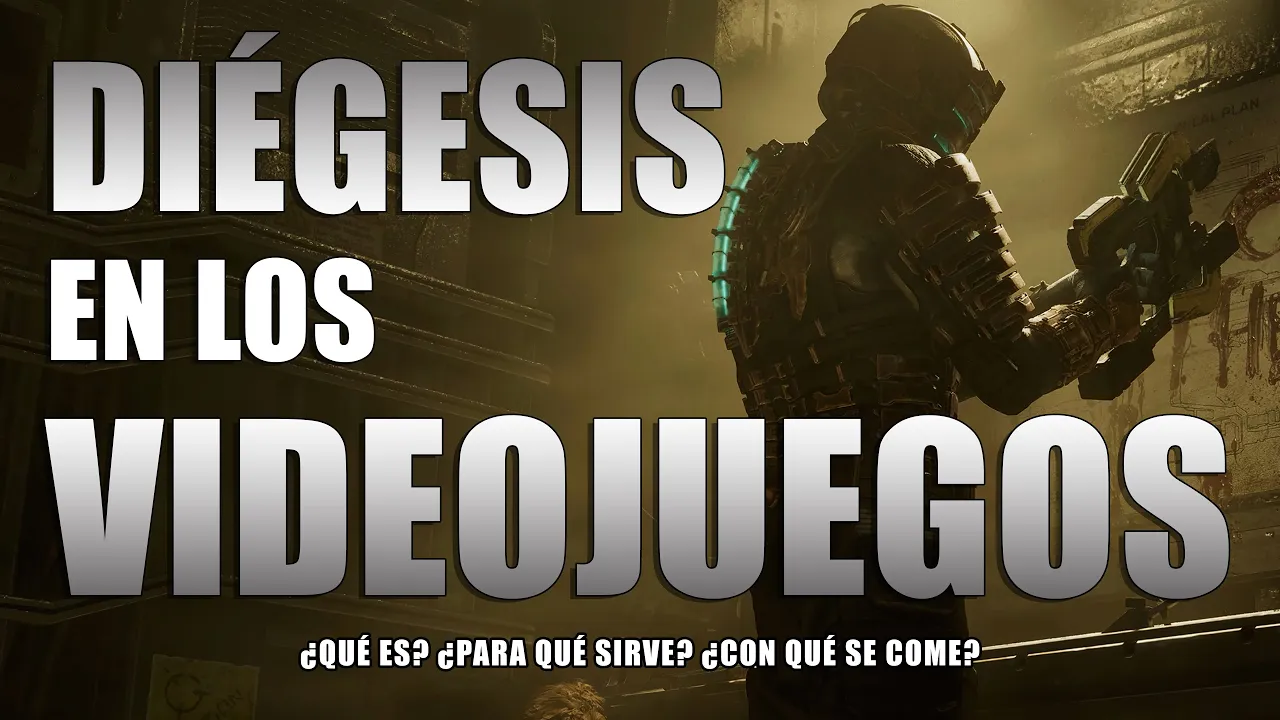
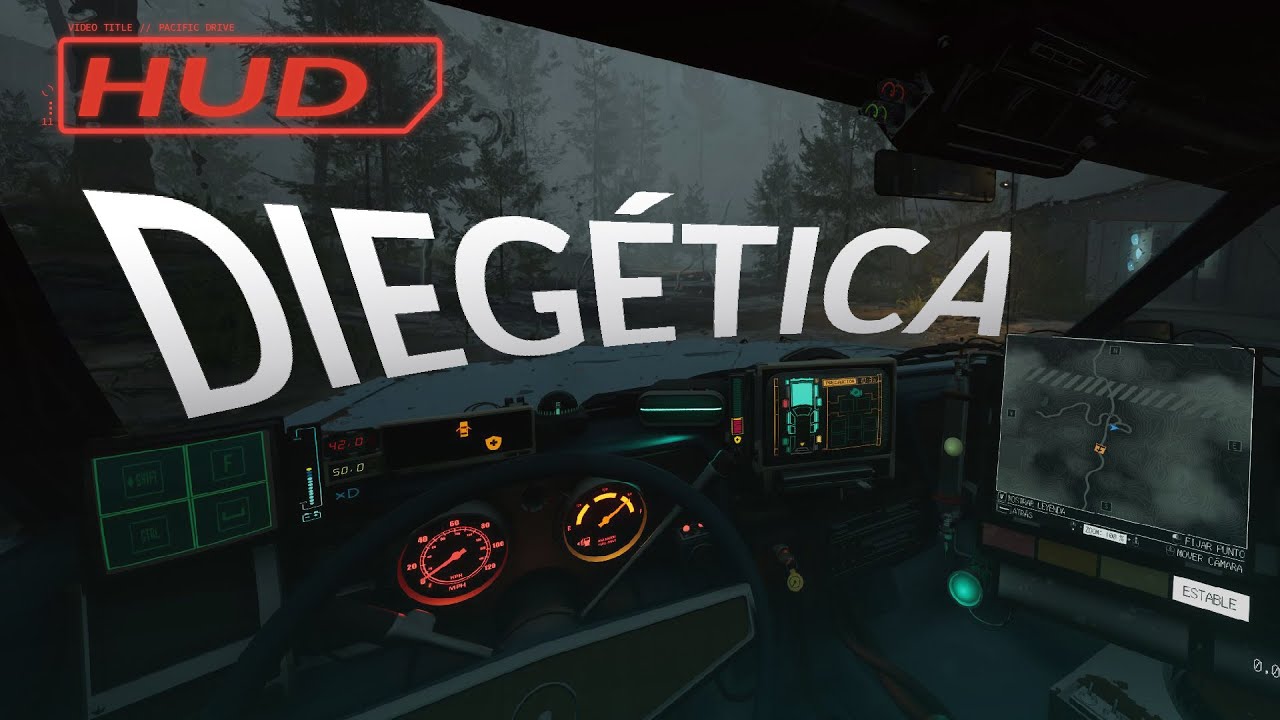
The application of diegetic principles to other mediums, such as video game design (comparing diegetic user interfaces like holographic HUDs to traditional, non-diegetic screen overlays).
Analyzing how filmmakers manipulate diegetic boundaries to create suspense, comedy, or to break the fourth wall.
915 views27likes7:34Original Release: 2019-03-18
so for my first video essay delving into filmmaking craft and technique I decided to focus on the topics of diegetic and non-diegetic elements in various films and genres and how they can be very flexible terms but before I discuss some of the more interesting examples I've come across in this first part I want to be able to kind of break down and define a little bit of what constitutes being diegetic and non-diegetic for those of you out there who may not have any idea what I've been talking about so far so simply put what is daya Jesus died Jesus is a form of storytelling where details about a world and the characters that inhabit it are presented to a detached audience through narrative often the narrative is provided by a narrator not directly tied to the world or events with regards to film specifically die Jesus could be simply described as the story on the screen the characters the settings events that transpire the little details all of those elements that adhere to the parameters set up in the fictional world compromised die Jesus of the film non-diegetic elements are typically details or manipulations of the story and characters that only we the audience are privy to as we witness them the most clear-cut examples of these terms at play are often found in the utilization of sound and soundtrack in the film for example the classic Indiana Jones punch sound effect [Music] that is an example of a diegetic element the sound originates in universe the characters hear it and interact with it the classic Indiana Jones theme on the other hand [Music] that is non-diegetic as the audience we are the only ones aware of its existence as it happens the characters don't hear or interact with it and therefore it is not part of their established world these terms also apply to the visual aspect of a film in its narrative for example this book that I'm reading right now is diegetic it exists in the world with me [Music] the balance between diegetic and non-diegetic elements helps to inform the audience not just of what their responses should be to a narrative but also what's entailed in the style and viewpoint of the storytellers involved editing and cinematography is in and of itself a non-diegetic element sort of a silent narrator directing us where and when to look what we should be focused on etc the use of non-diegetic inserts in a narrative can help interpret many things from a passage of time to transitioning of scenes or reinforcing a mood that the filmmakers wish to communicate further to the audience [Music] [Applause] now here's where things get fun and by fun I mean somewhat confusing diegetic and non-diegetic elements in film are not indefinitely closed off from each other into their own separate categories there is the potential for crossover for example the classic Ghostbusters theme has typically been considered a non-diegetic element we hear and experience it the characters don't that is until this scene in Ghostbusters 2 song all of a sudden the theme song is part of the diet Jesus it exists within the world now in contrast consider the end of V for Vendetta the protestors unmasked to reveal themselves as characters that while at a certain point were part of the diet Jesus have since been killed or exited from the narrative of the world now they are a non-diegetic element to inform us as the audience of this not-so-subtle statement he is all of us no one else appears to see or acknowledge the reappearance of these dead characters they are here solely for our benefit though sometimes we might be given an in-universe explanation as to why one element that we perceived as being that one element is actually the other dr. Molly this is a really windy hospital oh I'm sorry I was a drying up a patient's urine ready to have even more of a headache depending on the genre even what constitutes a diegetic or non-diegetic element tends to get pretty dicey sequences or visuals that appear to be taking place outside the parameters of the narrative world may or may not fall under the terminology of non-diegetic depending on the point of view wanna say love your hair here I go mumbling we'll stop for a more comprehensive understanding of non-diegetic elements at play and say musicals I'd recommend you check out Lindsay Alice's video essay on the Phantom of the Opera movie this constant blurring of the line appears more acceptable in genres such as musicals or comedies we're preserving the fourth wall isn't a top priority but how about when the lines blurred regarding our central character themselves take this scene from insomnia detective Dormer is hallucinating his dead partner this would technically be diegetic since it's an element our character is witnessing as it happens for him in the world it fuels his progression through the narrative but what about Edie Norton in Fight Club he is not only one of our central characters but also our main narrator he's not an impartial observer he's letting us become part of the die Jesus of his world through informing us about it so with all of this constitute as being diegetic or non-diegetic is this actually what he sees and experiences or is it simply for our viewing this is often a conundrum when acknowledging and breaking the fourth wall fourth wall break inside a fourth-wall break that's like 16 walls unless otherwise explicitly stated what is considered diegetic and what is not within the established world what exactly is the established world the narrative as it's being presented to us or merely a character's perception of the narrative [Music] I'm gonna close out this video for now because in part two I'm going to give you two examples one film that I feel adheres to a very firm divided between diegetic and non-diegetic elements and another film that just raises a big old middle finger to all that noise so I'll see you then [Music]
Up Next

111:58
Cinema's Undecidability: Illusion, Fiction, and Reality | Gertrud Koch | Tel Aviv University Lecture Series
@TAUFilmSchool
674 views•2020-11-19

23:14
Visual Analysis Essay: How to Analyze Graphic Novels in College Writing
@nataliepleimann5941
1K views•2020-10-14
4:55
Film Blocking Techniques for Directors: Space, Shapes, Lines
@StudioBinder
1.9M views•2018-07-23

4:00
Evolution of Darth Vader: Anakin Skywalker's Animated Journey Across Star Wars Films
@TellItAnimated
13.4M views•2019-03-30
Related Study Plans & Knowledge Roadmaps
Structured learning paths in Film Analysis
film-analysis
Sensory Cinema: Foley, Haptic Sound & Texture
01Introduction to Film Sound and Foley Artistry
02Micro-Sounds, Textures, and Extreme Amplification
03Haptic Audition and Film Phenomenology
+ 1 more learning modules
12h4 modules
Explore Roadmap
film-analysis
Breaking the Fourth Wall: Mockumentary & Satire
01The Invisible Wall: Basics of Cinematic Illusion
02Looking at the Lens: Direct Address & Character Glances
03The Mockumentary: Satire, Realism, and Complicity
+ 2 more learning modules
12h5 modules
Explore Roadmap
film-analysis
Analyzing the Long Take: Cinema, Space & Ethics
01Foundations of Film Grammar: Montage vs. The Long Take
02Choreography and Mechanics of the Simulated One-Shot
03Phenomenology of Film: Real-Time Spatial Continuity
+ 1 more learning modules
14h4 modules
Explore Roadmap
film-analysis
Anachronistic Music: Period Drama & Subversion
01Foundations of Film Sound and the 'Needle Drop'
02Traditional Authenticity vs. Revisionist History
03The Rise of the Anachronistic Soundtrack
+ 2 more learning modules
12h5 modules
Explore Roadmap