




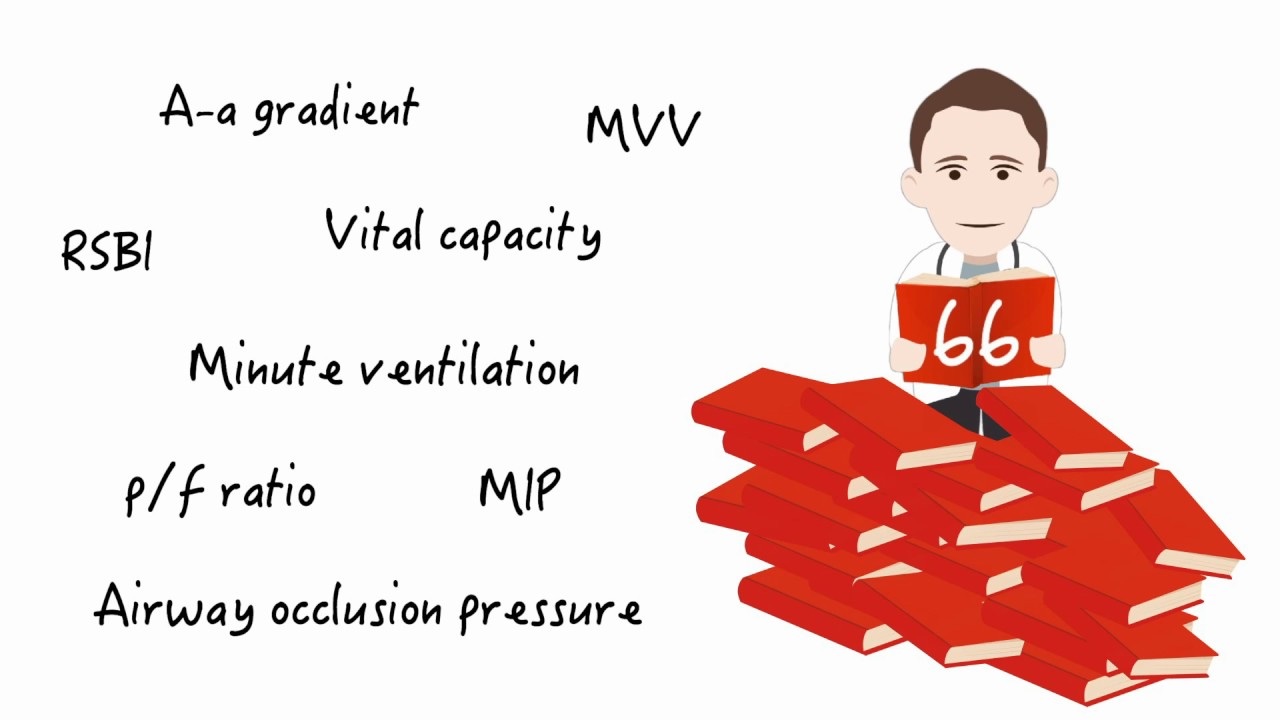





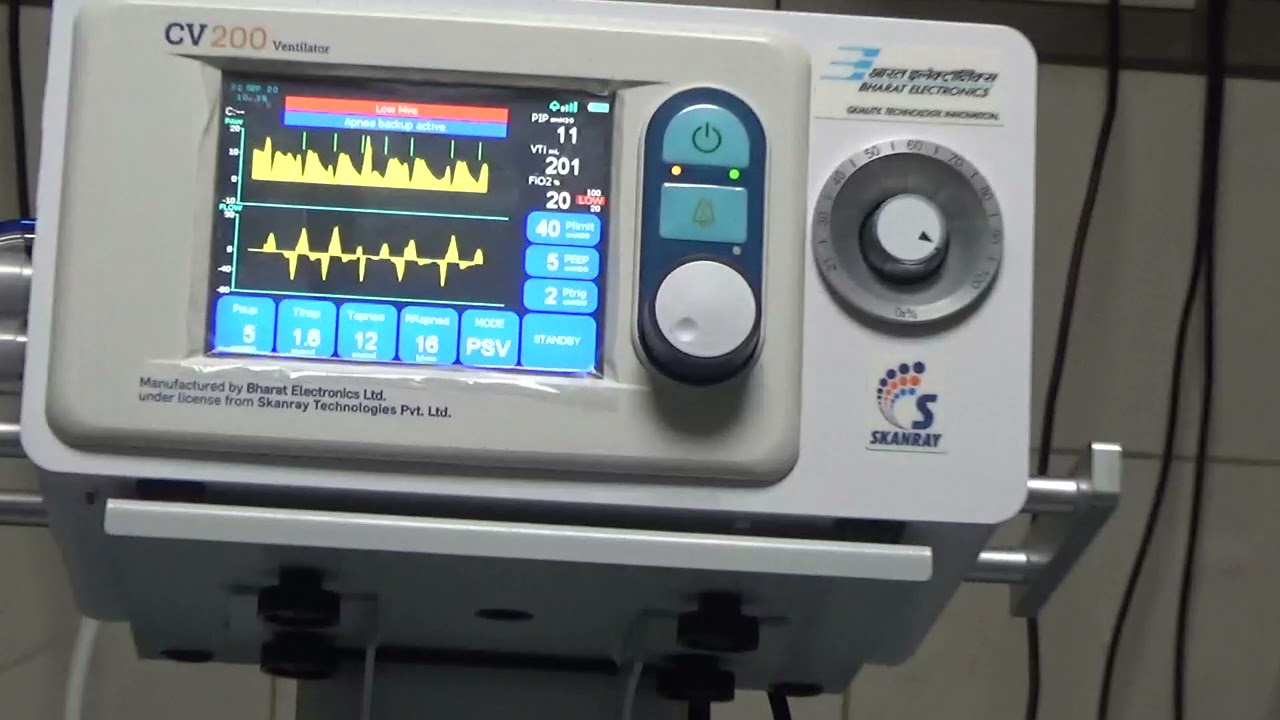
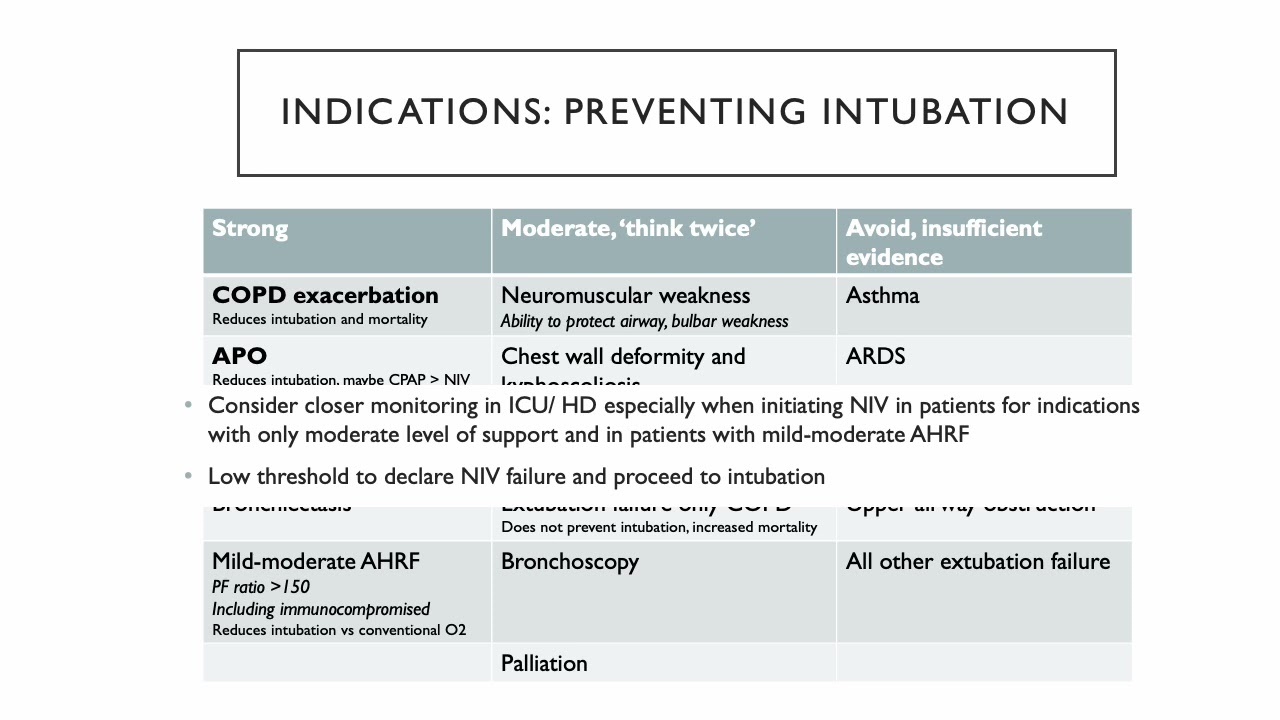





Extubation is the process of removing an artificial airway (endotracheal tube) from a patient who has successfully completed the weaning process and demonstrated adequate respiratory function; the procedure involves verifying patient readiness through weaning parameters (tidal volumes, vital capacity, minute ventilation, respiratory rate, negative inspiratory force, and rapid shallow breathing index), preparing equipment including PPE, suction devices, and reintubation supplies, administering 100% oxygen before removal, performing a leak test to assess for glottic edema, coaching the patient to take deep breaths and hold during tube removal, and providing appropriate post-extubation oxygen therapy while monitoring for complications such as stridor or respiratory distress.
Extubation Procedure: Removing an Endotracheal Tube Safely
Added:almost done yeah it sounds really good nice and clear hi I'm Georgia and I just finished assessing this patient because I just finished such to me up their trachea as well as their pharynx and this patient this is mr. Jones Rob Jones he's been doing really well lately so we've gotten him to the point through the weaning procedure to get him extubated so what I've done so far is I've suction this patient out I performed the weaning parameter checks leading up to extubation everything seems to look good and I think we get ready to extubate him so he's not a ventilator right now on minimal support his fio2 is 0.3 or his oxygen setting is 30% he's on a minimal peep he's on a peep of 6 centimeters of water pressure or a CPAP and mobizen is in pressure support so really that that ventilator is simply acting as a glorified high flow system is providing him with heat is providing him with moisture it's providing him at the correct fio2 and it's well providing him with some pressure support to overcome the resistance of the endotracheal tube now the type of endotracheal tube that he has is just a regular endotracheal tube it's not an evac tube so when I sectioned about trachea Lee I simply sectioned out his trachea with the closed suction system at minus 120 millimeters of mercury and then I went I used the suction catheter it's sectioned out his pharynx with full line pressures so I've taken a listen and everything seems to be good with respect to his weaning parameters his tidal volumes adequate his vital capacity is really good his minute ventilations come in to more of a normal range his arrest rate is fine it's less than 20 per minute he has an excellent negative inspiratory force of maximal inspiratory pressure it's well in excess of minus 100 centimeters of water pressure and as our SBI is quite it's in the 80s and our SBI stands for rapid shallow breathing index so we did all those tests his ventilation is really good his oxygenation is really good that's been confirmed with the end-tidal that we have on as well as the SPO tune you can see on the vital signs monitor he's got an sto to right now 40 in his n channels tracing out around sorry it's a Sat sir 95% and his MTEL co2 is 40 and that's been confirmed with like gases as well so he's doing really well he's alive he's alert he's orientated to what's going on he's got his everybody reflexes back you know he's really getting anxious to have to come out and I'm looking forward to taking it - you're pretty anxious poking that - look are you happy yeah he says yes that he's fairly good to go so with respect to the excavation procedure we need to have some things done first before we extubate this patient and of course PPE is very very important so make sure you've done the appropriate PPE after you've washed your hands it's also very important to have any kind of extra equipment that you might need on hand to do the procedure so when you're excavating your patient you don't really need a lot of equipment but what if the patient doesn't do very well after they've been excavated you need to reassess your patient and you have to make sure that they're tolerating the excavation with the tube removed and then they aren't be ready or prepared to reintubate so have all your intubation equipment ready have your man a resuscitator ready to go there should be some masks close by that you can use as well that are specific for that patient if the patient hasn't been suctioned make sure you suction them out Trey Kelly pharyngeal make sure their vital signs are stable make sure the bad liners give them the support they require now for the intubation there's a lot of variations in terms of how you have this or how you do this procedure depending on what type of equipment they're on what's that what type of endotracheal do they have what kind of support level they're receiving so we'll just assume that the ventilator is on giving minimal support to the patient right now the only thing that I will probably do is I'll increase the oxygen up to 100% to get them while oxygenating a prior to pulling this tube oh so let's look at some of the equipment that we might need for this procedure hello so some of the stuff that we might need or we will need will certainly need blue pads this is gonna go on the patient's chest to protect his gown or the bedding as well will be a place to put the endotracheal tube when we pull it over we'll need a syringe 10cc syringe so do fine and this is gonna be to deflate the cuff you're going to need a pair of scissors scissors gonna be used to cut the tapes because we've got this tube taped in place but if you have an e-tag device or some sort of tube holder that's simply a belt or a velcro strap you're just simply and do that velcro strap if you don't have get yourself the yonkers suction or the tonsil oral suction you'll be needing this to suction the patient's oral cavity out potentially after they've been excavated your PPE now I'm gonna probably wear a mask I like to extubate my patients with masks on with a mask on just in case they can see patients forward as well so let's get the procedure underway so again I said all his weenie parameter is a good RSV eyes good so the first thing we do is let them know they're going to take that tube out so you know mr. Jones gonna take that tube out and you'll be able to breathe on your own and we'll be assessing you before afterwards to make sure that you're doing fine and everything goes well you won't have to get that to put in I'll coach you through the procedure as well just to make sure that you're you're fine when you have that tube pulled over so they raise the head of your bed up there we go if that raises nice and high take some big breaths for mr. Jones this point in time we can go to the ventilator and put the ventilator into 100 sent for an oxygen concentration setting can you get my blue pad remember use a blue pad when you using the blue tab absorbent side up there we go blue pad there and get my yonkers suction we're going to attach it to my suction tubing I'm gonna make sure that my suction is set to full line so I've got set to regulate but it's set to full I'm going to tuck that underneath pillow because I'm gonna probably require that after a period of time now this guy or mr. Smith Jones here is on an oxygen concentration of 30% so what we usually do is that whatever administered oxygen administration device we're going to use afterwards whether it's low flow or a high flow system we usually set that to 10 percent higher than the extubating fio2 so since he's on 30% I need a delivery system that's gonna deliver 40% so he's looking fairly stable you know his ventilation spine he seems to be doing very well he was on the last short-term intubation only a couple of days so I'm gonna put him on a nasal cannula I'm gonna have that nasal cannula running right around 5 liters per minute and that should give me an approximate fio2 go 40% so I'll get the nasal cannula set up on the flow meter you can turn it on now or you can turn out a bit later on I'm gonna have this placed under a clean area under his pillow as well so it's ready to go set that up to 5 liters per minute I also have kind of a right over here if the patient was unstable or had some issues with ventilation afterwards and oxygenation I could put them on a high floor so I've got my iPhone blender set up right over here not sure we can see it that well but I do have a high flow set up with off the flow of nasal cannula just in case it's it's required so at this point I'm gonna put my mask on I'm gonna go over to my down later I'm gonna hit the alarm silence on my belly one of the first things I want to do before I take the tube out is check to see that there's a leak around the endotracheal tube and I'm specifically looking for relief because if there's a leak there it means there's no Vladek edema if there's no leak when I deflate the club then there is a chance that there's glottic edema and if there was a lot of Kadima I might want to treat my patient prior to pulling that tubo because since the tube goes out I could lose the patient's airway because of the swelling there so the ventilator isn't is I silenced the alarm so it's not going to go off so start going to drop that balloon that's in your throat right now just to see if there's any kind of leak so I want you to take some big breaths for me I'm gonna drop the cup grab my stethoscope put it right on this side of the patient's neck coughs dropped Dowler delivers a breath and I hear a nice big leak nice big leak when I look at the vendor I can see that volumes have also dropped going back to the bed layer so that means there's a lot of gas leaking through the upper airway which is what I want there's no signs of a lot of Kadima right now or any kind of swelling around that tube it's like put the gas back in this cup go back to the ventilator everything seems to be fine on the ventilator fio2 still step to one now I can get ready to extubate my patient so I'm gonna grab my syringe I'm going to place it on the pilot balloon right over here got my suction set up it's good to go running at 100% there sorry running at full line fio2 or the oxygen concentration is 100% on my ventilator my vital signs look really good look at my vital signs monitor he was just suction like I said so I don't have to put him through the stress of suction him out again so this point in time I want to really coach my patient and it's important to get them to coach them so that you can time the removal of the tube with their breathing and that's a sense because you want to pull the tube oh when they've got the most amount of gas inside their lungs and their trachea and glottis vocal cords are the widest possible to minimize the potential post excavation complications when you pull that to bow because they'll that negative pressure stretches out the lungs good lung volumes wide trachea it should be easier to extubate the patient in this fashion so sir what I'm going to when the tickets that get you to take some really big breaths now really big breaths so that's what he's doing is taking really big breath now and when I'm ready sir I'm gonna get you to take a big breath in and hold it I'm gonna pull that tube oh right when you're holding your breath with that big big inspiration so I'm nice big inspiratory hold grab your scissors take the flat side right over here go between the patient's mandible in their skin and get ready to cut now as soon as you cut the to the tape you should be supporting the tube because there's a lot of weight on that - potentially from that circuit so make sure you're supporting the tube okay so that it isn't going to potentially accidentally activate the patient also that's a good idea if there's a bit of a delay go back to your alarm silence on your ventilator it's your alarm silence some people will even take the patient off the ventilator if they're fairly stable because as soon as you take the patient off or extubate the patient there's gonna be a lot of gas flow coming from the ventilator out through the circuit that could spray a bunch of contaminant around so again there is variation to this procedure so I'm silence the alarms on the ventilator hold on to the tube I'm gonna cut a key sir I got that tape that's holding that tube in place put my scissors down in safe area I'm gonna pull this tape up from behind his neck first to reach behind there gently pull it okay if you lactate coming off your face I know it isn't very very comfortable for you still holding on to the tape there comes off the front of your face still holding onto the - okay so take a big breath in it takes a big breath in now you know I'm holding onto the tube still I'm gonna put my hand over here just so you can kind of see the effect of the extubation it's a big breath in he takes a big breath in another big breath in he takes a big breath in now on this the next breath sir take a big breath hold it and I'll pull the tube oh so exhales it takes a big breath in cough comes down to come so confident confident stop it out so he starts coughing mr. Cree Shinzo at this point in time I grab my Jonker hey sir put your mouth around that so it puts his mouth around the offer beings all this appreciate sports I can suction them all up for him ok I've done that now we're gonna put him on this stop him down to the oxygen device we're gonna put this nasal cannula in your nose now sir that's so folks out there so try that again in his nose around his ears sometimes a bit tough to do there we go ok a bit there how does that feel I'm gonna go back and listen to his lyric his airway again so I put my stethoscope here take some big breaths in for me sir takes a big breath in I hear no inspiratory stridor nothing so he's got good flow past his vocal cords there's no stridor anything like that he's on oxygen at five liters a minute his vital signs still look really good parts rates really good SATs are good the end-tidal well we won't be getting that title tracing right now this point in time I'm gonna shut my ventilator off because we don't need it alarming and I'm gonna clean up my area gonna take this stuff Oh cuz that's dirty that's gonna go in the garbage can take the scissors off three handed sharps move that out of the way okay so I'm going to take nobody listen to your chest so reassess him listen to his chest big breaths and a note that's it good sounds really good here we go his chest is nice and clear can you say a few words for me mr. Jones what's that you'd like a hot dog well you can't eat for a little while but once you're able to take fluids and then semi fluids etc we'll be able to get some food for you once you're capable of eating it fine without any issues so he seems to be doing fine we'll do some repeat blood gas is now on the patient as well we'll make sure we have keep track of his vital signs as well and communicate everything that we've done to the physician to the nurse to let them know the patient's been excavated and also chart down what you've you've done so it looks like everything seems to be fine for now we'll stay close to the patient make sure he doesn't go into any kind of ventilatory failure any kind of signs of death or any failure if he does we're prepared cos you'll have all this stuff that we need because we're in the unit and that's pretty well it just clean up your area like I said the ventilator don't be in a rush to take it out too quickly unless you really need it this can simply stay right over here where it is just in case he needs it again that girl over there if we need the dagger such a and viola we're done so that's how you would excavate a patient set them up on the appropriate therapy as well make sure they're comfortable another thing that you could also do for your patient is to hand them the suction and if they're able to they can operate the suction and suction themselves whenever they require there's no my mannequin here doesn't have any arms but if he did have arms me as real person you probably just put this up into its melting and suctioning cell phone as well and that's essentially how you extubated a patient so I hope you like this video if you have any questions please let me know any comments positive or negative let me know as well anyways I can through these videos when one man show with one camera down any questions concerns etc let me know but if you get a chance please subscribe to my youtube channel because there's a lot of other videos on things that are respiratory therapy as well as medically related out there so that's it for now hope you have a great day this is George signing off have a good day
Up Next
Phage Therapy: A Solution to Antibiotic-Resistant Superbugs
@upworthyscience
796.3K views•2020-06-01

Graphic Medicine: Comics for Collaborative Healthcare Communication
@nationalpatientadvocate
189 views•2023-12-04

Neuroanatomy: Central and Peripheral Nervous System Divisions Explained
@AKLECTURES
136.2K views•2014-09-20
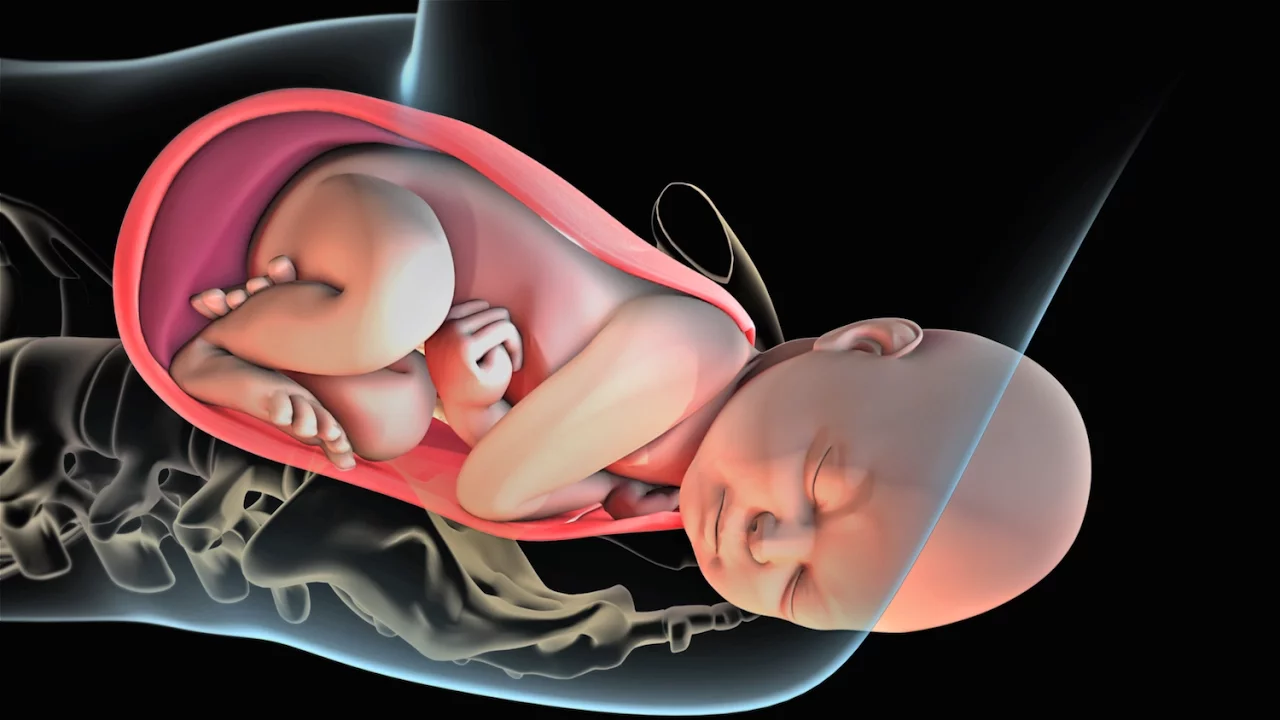
Stages of Labor and Vaginal Birth | Childbirth Animation
@nucleusmedicalmedia
52.1M views•2017-08-18
Related Study Plans & Knowledge Roadmaps
Structured learning paths in Medicine