




















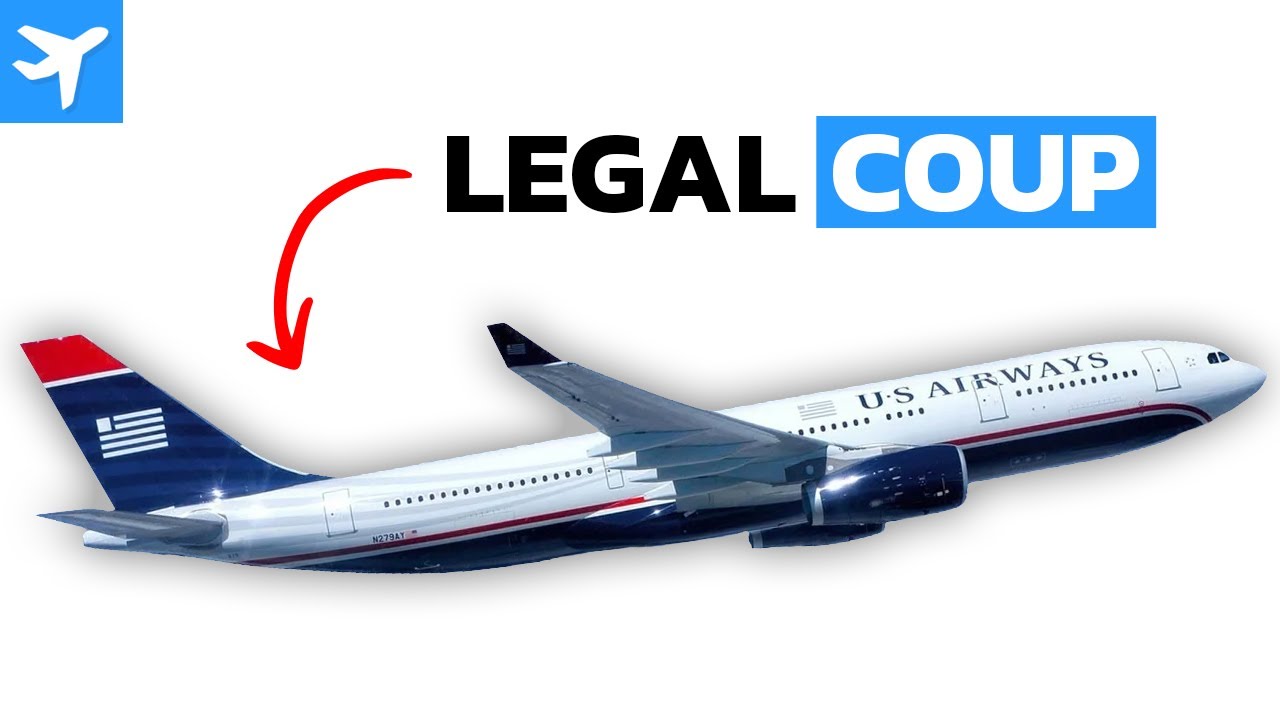



The 2023 joint FTC/DOJ merger guidelines represent a significant departure from the 2010 guidelines by eliminating consideration of out-of-market efficiencies and prohibiting crediting of entry or repositioning that would reduce competition in other markets, thereby making it substantially harder for merging parties to defend transactions based on efficiency gains and competitive benefits that extend beyond narrowly defined relevant markets; this shift was demonstrated in the blocked JetBlue-Spirit merger, where the court credited efficiencies but found they largely benefited a national market rather than the route-specific markets DOJ identified as relevant, ultimately leading to Spirit Airlines filing for bankruptcy in November 2024.
The Failed Spirit-JetBlue Merger: Antitrust Efficiency Debate
Added:Fundamentals of antitrust law, specifically Section 7 of the Clayton Act governing mergers and acquisitions.
The concept of the 'Consumer Welfare Standard' and how regulators measure harm to consumers through price, quality, and innovation.
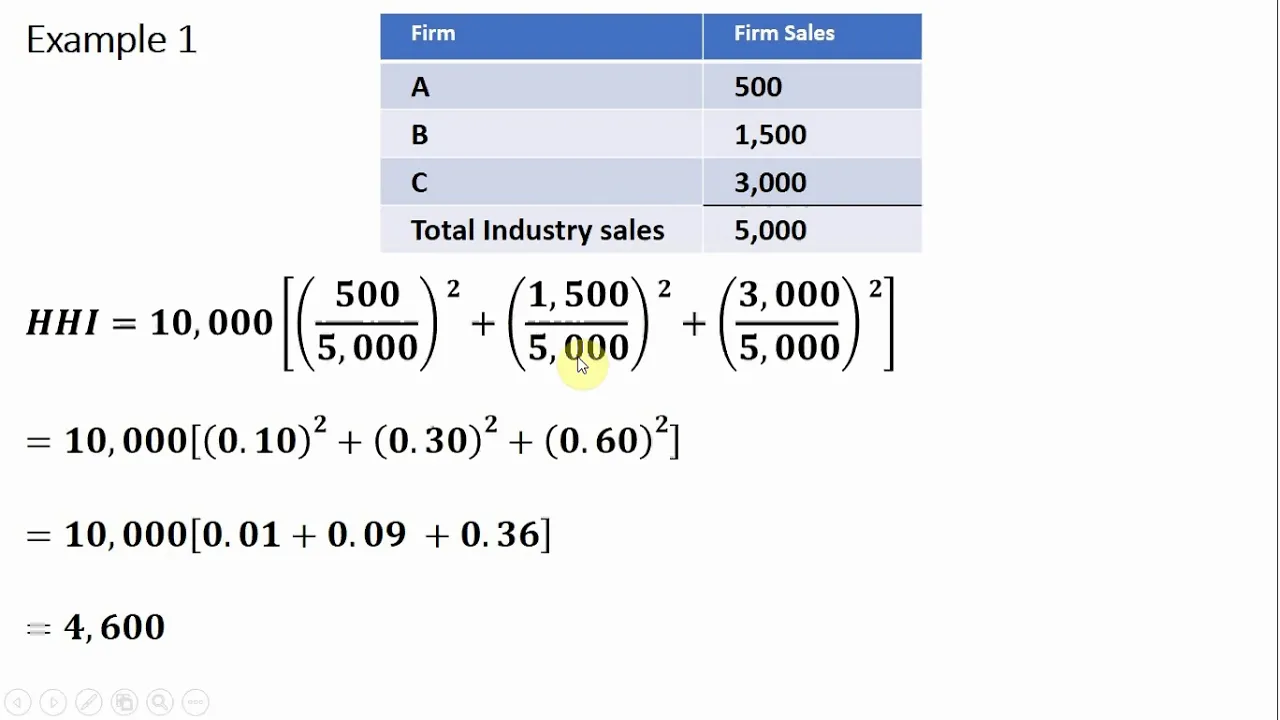
Key economic metrics of market concentration, such as the Herfindahl-Hirschman Index (HHI).
The basic market structure of the U.S. airline industry, including the distinction between legacy carriers and Ultra-Low-Cost Carriers (ULCCs).
Analysis of 'failing firm' defense doctrines and the financial/operational consequences for Spirit Airlines post-injunction.
The debate between structural remedies (blocking mergers outright) versus behavioral remedies (divestitures of slots and gates).
The rise of 'Neo-Brandeisian' antitrust theory and its challenge to the traditional consumer welfare standard in modern jurisprudence.
Comparative case studies of historical airline mergers (e.g., American-US Airways, United-Continental) to evaluate long-term competitive outcomes.
14.6K views1likes27:10Original Release: 2025-01-10
[Music] welcome to the regulatory transparency projects fourth Branch podcast series all expressions of opinion are those of the [Music] speaker hello and welcome to the regulatory transparencies projects fourth Branch podcast my name is Steve Schaefer and I'm the director of the federal society's regulatory transparency project and I'm glad you're here today we are discussing the failed uh JetBlue and Spirit Airlines merger with antitrust antitrust expert Alden Abbot a note all expressions of opinion are those of the experts um Alden Abbott is a senior research fellow focusing on antitrust issues uh before joining mercades Mr Abbott had served as the FTC uh general counsel from 2018 to early 20121 where he represented the Commission in in court and provided legal advice to its Representatives prior to working at the FTC Mr Abbott worked at the Heritage Foundation and BlackBerry Limited he also served as an Adjunct professor at uh George Mason's Anon Scalia law school from 1991 to 2018 he has a JD from Harvard Law School and an MA in economics from Georgetown University and is just an allround uh great guy so Alden thank you for for joining us well well thank you Steve for the kind words and uh thank you to the Federalist society and the regulatory transparency project uh for hos hting this uh podcast and what I think is an interesting uh issue it's a case study about how I think mger analysis can go wrong if you're not careful uh specifically uh the Justice Department's successful challenge about a year ago to Jet blu's proposed acquisition of Spirit Airlines uh provides an illustration of the Biden administration's antitrust Agency New and less favorable approach to considering merger efficiency and since we're changing administrations it also May provide an example that the new uh incoming Trump and I trust leadership may want to examine so it's Al uh so ironically uh I think the Justice Department's action may have tended to reduce instead of enhancing Airline competition by further entrenching a for firm all AG gothly of US airlines that wield substantial Market Power American Delta Southwest and United if that is the case Airline uh Travelers ultimately will be the losers so before turning to the specifics of a case let me describe Federal antitrust merger law in a nutshell uh merger violates the antitrust laws specifically section seven of The Clayton Act if quote in any line of Commerce in any section of the country the effect of such acquisition may be substantially Less in competition or tend to create a monopoly close quote now federal judges have viewed this requirement as uh requiring that a relevant Market or markets affected by a merger be defined and assessed so you're asking is there harm or not in a particular Market if competition is likely to be harmed in in one or more relevant markets the merger will be struck down so after likely harm is found in IR relevant Market the fact that competition might actually be enhanced in some other Market markets is irrelevant the merger will still be rejected now for over four decades counterveiling efficiencies have been considered in assessing whether in otherwise anti-competitive merger passes muster the efficiencies must however outweigh the anti-competitive effects and must benefit consumers and looking at efficiencies and consumers is consistent with what uh the Supreme Court said anti trust law is name that it's a consumer uh welfare prescription as the Supreme Court said in 1979 now for example a merger that otherwise would reduce competition in a market would he allowed if it led to cost reductions or quality and service improvements that made consumers in all relevant markets better off however even if a merger raised consumer welfare in one or more markets it would almost always be struck down if consumers were made worse off in at least one market now what did I say almost always the 2010 joint uh Federal Trade Commission doj merger guidelines created a narrow exception specifically the guidelines stated that the agencies could exercise their prosecutorial discretion to consider efficiencies not strictly in IR relevant Market but quote so inextricably linked with it that a partial devest or or other remedy could not feasibly eliminate the anti-competitive effect in the relevant Market without sacrificing efficiencies in other markets so the agencies were more likely to consider out of Market efficiencies when they very greatly outweighed the expected in-market anti-competitive effect uh now the agencies explicitly credited out of Market efficiencies in declining to challenge transactions in several particular cases and I'd like to hi uh highlight two justice department Airline murder cases in 2011 in Southwest Airlines company airr holding Inc uh although the parties overlapped on some non-stop routes that is specific markets say pair Roots going from say Washington to Phoenix uh the doj chose not to challenge merger of these low cost Airlines because it would allow the parties to offer new services and no Affairs on other routs benefiting consumers Nationwide so this was an example okay maybe a particular narrow route there's some questions about harm but we know that consumers many more consumers will gain on on major on other major routes so similarly uh doj declined to challenge Delta Airlines acquisition of Northwest Airlines in 2008 although the merging party were the only or two of three Airlines providing services on multiple non-stop routes uh doj credited significant overall efficiencies from combining the party sizable and complimentary markets and networks so in both cases the doj declined to challenge a transaction because out of Market efficiencies outweighed alleged in Market harm but times have changed uh FTC and uh G doj released new joint merger guidelines in 2023 reflecting a far more aggressive approach to merger enforcement this approach also is reflected in the treatment of uh efficiencies uh By the way when I said a more aggressive approach it was much more focused just on how reduction of the number of major competitors so-called higher Market concentration and less focus on the real economic effects of particular transactions now the 2023 joint merger guidelines did away with the 2020 guidelines more permissive language regarding out of Market efficiencies it stated un stating unconditionally that quote the antitrust agencies will not credit benefits outside a relevant Market that would not prevent a Lessing of competition in the relevant market so it's double negatives but it's uh says that basically even if there are lots of gains lots of benefits to Consumers huge benefits in other markets if there's a often very narrow relevant Market where on that some consumers would not benefit we're not going to consider the major benefits at the same time the 2023 guidelines prohibit consideration about a market efficiencies they mandate consideration of out of Market harms specifically they say that the FTC and doj will not credit one entry by other firms into the relevant Market or two efficiencies arising in a relevant Market if either involves a decrease in competition in another Market that is another Market that would be not at all considered it's not within the scope uh of of the merger so the agencies must consider out of Market harms to determine whether the party's entry and efficiency arguments in a relevant Market are valid in sharp contrast the old 2010 guidelines allowed agencies to credit entry that involved shifting capacity say shifting planes for example from another Market to the relevant Market in response to change competitive conditions due to emerger for example you'll guidelines credited entry by suppliers with quote readily available swing capacity currently used in adjacent markets that can easily and profitably be shifted to served the relevant Market close quote that is so-called rapid entrance so I said okay uh there's not really going to be harm if entry is going to happen if if if prices rise or can quality goes down as for efficiencies the 2020 guidelines stated efficiency should not quote arise some anti-competitive reductions in output or service but they did not directly forbid consideration of efficiencies that may in some respect lessen competition non-relevant markets now the 2023 guidelines also demonstrate an increased focus on harm to competition outside uh a relevant Market I think was suggested so what what does this all mean um how did they discuss for instance re repositioning of assets uh well B re as I said repositioning of assets is is actually quite important often in mergers because that just reflects really the how markets May adapt and change uh in in in light of merger so regarding entry the guidelines now advis quote the agencies typically do not credit entry that depends on Lessing competition in other markets close quote and also repositioning would reduce competition in markets from which products and services are moved if that happens it's not a cognizable rebuttal for lessening of competition in the relevant market so even if really competition would get better in the relevant Market we think there it there's a chance that would hurt competition somewhere else uh we're not even going to take take account of it and uh so now the Jeff blue uh spared merger decision really sort of reflects I think the new thinking uh and we're going to examine now examine it now and discussing this case I should note uh my comments are very much in line with an analysis published uh about 8 nine months ago in law 360 by antitrust lawyers Lisa ran and Anthony Ferrara so I uh I great mind s alike uh but they they had the same concerns about how efficiencies have uh analysis has been changed in Airlines so let let's go to look at jetl and spirit the country's sixth and seventh largest Airlines uh respect effectively which announced the plan emerge in July 2022 uh doj fer complain challenging the merger in March 2023 according to doj the transaction would eliminate the largest and fastest growing ultra low cast lowcost carrier in the US and the justice department alleged relevant markets were individual flight routes and identified numerous rout specific markets where Jeff flu and spirit compete to provide service I say city city cities uh so Jeff blue and Spirit uh said there should be a national relevant Market arguing that the roots Pacific markets fail to account for systemwide competition and the two companies argued the merger would enhanced national competition and benefit consumers by positioning JetBlue as a more effective competitor to the large Legacy Airlines for example the emerger would would have allowed Jet Blue to expand its Network adding flights to new locations and growing its presence in multiple cities while also expanding other aspects of its business such as its loyalty program to increase its relevant for cons relevance for consumers and simultaneously the parties argue that even looking at the root specific mergers doj alleged other airlines could readily move Fleet and crew as ship capacity to enter the alleged relevant markets defeating any competitive harm arising from a merger now justice department rebutted the arguments or as to efficiencies it said it declined to negot to negotiate a settlement that would address the pro problematic overlaps between the airlines VI the investitures which the airlines had opened had offered up while preserving the transactions claimed benefits and this was a departure from the Justice Department's practice in past Airline murder cases and I should say in general this was also the case in a recent Supermarket case in the past uh the agencies if you can show the agency that okay we're we're going to reduce the number of competitors in a particular Market if you have any concerns you're going to sell or capacity somebody else we not going to reduce the number of competitors will take actions to make sure also s a new competitor works out uh currently the agencies don't like that in accepting R instances they say we don't want the investors we want to say yay or nay about a merger and that sort of ignores the real benefits the merger might bring about and but they don't generally don't want to take that into account so um the parties in this case had offered major uh investors at four major airports to address doj's concerns about head-to-head competition in root specific markets now doj argued that the parties could not appoint to efficiencies arriving in arising outside of the alleged root specific markets that would justify the deal and even if Jet Blue would have been able to enter new roots and accelerate its Network growth nationally doj contended efficiency would not create concrete benefits for consumers in the specific alleged root markets but it didn't really say why it wouldn't and again this is important because we're talking about an olop where at the same major airline and this was really and up to now the budget Airlines had shown some success you know in really being able to lower costs but but Justice again didn't want to look at it as for entry doj argued Court should not credit other airlines entry into the alleged root specific markets if that would involve shifting capacity from other Roots that's that is exiting or reducing flight frequency on less profitable routes such shifts would risk harm to competition consumers in other markets and again this reflects the concern of the new merger guidelines about competition in other markets uh but it it said that but the doj did not identify those other markets as relevant markets nor did doj allege the transaction would cause a substantial Lessing of competition in those other markets so I I think it could be fairly sad these it was speculative hard and there's a general EMP empasis on really wanting a very concrete likelihood of har but in January 2024 US District Court of Massachusetts issued injunction blocking a transaction and Jeff blue and spirit subsequently abandoned the transaction so the court credited jeffl and's par efficiencies evidence finding the merg would likely expand Jeff's network fleet and loyalty program and enhance competitive pressure on the big po Airlines but the court agreed with the J that the relevant markets were root specific and ultimately concluded the party's efficiency's evidence quote failed to established a proposed merger would not substantially lessen competition in at least some of the relevant markets so the court seems to have concluded that while Jeff leen's Fe proved cognizable efficiencies most of those efficiencies benefited a national Market instead of specific roots that constituted relevant markets justice department focused on therefore the claim efficiencies were largely out out of Market at the same time the court accepted doj's argument it should not credit other airlines entry into the root specific markets that would involve abandoning existing markets or markets where they would have otherwise entered or grown but for a merger the court concluded that such entry cannot offset anti-competitive effects of the merger because it would create new hars to competition okay so in addition the the court discounted the proposed investor buyer testimony that they could readily shift assets from unprofitable routes to the relevant markets which suggests that the investor could have worked to avoid harm uh so the court was unpersuaded by entry arguments accepted in Prior airline industry mergers which we already mentioned because entry into the relevance root specific markets would reduce competition on other Roots at issue in a transaction so in some the court declined to look outside the relevant markets and weighing efficiencies but did look outside the relevant markets in assessing entry and this is just one District Court opinion of course and it's unclear whether most courts would adopt the same analysis but it is fairly well established that courts will not credit efficiencies arising outside a relevant Market that the government is challenging however there have appear to have been no prior decisions or the court considered out of Market harms caused by repositioning from competitors so prior decisions have generally focused on whether entry or repositioning by competitors into the alleged relevant Market would rebut the alleged Harms in that market not on whether the entry or repositioning would would cause harm in another market so was the course holding good for competition so it may seem very technical efficien efficiencies here uh or harm there that are not that are counted or not counted but what big picture what's going to happen Flash Forward to November 18 2024 when SP Airlines filed for bankruptcy protection citing mounting losses unaffordable debt increased compet for bargain seeking airline passengers it said inability to merge uh had left it little choice now three of the big four airlines American United in delta in the past many years ago filed for bankruptcy and emerged stronger but those competitors had numerous hubs in a major Nationwide indeed International presence it's far from clear that Spirit a struggling Budget Airline based on a low Fair model will have similar success it has already announced the sale of 23 of its Airbus Jets delayed future aircraft deliveries and furled hundreds of Pilots if spirit is forced to scale back its schedule or cities it serves goes out of business or gets purchased by another larger Airline by the way it would even worse if one of the big oigas purchased it the pressure to offer lower prices will be reduced and many air Travelers may suffer as a result so again then uh we'll have to see what happens but I think the big four Airlines who who have been criticized for for not competing as vigorously as they should on price maybe breathing a sigh of relief so what are the key takeaways on this case this case clearly illustrates the current FTC and doj's Views uh toward out of Market efficiencies and out of Market harms under the 2023 merger guidelines and this shift in policy last year and actually in recent years was especially likely to affect firms that operate across multiple local and Regional markets in short the 2023 merger guidelines heighten focus on out of Market harms makes it harder for merging per parties to rely on entry and efficiency defenses to support their transactions while at the same time disfavoring investors that would preserve significant efficiencies now company's hoping to highlight the pro competitive benefits of transactions need to consider whether they can plausibly frame those benefits as arising within the relevant markets the agencies typically look to define the narrowest possible relevant markets and may even be incentivized to Alle very narrow markets to exclude the party's claimed deficiencies and that leads to a criticism as sometimes been made about murder enforcement you've got these very tiny markets the old joke that you know uh a good prosecutor could even indict before a grand jwelry a ham sandwich well you know the the argument is that you a good enforcer can come up with very very narrow markets where it's going to find harm but that often ignores the bigger picture firms should bear in mind that if their transaction is challenged in court they will need to frame any efficiency argument in such a way that the claimed efficiencies fall within relevant markets and at the same time they must be prepared to and salary out of Market harms arising from inm Market efficiencies again that's under the 2023 guidelines um and so in In Sum once again uh the 202 2023 uh guidelines are set up to allow the agencies to take a broad approach to discredit efficiencies that reflect uh uh out of Market effects so what can the new Administration do well it could uh what are the implications well in particular it may want to rewrite or revise part or all of the guidelines it may want to seriously consider revising the discussion of efficiencies to reinstate the more proeyes approach it may even want to go beyond that by showing a greater willingness to weigh out of Market efficiencies on the benefits they provide to Consumers clearly outweigh consumer losses within the relevant Market spefic specific language might for example provide that in such a case the agencies would not pursue a murder challenge finally revised guidelines might state that efficiency claims will be accorded as much weight as series of competitive harm based always on hard facts so in that's an such a position would be in line with a recommendation by former FTC commissioner Christine Wilson it encourage more efficiency driven deals to be considered thereby raising consumer welfare and certainly in my view and view of Wilson some other people that it would mean that the undercounting of efficiencies even under the old guidelines or underestimation is a bad thing because after all as I already suggested uh the Supreme Court has always said consumer welfare is a key uh a guide post of antitrust and indeed Adam Smith the sort of the f of modern economics and The Wealth of Nations way back in 1776 said uh uh actions by producers are a value basic social value to the extent they benefit the consumers so I think consumer welfare should always be on our mind and and the agencies the antitrust agencies can do a better job of taking account a broader understanding of efficiencies if they want to truly promote consumer welfare and I hope you found this of some interest and and I thank you for your time yeah Alden thank you so much for um for sharing not only um this particular denied merger U between JetBlue and Spirit Airlines but also like the background of um you know prior merger guidelines and what our audience should look forward to um as their discussions about who's going to be on the FTC but also uh what future actions they may in fact take and also um people keeping an eye on what happens with um Spirit Airlines um as they go through restructuring and as you indicated the selling off of planes so um lots to think about there so uh thank you so much for your time and sharing your expertise with our audience um and for those of you who are listening you know thank you so much um please check out more content like this at reg project.org that's reg project.org where you um have the opportunity to listen to experts um share their you know their analysis and information um and we really appreciate you all so uh thank you very [Music] much on behalf of the federal society's regulatory transparency project thanks for tuning in to the fourth Branch podcast to catch every new episode when it's released you can subscribe on Apple podcasts Google play and spreer for the latest from RTP please visit our website at reg project.org that's reeg pro.or this has been a fedock audio production
Up Next

7:54
Hypothetical Monopoly Test Explained | SSNIP Method for Market Definition
@globalecon
29.5K views•2011-03-18

67:20
Globalisation and the 21st Century Enlightenment | Joseph Stiglitz
@EdinburghUniversity
44.8K views•2009-02-10
10:33
Behavioral Economics Explained: Rationality, Nudges, and Risk
@crashcourse
1.1M views•2016-03-12

113:18
The Age of Easy Money: Fed & Inflation | Full Documentary
@frontline
21.2M views•2023-03-15
Related Study Plans & Knowledge Roadmaps
Structured learning paths in Economics
economics
Intellectual Property: Innovation vs Monopoly
01Foundations of Market Power: Monopolies & Deadweight Loss
02The Economic Trade-Off of Intellectual Property
03Patents: R&D Incentives vs. Market Monopolization
+ 3 more learning modules
12h6 modules
Explore Roadmap
economics
Sovereign Debt: Defaults, IMF & Restructuring
01Introduction to Sovereign Debt & Government Bonds
02Debt Sustainability & Credit Ratings
03Anatomy and History of Debt Crises
+ 2 more learning modules
12h5 modules
Explore Roadmap
economics
Market Design: Matching Theory & Gale-Shapley
01Introduction to Market Design and Price-Free Markets
02Two-Sided Matching & The Gale-Shapley Algorithm
03School Choice Systems and Mechanism Design
+ 2 more learning modules
10h5 modules
Explore Roadmap
economics
Impossible Trinity: Forex, Capital & Policy
01Introduction to Monetary Policy and Central Banking
02Exchange Rates and International Capital Flows
03The Mundell-Fleming Model
+ 2 more learning modules
8h5 modules
Explore Roadmap