











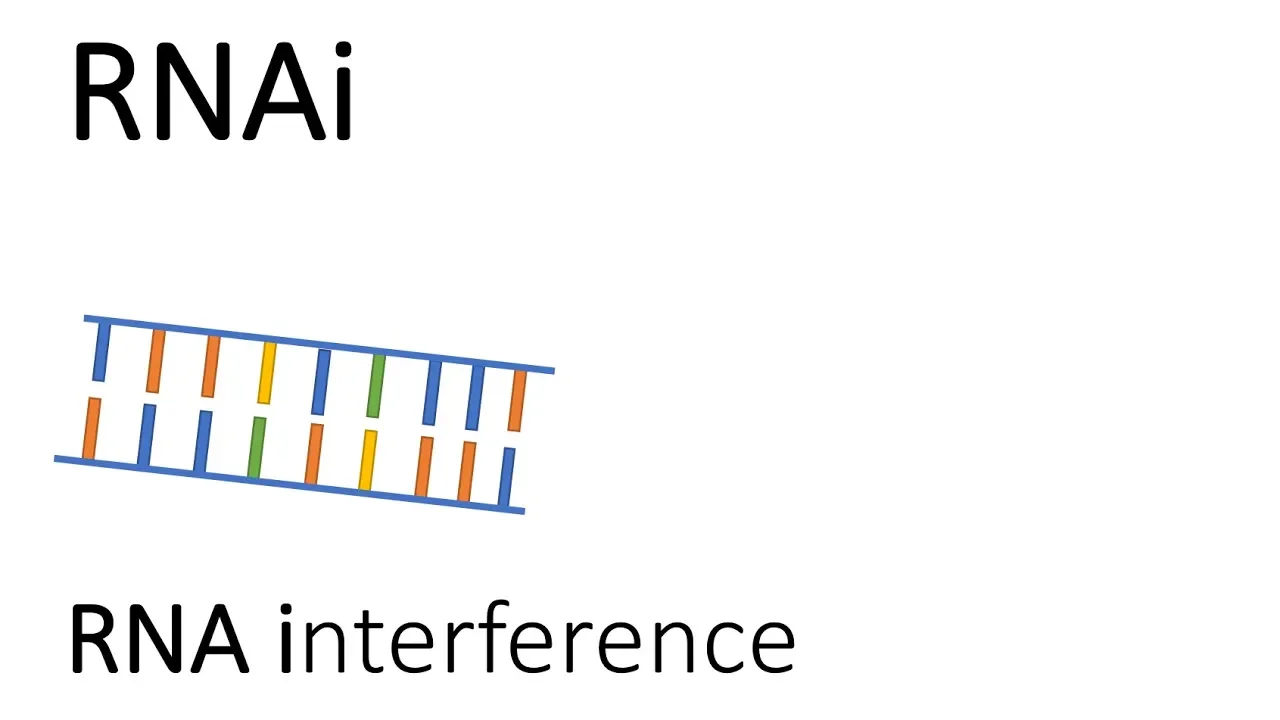


RNA interference (RNAi) is a cellular mechanism that regulates protein levels by using small RNAs (microRNAs or siRNAs) bound to the Argonaute protein to specifically target and degrade complementary messenger RNAs (mRNAs), thereby reducing protein production without permanently altering the original gene; this process involves the Argonaute protein acting as a molecular guide that uses the small RNA's seed sequence (6-8 nucleotides at the 5' end) to find matching mRNA targets, with the degree of complementarity determining whether the mRNA gets cleaved (perfect match with siRNA) or undergoes degradation through recruitment of cofactors (partial match with miRNA).
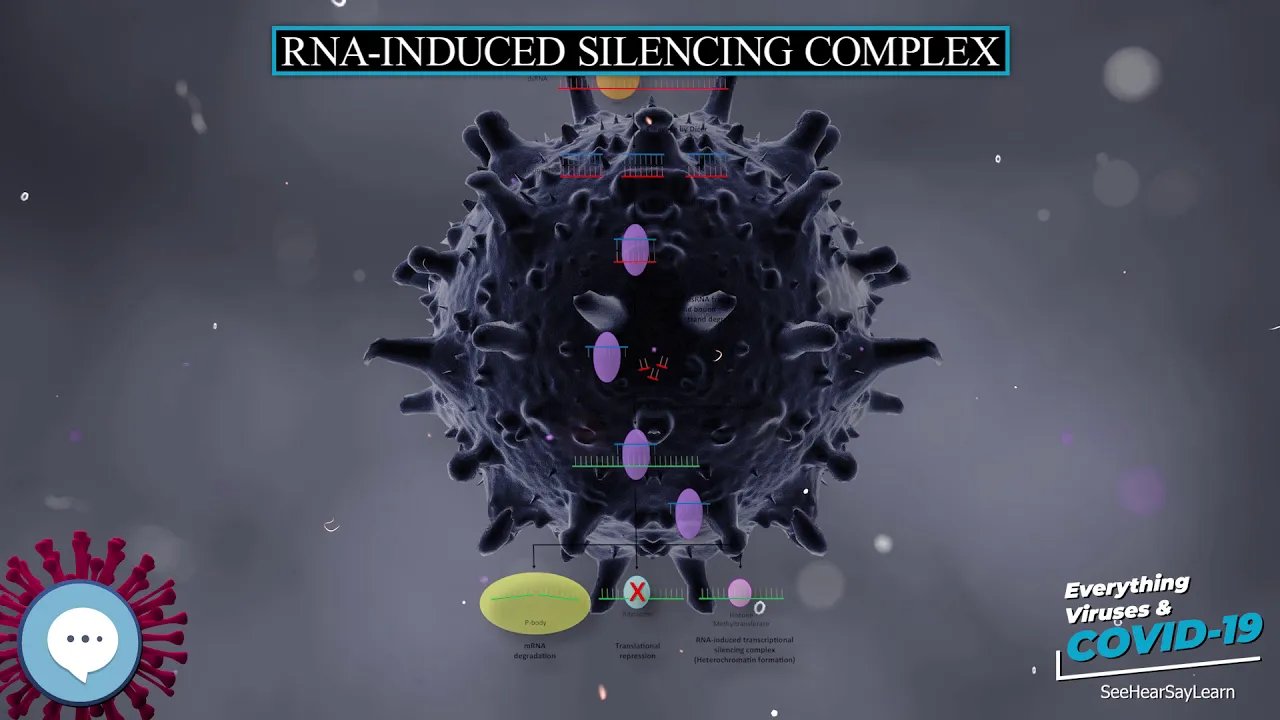
How microRNA and Argonaute Form the RISC Complex for RNA Interference
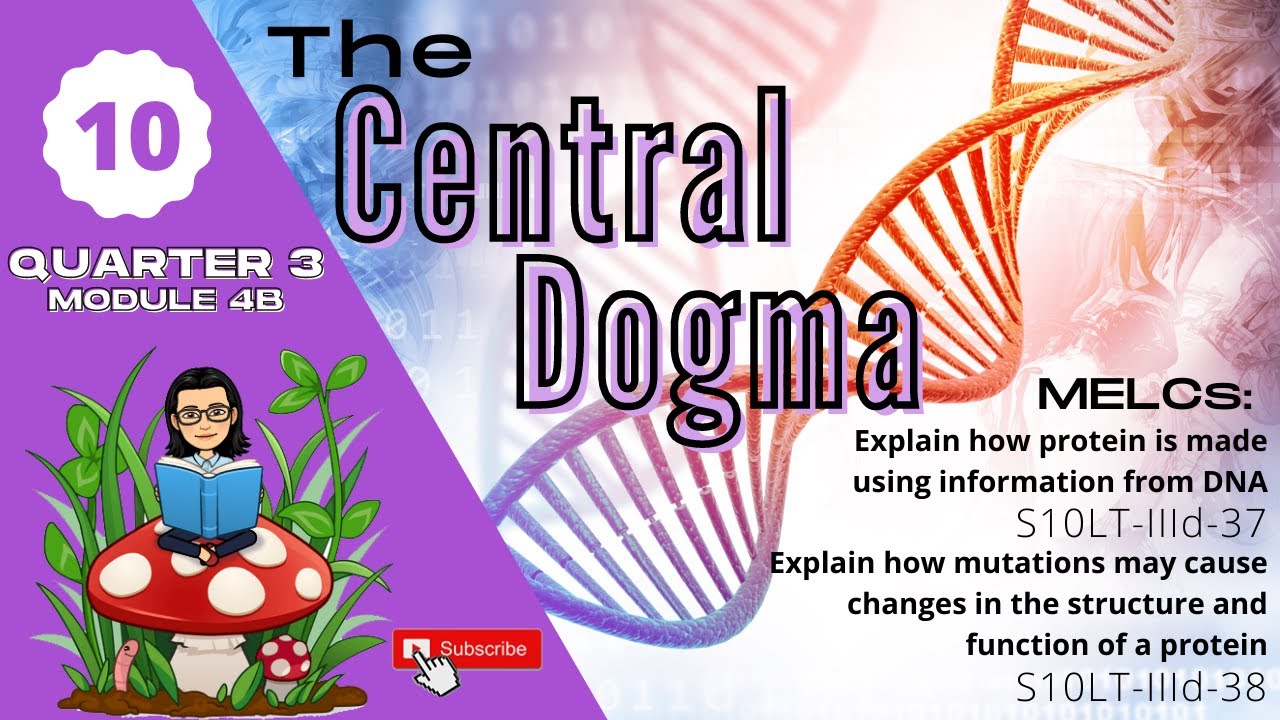
Added:The Central Dogma of Molecular Biology, specifically how DNA is transcribed into mRNA and translated into proteins.
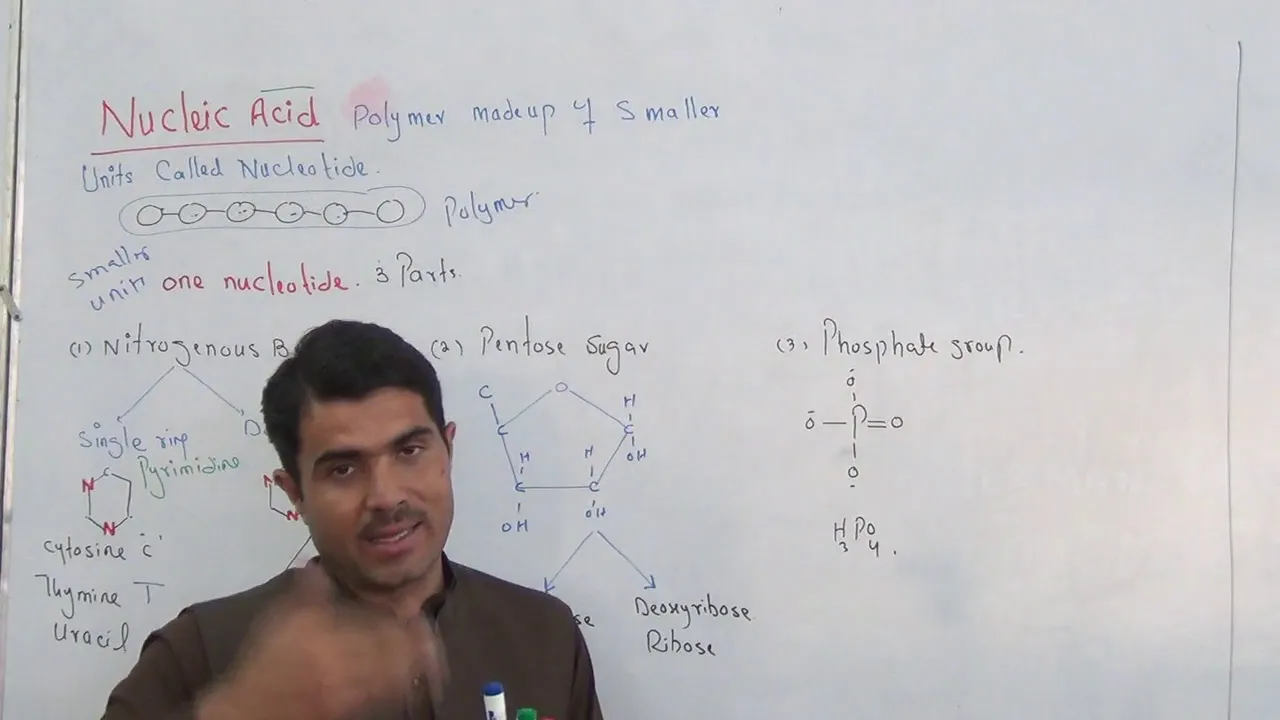
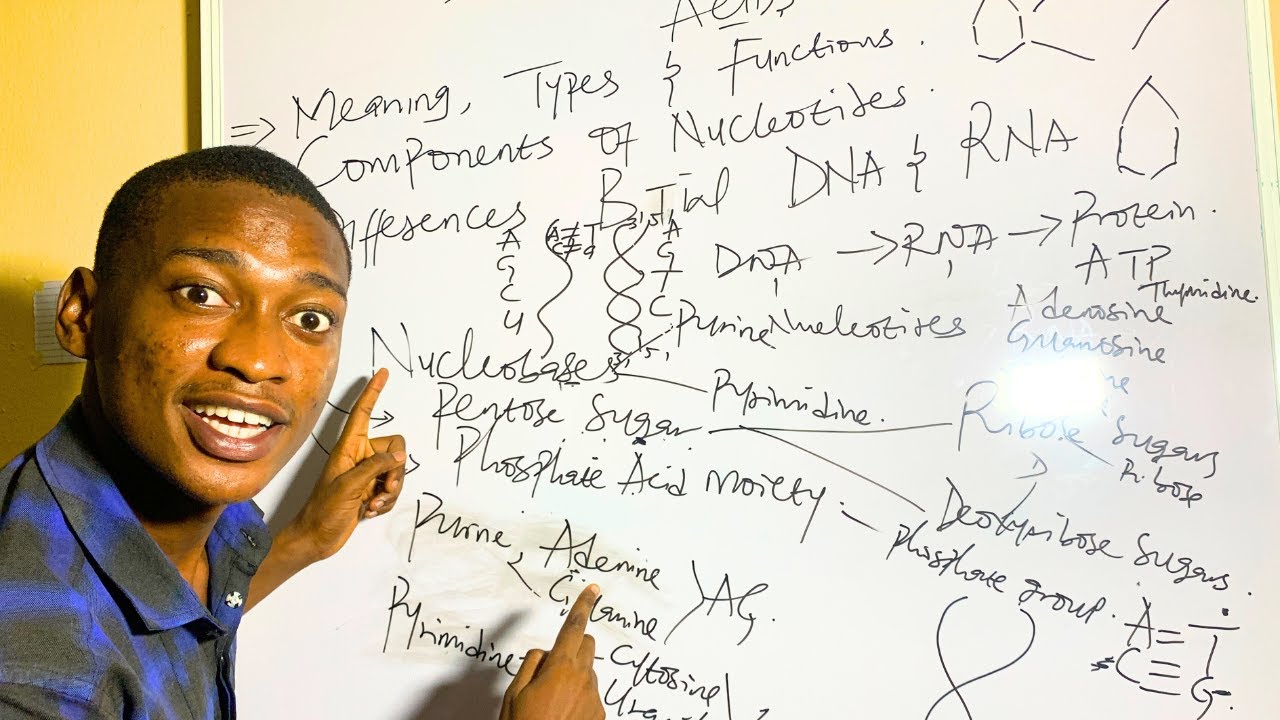
Basic nucleic acid biochemistry, including the structural differences between DNA, single-stranded RNA (ssRNA), and double-stranded RNA (dsRNA).
The fundamental concept of gene regulation, representing how cells control the timing and abundance of protein synthesis.
A basic definition of RNA interference (RNAi) as a cellular mechanism used to sequence-specifically silence gene expression.
The downstream molecular mechanisms of the active RISC, comparing mRNA cleavage (slicing) with translational repression and mRNA decay.
The upstream cellular biogenesis of small RNAs, including the processing of pri-miRNA and pre-miRNA by the enzymes Drosha and Dicer.
Practical applications of RNAi in laboratory research, such as gene knockdown assays and functional genomics screens.
Therapeutic applications of RNAi, including how synthetic siRNAs are formulated (e.g., lipid nanoparticles) to treat genetic disorders and viral infections.
2.1K views62likes29:42Original Release: 2021-08-01
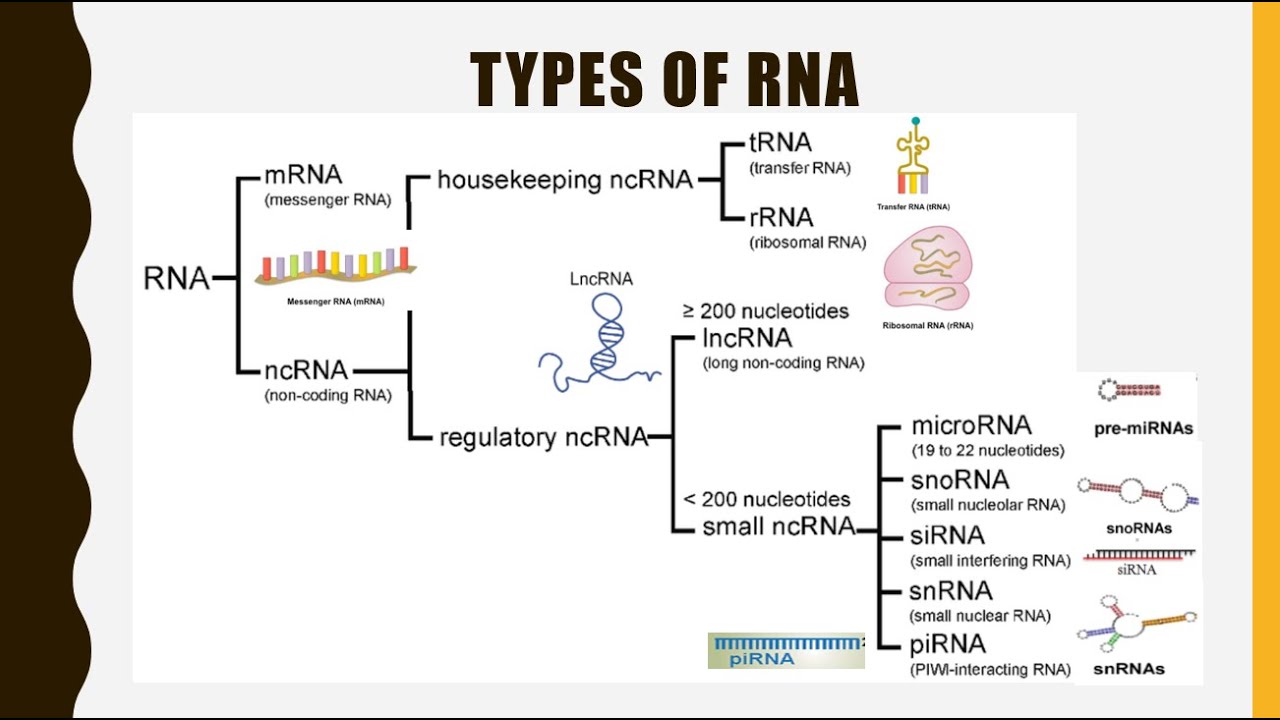
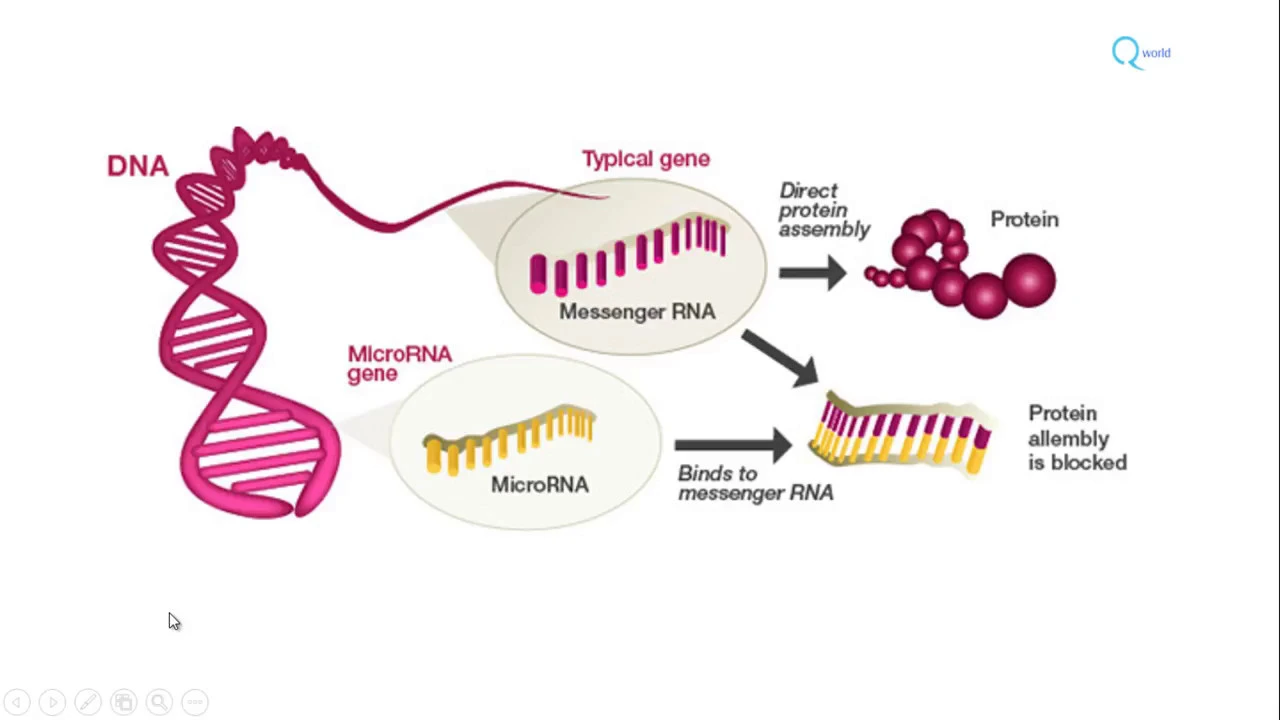
i'm clearly not going to win a gold medal in olympic gymnastics that's okay because i'm not training for a gold medal in gymnastics i'm training for a phd in biochemistry so today i want to tell you more about what my training does involve which is studying this protein called argon or ego and how it's involved in this process called rnai or rna interference that helps regulate the levels of various proteins in your cells to control the temperature your cells have all these mechanisms to make sure that the levels of proteins are optimal for that cell this might change over time so your cell has to be able to respond and one way it responds is through regulation with rna interference or rna-i especially using micrornas and at the heart of it is this protein that i study called argonaut and so argonaut is this little thing right here it's a protein what he does is he uses these rna to target um recipe copies so protein recipe copies mrnas um that have a corresponding sequence and so and then it shuts down production of that protein so basically you might have heard a lot about mrna lately because of the coronavirus vaccines but basically an mrna is just a copy of a protein recipe um and so our cells actually make rna all the time it's like this intermediary between the genes or the dna version of the protein making instructions and the actual protein that's made so basically the gene is like held in this membrane-bound compartment of the cell called a nucleus and then um it's kind of like the reference section of a library you can't take things out but you can make copies of them and so the cell makes these mrna copies of those and it ships those out of that nucleus into the general part of the cell the cytoplasm and so rna copying is called transcription and then this mrna goes out into the cytoplasm in these complexes called ribosomes then use those instructions to make proteins from them what rnai does is it targets this mrna and it degrades it um and so it does this in the sequence specific way using these um small rnas so like micro rnas and si rnas and these rnas have like a sequence that corresponds to a sequence in the um in part of those mrnas and so then it can target those mrnas and cause their degradation but it has to find and bind to them and recruit cofactors to help out and so the protein that helps them do this is this argonaut protein so it's actually going to hold that small rna and use it as a guide um to go find those corresponding targets so sometimes i like to think of it as kind of like a self-driving car um where you plug in the address using the small rna and then go find that mrna and shut it down celsius this micro rna regulated mediated regulation all the time to control levels of various proteins in our cells and we also can use it therapeutically to target specific um mrnas for proteins that might be being mismade or like made too much over that sort of thing and i'll show you an example of that later we can also use like it in the lab to like quote unquote knock down genes so to reduce the expression of certain proteins so produce how much of those proteins is make and because you're doing it in the sequence specific manner all you have to do is like introduce that um a small rna so like an si rna with that sequence um and argonaut can help shut down production of that protein and it's not messing with the original gene so it's not permanent um and so rnai is really awesome and argonauts really really awesome because it's the heart of all of this um and so i study how argonaut is regulated and how it regulates protein production um so now let's go into a little more detail um and some graphics and stuff proteins are these little like molecular workers in all of your cells and there's different types of proteins that can do different things and the instructions for making those proteins are written in the form of dna as genes so genes are basically just um stretches of a longer piece of dna called chromosomes so these recipes um in order to be made into protein they're first transcribed into mrna so our messenger rna copy of this dna is made and then that gets used by protein-making complexes called ribosomes in a process called translation to make a protein and i study a process that kind of puts a damper on that whole thing see the amount of protein you get is going to correspond in large parts of the amount of mrna you have because the more copies of this recipe you have in circulation for the ribosomes to use the more protein you can make so if you want to decrease the amount of protein you're making you want one way to do that is to decrease the amount of mrna and rna interference is a way that can specifically down um specifically down regulate the protein production of specific proteins by reducing the amount of mrna for that protein so because it's doing the sequins specifically it can reduce individual protein levels without affecting other protein levels and unlike transcriptional regulation where you actually like making fewer mrna copies well the problem with that is that it takes time um and you already have all those mrna copies that are already in circulation so rnai allows you to get rid of those circulating mrnas so you don't make that protein anymore and so how does it do with this it uses these small rnas so by small i'm talking these are about 22 nucleotides long um so nucleotides are rna letters so it's about 22 letters long um and these are going to act as guides to um of course to be um as guides and so they contain like these sequences that are complementary to sequences in messenger rnas and so typically in the three prime utr of messenger rnas which is like the tail of the mrna so after the actual part that codes for the genes the part that has the gene the um sorry that codes for the proteins are the part that is the protein instructions after that there's more um and we call it three prime etr the untranslated region because it's not translated into protein but that doesn't mean it's not important and one of the reasons why it's important is because it has these binding sites for these small rnas and so um by binding size i just mean that it has like a region of complementarity so there's this region called this like um at least like six to eight nucleotides long in what's called the c region i'll talk about and so but they're actually um there are a few different types of small rnas so the type that our cells use the most is called microrna or mirna um and so this is made from we have genes that make this but instead these so like different micrornas have different genes but they don't get translated into protein they get used as the rna form so they're a form of functional rnas they're different types of functional rna and this is one of them that functions as the rna itself and doesn't just serve as an intermediary between gene and protein another type of small rna is sir rna or small interfering rna and this comes from exogenous sources so like outside sources of double-stranded rna and so insects um some other invertebrates and plants they use this a lot as a um antiviral mechanism defense mechanism so they take rna from viruses um and use it to target this specific virus because it the viral sequence will then a match to the viral sequence if the um like once you enter the viral sequence will match to the um the viral sequence and then that can be used to target it but we um have evolved to have more complex immune systems with like multicellular immune systems with all these signaling cascades and all this sort of stuff and so we don't use our rna eye machinery for that but we can um it's it uses the same machinery i'll tell you about so we're our cells are capable of using small si rnas if you introduce them such as you can do therapeutically or we do it a lot in the lab to knock down specific genes so to reduce the amounts of certain proteins that are being made um temporarily so this isn't like crispr we're not removing the gene permanently we're just reducing the amount of the protein that's being made from it which is really great because um it's not permanent and you can do this to specific genes using the specific sequences um and so how does the specificity comes about is as i um hinted at there's a seed sequence so the six to eight nucleotide long region at um the five prime ends so of the small rna and so rna we talk about it having two ends the five prime ends which is kind of like the starting end and then three prime n which is like the ending ends um so the five prime end is like a free phosphate group and the three prime end is a free oh um just so you don't get confused if that you were wondering what that meant but don't you need to worry about that now except know that there's those two ends there's the five-prime end and the three-prime end and then you have the seed sequence which is this um specific region of that small rna and this this region is crucial for determining which um messenger rnas get targeted so typically uh although there are some weird exceptions where there's pairing in different places the seed sequence as we'll see is going to be really important this is like crucial for getting for getting repression so getting the mrna degraded in so how does you have all these small rnas floating around in these cells you have all this mrnas floating around in the cells how the heck are they supposed to find each other uh oh and so you can also have further pairing um so that seed regen is like the main determinant but you can also have pairing so like especially in this three prime supplemental region so remember the three prime end is like the other end so this is like towards the three prime ends um and this three prime supplemental region is like 13 to 16 and as we'll see in the structures they'll show you um there's kind of like a supplementary chain chamber which allows for this sort of pairing which can enhance the um the binding affinity so how like strongly ego um how strongly it'll bind um with the help of eggo which is this protein i want to tell you about oh and so yeah so si rna so micro rna typically has this like partial complementarity where you have that seed region complementarity full complementarity and then you might have additional complementarity in other regions of the microrna with sirna you have this complete complementarity and so this is going to be important because it's actually going to allow for a different form of degradation it's going to allow for that mrna to actually get cleaved as opposed to just like degrade it um and so like i was saying you have these s you you have these small rnas floating around in the cell you have these mrnas floating around in the cell and how are they supposed to find each other inter m the protein i study argonaute or ego this protein is awesome it binds to that small rna and it uses it as a guide which is why we call the guides it uses as a guide to find those three prime um utrs so find those messenger rnas with the corresponding binding sites and so it can kind of like hop along until it finds the sequence with their seed sequence matches and then it latches on um and then if it can bind in the supplemental region and stuff if there's further pairing um it'll make more sense when i show you the structures later but the basic idea is that once you bind then you can get translational inhibition um and mrna degradation so you keep that protein from being made and decrease the amounts of the protein that are present so where does this small rna come from so the micro rna is transcribed from genes just like in normal quote unquote normal gene would be just like the genes for the proteins except that we don't it doesn't go to the um protein phase and it doesn't form a messenger rna instead you have this long precursor transcript that folds up into this long hairpin thing and this is called the primary microrna the prion rna and this is happening in the nucleus so that's the membrane-bound compartment in your cell where all of the dna is housed and so what happens is it gets transcribed as this long hairpin and then it gets bound by this microprocessor complex um and it's going to cut it into a shorter hairpin um and it's going to go into the cytoplasm so the cytoplasm is like the general interior in your cell where the ribosome so the protein making machinery and all of that stuff is in there and all the proteins and all that stuff um and so this is where it's gonna function usually um and so but for it's not ready to be functional yet um so right now you have this hairpin thing but we need to get that single short strand of rna that um i've highlighted an orange here um and so what's going to happen is it's going to get it needs to get cut again um and so it's going to get cut by this other um proteus or sorry this and other um nuclei so on a chew cutter called dicer and so dicer is like a molecular ruler and scissors in one um so it's gonna measure and cut to form an rna duplex with these overlap with these um overhangs um and so that's also where the sirna precursors come in so like double-stranded rna can come in and then also get bound by dicer and get cut and so either way you end up with this rna duplex that gets loaded into this protein argonaut um and this forms the pre-risk where risk stands for rna-induced silencing complex um so it's not ready yet though so we still have that orange part hidden so we have the sequence that needs to find the mrna um and it's hidden by the passenger strand so the other side of the duplex so the rna strands are now separate but they're still i mean they're not i mean you have two strands but they're like glued together still and so argonaut needs to kick off that passenger strand and now you have the mature core risk where you have that sequence exposed to go find the matching sites and so what happens once it finds a matching site well that depends in part on the argonaut protein and in part on the amount of complementarity you have between the guide and the target so we actually humans have four argonaut proteins ego one through four um eco2 is like our main argonaut and it has this capability of slicing fully complementary targets um so by slicing i mean it like it has its own pair of scissors and it can cut that target i'm in the specific place in between nucleotides 10 and 11 across from in like the guide numbering um but this is only going to happen if you have perfect complementarity like you would see with si rna this isn't going to happen with like our micrornas which is what our cells use to regulate genes um but if that happens you have exonuclease chewing um it's leading to mrna degradation and target repression so less of the protein present um if you have partial complementarity like we have um with with at least for human micrornas um what happens now is you can't slice it um so what happens is argonaut has to pull to um recruit helpers and so it pulls it binds to this long scaffolding protein called gw182 that's kind of like this long spaghetti thing with these different binding sites for different things um so it binds to argonaut and it also um pulls in this like d-capping complex to remove the um the five-prime cap and then the d-adenylation complex to remove the poly-a tail and so those are um those are like the protective things that messenger rnas have on their ends and so if you can't so basically mrnas our cells have lots of nucleis exonucleases that will chew up rna that has free ends um that's present in the cell and this is important because it like protects us from viral rnas and that sort of thing but we don't want to chew up our own mrnas so our mrnas have like these cap and tail added and there's also other reasons for the cap and the tail um but in order to if ego can like get these proteins to expose those free ends then they'll get chewed up and so all eggo has to do is um so it binds and then it binds to gw182 and like pulls in these other helpers and once you have those ends exposed you can get mrna degradation and translational inhibition and sequestration um and so all of the and then ago can release that target and then like do it again and again and again so it's super awesome um and that's why i study it um and so just another analogy that i sometimes use to help understand how cool ego is is it's kind of like a self-driving car where your um the small rna so like the micro rnas are kind of like addresses that you plug into the car and then ago will go down to go to those locations and shut down the protein production and the mrna gets degraded but it goes unharmed and can do it again and again because it's really really awesome um and what's cool about micro rna is so we have lots of different micro rnas so we have lots of genes for different micro rnas and then different genes have um different micro rna binding sites in their three prime utrs and often they have multiple they have combinations with like multiple binding sites um for different micro rnas and then the same micro rna might have binding sites in multiple different genes and so this way you can have this like combinatorial regulation where one micro rna is helping regulate multiple related genes um and then you can also have additional regulation by um like having multiple different um micro rnas target the same thing that allows you to kind of like increase your specificity and that sort of thing and only and kind of titrate the amount that you want so that you can have like more or less repression based on how much of the protein you want destroyed or whatever um and so our cells use microrna needed regulation to regulate like most of our genes so it's pretty cool um but we can also use artificial rnai um to as a therapeutic um as well as in the lab and so what they're an example of a therapeutic is this drug give laurie um and so basically there's this disorder called acute hepatic porphyria um and um it has this problem with an enzyme so a protein helper molecule that's involved in heme synthesis so heme is like that protein or heme is um that molecule that carries oxygen in your blood and so they have this problem in making heme so they can't they get this buildup of these um byproducts because heme is normally regulating this pathway um and so instead so that pathway gets disregulated and you get an increase in these like build up in these toxic products and so what give laurie is is it's this rnai drug um that actually so it's like an si rna but it has this gaunt conjugate so basically it's this like sugary thing that makes it um get taken up by the liver cells um and so this rnai is going to take over the real epim and it's actually going to decrease the production of this protein and so that's one example of an rnai um used therapeutically and we use it all the time um in the lab well i don't personally but a lot of people do um for the reasons we talked about before um so but how does argonaut choose what to regulate and when this is like the key research this is one of the key components of what i like why i'm studying what i do um so basically if you can think about you have this argonaut and it's in this like sea of um messenger rnas and so which does it target well we talked about how part of it comes from the amount of complementarity you have between the microrna and the mrna and so the key determinant remember is that 68 nucleotide long seed sequence and then you can also have additional complementarity and so that can increase the specificity um and the strength and that sort of thing regulatory information can also be coming from argonaut and this is what i study so what does argona actually look like well you might think um to look at an argonaut you might think it kind of looks like a duck um so my my boss um my pi of my lab lee more joshua tour she came up with this analogy where argonaut looks like this duck um and so where you have those four different colors i have shown there so those correspond to the four main domains of argonaut and so a domain is just like a part of a protein that we talk about um like it's just kind of like you might have different rooms in your house we can talk about different domains of a protein so sometimes they're like structural domains so they'll fold independently of the rest of the protein so if i were to like remove the rest of the protein it would still fold and act the same sometimes there's functional domains which is like it has a specific function um and often it's combination of the two and like domains can happen like shared domains between different proteins um like some really similar domains that have like the same thing with the different proteins and so you might see the same domain and different proteins like this past domain i'll tell you about um and so basically you have those four main domains um the end domain um called that because it's at the end terminal so like that n terminal end of the protein has the amino acid free or amino group free then you have this past domain which is the head of our duck um and so and then the mid domain and the pube domain and then you have these two linker regions so l1 and l2 which are kind of like flexible regions that allow the um other domains to move more to accommodate rna when it binds speaking of that rna this is the structure of argonaut bound to a micro rna called mir-20 um this structure was solved by elado kayam in our lab who was a postdoc in our lab who's a really great mentor to me and so i'm really thankful to him um i guess he was a postdoc and he was like a senior scientist in the lab so i didn't want to like down credit you a lot thank you um and so basically here you can see that the five prime end of the small the micro rna is held here and a pocket created by the made in pwe domains um and then the three primal is held in the pads domain that pocket that's holding the five prime end is like super super strong like it binds really tightly like it has it'll stay stuck for weeks it's pretty crazy um which makes it really hard to purify argonaut in its rna free form um because it binds to like rnas in the cells when you're making it so you have to use tricks like using like high salt um and like cation exchange and that sort of thing to separate the rna bound and the rna free so all these the purifications aren't like super simple and you don't end up with nearly as much argonaut as you want um but anyway back to our story so you can see that the micro rna looks kind of weird here because it's like missing that region that's because this is an extra crystal structure um so we talked more about accent crystallography before but basically it's this technique we get a protein to form these orderly crystals and then you shoot x-rays at them and then those x-rays um like get scattered by the protein and then um you work backwards from the scattered rays to figure out where the different atoms were located um and so sometimes the strength of the signals for that well it's actually looking at like the electron density so like the electrons are part of the atoms that i like this cloud around the central nucleus um but basically so you get go from this like spot pattern response called a diffraction pattern back to the electron density map which is this like meshy blobby thing and then you try to fit the atomic positions into that to get the this like atomic model which is like the sticky curly sheety thing um and that was sheet e as in like those beta sheets um the beta strands that form these like pleated sheets um but anyway um so when you do that sometimes the electron density for a region isn't strong enough for you to actually put that atomic model in so this was a full micro rna but it looks like it's broken because that region it didn't have strong enough electron density the model which likely means that that region of the rna is really flexible but you can see that that seed region so at the five prime ends that's held really tightly that's like the seed region and you can see it's kind of like pre-organized so those bases so those rna letters are like sticking out and ready to go search for um matching messenger rna sites and so argonaut kind of like samples different sites so it can kind of like travel over mrna um and it kind of has the first part of the seed exposed and it kind of like hops along and if it sticks um so if it's like a matching sequence then what happens is it kind of latches on and it starts um moving so it starts exposing more of that rna so it exposes more so this is the guide only and just like a different view and it starts once this is it bound to a short um seed-only target and so what happens is you get this movement of this of the pass domain so like of the head of the duck away from the other region and this is opening up an the rna binding channel um and it's allowing more of the micro rna or srna the small rnas it's allowing more of the sequence to be exposed for so that's how you can get like further binding in this supplemental region which is like that um region that we were talking about before how there was like that supplementary chamber chamber um so you can see it in this structure here um you kind of have these two regions where you have this double pairing and then in between them is a more flexible region like this um bridgery gym um and so argonauts really dynamic and it can undergo these movements um and it's pretty cool and that's just one of the reasons why argonauts really cool um and there's even more about why argonauts really cool that i'm not allowed to tell you yet um but i promise that once i finally publish it probably do like a whole video and tweet thread and stuff because i'm really excited because i've never had a published paper um and i really really am excited to tell people more about my work um and yeah so till now till then here's there he has a intro to argonaut and micro rna and rnai and some really cool stuff hopefully you think it's cool because i think it's cool which is good because i study it all the time okay gotta go bye
Up Next

14:34
RNA Interference Mechanism: siRNA and shRNA Pathways Explained
@shomusbiologyofficial
379.7K views•2015-02-21
50:12
Bacterial Communication: Quorum Sensing and Biofilm Formation Explained
@JHUAAP
12.6K views•2011-06-28

5:35
Enteric Nervous System Explained: The Gut's Brain | Neurobiology Lecture
@alumniu6029
438 views•2018-09-12
7:08
Bacteriophages: Earth's Deadliest Killers and Future Antibiotics
@kurzgesagt
34.6M views•2018-05-13
Related Study Plans & Knowledge Roadmaps
Structured learning paths in Biology
biology
RNAi: Biogenesis, RISC & Gene Silencing
01Molecular Biology Foundations: DNA to Protein
02Introduction to RNA Interference (RNAi)
03Molecular Biogenesis of miRNA and siRNA
+ 2 more learning modules
10h5 modules
Explore Roadmap
biology
Mycorrhizae: Signaling, Biophysics & Ecology
01Foundations of Mycorrhizal Symbiosis
02Molecular Signaling and Root Colonization
03Biophysics and Bioenergetics of Nutrient Exchange
+ 1 more learning modules
11h4 modules
Explore Roadmap
biology
Circadian Clocks: TTFL, SCN & Periphery
01Foundations of Molecular Biology & Gene Expression
02Introduction to Chronobiology and Actograms
03The Core TTFL: Molecular Architecture of the Clock
+ 3 more learning modules
14h6 modules
Explore Roadmap
biology
Population Genetics: Math, Drift & Selection
01Genetic & Probability Foundations
02The Hardy-Weinberg Principle and Baseline Models
03Mathematical Modeling of Natural Selection
+ 3 more learning modules
18h6 modules
Explore Roadmap