















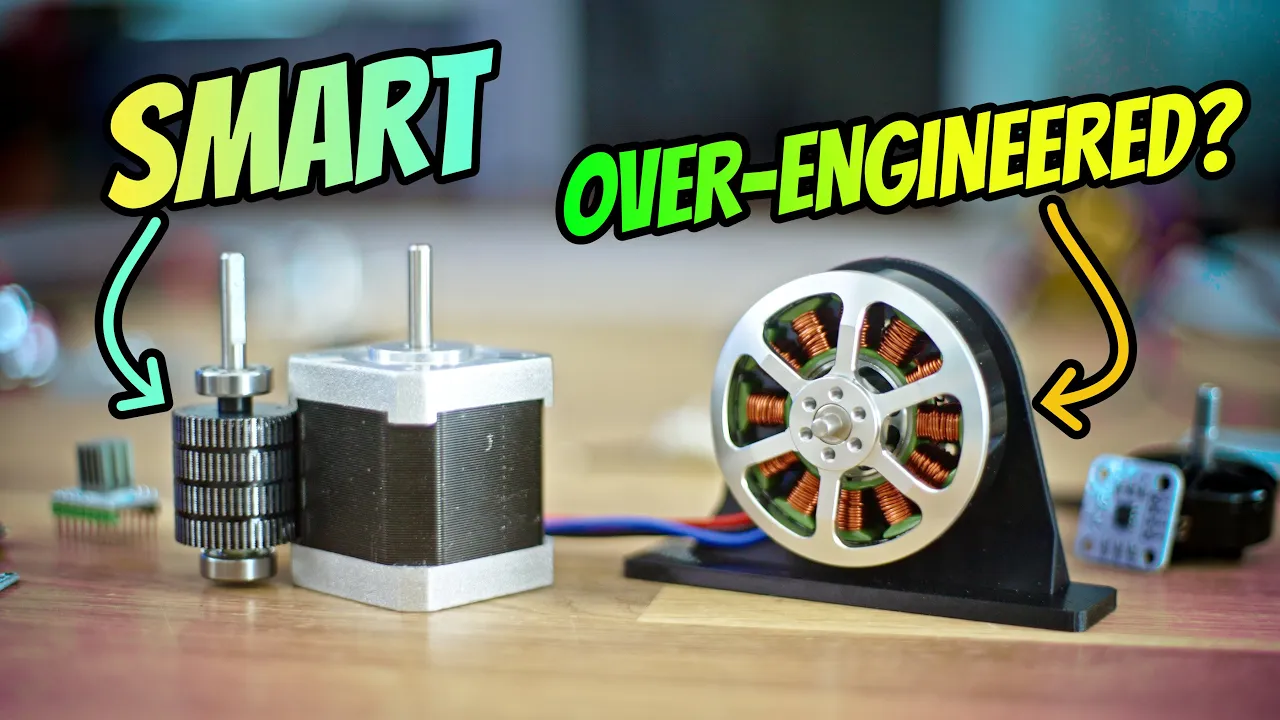









Brushed DC motors operate on the principle of electromagnetic induction where a rotating armature with coils interacts with stationary magnets; the commutator converts DC input to AC across the coils by reversing polarity as the rotor turns, generating back EMF that opposes the supply voltage and limits current draw at steady state but causes dangerous inrush currents during startup and voltage spikes during shutdown, which can be mitigated using flyback diodes and controlled through PWM techniques with half-bridge or full-bridge drivers for bidirectional operation.
Brushed DC Motor Drivers: Theory, PWM, and H-Bridge Design
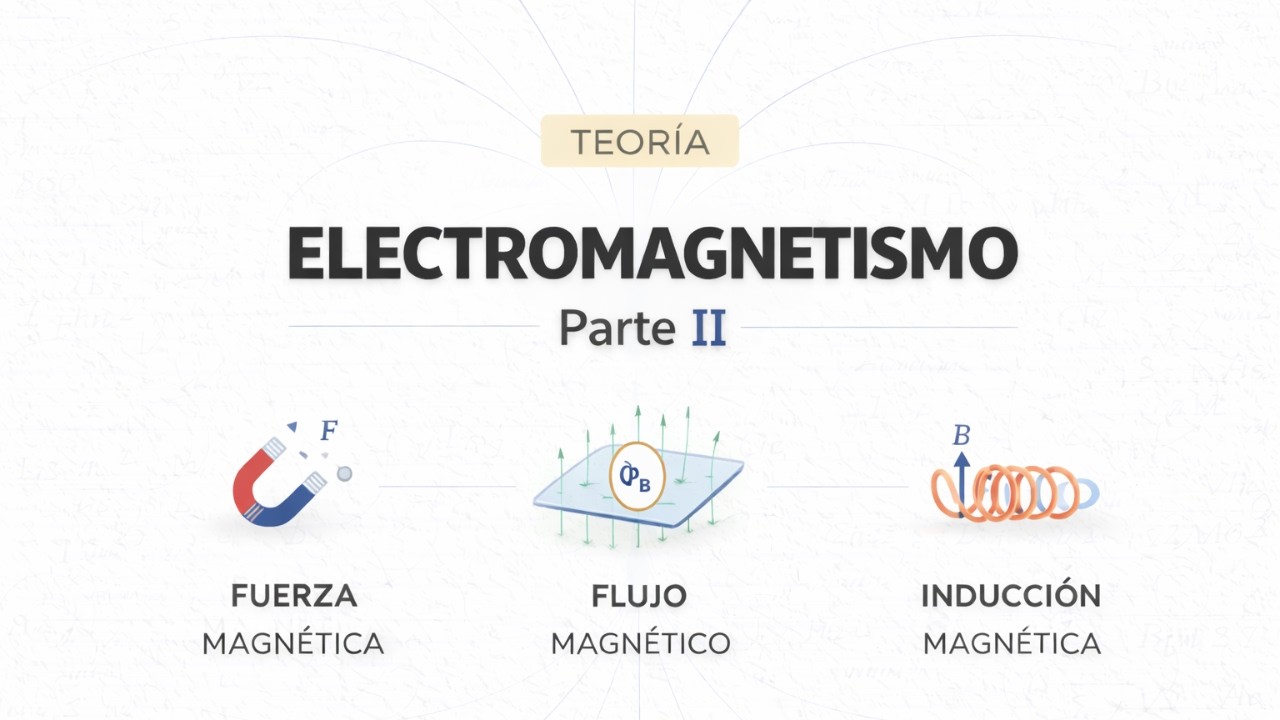
Added:Basic electromagnetism concepts, including magnetic fields, the Lorentz force, and Faraday's law of induction.
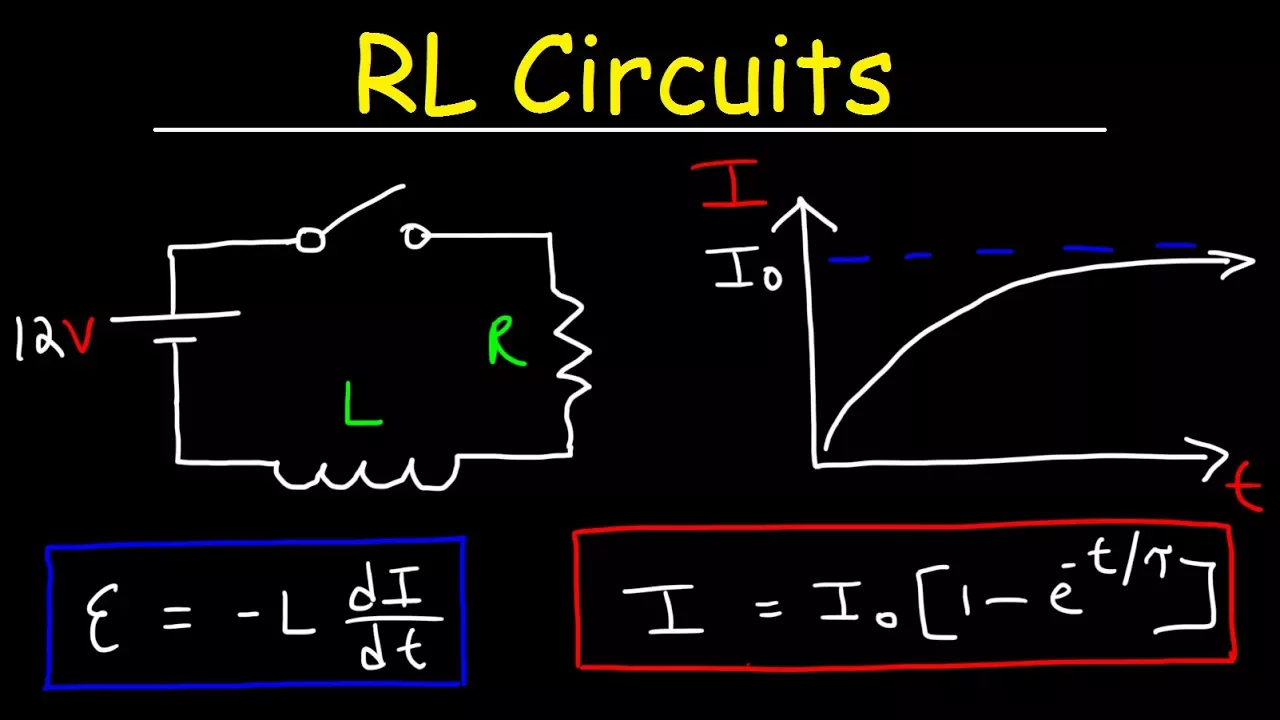
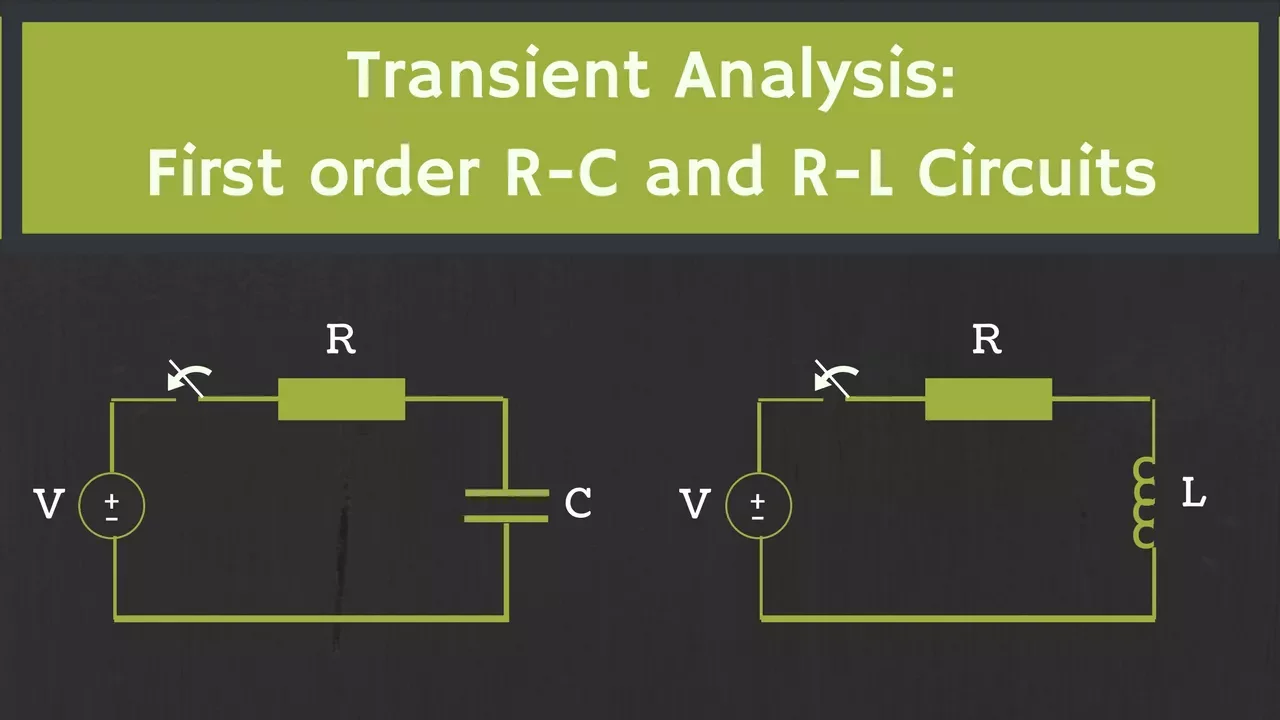
Fundamental DC circuit analysis, specifically Ohm's Law, Kirchhoff's Laws, and the transient behavior of RL (inductive) circuits.
The operational principles of semiconductor devices, particularly how diodes (PN junctions) and transistors (MOSFETs and BJTs) function as electronic switches.
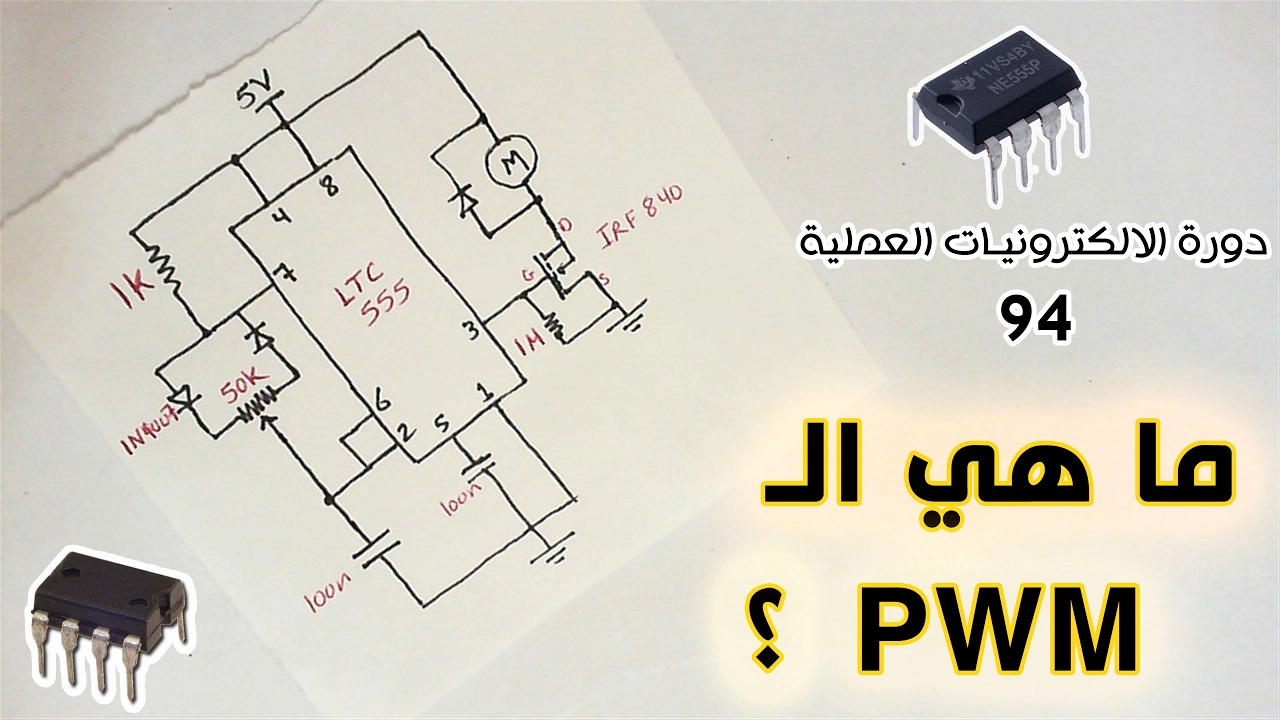
Basic understanding of digital signals, specifically Pulse Width Modulation (PWM) concepts such as duty cycle and frequency.
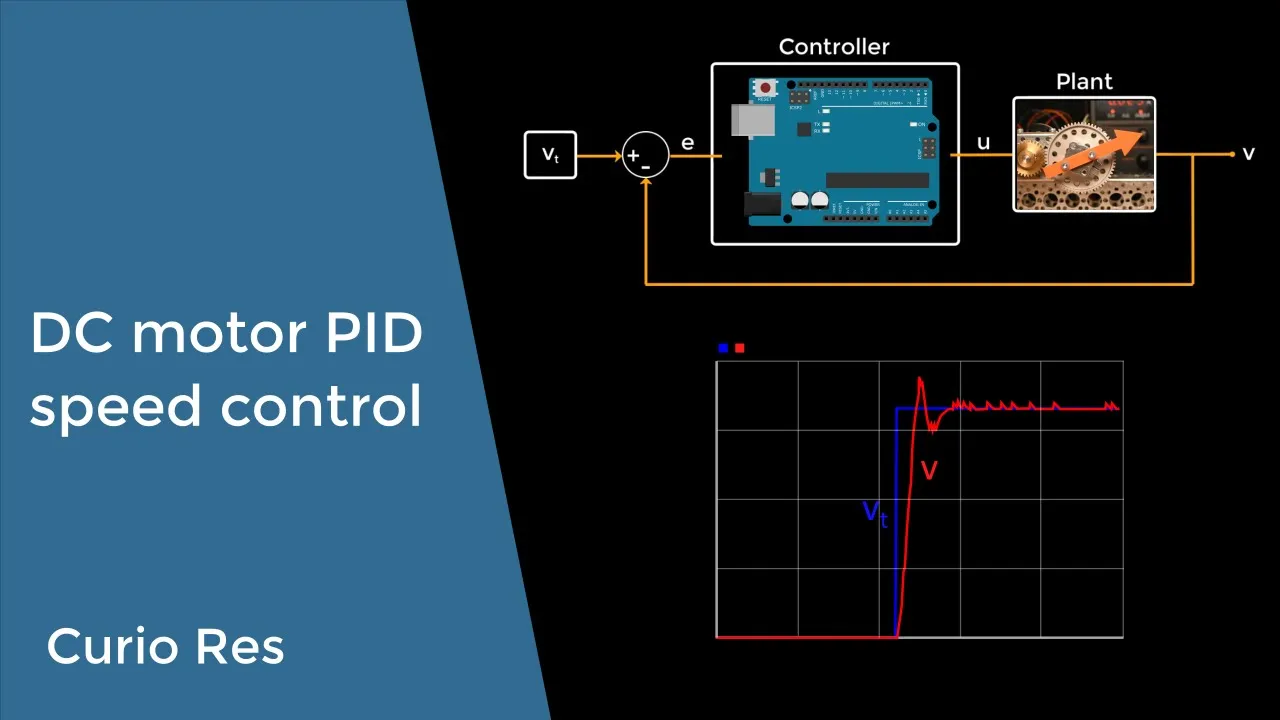
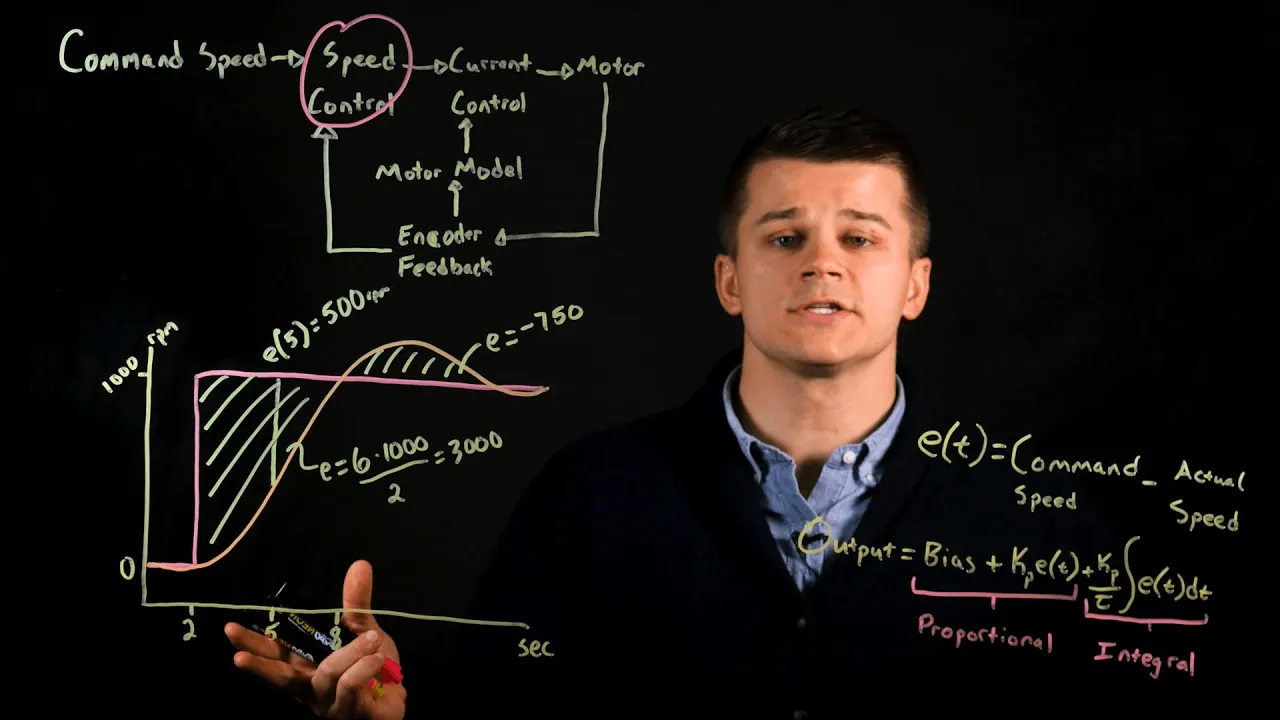
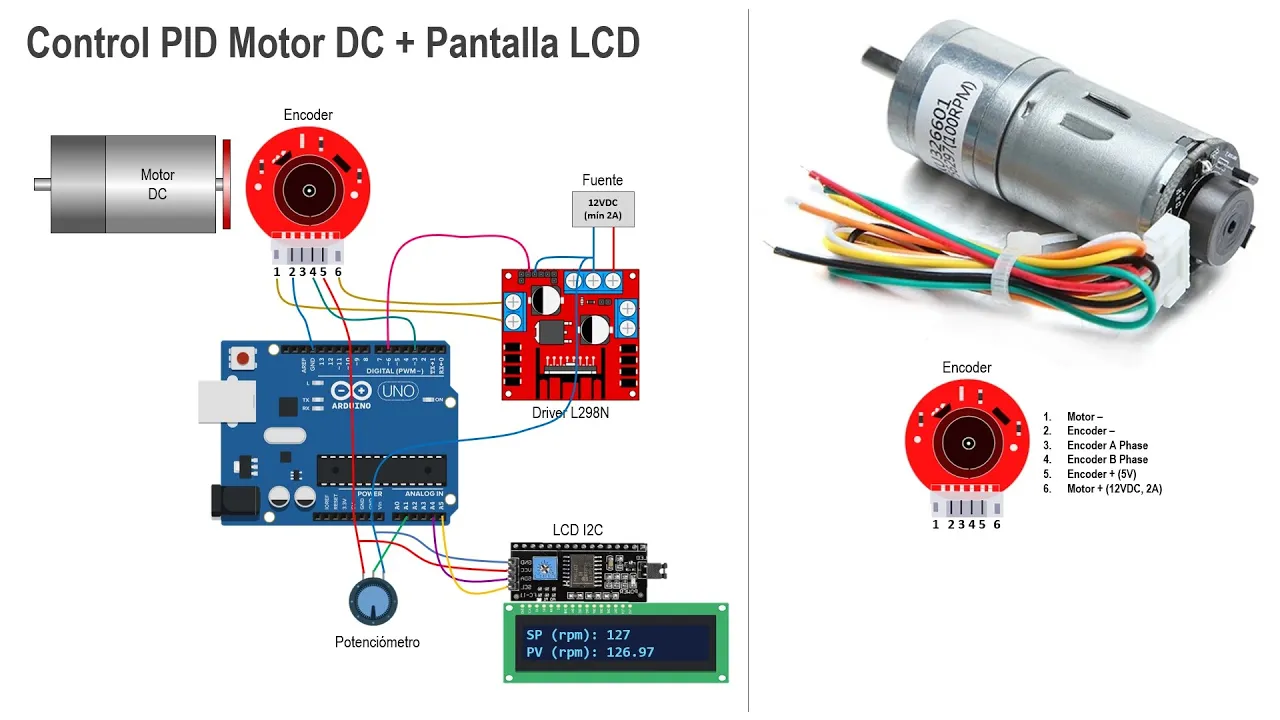
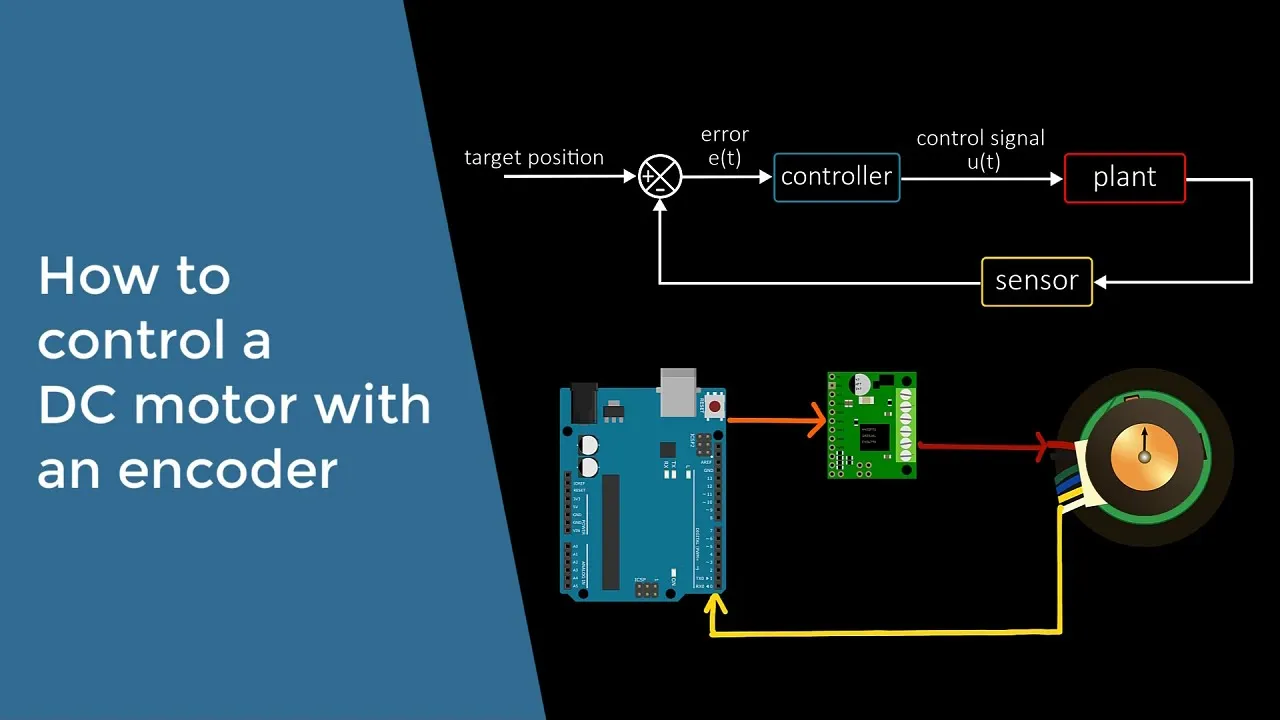
Closed-loop control systems, including PID controller design using encoder feedback for precise motor speed and position control.
Advanced motor technologies and their respective drive architectures, such as Brushless DC (BLDC) motors, stepper motors, and Field-Oriented Control (FOC).
Practical PCB layout and hardware design considerations, including gate driver IC selection, thermal management, and EMI/noise mitigation.
Four-quadrant motor control and regenerative braking principles to capture energy during deceleration.
4M views82.9Klikes20:32Original Release: 2019-01-25
Hi, what is a brushed DC motor? It's a motor that runs on DC voltage APPLAUSE How to drive it? You just stick it to a DC voltage.
[motor turns on] Hey! Hey Calm your sh**t Shaft! I said calm your shaft. What you have to keep- It exists everywhere - from your hairdrier- Yes, it's a DC motor They pass the AC through the heater element to drop the voltage and then pass it through a F U L L B R I D G E R E C T I F I E R to give it to the motor (whirring) They exist in cordless drills, although some drills have brushless DC motors But that's another story, and they exist in fans and toys and drones and vibrators of your mobile phones Let's make a simple one.
First, I want to make the Stator, the stationary part of the motor out of these plastic old CD covers.
I just cut some walls out of it Then we glue the walls together There. A tiny little stator box Then we need two permanent magnets with North on one side and South on the other side Then we just glue the magnet North in on one side and South in on the other side Like this Then we just poke two holes right between the magnets on the walls Now to make the rotor, the part of the motor that rotates, we take a nail and cut the end off. Then we take some steel wire and twist it around the nail to shape a cross Something like this, a little bit off-center and the same length on both sides Now we get some magnet wire which is basically coated copper wire and we can get this from old wall adapters and Wrap it always in the same direction around the steel wire So we make something like this, then we remove the coating from the end of the wires Then we place the nail in the holes of our stator Now you see if I pass electricity through the coil it tries to re-align itself If I can grab it it keeps shaking Agh Okay, see it tries to re-align itself with the magnetic fields and rotate Now we put some electric tape on the nail to isolate it, (then) move the wires to a location Perpendicular to the coil and cut the extra pieces and remove their coating Now we need to make something called a commutator, which is just contacts to these wires, and brushes that will touch them I made my rotor too small. Maybe you want to make yours a little bit larger So it's easier to work with. For the contacts, I need something rugged so I'm gonna cut the metal off of this food can.
Have to sand the surface to expose the conductive metal. I can even solder my wires to them.
There you go. Not bad, eh?
Okay, the moment of truth. I'm connecting my power supply using these wires as brushes over my commutator. Let's see if it turns (commutator spins loudly) There you go! Haha Success! See how much arcs are flying off of the commutator The amount of heat and current is damaging my contacts and glues I should have made it better. but the commutator and brushes are the downside of brushed DC motors. This is an actual rotor I took from a small motor and can work in the same setup. There we go Now, what do you know. Designed much better than my rotor They don't make two pole rotors anyway, it's always three and above.
Now there are tons of different Motor designs and you have to pick one for your actually the proper torque depending on your room to use gears to increase your select what RPM the motor should grow you need to study torque and speed limited by the space and weight in your design and Maximum voltage and current is typically stronger turning one way than the other What I'm trying to say is that there are a bunch of mechanical considerations To pick a proper motor and you let your mechanical engineer minions to take care of those low level stuff You are here to drive it now There are a bunch of challenges driving any motor which is typically at startup and shutdown and during the operation So, let's see what they are but a lot of what I'll say applies to all electric motors the brushes and contacts of a motor which is called the Commutator is an interesting arrangement if you think about it it converts the DC input to AC over the coil because as the rotor turns it flips the Polarity over the coil if we turn the motor manually if we generate electricity Simply because we are moving the rotor coils through magnetic fields This generates AC over the coils say around hundred Hertz but the commutator rectifies it at the input and If you look closely you will see that I have a brand new four channel keysight scope They just came up with this scope. This is the new brother of our Sister, I mean, I'm not sure I don't want to assume it's gender the new model of my to Channel school It has all the great features of my beloved school comes in Batman black 4 channel 2 megahertz And I'll give away four of these at the end of the video. You can sign up from the link in the description Which also puts you in keysight's wave 2019 equipment giveaway Which happens in March more detail at the end?
Now I'm going to spit out a ton of information around DC motor drive. It is guaranteed to hurt your brain So save yourselves or buckle up so a motor with permanent magnets acts as a generator to outputting a bumpy voltage But even when we run it from a power supply that generation action still happens and creates electromotive force or voltage that comes back from the motor that we call back EMF a Simplified model of the motor winding looks like this the inductance of the winding in series with the resistance Of the wires in series with an AC source for back EMF this regenerative voltage source Exists on all the windings of the rotor and it's voltage is dependent on the speed of the motor Starting from zero when the motor is not turning and goes up by speed all the way close to the supply voltage the back EMF Sources of different windings get rectified through the commutator similar to a three-phase even fuller bridge rectifier and create a bumpy DC source So you can model the DC motor at the supply lines like this the inductance of the winding series with the total resistance of the motor series with a rough DC voltage supply now Here's the interesting part for a well-made and lubricated motor We expect a small input current when no load is attached to the motor it is because when we start a motor and it speeds up the back EMF voltage Rises close to the supply voltage creating a small voltage drop across the motor resistance Which means small current draw the winding inductance is short circuit for DC But as you load the motor it slows down and so the back EMF voltage drops causing a higher voltage across Resistance or higher current draw the higher current results in a stronger magnetic Field and so the motor turns with a stronger torque to keep up with the load This is why if the motor ceases to rotate it can burn because the back EMF drops to zero and the entire supply voltage falls across there is Store knowing all these. Let's start a motor using a battery and measure the current on the scope See the current spikes to around 80 amps even for this tiny motor and then drops to around 3 amps it is because at the beginning there is no back EMF to lower the current and the current drops as the back EMF Rises with the rise of the motor speed they call this initial spark the inrush current motors like engine starters draw over 200 amps of inrush. We had a motor at work that would draw over 800 amps of inrush This imposes a huge startup challenge for systems that can't handle this much current You might say the motor has a series inductor That should limit the current know the electrical time constant Being L over R is very small in milliseconds much smaller than the mechanical time constant So the current jumps to maximum which is the supply voltage divided by resistance very quickly around 2 milliseconds here Before the motor has time to speed up and lower the current over 100 milliseconds here Now, let's turn off the motor and look at it voltage Look at that I turn off the motor around here. Then it's kind of flat for around 6 microseconds Then there is a huge negative spike of over hundred volts The reason it's flat at the beginning is that when I disconnect the wires?
There is a tiny arch between them for a few microseconds that limits the motor voltage but as soon as the arc goes away BAM There's a huge voltage spike when we discharge an inductive load like a motor They induct hands energy discharges creating a large negative voltage spike that can create an arc across the contacts This arc momentarily shorts the discharge energy this initially limits the voltage across the motor But when the arc goes away the voltage jumps to minus hundred volts as we saw if there was no arc the voltage would jump Thousands of volts without protection any circuit would blow up This is one of the main reasons that the commutator Brushes get burned and wear away the main downside of brushed DC Motors because when those brushes switch around there will be high temperature arcs between the contacts that wear them away If we look at the shutdown voltage again over a longer period you see after the negative inductive spark the voltage returns Positive and declines slowly. This is the back EMF at work. The motor hasn't stopped yet as it has momentum The fuzzy noise is due to commutator switching So the back EMF voltage goes down as the motor stops this can cause us trouble later Or we can suck the back EMF energy out and use it which would result in the motor stopping faster That's called regenerative braking now. I'm running the motor from my power supply measuring the current and if I short the contact See it draws around 70 amps from the motor sucking the back EMF energy. I'm stopping the motor quickly Ok, so there are problems driving motors. Let's calm down and try to solve them first the high voltage spike at shutdown It's a simple one as a good solution. We can just add a reverse diode across the motor This diode is called the flyback or freewheeling diode when we run the motor that diode is off but when we disconnect the motor and the voltage of the motor flips The diode turns on and the current loops through the diode for the short time constant of the inductor so the reverse voltage across the motor will be limited to the diode voltage around minus 1 volt and after the inductive energy goes away the back EMF kicks in Hmm. Let's try it. I put a diode across the motor contacts and if I turn it on My diode blew up it was in Reverse So in this method we can only run the motor in one direction Trying again. I turn it off and you see the voltage only goes negative a little bit There are no arcs and the voltage rises back up due to back EMF. Ok one problem solved now How do we help the large start of inrush current one good solution would be to raise the supply voltage Slowly to have a limited current while the motor Rams stop and that's exactly what we do We limit the supply applied to the motor using PWM or pulse width modulation. Imagine We have a switch and we turn it on and off quickly at a fixed frequency Initially we get a short on time so the motor has time to ramp up and we increase the on time until it reaches the maximum speed the Switches we use in our circuits are fast in channel MOSFET transistors because they have a very small on resistance and wastes little power I'm not going to talk about MOSFETs on how to drive them properly That's a whole other topic if we turn on the motor straight up the inrush current rises to maximum with the time constant of L over R Then drops slowly as the motor ramps up first off Your initial pwm on time should be shorter than this rise time, which is in mini seconds Otherwise the current reaches maximum and it defeats the purpose now picking up the PWM frequency Is important for best control the PWM period should be shorter than this Inductive rise or fall time say smaller than three time constants, and that's me talking from experience It might be written somewhere more formally let me explain imagine The motor is running and we have this voltage across it then we turn it off We have the negative inductive kick clamped by the diode and then the back EMF if the pwm goes on during the back EMF We are letting some of the back EMF during the off time. Then the voltage goes back up and the cycle continues This means that the motor current drops to zero every cycle this results in an unpredictable Voltage across the motor because this regeneration voltage depends on speed and rpm and things So for better control, we pick a higher frequency to keep this voltage out this way the motor voltage would be nice and square with its Average equal to the duty cycle times the supply voltage and the motor current would be a nice ripple e DC Equal to the supply current average divided by the duty cycle here I have a MOSFET transistor series with my motor and I'm driving its gate from my function generator And I'm measuring the motor voltage and PWM input I'm running the PWM at 50% and you see if I change the frequency It doesn't affect the speed of the motor Until I lower it so far that the regeneration voltage gets into the off time You see the motor is running faster with the same TWM This additional back here voltage is raising the average voltage across the motor which also changes by load and speed That's why we keep the frequency higher To keep the voltage across the motor constant for better control now you see changing the pwm can nicely change their speed and this is how we manage the inrush current by controlling the motors of life instead of turning the motor dead on we PWM it on and off and control the current until it hits the curve we want we can control it to completely remove the inrush or allow some acceptable inrush to get in if you raise the Current slowly the motor ramps up slowly. So in some application that we need a more responsive motor We allow some inrush currents so that the motor can kick on faster now Let me show you some current plots the motor draws current from the supply in the on time and loops the current through the diode in the off time So the supply current is the same as the motor in the on time and zero in the off time which is the same as the transistor current and The diode current is zero in the on time and the same as the motor current in the off time Now this is important. We have to pick our components so that they can handle this current Also, you see that we are switching large currents through the supply and diodes So the electromagnetic radiations become an issue filtering for those is a whole other issue. I won't discuss here Are you tired yet? But wait, there's more so far. We have been driving the motor through a puny single transistor It's time for a half bridge driver see running the current through the diode wastes some good power So if instead we replace it with a low on resistance transistor We could save much more power like with this toggle switch. I can switch it on and off but I guess I can switch it at kilohertz frequency Remember when switching the motor voltage with the flyback diode at low frequency PWM The back EMF voltage would get in during the off time Because the diode would turn off but if we replace the diode with a switch like I did or a MOSFET it won't turn off shorting the back EMF voltage and breaking the motor So this is important when using a half bridge the PWM frequency must be fast faster than the inductive discharge time Otherwise, you will stop the motor every cycle now Let me turn on the motor using my half bridge if I can turn on the PWM that's Know clearly at the moment. I don't have the means to drive the half bridge an important thing running a half bridge Is that the two switches must never turn on at the same time?
otherwise They'll short the power supply a huge current will shoot through them and they'll blow up the control signals must be such that one transistor Turns off before the other one turns on and for safety We keep a time gap between them called a dead time during which both transistors are off for better control though We want that time to be as short as safely possible You might "Ask if both transistors are off at the same time then what will absorb that high voltage inductive kick?"
Well, the good thing about MOSFETs is that they naturally have these internal diodes that do the job So, let's see what happens When we PWM the motor. The motor can connect to the ground or positive doesn't make a difference in control First the top FET is on and the current flows through the motor and the motor voltage is positive Then the top FET turns off and the motor current runs through the body diode of the lower FETs and the motor voltage Drops below ground for the short period of dead time until the low FET turns on and the current runs through it Then the low FET turns off and the current runs through the body diode again until we turn the top FET on This is what you see if you probe the motor voltage So at start off we ramp up the PWM duty cycle to limit the inrush current and it's powered down we can just turn off the switches and let the motor stop on its Own or ramp down the duty cycle if we ramp down the duty cycle Faster than the natural motor slow down rate This act will suck the back EMF energy from the motor and force it to slow down faster by pumping current back into the power supply you can use this current to charge a battery as in Regenerative braking what if you don't have a battery or supplier to absorb this current?
It will push your supply voltage high probably too high and kills all your circuits this has happened Before the easiest solution in this case is to turn off all the switches when a high voltage is detected and stopped pumping the current I Think we took care of everything but no so using a half bridge You can change the duty cycle to change the energy input to the motor and control the speed but not the direction That's why we put two half bridge drivers together to make a full bridge driver Which they also call an H bridge because it looks like an H there are four switches and the motor connects between the two halves If you turn these two switches on the motor turns one way and if you turn these two on the motor turns the other way there are different ways to drive an H bridge, but for example We can turn this off and that on continuously and PWM these two for one direction or turn this off and that on Continuously and PWM this one for the opposite direction I think we successfully scratched the surface of how to drive brushed DC motors. There's not much left The rest would be how to choose transistors problems, right?
The switches properly features to expect from a driver I design and filter for EMI. I designed the PCB layout gave way GIVEAWAY TIME! So thanks to keysight I'll give away two of these new babies to my patrons at patreon.com And another two to the viewers who can register for free from the link in the description that link also Automatically puts you in the keysight wave 2019 view away. They are giving away over $350,000 worth of tests here to over hundred people from March 1st to 15th super scopes meters function generators you get an early entry up to February 28th safe from my link and one entry per day during the March period signing off at wave keysight.com also two schools from December and one from January you win scopes and tools from Turkey India and us Thanks to keysight and the support of my patrons to support education
Up Next

2:39
How a DC Motor Works as a Generator | Electricity Generation
@ABC123XYZ
41.7K views•2016-09-28

30:32
Ultrasonic Transducers: Resonant Frequency Measurement and Horn Design
@imajeenyus42
229.9K views•2017-02-22

54:16
Polymer Environmental Degradation: Mechanisms & Stabilization
@iit
1.8K views•2012-07-10
33:39
How a Student's Question Saved a NYC Skyscraper from Collapse
@veritasium
22.8M views•2025-04-26
Related Study Plans & Knowledge Roadmaps
Structured learning paths in Engineering
engineering
Building Acoustic Levitators: Physics & Arduino
01The Physics of Sound and Standing Waves
02Piezoelectric Transducers and H-Bridge Drivers
03Arduino Programming: Generating 40 kHz Signals
+ 2 more learning modules
14h5 modules
Explore Roadmap
engineering
Building Peltier Cloud Chambers: Particle Tracks
01Cosmic Rays & Cloud Chamber Physics
02Thermoelectric Cooling (TEC) Fundamentals
03Custom Liquid-Cooling Loop Design
+ 2 more learning modules
18h5 modules
Explore Roadmap
engineering
Yagi-Uda Antennas: Modeling, Build & VNA Test
01Introduction to RF and Antenna Fundamentals
02Yagi-Uda Antenna Design Principles
03Antenna Modeling and Simulation in 4NEC2
+ 2 more learning modules
18h5 modules
Explore Roadmap
engineering
ECG Monitor Design: Op-Amps, Filters & Noise
01Electronics & Breadboard Basics
02Op-Amps and Instrumentation Amplifiers
03Bioelectricity and ECG Fundamentals
+ 2 more learning modules
18h5 modules
Explore Roadmap