






















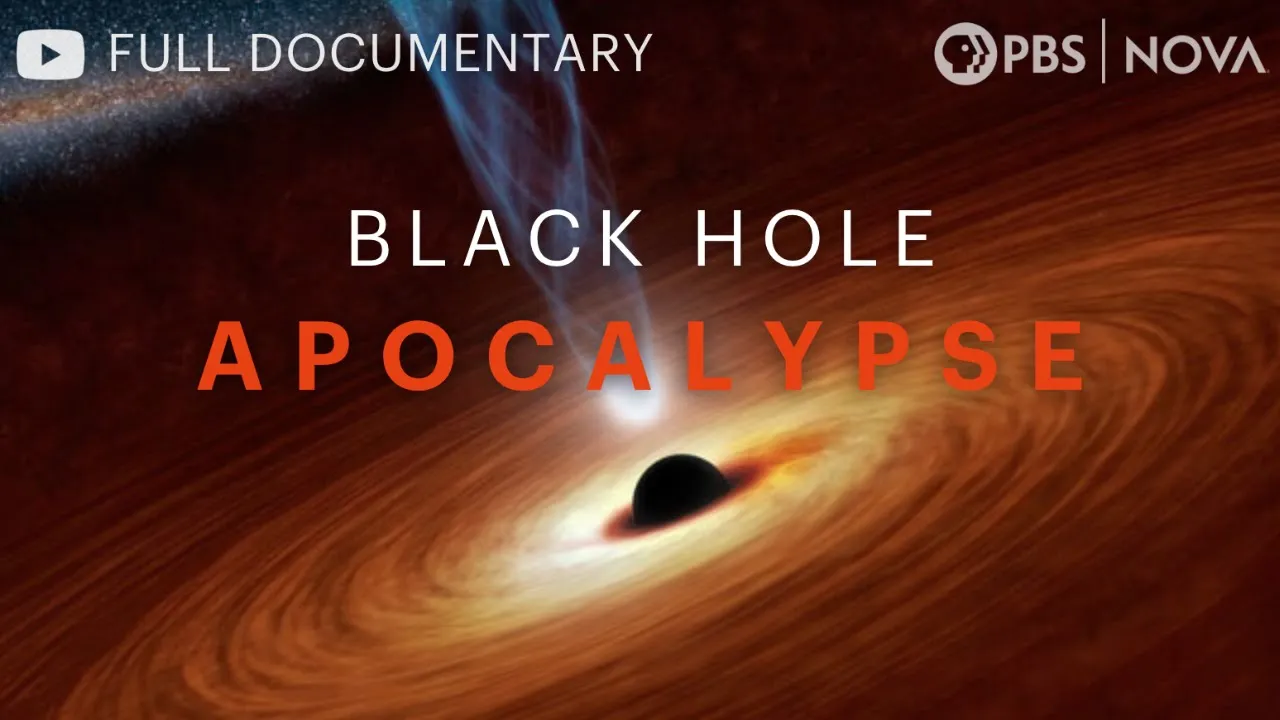
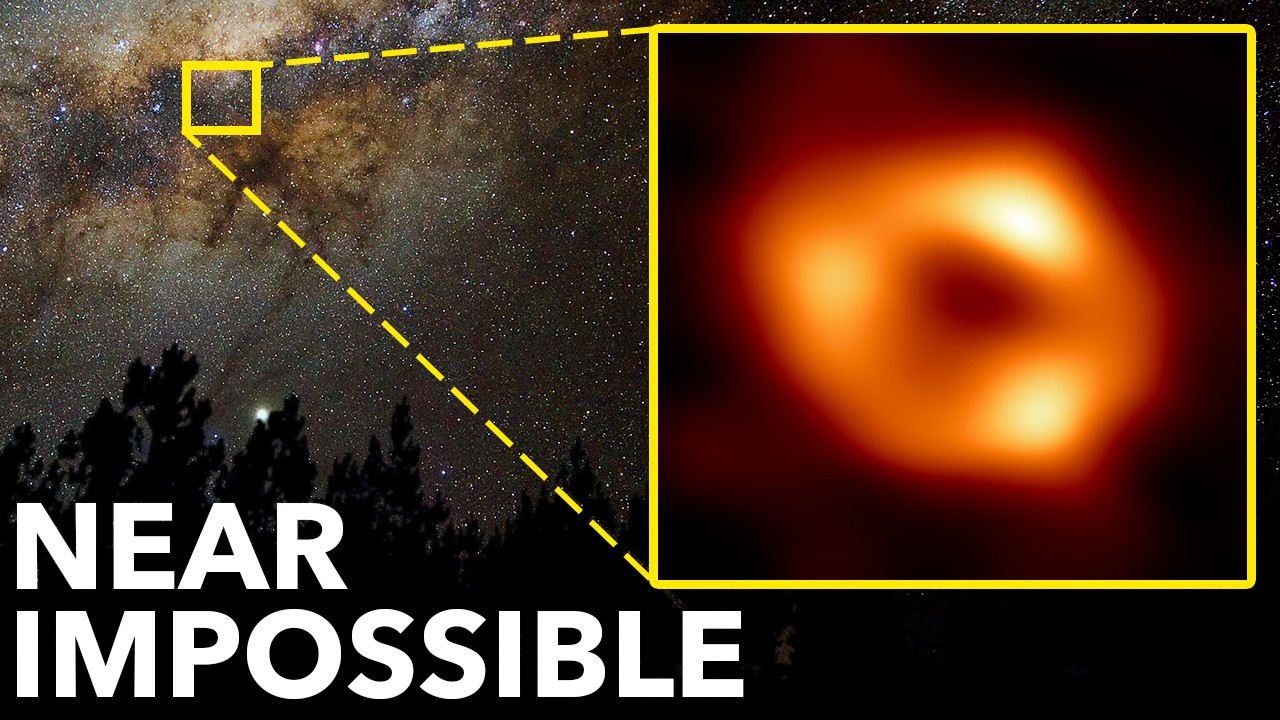


Supermassive black holes, found at the centers of nearly all massive galaxies, are not cosmic vacuum cleaners but rather extreme astrophysical laboratories where intense gravitational fields, magnetic fields, and radiation interact in ways impossible to replicate on Earth. These compact objects, with masses exceeding 100,000 solar masses, influence galaxy formation and evolution through their interactions with surrounding matter. Astronomers study them using advanced techniques like adaptive optics (which corrects atmospheric distortion for ground-based observations) and very long baseline interferometry (combining signals from telescopes worldwide to achieve Earth-sized resolution). Key evidence for their existence comes from tracking stellar orbits around the Milky Way's galactic center, revealing a massive dark object of approximately 2-3 million solar masses. Additionally, relativistic effects on accretion disk emission lines allow astronomers to measure black hole spins, with most observed black holes showing rapid rotation consistent with the Kerr metric. The relationship between black hole mass and host galaxy mass suggests symbiotic co-evolution during galaxy formation, making supermassive black holes essential for understanding cosmic structure and fundamental physics in extreme gravitational regimes.
Supermassive Black Holes in Galactic Astrophysics
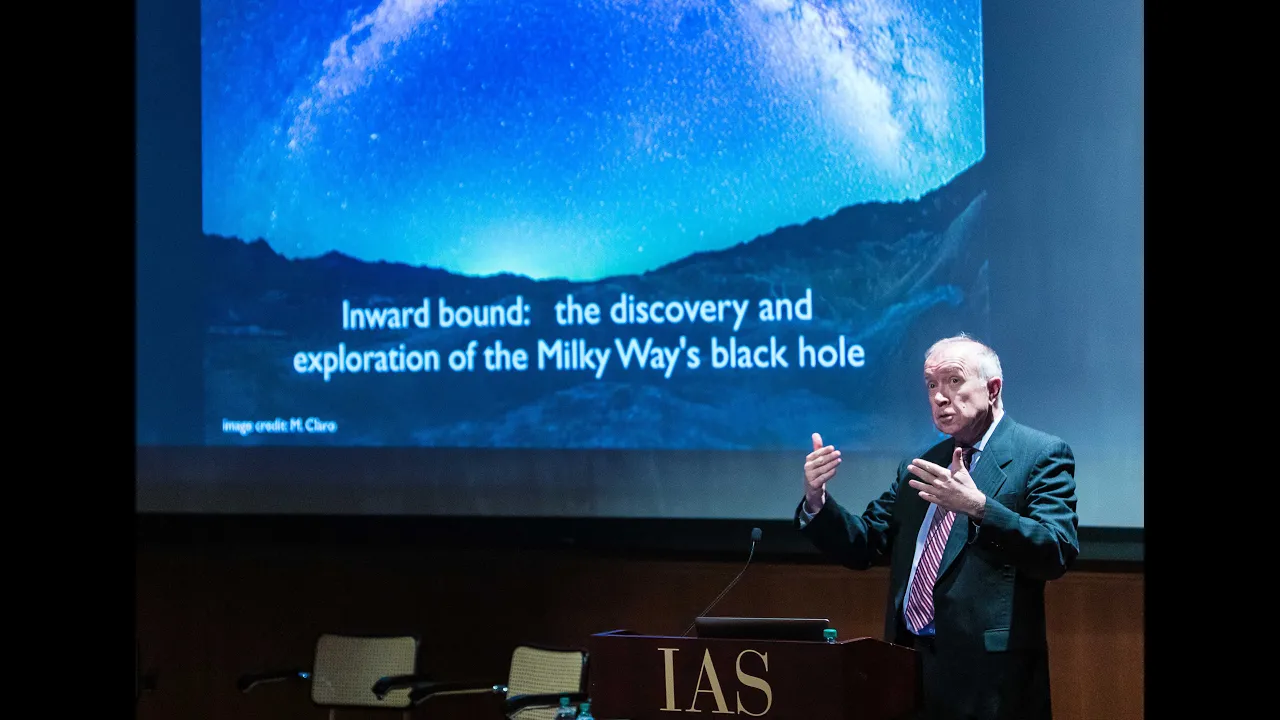
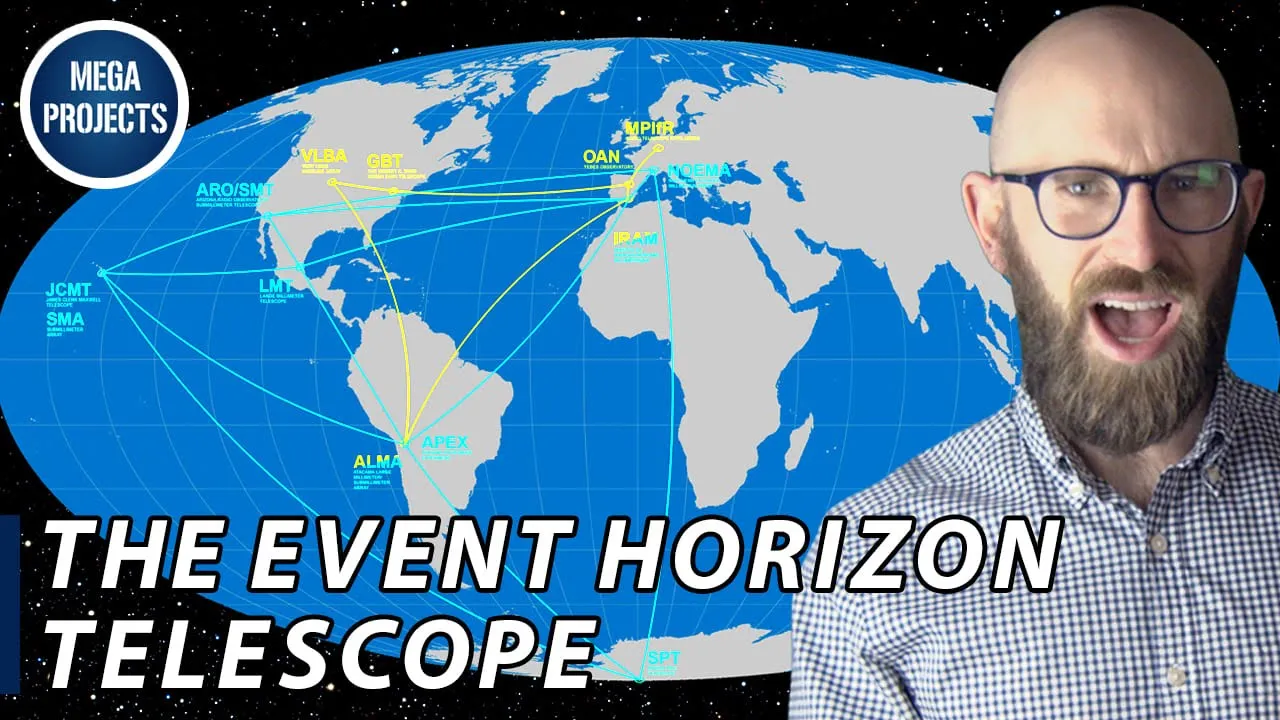
Added:our guest tonight is Professor Valentine from the center for relativistic astrophysics who's going to tell us about super massive black holes and I encourage you after the talk to come down and ask plenty of questions and satisfy your burning curiosity all right thank you uh as promised I'll try to project so uh I'm going to talk a lot about uh um super massive black holes I'm honored that a lot of my physics colleagues managed but they're going to be hugely disappointed I took a lot of the physics out but I'll try to inject some uh on the fly as we go um so first since this is a very general audience I wanted to just uh dispel a few rumors nasty rumors about uh Superman massive black holes so let's first talk about what you might normally think of a black hole if you've stopped a random person on the street and said what is a black hole and what does it do and they might say well it's just a cosmic vacuum cleaner you know evil Cosmic vacuum cleaner that just sucks up anything that's in the past and destroys things and is just terrible horrible pest on this on the universe and I really thought that picture would get a laugh I'm really really disappointed I'm off to a terrible start uh oh well there's only can only go up from here right can once you've hit bottom you can only go up so uh but so the first thing I have to tell you is that is entirely wrong black holes are not evil Cosmic vacuum cleaners uh that suck up things uh certainly if you got very close to them it could be very painful and be a very quick and gory death but if I just magically switch the sun right now and put a black hole uh and replace the sun with a black hole with the same mass nothing would happen all life would be destroyed immediately on Earth because of the lack of sunlight and heat and energy but other than that nothing would immediately happen our orbits would be the same even Mercury wouldn't notice a difference in terms of its orbit it's only if you get very very close to a super massive black hole into this regime of what we call relativistic physics that the weirdness really starts coming into play so black holes are cool as I'll explain uh today but they're not you know these destructive Cosmic vacuum cleaners and if you don't believe me you can believe this guy it's false they're not Cosmic vacuum cleaners all right so we are improving slowly all right so now that's we've dispelled The public's view of black holes so what about a physicist view of black holes if you ask physicist to draw a picture of a black hole a lot of them might just describe something that looks like this which is pretty accurate it's uh symmetric this projector is wrong don't just ignore this projector this projector is accurate uh a black hole is spherically symmetric or in projection it looks like a circle it's black because it emits no light because of its strong gravity and so this is a pretty accurate picture of of a black hole now if you go and take a few more physics courses uh especially I forget what the number is relativity and I asked you what a black hole was you would write down something like this so this would be a a physics senior's picture of a black hole we know black holes are really just very strong curvatures in space time and can be described by this uh vomitous mess of number letters which is uh basically called the Schwartz child metric and just describes you know how orbits of things would move in this very curved space time and there's you know certain orbits which are interesting we'll talk about those as we go on I'm not a real physicist though but don't tell them it's a secret I'm an astrophysicist so when I think of a black hole I think of things that like this these are the pictures that come into my head so the first on the left hand side here is a Hubble Space Telescope picture of a massive nearby Galaxy called m87 and sitting in the center of m87 there is a black hole that weighs over a billion times that of the Sun and is interacting with its environment and as part of that interaction it's spewing out these Jets of Highly relativistic particles that extend thousands of light years across the Galaxy and emit radiation that we can detect with our telescopes so these are black holes that are uh you know interacting with their environment and causing uh radiation and particle acceleration to be dumped into the Galaxy on large large distances you could I also think of uh diagrams like this on the Y AIS here is a measure of the mass of super massive black holes that we can measure in nearby galaxies and on the xaxis it's basically the velocity of stars are close to the black hole so it's a measure of the uh basically the mass of the Galaxy and you can see that mass of black holes sit in massive galaxies in fact we now know that almost all massive Galaxies have in their centers a massive black hole and explaining why you know massive black holes sit in massive galaxies is actually quite an interesting uh problem to investigate so black holes are not just the you know theoretical play things of your uh you know lonely physicist sitting in the office you know making indices dance amongst their equations so that was a physics joke there um it's they're now real objects that we can study and interact with their environments and as an astrophysicist that's what excites me is how do they super massive black holes these very relativistic compact objects interact with their environments and affect you know structures like galaxies and the formation of galaxies and there's some very interesting physics that happens around black holes there is the study and that's what I'm going to try to describe in the talk so here's an outline I'm going to introduce some of the more jargon about super massive black holes so I'll I'm sure itly lapse into the jargon and hopefully you'll understand what I mean I'll talk now about uh then I'll talk about the center of our own Galaxy which has a super massive black hole it's called Sagittarius A star and is by far in a way the the most uh sort of Ironclad evidence that these objects are actually real and not just sort of mathematical Oddities and then I'll talk a little bit about super massive black holes in other galaxies and why studying them uh you know it allows us to study very interesting physics so first just a quick introduction to Super mass of black holes um I'm going to talk about black holes of different masses the unit of mass we use in astronomy is the mass of the Sun or a solar mass it's given this symbol here M and a little circle with a in it the circle in the dot means Sun so one solar mass is 1.89 * 10 30 kilogram and when I talk about a super mass of black hole we're generally talking about objects which have masses greater than 100,000 solar masses how do these guys actually form I'm not going to talk about uh because it's largely unknown it's topic of current research and we have a professor in the department John wise who is actually studies this in a lot of detail trying to form the first super massive black holes but they're likely buil up through basically a complex interaction of creating or sucking in material from their surroundings and also merging with other uh black holes in something called a merger tree which is sort of schematically just drawn like this but an individual black hole might have a very different history from any other black hole because it gone through its own uh sort of merger and accretion history uh environment uh aside from Mass black holes can also have an angular momentum or a spin and we commonly denote how much it's spinning by by using this parameter a and the reason we can use a which is nice is because it basically can take any value only between zero and basically one and so it's called the dimensional spin parameter so when a is zero then the black hole is considered non-spinning and it's Des the space time around it is described by something called the Schwarz child metric which you saw a few slides ago and if a is close to one then it's described by different space time the the Cur metric and it's a maximally spinning black hole one of the interesting things we want to do as astrophysicists is try to measure uh space times around black holes to see if they're actually described by these uh theoretical descriptions these metrics of course the spinning black holes are interesting because they can actually spin space time around it uh as you get close to the black hole so that you get some even cooler physics at that stage so let's talk about the galactic center first so uh we we sit on sort of the outskirts of a spiral galaxy where there's the sun there on our top down view of the Milky Way uh there's the center of the Galaxy it's about uh 25,000 light years from us and for those of you who know your constellations uh the milk the center of the Milky Way lies in the constellation Sagittarius and for those of you who know the constellations you will realize that's useless information because you can't see Sagittarius from the Northern Hemisphere but if any of you ever traveled to the southern hemisphere you go backpacking in Australia or wherever you young people do for fun you can actually see the center of the Galaxy uh of course when I say you can see the center of the center of the Galaxy I actually mean you can see in the direction but you actually can't see the center because since we sit in the spiral Arms Of The Galaxy the spiral arms uh which are full of dust and gas they tend to absorb a lot of Starlight so if you actually look towards the center of the Galaxy from the southern hemisphere uh this is what you see you see the Bulge of the Galaxy which is a bunch of older stars and then towards the center you don't see very far because there's a whole bunch of dust in your way so all you see is a basically a silhouette of spiral arms so that's not very good you it's hard to actually uh uh study something when you can't see it uh so we can get around this problem though by looking at light at different wavelengths this is in the optical light this is what you would see with your eye but dust absorb well absorbs Optical light really well it doesn't absorb infrared light very well or radio light at all so if we change the way we look if we change our eyes to infrared eyes or radio eyes then we can see right through this dust all the way to the galactic center and so this is what the center of the Galaxy looks like in the radio using radio telescopes uh and we see a very rich and exotic region of the Galaxy uh there's uh lots of filaments uh Supernova remnants places where stars have gone Bang uh you can actually there's lots of pulsars cores of dead stars uh there's uh you know lots of gas interacting and then there's a at the very center here there's a what's called a non-thermal radio source and that's denoted as Sagittarius A star and that sits at right at the dynamical center of the Galaxy what is the snake uh the snake where's the the snake just right there it's probably just some Wiggly bit of uh radio emitting gas it's probably the shell of something some compressed gas so how can we study the region around the center of the Galaxy where we would think a black hole would be uh especially if we want to actually try to measure things like masses well we would have to measure the Motions of something uh going around the the center so we can use our theory of gravity and Kepler's laws and figure out the mass so the way we PE astronomers do this is by looking in the infrared so they can mitigate the effects of dust but also have very good uh sensitivity and spatial resolution and so if you look in the infrared you can and then use a technology called Adaptive Optics which I'll describe in a second you can actually resolve the Stars around this region Sagittarius A star very well and then if you take enough pictures of these over many years you can actually see these stars move uh you can also see monitoring this this is supposed to be an animation there you go I don't know if you saw this this is a timelapse movie of Sagittarius A star taken in the infrared and you can see it burps a little bit in fact there's a little bit of a variable uh infrared and x-ray Source there which shows that the black hole is eating a little bit and producing some radiation so we can only do this because of this technology that Engineers have developed called Adaptive Optics and so I'll describe a little bit what adaptic Optics is because it's kind of cool so we put most of our infrared and optical telescopes sit on the ground on a Mountaintop and have to look through an atmosphere now our atmosphere is full of winds and turbulence and so even though the radiation say from Sagittarius A star at the top of the atmosphere might be very coherent and sort of a nice plain wave as it traverses this uh turbulent air in the at atmosphere with wind and everything you get different index of indices of refraction in different parts of of the wavefront so by the time it actually passes through the air and gets close to the telescope it's all crinkly and messed up so when you hit your telescope you actually don't get a nice clean perfect round image of a star or something you get a blob and a Time dependent blob as well uh there are things called Speckles and I don't know if how well you can see them but they're uh sort of this is a Time series of different Speckles from just looking at a star through the atmosphere and astronomers call this degreg of the image quality seeing and so we would talk about wow we had two arcc seeing that night or we had a really good night it was half AR second seeing which means that's how well how good are image quality was but what you could do is since computers are fast enough and Engineers are really clever you could figure out a way of correcting for this uh Distortion in real time so the way this works is you need a control uh to sort of monitor the atmospheric turbulence and so you need what's called a guide star or a sort of a a position star sometimes you might find a star in your field of view but sometimes the biggest telescopes have such narrow fields of view that there's only the object you're interested in and there's not a a guide star so what you do you make your own by shooting a laser up into space a freaking laser beam shot from your telescope up into the atmosphere interacts with sodium atoms in the atmosphere and creates a nice spot of light in you just in your field of view and then by monitoring that along with your Target and using deformable mirrors and computers and feedback and switches and Engineering things that I don't understand you can in real time compensate for the flickering of the atmosphere and remove it from your image and therefore get an A picture this is as good quality as if you took your telescope and put it in space well a lot cheaper it's really expensive to send a telescope in space so with adaptic optic systems you can create these very nice high resolution images so we can study the Motions of the Stars around uh Sagittarius A star so here's an example this is what the image quality goes from off to on in terms of adaptic Optics and I got all these images from a a team at UCLA which uses the kek telescopes on Hawaii to do all this monitoring so you can see here in the inner one Arc second you can finally start with adaptic Optics resolving a whole bunch of stars so this is what allows us to do what I'm about to describe and measure uh orbits of stars close to the black black hole and so using that technology over the course of many years uh this group has been able to track out the orbits of stars in the inner regions of our galaxy now remember we course we don't see the black hole itself but the black hole has very strong gravity so the stars orbit the center of gravity and Trace out these orbits and you can see them again there's just individual number numbers and in particular this guy with the uh magenta line actually forget him is the yellow guy that's important because we've been able to actually Trace out an entire orbit with with him which is very constraining of course these are in three dimensions allot the orbits are coming out at you and going into the screen uh but you know you can actually account for that and so this is what you know you would look like if you just put them all down so we have what's this about 10 stars that we've been able to track all the orbits with and this is very constraining in terms of the mass of what's sitting in the center and here's the constraints so this is the enclosed Mass within a radius from Sagittarius A star this isn't measured in an astronomical unit called parex but one par XX is about three light years you can ask me later why it's like that but it's not important right now and from measuring the Motions of stars and the amount of stars in the area we can basically find that uh as you get closer and closer to the center of our own Galaxy the amount of mass you need in order to account for the Motions of those stars and this isn't this is high school physics basically it's just Kepler's laws there's nothing complicated here terms of the physics you're just measuring motions and using fals ma uh you def find the amount of mass this is the what's known from the Stellar cluster at the center of our galaxy you find as you get closer and closer you need just a constant point source of mass at the center of about two to three million solar masses and and the density required of some you know ball of something you would need in order to make the same uh motions would be 10 the 17 solar masses in a cubic Parc which is just ridiculously large uh in fact that the density required of you know a group of objects you would need in order to account for these Stellar motions rules out almost any possibility than a uh a super massive black hole one compact object because all these other things here they would be packed in so tightly that they would just collapse to a black hole anyways because they would just merge into each other and collapse down so these constraints have only gotten tighter over the years and basically we know that in the center of our galaxy there's a massive dark object with about a mass of two to three million times that of the sun crammed into a space so small that nothing else other than a black hole can explain it so that is the best evidence for super massive black holes fortunately it's hard to do the same experiment in other galaxies but there's nothing really special about our galaxy in terms of its structure so you might I made a little caveat there which is how do we know this is really a black hole all we can say is that there a massive very compact dark object but is it really a black hole as described by relativity uh well there's experiments being developed right now to actually try to test that and the way to test that is that you want to actually measure not just Stars moving you know close to the object you want to measure gas falling into the black hole so you can actually Trace out that metric which tells you how space time is Warped close to the event horizon and pretty soon we hope to be able to do that or astronomers will using a technology called very long Baseline interferometry and the way that works is by combining the signals from telescopes situated all over the world these are radio telescopes again you have to go to Long wavelength to get to pass through all the dust in the galaxy and combine the signals of all these different telescopes and I'll explain why you want to combine them in a second uh this combination they're calling the Avent Horizon telescope which just sounds cool and these are simulations of what they hope to see this is a simulation of gas falling into a super massive black hole and all these sort of warping uh sort of curved features here predictions from General relativ so and the uh uh different rows here are actually different spins for the uh modeled black hole so this is no spin this is rapid Spin and so the I hope is by trying to make images like this you can actually measure the metric and see if it's really a black hole described by relativity so again let's I'm going to describe a little bit about the technology we would use or are using to make this uh experiment so with radio telescopes you know they look like this they use big dishes you don't need mirrors because the radio wavelengths are very long so all you need to do is get set some Parabola to focus them towards a receiver but because have very long wavelengths we can use this interferometry method to combine the signals so the way this works is you take Antenna One say looking in that direction an antenna two looking in that direction uh the incident radio waves come in and because uh these guys are situated a little apart from one another uh a tenna one and a tenna 2 will receive those signals at a slightly different time or at a slightly different phase in the radio wave and if you know this distance between the uh telescopes very very well then by measuring the time delay between when antenna 1 and antenna 2 uh made those measurements you can figure out a way of combining these signals to actually construct an image that would would be the same as if you had an antenna the size of D so you can actually increase your resolution extremely uh uh to extreme Powers by spacing these telescopes at large distances so you can see why the Event Horizon telescope has telescopes all over the world by combining their signals like this they will be able to construct an image equal to a telescope the size of the Earth which would be very hard to build otherwise right so it it's a very powerful technique of course requires immense amount of computer processing you need to know the distances very well there's a lot of really really horrible signal analysis uh that goes into that uh which is why I'm not a radio astronomer but uh it's this technique that allows the high angular resolution we'll be able to get to actually hopefully see gas falling right into the black hole at the center of our galaxy and they're actively taking data now so hopefully in the next few years we'll be able to test gravity in that's very regime I am now going to take a drink so if you want to ask a question Now's the Time or you can just let your mind be blown or whatever yes you at the back yes yeah that's an excellent question I actually don't know how they do it um but uh they it's probably something like that but I actually don't know the the exact details of how they do it it helps put a telescope on uh probably but uh doesn't sound very cost efficient yeah yeah there's something called the the South Pole telescope uh it's actually a telescope designed to look at the microwave background the Big Bang baby picture but it's a radio telescope and so it can be uh added to all these other telescopes uh if you know the various teams get together and so on so all you need is just different radio telescopes and you know the infrastructure with clocks and and so on and computers to actually uh do the uh uh reconstruction afterwards all right good so let's now step outside our galaxy because there's billions of other galaxies and they're all interesting to study um and as I said uh basically we now know that uh pretty much any mass of galaxy has its own super massive black hole sitting at the center uh one of the interesting things about Sagittarius A star is that it's what's considered a weak black hole it's not really actively sucking in material it does these little burps that you you see but it's actually they're very very faint which makes it nice to study in terms of peering down towards its C uh to to its location so you can study the motions stars but you don't really get the fireworks that we sometimes see from other super massive black holes like like these Jets so there's a class of super massive black holes that are sucking in rap material rapidly and those are called creating black holes or AGN or quazars um and they shine very brightly uh in the centers of their galaxies of course it's not the black hole that shines it's the material falling into the black hole that shines and because they can radiate so brightly you can observe them to Great distances and they're very good for studying uh black hole populations over uh the age of the universe for example so like material going down your bathtub uh material falling onto the black hole will turn into a disc and rotate it has angular momentum so it has to get rid of that angular momentum before it can fall down the Black Hole uh and so it rotates in a dis and uh that disc is very good at converting gravitational potential energy into thermal energy which the basically heat which the disc can therefore radiate away and we see this disc shining uh to you know Mega par away how the angular momentum transport actually works is very interesting and very complicated physics was only figured out a couple of decades ago it's due to what's Magneto hydrodynamical turbulence caused by the Magneto rotational instability which probably one person in the audience might know about um never what it is though is it's just um I don't know if this guy will play on its own but basically magnetic fields in the gas cause friction and the gas can uh transport angular momentum and uh fall into the black hole today this is a fact yes well it's been a fact in the sense that it's been verified by computers people are trying to verify it in a lab problem is the Reynolds numbers of these astrophysical flows are really ridiculously high so it's hard to actually do this in a lab but uh it works pretty much anytime you try to set it up in a computer and so this is a computer simulation of that creating gas onto a black hole so there's some interesting physics going on there which is interesting to study so now let's go back to this disc around a black hole and go to this the idea of the different metrics now if you study the metrics uh and with the disc around it you find that the the inner edge of that disc depends almost entirely on one parameter the spin of the black hole the inner edge of a SW child non-s spinning black hole is basically six in those units but for current black hole these maximumly spinning black holes the inner Edge moves to about uh one uh GM over c^2 and just give you a sense GM over c^2 is.1 astronomical unit or a tenth of the Earth's sun distance for a black hole of 10 s solar masses so that's a pretty small distance astronomically speaking so if you could somehow measure something that would give you the inner radius of this accretion disc you could get a handle or measurement on the spin of black holes even though they're a gazillion miles away from you and one way we can do this is by looking at the x-rays emitted from these black holes these AGS all these agns produce a ton of X-ray emission uh basically because there's just so much energy available it's easy to tap into to accelerate electrons to emit x-ray energies and the x-rays come from very very close to the black hole and we know this because they can they vary extremely rapidly so this is is a plot of the X-ray light as a function of time for one particular AG it's called a light curve and you can see it flickers up and down and it also has these big jumps and dips and this peak to Peak transition here is 2500 seconds which is a light Crossing time of five astronomical units so that's the distance between the Sun and Jupiter so we seeing variations in an x-ray emitting region smaller than the solar system and around a black hole that's a bazillion miles away that's the technical term bazillion right so we can use these x-rays to hopefully study these inner regions around the black hole incidentally you might wonder where do the x-rays come from uh the comes from the accretion power but uh it's interesting how how we think it's we convert it into x-rays uh a very close analogy we use is to look at the sun now the sun obviously shines a lot in visible light but it also has what's called a Corona around it that's what you see around the Sun during a solar eclipse it's uh it's called The Solar Corona it's very low density gas but very hot and in fact emits an X-rays and how does it get that gas so hot that emits an x-rays we think it's due to uh you know basically heat dumped into the corona through magnetic fields again you can see this picture of the solar system with these ma magnetic sort of curtains and plasma flowing around the magnetic fields uh here's another movie taken by the trace satellite of the uh where are you there you are the solar Corona you can see all these wonderful magnetic structures uh being in plasma being blown out and then you get events called reconnection which can convert the magnetic energy into thermal energy and if you ever you know want to spend a Lazy Afternoon find the trace website and just stare at those movies because they're beautiful pictures of the Sun in action and we think the same kind of things going on in accretion discs around a black hole that this would be the accretion disc and the magnetic fields which we know cause the the angular momentum transport you know also transport plasma up into a Corona and emit xrays uh one other sort of side note for those of you technologically minded It's also very interesting of how do you actually observe x-rays with a telescope you can't actually put a mirror down at the bottom of a tube and you hope it detects x-rays because the x-rays just get absorbed they uh you know they're too energetic they don't bounce back like you know Optical or infrared photons but you can do it by what's called grazing incidence Optics you take your mirrors and you put them on the side and it turns out if you have an angle of incidence you know very close to 90° you can actually get uh a small amount of deflection enough to uh Focus the x-rays down onto a focal plane and there you can put your camera your CCD type Optics and sensors to uh make x-ray images and how do you actually make a bigger mirror one of the lovely things about having uh the mirror on the side is you don't just make them bigger you just add more of them you Nest them together so you you just put these concentric uh mirrors together and you can get more and more collecting area it's a really wonderful uh design requires a fairly long focal length but uh you can you can do it and launch these guys into space anyways so back to the AG's we know we have x-ray emitting black blobs near a black hole uh because of their variability we think they appear above the accretion disc because of the corona so one of the interesting things then is that they'll actually have an x-ray flare shining onto the accretion disc and this uh what will we proc the accre disc will reprocess this x-ray light and reflect it back towards us and and we'll see a combination of both power law uh the primary x-ray emission and the reflected emission the most prominent feature we see in this reflected emission is an emission line of iron at 6.4 KV um and it's interesting to think about what an an emission line which is normally just at one energy will look like if it's coming from a spinning disc close to a relativistic object so this steps you through it so if you just had a line from a spinning disc and you were in Newtonian physics then you get just from the Doppler effect a blue Shi a red shifted part from the side going away from you and a blue shifted part from the side going towards you so you get this double Peak profile so instead of one Spike you get split into two spikes from from the rotation but if you're close to a black coal that rotation is actually 10 to 20% of the speed of light so you have to take into account special relativistic effects and what the two special relativistic effects uh that kick in is what's called beaming which is the side coming towards you is enhanced in brightness and the side going away from you is diminished in brightness so your twoh horn profile suddenly becomes very asymmetric you get a much bigger Spike on the on the high frequency blue side than on the red side you also get a slight shift to lower uh energies or lower frequencies due to What's called the transverse Doppler shift which is basically moving clocks run slow and then finally since you're deep in this potential well caused by the black hole you get what's called a gravitational red shift all the photons lose energy as they climb out of the well so the whole thing moves even further to uh lower energies so if you add everything up and you assume there's some annual submitting you predict this sort of asymmetric uh profile cool thing about this profile is that if the that line is being emitted all the way down to the uh uh inner edge of the dis then that will tell that will give you different amounts of uh gravitational red shift so Schwarz child nonspinning black hole remember has an innermost stable orbit of six GM over c^2 so that gives you only a certain amount of red shift that you can get and that's cuts the line off down here for a maximally spinning black hole the disc can go much further in if the line's being emitted all the way down you can get much more more gravitational red shift so the whole line skews even to lower energy so if you can measure these lines precisely with an x-ray telescope and measure where these things cut off then you can actually measure the spins of black holes cool and this has been done you can do this this is an actual real data with a model fit to it that measures the spins of black holes using this emission fitting the emission line so astrophysicists are actively measuring the spins of black holes and we're finding that a lot of them spin rapidly uh some not so much but most of them seem to be SP uh explained by the Cur Cur metric and that in turn tells us about how the black holes were formed because in order to spin a black hole up you need to basically give it angular momentum which means it has to accrete through a disc for a long time so that tells us a little bit about its history as well so that's I think pretty cool so now on to the final topic excellent uh about the relationship between black holes and Galaxy as a whole so I I told you that you know because we know that mass of black holes sit in massive galaxies they actually seem to suggest that there's a common evolution of the two objects and you can think this you can sort of realize this if you think about it because the as I said at the beginning black holes are not Cosmic vacuum cleaners you have to get really close to a black hole even to even know that it's there and galaxies are ginormous compared to the size of a black ho so most all the stars in these galaxies don't know there's a black hole let alone know what its mass is so how come we end up with such a nice relationship between the mass of the black hole and the mass of the Galaxy because stars in the galaxy have no idea so that sort of indicates to us that there's as the Galax is being formed and the black holes being formed that there's some sort of symbiotic communication processes going on that set up this relationship and one way to sort of study this that I've been pursuing is the studying what's called The Cosmic x-ray background which is basically the integrated light uh in X-rays of all the accreting black holes in the entire history of the universe uh and sort of basically the sky glows in different wavelengths and this is sort of the spectrum of all those backgrounds this is the the famous microwave background or the baby picture of the universe and down here is the X-ray background but even though the X-ray backgrounds like five orders of magnitude weaker it was actually discovered first uh before the microwave background back in the 1960s went back when people stuck x-ray detectors on the top of rockets and shot them into the sky and then ran after them and opened up and go did I find anything and the first guy who did this uh found two things but neither of them he was actually looking for he was looking for the moon and he missed it which is weird because it's right there right um but it turns out the Moon is very dim in x-rays uh incidentally that is a picture of the Moon in x-rays the moon doesn't x-rays it's dead cold right but it actually emits x-rays in scattering because the S solar wind throw checks out protons and so on and those hit the moon right ith and stop and that produces a small burst of x-rays so there you learn something today um so that's what the Moon looks like an x-rays but geoc con didn't see that he saw sco X1 which is the brightest x-ray Source in the sky and he also discovered that the sky was glowing in x-rays in every direction which is now known as the X-ray background and that's what it looks like its spectral shape as a function of energy it's kind of boring but for many years the or of that uh was a mystery but we now know that the X-ray background is as I said the integrated mission of all the accreting black holes in the history of the universe so if you take an x-ray telescope like Chandra and stare at a small patch of sky for 4 million seconds this is the kind of image you get it's kind of boring compared to a Hubble image but every single dot you see there is a growing black hole in the middle of a galaxy and if you add up all this light you make up the X-ray background so studying the populations of these guys uh and the galaxies they sit in will hopefully shed a lot of light onto how we get that black whole galaxy relationship so yeah every dot in that picture there's something that looks like this it turns out a lot of the black holes are that are in Galaxy have a lot of gas and dust around them it's not surprising you need gas and dust to fall into a black hole in order to fuel it so there's a lot of sort of junk along around there that blocks our view so in order to actually study these uh x-ray sources in a great M of detail you need to study the hardest x-rays you can the highest energy x-rays have a better chance of penetrating all that gas and junk and and study it and so to actually make it through to our telescope so one of the things I've been involved in the last few years is NASA's latest uh x-ray telescope called Newar it's a project LED out of Caltech and it was launched in June 2012 and it's the first x-ray telescope to actually Focus x-rays in the very highest energies and note how it has this really long uh boom here it wasn't launched like that it was uh um launched all folded up um and this movie sort of gives you an animation of how it actually was deployed remember I told you that to focus x-rays you need grazing incident Optics so you put the mirrors on the side and they deflect a little bit and then you put your detector way down there so the highest energy x-rays you need the highest largest focal length so you need to have uh this really long path very hard to launch something like that so the way it was done is you launch it Compact and then you put squirrels in the center and then you flash like lights and they start running and then the beam boom starts uh it was a small Mission you have to make budget decisions right so you put I'm kidding about the squirrels there were hamsters um so then the boom slowly comes out and it takes several minutes and people on earth have heart attacks hoping it doesn't break because there's no fixing it uh but it all worked and we've been able to use it uh for the last two years uh remarkably and just to give you an idea of what it can do this was new star's what's called First Light image so prior to New Star if you wanted to look at an x-ray Source it kind of looked like that like a blob and now it looks like a nice dot so it's like Adaptive Optics for x-rays just the huge increase in resolution and sensitivity and so what we've been able to do is take this new capability and and stare at those patches that Chandra was able to discover and this is a Chandra image in the background but Chandra only looks at low energy x-rays so I can't see the really deeply embedded heavily obscured black holes that and those galaxies so but with new star we can find them and so this is a the purple here are the new Star discoveries on the Chandra image so we're able to actually discover new sources that haven't previously existed which will by studying their their properties and galaxies will hopefully Cobble together an idea of how black holes and galaxies grow and basically here are all the so the gray part or all the pre- new Star type of black holes they're all really nearby uh new stars basically blown this open by a factor of 10 we're studying populations that haven't been uh detected at all yet so this is my summary but basically the take-home point is black holes are completely essential part of modern astrophysics they're not science fiction anymore they're not just theoretical mathematical Oddities they're real things that affect the universe they affect how galaxies are grown and because we live in a galaxy they indirectly affect how we came to be here so they're important to study and understand black hole environments are also extreme so they're making very lovely Laboratories to study Physics in and ways that you cannot study here on the ground I'm sure my colleagues would love to put a black hole in a lab and study it but it's just probably kind of breaks safety protocols somewhere along the lines so it's much better to study them up there when they're not going to do us any harm so and as I said there's very interesting extreme sort of magnetic and thermal and radiation physics going on so wonderful to study for a basic physics perspective so the galactic center gives us the up close view of a black hole even though it's kind of boring allows us to measure its uh properties extremely uh precisely and hopefully we'll be able to actually watch material drip into it in the next few years and the Really rapidly black growing black holes in our uh outside in the universe allow us to study the physics of black holes as well as study the physics of the interaction between black black holes in galaxies so I'll stop there thank you for your [Applause] attention we have time for questions astrophysically anyway we have heard in the past about the possibility of micro black holes from accelerators on Earth but astrophysic um so the L the the two mechanisms we know that definitely make uh black holes the lowest Mass ones are basically formed by the collapse of massive stars and those typically make black holes on the order of tens solar masses um it's hard to come up with an astrophysical model that will produce lower ones there are the idea of doesn't probably only a little bit um there is the idea of what's called primordial black holes black holes that were formed in the Big Bang uh of course the other thing to keep in mind is if Hawking radiation exists then black holes evaporate over long time scales but it goes as the inverse Mass so the smallest black holes evaporate the fastest so really really tiny black holes will have already evaporated and been gone and so the fact that we don't see any is sort of consistent with that idea but I don't there's not been any sort of I think proof that they haven't uh they're not there people are have sort of constrained various areas of parameter space uh and I think it's pretty much all all closed in at this point right right so a competing theory is something what's called chaotic accretion which is over the growth of the black hole it's been fed sort of from random directions and uh so the angular momentum it's given is random and so sort of on average well happen is that will spin it down and you'll end up with more low spinning uh black holes than high spinning uh we can't really test those things yet because these observations have not been uh done with sort of like a clean selection a well-defined sample it turns out that you need basically uh really bright objects to do this kind of work and that is not a well-defined sample just the brightest things often the brightest most intense things are the outliers because those are the ones you see easiest uh so I think as you know the next Generations of telescopes come online and we're able to do more sort of surveys of these type of things and we'll be able to come up with a nice statistically you know well defined sample then we'll be able to start sort of hopefully um uh testing those theories and maybe even looking at populations of black holes at different epochs so as we go further back in distance of course we see the universe younger and younger so it would be interesting of course to trace the evolution directly like that but that's going to require much more sensitive instruments than what we have now yeah I think you know people s would think that you can't just like uh you know you can't study five random individuals and uh you know learn a lot about the human race from five people uh because everyone's history and makeup is different we need to sort of study you know well-defined samples but still individual black holes might have various different histories we just need to get our statistics question y right well the first would be gravity because although gravity and relativity has been tested in What's called the weak field regime it's never it's not really well tested in the strong field regime where it's close to these very compact objects and you know ideally you want like a test particle around one of these things so you can actually Trace out the SpaceTime and see if it is described by these Solutions so that that's one thing and then the other is just sort of the energy densities the in terms of uh uh gases and radiation and Mantic fields are all you know really intense here the gas flows are very turbulent uh and very magnetic so there's just sort of very interesting dynamical physics that goes on uh around these systems that's just very hard to probe experimentally down here all right next week we have Professor Fenton who will be talking on the physics of Frankenstein and being as close to Halloween as we already promises to dress up let's thank our speaker one more time
Up Next
Images from the Edge of Spacetime: Avery Broderick at Perimeter
@PIOutreach
693.6K views•2018-10-04
First Billion Years of the Universe with the Square Kilometre Array
@iaaudc
121 views•2022-05-26

Kepler's Laws of Planetary Motion Explained (Educational Astronomy Video)
@Peekaboo_Kidz
404.9K views•2023-02-17

Gamma-Ray Bursts: Cosmic Snipers Explained | Astronomy
@kurzgesagt
15M views•2016-07-31
Related Study Plans & Knowledge Roadmaps
Structured learning paths in Astronomy