Epistolary Novels: Letters to Digital Media
Learning Goal: Evaluate the narrative structure and psychological intimacy of the Epistolary novel, tracking its transition from 18th-century letters to modern multi-media and digital correspondence formats.
- Prerequisites: None. A basic familiarity with classic narrative structures is helpful but not required.
- Estimated Total Study Time: 10 Hours
Module 1: Foundations of the Epistolary Form
This module explores the origin of the epistolary novel in the 18th century, demonstrating how the transition from oral storytelling traditions to print culture allowed early novelists to adopt the letter format. You will analyze how letters established a new paradigm of psychological realism and moral instruction, with a particular focus on the pioneering works of Samuel Richardson.
Video Resources
Why this video: This lecture provides the essential historical, social, and technological context of 18th-century England. It explains how the rise of the middle class, growing literacy rates, and the expanding print market paved the way for the novel to emerge as a dominant literary genre, transitioning from oral traditions to highly textual and document-focused narratives.

Why this video: Dr. Octavia Cox provides a brilliant analysis of Samuel Richardson’s Pamela (1740), demonstrating how Richardson revolutionized English literature. The video illustrates how Richardson combined the epistolary form with moral instruction, creating a deeply intimate and psychologically detailed narrative perspective that became the template for subsequent epistolary writers.

Why this video: Spanning nearly a million words, Clarissa is the ultimate monument of the epistolary genre. Benjamin McEvoy provides a masterful set of reading strategies and deep structural analyses. He explains how Richardson used the letter format to establish unprecedented psychological realism, capturing intense moral, social, and emotional conflicts.
Knowledge Checkpoint
- Understand the historical and social factors in 18th-century England that enabled the rise of the novel.
- Identify how Samuel Richardson's Pamela established the link between private correspondence and psychological interiority.
- Contrast the moralizing intent of early epistolary works with their highly intimate, sometimes controversial subject matter.
Module 2: Psychological Intimacy and Narrative Mechanics
This module shifts the focus to the specific structural and technical devices of the epistolary novel. You will analyze "writing to the moment"—a term coined by Samuel Richardson to describe characters recording their thoughts in real-time as events unfold. You will also examine the narrative role of multiple perspectives, the tension of the "unreliable narrator," and the classic trope of the "fictional editor."
Video Resources
Why this video: This video introduces the concept of "writing to the moment," detailing how characters write during or immediately after traumatic or exciting events. Through the analysis of Pope's verse epistles and Richardson's Clarissa, Cox demonstrates how this technique generates psychological urgency and erases the distance between the event and its recording.

Why this video: This analysis of Goethe’s The Sorrows of Young Werther (1774) explores how the epistolary format allows readers to experience the extreme internal states of the protagonist directly. Critically, it highlights how Goethe structured the work using the trope of a fictional editor who compiles Werther's letters, demonstrating how this framing device shapes our perception of the narrative's reality.

Why this video: This interview addresses how subjective viewpoints can produce unreliable narrators. In epistolary works, because there is no omniscient narrator, the reader is left to evaluate the discrepancy between what a character writes, what they believe, and what is actually occurring.
Curatorial Note on Video Gaps
The video pool has a minor gap regarding the heavy, formalistic theory of the "fictional editor" device as well as the linguistic mechanics of letter-writing (e.g., salutations, postscripts). To supplement this, we highly recommend reading literary theory essays or searching independently for academic lectures using the terms: "The Fictional Editor in 18th-century literature" and "Epistolary Irony and Unreliable Narration."
Knowledge Checkpoint
- Define the literary technique of "writing to the moment" and explain how it creates emotional immediacy.
- Explain how a "fictional editor" acts as a framing device to validate the reality of the letters.
- Analyze how the absence of an omniscient narrator in an epistolary novel forces the reader to confront unreliable narrators.
Module 3: Evolution of Documents: Gothic and 19th Century Adaptations
This module evaluates how the epistolary novel expanded beyond simple letters in the 19th century. You will explore how Gothic and Victorian novelists incorporated multiple media formats—including journals, medical logs, telegrams, ship's logs, and newspaper clippings—to construct complex, multi-layered narratives. Special attention is given to the nested frame narratives of Mary Shelley’s Frankenstein and Bram Stoker’s Dracula.
Video Resources
Why this video: This video focuses on the epistolary frame of Frankenstein. It explains how Captain Robert Walton’s letters to his sister Margaret frame Victor Frankenstein’s bizarre story, acting as a transition from the real world to the gothic narrative and giving the fantastic elements a sense of physical documentation and credibility.

Why this video: Bram Stoker’s Dracula represents the peak of the multi-document epistolary novel. This video details how the story is pieced together using interconnected documents—journals, letters, telegrams, and newspaper reports—rather than a single continuous prose voice, building suspense as different characters hold different pieces of the puzzle.

Why this video: This video highlights a vital structural feature of Dracula: not a single word of the book is narrated directly. The entire novel consists of historical fragments arranged chronologically. It demonstrates how Stoker uses these realistic documents to make the supernatural invasion of London feel terrifyingly real to Victorian readers.
Knowledge Checkpoint
- Contrast Mary Shelley's use of a "frame narrative" in Frankenstein with a pure epistolary style.
- Explain how Bram Stoker's Dracula functions as a 19th-century equivalent of "found footage" horror.
- Describe how Victorian-era technologies (phonograph cylinders, telegrams, typewriters) influenced the narrative mechanics of late 19th-century epistolary works.
Module 4: The Digital Epistolary: Emails, Texts, and Multimedia
This module investigates how modern and contemporary authors have adapted the epistolary form for the digital age. You will analyze how the intimacy of physical letters translates into modern communication formats like emails, SMS text messages, and chat logs. We will evaluate how these modern formats preserve the classic techniques of "writing to the moment" while introducing new visual and multimedia narrative challenges.
Video Resources
Why this video: To understand the digital epistolary, we must first understand modern digital writing practices. This lecture by Dr. Kate Pantelides analyzes how cloud technology and digital formats have changed communication. It details how modern readers constantly write and read short snippets of text, providing the sociolinguistic framework for contemporary authors of text-and-email-based fiction.

Why this video: Author Janice Hallett discusses her modern mystery novel The Appeal, which is structured entirely using emails, texts, and WhatsApp messages. This discussion demonstrates how modern authors carry the 18th-century epistolary tradition into the 21st century, utilizing digital formatting to create mystery and develop character voice.
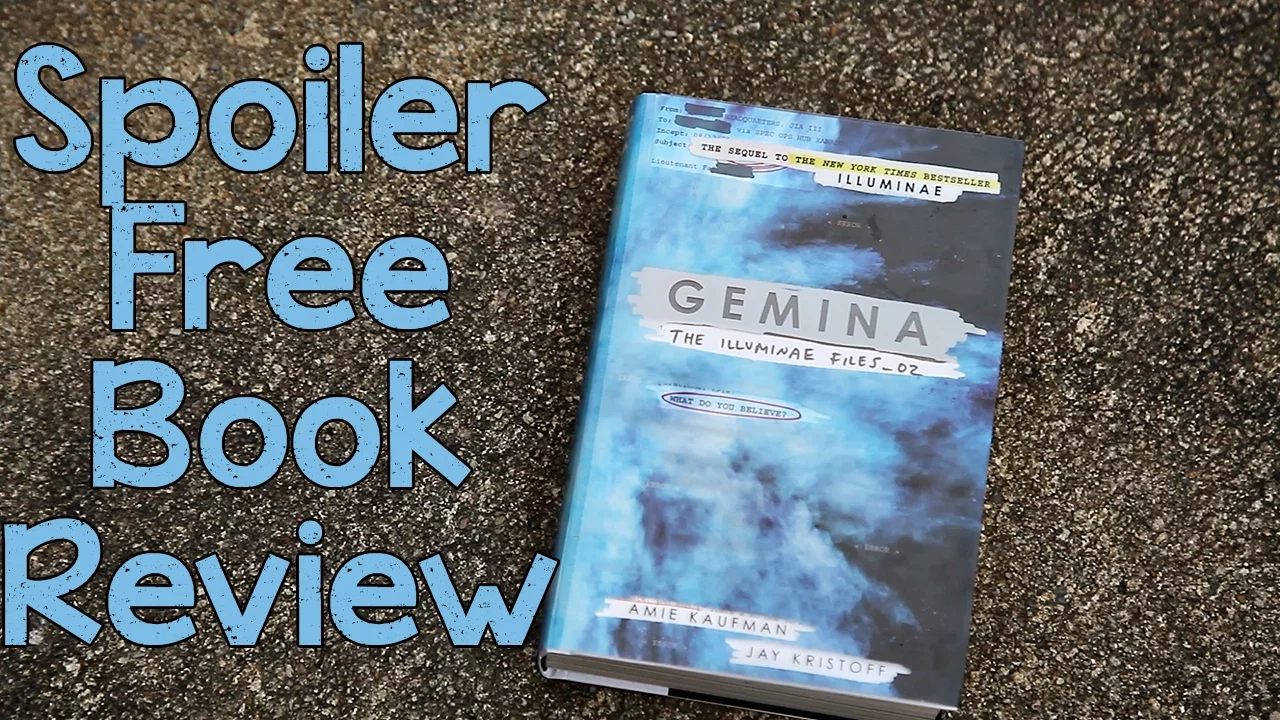
Why this video: This review analyzes The Illuminae Files (specifically Gemina), one of the most prominent modern examples of sci-fi multimedia epistolary fiction. The video illustrates how emails, chat logs, video surveillance summaries, and illustrations are combined to create an immersive, fast-paced, and highly tactile reading experience.
Curatorial Note on Video Gaps
While the video pool includes reviews of modern multimedia fiction and academic lectures on digital writing, there is a shortage of step-by-step literary theory videos dissecting the formatting of digital-age novels (e.g., how the lack of subject lines or the use of emojis alters subtext). For independent research, please search academic databases for articles like "Digital Epistolary Fiction and the Aesthetics of the Screen" or "Email Novels and Modern Intimacy."
Knowledge Checkpoint
- Explain how the conventions of email and instant messaging (such as timestamps, emojis, and brief exchanges) alter narrative pacing in modern novels.
- Identify similarities and differences between 18th-century letter exchanges and 21st-century chat logs in terms of psychological intimacy.
- Describe how multimedia epistolary works like The Illuminae Files use non-textual documents (maps, surveillance summaries) to build their narrative world.
Course Map
Key People Index
- Samuel Richardson (1689–1761): Often hailed as the father of the English epistolary novel. His monumental works Pamela and Clarissa defined the early conventions of psychological realism and literary interiority.
- Johann Wolfgang von Goethe (1749–1832): German writer whose epistolary masterpiece The Sorrows of Young Werther catalyzed the Sturm und Drang movement and showed how the epistolary format could express intense emotional states.
- Bram Stoker (1847–1912): Irish author who refined the multi-document epistolary form in Dracula, using realistic modern technologies to ground a supernatural horror story in everyday reality.
- Dr. Octavia Cox: Academic and literary scholar specializing in 18th-century literature. Her structural analyses clarify complex formal techniques like "writing to the moment."
- Dr. Kate Pantelides: Researcher and academic whose work explores contemporary digital writing, cloud communication, and how technology changes the way humans express themselves textually.
Final Self-Assessment
Test your understanding of the historical evolution and structural mechanics of the epistolary form by completing this final assessment checklist:
- I can explain the social and technological factors that caused the rise of the epistolary novel in 18th-century England.
- I can define the core structural difference between a purely epistolary novel (e.g., Clarissa) and a frame narrative (e.g., Frankenstein).
- I can analyze how the literary technique of "writing to the moment" creates psychological intimacy and emotional urgency.
- I can describe the narrative function of a "fictional editor" and how it affects the reader's perception of narrative authenticity.
- I can explain how the absence of an omniscient narrator allows for multiple, conflicting perspectives and unreliable narration.
- I can trace how the epistolary format evolved from standard paper letters to Victorian-era documents like medical logs, telegrams, and ship's records.
- I can evaluate why Bram Stoker used a multi-document structure in Dracula and explain its relationship to "found footage" horror.
- I can identify how modern digital formats (emails, instant messages, and text messages) preserve or alter the pacing and psychological intimacy of traditional epistolary novels.
- I can analyze how modern multimedia novels like The Illuminae Files combine text and visual documents to tell a complex story.