![SACANI RESPONDE [TEMAS VARIADOS #01] - Ciência Sem Fim #311](https://i.ytimg.com/vi/JntgF5qy9wA/maxresdefault.jpg)





















![ДИВНА МАТЕМАТИКА ЕЙНШТЕЙНА 🤯 [VERITASIUM]](https://i.ytimg.com/vi_webp/QZQptiZOQfs/maxresdefault.webp)
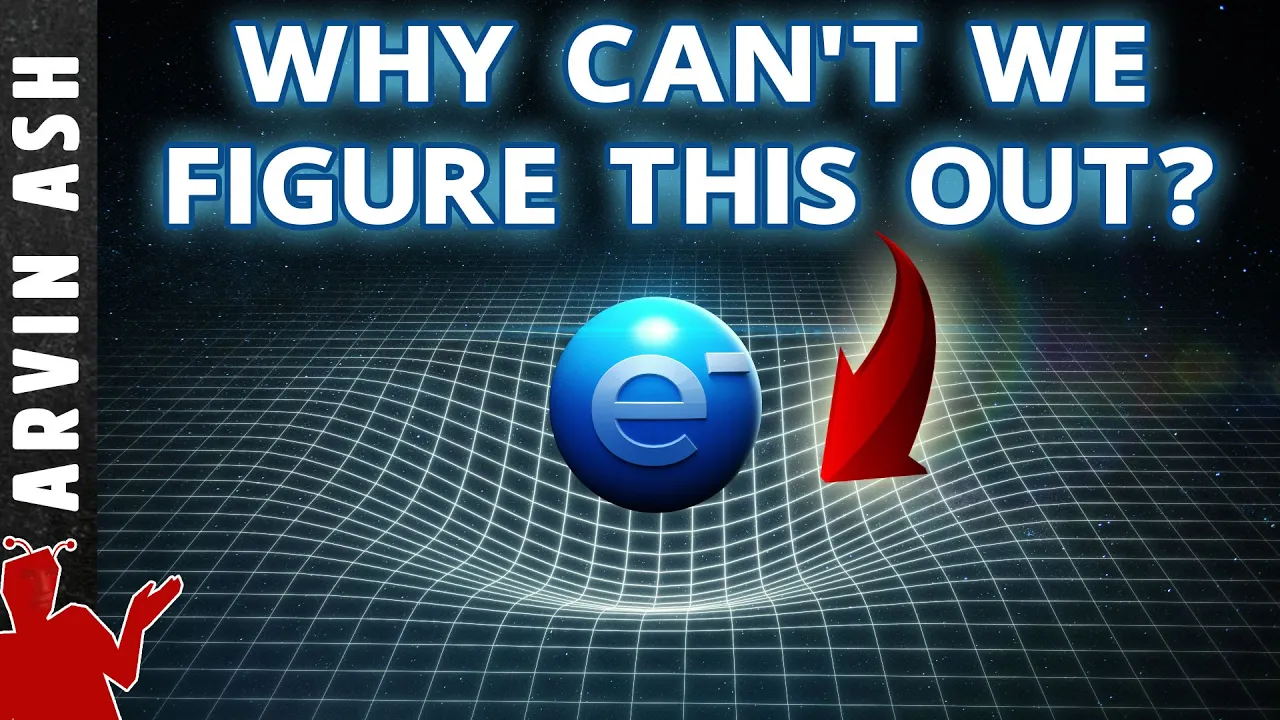
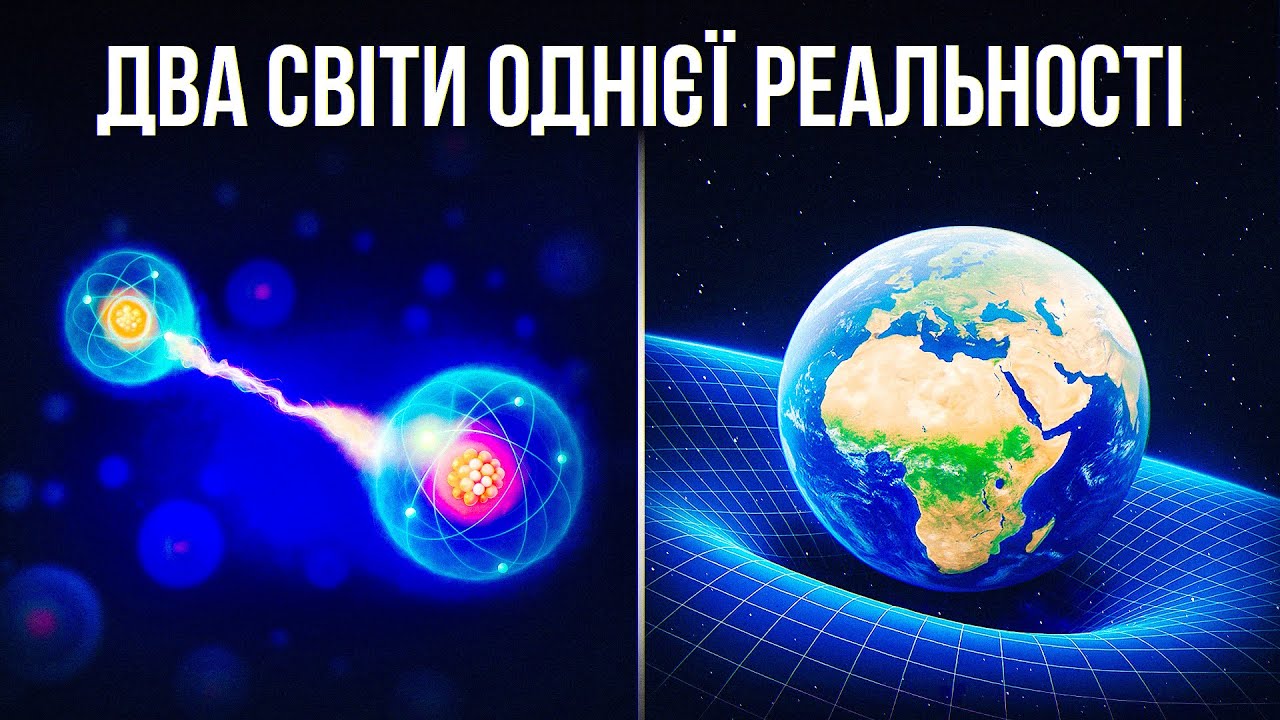

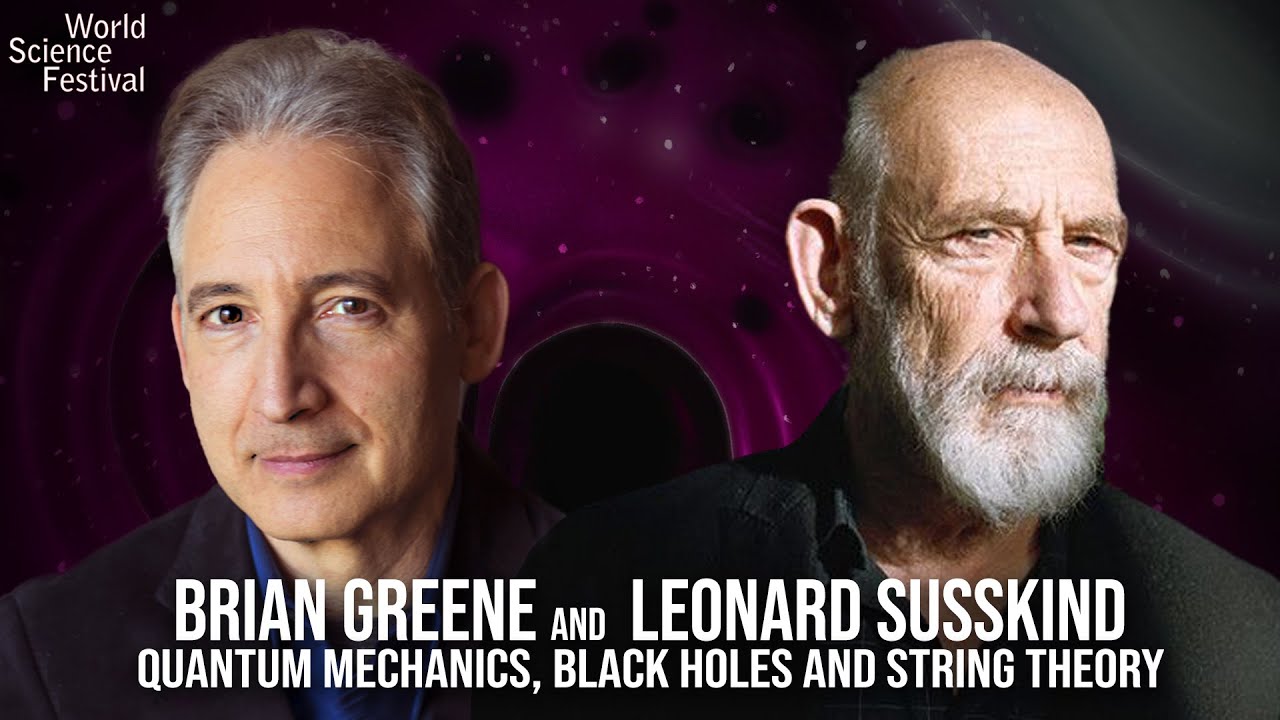
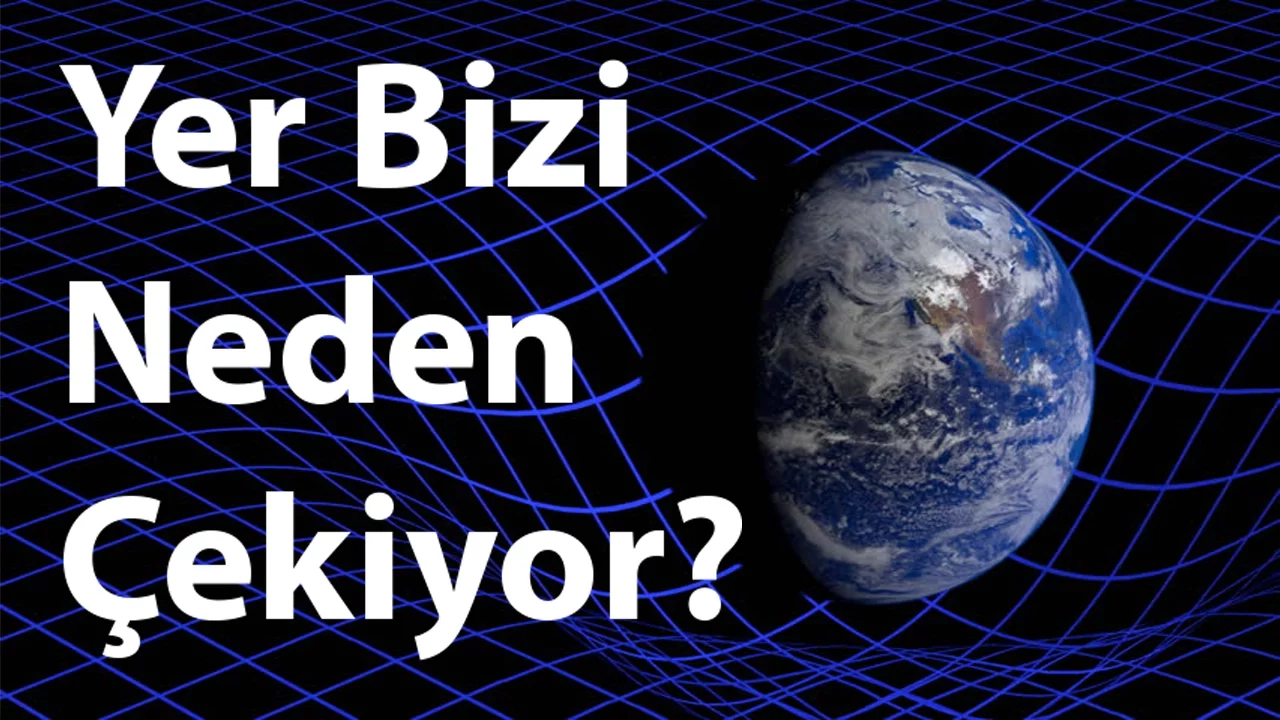
General Relativity, formulated by Einstein in 1915, describes gravity not as a force but as the curvature of spacetime caused by mass and energy; this curvature determines the motion of objects, with massive objects following geodesic paths through this curved geometry, and black holes representing extreme cases where spacetime curvature becomes so intense that not even light can escape.
General Relativity Explained by Physicist Sean Carroll | Lex Clips
Added:Newtonian Gravity: Understanding classical mechanics and Newton's law of universal gravitation as an attractive force between masses.
Special Relativity: Fundamental principles of Einstein's 1905 theory, including the constancy of the speed of light, time dilation, and the unification of space and time into a flat spacetime continuum.
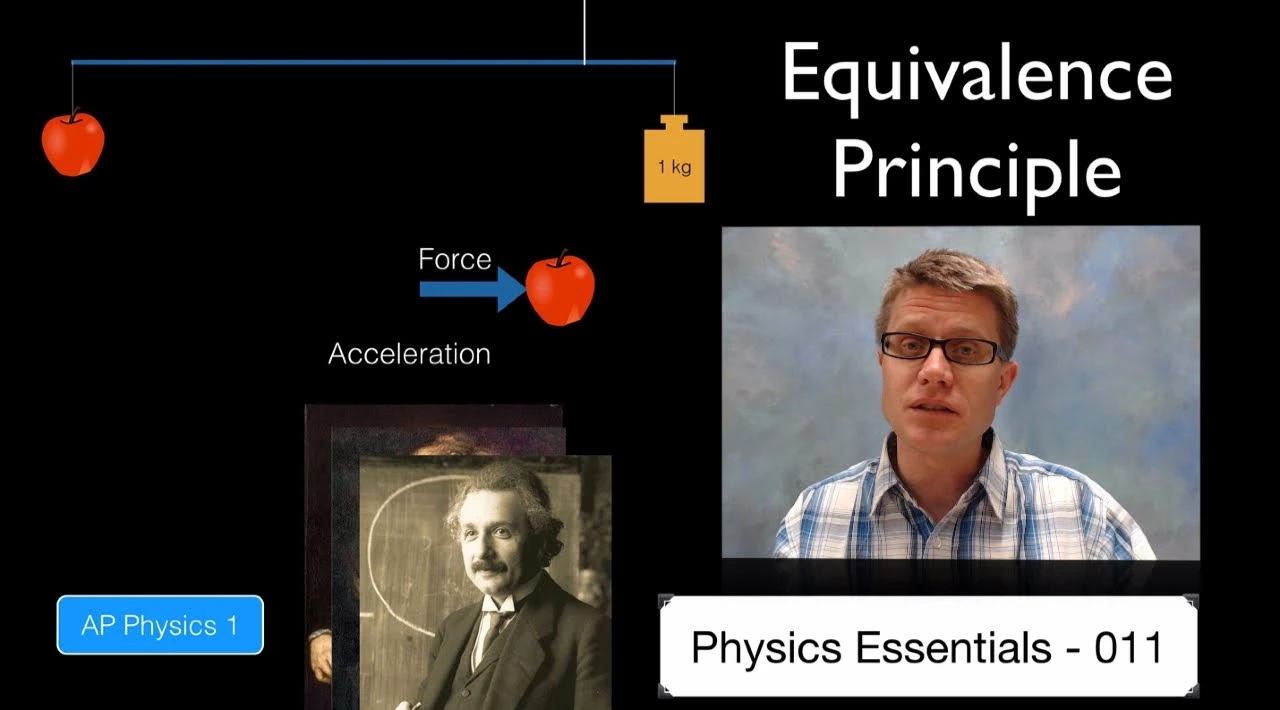
The Equivalence Principle: The conceptual foundation of general relativity stating that the effects of gravity are locally indistinguishable from the effects of uniform acceleration.
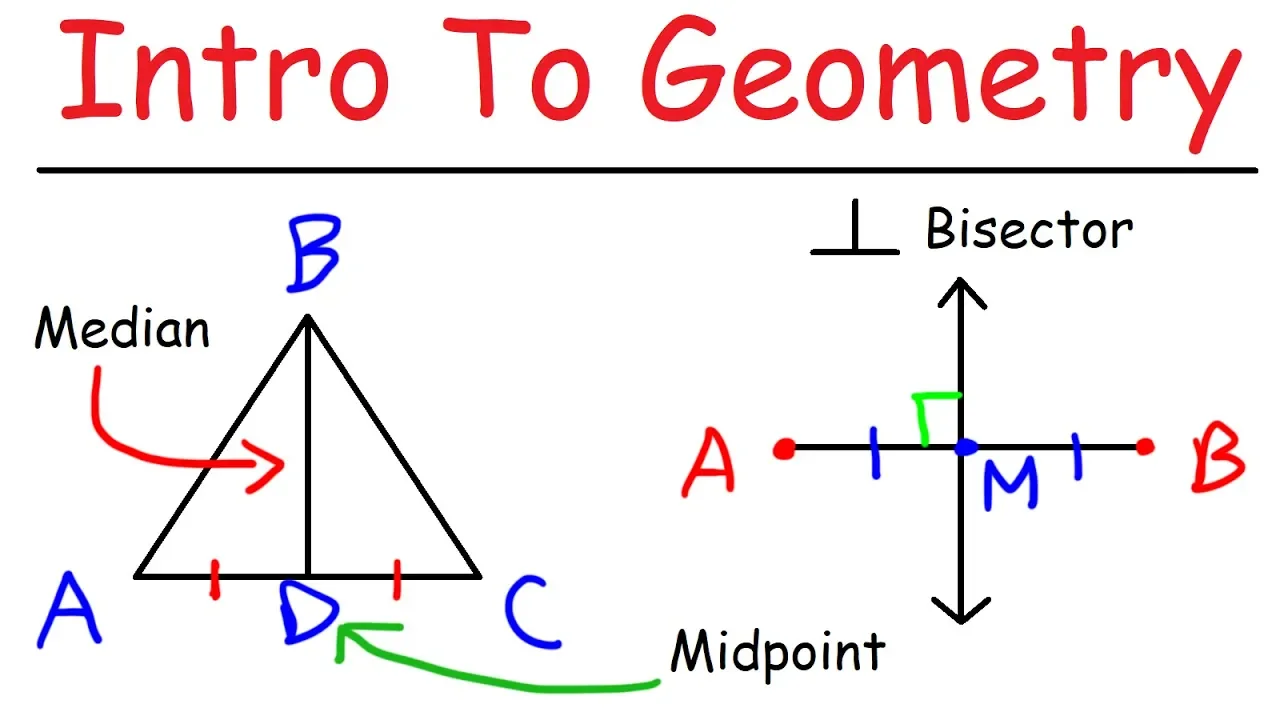
Basic Geometry: Familiarity with coordinate systems and the distinction between flat (Euclidean) and curved (non-Euclidean) surfaces.
The Einstein Field Equations: The quantitative mathematical framework that formally relates the geometry of spacetime to the distribution of mass, energy, and momentum.
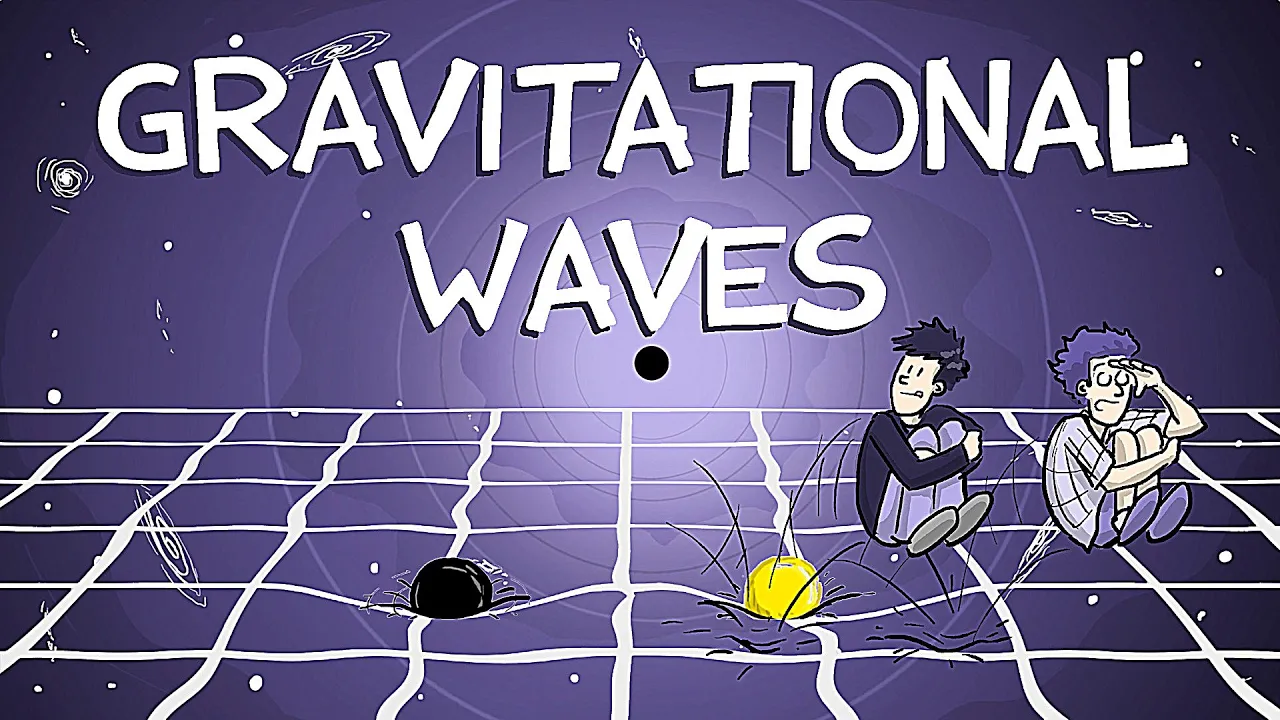
Gravitational Waves: The study of ripples in the fabric of spacetime generated by accelerating massive objects, and their detection by observatories like LIGO.
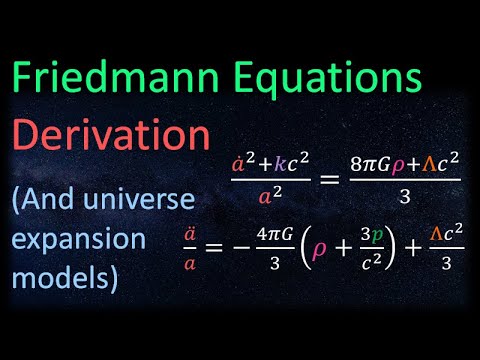
Relativistic Cosmology: Applying general relativity to the evolution of the entire universe, exploring concepts like cosmic expansion, the Big Bang, and Dark Energy.
Advanced Black Hole Physics: Exploring the Schwarzschild metric, event horizons, singularity theorems, and the thermodynamic behavior of black holes (such as Hawking Radiation).
Quantum Gravity: The theoretical efforts (such as String Theory and Loop Quantum Gravity) to reconcile general relativity's smooth description of spacetime with the discrete, probabilistic nature of quantum mechanics.
232.4K views2.6Klikes21:37Original Release: 2024-04-28
in book one of the series the biggest ideas in the universe called SpaceTime motion you take on classical mechanics general relativity uh by taking on the main equation of general relativity and making it uh accessible easy to understand so um maybe at the high level what is general relativity what's a good way to start to try to explain it probably the best way to start to try to explain it is special relativity which came first 1905 uh it was the culmination right of many decades of people putting things together but it was Einstein in 1905 in fact it wasn't even Einstein I should give more credit to manowski in 1907 so Einstein in 1905 figured out that you could get rid of The Ether the idea of a rest frame for the universe and all the equations of physics would make sense with the speed of light being a maximum but then it was manowski who used to be Einstein's professor in 1907 who realized the most elegant way of thinking about this idea of Einstein's was to blend space and time together into space time to really imagine that there is no hard and fast division of the four-dimensional world in which we live into space and time separately Einstein was at first dismissive of this he thought it was just like oh the mathematicians are over formalizing again but then he later realized that if if SpaceTime is a thing it can have properties and in particular it can have a geometry it can be curved from place to place and that was what let him solve the problem of gravity he was always been he had previously been trying to fit in what we knew about gravity from Newtonian uh mechanics the inverse Square law of gravity to his new relativistic Theory it didn't work so the final leap was to say gravity is the curvature of SpaceTime and that statement is basically just relativity and uh the tension with Makowski was he was a mathematician yes so it's a tension between physics and and Mathematics in fact in uh your lecture about this equation one of them you uh say that Einstein is a better physicist than he gets credit for yep I know that's hard that's that's a little bit of a joke there right because we all give Einstein a lot of credit but then we also partly based on fact but partly to make ourselves feel better tell ourselves a story about how later in life Einstein couldn't keep up uh there were younger people doing quantum mechanics and Quantum field Theory and particle physics and he was just sort of uh unable to really philosophically get over his objections to that and I think that that story about the latter part is completely wrong like almost 180 degrees wrong I think that Einstein understood quantum mechanics as well as anyone at least up through the 1930s I think that his philosophical objections to it are correct so he should actually have been taken much more seriously about that and what he did what he achieved in trying to think these problems through is to really basically understand the idea of quantum entanglement which is kind of important these days when it comes to understanding quantum mechanics now it's true that in the 40s and 50s uh he placed his efforts in hopes for unifying electricity and magnetism with gravity that didn't really work out very well all of us you know try things that don't work out I don't hold that against him but in terms of IQ points in terms of trying to be a clear thinking physicist he was really really great what does greatness look like for a physicist so how difficult is it to take the leap from special relativity to general relativity how difficult is it to imagine that to consider SpaceTime together and to imagine that uh there's a curvature to this whole thing yeah that's a great question um I think that if you want to make the case for Einstein's greatness which is not hard to do there's two things you point at one is in 1905 his famous miracle year he writes three different papers on three wildly different subjects all of which are would make you famous just for writing that one paper um special relativity is one of them brownie in motion is another one one which is just you know the little vibrations of tiny little dust specs in the air but who cares about that what matters is it proves the existence of atoms he explains Brownian motion by imagining there are molecules in the air and deriving their properties brilliant and then he basically starts the world on the road to Quantum Mechanics with his paper on which again is given a boring label of the photoelectric effect what it really was is he invented photons he showed that light should be thought of as particles as well as waves and he did all three of those very different things in one year okay but the other thing that gets him genius status is like you say general relativity so this takes 10 years from 1905 to 1915 he wasn't only doing general relativity he was working on other things he wrote he invented a refrigerator he did various interesting things and he wasn't even the only one working on the problem there were other people who suggested relativistic theories of gravity but he really applied himself to it and I think as your question suggests the solution was not a matter of turning a crank it was something fundamentally creative you know the in his own telling of the story his greatest moment his happiest moment was when he realized that if the way that we would modern in say it in modern terms if you were in a rocket ship accelerating at one g at one uh acceleration due to gravity if the rocket ship were very quiet you wouldn't be able to know the difference between being in a rocket ship and being on the surface of the Earth gravity is sort of not detectable or at least not distinguishable from acceleration so number one that's a pretty clever thing to think but number two if you or I had that thought we would have gone huh we're pretty clever he Reasons from there to say okay if gravity is not detectable then it can't be like an ordinary Force right the electromagnetic force is detectable we can put charge particles around positively charged particles and negatively charged particles respond differently to an electric field or to a magnetic field he realizes that what his thought experiment showed or at least suggested is that gravity isn't like that everything responds in the same way to gravity how could that be the case and then this other leap he makes is oh it's because it's the curvature of SpaceTime right it's a feature of SpaceTime it's not a force on top of it and the feature that it is is curvature and then finally he says okay clearly I'm going to need the mathematical tools necessary to describe curvature I don't know them so I will learn them and they didn't have mukes or AI uh helpers back in those days he had to sit down and read the math papers and he taught himself differential geometry and invented general relativity what about the step of including time as just another dimension so combining space and time is that a simple mathematical leap as Makowski suggested it's certainly not simple actually um it's a it's a profound Insight that's why I said I think we should give manowski more credit than we do you know he's the one who really put the finishing touches on special relativity again many people had talked about how things change when you move close to the speed of light uh what Maxwell's equations of electromagnetism predict and so forth what their symmetries are so people like lorence and Fitzgerald and panker there's a story that goes there and in in the usual telling Einstein sort of puts the Capstone on it he's the one who says all of this makes much more sense if there just is no ether it is undetectable we don't know how fast everything is relative thus the name relativity but he didn't take the actual final step which was to realize that the underlying structure that he had invented is best thought of as unifying space and time together I honestly don't know what was going through makowski's mind when he thought that that and not sure if he was you know so mathematically Adept that it was just clear to him uh or he was really struggling it and he did trial and error for a while I'm not sure I mean do you for him or for Einstein visualize the four-dimensional space try to play with the idea of time is just another dimension oh yeah all the time I mean we of course make our lives easy By ignoring two of the dimensions of space so instead of four dimensional space time we just draw pictures of one dimension of space one dimension of time so called SpaceTime diagram but you know I mean maybe this is lurking underneath your question but even the best physicists will draw you know a hor a vertical axis and a horizontal axis and they'll go space time but deep down that's wrong because you're sort of preferring One Direction of space and One Direction of time and it's really the whole two-dimensional thing that is spacetime the more legitimate thing to draw on that picture are rays of light are light cones from every point there is a fixed Direction at which the speed of light would represent and that is actually inherent in the structure the division into space and time is something that's easy for us human beings what is the difference gen space and time from the perspective of general relativity it's the difference between X and Y when you draw AES on a piece of paper so there really no difference there is almost no difference there's one difference that is kind of important which is the following if you have a curve in space I'm going to draw it horizontally because that's usually what we do in SpaceTime diagrams you have a curve in space you've heard the motto before that the shortest distance between two points is a straight line if you have a curve in time which is by the way literally all of our lives right we all evolve in time so you can start with one event in SpaceTime and another event in SpaceTime what minkowski points out is that the time you measure along your trajectory in the universe is precisely analogous to the distance you travel on a curve through space and by precisely I mean it is also true that the actual distance you travel through depends on your path right you go a straight line shortest distance and curvy line would be longer the time you measure in SpaceTime the literal time that takes off on your clock also depends on your path but it depends on it the other way so that the longest time between two points it's a straight line and if you Zig back and forth in SpaceTime you take less and less time to go from point A to point B how do I make sense of that the uh difference between the observed reality and the objective reality underneath it or is objective reality a silly notion given general relativity I'm a huge believer in objective reality I think that objective reality objective is real um but I do think that people kind of are a little overly casual about the relationship between what we observe and objective reality in the following sense of course in order to explain the world our starting point and our ending point is our observations our experimental input the phenomena we experience and see around us in the world but in between there's a theory there's a mathematical formalization of our ideas about what is going on and if a theory fits the data and is very simple and makes sense in its own terms then we say that the theory is right and that means that we should attribute some reality to the entities that play an important role in that theory at least provisionally until we come up with a better Theory down the road I think a nice way to test the difference between objective reality and The observed reality is what happens at the uh at the the edge of the Horizon of a black hole so technically as you get closer to that Horizon time stands still yes and no it depends on exactly how careful we're being so here is a a bunch of things I think are correct if you imagine there is a black hole SpaceTime so like the whole solution Einstein's equation and and you treat you and me as what we call test particles so we don't have any gravitational fields ourselves we just move around in the gravitational field that's obviously an approximation okay but let's let's imagine that and you stand outside the black hole and I Fall In And as I'm falling in I'm waving to you you know because I'm going into the black hole you will see me move more and more slowly and also the light from me is red shifted so I kind of look embarrassed cuz I'm falling into a black hole and there is a limit there's a last moment moment that light will be emitted from me from your perspective forever okay now you don't literally see it because I'm emitting photons more and more slowly right because from your point of view so it's not like I'm equally bright I basically fade from view in that picture Okay so that's one approximation the other approximation is I do have a gravitational field of my own and therefore as I approach the black hole the black hole doesn't just sit there and let me pass through it kind of moves out to eat me up because its net energy mass is going to be mine plus its but roughly speaking yes I think so I don't like to go to the dramatic extremes because that's where the approximations break down but if you see something falling into a black hole you see its clock ticking more and more slowly how do we know it fell in we don't I mean how would we because it's always possible that right at the last minute it had a change of heart and starts accelerating away right if you don't see it pass in you don't know and let's point out that as smart as Einstein was he never figured out black holes and he could have it's kind of embarrassing it took decades for people thinking about general relativity to understand that there are such thing as black holes because basically Einstein comes up with general relativity 1915 two years later schwar Shield uh Carl schwar Shield deres the solution to to Einstein's equation that represents a black hole the short Shield solution no one recognized it for what it was until the 50s David finlin and other people and that's just you know one of these examples of physicists not being as clever as they should have been well that's the singularity that's the kind of the edge of the theory the limit so it's understandable that it's difficult to imagine the limit of things it is absolutely hard to imagine and black hole is very different in many ways from what we're used to on the other hand I mean I mean the real reason of course is that between 1915 and 1955 there's a bunch of other things that are really interesting going on in physics all of particle physics and Quantum field Theory so many of the greatest Minds were focused on that but still if the universe hands you a solution to general relativity in terms of curve SpaceTime and it's kind of mysterious certain features of it I would put some effort in trying to figure it out so how does a black hole work put yourself in the shoes of Einstein and take general relativity to its natural conclusion about these massive things it's best to think of a black hole as not an object so much as a region of space time okay it's a region with the property at least in classical general relativity quantum mechanics makes everything harder but let's imagine we're being classical for the moment it's a region of SpaceTime with the property that if you enter you can't leave literally the equivalent of escaping a black hole would be moving faster than the speed of light they're both precisely equally difficult ult you would have to move fast and speed of light to escape from the black hole so once you're in that's fine you know in principle uh you don't even notice when you cross the Event Horizon as we call it the Event Horizon is that point of no return where once you're inside you can't leave but meanwhile the SpaceTime is sort of collapsing around you uh to ultimately a singularity in your future which means that the gravitational forces are so strong they tear your body apart um and you will die and a amount of time the time it takes if the if the black hole is about the mass of the Sun to go from The Event Horizon to the singularity takes about one millionth of a second and what happens to you if you fall into the black hole like if we think of an object as uh information that information gets destroyed well you've raised a crucially difficult point so that's why I keep needing to distinguish between black holes according to Einstein's theory of general relativity which is book one of SpaceTime and geometry which is perfectly classical and then come the 1970s we start asking about quantum mechanics and what happens in quantum mechanics according to classical general relativity the information that makes up you when you fall into the black hole is lost to the outside world it's there it's inside the black hole but we can't get it anymore in the 1970s Stephen Hawking comes along and points out that the black holes radiate they give off photons and other particles to the universe around them and as they radiate they lose mass and eventually they evaporate they disappear so once that happens I can no longer say the information about you or a book that I threw in the black hole or whatever is still there as hidden behind the black hole because the black hole has gone away so either that information is destroyed like you said or it is somehow transferred to the radiation that is coming out to the Hawking radiation the large majority of people who think about this believe that the information is somehow transferred to the radiation and information is conserved that is the a feature both of general relativity by itself and of Quant mechanics by itself so when you put them together that should still be a feature we don't know that for sure there are people who have doubted it including Stephen Hawking for a long time but that's what most people think and so what we're trying to do now in uh topic which has generated many many hundreds of papers called the black hole information loss puzzle is figure out how to get the information from you or the book into the radiation that is escaping the black hole is there any way to observe Hawking radiation to a degree where you can start getting Insight or is this all just in the space of theory right now right now we are nowhere close to observing Hawking radiation here's the sad fact the larger the black hole is the lower its temperature is so a small black hole like a microscopically small black hole might be very visible it's given off light but something like the black hole the center of our galaxy 3 million times the mass of the Sun or something like that Sagittarius A star uh that is so cold and low temperature that its radiation will never be observable um black holes are hard to make we don't have any nearby the ones we have out there in the universe are very very faint so there's no immediate hope for detecting hulking radiation allegedly we don't have any nearby as far as we know we don't have any nearby could tiny ones be hard to detect somewhere the edges of the solar system maybe so you don't want them to be too tiny or they're exploding right they're they're very bright and then they'll be visible but there's an absolutely regime where black holes are large enough not to be visible because the larger ones are fainter right not giving off radiation but small enough to not been detected through their gravitational effect yeah psychologically just emotionally how do you feel about black holes they scare you I love them I love black holes but the universe weirdly makes it hard to make a black hole right because you really need to squeeze an enormous amount of matter and energy into a very very small region of space so we know how to make Stellar black holes a super massive star can collapse to make a black hole we know we also have these super massive black holes at the center of the galaxies were a little unclear where they came from I mean maybe Stellar black holes that got together uh and combined but that's you know one of the exciting things about new data from the James web Space Telescope is that quite large black holes seem to exist relatively early in the history of the universe so it was already difficult to figure out where they came from now it's an even tougher puzzle
Up Next
3:20
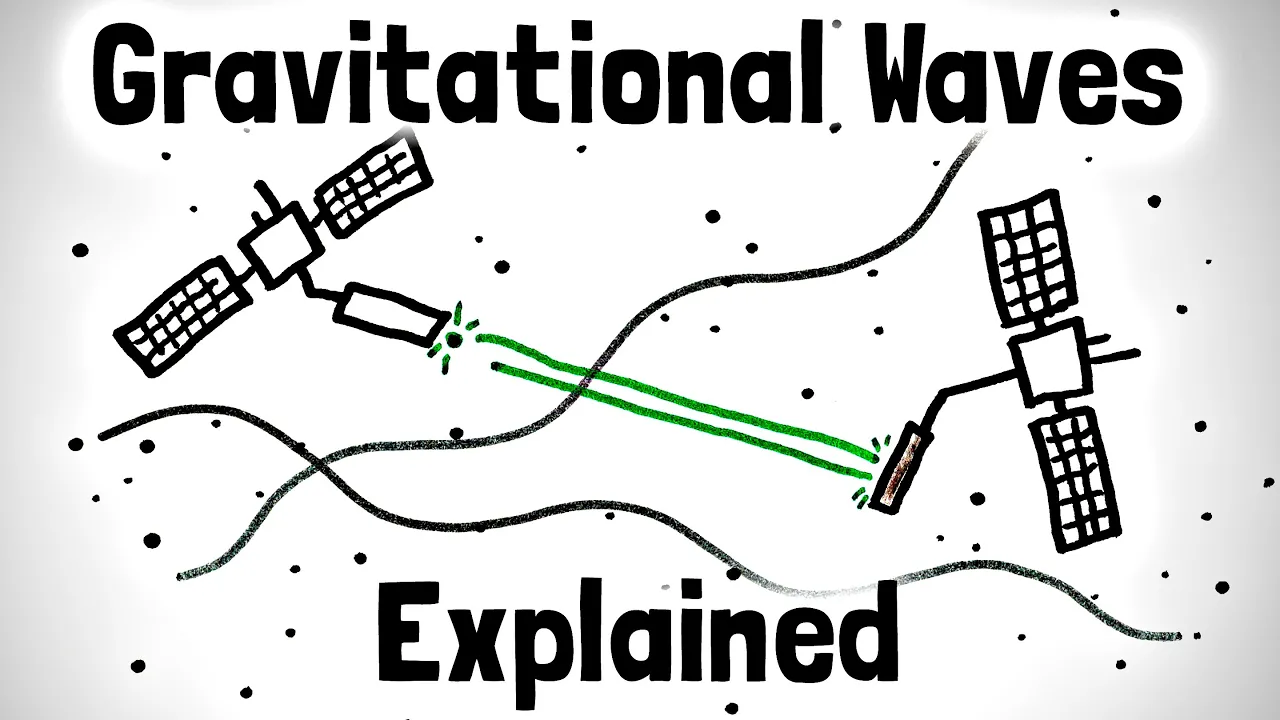
Gravitational Waves Explained via Analogies and LIGO Detection
@MinutePhysics
931.8K views•2016-07-08

12:53
21cm Hyperfine Transition in Neutral Hydrogen: Radio Astronomy Basics
@AaronRobertParsons
12.4K views•2011-10-13

32:32
NMR Spin Physics I: Zeeman Effect, Resonance Condition & Larmor Frequency
@nptel-indianinstituteofsci8064
2.3K views•2024-01-17

27:14
Entropy and the Second Law of Thermodynamics Explained
@veritasium
27.5M views•2023-07-01
Related Study Plans & Knowledge Roadmaps
Structured learning paths in Physics
physics
Nuclear Physics (Decay, Fission & Reactors)
01Atomic Structure and the Binding Force
02Radioactive Decay and Half-Life
03Nuclear Fission Mechanics and Chain Reactions
+ 2 more learning modules
12h5 modules
Explore Roadmap
physics
Soft Matter (Polymers, Colloids & Rheology)
01Foundations of Soft Matter & Thermal Forces
02Polymer Physics and Macromolecules
03Colloids, Surfactants, and Self-Assembly
+ 2 more learning modules
38h5 modules
Explore Roadmap
physics
Analytical Mechanics: Lagrangian & Hamiltonian
01Mathematical Foundations: Calculus of Variations
02From Newtonian Mechanics to Constraint Dynamics
03The Principle of Least Action & Lagrangian Mechanics
+ 3 more learning modules
28h6 modules
Explore Roadmap
physics
General Relativity (Spacetime & Cosmology)
01Foundations of Relativity: Special Relativity
02The Geometry of Spacetime: Equivalence Principle & Curvature
03Einstein's Field Equations: The Mathematics of Gravity
+ 2 more learning modules
55h5 modules
Explore Roadmap