











![Romare Bearden American Artist – Part 1 [Golden Road Arts]](https://i.ytimg.com/vi/Rzi6igAeDKM/maxresdefault.jpg)



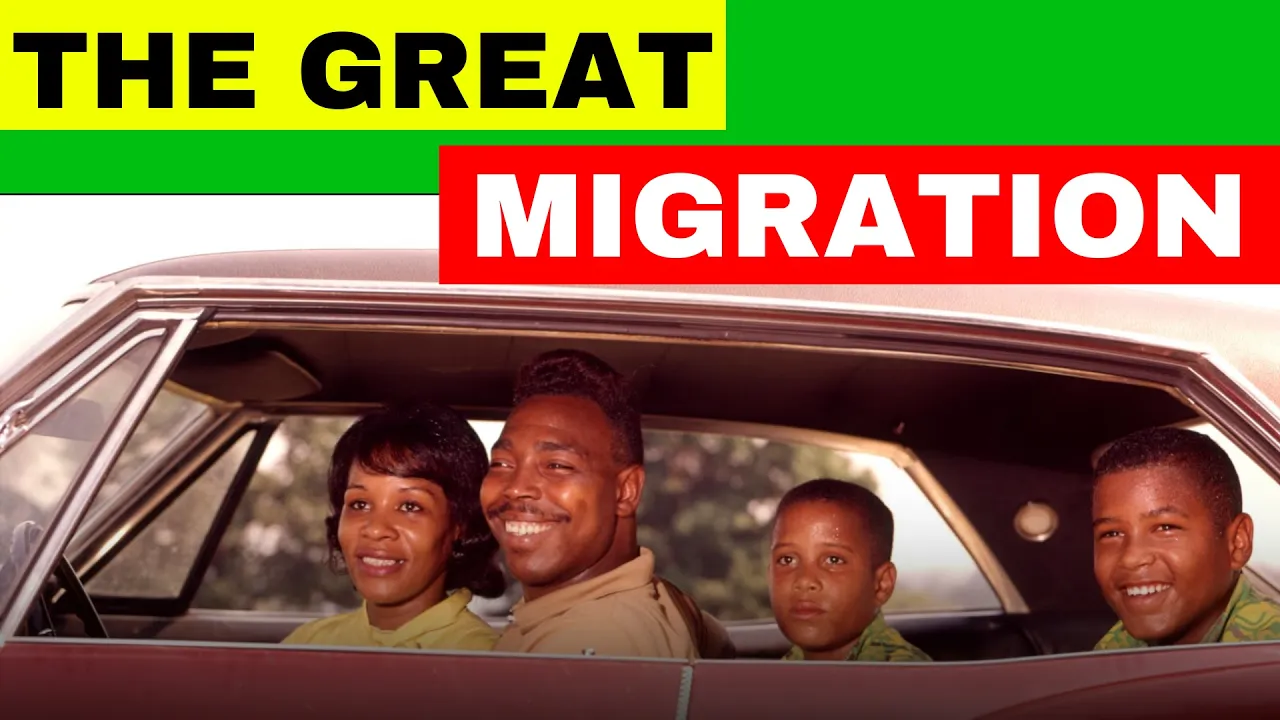
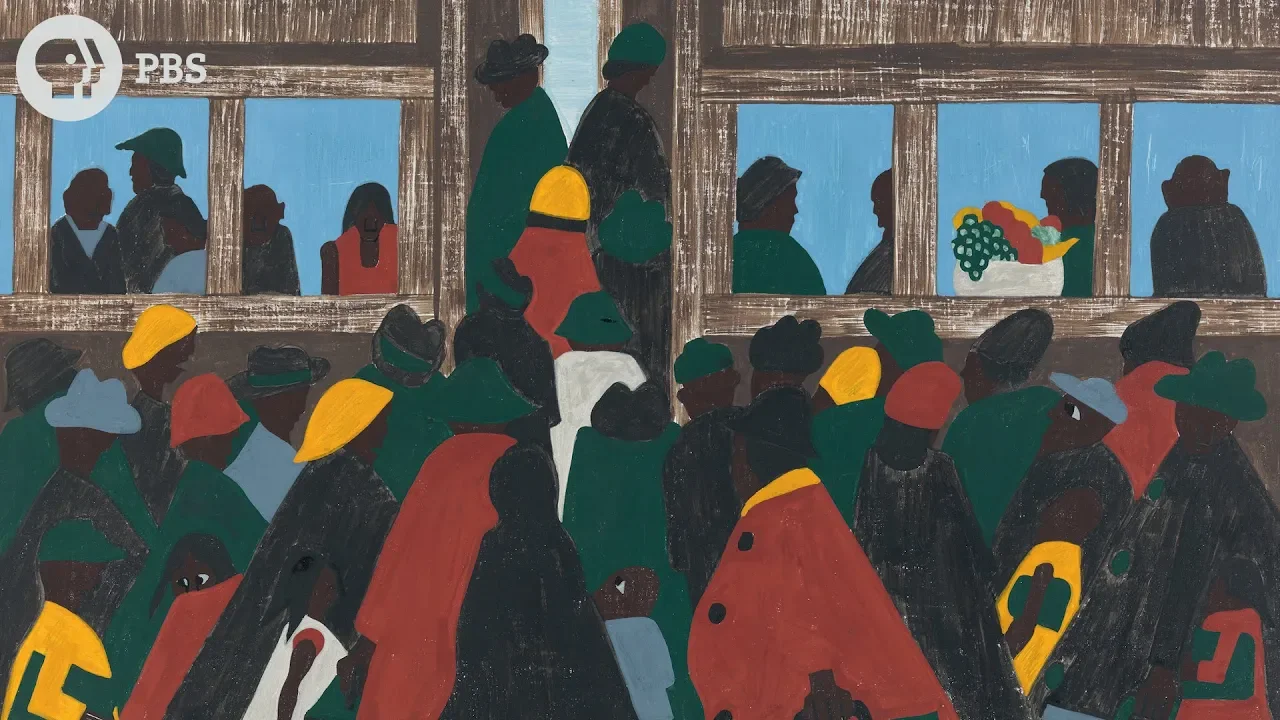
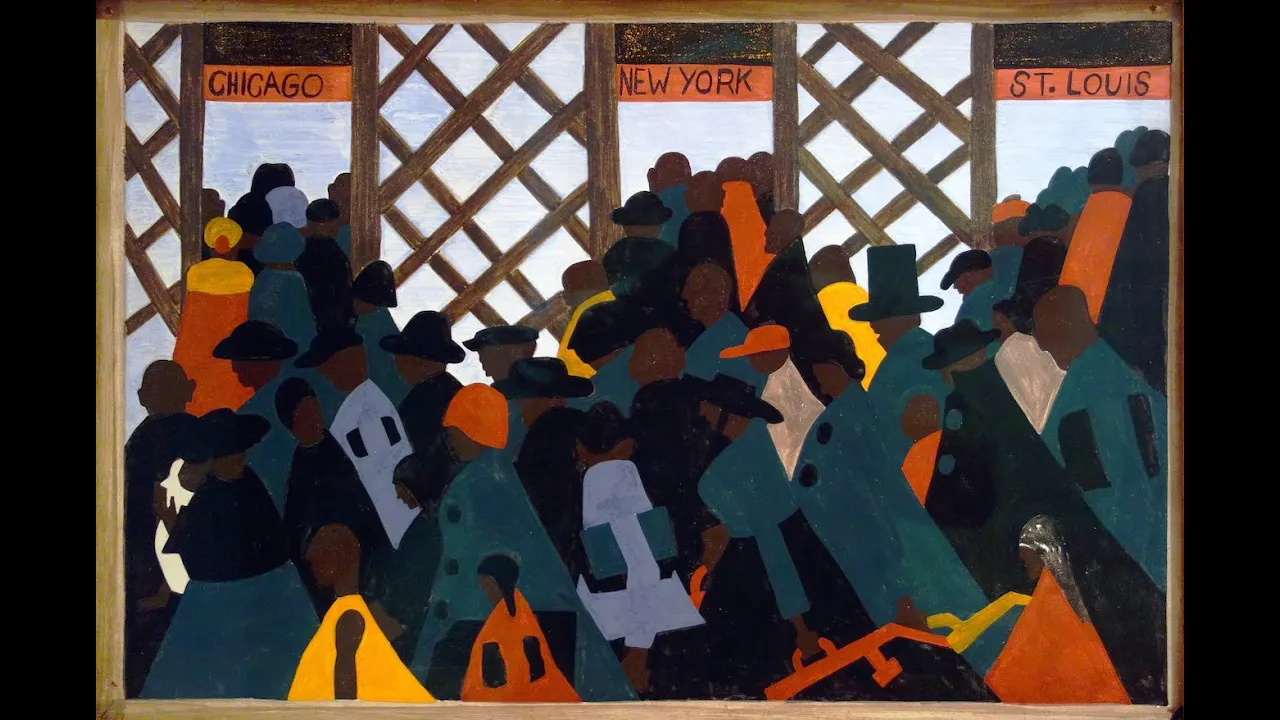
Jacob Lawrence (1917-2000) was a pioneering African-American artist who used dynamic shapes and vibrant colors to depict the struggles and triumphs of African-American history through narrative series paintings, most notably his acclaimed 60-panel Migration Series (1940-1941), which documented the Great Migration of six million Black Americans from the rural South to Northern industrial cities between 1916 and the 1970s; he became the first Black American artist to be represented by a mainstream commercial gallery (the Downtown Gallery in New York) and the first visual artist to receive the NAACP's Spingarn Medal (1970), establishing himself as a key figure in documenting Black history through art.
Jacob Lawrence: Painting Black History and the Great Migration
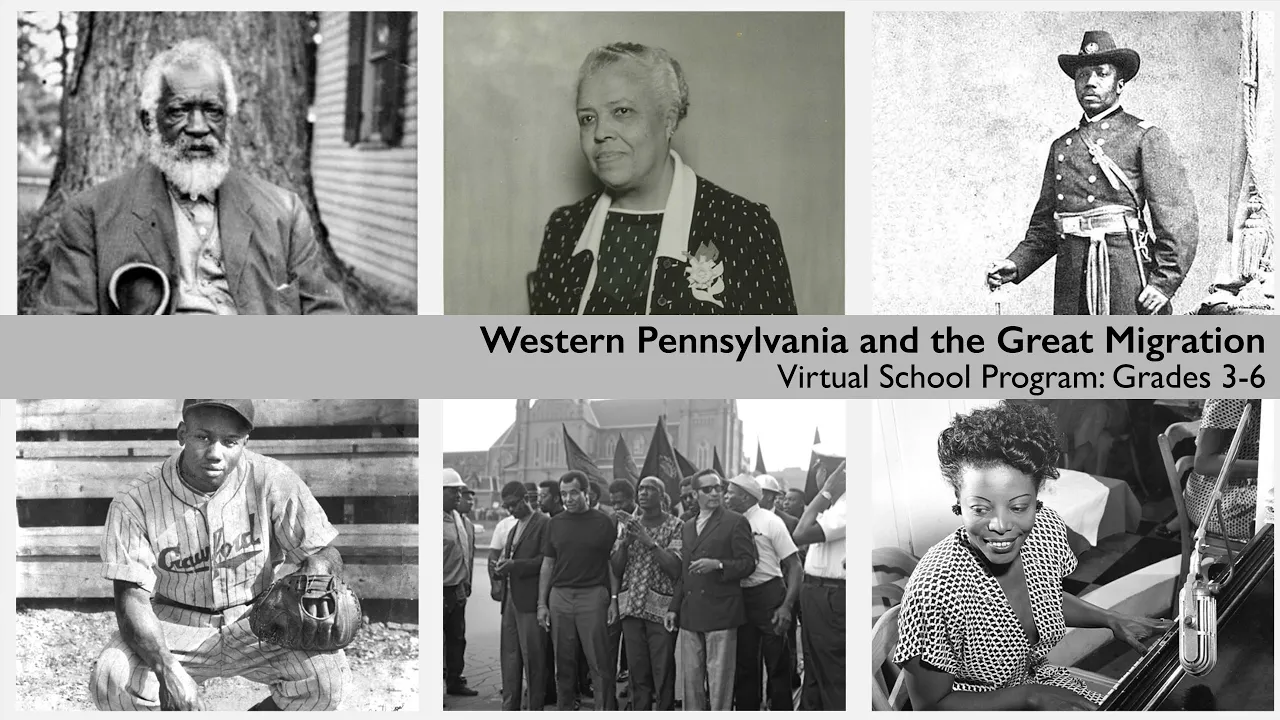
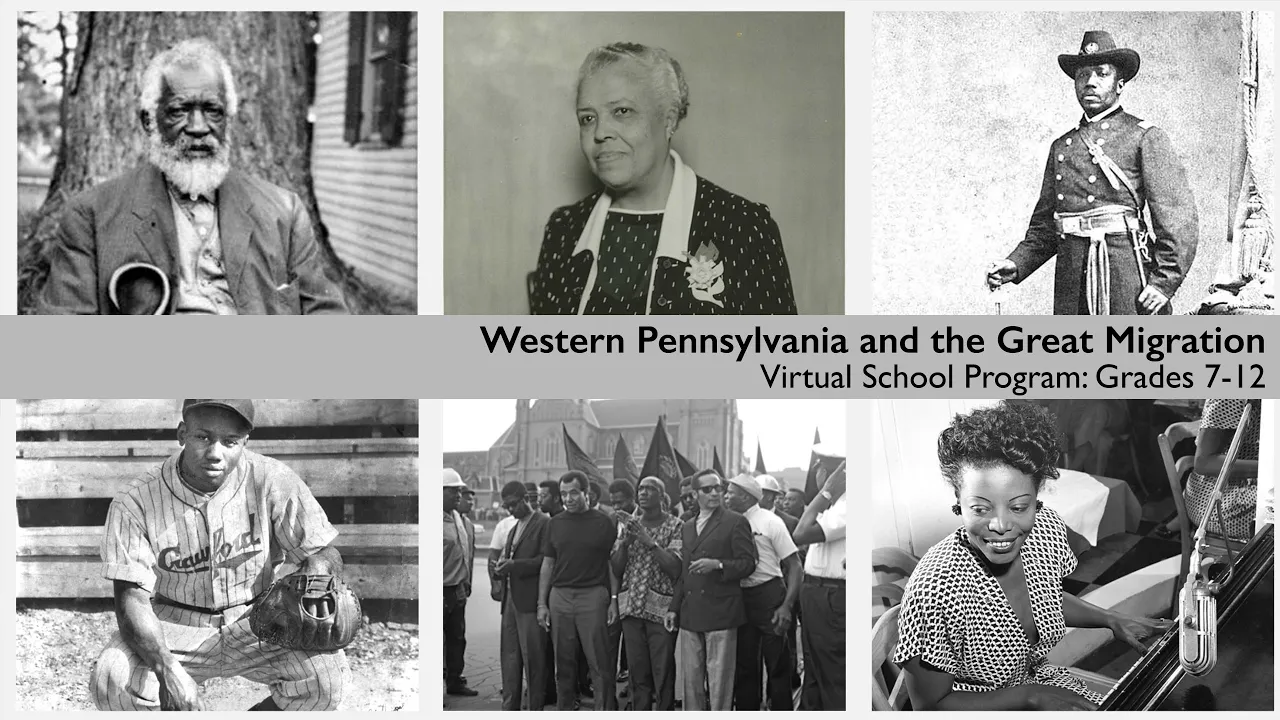
Added:The historical context of the Great Migration, including the economic, social, and political factors that drove millions of African Americans to relocate from the rural South to the industrial North.
The significance of the Harlem Renaissance as a cultural explosion of African American art, literature, and music in the early 20th century.
An introductory understanding of Jim Crow laws and the systemic racial oppression in the post-Reconstruction American South.
Basic familiarity with modern art concepts, particularly how social realism and abstraction can be used as tools for political and historical storytelling.
A detailed analysis of Jacob Lawrence's 'The Migration Series', examining his narrative structuring, use of captions, and multi-panel storytelling techniques.
The study of 'Dynamic Cubism', the unique artistic style Lawrence developed to capture motion, energy, and community life using flat shapes and vibrant tempera colors.
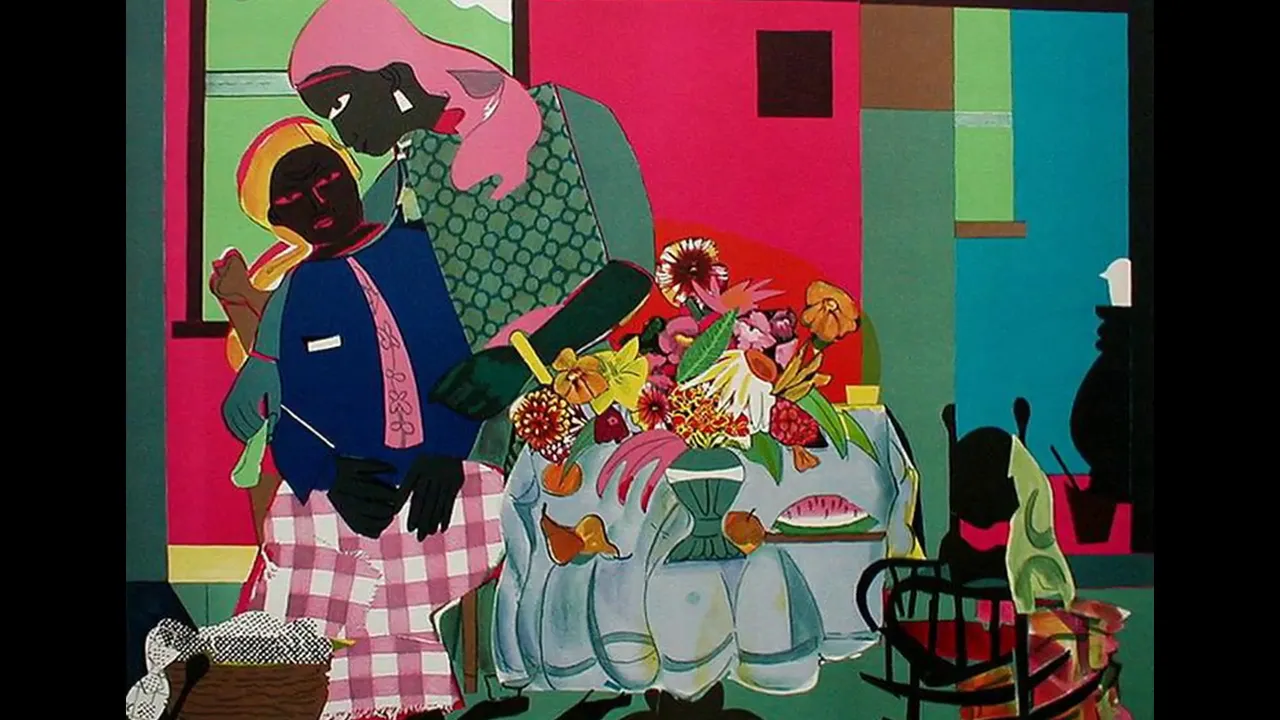
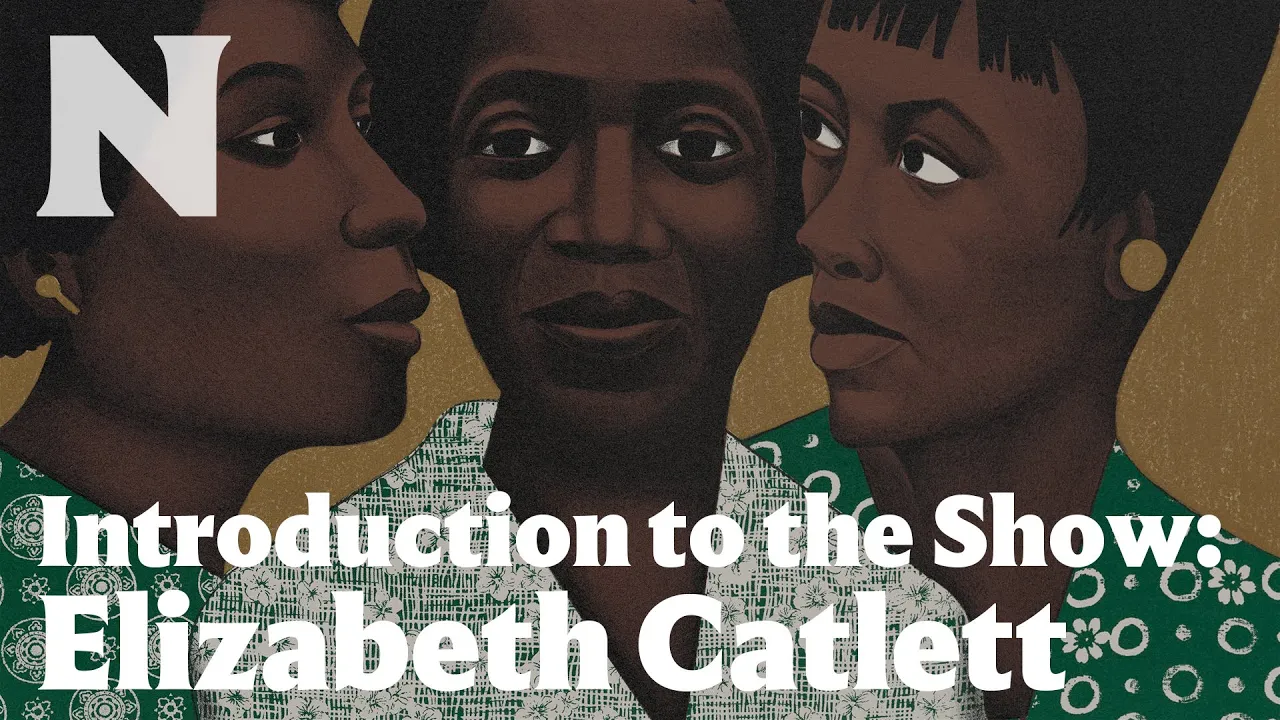
A comparative exploration of other major African American artists of the 20th century, such as Romare Bearden, Augusta Savage, and Elizabeth Catlett.
An examination of how the cultural shifts of the Great Migration directly influenced the music (such as jazz and blues) and the foundation of the modern Civil Rights Movement.
110.3K views3.7Klikes16:30Original Release: 2021-01-20
Hello, my name is Paul Priestley. Welcome to art History School, the home of art history for everybody. Today we are going to look at the American artist, Jacob Lawrence, one of most widely acclaimed American artists of the 20th century, best known for illustrating the African American experience and history in the US. Jacob Armstead Lawrence was born in Atlantic City, USA on the 7th September 1917. His parents were Jacob, a railway cook, and Rosa Lee. In 1919 his father moved the family to Easton, Pennsylvania, hoping to find work as a coal miner, his sister Geraldine was born that year too. Lawrence's parents separated in 1924 and his mother took the children to Philadelphia where his brother William was born. Later, in 1927 his mother moved to New York City to look for work and for the next three years Lawrence and his siblings were left in foster homes in Philadelphia. In 1930 his mother united the family and moved to 142 West Street in Harlem, New York. During the early 1930’s the Depression was acute, Lawrence’s mother lost her job and the family had to go on welfare. Lawrence was enrolled in Public School 89 in Harlem, and at the Utopia Children’s Centre, that provided after school programs in arts and crafts. The centre was run by the painter Charles Alston who soon recognized young Lawrence’s talents. In 1932 Lawrence attended the High School of Commerce for two years whilst continuing to study with Charles Alston at the Harlem Art Workshop. It was here he met Gwendolyn Knight who would become his wife. Lawrence's mother had hoped her son might become a postman, but Lawrence had other ideas. Having regularly visited the Metropolitan Museum of Art with Gwendolyn, he was fascinated by early Italian Renaissance masters such as Giotto and Duccio, and so decided to drop out of high school. Success came very early, in 1935 at the age of eighteen Lawrence had his first exhibition with the 306 group show at the Alston Barnham studio in Harlem. He was renting a small space in the corner of Alston's studio at the time and did so until 1940. His early paintings depict his environment, his studio, street scenes of his neighbourhood, and everyday life in Harlem using commercial paint on lightweight brown paper. Lawrence became the first major artist of the 20th-century to be technically trained and artistically educated within the art community in Harlem. Lawrence had his first solo exhibition in 1936 and also met Charles Seifert, a lecturer and historian who inspired him to focus on the historical narrative and struggle of African Americans. He began his researches at the Harlem branch of the New York Public Library, now the Schomburg Centre for Research in Black Culture. During the same year he saw DuBois's play, Haiti at the Lafayette Theatre in Harlem. Suddenly, Haiti became a focus and in particular the life of Toussaint L’Ouverture, the black revolutionary general and founder of the Republic of Haiti. Lawrence felt a single painting would not do justice to L’Ouverture’s numerous achievements, so he produced a series of 41 panels in total. In 1937, with the assistance of the artist Harry Gottlieb, Lawrence obtained a two-year scholarship to the American Artists School in New York, where he studied with Eugene Morley, Philip Reisman, and Sol Wilson. But he was still very poor and until he reached the age of 21, he was unable to join President Roosevelt's New Deal, an integral source of income to artists during the Great Depression. So he supported himself and his family by delivering newspapers, labouring and working as a printer. But in 1938 with the help of sculptor Augusta Savage, he got a position in the Federal Art Project's easel division earning the princely sum of $23.86 cents a week. In 1939 Lawrence exhibited in a two-person show with Samuel Wechsler at the American Artists School. A review in ART News, praised Lawrence's style stating it was "easy to call it primitive...but closer inspection reveals draughtsmanship too accomplished to be called naïve." Lawrence received a $1,500 fellowship in 1940 from the Julius Rosenwald Fund which allowed him to rent an unheated studio loft in Harlem. He started research for his 60-panel Migration of the Negro series at the Schomburg Collection. This would become one of his most acclaimed works, inspired by the African-American Great Migration, the movement of 6 million black Americans out of the rural Southern United States to the industrial cities in the North and Midwest that occurred between 1916 and 1970’s. In fact, Lawrence’s own parents had undertaken the same migration, like many others, in search of better economic conditions and less racial oppression. These panels of the Great Migration, as well as others by Lawrence, are linked together by captions, colour, and design and descriptive phrases which Gwendolyn Knight helped him write. In 1941 Lawrence’s Migration series was exhibited at the prestigious Downtown Gallery in New York. The show received wide acclaim. At the age of twenty-four Lawrence had become the first Black American artist to be represented by a “mainstream” gallery. During the same month Fortune magazine published a lengthy article about him illustrating twenty-six of the series’ sixty panels. On the 24 July Lawrence married Gwendoline Knight. Their first trip together was to New Orleans in the South. While there he painted, The Life of John Brown, a series of 22 images depicting the life of the man whose raid on Harper's Ferry, West Virginia, helped to start the American Civil War. In 1943 Lawrence was drafted into the Coast Guard and served his first year in St. Augustine, Florida, in a racially segregated regiment. He held the rank of Steward’s Mate, the only one available to black Americans at the time. After befriending a commander, who shared his interest in art, Lawrence was assigned to the American Navy’s first racially integrated ship. He was promoted in rank, he served out the war as a combat artist, documenting the conflict in Italy, England, Egypt, and India. In 1946 Lawrence was invited to teach at Black Mountain College in North Carolina. The school was a refuge for European avant-garde artists, including Josef Albers and Walter Gropius, the founder of the Bauhaus. They had fled the Second World War and became the creative incubator for many of the post-war generation of American Modernists like Robert Rauschenberg and Kenneth Noland. Lawrence was commissioned in 1947 by Walker Evans, the photographer, to paint 10 paintings on the theme of ‘Life in the Heart of the Black Belt’, as a consequence Lawrence travelled to Mississippi, Alabama, New Orleans, and Memphis. In this painting, one of the ten works, you can see the protagonists, surrounded by their worldly possessions, waiting in a Southern railway station for a train to take them North. The anonymity of these largely faceless figures emphasizes their shared desire to seek a better life. Three of the 10 paintings were published in Fortune magazine in August 1948. By 1949 Lawrence was the most prominent black artist in America, but he struggled with the emotional and psychological burden of assuming such a symbolic status. The result was a mental breakdown and a stay at the mental facility at Hillside Hospital, New York where he was treated for depression. Lawrence stayed at the hospital, apart from a short break, until August 1950. Whilst there he painted and became obsessed with the importance of painting from personal experience as is clearly demonstrated by his 1950 Hospital series. In 1953 Edith Halpert and Charles Alan created the new Alan gallery, an off shoot of the Downtown Gallery to represent the work of the younger artists, including Lawrence. The Downtown Gallery would then specialise in the artists who’d been with the gallery for more than 30 years. Lawrence was unhappy with the arrangement, but in 1956 and 1958 the first 30 panels of his History of the American People series called ‘Struggle’, were exhibited at the Alan Gallery. The remaining 30 panels in the series were never completed. Struggle was acquired by a private collector, but later split into individual collections. In 1959 Lawrence tied with the artist Stuart Davis for a competition to design a mural for the United Nations building in New York. The project, was never completed,. The following year he had a solo retrospective exhibition at Brooklyn Museum which toured nationally to 16 venues. The beginnings of the 1960’s saw Lawrence create paintings on themes relating to police violence, civil rights, interracial marriage, integrated education, and nonviolent protest in America. He was known as a gentle but tough artist, who, in the words of art historian Patricia Hills, "never swerved from his commitment to the struggle for a fair and just society." Lawrence's work had matured, and this coincided with the establishment of many black artist groups in New York. However, although he exerted considerable influence on contemporary black artists, Lawrence remained an outsider due to his already-prominent stature in the art world. He travelled to Nigeria with an exhibition including his paintings from the Migration and War series and lectured on the influence of African sculpture on European and American Modernist art, particularly Cubism. He returned to Nigeria in 1964 and stayed for eight months to teach and steep himself in Nigerian culture so that his paintings "might show the influence of the great African artistic tradition." While there, Lawrence completed paintings and drawings of African life and experimented with new painting techniques. In 1970 he accepted a professorship in Art at the University of Washington and continued to teach there until he retired in 1983. Also, that year he became the first visual artist to receive the Spingarn Medal, the NAACP's highest award. It is given annually to an individual of African descent and American citizenship. He was commissioned by Edition Olympia in 1972 to create a silkscreen print for the Munich Olympic Games. He created this image of five black runners, referencing Jesse Owens's triumphant victory in Berlin in 1936. 1974 saw the Whitney Museum of American Art open with a retrospective of Lawrence's paintings that travelled to five other US venues. The following year he co-founded the Rainbow Art Foundation in New York with Willem de Kooning, and others to help young printmakers in the production, exhibition, and marketing of their work. 1977 saw the Presidential Inauguration Committee in Washington, DC, to commission Lawrence to create a limited-edition print commemorating the inauguration of President Jimmy Carter. Lawrence created an image of an ethnically diverse crowd straining to see the inauguration from a great distance. Later in 1979, Lawrence completed his first mural commission, called, ‘Games’, for Kingdome Stadium in Seattle, Washington. In 1980 he completed a mural for Howard University, dedicated to the black educator Mary McLeod Bethune. Lawrence received the Artist Award from the College Art Association in 1989 and the Images Award for Outstanding Achievement in Art from the University of Pittsburgh. Later that year he collaborated with the Workshop, Inc. to produce the print Amistad to commemorate the 1839 mutiny aboard the Amistad slave ship. The following year he received the National Medal of Arts from President George H.W. Bush. Later in 1994 Peter Nesbett began preliminary research for a catalogue raisonné of Lawrence’s paintings, drawings, and murals. Unfortunately, in 1998 Lawrence was diagnosed with lung cancer, but that did not stop him establishing with his wife Gwendolyn, the Jacob and Gwendolyn Lawrence Foundation to promote and support American art. Lawrence continued to paint until a few weeks before his death on 9 June 2000 at his home in Seattle. He was 82 years old. Jacob Lawrence is celebrated not only for his artistic achievements and the dramatic impact he had on succeeding generations of artists. But also, for a number of firsts, being one of the first Black American artists to achieve widespread, mainstream acclaim, and to be the first to be represented by a commercial gallery, the Downtown Gallery in New York. Jacob Lawrence was one of the few painters of his generation who grew up in a black community, to be taught primarily by black artists, and to be influenced by black people. Thank you for watching, I hope you have really enjoyed learning about Jacob Lawrence, a truly wonderful artist. If you have, then please subscribe to my channel and if you do, please do not forget to click the little black bell, because that will tell you when my latest videos are released. If you want to support the making of these videos, then please check out my Patreon channel where you will find lots of interesting rewards in return for your patronage. Thank you for watching, I will see you in the next video. Goodbye.
Up Next

118:22
Romare Bearden and Modernism | Art Talk with Duke & Met Scholars
@TheMintMuseum
352 views•2023-04-03

114:18
Christian Iconography: History, Theology, and Meaning | Fr. Panayiotis Papageorgiou
@Trisagionfilms
58.8K views•2020-02-21
7:48
Ukiyo-e Art: History, Woodblock Printing & Influence
@japanathand
6.3K views•2023-06-08

16:34
Earliest Depictions of Jesus in Art: 10 Ancient Images Explained
@UsefulCharts
5.9M views•2022-06-03
Related Study Plans & Knowledge Roadmaps
Structured learning paths in Art History
art-history
Gothic Cathedrals: Engineering, Light & Society
01The Birth of the Gothic: Romanesque to Suger's Vision
02The Structural Triad: Pointed Arches, Ribbed Vaults, and Flying Buttresses
03Theology of Light: Lux Nova and Sacred Geometry
+ 2 more learning modules
14h5 modules
Explore Roadmap
art-history
Pre-Raphaelites: Realism, Symbolism & Critique
01The Victorian Art Establishment and Academic Formula
02The Founding of the PRB and Radical Realism
03Medieval Revivalism and Literary Symbolism
+ 1 more learning modules
8h4 modules
Explore Roadmap
art-history
Street Art: From Subways to Art Market
01Subcultural Origins in Philadelphia and New York (1970s)
02The Subway Era and Style Wars (Late 1970s - 1980s)
03The East Village Scene and Early Gallery Crossover
+ 2 more learning modules
10h5 modules
Explore Roadmap
art-history
Classic Maya Art: Iconography, Glyphs & Ritual
01Foundations of Classic Maya Visual Culture
02Deciphering Maya Hieroglyphs & Text-Image Integration
03Sacred Geography and Cosmological Architecture
+ 2 more learning modules
14h5 modules
Explore Roadmap