













Synaptic plasticity—the ability of synapses to strengthen or weaken based on neural activity—is the fundamental mechanism underlying learning and memory. This process involves complex molecular machinery including calcium channels, neurotransmitter release, and receptor activation, with the spatial arrangement of components within the presynaptic terminal critically constraining functional properties such as paired-pulse facilitation. Computational modeling of detailed synaptic structures reveals how geometrical relationships between calcium channels and release sites determine synaptic reliability and plasticity, with implications for understanding neurological disorders like Alzheimer's disease.
Membrane Excitability and Synaptic Plasticity | Lecture 2 (ICTP-ICTS QSB 2021)
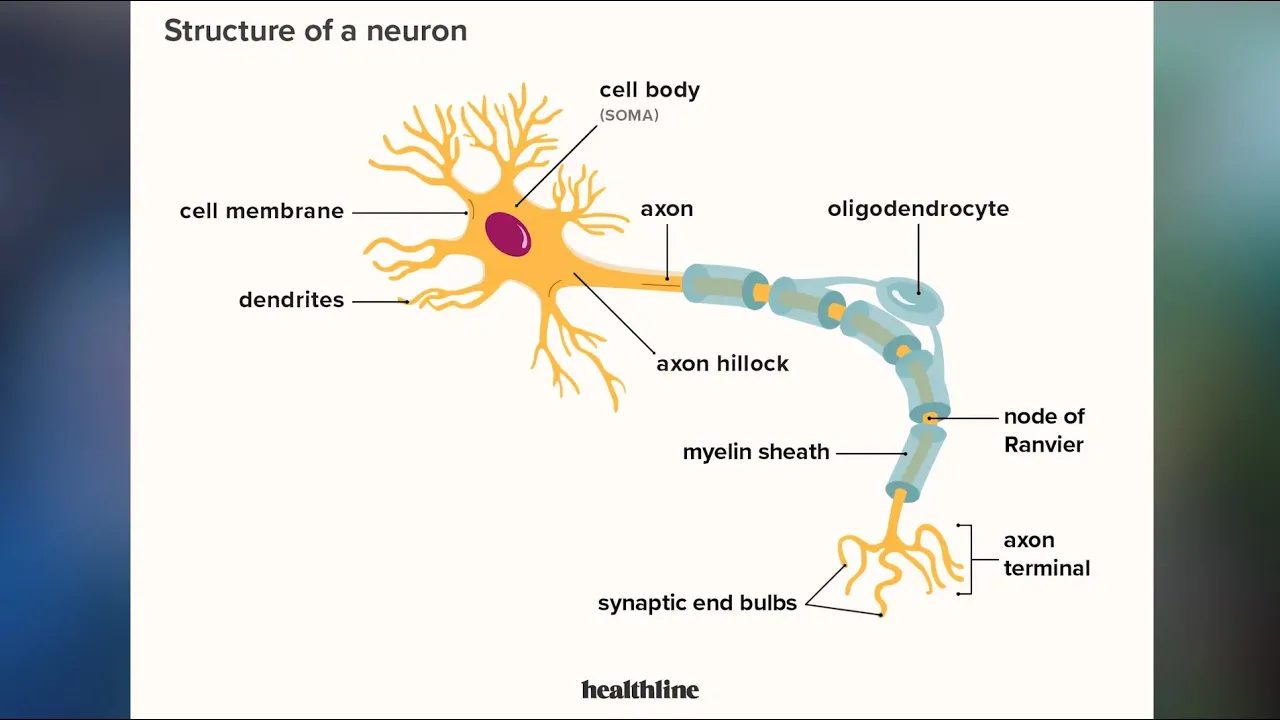
Added:Basic neuroanatomy and cellular biology, specifically the structure of a neuron (soma, axon, dendrites, and synapse).
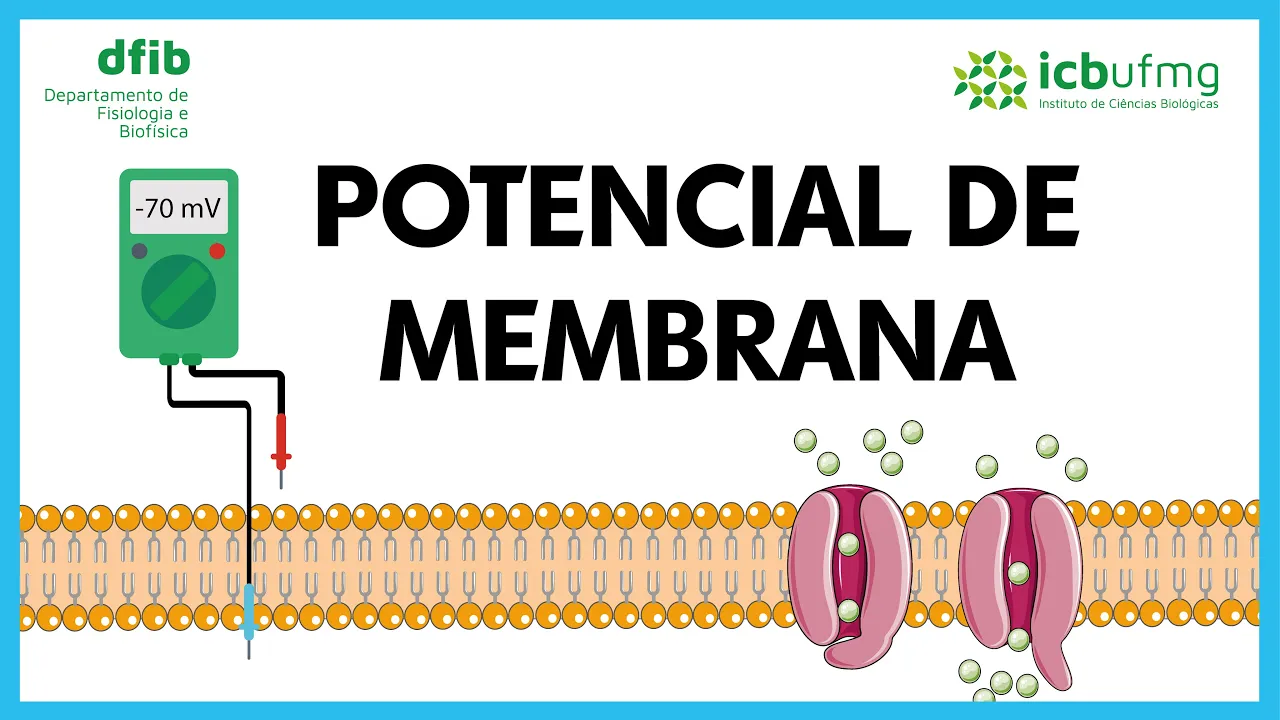
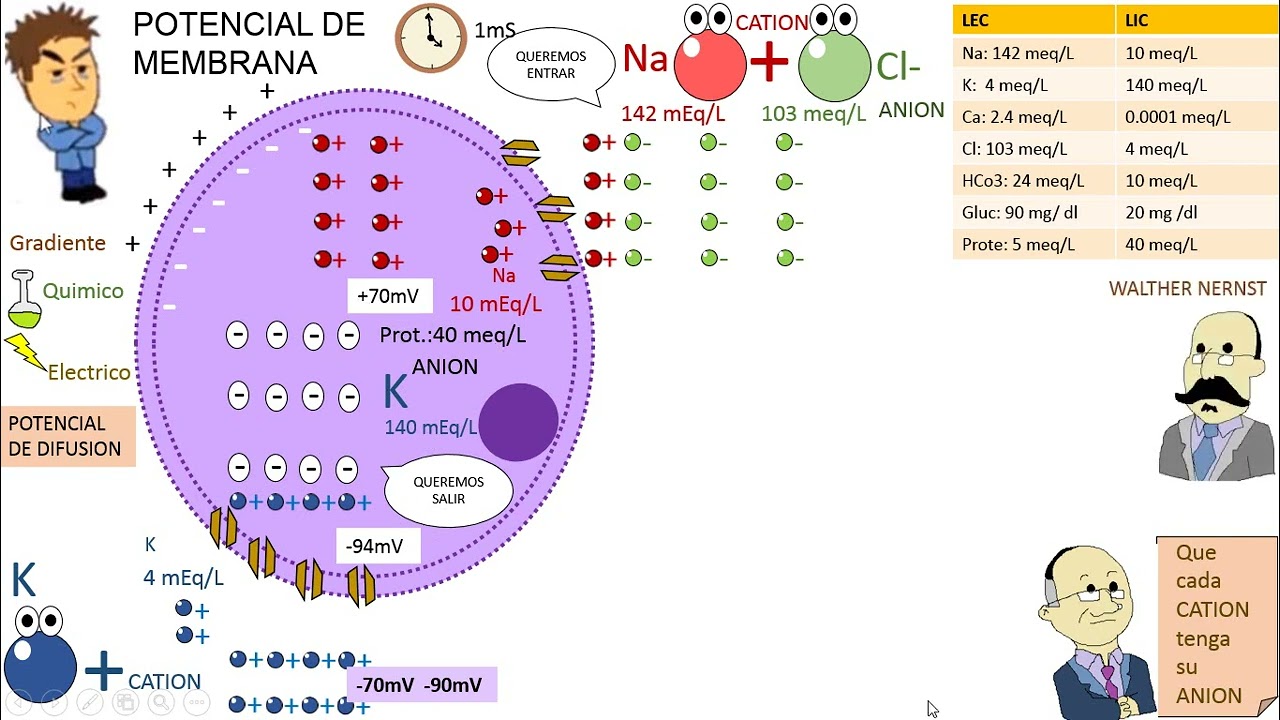
The physical principles of electrochemical gradients, membrane potential, and the Nernst and Goldman-Hodgkin-Katz equations.
Fundamental mechanism of the action potential, including the roles of voltage-gated sodium and potassium channels.
An introductory understanding of chemical synaptic transmission, including neurotransmitters and post-synaptic receptors.
The molecular cascades underlying Long-Term Potentiation (LTP) and Long-Term Depression (LTD), particularly NMDA/AMPA receptor trafficking.
Advanced biophysical modeling of neurons, such as the Hodgkin-Huxley model and cable theory applications.
The biochemistry of vesicle cycling, including the functions of SNARE proteins, synaptotagmin, and clathrin-mediated endocytosis.
Applications of synaptic plasticity rules in computational neuroscience, such as Spike-Timing-Dependent Plasticity (STDP) in spiking neural networks.
203 views1likes1:31:41Original Release: 2021-12-28
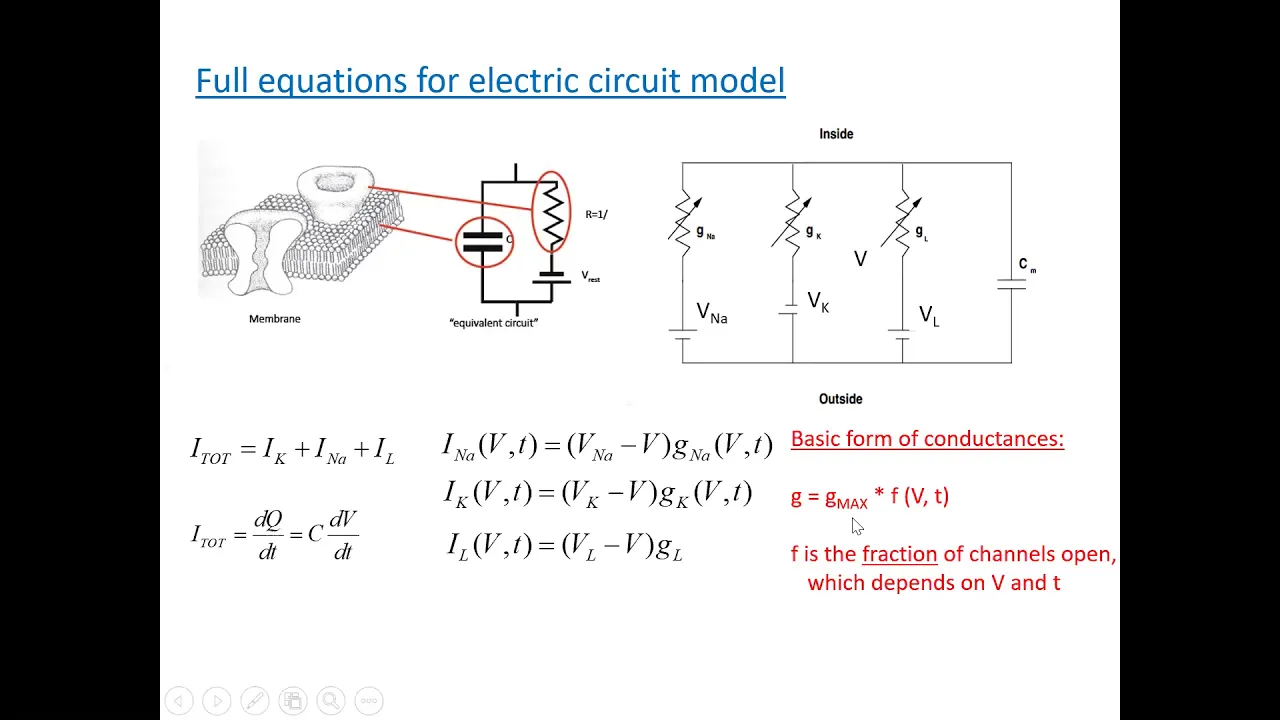
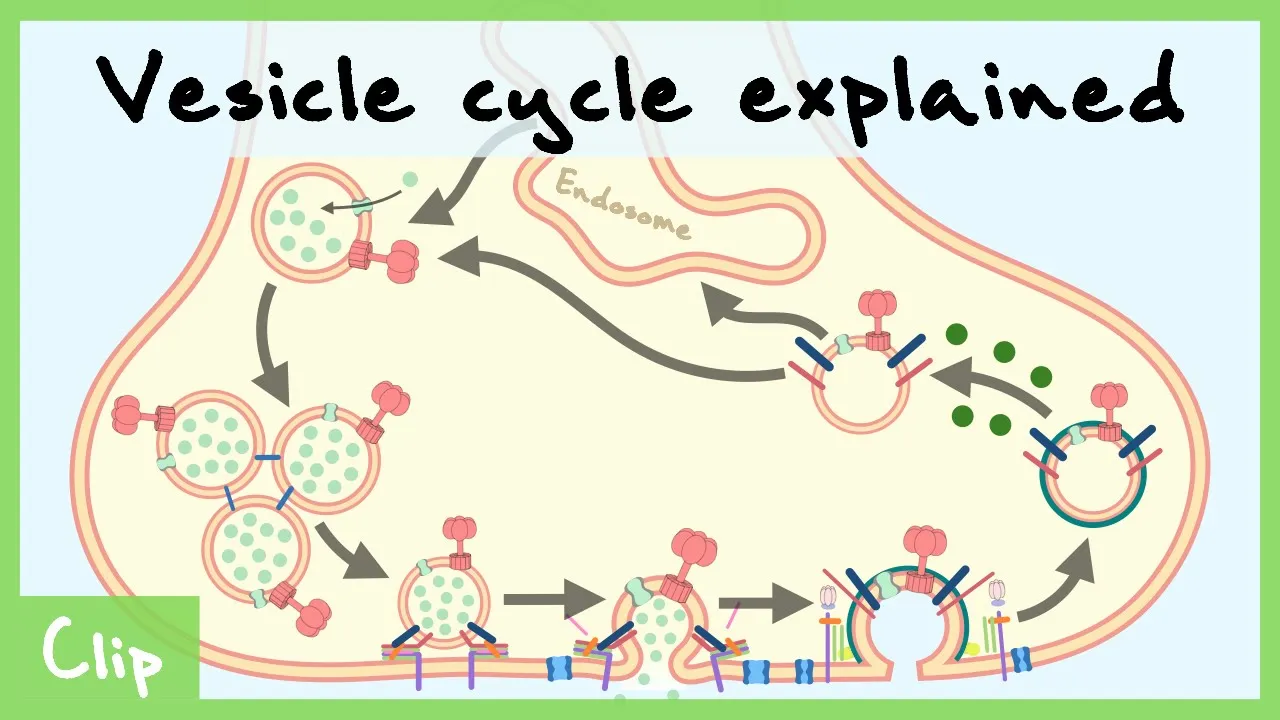
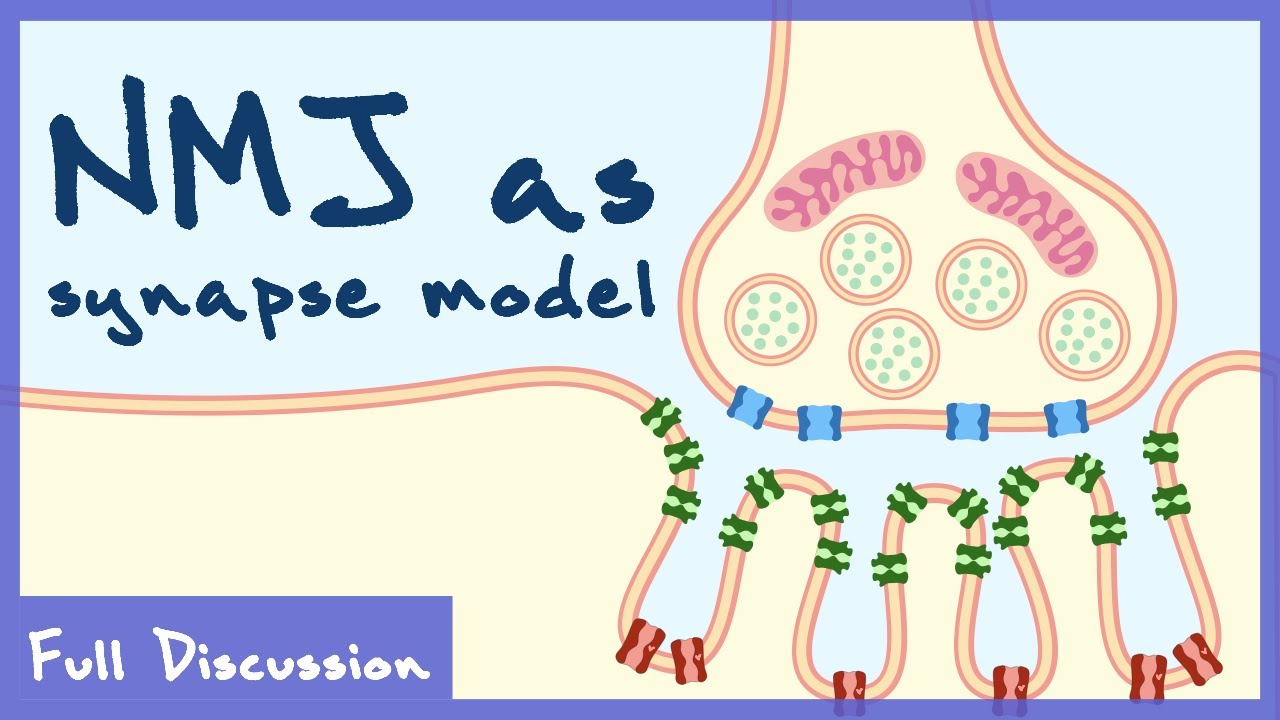
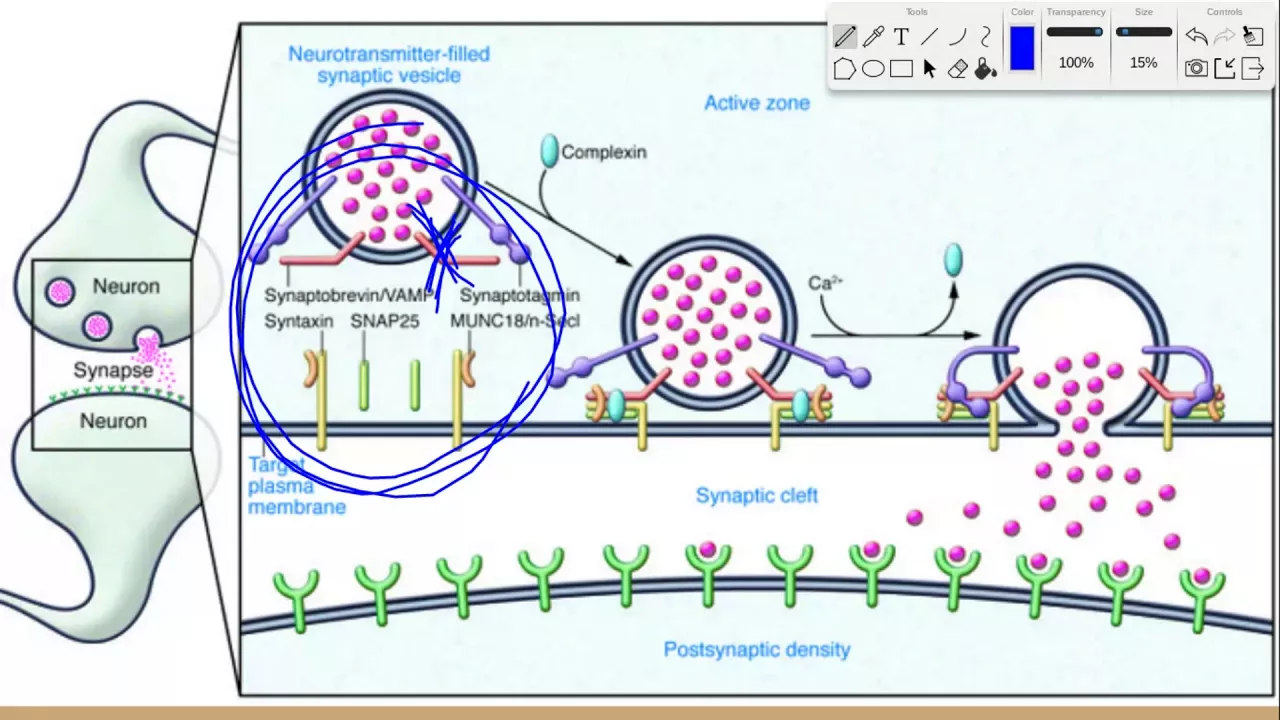
okay i think today uh we'll welcome back everybody uh i think we should just get started without much ado because we uh already met dr nat kerny yesterday so she's gonna um tell you a bit more about synapses today we're starting with maybe some channels but also moving on to synapses so here right um okay you know i do need to stop my video unfortunately because of this hardware issues with the laptop but anyway um hi everyone i hope you had some chance to mull over uh some of the uh topics we sped fast uh uh with yesterday um i promise to let you in on some of the details soon enough when i have a spot of time um especially the ghk equation i know it was sort of just a statement um definitely deserves more thought and i'll write up the derivation and put it up the slack channels or whatever um so uh where we were at yesterday was that um we were talking about um well we kind of went over uh in some detail how an action potential is generated and specifically the hotchkirian huxley model and then we spend a lot of time thinking about uh potassium and sodium ion channels and we said that uh these two channels were sort of quintessential uh in generating any form of action potential so we needed a fast sodium channel that would depolarize the membrane and uh and a potassium channel which would be slow which would re-polarize the membrane ah and then we went on to say that look uh you know now that we understand this whole how this whole thing works uh we can now look at um we can look at other kinds of channels and this turns out there's a whole zoo of channels um and that it's a basis of on basis of these ion channels that neurons have a very rich uh dynamical repertoire they can they can fire really fast they can change their speed given activity they can fire in bursts and they can even fire when they are hyper polarized and we looked at how that would be so um the rebound firing um this is another particular channel that i do feel like i should uh go over with some amount of detail and that's the calcium activated potassium channel and this is a very very useful channel it's it's it's it's extremely important in generating rhythms uh and i'm sure you'll uh look at cpgs central pattern generators and then you might sort of think about this channel that we spoke about in the first couple of lectures so this is a potassium channel but unlike all the channels that we have looked at so far this actually um does not um does not um depend on voltage but it depends on calcium so what you see here um a bunch of action potentials are being fired each of these action potential allows uh calcium to come in now again this particular channel the iahp channel is is a slow channel uh by the hp stands for after hyper polarization um and so this calcium channel specifically is voltage dependent so reaction potential uh uh gives us one push and it opens and then calcium comes in and then this kind of uh opens the uh the potassium channel now potassium channel um is is a slow channel so it show shows this cumulative effect so before it uh off of the calcium opening and and the activation keeps going up up up and you know what happens when potassium channel is open right when potassium channels open potassium flows out um and it lowers the overall excitability of of the neuronal membrane right so it it makes it harder and harder for the neuron to fire action potentials and this is what you see here right it starts off by the neuron starts off by firing really really rapidly and then it seems to uh slow down and eventually it'll stop um i'm going to give you one um specific example of this uh these are two neurons which are actually uh inhibitively coupled meaning they don't excite each other but they actually uh when one neuron fires it kind of makes sure that it stops the other neuron from firing action potentials and this kind of coupling um is is is called inhibitory coupling um it's it's very common motive in all brain areas in fact um it's it's again central to any kinds of if you think of the brain as a pattern generating machine then you can't do without inhibited coupling okay so here's this sort of a cartoon uh case of two neurons which are inhibitively coupled and you know because uh of some differences in initial condition this green neuron seems to um fire uh action potentials first right both of them have been given some exactly the same stimulus and again i want you to sort of keep this back of your mind because you will come across this motives later on in the course i'm sure so uh this neuron starts to fire uh the green neuron uh it is inhibitively coupled uh to the orange neuron and because of the inhibitive coupling uh it makes sure that the orange neuron does not fire now this but both these neurons have the ahp gel so what this does is eventually the neuron stops to fire because there's a buildup of this red guy which is the potassium conductance or in this i guess i'm showing calcium which is sort of equivalent to saying that the potassium hp current is getting activated so the activation of the hp current goes up gets the green neuron to fire the minute the green neuron uh stops firing uh the orange neuron comes out right and the orange mirror starts to fire so you sort of get this back and forth activity uh which is the most simple form of pattern that you can get and you can have as complicated a pattern as you want if you have a bunch of um inhibitively connected um neurons okay so i think uh we sort of glossed over broadly in broad strokes about action potentials and different kind of iron channels and how they can give rise to uh the whole repertoire of action potentials right or firing patterns um now what happens next right this action potential that is generated somewhere um needs to propagate needs to talk to other neurons so i i don't know if you thought about this but the way uh an action potential propagates down in axon is that the depolarization caused by uh the initial action potential uh jump starts um a bunch of sodium channels which are sort of in the vicinity of that first set of sodium channels and that triggers another action potential and so therefore there's no loss of information here right as long as the stimulus is above uh threshold you keep getting these beautiful looking stereotypical excursions um in voltage space now the other thing to think about or i'm sure you've again heard this that action potentials are unidirectional where does this unidirectionality come from um and this again you sort of i asked you to invoke what you learned yesterday and this is the secret lies in the refractory remember when i showed you the beautiful waveform of the potential um it took a bit of time to come back it's resting so it was depolarization and there's there was repolarization and it so swept across a voltage space which was even more negative than the resting potential and it took its own sweet time to come back to resting uh uh uh membrane potentials after after being even more hyper polarized and this but in this particular period it's difficult to fire action potential so this is called what we call the refractory period and it's this refractory period that makes it uh uh possible for the action potential to be uni direction and you sort of have to think of it like a sparkler right you're burning out the sodium channels or you know you're burning out that patch of membrane and therefore you can't go back just keep going forward okay um the other thing to uh i would like to invoke here is is the fact that your neuronal membranes are actually quite leaky right and of course it's they are permeable to certain kind of ions but it's a leaky membrane so uh if you i'd like you to compare it to a leaky water hose um and so if if you have a leaky water hose uh the fatter it is the less water you will waste right it's water chooses path of least resistance right and so uh in a similar fashion uh if you want these action potentials to travel down an axon really rapidly uh you want most of the sodium ions to flow down the axon rugs and go out and and and so you you would end up wanting to have or the design would have would it would need the axons to be really really fat and this would make your head really really uh fat right a huge head that wouldn't fit through a bundle as it turns out uh we it uh you know probably not a perfect design but it's not that bad um the way we have gotten around or evolution has gotten around us having fat big fat heads some of us still do uh is is is by having insulation right so this insulating layer is provided by glia uh it's it's it's the it's it's the shawn cells in the pianist it's oligodendrocyte in the uh cns um and so uh the way this whole thing works is that there are little gaps between these insulation and this is these are the gaps where you have the sodium channels uh and uh so the action potential opportunistically reaches this what are called nodes of lanyard which has a extensive concentration of sodium channels and then jump starts another action potential right so it's this kind of jumping of action potential is called solidity propagation it's it's what allows our axons to be resistably sized and makes uh propagation um rather fast right uh and so this is just to give you a sense of what it is like to have uh myelination this is sort of uh two movies that compare uh give a realistic sort of uh description of differences speed when you would have um myelination as opposed to when you don't have uh myelination you get a sense of the the big difference malination makes all right so ah okay so now um let's assume that the poor action potential has been traveling from somewhere close to cell body all the way down to the axon uh what happens next uh if you assume that information is indeed carried by these voltage pulses then we need to make sure that it this sort of gets transmitted to other neurons now this process is called a synaptic transmission um this term was coined by charles sherrington uh you can imagine synaptic transformation is a large suppose a fascinating topic uh and if you believe especially since we all believe that synapsis is where all the excitement happens right synapsis is where learning is initiated so there's no reason to believe that it'd be a simple um process okay so there are two ways uh by which uh synaptic transmission can take place um there's chemical synaptic transmission and there's electrical synaptic transmission let's talk about electrical synaptic transmission first so uh in this scenario basically ion current passes from one cell to the other via what are called gap junctions uh these are basically channels that allow ions to pass from cytoplasm uh of one cell to the cytoplasm of the other uh these are coordinated by these special proteins uh called connections which are basically the large uh bi-directional force uh pores uh now these are amongst the fastest uh synapses uh so you can imagine they they they might be found in in parts of the nervous system where you need things to be fast so for example there are very common uh synapses between the sensory motor neuron um and and the and the muscle uh fibers and this these kind of uh synapses uh mediate uh escape reflexes right uh having said that uh electrical synapses also are common in every part of the mammalian brain okay all right so um chemical synaptic transmission why uh is it special um uh sorry electrical uh electrical uh you know i need to correct this this is actually remind me to fix this i'm talking about electrical uh synaptic transmission here um electrical synaptic transmission is fast it's reliable it's probably energetically more efficient uh it allows for sub threshold signals to be transmitted um and so um this is everything about this is in contrast to chemical synaptic transmission now chemical synaptic transmission actually turns out to be energetically highly expensive uh there it can be it's slower um it it can only allow about threshold signal so you need an action potential to generate a chemical synaptic transmission event um so why do we have a prevalence of uh chemical synapsis in our brain as opposed to electrical synapses um any thoughts on that feel free to put it up in the chat uh is it just that we are endowed with a terrible terrible design uh [Music] and it's something to think about right so everything i've said so far makes um electrical synaptic transmission way way better than chemical synaptic transmission except accept the most important thing that your brain is supposed to be your brain is supposed to be plastic um and what what chemical synaptic transmission allows for is a plasticity over multiple time scales and this huge increased uh dimensionality uh of of of signaling okay so having sort of um put up the case for electrical synaptic transmission let's move on to again uh this is my mistake this is actually electrical transmission not chemical transmission okay now let's look at um chemical uh transmission this is sort of the history of chemical transmission it was uh discovered levy uh he was playing around with a frog heart muscle and he realized that if you pour the bath water in which his system was sitting uh he could mimic uh the action of electrical stick this bath uh very system was right and this was this sort of led to the discovery of chemical synaptic transmission in the heart muscle um uh bernard cards discovered it uh in nmj motor neurons and john echoless discovered it discovered it in um in cns um okay so give you a sort of basics of uh basics of uh chemical synaptic transmission transmission um it's the most prevalent form of uh synaptic transmission uh in definitely humans and numbers um what you see here the green guy is actually presynaptic these little balls that you see are synaptic vesicles and we talk about those more this blue guy is a postsynaptic terminal and you see these specialized uh darker looking areas these are specialized proteins networks of proteins uh that are there to receive the signal that a presynaptic neuron sends and this uh red guy is actually the enveloping astrocyte so you know uh and i'm going to make a case for that soon too uh synapses are now uh by most modern neuroscientists considered to be tripartite there are three parts which is a pre-synaptic terminal there's a post-synaptic terminal and there is a uh uh enveloping um astrocyte um and and and so this specific area in the pre-synaptic terminal uh where the vesicles are prepared or primed which can actually be released is called the active zone uh this specific this specialized uh density is called psd or post-synaptic density and these are sort of uh most common neurotransmitters in your brain most of the fast neurotransmission is uh carried out uh by glutamate which is an excitatory neurotransmitter um and the inhibitory neurotransmitter uh is is gaba okay so crucial requirements of synaptic transmission now this is a real real mind field right and there are a lot of open questions still around uh tom sturoff got a nobel prize a few years ago and he has contributed extensively to this right so here are some of the basic requirements for successful synaptic trans transmission and you can imagine that each one of this these on the list recruits a long list of protein machinery that is in place to do this reliably so you need a mechanism um for the synaptic vesicle proteins itself to be manufactured and these need to be delivered to the synaptic terminal you need a mechanism for packing uh a neurotransmitter into synaptic vesicles uh you need a mechanism that causes vesicles to spill spill their contents into synaptic uh uh cleft which is uh basically exocytose um you need a mechanism for producing the electrical or biochemical response in the postsynaptic membrane right and then you need several mechanisms to make sure that the exocytosis the fuse membrane is retrieved after the fusion and a very important mechanism is removal of neurotransmitter from the synaptic fluid this is this is very important mechanism because you can imagine you don't want cross contamination of temporally separated signals right and you also want in case of um excitatory neurotransmission you also want to make sure that there is no excitatory toxicity that means that the neurotransmitter that is spilled in the synaptic cleft continues to excite the post-synaptic neuron right so all this makes uh removal of the neurotransmitter they're also extremely uh crucial and because speed is of real essence because if you needed to be actually communicating sensation perception control of uh movement and all these things need to happen really rapidly um this is how uh intense just the vesicle recycling itself looks um i'm not going to go over the poster of course this would this would be entire course actually uh but uh i still need you to be somewhat overwhelmed by by this whole mechanism of uh vesicle recycling itself so um just to give you a quick overview it includes generation of synaptic uh vesicle proteins in the rough er and the diffusion to specific domains uh there has to be sorting that happens uh in the in the golgi apparatus and some of the contaminants might be removed there uh then then there has to be budding from this uh bulge apparatus uh trans this has to then this whole thing business this whole thing has to move to the synapse uh the clathrin coating needs to happen this is quite necessary because it gives the vesicle uh structural integrity uh the synaptic vesicles have to be filled with the neurotransmitter and then the synaptic vesicles can at this point remain mobile or or they can dock like what i call this specialized network of proteins in the presynaptic terminal for the active zone uh and then when they are dogs there these they have to go through a few other kinds of processing so that they can actually be ready to be released um this can uh of course followed this whole business is then of course followed by fusion when an action potential comes in uh which allows for calcium entry um there are two weeds in which in which these vesicles fuse one is called kissing run in the case in one form of fusion the vesicle actually do not lose their identity they just release their content completely and but the vesicle identity remains so that the vesicle can be refilled with a neurotransmitter it's a very efficient mode of exercise or synaptic transmission and then of course there's a classical fusion where the vesicle loses an identity in the process of uh emptying out its contents uh one also actually has to worry about uh uh damaged proteins and what should be what should happen to them so they need to be tagged and they should be they should they need to be prepared for uh retrograde transport so that degradation uh can take place by the lysosomes okay and so this is really a very very simplified picture of what i what's there in the poster but do feel free to go and take a look at it if you're interested um now the entire trick to fast synaptic transmission is to uh deliver the neurotransmitter at the right place at the right time right uh and this whole business is carried out uh by a family of proteins or snares uh now let me see if i can remember why what snare exactly it's a soluble n-methyl lumite sensitive factor something like that so snare proteins are based and it's by binding partners a whole bunch of uh these guys are basically uh what are essential uh for fast exocytosis um and so the canonical snare complex is composed of um synaptograms and synapse syntax in and snap25 um and they both target the plasma membrane uh which you can see here uh the reason one of the reasons snare is a good acronym in that minimum is because uh snares allow one membrane to literally snare each other right these are sort of peptide uh these are sort of lipid uh loving ends that uh embed itself in the membrane and the longer tail projects onto the uh cytosol so there's v-snare which is basically the vesicle snare and dog and and then there's t snail which is for the target membrane right and uh uh what what basically allows uh for fusion um is is this interaction between uh synaptotagmin which is actually the calcium sensor so when calcium comes in it binds to synaptotagmins it engages with these snares and the vesicles can fuse and neurotransmitter can be released okay so just to give you a complete uh picture of this whole business of synaptic transformation i sort of thought you should go into some gory details about the protein machine elaborate protein machining machinery involved okay so uh let's sort of again summarize what we have learned so far um we have a presynaptic cell which is making us enough to contact the postsynaptic cell um and you sort of zoom in at this point right at the synapse and you have this presynaptic terminal you see these dark vesicles this is your postsynaptic membrane um let's assume an action potential comes in uh this opens a bunch of voltage dependent calcium channels um and because there's more calcium outside a bunch a bunch of calcium comes in now synaptotagmin is in are familiar with the word synaptotins which are holding these uh vesicles at the membrane if enough calcium binds to the snap retardants the vesicle basically fuses neurotransmitter is released into the cleft some of this neurotransmitter actually binds to the receptors that might be sitting on the postsynaptic membrane and a a current event might be initiated in the postsynaptic memory now this particular image that you see here is a synapse very specific synapse ca three ca one synapse in the hippocampus hippocampus is the area of the brain where we believe uh most of learning uh is initiated especially your daily experiences uh are initiate the storage of those memories are initiated in these synapses so in this particular synapse which is central to initiating new memories uh what i want to tell you is that the synaptic transmission is very very unreliable it's a very low fidelity synapse it's a very unreliable sense so only about 20 percent of the time an action potential comes in uh a vesicle is released and uh what i want to tell you is that this is actually not a bug but a feature and hopefully i'll be able to convince you of this a bit more later uh so c3c1 synapse synapse hippocampus highly unreliable synapse and that actually is an attribute okay i also told you that um uh synapses are thought of more as as tripod uh so uh there's this red guy sitting here and so some of this neurotransmitter that is released in the synaptic cleft uh can bind to receptors on the astrocyte uh now astrocytes uh unlike neurons do not have enough sodium channels and as i mentioned before one thing you need is a fast sodium channel so since they don't have sodium channels they can't fire action potentials so they are not electrically excitable but they have this very specialized form of excitability uh chemical excitability so what they do instead of an elevation in their membrane potential what they do is show an elevation in calcium concentration in the cytosol and once this uh once this calcium concentration in the cytosol goes up this is typically released from the endoplasmic reticulum this additional excess calcium via ip3 receptors i'm again jumping ahead of myself but some of you might have might have heard of some of these things and so um they actually use the same currency they they they are also able to release chemicals that are called glue transmitters and some of these geotransmitters are the same as neurotransmitters so they release glutamate they use gaba they release atp so on and so forth right so this is sort of the uh cartoon uh of of [Music] cartoon chronology of synaptic transmission so you know that this the pre-synaptic terminal is definitely more than an on and off uh faucet uh in fact it is actually this monstrosity right now this is by the way is a real reconstructed canonical synaptic and you can see it's obviously really really complex and um it's apart from its structural complexity uh we already know that a large number of ion channels a plethora of neurotransmitters and receptors um that operate over multiple time scales govern its working right um there are also at least more than 10 000 morphologically distinct synapses synapses across the brain and this itself suggests a very intimate a very strong structure function relationship right so given this again huge complexity uh why bother right what's the point why what are we what is it that why should we even try to uh get our hands messy why should we bother with this right well for one the reason to understand synaptic transmission and changes in synaptic transmission or so-called synaptic plasticities is because it's the cellular underpinning of learning right as it turns out a lot of neurological disorders also seem to have synaptic bases um and so how do you sort of tackle this monster right you're given this complexity so one way to do it do it or one way to make it tractable is to use computational uh right and here's where i put in a little pitch uh for the kind of uh um uh work that we do in the lab and uh don't worry it's completely crucial this is what the organizers wanted me to do so um i'm gonna talk about some of the work that we've been doing but first pitch for computational modelling itself [Music] computational models of course given scored from richard feynman what i cannot create i cannot understand i do not understand a computational models can give you an intuition uh of what to look for um and where right and and and we have chosen to look at uh the ca3 ca1 synapse so i'm going to talk about our insights on this particular synapse um as i told you before it's a small synapse in the hippocampus it's also prototype uh to study uh plasticity mechanics right so it's a good synapse to uh get a better sense of um and because it's it's a tiny synopsis direct measurements can be somewhat quicker so you know computational modeling can give that added information that you might not have access to uh in in in doing wet lab experiments okay so here's actually my favorite uh motivation uh for investing in synapses um and these are these amazing uh papers that came out of the grand lab um so as it turns out um increase in complexity along phylogeny is not just increase in number and connection this seems to sort of happen in a coordinated fashion um right so what what uh said grant's lab has shown is that the synaptic proteome itself gets more and more complicated with more complex brains right and that's just fascinating to me right it's that the that that this postsynaptic and presynaptic terminals are molecular systems with highly organized protein networks that then seem to produce or that can be i guess implicated in producing the emergent uh physiological and behavioral properties right just because of this strong correlation so i guess uh in summary what one can say is that one might not be able to leave out the synapses in order to understand higher function and needless to say i belong to the school of thought and so this is where i give a quick detour to tell you what our strategy has been um in the lab to make sense of the synapse uh a lot of the times we divide very detailed 3d uh biophysical models that we call uh and do what we call in silico experiments uh given that these are um uh detailed biophysical models a lot of our time is spent on calibrating and testing uh these models with extend experimental data so we can trust uh the predictions that come out of it right um postdiction is most one of the most undervalued contributions of computational modeling uh post-diction uh is according to me or some of us is is making sense of extending and a lot of the times when you just take a look at the data out there it appears to be in contradiction to each other and and only when you put it together these put these pieces together in um [Music] in a computational model can can make sense of this data right so uh i would like to put post-diction uh as as important uh contribution of computational modeling as prediction uh and of course um given uh the dimensionality again of the space of these models sort of the biggest challenge of an enterprise like this is what's the relevance of each degree of of freedom and how do you sort of how each of these constrain uh function right um so um what i'm going to show you first is um and really this the the kind of 3d modeling that i'm going to talk about is basically akin to cooking so what i'm going to show you is that pots and pans and these are actually um reconstruction or ca3 c1 synapses about 500 of them um and this comes with brilliant music tom made this movie from terry's lab the reconstruction itself was done by kristen harris and i the first time i saw this construction i was pulled over it's mind boggling so this is your spines post synaptic terminals it should slow down this is a particular synapse presynaptic terminal postsynaptic terminal making a synaptic contact the red guys have psds the snap densities these are the astrocytes um enjoy the music i hope uh some of you are dressed appropriately for this if not go quickly and wear your tuxedos [Music] so you see that already the structural complexity right i mean there are all kinds of shapes and sizes [Music] and this whole thing fits in like with chinese puzzles there are synapses that are coming in and like i said before there are about 500 of these about 40 percent of space [Music] [Music] this is one particular funny guy with it you're sticking out i forget where it was [Music] oh so uh this is actually endoplasmic reticulum it's supposed to be contiguous um this whole thing came from about 5 micron plus 5 micron plus 5 micron stake of the hippocampus uh each slice was i think 15 nanometers thick and resolve stitch together for this kind of reconstruction and so the reason you you you see this er to be not contiguous is because of the splicing diving straight inside a spine and you can see that all these chemicals have to go through these torturous uh space [Music] okay uh i interest of time i'm going to actually move ahead get a sense of uh what a sinatra looks like uh so these are my pots and pans uh and then you need ingredients so this is sort of an illustrative list of ingredients that that i put in in my simulations uh these are critical for synaptic transmission uh the necessary components for synaptic transmission um they are pumps there's buffers they're receptors so on and so forth um and now so you have the you have the pots and pans you have the ingredients and then you need to give them biophysical properties so you need to decide or you need to input uh the the the diffusion constants uh the concentrations or the numbers uh if they do not move then you need to figure out what their locations are or if they are or if they diffuse on the surface then you need to know the 2d diffusion constants and and then what else you would need to give your model uh are the rules of engagement so if they now while they are going around sorry hi [Music] this one no no one before yes yeah yeah you know the proposal the proposal that you have yeah yeah so so why did i i didn't can you just elaborate on this that uh yeah so so so the idea is that um the the especially the proteins associated with with synapsis and synaptic transmission and synaptic plasticity itself get more and more uh complex uh as you go along complexity of b and so the idea is that um that somehow that this proteome complexity of of the synapses is also essential uh for higher function i see so so one can actually look at a synapse at the level of single synapse and say that this is actually a vertebrate or invertebrate exactly yeah yeah just by looking at the proteins the complexity of the proteins all good yeah okay this is not my conjunction there's a beautiful uh series of papers from a grand lab um okay so then you need to sort of come up with rules of interaction or engagement so basically you need to have kinetic schemes right so when these uh entities interact with each other while they are doing the diffusion dance are they going to lead to new products what are the rates at which they are going to interact with each other and so um a lot of this uh can be gleaned from extinct data uh they need to be uh and then you have to ask if this is sort of appropriate place for them or you need to tune the rates uh for it to be appropriate for the modern system that you're looking at and and there are times when you have to actually develop your own kinetic scheme and this is one of those monster kinetic schemes that we have to develop for vesicle release at this particular synapse um and so um this is my favorite pre-synaptic terminal and this is what it uh uh looks like it's um you sort of see so the important components uh being uh uh listed here uh annotated and and so you know you sort of have this one caricature synapse and then you can have a canonical synapse uh with basically average synapse joe average um and again the sort of zoomed in version of all the important components right okay now uh what happens next uh this is sort of the pipeline that uh i'm sorry i need to make this okay um so instead of the pipeline that i just spoke about right you need the surfaces uh you need the components you need the biophysical properties you need you need to uh [Music] you need to give it give the kinetic schemes and then you sort of bring it to life and you allow you basically uh carry out monte carlo simulations for this particular thing we use something called m cell which has been developed uh uh by bart call it all um and then because these are monte carlo simulations you typically need to uh uh do several of these trajectories right several trials so that you get a sense of sort of the average behavior right but this is as close to reality as you can get and so um this sort of time series of what happens i uh uh i should sort of went through the chronology of events uh and this is what it actually looks like this is a butonic action potential the butonic action potential opens voltage-dependent calcium channels this leads to a calcium flux in the cytosol this is a single trial of local calcium at the active zone this is averaged over i think a thousand trials uh this is the calcium buffers now as calcium comes in these buffers bind calcium so their uh their level drops down and then these pnca pumps are going crazy trying to push the calcium out as as much as as quickly as they can and this is sort of a single synaptic transmission event right um and so uh here what you see again is uh as you zoom in uh my favorite presynaptic terminal uh these are the doctor vesicles uh these are actually voltage-dependent styles and channels and at some point uh during this simulation um an action potentially come will come in these voltage-dependent calcium channels will change their color uh and you'll see a lot more yellow balls bubbling around so at steady state given that the calcium concentration inside the cell is very low it's about 100 nanomolar so in this size of a synapse is about 30 to 40 calcium uh ions see now there's a huge flurry of calcium and they're sort of diffusing around at some point uh enough will bind the synaptotagnants and you will get a successful fusion wow there you go and so glutamate was released uh a lot of this good glutamate was quickly lapped up by transporters like i mentioned before a very crucial aspect of this is uh clearance of glutamine so these gems or m m that you see on astrocytes are the ones uh which are glutamic transporters they're lapping up with glutamate they'll be transported back to pre-synaptic terminal and you also see post-synaptic signaling cascades being triggered off here right and so uh one had to do several trials before one got a successful event in in this surprising case you actually get two releases for some string you see another one happening really quickly there you go okay i i think i should move on again and i'll be happy to put up these movies for the workshop you can take a look at it more detail look at it later all right so um after you saw the real thing what what is it what new insights would be again from this extremely cumbersome exercise of building up uh uh in the silico cftca one i'll give you a quick tour of maybe one or two insights that we got from this already um and we still use it for all times to ask all kinds of questions including what happens to the synapse in alzheimer's disease so um i i did mention before that there's a huge diversity of synapses digesting morphologies and that suggests a very strong structure function relationship uh with sort of this backdrop one of the most enduring questions for synaptic physiologists has been to understand the geometrical relationships of various components uh that govern transmits transmission and plasticity so uh for example uh in this particular uh what came out of this study is that uh can you guys hear me by the way i'm getting this message that my internet is unstable we lost it for a couple of seconds you lost me for a bit okay uh so oh yeah all right so uh so in this so this particular uh uh study shows that uh the calcium channels uh that allow entry of calcium cha into the cytosol which go on to uh push synaptic release are very very close to the activism and this allows the synapse to be fast and reliable uh now what we were looking at of course to see three ca1 synapse um and already mentioned that this operates uh at a highly unreliable rate at low release uh and and i sort of alluded to it that this is an attribute and these are the reason it's an attribute is because you know one thing you want this synapse to be is plastic you want because this is important synapse for uh learning and so imagine if you're already uh operating at high transmission rates then the possibility of tuning uh it up further up doesn't exist right so operating at low release probably allows and that's sort of a simplistic view but just to give you an intuition of why this is not a bug uh so operating at low release rates allows the synapse to be tunable in an activity dependent manner right so this synapse as it turns out because of its low release release rates or release probability of uh vesicles uh has a profound ability for short-term plasticity right so it can very quickly uh pump up its release rates uh so what we asked was uh that this requirement of this synapse to facilitate its uh release rates in quick duration or short duration of time does this particular requirement functional requirement constrain its design um in any way right and and so we use one of the most popular sort of form of uh quantifying short-term plasticity we use what is called a fair pulse ratio so what is the pair ratio you sort of give it give a neuron to stimuli uh and uh you watch the postsynaptic response uh if this response to the second stimuli is more than the first stimuli then the then the then you see pulse facilitation if the response to the second one so it's a ratio of the second to the first right and if the response this second one is smaller than the first response since it's a ratio this would be paired blood paired pulse depression okay uh so uh one of the sort of ground truths uh of this synapse is that it shows this kind of profile for a fair pulse facilitation right so what you see here is that synapses with low release probability uh show very high perfect pulse facilitation and as a synapse uh release property of the synapse uh uh there's a distribution uh that you uh typically find in these synapses most of them operate at low release property but there are some synapses that also operate at very high release probability and these synapses show very little uh facilitation the way to understand is actually uh pretty straightforward um one is of course that at high release probability since by just by definition of the petrol specification if you're already operating at 1.95.998.099 there's very little room to go up so the ratio always remains slow right whereas uh at low release probabilities you can get very high ratios just uh the other uh reason why you get this ground truth every single time for these synapses is that uh the the vesicle number of vesicles available for release prime for release i spoke about priming remember the vesicles have to go through due process before they are actually capable of fusing uh this pool of vesicles actually in this synapses tend to be really really small so even though in the en image you might have seen 100 or 150 vesicles they are not all available for these there's a very small fraction of these vesicles that are actually available for release and this small fraction is between 5 to eight or you know average seven vesicles uh so you can imagine if you actually reliably uh get release uh in the first uh in response to the first stimulus itself you're depleting your release point so you just have less number of uh vesicles available lowering the overall release problem right so that's where you get this sort of high paired facilitation [Music] for low release probability and that's what seems to be then the characterizing feature that most synapses operate a low release probability allowing for high facilitation ratios okay um and so uh what we did was we did these experiments in silico uh what we uh and since we're interested in sort of geometrical arrangement we kind of moved the cluster of voltage dependent calcium channels that trigger release and we put them at different distances so these what these numbers show you is that the distances at which these voltage dependent calcium channels uh were uh placed now all with the backdrop that off that is fast inhibitory synapses have a tight juxtaposition of calcium channels and vesicles what we saw uh was that um at shorter distances you get minimal uh minimal facilitation whereas as you keep moving the cluster of calcium channels or the source of the calcium further and further out you get more and more facilitation and the way to understand this is uh pretty straightforward actually so if you are really close uh if calcium channel is really close to the active zone then you need no more than maybe one to reach a threshold of release of say 20 right now if you have only one or two calcium channels that need to open then the total calcium coming in is very little one of the reason you get facilitation is that some of the calcium that has come from a previous stimulus stays behind the more calcium there is the more the probability of release so when you have a small number of calcium channels that are associated with the release the calcium coming in is very little and there's not much of it left behind before the second stimulus comes in and so there is the synapsis synapse has no memory of the first stimulus that has come in and so you get no facilitation now uh think about the opposite scenario where the placement of calcium channels is really far out now for you to get even to a slow threshold or low release rate of 20 which is sort of the characterizing feature you still need tens of calcium channels can i interrupt so yeah i think i think we all missed what do you mean by lc can you just remind people over there so so this is these are these are the distances at which the calcium channels are placed so numbers here are basically is the lc right these are the distances at which the calcium channels are placed okay uh in nanometers uh so at shorter distances if the calcium channels is closely juxtaposed uh to the active zone then you need only few calcium channels uh huge calcium channels imply that the calcium that comes in is very little uh and so the the when the second stimulus comes in the synapse has no memory of the previous stimulus having come in because this calcium that has come in through the first pulse is quickly extruded out whereas the opposite scenario is when you have when you place the calcium channels farther out hundreds of nanometers away you need tens of calcium channels in order to reach threshold of 20 release and when you but having had those tens of calcium channels the global calcium response is much larger and it takes a much longer time for this calcium to be extruded and so some of this calcium has stayed back uh in the meantime the second stimulus comes in so the global risk calcium response is exaggerated and this exaggerated calcium leads to a higher release rate right or a higher release probability so what this gives you is that the probability of second release grows goes up drastically and therefore you have a higher ppf for larger distances this is sort of this qualitative way of understanding this right so we kind of um led us to made up make a prediction a few hundred nanometers away from the active zone this general canonical geometrical arrangement for this particular synapse uh uh and you know we predicted about tens of 60 or 70 channels that would be needed in order for uh us to replicate all the results or get close to experimental uh uh measurements of short-term elasticity like the synapse and this is one of those cases where uh our theoretical prediction uh was validated uh by experiments some some of the experiments from peter jones's lab okay so that is a pretty cool story okay so one of the things i uh glossed over when i was talking about geometrical arrangement and how extended geometrical arrangement or extended distances between calcium channels uh and and the vesicles gives you high facilitation rates uh i only spoke about calcium coming from voltage dependent calcium channels uh i also glossed over exactly how well we replicated the experimental results but hold that thought uh the other thing that we discovered from a reconstruction is that all presynaptic terminals actually had endoplasmic reticulum spines not so much only the larger spines the big fat spines that possibly have gone through some kind of plastic structural plasticity tended to have uh er about twenty percent of the spine serial spines are the postsynaptic numbers uh but each and every preceptor presynaptic terminal header had an endoplasmic reticulum and so uh we sort of went on to ask in fact nishant in my lab went on to ask what is the role played by the endoplasmic reticulum in terms of uh short term plus okay how does it contribute to plasticity and short-term plasticity uh one of the ways in which er can contribute to to synaptic transmission is by releasing uh calcium in the cytosol via ip3 receptors now ip3 receptors uh have been uh shown to be expressed in the pre-synaptic terminal quite extensively uh the sort of the pathway of this is that uh they might there might be pre-synaptic mglu receptors that um ip3 receptors and grenade receptors uh rhinidine receptors have been uh expressed extensively in the two snap phenomena or seem to be expressed extensively into presynaptic and so uh these receptors can open up and cause calcium flux and then this calcium can add to the calcium uh coming in from the vbcc's so that was sort of the hypothesis that we went with and see how is it fast enough to augment or enhance the calcium coming in from the main source which is the voltage-dependent class in general and as it turned out um what we saw uh winky we refer to your paper here um is that that presence of er actually allow uh give the ppr8 to be much closer to experimental data across all experiments right so somehow uh even the most expensive most most of us don't do not account for this additional source of calcium or that another source that modulates calcium dynamics in the synaptic terminal our computational model seems to suggest that er plays an important role and only when we included the activity of er and the related machinery basically circa pumps will be able to get facilitation and other short-term plasticity profiles closer to the experimental studies um the point i want to make here is that it's actually our hypothesis turned out to be quite completely wrong it was not the calcium release uh from the uh it was not the calcium released from the uh er that enhance the enhance the facilitation rates it's actually the buffering by the circa pump so circa pumps have a very fast calcium vitamins uh rate uh and so what what we saw is that if you have er and you have the right amount of circuit pumps these circuit pumps quickly uh quickly take up the incoming calcium uh and so you just have a lower global calcium response you have a lower calcium response your p1 goes low your p1 goes low your facilitation goes up right so we know this rule of thumb right if you have low pr uh you have high facilitation and that's what seems to be the reason to get a higher ppf when you have er when it came to a train stimuli of course um it was the release from the er that caused the enhancement of these rates okay now this insight about er makes a very interesting uh uh connection uh uh with alzheimer's disease now ada as we all know is is a catastrophic disease right most likely starts in the hippocampus the deficits in uh short-term memory and navigation are telling that the starting point might actually be the hippocampus and it quickly of course us spreads to other brain areas leading to a constellation of symptoms what has been reported clearly is is is is blocking of vr in the pre-synaptic terminal uh especially specifically of the c87 synapses uh seems to uh replicate the so these synapses by the way let me start off earlier again so these synapses uh ad synapses seem to show uh diminished uh paid pulse ratios severely diminished paired pulse ratios what is interesting is that when you block er in normal healthy synapses now these are of course animal models of alzheimer's disease when you block the er er in the normal synapse it seems to accurately uh quantitatively replicate um the reduced diminished ppr of the ad synapses okay so this suggests that eon has something to do with it furthermore what what what experimental studies show is that when you block the er in ad synapses you see no effect so this clearly sort of implicates ers as the er or the contribution of er to be compromised uh uh in ad possibly the early most uh pathological signature as far as the animal models are concerned and but however the exact sort of there were a lot of a lot of uh possibilities that are being put out there but again it's not very clear the exact chronology of events that leads to compromise short-term plasticity over time this leads to uh compromised long-term plasticity so should be in the chances of busy uh clearing of some of hoping to clear off at least some of this mess okay so this is sort of to uh uh give you a sense of um [Music] what we do in the lab uh let's go back to uh synaptic transmission um we were we were talking about the ca3 synapse which is a small synapse the single uh release site and highly unreliable synaptic transmission um how much time do i have i do have something so we are going to move to a completely uh different synaptic design the neuromuscular junction this is a connection between axons of motor neurons of the spinal cord and the skeletal muscle this is characterized by fast and reliable transmission and this reliability manifests as large number of acting zones and almost redundant number of release especially the largest snaps in your world uh the post-synaptic terminal in this case called a motor end plate and it's it's a contains series of shallow fold that you see just now uh the most classic system studied here is the frog energy and that's what i'm going to show you uh what you see is these um let's see uh active zones are sort of precisely lined up against these folds of the muscles uh and which is sort of packed with neurotransmitters anyway without a much more ado i'm going to actually show you um another movie of synaptic transmission at a completely different angle than neuromuscular capture so here we are uh these guys are back up a bit so these guys are the vesicles that are lined up nicely along the folds right precisely uh overlooking the uh chemical setup ready for them to receive it okay okay what you want to remember is that the blue glyphs are the unoccupied acetylcholine receptors and they change colors that they get occupied and they bind acidopalin um maybe a little bit back up a bit okay uh this is the acetylcholinesterase reaction um these guys are basically esterases that quickly uh take down acetylcholine uh okay the cyan guys are sleeping this is after it's broken down is swelling the white poles are the estraces actually are still pulling and uh the blue guys are transporters okay now we see the fun it's like uh and this only shows you about point three uh microseconds of the entire action movie again you see the motor end plate okay and these lots of white pearls are actually astral pulling estuaries that are sitting there to make sure that acetylene gets broken down very very quickly and you'll see as a see a meteor shower of acetylcholine being released which is remember it's a cyan color spheres the acetylcholine receptors will start changing colors the unoccupied ones are red and very slowly you'll see that there are none which are operations that are left that are ready okay unfortunately this tom didn't put music on on okay this is cyan spheres that are coming down this is meteor shower of so action potential has come in and several vesicles have been fused and this whole bunch of steel going out there right and you see that these receptors change colors very rapidly oh sorry the blue glyphs are the unoccupied ones and they'll slowly change colors as these receptors find as globally okay here and i'm going to move to [Music] the rest of the time oops i should ah i should not mess around with this should i okay i'm going to not mess around with this let's let's let let it take it stupid and this sort of takes you through 300 seconds of this one action potentially coming in at your neuromuscular attention like you just see these uh receptors changing colors this is like that is meteor shower and this is like christmas christmas has come early okay so you get a sense of these two completely different designs um uh i think maybe i'm going to move ahead okay so uh where are we we spoke about uh synaptic transmission why it was important we spoke about computational modeling and the kind of insights that in detail biophysical modeling can give you uh and so here at a point where we are releasing uh chemicals neurotransmitters in the synaptic theft uh what happens to this uh neurotransmitter that gets released in the synaptic cliff uh there are two two ways in which it can jump start a signal in the postsynaptic memory uh one is a ligand-gated ion channel which are basically proteins uh that form to form a pore and when they like when the neurotransmitter binds to it this poor sort of opens up and allows a particular type of channel ion to go through uh what i show you here is the action of gaba and as i mentioned before gaba leads to inhibitory transmission so what this does is that when gaba is released postsynaptic membrane is taken further away from its threshold of [Music] firing action potential or is inhibited and the reason it is inhibited is because the membrane gets hyper polarized and the reason it gets hyper polarized is that when gaba binds uh [Music] to the gaba receptors it allows chloride ah to go in chloride goes in uh the membrane becomes of course um hyperpolarized now um of course gaba the system uh less excitable right uh but you can imagine that or you and i already gave you a sense that there's more to inhibitory transmission than just making the system uh less excitatory of course without gabaergic transmission or without inhibition we would probably be seizuring uh all the time uh but gaba or inhibitory transmission is is important to uh to generate rhythms it's in fact also crucial uh for synchronous activity of neurons given that there's so much uh noise in the background that the brain is a noisy system what inhibition does is that make sure that it it that it at every now and then brings systems together so you can get synchronous activity and this has been shown by several labs right you cannot get synchronized activity of neurons without uh it's like having a speed breaker and then you wait for the others to come so that you can start all over again right so without gaba uh the speed breaking by gaba you wouldn't get a synchronous activity okay so that was inhibitory transmission then of course you have excitatory transmission uh mediated by glutamate receptors uh dominant glutamate receptors are of course nmda and ampa um both receptors uh allow sodium to go in which means it depolarizes the membrane so this is excitatory neurotransmission additionally nmda receptors also allow calcium to go in now this is a very important attribute of nmda receptors because calcium is being implicated in all classes initiating on plasticity mechanisms and lot of the plasticity mechanisms have to do with nmda receptors so entry of calcium by nmda receptors is very very important uh the nmd receptor in general is a little bit more complicated merely glutamate is not enough for it to start conducting uh it also needs a membrane to be depolarized and so very often uh ampa receptors and mk receptors are closely juxtaposed together so that the depolarization caused by ampa receptors can aid uh opening uh of of uh of nmd receptors okay so now let's look at um g protein mediated uh neurotransmission uh these are of course characterized by slower long-lasting and very diverse post-synaptic actions so just to sort of highlight qualitatively give you a sense of the list of steps for this as well uh neurotransmitters can of course bind to [Music] receptor proteins which are again embedded in the postsynaptic membrane uh these receptor proteins activate by g proteins that's why it's called a g protein mediated transmission these g proteins are free to move uh along the membrane they are actually surface diffusing these g proteins can go and activate what we call effector proteins now these effector proteins can be a also a i ion channel and therefore therefore it can again change uh the membrane potential simply or they can be enzymes that synthesize molecules uh which are called secondary and they can defuse into the cytosol second messengers can also activate additional enzymes and so on and so forth and in the end uh can regulate a function of ion channel or alter cellular metabolism so that's why they're also called metabolic lateral topic receptors in this specific example or the cartoon example that i put out here what i show you is a [Music] binding of a norepinephrine to the receptor triggers a cascade of biochemical reactions uh the receptor seems to first activate a g protein this in turns activates uh what we call an infected protein or an enzyme adenosine cyclist um adrenaline cyclist capitalizes conversion of atp or adenosine triphosphate into camp uh and and and this protein kinases uh this services camps actually stimulates another protein called protein kinase and this protein kinase can catalyze a chemical reaction called phosphorylation in this case is phosphorylation of k channel potassium channel this phosphorylation causes the potassium channel to close sooner uh thereby reducing the potassium conductance so what happens when ultimately after this whole series of steps what are you getting in the end you are getting early closing of potassium channel which means the membrane uh what's it what's it going to do less potassium is going to go out right so it's going to make the cell more excited okay so this was all neurotransmission we looked at and we looked at the postsynaptic signaling cascade via ligand and by a g-protein-mediated pathways uh there is something called a neuromodulation which is distinct from neurotransmission uh neuromodulators are special because they do not directly targets select single synapses um and so there is no immediate uptake of neuromodulated modulators either so what this means is that the time scales of their operations are much slower you know orders of magnitude slower uh these the receptors of neuromodulators are expressed widely all across cns so one likes to think of them as as or or the activity of uh neuromodulators as volume transmission and so they sort of form a diffuse signal that can have a global impact on activity right there's something to keep in mind don't have time to go into details about that um and i don't have much time to talk about fascinating and important properties of the it's the capability of of of any neural activity generated by an experience so the neural activity generated when the experience can modify neural circuit and therefore modify subsequent experiences feelings thoughts etc right so it's quite special and so it's this activity dependent modification of synaptic strength or efficacy uh is what of pre-existing synapses is what we call uh synaptic plasticity right uh and this of course has been uh uh proposed to play a central role in storing experiences um into into um into uh into persistent uh memory phrases right uh plasticity of course comes in many forms synaptic transmission can suppose we enhance or depress and so on and so forth it can span uh multiple temporal scales right from milliseconds to hours to days and presumably all your life right uh and all synapses uh in the mammalian brain can express large variety of uh synaptic plasticity all at the same time ah the basic idea that that uh the changes in synaptic strength might be the basis of storing information was formulated by head instead of insisted on a causal ring right a synapse should be strengthened if a presynaptic neuron repeatedly or persistently takes part in firing the postsynaptic uh one and so it's a causal link between the pre-firing of the presynaptic neuron and the postsynaptic neuron uh this is wrongly attributed for cells that fire to him says set fire together as it turns out he never said that however the reason it's a bit loose is because there's no suggestion of a causal link neuron brain is a noisy system two neurons might be randomly firing together that doesn't mean uh they should be a plastic change between the integration okay so uh heb insisted on a causal link so it's been difficult right to connect uh plasticity uh to memory and learning and you know for the obvious reasons uh synaptic changes are small on local and if it's hard to measure these specific changes associated with the particular experience learning involves both strengthening and weakening so in the end you might not have an overall global change and and you might not have right pharmacological agents to as a specific pharmacological agents and there are all these compensation mechanisms also in uh so how much do we know we know a little bit about the molecular mechanisms and what happens when they are disrupted we have a general idea what part of the brain participates in what kind of memory function uh but it's the in between what is a physical instantiation of a memory is that uh we are not there yet but we have to tell you that we're inching close to it uh via this whole new understanding of what we call memory engrams and i'm going to give you a little bit about it before i uh close uh for today or uh before the show is over for me today okay i think so we have we have only about seven minutes or so before thing i don't know how much time you want to leave our questions okay so do you want to just uh stop at that like it's up to you but yeah i think the students have been very quiet so i think maybe they have questions once we stop so so yeah this is a good place to stop uh i i bet people have heard about memory and grants and they can go back and read about it okay i am going to stop sharing um you can i don't know if you don't mind you can also share the slides i think we can upload it i'm going to start my video but you know let me know if my voice breaks and i'll turn it off again it's just nice to see people yeah yeah so there's a there's a question i think uh related that maybe this might be worth elaborating it's like you know the temporal correlation of firings is this between pairs of neurons in in this head formulation but obviously other neurons are influencing the firing too right so like how does one you know think about this oh that's a that's a that's a hard one um so uh that's hard one uh yeah so so so we have sort of neuroscientists have thought about this right there's a homosynaptic plasticity and heterosynaptic plasticity ah and and so synapses that are indirectly getting influenced by activity of neighboring neurons are are actually compensating for the changes that are happening at that synapse and that's what what we call the heterosynaptic plasticity um uh the the chemical signaling uh uh underlying uh synaptic plasticity uh makes sure ensures its specificity so in fact the wave is thought of long and it didn't have time to go it would get into it but the way we have thought of uh long-term plasticity or the molecular players uh that can actually be pinned down for long-term plasticity associated with imprinting memories is a specificity of this signal right so uh only those synapses uh that are causally linked to the presynaptic neuron uh uh are engaged in these changes and nmda receptors why are there lots of technical details that i didn't have time to get into today but for example nmd receptors are called coincident uh detectors also and the reason is uh is because of they're able to maintain the requirement of specificity of of the signaling or maintain the causal link and um how do i say this without uh with without not adding new information to this um i i i think the question sweet i think that yeah i think the mechanistic details i think that are important and i think as you say it might you know might be hard to get into but i think uh i have a feeling that the some of them i wouldn't say confusion the things is like how do you even get these kinds of coincidence right because you have a network of neurons and the point is that that's a network property right when you have lots of things converging and if two neurons that are connected just happen to systematically fire together many times statistically then that synapse gets strengthened right but to think about how those things fire together that's that's often a network property i think that maybe that's the confusion in this question that's asked okay but any other questions from people i don't know if people can type in or you know raise the hand whatever way you guys just look tired there's a lot of new information i'm sorry it's it's just very very uh condensed so use very realistic geometry right i wonder how important that that really is i mean given that it's more stochastic firing that really would matter so i'm just wondering so the as far as i can tell you uh size matters uh uh you know and and that's just simply because of the concentrations uh change with size right and calcium concentration is a very important uh teller of the downstream signaling um whether the sizes whether i i am yet to um i i don't think i can say with any confidence that you know shapes have had any significant effect on transmission or plasticity so sizes matter shapes i'm not sure but there's been some uh uh work on uh how the tortuosity of the ecs the extracellular space changes uh volume transmission and apparently this is also a dynamic uh thing that you know the the the ecs changes you know when changes with when you're asleep it is changes uh it's different for pregnant women or pregnant females and so on and so forth right and so that seems to also be a dynamic uh plastic feature of the of how the brain works ecs is a extracellular space it's the space between presynaptic and postsynaptic that corrals the chemicals uh but the realistic geometry that you use the meshing and things like that yeah so so those instead of a illustration of uh uh you know a single instantiation of my favorite synapse right which gives you a sense of in silico experiments we very often actually use canonical jobs we have a sense of the average size width and so on and so forth since these are of course uh we're looking at chemical signaling uh and spatial modeling uh and and you know this kind of questions that we're interested in uh space becomes important uh sizes become important but not not details of the synapses per se as far as i can tell okay uh yeah i guess i you know one can say things are different in a small scenario as compared to a big synapse or a medium slice synapse that you can go from plasticity to uh from potentiation to depression just by changing synapse sizes uh but that's about it and having said that you still sort of uh you know if you look at the diver if you i don't know if you remember the reconstruction you see this huge diversity in shapes i don't think our tools we are using are as sophisticated sophisticated to understand how these shapes matter maybe it's just uh fitting in you saw the whole the whole thing fits in like a chinese chinese jigsaw puzzle uh maybe it's a some kind of structural optimization that leads to these you know very rich shapes i i i'm just sort of faffing right now right i have no idea any other questions i think there's another question right there's somebody who said ask should i oh i can i can check the chat too yeah i think there's the latest one uh somebody's asking where can we read up more about this the usual question right i mean there's just so much material uh yeah i don't know if you can point to some textbook right yeah it's basically this is you know like i said you know my yesterday's lecture is one textbook uh and i'm sorry you know it is but i i still feel like i owed you a flavor of all the things that go into synaptic transmission and synaptic plasticity and you know given that you're in the field and it's very hard for me to let go of certain details today so i you know hopefully i yeah loaded you uh with lots of details and i hope all of them were important or do neurotransmitters leak out of synapses no they don't membranes are not permeable to neurotransmitters leaking out it's cool so it's pa it's past um i guess the schedule time vijay i don't know if you want to break for um yeah for something for the next one we can take a 30 minute break and then come back for 18 seconds yeah you guys can um oh lc i'm sorry i had all these acronyms yeah what is lclc was just an acronym for the distance between the calcium source and the vesicles it's sort of to describe the geometrical arrangement between uh in in the pre-synaptic terminal okay then we can thank you sweetheart for those lectures appreciate it thank you thank you for having me this this would have been a lot more fun if i actually had a chance to interact with you guys [Music] this feels like a punch in your stomach giving a lecture like this [Laughter] it's like yeah you can't yeah it's no fun you know i can't see your faces i just can't see if you're bored or energized or whatever so yeah i do hope this is the last time we have to do this right i hope you're over it
Up Next

7:45
Types of Neuroglia (Glial Cells) | CNS & PNS Support Cells Explained
@AKLECTURES
76.8K views•2014-09-20
21:55
Deciphering Neural Circuits Controlling Anorexia in Mice | Richard Palmiter
@AllenInstitute
2.3K views•2011-10-10

4:10
Vagus Nerve (CN X): Anatomy, Nuclei & Functions Explained
@Alilamedicalmedia
305.2K views•2022-10-31
13:03
How Exercise Benefits Your Brain: Science Explained
@TED
11.4M views•2018-03-21
Related Study Plans & Knowledge Roadmaps
Structured learning paths in Neuroscience
neuroscience
Appetite Regulation: Brain Circuits & Hormones
01Foundations of Endocrinology and Brain Anatomy
02Introduction to Energy Homeostasis
03Peripheral Signals: Leptin, Ghrelin, and Insulin
+ 2 more learning modules
14h5 modules
Explore Roadmap
neuroscience
Neuroeconomics: Value, Risk & Brain Mechanisms
01Foundations of Neuroscience and Brain Anatomy
02Introduction to Neuroeconomics and Subjective Value
03Dopaminergic Prediction Errors & Reinforcement Learning
+ 3 more learning modules
18h6 modules
Explore Roadmap
neuroscience
Spatial Navigation: Cells, Grids & Brain Maps
01Foundations of Brain Anatomy and Memory
02Place Cells and Head-Direction Cells
03Grid Cells: The Brain's Coordinate System
+ 2 more learning modules
12h5 modules
Explore Roadmap
neuroscience
BCIs: Neural Decoding & Prosthetic Control
01Neuroscience Foundations: How the Brain Signals Intent
02Signal Acquisition: Recording the Brain's Activity
03Neural Decoding: Translating Brain Waves into Data
+ 2 more learning modules
25h5 modules
Explore Roadmap