













![What is the Tonality Diamond? (Harry Partch's Theories, Explained) [Harry Partch, Pt. 2/2]](https://i.ytimg.com/vi/N57Wt0mpSu4/maxresdefault.jpg)









Five and seven limit just intonation is a microtonal tuning system that balances five-limit intervals (ratios involving primes 2, 3, and 5) with seven-limit intervals (ratios involving primes 2, 3, 5, and 7), creating a scale that contains five distinct semitones including the key 21/20 semitone (derived from the 20th and 21st harmonics), along with seven-limit intervals like the septimal minor third (7/6) and natural seventh (7/4), while avoiding problematic three-seven limit combinations such as 28/27 and 14/9; this tuning enables modulation of the tonal center while maintaining consistent tonal characteristics, demonstrating how the same mathematically measurable sounds can have different perceptual qualities depending on their tonal context.
The Perfect Semitone: 5- and 7-Limit Just Intonation Explained
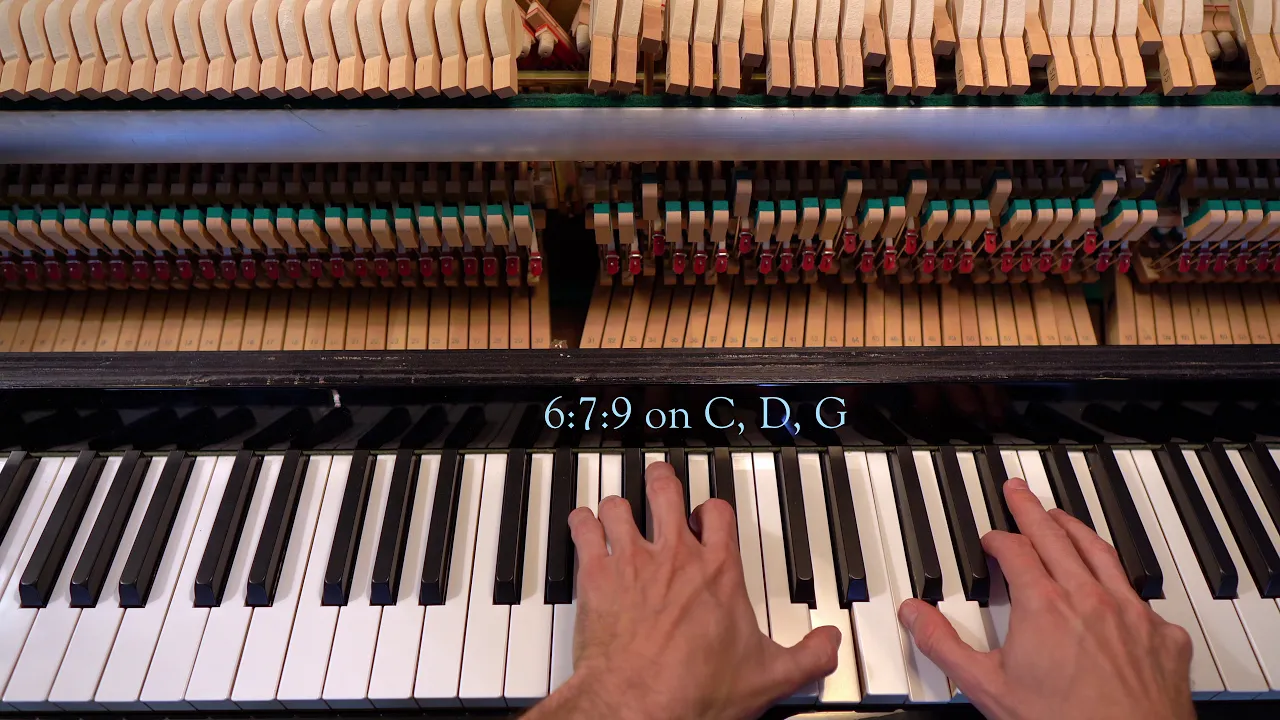
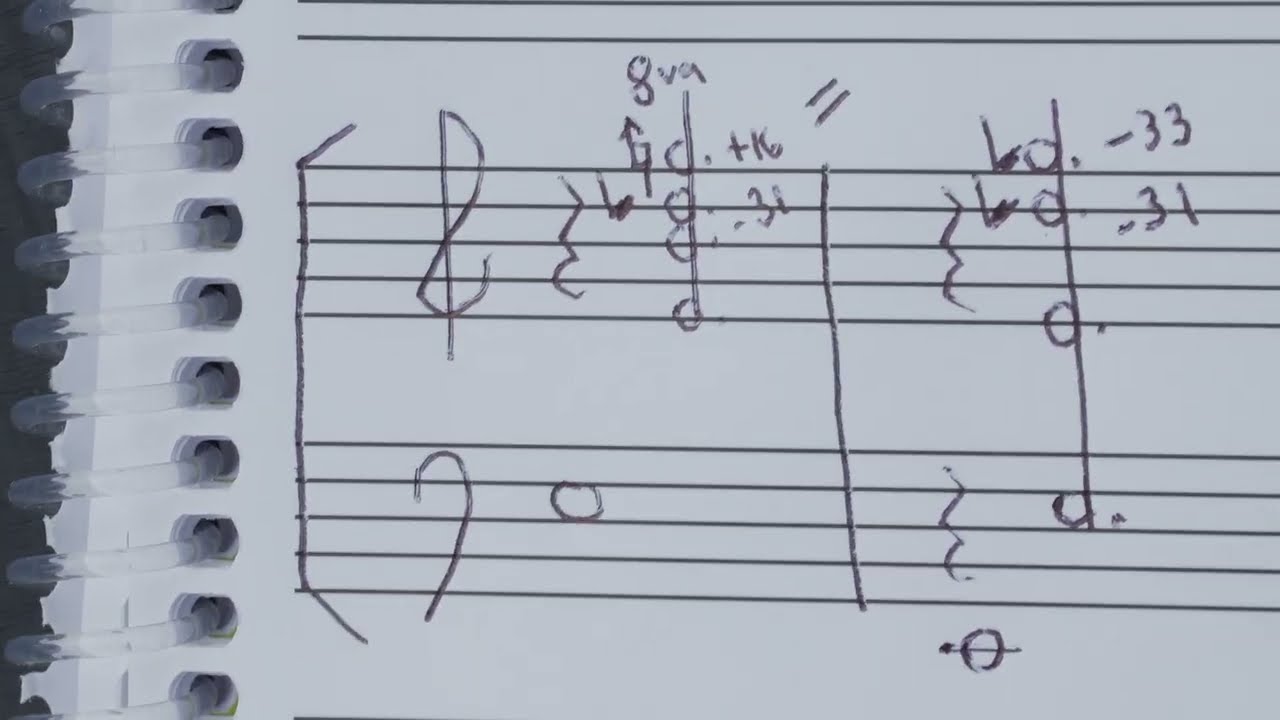
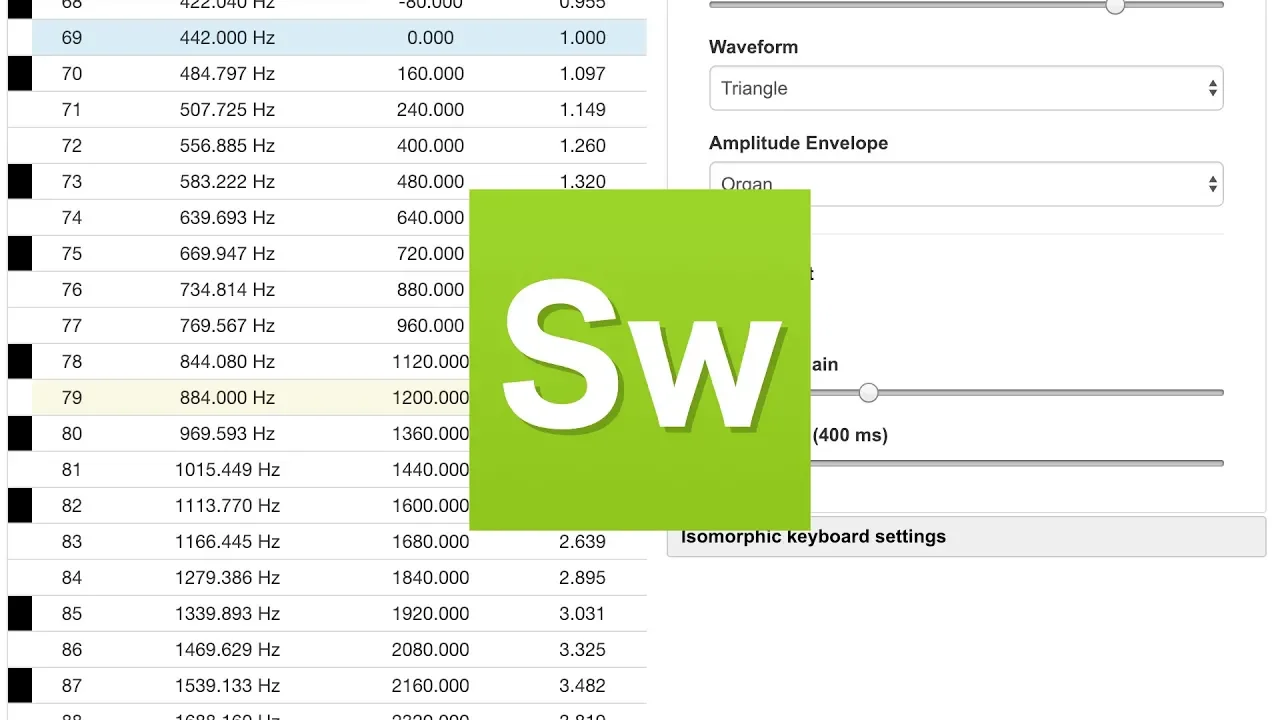
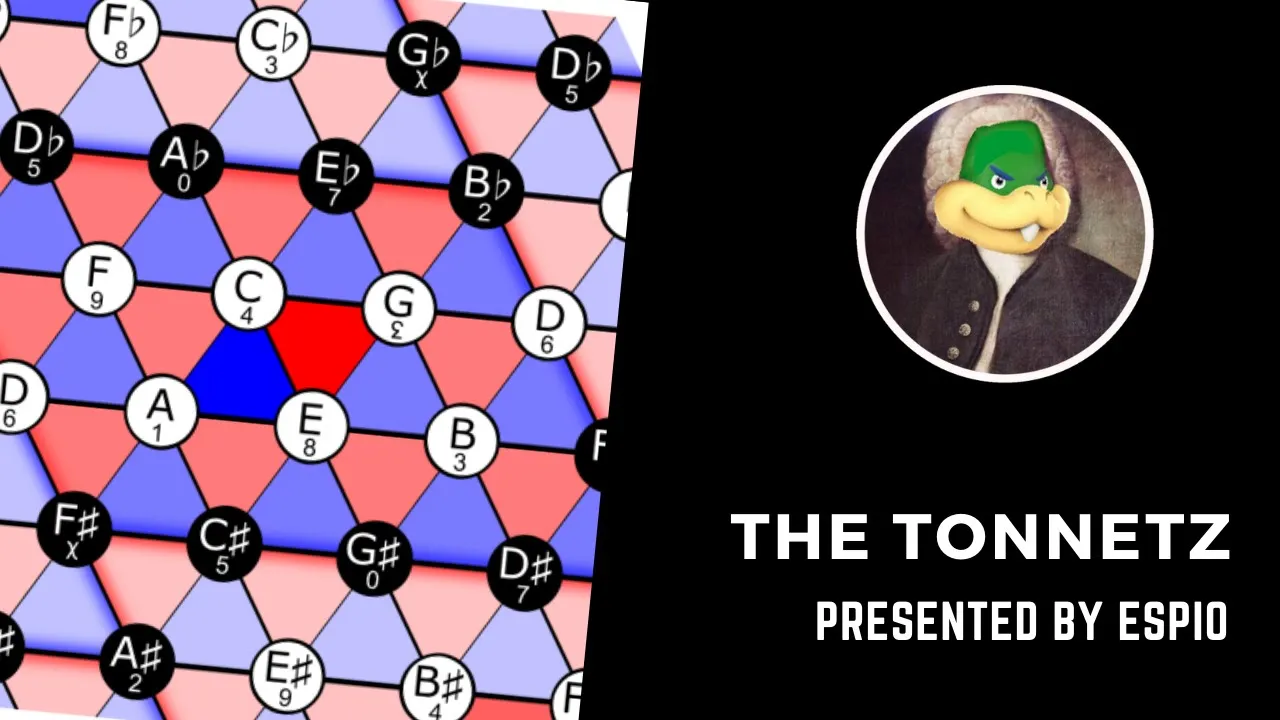
Added:[Music] today I want to talk about a scale that I came up with I don't know if anyone's ever come up with it before and used it seems like every note combination almost that can be done has already been done and anyway I didn't come up with these numbers out of nowhere I came to them while thinking about T's soft dionic scale which balances 5 and 7even limit intervals I call it five and seven limit just intonation cuz it really feels like a nice balance between these two I've made a few pieces recently from chopan and Dey and Ravel proov of using this [Music] tuning trying usually to hide the septal dissonances within the five limit consonances and I've also experimented a bit with composing my own music with this [Music] tuning I love the way these intervals behave so I thought it' be good to unpack this a little bit more and go into a little bit of depth about what this tuning does and what it makes possible and what intervals it contains and what I love about it is the way that it mixes these very conent five limit intervals the six and the thirs and the more passionate and intense septimal intervals like the septimal minor 3rd and the natural 7th as well as the 21st harmonic 21 16 this kind of wonky flat fourth and this interval is really the key to the whole scale and it's companion 21 over 20 so 21 over 16 is the 16th harmonic and 20 over 16 is the 20th harmonic so between the 20th and the 21st harmonic we get an interval of 21 over 20 and we can use the math to think about this more musically because 21 is formed out of 7 * 3 and three is related to the fifth and so 7 * 3 is going to give us a fifth above the seventh partial now 20 is formed by five 5 * 4 and therefore we can think about 7 and 5 in relation to three as well and that will give us a 7 over5 trone and then we go down by 4 over 3 and that will give us the 21 over 20 semmit tone so that's the idea I got from tmy to try to fit together the just fifth harmonic five limit intervals with the seven and to avoid the three limit and yeah just to maximize those 21 over 20 semmit tones and so of course the 7 over5 is the most immediate relation between seven limit and five limit intonations and it inverses on the octave axis to form 10 over 7 if you go up by a 7 over 5 then you have to go down by a 10 over 7 to fit in the octave and while I call this tuning a sort of five and seven limit just in ination it also involves three limit although it avoids a number of the three and seven limit intervals such as 28 over 27 and 14 over9 and just as 7 over 5 is the most primary relation between seven limit and five limit so 5 over3 is the most primary fundamental interval within three and five limit the major sixth [Music] now the most fundamental relation between three and 7 is 7/ 6 the septimal minor 3rd and it is found between the 7th and the 6th harmonics the next most important interval in this scale is the semmit tone of 15 over 14 and again we can see here 5 and 7 15 is is 3 * 5 and 14 is 2 * 7 and now we have three of these semmit tones and they can be found [Music] here forming two perfect minor third Triads which are offset by this little semmit tone this 15 over 14 well okay it's not actually actually little it's 119 cents so 19 cents bigger than equal temperament and layering these two chords is absolutely delightful and it even mixes the minor of the septol and the [Music] five it's also related to this wonderful diminished chord 7 over 6 7 over 5 7 [Music] over4 and this chord is really just an inversion of the fourth fifth 6th and seventh harmonics instead of going up a major 3 a minor 3 and a septimal we go down a major 3D down a minor 3 down a septimal third another inversion and of course we also have the semmit tone of regular five limit just intonation 16 over 15 built off the 15th harmonic now when we look at all these semmit tones and see how they stack up with the number of five limit and the number of seven limit ones so let's count them up and see what they are well we have 21 over 20 which is somewhere in between and there are five of these in the 12 tone scale and next we have 200 over 189 which is again somewhere in between we have another 21 over 20 then we have 15 over 14 which just somewhere in the [Music] middle we have another 21 over 20 we have 16 over 15 which is on the side of five limit we have 15 to 14 again 21 200 21 15 and 16 so there's no 7 limit alone inter uh semmit tone now of course we do have some seven limit intervals 7 over 6 which we could also say 7 over 4 as the natural 7 harmonic and over here we have 15 over [Music] 8 and 5 over 4 10 over 9 [Music] but here we again have 63 over 40 and over here we have 7 over 5 again 10 over 7 but here we have 21 over 16 [Music] so as far as this list goes it is pretty balanced and if anything there is a slight favoring of five limit intervals especially due to the fact that the most prevalent intervals are those that share five and seven limit intervals and there are no purely septal semmit tones to know every note that this scale contains you have to move them each down by starting at consecutively each interval as the starting point and see what intervals come out of it and here's the complete chart of all the intervals which I've pulled from s's scale workshop and so here we're seeing things like 25 over 21 28 over 25 27 over 20 75 over 56 and this is due to the fact that we have preferenced 5 and 7even limit intervals over three limit intervals which would give us whole tones and fourths and fifths and we have all of these Whimsical detuned fourths and fifths and hold tones and some bigger maybe perhaps uglier numbers 800 over 567 567 over 400 which are obviously inversions of one another like 7 over 5 and 10 over 7 every trone other than equal temperament has a different value when inverted on the axis of the octave but we can see that these two intervals are only 10 cents apart so it's basically not different than equal temperament and the other thing we're seeing a lot of here is five limit sixths and 7ths 8 over 5 9 over 5 we do see the septimal major 6 of 12 over 7 which means we also get 1 14 over 9 and we also see that there are 2 8 over7 intervals they between the 21 over 16 and the 5th of 3 over2 as we also find between the natural 7 and the [Music] octave and again that's because the 8 over 7 is an inversion of the 7 over4 all right let's just look at all the inversions so 21 over 20 inverts to 40 over 21 15 over 14 inverts to 28 over 15 16 over 15 inverts to 15 over 8 10 over 9 inverts to 9 over 5 9 over 8 inverts to 16 over 9 8 over 7 inverts to 7 over 4 7 over 6 inverts to 12 over 7 6 over 5 to 5 over 3 5 over 4 to 8 over 5 4 over 3 to 3 to2 take a look at the pattern here notice what's going on we are revers in the order of the numbers which musically can be thought of as going down instead of up Harry partch's otonal and U tonal series and we're also doubling or having and that creates the octaves the geometric series and so all of these intervals below the fifth subtly involve those intervals above them represented by the intervals on the bottom half of this chart so these larger intervals are implied in the smaller because the overtone of the octave is clearly heard or is at least suggested in every tone see if you can hear [Music] in I think it's pretty clear and this takes us into the most profound problem of phenomenology of music how the same mathematically measurable sounds can have different qualities when perceived in different tonal perspectives all these intervals that we've looked at exist in the harmonic series and when we hear them in that context they tend to be perceived as a single block of sound they meld together when taken out of this context they have a completely different quality to them either when we isolate them or when we place them in different relations to other intervals or place them at a different interval to the tonal Center tonality is one of those things that just doesn't go away and this has to do with the fact that it is part of the way our Consciousness operates while listening to music We tend to tune into a certain pattern we tend to perceive sounds from tonal perspectives and so this tuning allows you to modulate the tonal Center while keeping some of the tonal characteristics of this tuning consistent through those modulations well anyway that's all I've got for you today if you made it this far you get the septimal SAU Slinger of the semester award but in order to receive your prize you need to write some music in this tuning thank you and see you next time folks [Music]
Up Next

Wolf Intervals: The Chord That Cannot Be Tuned
@SocraticSwansongs
1.5K views•2024-08-08

Mozart's Musical Dice Game Explained: History, Rules, & Fun
@webpianoacademy
5K views•2023-03-13

Understanding Diatonic 7th Chords in Major Keys | Music Theory Tutorial
@GracieTerzian
54.7K views•2022-03-02
Understanding John Coltrane's Giant Steps: A Music Theory Analysis
@Vox
10.4M views•2018-11-12
Related Study Plans & Knowledge Roadmaps
Structured learning paths in Music Theory