

![#TerceirãoNãoTiraFérias🌴 | Filosofia - FILOSOFIA HELENÍSTICA, MEDIEVAL E MODERNA (1) - [Aula 2]](https://i.ytimg.com/vi/qRO37IGCPqY/maxresdefault.jpg)









![La fisica epicurea [Dentro alla filosofia, episodio 71]](https://i.ytimg.com/vi_webp/u8raTvVahaw/maxresdefault.webp)

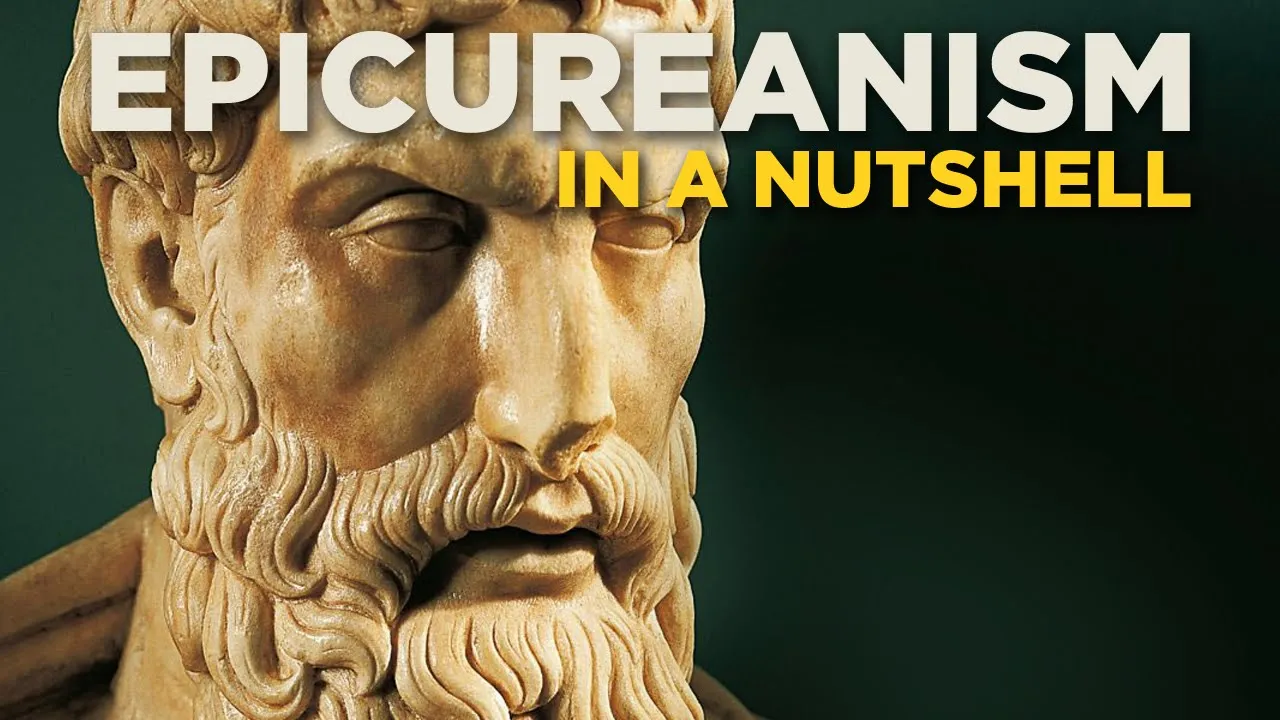






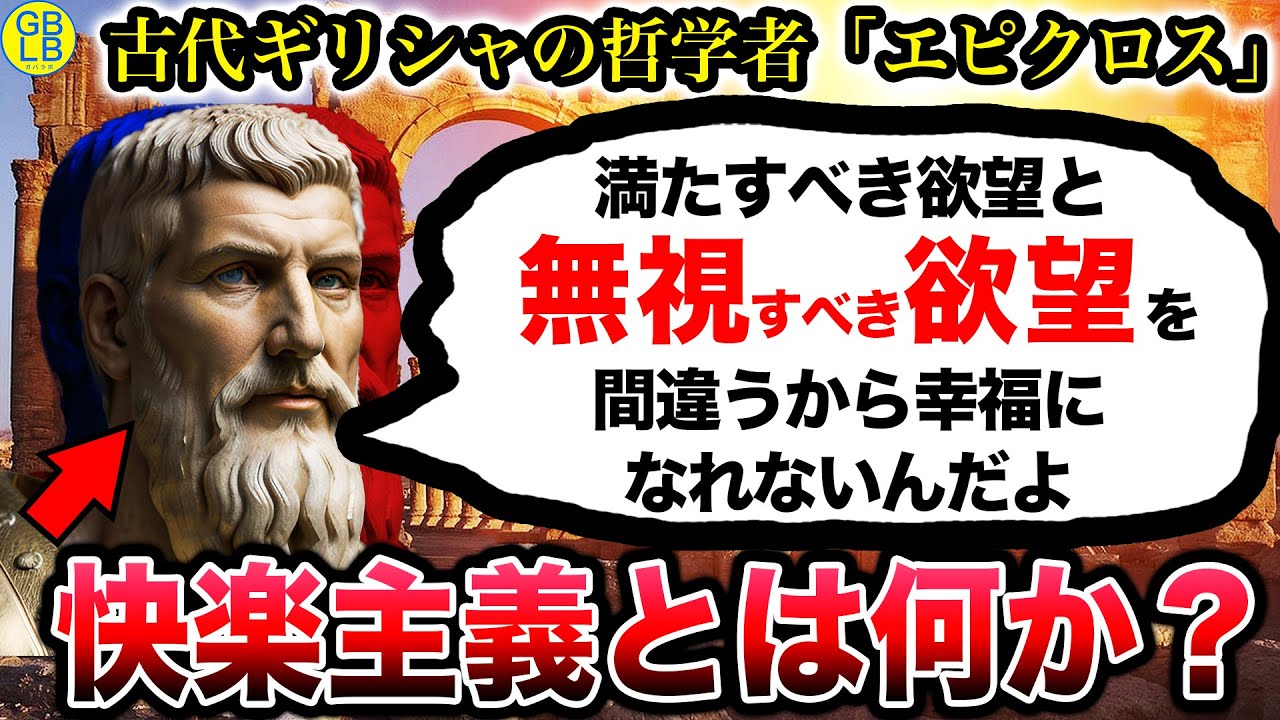
Epicurus, the ancient Greek philosopher, taught that the key to happiness lies in understanding nature through philosophy to overcome superstitious fears, distinguishing between active and static pleasures (where contentment is more valuable than endless indulgence), and categorizing desires into natural/necessary, natural/unnecessary, and unnatural/unnecessary—arguing that much of what causes anxiety is unnecessary and that psychological tranquility matters far more than physical pleasures.
Epicurus and the Art of Happiness: Ancient Philosophy for Modern Anxiety
Added:An introduction to Hellenistic philosophy and the historical context of post-Alexandrian Greece.
The philosophical concept of 'Hedonism' and the distinction between psychological, ethical, and vulgar hedonism.
The ancient Greek concept of 'Eudaimonia' (human flourishing or the 'good life') as the central pursuit of virtue ethics.
A basic familiarity with modern cognitive approaches to managing anxiety, such as identifying irrational fears.
A comparative study of Stoicism and Epicureanism, specifically contrasting their distinct paths to emotional tranquility (Ataraxia).
Epicurean physics and atomism, exploring how a materialist view of the universe was designed to alleviate the fear of death and divine intervention.
The 'Tetrapharmakos' (the Four-Part Cure) of Epicurus and its practical application to modern consumerism and minimalism.
The historical lineage connecting Hellenistic philosophical therapies to the development of modern Cognitive Behavioral Therapy (CBT).
4.3K views101likes1:09:00Original Release: 2021-05-05
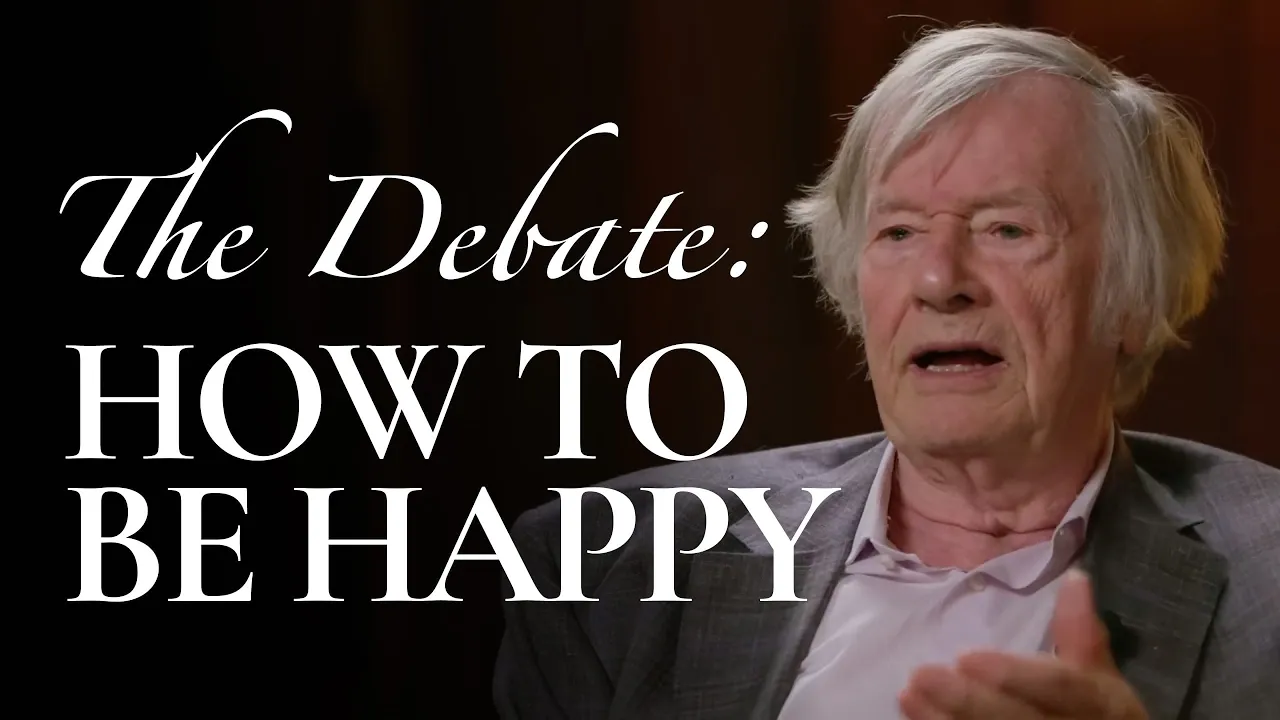
welcome to the conway hall ethical society series of talks uh the conway hall ethical society is the oldest surviving free thought organization in the world and it is the only remaining ethical society left in the united kingdom um the origins of the society trace back to the late 18th century so it's very old very distinguished and today we're incredibly lucky to have a philosopher john sellers talking to us he's written many books a lot of them seem to have been about stoicism today he'll be switching to the greek philosopher epicurus and the way we use the word epicurean may make you think that we're just going to talk about decadent self-indulgence but in fact it's an awful lot more complicated than that i think john's going to give us a more nuanced version welcome john thank you very much um so yes i'm going to talk about the greek philosopher epicurus and what we might be able to learn from him today and as deborah said in the introduction um i've worked mainly on another ancient greek philosophy stoicism um over the years and the stoics and the epicureans were contemporaries in ancient athens so one question that people might ask people that are familiar with things that i've done in the past is why epicurus why have i turned to epicurus on this occasion and um so i just wanted to to make a quick comment on this a kind of a personal comment if you like why epicurus but in particular why epicurus for me um and i suppose it began when i was first studying philosophy probably it's going to be the early 90s so almost 30 years ago and i came across by chance a copy of lucretius the great epicurean poet who writes his book on the nature of things or on the nature of the universe and i read this book alongside um another penguin classic that i bought at the same time the meditations of marcus aurelius the famous stoic and these two books really spoke to me i found them both really really interesting at the time and as things have gone on i've ended up working much more on stoicism but that love of lucretius from an early stage in my um philosophical career if you like has really stuck with me so i've always had a soft spot for the epicureans and another reason is although i ended up focusing my own work more on stoicism there were always a few things about stoicism particularly when i first encountered it that i wasn't entirely comfortable with so for instance the stoics are pantheists they believe in a god which they identify with nature and they think that this god providentially orders nature and everything is for the best and that this is the best of all possible worlds and those certainly weren't beliefs that i particularly um chimed with and i've kind of thought of interesting ways in which we might be able to reinterpret those as i've worked on statism over the years but at first glance the epicurean approach to understanding nature seem much more in tune with where i was than with the stoic approach and similarly the stoics talk a lot about virtue and the importance of acting virtuously and again my earlier teenage self wasn't necessarily inspired by ideas of virtue at that point whereas the epicurean approach seemed much more in tune with where i was um and where was i i mean i think i would have described myself as a sort of enlightenment atheist in many ways wanting to try to um escape from outmoded superstitious beliefs um and and to think much more like a free thinker if we like and so for all these reasons epicurus and epicureanism connected with me from the very beginning so i'm really pleased to finally have the chance to to write something about epicureanism now so was epicurus let me just say a little bit about who we're dealing with so um epicurus his parents were athenians um they settled on one of the greek islands he was born and brought up there and he moved around a number of different greek islands he lived on the island of lesbos for a while and met some friends along the way started to teach philosophy and then at a certain point he and his friends all moved to athens to the ancestral home of his family even if he'd not lived there as a child and there he sets up his philosophy school he buys a patch of land just outside the walls of the city of athens and this patch of land becomes known as the garden and epicurus and a group of fellow philosophers live together within this garden in an enclosed community you might imagine this as a kind of a secular monastery where they live together and try to follow the principles of epicurean philosophy so epicurus himself starts the whole thing off and we're talking around 300 bc that kind of time and this garden community that he develops just outside the walls of athens it flourishes for a good couple of centuries so roughly from around 300 bc down to the the early part of the first century bc we should say and at that point i think it's probably is probably destroyed so epicurean philosophy flourishes in ancient greece and in athens in particular by the first century bc um obviously the romans are on the scene and we start to see a number of uh romans take up epicurean ideas and this is where lucretius comes in so we don't know anything about lucretius as an individual we've literally just got the name we've got almost no biographical information but we've got this incredible poem that he writes de rerum natura on the nature of things in which he writes in latin verse an account of epicurean philosophy and fragments of a masterwork by epicurus called on nature have been recovered and kind of scholarly analysis has shown that what lucretius writes in his latin poem follows very closely the contents and the order of that lost work by epicurus so we can be confident i think that what lucretia presents in his great poem is an accurate account of what epicurus himself would have thought so that's the really long important epicurean text that's been influential particularly in the early modern period and then a third epicurean that i want to mention briefly is um a chap called philodemus philodemus was also around in the first century bc around the same time as lucretius they may have even known each other although we don't know for sure both are likely to have been alive and active in the bay of naples area in the first century bc philadelphus was originally from a city called gadara in the middle east modern-day jordan he traveled to athens studied in athens at the epicurean garden um and then came over to italy and settled in in the bay of the the bay of naples area so that so epicurus lucretius philodemus are kind of the key figures and we've we've got text for all of them that we can we can read today now i just mentioned philodemus um we've got a number of texts of his that survive and there's one in particular that i want to mention um and it's known as the tetra pharmacos the four-fold cure or the four-fold remedy which we took as the title for my short book on this material um it was discovered in a papyrus fragment that was buried in a villa in herculaneum not far from pompeii buried in the same eruption of mount vesuvius that the buried pompeii and a number of papyrus scrolls were carbonized in that eruption and have been excavated and deciphered and the image that you can see on the slide there is in fact a pencil drawing of the text that was seen when someone unrolled one of these papyrus scrolls and not long after they'd managed to transcribe this text the the scroll literally crumbled into into pieces um because it was so fragile so all we've got left is this early 19th century pencil drawing preserving these few letters of greek and what it gives us is this short text the tetra pharmacos the fourfold cure and as you can see it says don't fear god don't worry about death what's good is easy to get and what's terrible is easy to endure and this philodemus presents as a very short memorable summary of some of the key ideas in epicurean philosophy and we'll come back to some of these in a moment don't fear god don't be anxious about divine punishment don't worry about death what you need in order to live a good life is very easy to get and and difficulties you can you can cope with easily enough and epicurus thinks that these are some of the things that concern people most these are the sorts of things that keep people awake at night and so these are the sorts of things that we need some kind of remedy for if we want to live a good life you can see immediately that what he's talking about here are different forms of what we might call today psychological anxiety it's different anxieties about things that might happen to us in the future that he seems to be most concerned about here and i'll come back to that thought later on as well um we might not be particularly concerned about fear of a avengeful god at the moment but i take it that fear about death is something that can be a significant concern for people still today now central to the epicurean approach is the idea that if we want to avoid these sorts of anxieties we need to understand how the world works um a core theme in epicurean philosophy is the idea that superstitions cause anxieties superstitions such as a belief in a vengeful god that might punish us if we don't do the right thing these are the sorts of things that can disturb people or certainly disturb people in the ancient world according to epicurus and the only way that we can overcome those sorts of anxieties is to really understand how the world works we need to do physics we need to try to understand nature and this is what we see played out at great length in lucretius's poem on the nature of things where he goes through a scientific naturalistic materialist account of absolutely everything of how the universe was formed how the earth was created how early humans lived and developed how civilization developed how our minds and bodies work how we perceive things everything you could possibly want explained is laid out there for us according to the principles of atomism which was the um the type of materialist philosophy that the epicurean subscribe to so they claim following an earlier greek philosopher democritus that everything that exists in the world is made up of tiny little atoms that float around with an inf within an infinite void they bang into one another they glue together and make large aggregates which are the objects that we can see in the physical world there's no order to this there's no design there's no divine mind um orchestrating the whole thing is just these little bits of dead matter floating around banging into each other everything that we know everything that we experience is just the contingent product of these atomistic interactions and epicurus thinks that if we can understand nature in those terms then we'll be able to escape all those sorts of superstitious beliefs that might otherwise disturb us okay so that very briefly about the physics i don't say a huge amount about the physics i want to move on and focus really on epicurean ethics which is if you like our main topic for today and as deborah said at the in the introduction when we hear the word epicurean today we tend to think of someone who enjoys fine food and wine and that kind of physical indulgence and that image of hedonism of hedonistic enjoyment of physical pleasures is by no mean a new one we find that in antiquity in fact we find a group of hedonistic philosophers the cyrenaics who believed precisely that what we ought to do is maximize our pleasure in particular maximize physical pleasure this is the route to a good life so wine women and song decadent excess this is what you should do if you want to live well that was the sirenic view of hedonism in antiquity and they're around a little bit before epicurus and when epicurus comes along he also wants to champion champion hedonism he also wants to suggest that it's pleasure that's the key to living a good life but he wants to present hedonism in very different terms he wants to propose a very simple life of modest pleasures in which it's not about more and more and more and enjoyment to excess and in order for him to present this more nuanced and sophisticated account of hedonism he's going to need to make some important distinctions between different types of pleasure and that's what i want to to talk about now so the first really important distinction that he draws is between what we might call active pleasures and static pleasures in the greek the active pleasures are the kinetic pleasures the move moving pleasures if you like and the static pleasures are called catastematic we don't need to worry about the technical terms so to illustrate this for you very easily an active pleasure would be something like eating right the pleasure that you get when you're in the process of eating you enjoy that you get something from that and that's what the cyrenaic hedonists the um would have thought pleasure is right and if we think about that popular image of hedonism we're thinking of active pleasure like eating or drinking what epicurus wants to say is that there's another type of pleasure static pleasure and an example of a static pleasure would be the contentment you feel when you've finished eating and you're no longer hungry an epicurus thinks that that's what we're really after when we eat food we might enjoy the process of eating food but that's not why we're eating food we're not eating it in order to join the pros in order to enjoy the process we're eating it in order not to be hungry we're eating in order to reach that state of contentment when we've had enough and when we've had enough we won't need any more so it's not as if you enjoy the process of eating and you just eat and eat and eat and eat and eat until you explode right or it's certainly not to be like that you eat and you enjoy the process you then reach this state of static pleasure when you're no longer hungry and you're content and you don't eat any more and if you did eat more rather than increase your pleasure you would start to generate pain you'd start to have indigestion you would it would be a counterproductive process so the thought is that once you reach that state of not being hungry more and more and more won't add anything extra to the quality of the pleasure that you're experiencing and so there's a really important distinction at work here that's worth stressing i think the first is that that active pleasure of eating is something quantitative right it can increase and increase but the static pleasure the contentment of not being hungry that's a qualitative state and once you've reached that qualitative state you can't improve it or increase it by adding any more and that's the type of pleasure that epicurus thought we ought to aim at a state of contentment in which you don't need any more so that's the first really big distinction and there's another quick um footnote i should add to this as well which is epicurus thinks that pleasure is affected effectively the same as or this this state of static pleasure i should say is effectively the same as not being in pain so not being hungry we might take as an instance of not being in pain epicurus doesn't think that there's any kind of neutral state between pleasure or pain if you're experiencing pleasure you're not in pain simply not being in pain is itself an instance of pleasure there's never a point in which you're not really feeling anything at all and you're just neutral and so again the goal is not more and more pleasure more and more food and drink the goal is to not be in pain that's really what we're all after and so i hope you can see that in those two different ways you end up with an image of a pleasant life that's very very different from the modern notion of hedonism in which you just have more and more and more pleasure um without limit there's a very clear limit here okay so that's the first distinction that epicurus wants to make in order to show how his version of a life of pleasure is quite different from the decadent hedonism of the the sirenix who were around just before him the second distinction he wants to make as well is between physical pleasures and what we might call psychological pleasures so i've been talking about eating and not being hungry obviously that's just um a physical pleasure and um epicurus wants to draw i can um draw a distinction between physical pleasures on the one hand and psychological pleasures on the other and what he wants to suggest is that in fact the quality of our lives is determined by psychological pleasures much more than physical pleasures and it's the psychological pleasures that really shape our lives and so picking up on the comment that i was making a moment ago about the goal really being to reach a state of not being in pain not being in hungary similarly when it comes to psychological pleasures the goal is to reach a state of not being in psychological pain to not be anxious to not be worried the goal ultimately is to reach a state of psychological contentment rather than enjoying active physical pleasures like more food more drink so that adds another another way in which epicurus's hedonism will differ from that sirenic hedonism the goal is psychological tranquility a static psychological state of no longer being worried about anything at all that's the goal of the epicurean life and in order to help us get to that goal another thing that epicurus does is he does an analysis of the sorts of things that we tend to pursue the sorts of things that we desire and he says that if we can stop and reflect and think about the things that we pursue in life that will enable us to reach this state of psychological contentment or tranquility that he thinks is the key to living a good life and so he says whatever it is that you might pursue that you might think you need it's going to fall into one of three categories it's either going to be something that's natural and necessary natural but unnecessary or simply unnatural and unnecessary so what would be examples of these well natural and necessary would be anything that you need in order to survive so food water shelter these sorts of things right the basics of life that's what you need in order to live they're perfectly natural desires and we need them often of course we don't just pursue the bare basics but we pursue more fancy refined versions of them we don't just want food so that we don't starve we want nice food we want variety we want a nice glass of wine with our meals we don't just want shelter from the rain but we want a nice house in a nice part of town we don't just want clothes to keep us warm we want nice fancy clothes from expensive shops and epicurus is going to put all of those sorts of things into the second category of natural but unnecessary so our desire for these things arises out of a perfectly natural need but we go beyond what's merely necessary and and try to secure something that isn't really required we could get by without those things and then into the third category goes literally everything else all that stuff that doesn't actually satisfy a natural need that you have at all all the other paraphernalia of modern life that we all um often pursue but ultimately we don't really need any of it at all it's unnatural or our desire for it doesn't fulfill a natural need we might say and it's all completely unnecessary so epicurus thinks if we can do this kind of analysis of the different things that we pursue we will realize that much of the stuff that we think we need in order to live a good happy pleasant life is in fact unnecessary and we could do without it and epicurus thinks that in fact the stuff that we really need the natural and necessary stuff is surprisingly easy to secure you can you can survive on red a relatively small income he would he would say right but the basics aren't that expensive and he thinks and this is the key point he thinks that if we can come to see that if we can come to realize that what we really need is actually very little and very easy to get hold of that's going to massively reduce our anxiety about the future many of our anxieties and concerns he thinks are about our ability to fulfill our needs in the future worrying about whether we've got enough money worrying about our jobs worrying about all of those sorts of things all of that is ultimately anxiety about whether we can secure what we need in the future and if we can come to realize that what we need is actually very little and very easy to get hold of then that will massively reduce that anxiety and that's obviously central for epicurus because he thinks that it's psychological tranquility that's the key to living a good life okay so i think although it's not quite explicit i think one of the things that comes through from all of this is the thought that we ought to focus our attention very much on the present moment many of our anxieties and concerns are focused in some way on the future and we ought not to be so worried about the future we ought to spend a lot less time thinking about the future he suggests um that's one thought and instead of constantly being anxious about the future and what that may or may not bring he thinks instead we ought to focus our attention on reaching this state of static psychological com pleasure uh in the here and now so the idea if you like is contentment and tranquility in the present moment and he thinks that this comes from living a very simple modest life as i was saying at the beginning he often describes his own hedonistic lifestyle as bread and water and occasionally if he wants to treat himself and perhaps a small pot of cheese so a very very modest lifestyle um and of course there's no reason in principle based on the terms of his philosophy why he couldn't enjoy a much more decadent life he couldn't enjoy all sorts of fancy foods and meals and all the other um pleasures that life brings and of course he thinks that those pleasures would be genuinely good things i take it epicurus would want to warn us against slipping into that kind of hedonistic lifestyle because once we start to get a taste for those kinds of physical pleasures and the risk is that we'll start to expect them and if we start to expect them then when we don't get them we'll be disappointed or we might start to get anxious about whether we're going to be able to continue to get them in the future so epicurus's advice is that we keep our physical pleasures very simple and we enjoy the tranquility that comes from knowing that we're always going to be able to secure those so we don't need to worry about the future in quite the same way that we might have beforehand okay so to kind of summarize the the um the the key ideas um epicurus is going to argue then that we don't actually need that many material things in order to live a good life and in particular knowing that we don't need that many material things is going to reduce our anxiety about the future and then secondly um avoiding pain is more important than pursuing pleasure he'll argue it's that static pleasure that's more important than active pleasure it's not about enjoying fancy meals at fine restaurants it's about not being hungry that's the thing that really matters and finally it's actually mental or psychological pleasures and pains that are far more significant than physical ones i mean we all deal with physical pain from time to time whether we you know whether it be toothache or stubbing our toe or backache or whatever it might be and none of these things are pleasant and on the terms of epicure epicurus's hedonism they're genuinely bad things right but they pass very quickly they don't destroy the quality of your life as a whole but psychological pain anxiety distress worry about the future those are things that can colour the quality of someone's entire life and really inhibit their ability to enjoy a good life so focusing on those psychological pleasures and pains is far more important than worrying about the physical pleasures that we might associate with crude hedonism and right at the end of his life when epicurus is dying he writes a letter to one of his friends he's he's quite seriously ill he's he's really suffering um he's suffering real physical pain um and again on the terms of his own philosophy that's a genuinely bad thing and pain is physical pain remains a genuinely bad thing he'll he'll say but in this letter to one of his friends he says well i am suffering real physical pain but i can offset that with psychological pleasures and in particular as he writes to this old friend he says well i've got the memories of all of those wonderful conversations that we've had in the past and by reflecting on all those wonderful conversations we've had that gives me real pleasure and that psychological pleasure can outweigh the physical pain that i'm having to deal with at the moment and so overall i'm still living a pleasant life okay so to to wrap things up the last thing i'd like to say is the role that philosophy plays in all of this one thing that epicurus and lucretius are quite adamant about is that philosophy is absolutely essential in order for us to live well we need philosophy because by understanding the way the world works we can remove those superstitious beliefs that might generate anxiety in us and by using philosophy to think about the nature of what's good what's bad what's pleasant what's painful what it is we really do and do not need in order to live well that's going to help us enormously too so we need philosophy philosophy is fundamental epicurus things and lucretius in his great poem says that as such it's the single most important human creation it's the most important thing that humans have developed throughout their history and in one great moment lucretia says the invention of philosophy is more important even than the invention of farming right of all of the world historic events in the history of humanity surely the invention of farming is one of the most significant moments when we shift from being nomadic hunter-gatherers to settles communities but lucretia says no philosophy is more important than that and i think one of the things that's going on here is the thought that there's no im although epicurus is suggesting a a very modest simple life you might imagine that he he he thinks that modern civilization as if you like overcomplicated life and we ought to go back to a simpler past time and he is suggesting that we go back to a simpler time in terms of thinking about our needs but not a simpler time intellectually so for epicurus and lucretius there's no image of a of a lost um age in which everything was perfect and noble savages free from the corruptions of modern civilization were perfectly happy the creatures is quite insistent the earliest human beings would have been riddled by superstition they would have been fearful of thunder they would have worshipped the god as a son they would have engaged in all sorts of superstitious activities worried about a physical phenomena that they didn't really understand and that those early human beings would have been unable to live a happy life it's only once we've got a proper understanding of nature and we can escape those superstitious beliefs that we're able really to live happily and gain the sort of con psychological contentment that epicurus is suggesting so on the one hand it's a very modest simple life that he's describing but it's one that is intellectually sophisticated because it requires this proper understanding of nature and our place within it and i will stop there thank you all very much thank you very much john that was absolutely fascinating bear in mind john's book the four-fold remedy epicurus and the art of happiness is available so when you want to find out more from this talk that's where you go um we've got q a now so anybody who would like to answer a question please type it in and i'll uh come to you in order you can ask john questions i'd like to start with one actually because i was interested in epicurus um list of of things we need in their categorization and it strikes me that uh status is something that seems to be fairly hardwired into human beings but it causes us a great deal of distress because we do get on the desire for unnecessary and unnatural things um designer clothes would be a good example nobody needs designer clothes what would you have to say about dealing with the need for status um yes that's a good question i mean well i mean epicurus is going to be quite insistent that we we ought not to worry about that at all there's a um a very sort of famous epicurean maxim that a number of of sources report which simply two words and it says live unnoticed right so the the the happy life um of contentment um isn't interested in in in making a public show it isn't interested in uh clamoring for the opinions of others and i think we see that in the fact that the epicureans gather together in this private community they they create a little community in their garden of like-minded people another thing that epiterous talks about a lot is friendship and the importance of our relationships with other people but he describes this as a kind of a mutual support network where you have um two friends or a group of friends who support each other and help each other out in a very practical way right your anxiety about the future is reduced if you know you've got a friend that you can turn to in times of need and likewise their anxiety is reduced if they know they can turn to you that's a very different type of social relationship to the one we might think of when we think about sort of our public reputation and our status where we're just trying to impress other people which is a very obviously a far more super super official relationship so absolutely we want to use that analysis to show that we all in fact not to worry about status at all so live unnoticed perhaps that's something that we should tell potential x factor contestants their psychological well-being i think our first question is from rona um so let me take a look at rona's there we go do you huh can you can you speak ronald oh there we go let me just find her um it's uh sorry it's taking a while uh rona specifically asked if she could answer this question herself so i don't want to just go over it's a good question i don't want to just um speak over her here we go i'm just about to allow you to talk rona so unmute your microphone and ask john your question hello can you hear me yes we can hello hello rona hello can you hear me yes hello oh you can hear me very good okay um i just want to say um yeah uh just just uh a sort of reference to the status the status question that you asked um i pursued a recording career when i was young and it didn't work out for a variety of reasons but i'm a lot happier now than i was because it turns out that i became um quite physically disabled and now i uh do a lot of performing and singing online and uh the shows that i do i do within the context of my physical limitations and i'm much happier now than i would have been if i had been a successful recording artist so i think things do work out for the best in the end and i definitely agree with you about do not pursue status and live unnoticed uh but i do have a question about um the uh what is what is uh what is terrible um can be easily endured i think that was the last the last category you addressed john uh about what is terrible could be easily endured um i think that human beings are much more complex that we we understand the human condition a lot more than we would have done in in ancient greek times and although there were things like slavery and and uh exploitation of um human labor that would have existed then i think um these days we have an understanding of things like domestic abuse child abuse um trafficking um you know we have a much more you know clearer understanding of things like ptsd for example so um i would argue that what is terrible may have been more endurable through 300 bc but i think these days we know that what is terrible leaves permanent psychological and emotional scars on people in terms of what how they behave going forward if they're a person is abused in childhood it will affect their personality moving forward it will affect their relationships with others it will affect how they choose to live the choices that they make in terms of self-preservation they may end up an addictive personality they may end up sabotaging themselves they may end up homeless they they may end up with not enough for their basic needs then they end up suicidal because they they cannot cope with what is terrible uh what what they can't endure it so uh how would you sort of address that how would you address uh that in terms of modern day 21st century human psychology thanks rona uh yes thank you so i think that that line what's terrible is easy to endure i mean in context what he's referring to there is physical pain rather than the sort of psychological trauma that you're describing so he thinks that we're actually much better at coping with physical pain than we might think so i think that that's what it's referring to there i mean obviously i hope what's come through from the talk is that epicurus is primarily concerned with psychological pain he thinks psychological pain of the sort you know of the sorts that you're describing and many others is precisely as you so eloquently put the thing that can color and destroy the quality of someone's entire life and so that's the thing that we really do need to pay attention to um so in that sense i think that he would he would agree with you that these are the things that are those are the sorts of things that are most important we need to attend to um in terms of the the the text that we've got there's not a there's unsurprisingly not a huge amount of discussion of of how to cope with that kind of sort of trial childhood trauma for instance i mean i suppose the only thing i would say off the top of my head is i mentioned towards the end the idea that we try to sort of focus our attention on the present moment and live on the present moment and don't be overly anxious about the future i suppose you could say that equally we perhaps ought not to dwell too much on the past now i don't mean to say don't dwell on the past as a kind of glib response to someone who suffered some horrific abuse in in the past but the i think that would be the kind of the focus of direction that if we can sort of focus on living in the present moment rather than um um reliving things that have happened in the past um that might be a kind of a an epicurean reply thanks john it's interesting because that's actually the kind of cognitive behavioral modern psychological approach as well not to try and analyze the hell out of things but try and help people to stop ruminating i'm going to ask everybody to keep their questions really short because john's talk is really really popular and we've got loads of you wanting to ask questions the next person is richard francis so if you can switch your microphone on richard i'm allowing you to talk now are you there yep hello hello hello there thank you very much for a really good talk i just wanted to ask um epicurus seems to or obviously says that uh philosophy is the most important thing should a broad understanding of philosophy be taught in all schools at all ages you know actually put into the national curriculum and how would we do this because it seems such a vital thing in this very complicated age um yes thank you um i mean absolutely i certainly think that that would be um a great thing to do there's um it can certainly be done there are people out there that do philosophy for children there's a great organization in london called the um philosophy foundation i think peter worley and others have been doing great work teaching philosophy to children um small children are all natural philosophers aren't they right they all ask why about everything so they already are philosophers um and so to give them some guidance and training into uh into how to reflect on these questions um absolutely um that would be i think that's absolutely essential and the next question is from jen are you there jen hello jen okay because jen doesn't appear to be there just at the moment um she said can you comment on the similarities or not between the philosophers and the explosion of modern day personal development experts um i'm not sure i know what a personal development expert is i suppose it's sort of those um all of those self-help books where you are quite a lot of them refer to ancient philosophy but probably not in particularly good depth but uh just you know how to improve your life how to make everything better for yourself i mean i think i suppose the key difference would be that the epicureans and this would apply to the stoics as well that i've worked on will suggest all sorts of things that they think will improve your your life but they're never going to say just believe these things or do these things because we think it will make you feel better or make you more effective or whatever it might be they'll say do these things and believe these things because we think they're true and we're going to give you some arguments for why we believe they're true and so you should only accept them if you buy the arguments right so there's a foundation in truth and there are arguments made for every single claim so the epicureans will give us a whole series of arguments for why they think we ought to end up with their their conclusion and either you follow the arguments or you don't whether the whether you think i mean sometimes people will say oh i don't like that particular philosophy because it doesn't look attractive to me and it's like well who cares whether you think it looks attractive is it based on truth and and that's the the big claim that the epicurean is going to make we think we've understood how nature really is and on the basis of that we think that this is what's going to enable you to live a good life okay next one is from chris nichols you there chris hello chris hello chris nichols i've unmuted you perhaps chris has some popped off to the shops uh he said thank you for a very interesting talk uh epicureanism sounds very buddhist to me living modestly um present moment awareness that sort of thing um do you have anything to say john about the similarity that he sees um yes i mean i think i mean i think that's understandable to see that see that connection um and other people have noted that as well in fact one of the things i think is really striking is there are there are three sort of um famous schools of philosophy active in this period there are the epicureans and as i say there's this live in the present moment live a live a modest life focus on removing psychological distress the stoics are around at the same time and again people have often noticed similarities between the stoics and the buddhists and then the third group of philosophers acted in this period were known as the pyronians who were skeptics who thought that the key to living a happy tranquil life is to believe nothing at all um escape all belief and the founder of pyranism pirro actually travel to india with alexander the great and is reported to have met various indian wise men and so there's a literature on how all three of the schools of philosophy that were active in athens in this period have similarities or potential historical connections with buddhism um so yeah i mean i don't know what's going on there and obviously buddhism is developing around the same time in india so there's there are a whole range of parallels they're really quite striking in the case of pyramids sorry um perhaps we underestimate how much the ancients were able to speak to each other possibly i mean as i say there may have been some connection between pirro and um the buddhists um i don't think there's any line of influence between epicurus and the buddhists or the stoics for that matter a lot of epicurus's ideas are developed out of ideas that are already earlier in the greek tradition from democritus in particular who was also an atomist and also had lots of ideas about the importance of tranquility and the stoics are building on ideas from earlier greek philosophers as well so i think they're homegrown but they i think that there are a range of points of similarity for sure okay next there's one from um laurie hulker are you there laurie can we hear you laurie you should unmute apparently i'm getting a i'm getting a warning there hello laurie okay laurie asked is there an extent to which epicureanism can be linked to an aesthetic lifestyle ascetic lifestyle yes i mean i think so i mean i'm describing it describing a very modest life um of um uh of um fairly simple pleasures maybe not as it's i mean it's a tricky question maybe not a seatic in the sense of denying yourself pleasures right because epicurus certainly thinks that physical pleasure is something that's genuinely good so you might not desire um you might not deny yourself all pleasures but you might resist all sorts of pleasures way they might generate future pain for you in the future right so you would avoid excess because you wouldn't want to suffer um physical pains that that might produce right you don't overeat because you don't have indigestion you don't want to drink too much because you don't want the hangover so you do what's often referred to as hedonistic calculus you work out what the pleasure might be versus the anticipated pains in the future that it might generate so you do that but then there's also that point about psychological pain so you don't want to indulge too much if that's going to make you feel anxious about whether you can continue to indulge at that level in the future so perhaps the word i would use is modest rather than acetic but but even so it's a striking contrast to our usual image of hedonism which we think would be a life of excess william cavanagh is next to you there william hello you've been unmuted william ah williams left the room as well which is a great shame because it's a very good question it seems that epicurus epicurus and his philosophy were almost entirely censored out of existence in late antiquity and it's fortunate that some of his teachings survive only through lucretius um could you describe a little more of how this came about william wants to know yeah sure so it's a good question um so in late antiquity um absolutely epicureanism sort of drifts off off the table a little bit um platonism dominates and of course we have the rise of christianity and then in someone like augustine um you get someone who brings together elements from platonism and christianity and the materialist epicureans preaching a life of pleasure is obviously anathema to that kind of worldview which often really is acetic um so epicureanism really um falls off the map in the middle ages um in the early renaissance a um a a cardinal in the vatican who's also a humanist and a book hunter finds a copy of lucretius in a monastery in southern germany and rescues it and sends it to his friends in florence who then feverishly copy it out and the text starts to circulate um as it happens that manuscript that was found has since been lost and but there are two other early copies that we have so basically lucretia survived the middle ages in just three copies one of which is now gone so there are just two copies from the ninth century that survive so as with the survival of much of of classical literature it's a story of horrible contingency where it's just by chance that things have survived and then all the other texts many of the other texts that we got for lucretius that's for epicurus that survive survive within another book so a book by diogenes liuertius called the lives of the philosophers which has lots of information about lots of different greek philosophers and diogenes lauritias was himself probably an epicurean because the final book of his work book 10 which is the combination is devoted to epicurus and in that he copies out in full three letters that epicurus wrote and those are our main sources of epicurus's own philosophy that he copies out so they survive kind of within this other work that's brought from byzantium to italy in the 15th century and then starts to circulate and in again the um a monk in the 15th century uh is about to tr is uh translates diogenesis into latin so that people can read it more widely and when he gets to book 10 and he gets to the epicurean bit he's really quite hesitant of translating this into latin because he thinks it's full of all of these dangerous potentially heretical ideas that shouldn't go into public circulation although eventually he gives in and does it good i'm glad that movement happened because there's an awful lot of grim stuff in christianity which did ultimately come from plato isn't it it's sort of blighted a thousand years really um uh so now we have benedict clarke are you there we're going to carry on having difficulties or are you there benedict let us know if you're there i am here can you hear me fantastic good can you ask me yeah sure so thanks for talking it's really interesting um i'm interested particularly in this idea that we don't actually need much because it seems to me that that runs quite contradictory to the sort of narrative that we're told in the western democracies and really how you know the entire structure of those societies is built so i suppose i wonder do we really need to start reassessing how our economic models and work and how our structures societies are structured if we want to allow contentment to flourish yeah that's a that's a really good question and i mean i think i think absolutely yes um i mean if you think about the the environmental problems that have been caused by runaway consumerism um i think you could you could tell a story in which you might say that this kind of suggestion that we focus on what's absolutely essential and we keep our our physical um our desires for physical things um in check is something that's going to be absolutely fundamental if we're going to reduce the levels of emissions and consumption that are currently doing so much damage to the environment and obviously as you rightly say that's going to involve a radical change to the way in which we tend to think and our you know current governments remain completely obsessed on growth growth and more consumption and more economic activity is always presented as the panacea for everything but just from an environmental point of view you know that could be our destruction i think epicurus does offer a framework to um to challenge that just as an aside karl marx was a keen reader of epicurus in his youth karl marx's doctoral dissertation was written on epicurean atomism and he was originally drawn to epicureanism precisely because it was materialist right and it was attacking superstition and so that was very much in tune with where he was at that point but again you can see from the point you've raised about the ethics that encouraging a life that doesn't involve excessive consumption might have chimed with some of marx's later thoughts as well and the next one is from pete m ah pete apparently you are using an older version of zoom so i have to promote you to panelist i tell you what i'll just ask you a question on your behalf and then you can download zoom a bit later what pete asked was instead of the word philosophy should we not use the more modern meaning which is science and he means that specifically in the statement about philosophy being more important than farming yeah that's a good question so obviously when we're using the word philosophy and antiquity we're using in a very broad sense to include natural philosophy and so science science as well we might say but i take it that the epicureans would say that when they're talking about philosophy being the most important invention they're not just talking about science they're also talking about ethics so understanding the way the world works to avoid superstition is part of the reason why philosophy is so important but it's also that kind of ethical analysis of what is it that we need to live a good life what has value what's most important to us those sorts of ethical reflections that these days we'd still think very much part of philosophy and not science are also going to be part of the picture so yes a broad conception of philosophy but but not simply science next question is from john dowdle um can you unmute john so that you can ask a question at the moment you're muted it's a little button just at the bottom left hand side never mind i'll ask on your behalf uh john says were the epicureans supported by slaves and were they considered to be of a higher social class than the working class greeks um that's a good question and i'm not entirely sure off the top of my head what epicurus's own attitude or relationship to slavery was obviously lots and lots of otherwise admirable people in the ancient world are somewhat tainted by um by that so i'm not entirely sure uh to be honest one thing i would say is that if we think about the roman context i mentioned um lucretius and philodemus possibly being in the bay of naples they may have known virgil and horus the roman poets both of whom also had strong epicurean sympathies i think in that context there certainly would have been an unthinking reliance on slavery um which you know um yeah is far from ideal it's like an awful lot of monks and nuns in the middle ages writing these incredibly virtuous works and living virtuous lives but they have to buy their way into that lifestyle over terribly middle class or aristocratic people um the next one is helen cross are you there helen i'm just finding you don't worry there we go you can speak helen if you can get going hello yes thank you um i would okay yeah i was wondering whether epicureanism says anything about whether we should or could um try to advance the happiness and contentment of other people rather than just our own happiness um yes that's a good question so i take it epicurus would say that everything that he's doing in promoting this philosophy is in order to help other people right he's trying to show people the ways in which um they can overcome their own psychological um anxieties and so live live a better life so there's a sense in which um in that sense he's trying to promote the happiness of others um and earlier i said a little bit about the role of friendship and in his discussion of friendship that's all about how friends might help each other out and benefit each other both practically but also by remove removing some of our concern about the future because we've no we know that we've got other people out there that we can rely on so friendship and relationship with other people i think is really important to the epicureans um okay and we have one from michael granville uh again um you again michael unfortunately you're using an older version of zoom so you should download that as soon as you finish listening to us he the question he's asked is i did lucretius at school many years ago and rediscovered it in the book the swerve by michael greenblatt if you know this book do you recommend it um yes the the greenbacks book the swerve so i'll say one positive thing about it and then one negative thing about it so i read it i thoroughly enjoyed it it's a great read and it tells the kind of detective story of how lucretius's tech was discovered by that cardinal in the monastery in um in the 15th century and then how the how the the text went from there so it's a great reasons i love those sorts of stories about you know people hunting for books and finding them and and so on so i'd recommend it in that sense um the only criticism i'd make of it is right at the very end he makes a very grandiose claim that it was the rediscovery of lucretius that basically caused the renaissance and caused the enlightenment and caused everything right which kind of oversells it a little bit i think and um academic reviewers have said that that's just far too grand a claim to make so i think the final chapter perhaps overstates the the influence of lucretius but the story he tells about the recovery of the text is really nicely told and so i think i'd recommend it for people as a good read john that's been an absolutely fascinating talk thank you ever so much and uh remember that john's book is available it goes into all of this in a great deal more detail it is the four-fold remedy so um you can get that is that out now genre is it later in the year no that's out now it came out at the beginning of the month fantastic okay and before we all stop this session i'd like to remind everybody that conway hall is suffering as much as everybody else is um in these very peculiar times and if you've managed to carry on working throughout this time and you've got a little bit of extra money in the bank if you could make a donation to help us keep doing the work that we do then that would be very very much appreciated meanwhile i would the last thing i'd like to say is thank you ever so much to john for an absolutely fascinating talk and thank you to the contributors for their questions as well it really is good when you get the whole subject sort of more live when you you get the uh the questions coming in thank you very much bye-bye thank you for having me
Up Next
10:00
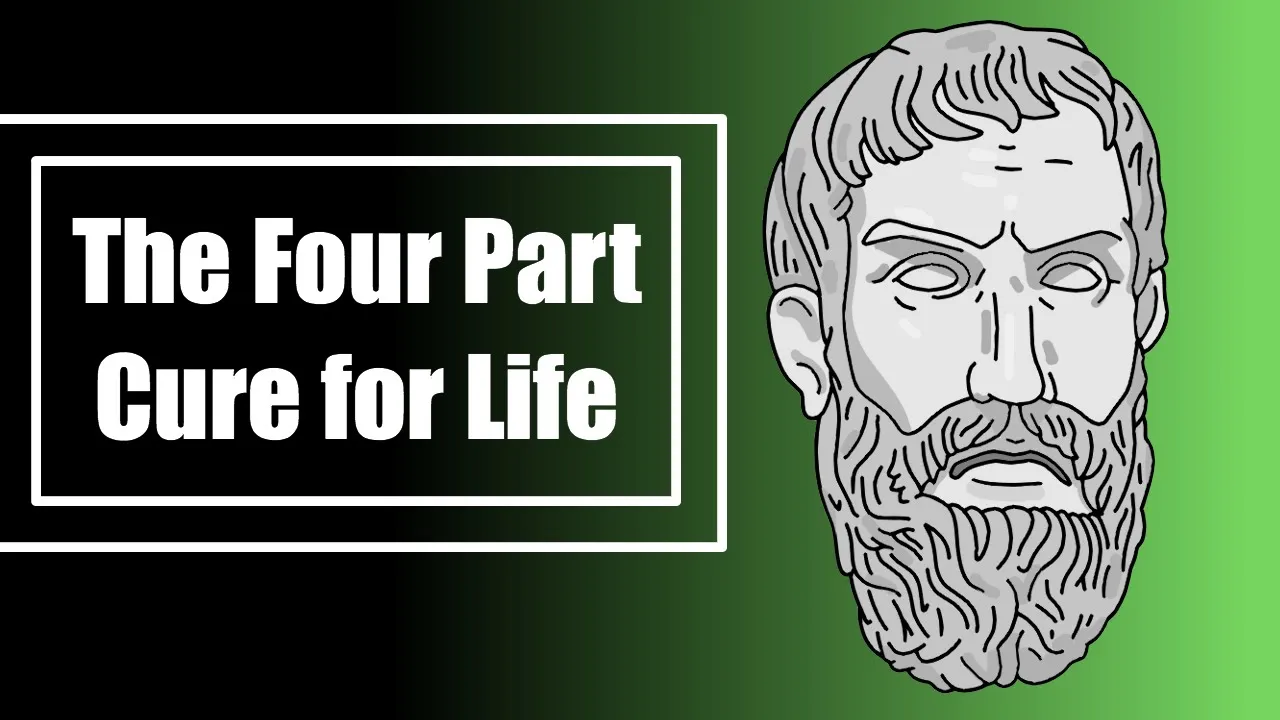
Epicurean Ethics: The Four-Part Cure for Anxiety
@PhilosophyToons
3.9K views•2020-12-14

164:01
John of Damascus on Holy Images: A Theological Defense
@BannedBooks
139 views•2026-04-25

68:32
Should We Destroy the Machines? Big Tech Surveillance Critique
@TheStoriesWeTell303
167.9K views•2025-11-30
4:57
The Myth of Sisyphus: A Greek Legend of Eternal Punishment
@TEDEd
8.6M views•2018-11-13
Related Study Plans & Knowledge Roadmaps
Structured learning paths in Philosophy
philosophy
Frankfurt School: Critical Theory & Culture
01Foundations of the Frankfurt School and Critical Theory
02Horkheimer & Adorno: The Critique of Instrumental Reason
03The Culture Industry and Mass Deception
+ 2 more learning modules
12h5 modules
Explore Roadmap
philosophy
Philosophy of Language: From Frege to Austin
01The Linguistic Turn: An Introduction to Language in Philosophy
02Gottlob Frege: Sense and Reference
03Early Wittgenstein: The Picture Theory of Meaning
+ 3 more learning modules
15h6 modules
Explore Roadmap
philosophy
Feminist Epistemology: Standpoint & Injustice
01Introduction to Epistemology and Feminist Critiques
02Sandra Harding and Standpoint Theory
03Donna Haraway and Situated Knowledges
+ 2 more learning modules
12h5 modules
Explore Roadmap
philosophy
Environmental Philosophy: Ethics & Deep Ecology
01Foundations of Environmental Ethics & Anthropocentrism
02Biocentric Individualism and Animal Liberation
03Ecocentric Holism and Deep Ecology
+ 1 more learning modules
10h4 modules
Explore Roadmap