PET (Polyethylene Terephthalate) is a versatile polyester polymer with the chemical formula C10H8O4, synthesized from ethylene glycol and terephthalic acid; it is widely used in packaging (water bottles, beverage containers), textiles (polyester fabrics), electronics, and automotive industries due to its high mechanical strength, chemical resistance, thermal stability (withstanding temperatures from -40°F to 145°F), and recyclability, making it an essential material in modern daily life.
Understanding PET: Polyethylene Terephthalate Structure and Uses
Added:Deep Dive
Basic Polymer Chemistry: Understanding monomers, polymers, and the fundamental differences between addition and condensation polymerization.

Chemistry Polymer Chapter | Question On Polymer Chapter | Science Class for Bihar Daroga
19.5K
Polymers are large molecules formed by joining many small repeating units called monomers. The instructor uses the analogy of bricks (monomers) building a house (polymer) to explain this concept. Polymers are classified into natural (occurring in nature) and synthetic (man-made in laboratories). Natural polymers include proteins (made from amino acids), cellulose (the most abundant organic compound in nature, made from glucose), and starch (a polysaccharide made from glucose). Cellulose forms plant cell walls, while starch serves as energy storage in plants. Silk and wool are protein-based natural polymers. Natural fibers like cotton and linen are cellulose-based. Natural rubber is a polymer of isoprene obtained from the latex of rubber trees. Synthetic polymers are man-made through chemical processes in laboratories. Common examples include PVC (made from vinyl chloride), polystyrene (made from styrene), and Bakelite (made from phenol and formaldehyde). Synthetic fibers include nylon (made from caprolactam for Nylon 6, or hexanedioic acid and hexanediamine for Nylon 66), Kevlar (used in bulletproof gear), and Lexan (polycarbonate for bulletproof windows). Rayon is a semi-synthetic fiber made from cellulose, sometimes called artificial silk. Polymers can be classified by their molecular structure: linear polymers have straight chains (examples: polyethylene, PVC, polystyrene), branched polymers have side chains (examples: starch, glycogen, low-density polyethylene), and cross-linked polymers have network structures with bonds connecting different chains (examples: Bakelite, melamine). Addition polymerization (chain growth) involves adding monomers one at a time without losing any atoms, using only one type of monomer (examples: PVC, Teflon, polyethylene). Condensation polymerization (step growth) involves joining monomers with the loss of small molecules like water, using multiple monomer types (examples: Nylon 66, Bakelite). Polymers are also classified by thermal behavior: thermoplastics can be melted and reshaped multiple times (examples: polyethylene, PVC, polystyrene), thermosetting polymers cannot be remelted once set (examples: Bakelite), and elastomers have elastic properties and return to their original shape after deformation (examples: natural rubber). Natural rubber is a polymer of isoprene obtained from the latex of rubber trees. Vulcanization (adding 3-5% sulfur) increases its strength and elasticity. Synthetic rubbers include Buna-S (butadiene and styrene), Buna-N (butadiene and acrylonitrile), and chloroprene-based rubbers.
Click to watch →

LMR SERIES | INTRODUCTION OF POLYMER CHEMISTRY | ONE SHOT LECTURE | ALL ABOUT CHEMISTRY |
27.4K
Polymers are high molecular weight compounds formed by combining small molecules called monomers. The term derives from Greek words meaning 'many parts.' Classification includes: (1) Source-based: Natural polymers from plants/animals (cellulose, proteins); Synthetic polymers artificially prepared (polyethylene, PVC); Semi-synthetic polymers modified from natural sources (rayon). (2) Structural classification: Fibers (thread-like, high tensile strength), Thermoplastics (remoldable on heating), Thermosetting polymers (permanent hardening), and Elastomers (elastic, stretchable). Understanding these fundamentals provides the conceptual framework for studying polymer chemistry.
Click to watch →

Polymers Part 1- An Introduction
60.9K
Polymers are long chains of 1D covalently bonded molecules. Three common synthetic polymers include polyethylene, PVC, and polypropylene, which share similar structures with only one substituent differing. Polymer chains are loosely coiled due to carbon-carbon bond rotation at 109° angles, creating multiple 3D configurations. Key terminology includes: monomer (unreacted building block), mer (repeating unit after reaction), and polymer (entire chain). The degree of polymerization (n) measures the number of mer units per molecule and equals polymer molecular weight divided by mer molecular weight.
Click to watch →
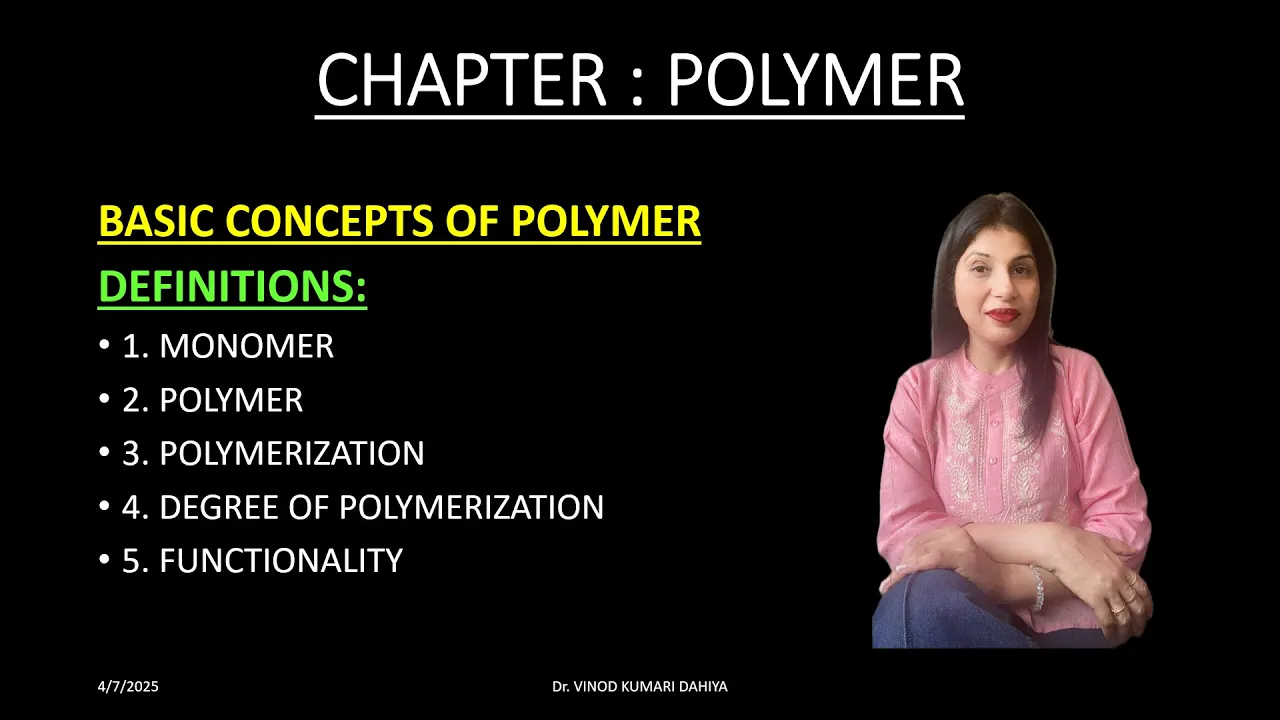
L1- BASIC CONCEPTS OF POLYMER
546
A polymer is a very large molecule (macromolecule) formed by the joining together of many monomeric units through covalent bonds, with the process called polymerization; monomers are the smallest repeating structural units that give rise to polymers, and the degree of polymerization indicates the number of monomeric units in a polymer chain (2-10 units = oligomer, >10 units = high polymer); functionality refers to the number of bonding sites in a monomer, which must be at least two for polymerization to occur.
Click to watch →
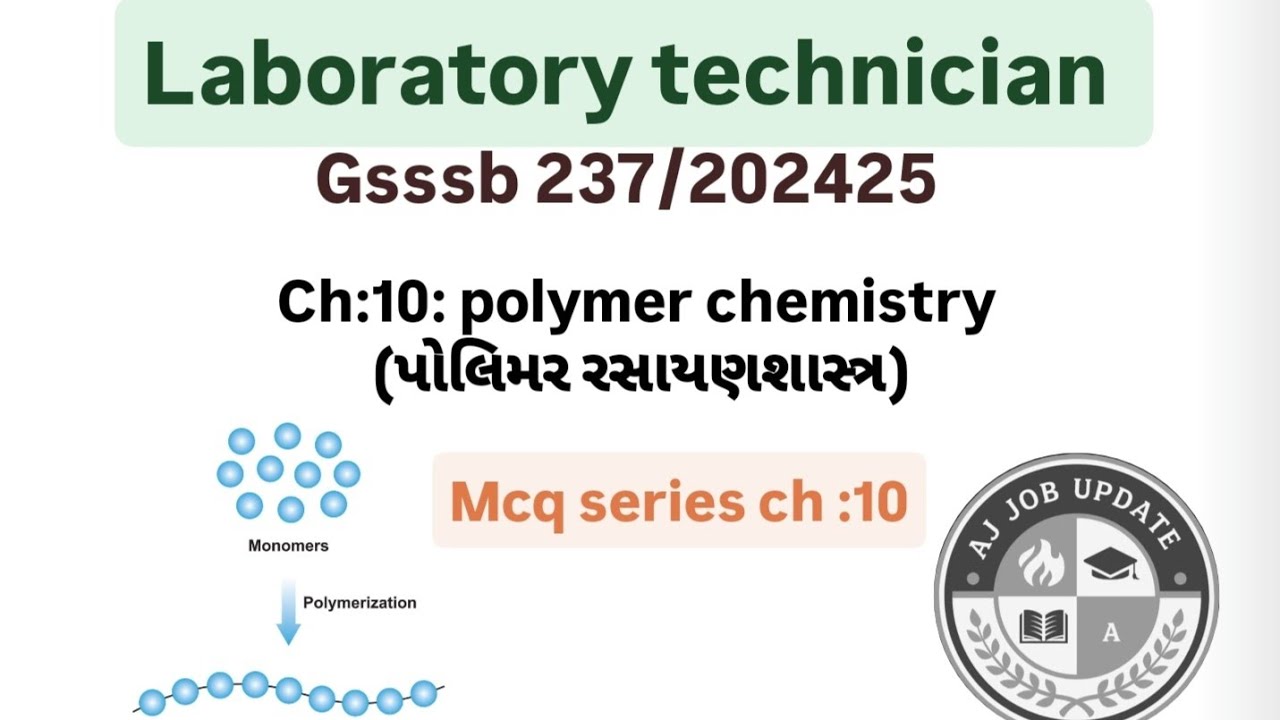
Ch: 10: Polymer chemistry (પોલિમર રસાયણશાસ્ત્ર)#gsssb#laboratorytechnician #gpsc
473
This section covers the foundational concepts of polymer chemistry including monomers as small building blocks that join to form polymers, the polymerization process, and classification methods based on source (natural vs synthetic), structure, and properties. It explains thermoplastic polymers that soften when heated and thermosetting polymers that harden permanently. The section details free radical polymerization as a chain growth mechanism with initiation, propagation, and termination stages, using benzoyl peroxide as an initiator. It distinguishes addition polymerization (no byproducts) from condensation polymerization (with byproducts like water), and covers ionic polymerization types including cationic (electron-rich monomers, BF3 catalyst) and anionic (electron-withdrawing groups, basic medium) polymerization.
Click to watch →
Deep Dive
Organic Chemistry Functional Groups: Familiarity with esters, carboxylic acids, and alcohols, which are key to understanding polyester formation.
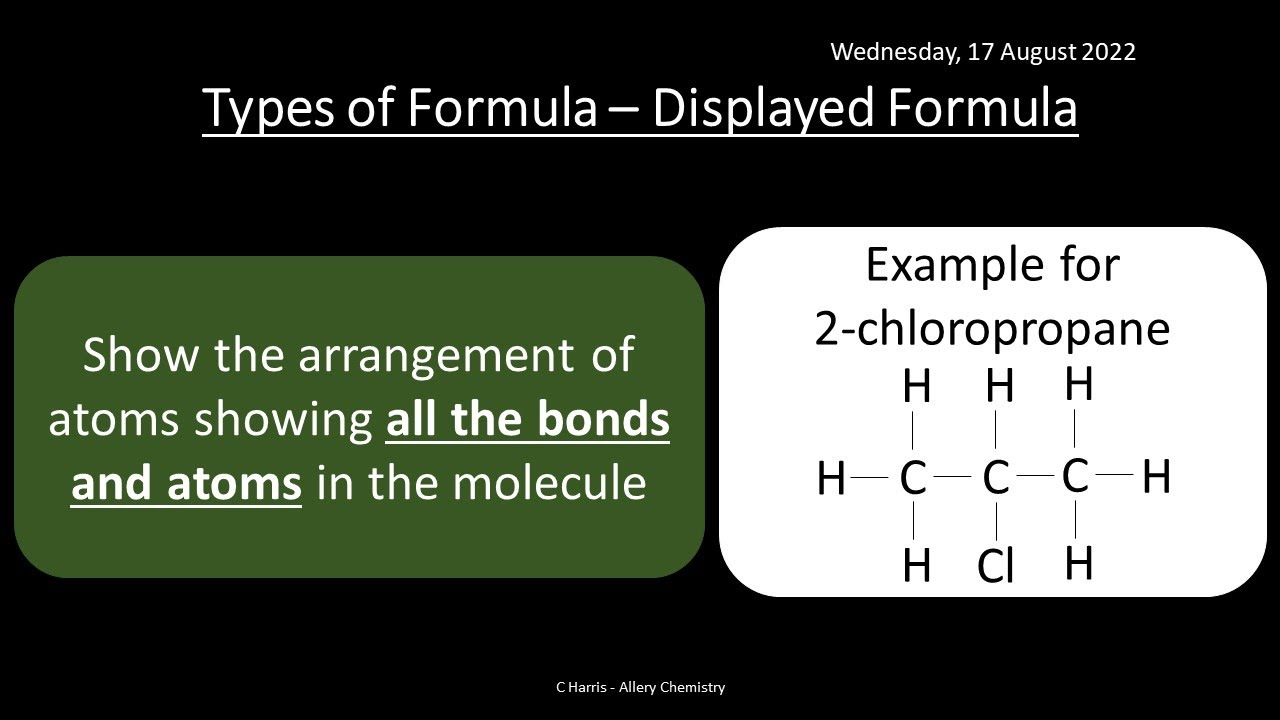
CIE Topic 13 An Introduction to AS Level Organic Chemistry REVISION
44.5K
Functional groups are specific groups of atoms within molecules that determine their chemical reactivity. Key functional groups include: alkanes (single-bonded hydrocarbons ending in -ane), alkenes (double-bonded hydrocarbons ending in -ene), alcohols (OH group ending in -ol or hydroxy), haloalkanes (halogen atoms attached, named with fluoro-, chloro-, bromo-, iodo- prefixes), ethers (oxygen between two alkyl groups, called alkoxy), amines/amino groups (NH2 ending in -amine), aldehydes (CHO group ending in -al), carboxylic acids (COOH group ending in -oic acid), esters (RCOO-R' ending in -oate), ketones (C=O group ending in -one), and nitriles/cyanides (CN group ending in -nitrile or -cyano).
Click to watch →
Органическая химия с нуля | Химия ЕГЭ | Умскул
146K
Functional groups are specific groups of atoms within molecules that are responsible for characteristic chemical reactions. Common functional groups include: (1) Hydroxyl group (-OH) in alcohols and phenols; (2) Aldehyde group (-CHO) in aldehydes; (3) Carbonyl group (=O) in ketones; (4) Carboxyl group (-COOH) in carboxylic acids; (5) Ester group (-COO-) in esters; (6) Amino group (-NH2) in amines. The presence of these groups determines a compound's classification and reactivity.
Click to watch →

ORGANİK KİMYA FONKSİYONEL GRUPLAR
593
The main functional groups include: (1) Hydroxyl group (-OH), (2) Alkoxy group (-OR), (3) Halogen group (-F, -Cl, -Br, -I), (4) Carbonyl group (C=O), (5) Carboxyl group (-COOH), (6) Amino group (-NH2), (7) Nitro group (-NO2), and (8) Phenyl group (benzene ring). These groups are fundamental to organic chemistry and determine the properties of organic compounds.
Click to watch →

BPSC BPSC TRE | Chemistry - Organic | BPSC Daily Live Classes
190
Functional groups are specific groups of atoms within molecules that are responsible for the characteristic chemical reactions of those molecules. Common functional groups include: Alkane (single bonds between carbon atoms, general formula CnH2n+2), Alkene (carbon-carbon double bond, general formula CnH2n), Alkyne (carbon-carbon triple bond, general formula CnH2n-2), Ketone (carbonyl group C=O with two carbon atoms attached), Aldehyde (carbonyl group C=O with at least one hydrogen atom attached), Carboxylic acid (carboxyl group COOH), Ester (carbonyl group bonded to an oxygen atom), Amine (amino group NH2), and Alcohol (hydroxyl group OH). These functional groups determine the chemical properties and reactivity of organic compounds.
Click to watch →

Introducción a la QUÍMICA ORGÁNICA
1.3K
A functional group is a specific group of atoms responsible for characteristic chemical reactions. Key functional groups include: (1) Alcohols (-OH on saturated carbon); (2) Phenols (-OH on aromatic ring); (3) Ethers (R-O-R); (4) Aldehydes (R-CHO, terminal carbonyl); (5) Ketones (R-CO-R, internal carbonyl); (6) Carboxylic acids (R-COOH, terminal); (7) Esters (R-COO-R'); (8) Amines (R-NH2, R2NH, R3N); (9) Amides (R-CO-NH2); (10) Nitriles (R-CN).
Click to watch →
Deep Dive
Intermolecular Forces: How molecular alignment and van der Waals forces or dipole-dipole interactions influence polymer properties.

Intermolecular Forces | Chemistry
276.2K
Intermolecular forces are the attractive or repulsive forces between molecules of a compound, holding them together. These forces exist between molecules, not atoms. All intermolecular forces are electrostatic and natural—opposite charges attract while like charges repel. At college level, three types are studied: hydrogen bonding (in H₂O, HF, NH₃), dipole-dipole forces (in polar molecules like HCl, SO₂), and London dispersion forces (in non-polar molecules like H₂, F₂, Cl₂, O₂). Intermolecular forces only exist in non-metals; metals contain intramolecular forces like metallic bonds instead.
Click to watch →

Intermolecular Forces Grade 11 Chemistry
136.6K
Intermolecular forces are attractive forces between molecules that arise from charge distributions, and they include five main types: ion-dipole forces (between ions and polar molecules), ion-induced dipole forces (between ions and non-polar molecules), dipole-dipole forces (between polar molecules), dipole-induced dipole forces (between polar and non-polar molecules), and London dispersion forces (between non-polar molecules); hydrogen bonding is a special type of dipole-dipole force that occurs when hydrogen is bonded to nitrogen, oxygen, or fluorine, and it is the strongest of all intermolecular forces.
Click to watch →

AQA A-Level Chemistry - Intermolecular Forces
256.5K
Intermolecular forces are attractive forces between molecules, distinct from intramolecular forces (covalent, ionic, metallic bonds) that hold atoms within molecules. Three main types exist: Van der Waals forces (weakest), dipole-dipole interactions, and hydrogen bonding (strongest). All intermolecular forces are much weaker than proper chemical bonds but significantly influence physical properties like melting and boiling points.
Click to watch →

STATES OF MATTER in 50 Minutes || Complete Chapter For JEE Main/Advanced
206.1K
Intermolecular forces are attractive forces between molecules. There are three main types: (1) Dipole-dipole forces occur between polar molecules and depend on dipole moment; (2) Dipole-induced dipole forces occur when a polar molecule induces a temporary dipole in a non-polar molecule; (3) London dispersion forces (Van der Waals forces) occur between non-polar molecules and are the weakest. The strength order is: London forces < Dipole-induced dipole < Dipole-dipole. These forces determine physical properties like boiling point and viscosity.
Click to watch →

Zwischenmolekulare Kräfte - Chemie
76K
Intermolecular forces are attractive forces between molecules that differ fundamentally from chemical bonds, which involve electron sharing between atoms. Three main types exist: London dispersion forces (present in all molecules), dipole-dipole interactions (between polar molecules), and hydrogen bonding (a special dipole-dipole case). London forces arise from temporary electron fluctuations creating instantaneous dipoles. Nonpolar molecules lack permanent dipoles due to symmetric electron distribution. Understanding these forces explains macroscopic phenomena like surface tension and capillary action.
Click to watch →
Deep Dive
Basic Materials Science: Concepts of amorphous versus semi-crystalline structures in solid-state materials.
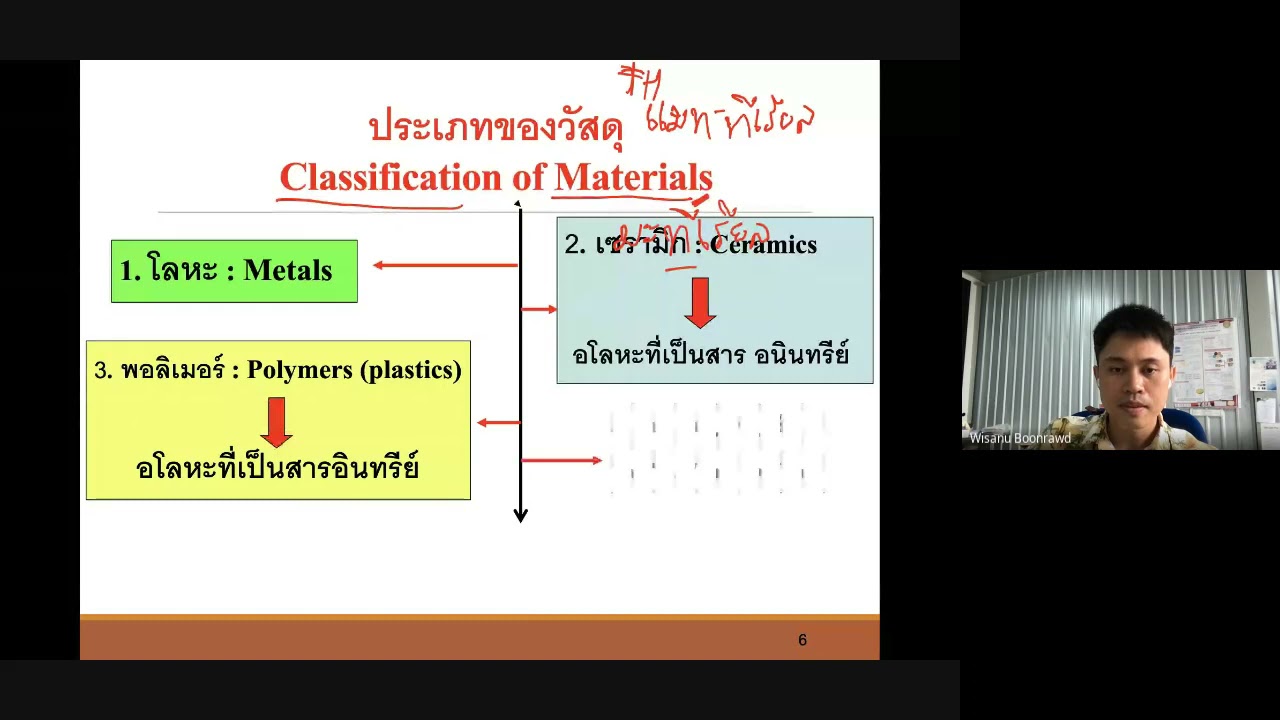
Chapter 1 and Introduction - Engineering Materials BUU (1 DEC 2021)
19.6K
Engineering applies basic sciences to create benefits for humanity. Materials are substances transformed into products using engineering science. Materials differ based on composition, manufacturing process, and microstructure, which collectively determine properties. The core elements of materials science are composition, process, microstructure, and properties. Engineers select materials by determining required composition, choosing appropriate processes, and adjusting to achieve desired microstructure, which then determines final properties.
Click to watch →

Dr. Robert Pond, Sr. "Fun With Metals" - 1988
27.1K
This comprehensive section covers foundational materials science concepts essential for understanding metallic materials. It begins with defining metals as elements possessing specific properties including shininess, strength, crystalline structure, heaviness, and conductivity. Alloys are defined as combinations of metals with other elements, exemplified by steel (iron + carbon). The lecture emphasizes that effective teaching requires establishing common language between teacher and learner. All solid metals are crystalline, though crystals are typically microscopic—a stainless steel knife contains ~25,000 crystals. Isotropic materials show identical properties in all directions, while anisotropic materials exhibit directional variations. Dendrites are tree-like crystalline structures formed during solidification, observable in galvanized steel, window frost, and ice cream spoons. The lecture introduces the concept of 'Amos'—individuals who passively observe without truly seeing—and advocates for active scientific observation of everyday phenomena.
Click to watch →
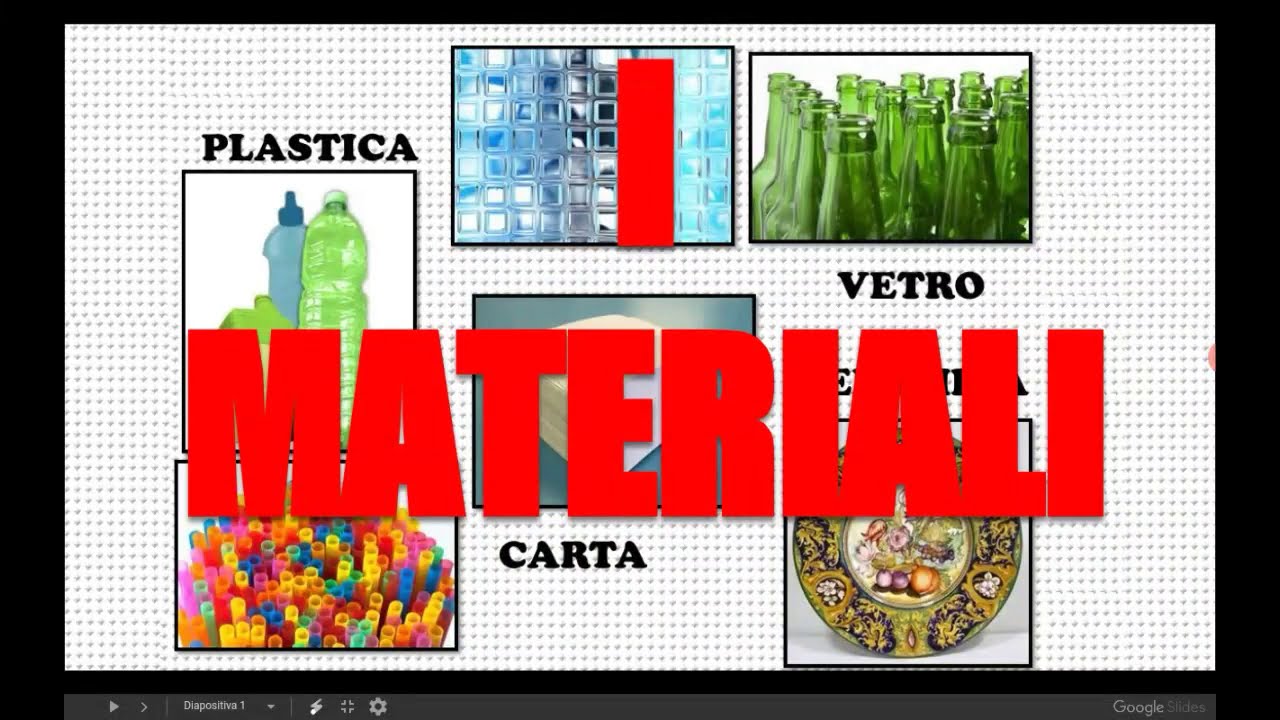
Tecnologia1: A1: I materiali
3.7K
Materials originate from biological sources (animals, plants like wool) or mineral sources (ground extraction like iron). Raw materials are classified as renewable (short formation time, e.g., basil leaves) or non-renewable (long formation time, e.g., rubber). Processing methods include forming (stamping), subtractive (turning), and additive (welding). Products range from semi-finished (aluminum bars) to components (bicycle chains) to finished goods (glass cups). Materials possess physical properties (appearance, specific weight, conductivity, thermal expansion) and mechanical properties (hardness, toughness, strength) that determine their behavior under various conditions.
Click to watch →

Most Important MCQs Marathon of General Science for HP Patwari / JOA(IT) Exams 2026 based on HPRCA
150
This section covers fundamental chemistry concepts including: (1) Banyan tree's unique root system where roots grow from branches into soil; (2) Electric bulb filaments made of tungsten due to its high melting point; (3) Brass discoloration caused by hydrogen sulfide in air; (4) Bromine as a reddish-brown liquid at room temperature (one of only two liquid elements); (5) Chlorophyll's magnesium central ion in its porphyrin structure; (6) Graphite used in pencils due to its layered structure; (7) Mercury's ability to form amalgams with most metals; (8) Water's chemical formula H2O; (9) Nitrogen gas in electric bulbs to prevent filament burning; (10) Washing soda as sodium carbonate decahydrate; (11) Quartz crystals (silicon dioxide) in clocks due to piezoelectric properties; (12) Hydrogen not being a greenhouse gas; (13) Diamond as the hardest known substance; (14) Peat as coal variety with plant traces; (15) Tetraethyllead as petrol additive; (16) Graphite as lubricant due to weak interlayer bonds; (17) Helium in deep-sea diving to reduce decompression sickness; (18) Oxygen and acetylene for welding; (19) Deliquescence as moisture absorption until dissolution; (20) Silicon carbide for cutting hard substances; (21) Sea water salinity at 3.5%; (22) Iron rusting causing weight increase due to oxygen addition; (23) Galvanized iron coated with zinc for rust protection; (24) Carbon allotropes (diamond and graphite) with different properties; (25) Transition metals (iron, cobalt, nickel); (26) Heavy water as deuterium oxide; (27) Ethyl mercaptan added to LPG for odor detection; (28) Hydrogen as common element in all acids; (29) Teflon coating for non-stick cookware; (30) Monazite as thorium ore; (31) Potassium nitrate in fertilizers; (32) Washing soda for permanent water hardness removal; (33) Soda water containing carbonic acid; (34) Bauxite as primary aluminum ore; (35) Sugar as most water-soluble substance; (36) Helium first discovered in Sun's chromosphere; (37) Only bromine and mercury liquid at room temperature; (38) Sodium stored in kerosene to prevent oxidation; (39) Gun metal as copper-tin-zinc alloy; (40) Radium obtained from pitchblende; (41) Laughing gas as nitrous oxide; (42) Actinides with atomic numbers 89-103; (43) Silicon and germanium for transistors; (44) Barium compounds producing green flame in fireworks; (45) Potassium permanganate as oxidizing agent for water purification; (46) Diamond as carbon allotrope; (47) Marsh gas as methane; (48) LPG composition of methane, propane, and butane; (49) Air as mixture of gases; (50) CFC gases banned in refrigerators due to ozone depletion; (51) Helium for balloons due to non-flammability; (52) Lead as major air pollutant from industrial sources; (53) Bell metal as tin-copper alloy; (54) Water as good solvent due to high dipole moment; (55) Pearl composition of calcium and magnesium carbonates; (56) Amalgams as mercury-containing alloys; (57) Lithium as lightest metal; (58) Mercury as only liquid metal at room temperature; (59) Potassium permanganate for water purification; (60) Diamond as element (carbon); (61) Decibel as sound intensity unit; (62) Falling barometer indicating rain; (63) Fathom as 6 feet depth unit; (64) Light year for stellar distance measurement; (65) Atomic clocks for precise time measurement; (66) 1 km = 0.62 miles conversion; (67) Kilohertz for electromagnetic frequency; (68) Horsepower = 746 watts; (69) Joule = 10^7 ergs; (70) Kilowatt for power measurement; (71) Ammeter for electric current measurement; (72) Chronometer for time measurement; (73) Nautical mile for navigation; (74) Knot as ship speed unit; (75) Ordinary water as nuclear reactor moderator; (76) Alpha particles as positively charged radioactive particles; (77) Atoms composed of electrons and nucleus; (78) Atomic explosions from mass-energy conversion; (79) Isotope separation by distillation; (80) Mesons found in cosmic rays; (81) Thorium as radioactive building pollutant; (82) Visible spectrum 3900-7600 angstroms; (83) Alpha particles least penetrating radiation; (84) Uranium-235 for chain reactions; (85) Uranium-lead dating for geological formations; (86) Most atomic mass in nucleus; (87) Solar spectrum dark lines from outer layer absorption; (88) Nuclear binding force as exchange force; (89) Pauli Exclusion Principle for electron configuration; (90) Molecule as smallest independently existing particle.
Click to watch →

Building Materials- MPSC MES MAINS- MHADA JE-MHADA AE
23.8K
Building materials science encompasses cement chemistry, brick properties, stone classification, and timber characteristics. Cement composition includes silica, iron oxide, and lime affecting plasticity. Gypsum controls setting time. Bricks require 10.5 N/mm² minimum strength with 190×90×90mm standard size. Stones classify as igneous, sedimentary, or metamorphic. Timber distinguishes between coniferous (softwood) and hardwood. Understanding these fundamentals enables proper material selection for construction applications.
Click to watch →
Prerequisite Knowledge
- Concept 01Basic Polymer Chemistry: Understanding monomers, polymers, and the fundamental differences between addition and condensation polymerization.
- Concept 02Organic Chemistry Functional Groups: Familiarity with esters, carboxylic acids, and alcohols, which are key to understanding polyester formation.
- Concept 03Intermolecular Forces: How molecular alignment and van der Waals forces or dipole-dipole interactions influence polymer properties.
- Concept 04Basic Materials Science: Concepts of amorphous versus semi-crystalline structures in solid-state materials.
Subsequent Learning
- Step 01Advanced Recycling Technologies: Comparing mechanical recycling of PET with chemical recycling processes like glycolysis, methanolysis, and hydrolysis.
- Step 02Bioplastics and Sustainable Alternatives: Studying bio-based PET and biodegradable polymers like Polylactic Acid (PLA) as alternatives.
- Step 03Polymer Degradation and Bioremediation: Investigating how PET degrades in the environment and the biochemistry of PET-digesting enzymes like PETase.
- Step 04Industrial Polymer Processing: Exploring the engineering mechanics of stretch blow molding, extrusion, and fiber spinning used to manufacture PET products.
- Step 05Thermal Analysis of Polymers: Utilizing techniques such as Differential Scanning Calorimetry (DSC) to determine the glass transition temperature (Tg) and melting point (Tm) of PET.
PET Basics
Uses & Recycling
PET Basics
0:03Playing Section
- 1
Defines PET as a versatile polyester polymer used broadly.
- 2
Highlights key properties from chemical structure and composition.
- 3
Notes its adaptability across multiple manufacturing processes.
The Limits of PET Recyclability: Downcycling, Microplastics, and Chemical Leaching
While PET is widely celebrated for its efficiency and recyclability, environmental scientists and materials engineers raise critical concerns about its long-term sustainability. Mechanical recycling of PET is actually 'downcycling,' as each cycle degrades the polymer chains, meaning it can only be reprocessed a finite number of times before ending up in landfills. Additionally, the breakdown of PET textiles and packaging is a major contributor to global microplastic pollution. Chemically, the common use of antimony-based catalysts in PET synthesis raises concerns about toxic heavy metals leaching into bottled contents under heat or UV exposure. Critics argue that focusing on PET's recyclability fosters a false sense of sustainability that encourages continued fossil-fuel reliance, advocating instead for truly circular bio-based alternatives like Polyethylene Furanoate (PEF) or zero-waste reusable packaging systems.
Deep Dive
Advanced Recycling Technologies: Comparing mechanical recycling of PET with chemical recycling processes like glycolysis, methanolysis, and hydrolysis.

Amazing Recycling Machines That Are At Another Level
1.5M
This video showcases advanced recycling technologies including automated beverage container sorting machines with sensor-based classification, tire shredding and baling equipment capable of processing up to 12 tons of rubber per hour, hydraulic balers producing 7,000 kilonewtons of force for compacting cardboard and domestic waste, and complete plastic recycling systems that transform post-consumer bottles into reusable pellets through washing, shredding, and chemical processing stages.
Click to watch →
The Future of Recycling 2040 | BIR, UAE | Matthew Griffin | Futurist Keynote Speaker
116.2K
The recycling industry is experiencing a technological renaissance driven by multiple converging innovations. In biological recycling, synthetic biology is replacing toxic chemical processes with genetically modified bacteria that produce biogas, bioplastics, and recover rare earth elements from slag heaps. Novel AI-designed enzymes can break down plastics without chemicals, with development cycles reduced from months to just two hours. Chemical recycling has seen breakthroughs using amine and trone catalysts that reduce energy requirements by up to 80%. In mechanical recycling, AI-enhanced eddy current separators improve non-ferrous material sorting accuracy. For metal recycling, new electrode coatings, 3D-printed electrodes with massive surface areas, and hybrid separation technologies combining ion exchange membranes and solvent extraction are dramatically improving recovery rates. These advances enable recyclers to handle complex materials like carbon fiber composites, lithium-ion batteries, and multi-layer plastics that were previously considered non-recyclable, fundamentally expanding the scope and economics of resource recovery operations.
Click to watch →
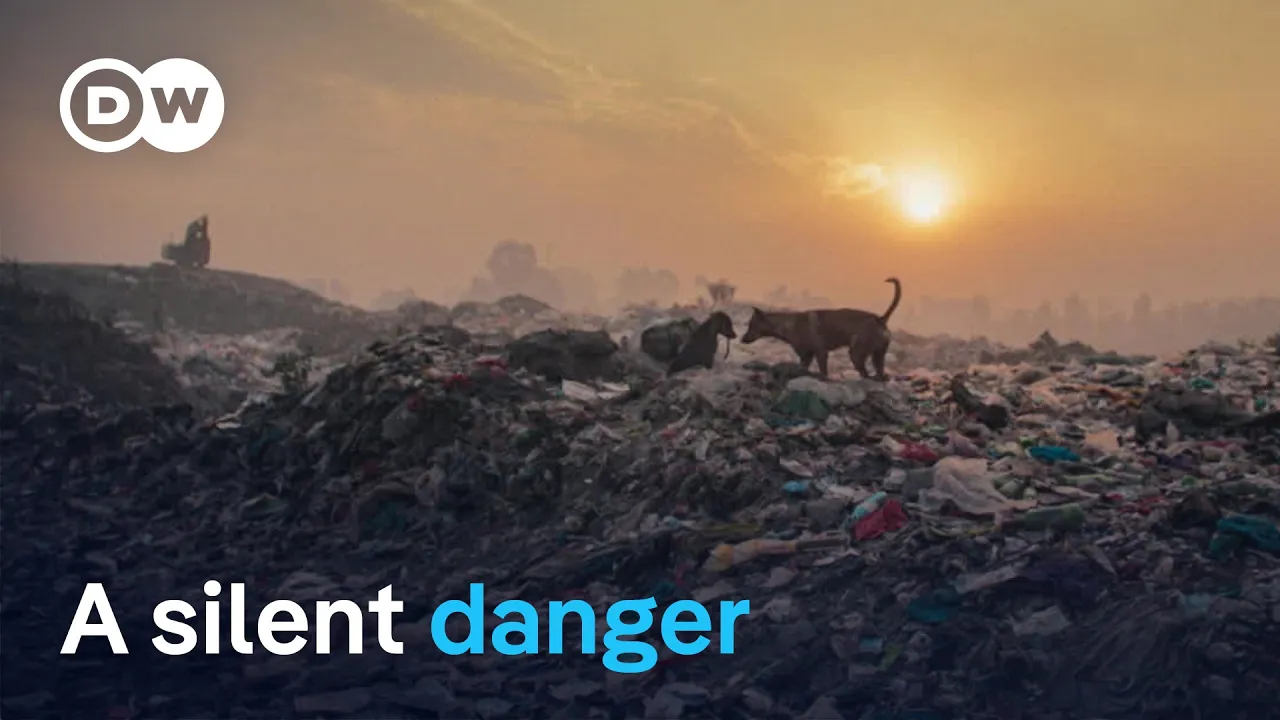
How the world is choking on plastic | DW Documentary
136.9K
Advanced recycling, also known as chemical recycling, employs technologies like pyrolysis and gasification to break down difficult-to-recycle plastics (such as food packaging pouches and foam containers) into their basic building blocks for reuse. This addresses limitations of mechanical recycling processes.
Click to watch →
E-Waste Recycling Innovations: From Solar Panels to Smartphones
255.4K
Solar modules contain valuable raw materials including silicon and silver that can be recovered through advanced recycling technologies. Traditional shredding processes only recover poor-quality aluminum and glass, losing valuable materials in the process. New techniques involve heating modules to 200°C to loosen adhesives and cleanly separating glass for reuse in manufacturing bottles and jars. The remaining conductive layers contain approximately 14 grams of silver per module, with specialized machines scraping away plastic and grinding off silver tracks to produce recoverable silver dust. With 700 tons of silver potentially recoverable from Germany's expected one million tons of old modules by 2030, this represents nearly half the annual global solar industry demand. Silicon recovered from modules can be processed into metallurgical silicon pellets for reuse. These technologies address both environmental concerns and strategic dependencies on raw material imports, particularly given Europe's limited domestic silicon production capacity.
Click to watch →

Akku-Recycling: Das schmutzige Geheimnis der E-Mobilität
193.3K
This section explores direct recycling as a third approach preserving electrode materials without complete decomposition, though it requires specific chemistry adaptation. The section presents research findings showing recycling achieves 58-81% lower CO2 intensity, 72-88% less water use, and 77-89% lower energy consumption compared to primary raw material extraction. It addresses EU policy challenges, noting that regulations rest on flawed assumptions about insufficient recycling rates and premature mandates for recycled content before domestic battery production capacity exists. The section explains why European recyclers face economic disadvantages against Chinese competitors (up to 80% cheaper materials) and highlights the importance of building European battery expertise for competitive recycling industries.
Click to watch →
Deep Dive
Bioplastics and Sustainable Alternatives: Studying bio-based PET and biodegradable polymers like Polylactic Acid (PLA) as alternatives.

Adictos al plastico
203.9K
Bioplastics offer promising alternatives to petroleum-based plastics. NatureWorks produces PLA from corn, which can be used for food packaging, bottles, and various products. Major companies like Sony are incorporating bioplastics into electronics. Biodegradable plastics like Plantic can dissolve in water and break down into CO2 and water within 8 weeks without harming marine life. Research shows sufficient arable land exists to produce 60 million tons of bioplastics annually in Europe, compared to current consumption of 40 million tons. Alternative feedstocks include orange peels, maple syrup, and even chicken feathers, demonstrating the potential for diverse, sustainable plastic alternatives.
Click to watch →

43. ☢️EL TOXICO que tienes en CASA lo usas cada día Y NO TE DAS CUENTA...
1.6K
Bioplastics represent a promising sustainable alternative to petroleum-based plastics. They are made from renewable materials and are biodegradable and recyclable. The main types include PLA (polylactic acid from corn starch and sugarcane), BioPE (from sugarcane, sugar beets, and grains), and BioPET (70% lactic acid, 30% ethylene glycol from renewable sources). While BioPET is not biodegradable, it can be recycled using the same process as conventional PET. Consumers should look for bioplastics labeled BioPET, BioPE, or BioP, or choose containers with codes 1, 2, 4, or 5 to minimize exposure to harmful substances.
Click to watch →

MOSTRATEC 2025 - VITALIDADE - BIOPLÁSTICOS: UMA ALTERNATIVA SUSTENTÁVEL
123
This segment introduces bioplastics as sustainable alternatives to conventional plastic, which is identified as a major environmental problem. Students from Colégio São Luís developed bioplastics using corn starch and cassava starch as main bases, with beetroot juice for sustainable coloring. The project began in April 2025 and involved iterative experimentation where students adjusted recipes, discovering that glycerin quantity significantly affects results. They learned that paper wax doesn't absorb bioplastics properly, requiring alternative drying methods. The segment emphasizes that bioplastics can be made at home using simple ingredients like water, starch, glycerin, and vinegar, with natural colorings from fruits and vegetables.
Click to watch →

New plastic gamechanger. NO FOSSIL FUELS! NO MICROPLASTICS!
198.7K
Bioplastics like PLA (polylactic acid) face insurmountable sustainability challenges despite their renewable appeal. Producing one metric tonne of PLA requires approximately 2.5 tonnes of corn, meaning replacing just 10% of fossil plastics would require land equivalent to England's size—compounding existing pressures from biofuel production. This would trigger massive deforestation and threaten global food security for human consumption and animal feed. More critically, bioplastics like PLA are no more water-soluble than conventional plastics; they simply break down into microplastics in oceans that accumulate in aquatic ecosystems, enter the food chain, and ultimately reach human metabolisms through seafood consumption. These findings reveal that superficially eco-friendly alternatives often create equally problematic environmental outcomes.
Click to watch →

Pioneering possibilities | Future of Bioplastic in India | Praj Industries and Alfa Laval
261
Bioplastics like PLA (polyactic acid) and PHA (polyhydroxyalkanoates) offer sustainable alternatives to fossil-based plastics by being biodegradable and derived from renewable feedstocks such as sugars and starches. Unlike fossil-based plastics that persist in the environment for millions of years and create harmful microplastics, bioplastics break down into natural monomers (like lactic acid, which the human body produces) and convert into carbon dioxide, methane, and microbial cell mass without causing environmental or health harm. While currently representing only 0.5-6% of global plastic production, bioplastics are essential for applications with life cycles under 3-5 years, such as packaging, cutlery, and containers. India has significant potential to become a global hub for bioplastic production due to abundant agricultural feedstocks, skilled workforce, and supportive government policies, though challenges remain in commercialization including production costs, infrastructure readiness, and regulatory frameworks.
Click to watch →
Deep Dive
Polymer Degradation and Bioremediation: Investigating how PET degrades in the environment and the biochemistry of PET-digesting enzymes like PETase.

Ideonella sakaiensis - бактерия, разлагающая пластик
617
Bioremediation uses microorganisms to clean environmental contamination, including heavy metals and plastics. Bacteria can absorb heavy metals and use them for protection against competitors. Scientists discovered that certain fungi (Fusarium species) and bacteria can degrade plastic because it contains hydrocarbon compounds providing energy. Prokaryotes have evolutionary advantages including rapid mutation rates and efficient DNA maintenance systems, allowing them to acquire new metabolic capabilities faster than eukaryotes. The discovery of PETase enzyme, which breaks PET plastic into terephthalic acid and ethylene glycol, represents a breakthrough in understanding how microorganisms can break down synthetic polymers.
Click to watch →

The Most Relaxing Facts About Mushrooms to Fall Asleep To
107
Some fungi can eat plastic, representing one of the most hopeful discoveries in recent years. Researchers have found fungal species capable of digesting polyurethane, polyethylene, and other common plastics. They secrete enzymes that cleave the chemical bonds holding plastic polymers together, transforming them into simpler molecules that the fungi can absorb as food. This process takes weeks or months for significant breakdown to occur. In addition to plastics, fungi can remove heavy metals and toxins from polluted ground. Certain species absorb lead, mercury, cadmium, and other dangerous elements, concentrating them in their tissues. This process called phyto-remediation offers a way to clean up industrial sites, old mines, and areas affected by pollution. The fungi do not destroy the metals but lock them away, removing them from the soil where they might harm plants and animals.
Click to watch →
#85 Biodegradation of Polymers | Polymers Concepts, Properties, Uses & Sustainability
4.8K
Polymers undergo multiple degradation processes in the environment including UV-induced chain incision, oxidation, hydrolysis, and mechanical breakdown from thermal and mechanical loading. Biodegradation fundamentally differs as it involves biological species breaking down polymers through enzymatic action. True biodegradation requires complete biological transformation where microorganisms utilize polymer fragments as food sources, breaking down macromolecules into smaller oligomers and monomers that can be assimilated. The process must produce only carbon dioxide, water, and inorganic minerals without toxic intermediates. Enzymes from biological species are essential indicators distinguishing biodegradation from abiotic degradation processes. Chain cleavage is mandatory because very large macromolecules cannot serve as direct food sources for microorganisms.
Click to watch →
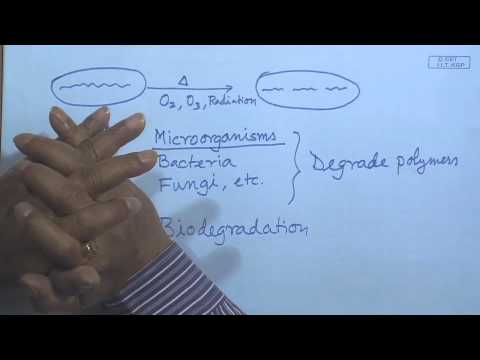
Polymer Environmental Degradation: Mechanisms & Stabilization
1.8K
Polymer degradation occurs through environmental agencies including oxygen, heat, electromagnetic radiation, ozone, humidity, and microorganisms. Chemical degradation breaks polymer chains into shorter fragments through thermal, oxidative, or radiative processes. Biodegradation involves microorganisms like bacteria and fungi consuming polymers, producing CO2 and biomass. Non-biodegradable polymers create severe environmental problems through accumulation in landfills and dumping grounds. Waste management techniques include landfilling, incineration (producing toxic gases), mechanical degradation, and biodegradation. The urgent need for biodegradable polymers emerged from recognizing that conventional hydrocarbon-based materials create long-term environmental nuisances requiring sustainable alternatives.
Click to watch →
Microbial Degradation of Plastics: Biodegradation Pathways & Sustainability
2.9K
This section covers bioremediation and recent research progress. Bioremediation is one of the most recent methods to dispose of plastic waste, involving removal of polluting substances using microorganisms. While recycling and bioplastics can prevent waste from landfills, bioremediation addresses already contaminated environments. Research examples include: (1) 2008 study by Yunnan University testing 59 endophytic fungi for polyurethane degradation, with 18 showing clearance zones and Microascus being the quickest degrader; (2) 2018 study by Dr. Yoshida screening 250 plastic samples, discovering a new species capable of degrading 0.31 mg per cubic meter per day. Microbial degradation is better than physical and chemical methods because it leads to complete degradation and mineralization. Molecular techniques can detect specific microorganisms involved. Biofilms offer bioavailability of nutrients, ensuring efficient metabolism without accumulation of metabolic products, resulting in increased cell viability and degradation efficiency.
Click to watch →
Deep Dive
Industrial Polymer Processing: Exploring the engineering mechanics of stretch blow molding, extrusion, and fiber spinning used to manufacture PET products.
Química de Polímeros - Técnicas de polimerização
17.1K
This concluding section addresses industrial polymer processing technologies. Gas-phase polymerization eliminates solvents entirely, feeding monomers and catalysts directly into reactors. After reaction, degassing removes unreacted monomers by heating, producing fine polymer powders like polyethylene and polypropylene without solvent recovery requirements. Industrial reactors require heating systems (steam jackets, oil baths, electrical resistance), agitation mechanisms (planetary mixers, anchor agitators), and precise temperature control. Emulsion polymerization requires specialized equipment to reduce particle size. Pelletization transforms molten polymer into uniform granules by extruding through dies and cutting with rotating knives. Cold water jets solidify pellets while transporting them to centrifuges that separate water for recirculation, producing dry polymer pellets ready for customer distribution. These integrated processes enable efficient large-scale polymer production.
Click to watch →

Mod-08 Lec-01 Introduction to polymer, Elastomer and Synthetic Fibre, Polymerisation
5.2K
Industrial polymer production employs four major polymerization methods: bulk polymerization (pure monomers, exothermic heat removal challenges), solution polymerization (monomers dissolved in solvents, easier heat removal), emulsion polymerization (emulsified monomers, rapid reactions, higher molecular weights), and suspension polymerization (suspended monomer globules, spherical products). Polymerization reactions are classified as addition polymerization (without small molecule elimination, examples: polyethylene, polypropylene, PVC) and condensation polymerization (with water/ethanol elimination, examples: polyesters, polyamides, polyurethanes). Polymers are classified by molecular architecture: homo polymers (single repeating unit), co polymers (random, alternating, block, graft configurations), linear, branched, cross-linked, and interpenetrating polymers. Molecular weight characterization uses number-average (Mn) and weight-average (Mw) molecular weights. Thermoplastics (polyethylene, polypropylene, PVC, nylon, polyester) soften when heated and can be remolded, while thermosetting resins (phenol formaldehyde, melamine formaldehyde, epoxy, polyurethane) form irreversible three-dimensional networks. Polymer processing methods include blow molding, compression molding, injection molding, extrusion, transfer molding, casting, encapsulation, coating, lamination, and fabrication. India's polymer industry is projected to grow at 13-14% annually, reaching 22 million metric tons by 2015, accounting for 9% of global demand.
Click to watch →

Review: POLYMERS AND COMPOSITE MATERIALS/Telugu
2.1K
Industrial polymer processing transforms raw polymers into useful products through two main approaches: (1) Compounding mixes base polymers with additives (plasticizers for flexibility, fillers for strength, lubricants for processing, colorants for appearance, stabilizers for durability) to achieve desired properties; (2) Molding processes shape polymers: extrusion creates continuous profiles; injection molding produces complex parts under pressure; compression molding applies heat and pressure to pre-formed shapes; transfer molding uses a pot system for thermosets. These technologies enable mass production of polymer components for diverse industries.
Click to watch →
Grupa Azoty - Projekt Polimery Police
3.8K
This segment covers the complete industrial polymer production process from feedstock to finished product. The PDH installation uses UOP's Oleflex technology to convert propane to propylene via catalytic dehydrogenation at over 600°C, achieving 99.6% purity. The PP installation uses Unipol gas-phase polymerization with 6th generation catalysts to produce homopolymers, random copolymers, and impact copolymers. The process includes powder purification, additive mixing, extrusion through 2600-orifice heads, underwater granulation, and mechanical blending in 450-ton silos. This demonstrates the complete chemical manufacturing chain from raw materials to polymer pellets.
Click to watch →

The Power of Plastics: Polymers Past, Present and Future (Dr Rachel Platel - Chemistry)
13.3K
Industrial polymer processing involves heating polymers above their melting point (around 120°C for polyethylene) to create viscous melts. The extrusion blow molding process blows molten polymer into molds to form desired shapes like plastic bags. This technique exploits the high viscosity of melted polymers to create thin-walled containers with consistent wall thickness.
Click to watch →
Deep Dive
Thermal Analysis of Polymers: Utilizing techniques such as Differential Scanning Calorimetry (DSC) to determine the glass transition temperature (Tg) and melting point (Tm) of PET.
04.16 Thermal analysis of polymers - Overview
10.1K
Thermal analysis of polymers involves four primary techniques: DSC (Differential Scanning Calorimetry) for measuring heat flow and detecting phase transitions like melting and crystallization; TGA (Thermogravimetric Analysis) for tracking mass changes during thermal degradation; DMA (Dynamic Mechanical Analysis) for assessing viscoelastic properties through oscillatory deformation; and TMA (Thermomechanical Analysis) for measuring dimensional changes and coefficient of thermal expansion. These instruments operate across temperature ranges from approximately -50°C to 1000°C, with typical heating rates of 10-20°C/min, enabling comprehensive characterization of polymer physical properties.
Click to watch →
04.17 DSC Thermal Analysis of Polymers
13.8K
Differential Scanning Calorimetry (DSC) is a thermal analysis technique that measures heat flow differences between a polymer sample and a reference material as a function of temperature, enabling identification of key thermal transitions including glass transition temperature (Tg), crystallization (exothermic), and melting (endothermic) events; the technique reveals how polymer thermal history affects crystallinity, with quenched samples undergoing cold crystallization before full melting, while slowly cooled samples show complete crystallization without an intermediate crystallization peak, and the melting temperature for polymers is conventionally reported as the peak temperature rather than the onset temperature due to the broad nature of polymer melting transitions caused by molecular weight distribution.
Click to watch →
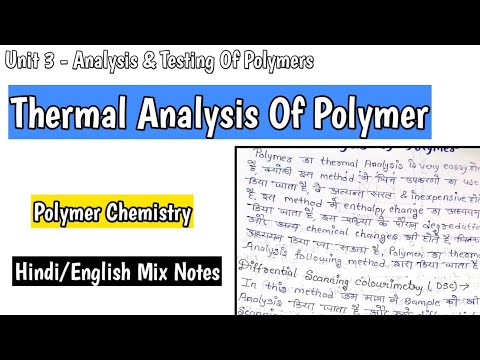
Thermal Analysis Of Polymer in Hindi Notes || MSc 3Sem Polymer Chemistry in Hindi Notes
1.4K
Thermal analysis of polymers involves studying enthalpy changes, degradation, and chemical exchanges during heating using three primary methods: Differential Scanning Calorimetry (DSC) measures specific heat capacity versus temperature to reveal crystalline nature and melting behavior; Differential Thermal Analysis (DTA) compares temperature differences between sample and reference to identify endothermic and exothermic reactions; and Thermogravimetric Analysis (TGA) measures weight changes during heating to determine thermal stability, with different polymers showing characteristic degradation patterns at specific temperatures.
Click to watch →

Webinar Enhance Your Understanding of Polymer Materials with Thermal Analysis September 2024
107
Thermal analysis techniques including Differential Scanning Calorimetry (DSC), Thermogravimetric Analysis (TGA/STA), Thermal Mechanical Analysis (TMA), and Dynamic Mechanical Analysis (DMA) provide essential tools for polymer characterization, enabling identification of polymer resins, quantification of impurities, evaluation of crystallinity and oxidative stability, and troubleshooting production issues in polymer processing and development.
Click to watch →
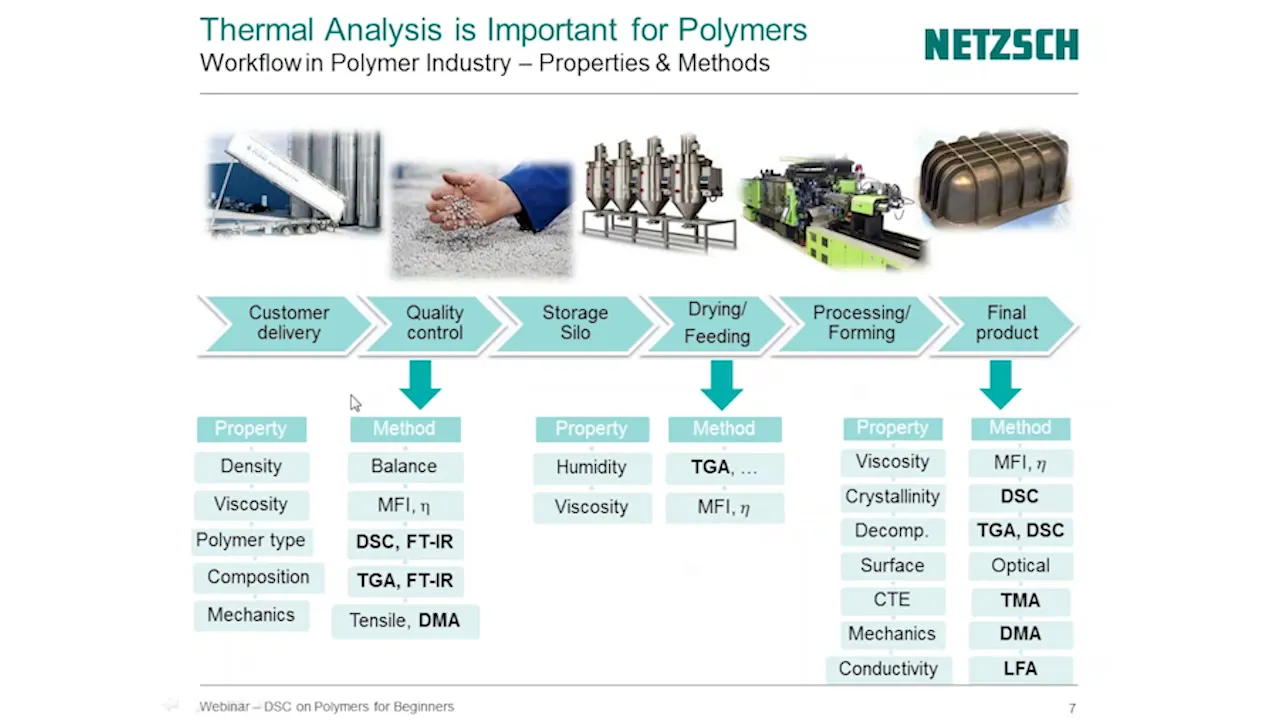
DSC Analysis of Polymers
17.2K
Differential Scanning Calorimetry (DSC) is a thermal analysis technique that measures energy differences between a sample and reference material under controlled temperature programs, enabling characterization of polymer properties including glass transition temperatures, melting behavior, crystallinity, and curing reactions. The heat flux DSC principle involves a single furnace with thermocouples measuring temperature differences between sample and reference crucibles, with calibration using standard materials like indium to convert microvolt signals to joules per gram. DSC applications in polymer science include quality control (identifying material composition and contamination), failure analysis (detecting processing defects and moisture uptake in molded parts), and material development (evaluating crystallinity, oxidative stability, and curing behavior). Modern DSC instruments feature automated evaluation, material identification libraries, and coupling capabilities with other analytical techniques for comprehensive polymer characterization.
Click to watch →
PET Basics
Uses & Recycling
PET Basics
0:03- 1
Defines PET as a versatile polyester polymer used broadly.
- 2
Highlights key properties from chemical structure and composition.
- 3
Notes its adaptability across multiple manufacturing processes.
The Limits of PET Recyclability: Downcycling, Microplastics, and Chemical Leaching
While PET is widely celebrated for its efficiency and recyclability, environmental scientists and materials engineers raise critical concerns about its long-term sustainability. Mechanical recycling of PET is actually 'downcycling,' as each cycle degrades the polymer chains, meaning it can only be reprocessed a finite number of times before ending up in landfills. Additionally, the breakdown of PET textiles and packaging is a major contributor to global microplastic pollution. Chemically, the common use of antimony-based catalysts in PET synthesis raises concerns about toxic heavy metals leaching into bottled contents under heat or UV exposure. Critics argue that focusing on PET's recyclability fosters a false sense of sustainability that encourages continued fossil-fuel reliance, advocating instead for truly circular bio-based alternatives like Polyethylene Furanoate (PEF) or zero-waste reusable packaging systems.
Basic Polymer Chemistry: Understanding monomers, polymers, and the fundamental differences between addition and condensation polymerization.
Organic Chemistry Functional Groups: Familiarity with esters, carboxylic acids, and alcohols, which are key to understanding polyester formation.
Intermolecular Forces: How molecular alignment and van der Waals forces or dipole-dipole interactions influence polymer properties.
Basic Materials Science: Concepts of amorphous versus semi-crystalline structures in solid-state materials.
Advanced Recycling Technologies: Comparing mechanical recycling of PET with chemical recycling processes like glycolysis, methanolysis, and hydrolysis.
Bioplastics and Sustainable Alternatives: Studying bio-based PET and biodegradable polymers like Polylactic Acid (PLA) as alternatives.
Polymer Degradation and Bioremediation: Investigating how PET degrades in the environment and the biochemistry of PET-digesting enzymes like PETase.
Industrial Polymer Processing: Exploring the engineering mechanics of stretch blow molding, extrusion, and fiber spinning used to manufacture PET products.
Thermal Analysis of Polymers: Utilizing techniques such as Differential Scanning Calorimetry (DSC) to determine the glass transition temperature (Tg) and melting point (Tm) of PET.
439 views2likes3:15@Chemistry-For-EveryoneOriginal Release: 2025-03-15
what is pet polyethylene talate if you've ever used a plastic water bottle or worn a polyester shirt you've likely encountered a material called pet or polyethylene talate but what exactly is pet and why is it so widely used let's start with the basics pet is a type of polymer which is a long chain of molecules it belongs to the family of polyesters and is known for its unique combination of properties the chemical formula for pet is C10 h804 and it is made from to main components ethylene glycol and talic acid one of the key reasons pet is so popular is its versatility it can be molded into various shapes and forms using different manufacturing processes like injection molding extrusion blow molding and thermoforming this flexib ility makes it ideal for a wide range of applications in packaging pet is a superstar it's used to make water bottles soft drink bottles and containers for juices and other beverages its high mechanical strength and resistance to chemicals make it perfect for holding liquids without leaking or breaking plus it's a great barrier against water and moisture keeping your drinks fresh pet is also widely used in the textile industry polyester Fabrics made from pet are strong flexible and resistant to wrinkles and shrinkage they are lightweight reduce wind drag and are more resistant to tears compared to Cotton you might have worn clothes made from this material and noticed how durable and easy to care for they are Beyond packaging and textiles pet has many other uses it's used in the electrical and electronics Industry for components like electrical encapsulation solenoids and smart meters due to its good electrical insulating properties and high structural stability in the automotive sector pet is used to make Parts such as wiper Armand gear housings headlamp retainers and engine covers pet is also recyclable which is a significant Advantage recycled pet can be turned into new products like carpets jackets quilt stuffing bags and even new pet bottles this Rec cycling process helps reduce waste and conserve resources in addition to its practical uses pet has some impressive physical properties it can withstand cold temperatures down to around -40° F and has a melting point of 145° f making it suitable for applications that requiring resistance to higher temperatures so the next time you use a plastic bottle or wear a polyester shirt remember that pet is The Versatile and reliable material behind it all its combination of strength durability and recyclability makes it an essential part of our daily lives
Up Next
22:54
Michaelis-Menten Equation: Derivation & Enzyme Kinetics Explained
@NinjaNerdOfficial
1.2M views•2017-04-26
83:56
Biocatalysis and Catalysis in Islatravir Synthesis | Merck Webinar
@SCIwheresciencemeetsbusiness
675 views•2020-10-08

3:15
Melting vs Glass Transition Temperature in Polymers | Key Differences Explained
@Chemistry-For-Everyone
140 views•2025-08-16

17:31
Edible Water Bottles: A DIY Guide to Sodium Alginate Spherification
@ryan
10.5M views•2019-06-21
Related Study Plans & Knowledge Roadmaps
Structured learning paths in Chemistry
chemistry
Nuclear Chemistry: Decay, Meds & Fuel Cycle
01Introduction to Nuclear Structure and Radioactivity
02Decay Dynamics and Kinetics
03Radiation Interaction and Detection
+ 2 more learning modules
24h5 modules
Explore Roadmap
chemistry
Supramolecular Chemistry: Forces & Machines
01Foundations of Chemical Bonding and Intermolecular Forces
02Introduction to Host-Guest Chemistry
03Thermodynamics and Dynamics of Self-Assembly
+ 2 more learning modules
16h5 modules
Explore Roadmap
chemistry
Photochemistry: Excited States & Reactions
01Foundations of Light-Matter Interactions
02Molecular Orbitals and Electronic States
03Photophysical Processes and Jablonski Diagrams
+ 2 more learning modules
18h5 modules
Explore Roadmap
chemistry
Coordination Chemistry: Bonding & Properties
01Introduction to Transition Metals and Ligands
02Crystal Field Theory (CFT) and Geometry
03Magnetic Behavior and Spin States
+ 2 more learning modules
14h5 modules
Explore Roadmap