















![[mágica?] Como aprender DEFNITIVAMENTE os principais acordes no violão.](https://i.ytimg.com/vi_webp/uhST5Q5tH5s/maxresdefault.webp)

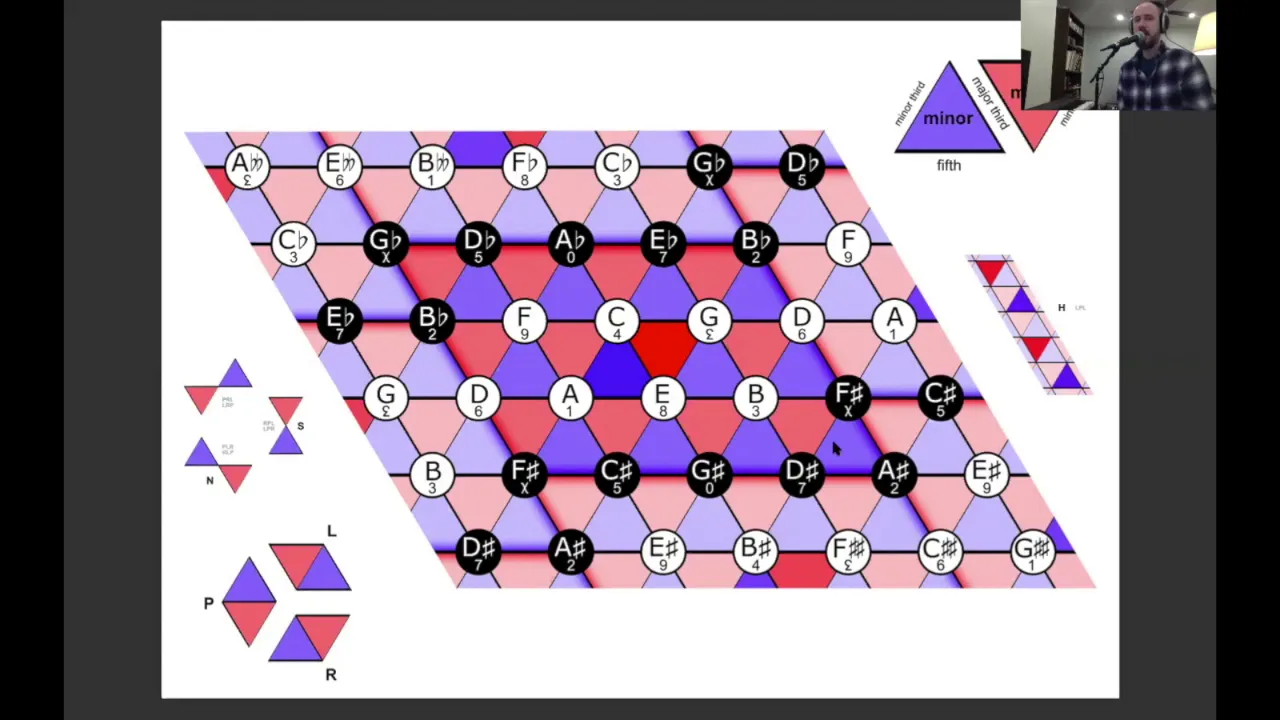
The four fundamental transformations of triads in Neo-Triadic technique are: (1) P (Parallel) transformation, which converts between major and minor triads sharing the same root by moving the third by one semitone; (2) L (Leading Tone) transformation, which exchanges the root of a major triad for its leading tone to create a minor triad, or vice versa, with only one voice moving by one semitone; (3) R (Relative) transformation, which transforms between relative major and minor triads, with one voice moving by two semitones; and (4) S (Slide) transformation, which converts between major and minor triads sharing the same third, with two voices each moving by one semitone. These transformations enable composers to access seemingly unrelated triads through parsimonious voice leading, breaking down traditional key relationships.
Triadic Transformations: Parallel, Leading-Tone, Relative, and Slide
Added:all right so now that we've been introduced to the four transformations of the triads that we're gonna be looking at here let's get a little bit more in depth and figure out what's going on with them and particularly come on what's up with that slide what's up with that slide progression you know that's the one that seems the most sort of fascinating so let's see what's going on here so as we know first one was P our P transformation and we remembered that the P transformation it stands for parallel and so when we talk about this parallel transformation we're gonna find very very simply for this one that a major and a minor triad are gonna share the same root right and we remember that all of these transformations involve going from a major triad to a minor or a minor to a major they do not go major to major do not go minor 2 minor for now so as we're talking about this very simply a major triad and a minor triad are gonna share the same root right so that's very straightforward so you can see here especially for the first two options there very simply we've got a C major triad which the third just moves from major to minor and that's our P transformation right so you can see here it's the same whether it goes from major to minor whether it's going from minor to major right they work both directions so f minor going to F major that's a P transformation and then the last one is really important to point out here that in this style since we're not basing anything around what key we're in right we know there's no key that has both F minor and F major in it so we're already sort of out of the key so it follows then that a-flat major and G sharp minor are also ap transformation because the third it's a major third the route is the same a flat G sharp are the same it just transforms to go into sort of a more convenient spelling so we can easily imagine that sort of going from a flat major going to G sharp minor will allow us as we see with some of these other transformations I could go somewhere like that which is e major now II major isn't a type of chord that we would think we could get to very easily from a-flat major but through this p transformation and reimagining that as G sharp minor we're gonna find that we can access all of these sounds so the P transformation very straight forward parallel major to minor and like we've seen it goes works both directions the beauty of it again were really focused on that parsimonious voice leading is that one voice moves by one semitone and in all of these it's the third of the chord so in F minor the third moves up a half-step moves up a semitone from a flat to a natural and we end up with in all of these two common tones and that's again I really want to point that out about the a flat major to G sharp minor that's too common tones even though it looks like it's a completely different sound there the only difference there is that one semitone that one half-step that moves in the third of the chord so that's the P transformation that's a nice sort of straightforward way to start but I hope you can see that this is based on taking familiar ideas parallel major no minor and applying them to how we could access seemingly unrelated triads that way now here of course it's not hard to see the relationship between C and C minor but the thing that we want to get to then is where where could we go from C minor that from C major would seem sort of very strange these transformations allow us to slowly like in all minimalist stuff get get ourselves to a more distant place that if we were keeping our tonality centered around the key we wouldn't necessarily get to or like think back to theory to the difficulties that we had to do to change keys learning about altered chord modulations learning about pivot chords these are breaking down those key relationships so that's the P transformation let's go next to the L transformation which I hope we remember L stands for a leading tone so this is the leading tone transformation just like parallel I think we can imagine that there's a relationship here to something that we are familiar with right we've talked a lot about leading tones and we're gonna see here is that we're just using the leading tone in a different way so we're gonna see that a major triad and a minor triad are going to exchange the root of the major for its leading tone now that's a little confusing when you hear it right there or when you read it but I think the musical examples will help to clarify that so if we start our first one here is on C major and we're gonna see that the L transformation would take C major and we're gonna exchange the root of C major C for its leading tone which gets us to E minor right so the leading tone of C is B and that's what note we'd see there on the bottom of that a minor triad so we're exchanging the root of C for its leading tone right and this see the E minor this is sort of for me parallel obviously you know who is interesting but the L transformation is the one that's captivated so many composers because we can be so stable right we're moving but we're also not moving all at once is that that juxtaposition of stasis and motion that minimalism finds really interesting and the leading tone transformation the L progression is really really good for that so when we go from major to minor it seems like we're next were trading we're exchanging the route of the major chord for its leading tone let's look at going from minor to major here so G minor the leading tone or the L transformation from G minor is with E flat major and here we can see look at the fifth look at the fifth of G minor root third fifth it's D D is the leading tone of B flat right so when we go this direction we go from minor to major and all of these RL transformations when we go from minor to major we're gonna see that the fifth of minor is the leading tone of the major right so that's sort of this one I know it can be a little hard to see it's easier maybe to go from major to minor because you can already imagine what the leading tone of C is you can imagine what the leading tone of efj lat is but we we can see that if we think about what the fifth of the minor chord is goes up to become the root of the major right and that that L relationship right that's been that's so captivating and we can also see I wanted to put on the right here what it would look like if we just did them in root position right so f major let's look at how F and a minor are related by the L transformation so f major the root of f the root of the major chord we trade it for its leading tone what's the leading tone of F it's e it's a we get this a minor right F major a minor right that's an L relationship so whether it's in the sort of really tight voice leading formats of the first two or in root position like in the last one that's still an ell relationship and if the leading tone thing is hard to find the one one way to always think about these things is through the voice leading so we're gonna find that in the L transformation again only one voice moves by one semitone so we've still got two common tones if we look at C to E minor the common tones are a and G right those stays they stay put right right that L transformation right - voices stay common while one moves let's go from minor to major and we can see again that we've got these two common tones G and B flat and the fifth of the minor chord just moves up by a half step that's the L transformation to common tones G and B flat and then a and C our common tones in F major and a minor so that's the L transformation again I think this one by description is a little hard to see but if you think from minor just raise v up by a half step from major we're just trading the root for its leading tone and there you go that's the L transformation let's go to another one that has a very familiar name our transformation which has the relative at its core this one again I think we're very familiar with what relative things are in music and this follows those same ideas so we're gonna see the relative major and minor triads are gonna trade for one another they're gonna transform into each other so if we look again always starting with C major here C major what's the relative minor of C major it's a minor right so going from C major to a minor is our our transformation if we started on minor we could see for instance we got F sharp minor what's the relative major of F sharp minor it's a major right these are all our transformations so f minor for instance is related to a flat a flat major so that's our our transformation this one I like I said I think is a little bit more straightforward but again even though we've been going from C major to a minor since the beginning if we start to think okay what if then I took some of these other ideas that we've been looking at and we did the our transformation from C to a minor and then on a minor I did the P transformation then we we just went from C major to a major which are chords that we would not have thought were too closely related before but these transformations allow us to access those different points right so if we look really deeply at the voice leading here again we're gonna see that these are really close together however instead of one voice moving by one semitone the are breaks the breaks down a little bit and we've got one voice moving by two semitones right so if we look at F sharp minor going to a major right F sharp moves down to e by a whole step right but again there's two common tones so all of these progressions so far have had to comment on right very very very very sneakily close together courts right and I could do an Appy here right and now look now I could just do a leading tone and I just went f-sharp minor a major a minor to F major in just a handful of chords I really smoothly went from f-sharp minor to F major which it would be very difficult to write a smooth progression using functional harmony that would get that smoothly from f-sharp minor to F major alright let's look at the last one the S transformation full disclosure you almost never see this called the S transformation because everybody loves just calling it the slide and it's also always in all caps which I don't know I like it so let's look at the slide transformation here in this one this is unique the major and the minor triads are going to share the same third so let's look at the example here C major the third of C major is e natural and so we're gonna let a natural stay the third of the chord but instead of it being the third of major [Music] he is gonna be the third of c-sharp minor' and that's the slide progression right alright so you got that awesome common tone in the middle there so all of these you can see their chords that we feel like they should not be related to one another but through the really simple slide transformation they are and again just like all of these they go between major and minor minor major they work both ways so if we look at a minor AC e we can take the third of that minor triad C natural and use the slide and go between a minor and a flat major that's right the thing to point out with this one is that again just like we saw with some of the earlier options there are these sort of enharmonic reefs belling's that sometimes come up that's mostly between parallel and slide where we see that so here we could have emajor with G sharp as the third and slide to f minor right because G sharp and F sorry because G sharp and a flat are the same right we've got that common tone right so we got that beautiful slide and harmonic Spelling's all the time let's look at the voice leading that that gets us there this one's slightly different instead of just one voice moving right remember for P L and R we had only one voice moving but here we've got two voices but they each move by only one semitone so go back to C major C and G the root in v both go up or both go by one semitone right so if we start minor for instance AC e the root in the fifth root a fifth e go downwards by a semitone we've got that common tone right in the middle which makes the whole thing work so those are our P L R and s transformations there's a lot in there but again I want you to really rely on the fact that you know so much already about the P transformation and the r transformation the leading tone can be a little tough to find right away but you are very familiar with those things two slides a little funky but sometimes the funkiest things are the ones that are easiest to remember so those are our transformations and we're gonna start making some cool music with those fairly soon
Up Next
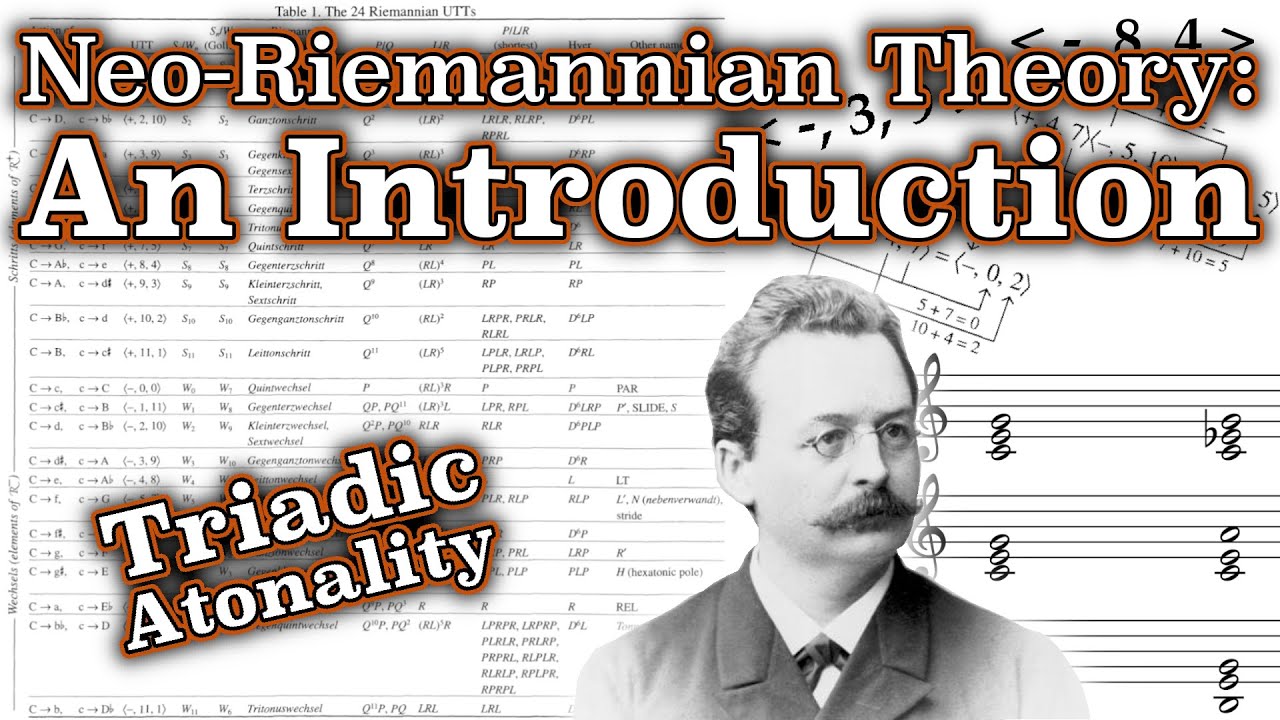
Neo-Riemannian Theory: An Introduction to Triadic Transformations
@ClassicalNerd
79.8K views•2022-01-07

Mozart's Musical Dice Game Explained: History, Rules, & Fun
@webpianoacademy
5K views•2023-03-13

Understanding Diatonic 7th Chords in Major Keys | Music Theory Tutorial
@GracieTerzian
54.7K views•2022-03-02
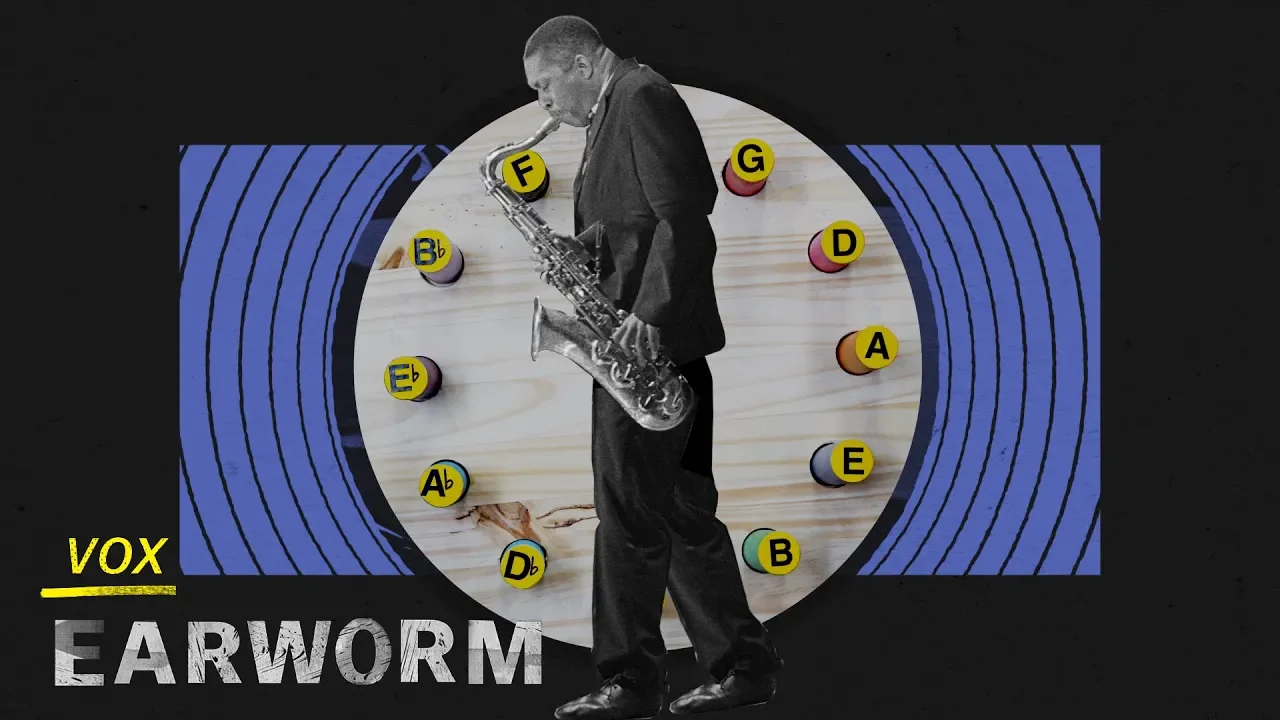
Understanding John Coltrane's Giant Steps: A Music Theory Analysis
@Vox
10.4M views•2018-11-12
Related Study Plans & Knowledge Roadmaps
Structured learning paths in Music Theory