
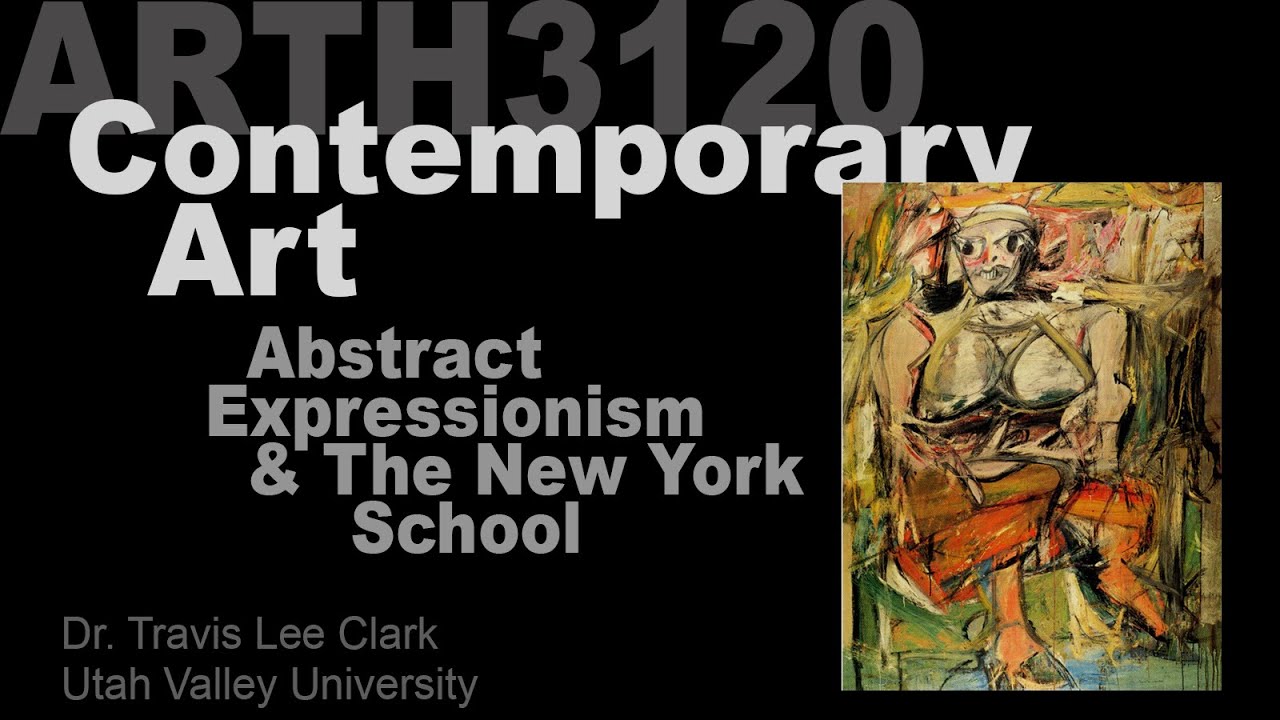
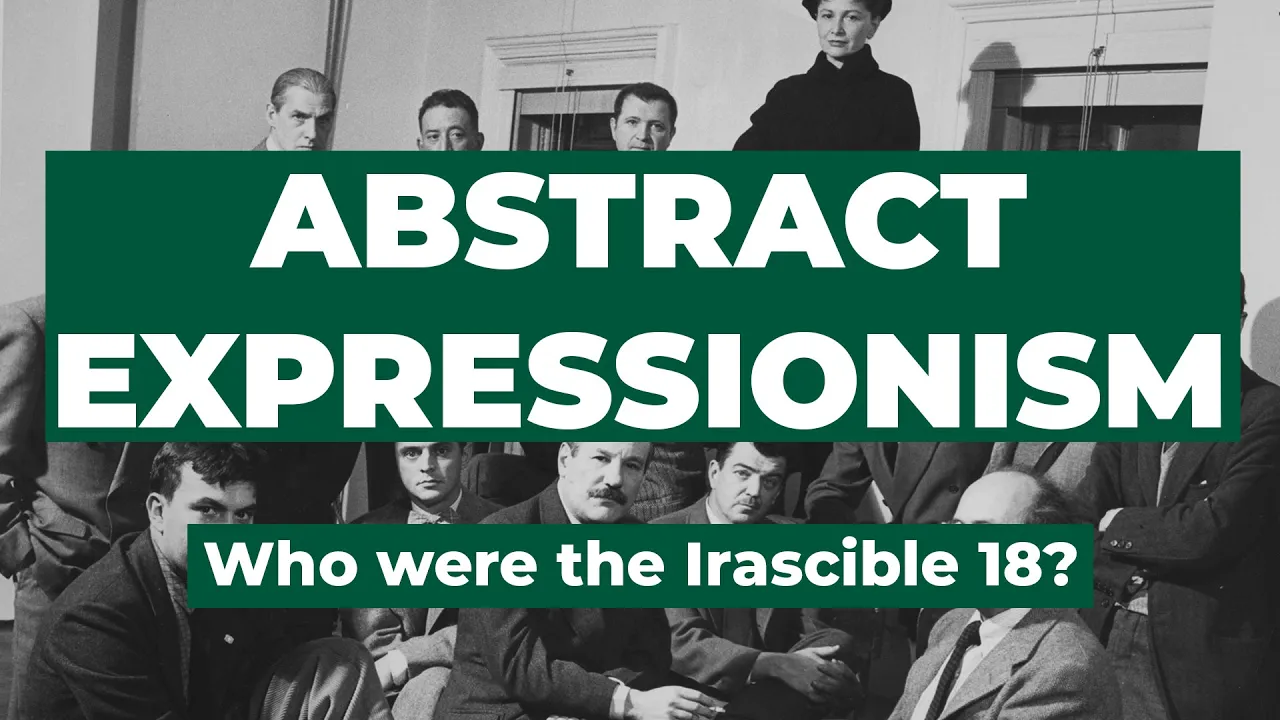














This lecture by curator Norma Broude examines how two pioneering women artists, Grace Hartigan and Helene Herzbrun, developed distinctive approaches to Abstract Expressionism outside New York City, challenging the art world's historical bias that undervalued regional artists and overlooked the contributions of women to modern art movements.
Reframing Abstract Expressionism: Hartigan & Herzbrun Lecture
Added:The core tenets, styles, and key figures (such as Jackson Pollock and Willem de Kooning) of the Abstract Expressionist movement.
The historical dominance of the 'New York School' in defining the post-World War II American art canon.
The gender dynamics and systemic barriers faced by female artists within the mid-20th-century modern art scene.
The distinction between first-generation and second-generation Abstract Expressionists, particularly regarding the reintroduction of figurative elements.
An exploration of regional modern art centers outside of New York, such as the Washington Color School or the San Francisco art scene.
The methodologies of feminist art historiography, focusing on how scholars revise and expand the traditional art historical canon.
A comparative analysis of Grace Hartigan's and Helene Herzbrun's specific painterly techniques, color theories, and individual career trajectories.
The transition of mid-century abstraction into later movements, such as Color Field painting, Pop Art, and Neo-Expressionism.
16.2K views206likes55:56Original Release: 2020-09-24
[Music] good evening and welcome to the american university museum at the katzen arts center how's the sound here can you all hear great great good i received my mfa in painting in 1975 just as professor emerita norma browdy was arriving to teach in american university's justly celebrated pioneering feminist art history program i missed taking her classes but she curated with mary garrod our museum's first great homegrown exhibition in 192007 claiming space some american feminist originators it really helped to establish our credibility as a serious relevant 21st century museum dr browdy has received grants from the national endowment for the humanities the u.s department of education the j paul getty trust and lectured at major museums and universities across the united states and in what is still called the united kingdom her writings writings have been published in many books and scholarly journals dr browdy is a treasure and i am thrilled we were able to work with her to produce this important exhibition and catalog grace hardigan and helene hertzbern reframing abstract expressionism dr browdy before we begin just a few more thank yous um first of all to jack jack rasmussen uh for his support and his real enthusiasm for my hardigan heartspring idea uh and special thanks to the private collectors uh who generously lent us their paintings and i believe some of them may be with us tonight uh elizabeth french are you here hart perry well perhaps not with us this evening but we all sincerely thank them for their generosity and finally to the professional staff of the au museum uh their work has made this wonderful installation and the production of our catalog possible um i'm going to start out by telling you a little bit about why i wanted to do this show and why i decided to bring together the work of these two painters in particular uh the inspiration was partly personal i got to know grace hartigan very briefly back in 1987 when i curated an exhibition of her work for the then watkins art gallery here at au and i was uh helene herzburn's colleague at this university for almost a decade from 1975 when i became a member of the art history faculty here until 1984 the year when she died as you look around you at these walls you will see that the evolving styles of these two artists were very different from each other hertzbern's pure poetic abstractions based on nature and landscape versus hardigan's very passionate mode of figurative abstraction but there are also many things in common and those are what i would like to emphasize to start with both of them self-identified as second generation abstract expressionists and both of them chose to make the baltimore washington area their home for many many decades and they worked in this area as artists and teachers harrisburg came from chicago and she arrived in the 19th early 1950s to study with jack torkoff and robert gates in au's graduate painting program and then she went on herself to teach in that program for more than 25 years uh in the late 50s she was a founding member of the jefferson place gallery in dc a gallery that provided the first real community for artists in this city to exchange ideas and to display cutting edge art hardigan of course started working with graduate painting students at mica the maryland institute college of art in 1964.
she soon became director of the hofburger school there and she reigned in baltimore for several decades as a legendary teacher and a great mentor to young talent hardigan and hertzbern were both fiercely independent both as people and as artists they went their own way they resisted pressure from the art world and they both talked a lot about struggling to trust their own instincts they both revitalized the vocabularies of abstract expressionism in very personal ways and they were able to do that i believe in large part because of their outside of new york city status that status brought them creative freedom and it gave them the space to find their own inspiration not in the current hot style of the moment but in what was most personal to their own lived experiences experiences in art in nature in travel in poetry in history and so on uh through the years herspren was exposed to a wide variety of contemporary art at the jefferson place gallery but she refused to identify herself with the movements that came and went even with the very successful washington color school which grew in prominence here and in new york in the 60s and the 70s the work of artists for example such as kenneth noland morris lewis and gene davis um those are often to my mind formulaic hard-edged paintings um lacking an expressive source of feeling were alien to hersburn for much the same reason that pop art was alien to grace hardigan later critics tried to reclassify hardigan as a forerunner of pop art but from her protected perch in baltimore she resisted being reclassified and diminished in that way diminished as a mere link to something that she actually despised uh sinker swim she was going to be known for what she had truly pioneered in in the art world her own passionate mode of figurative abstract expressionism um hardigan's integrity as an artist was beautifully summed up by irving sandler the critic and art historian who once said that grace about grace he said she simply dismissed the art market the succession of new trends in the art world this didn't in any real or important way affect her gracie said is the real thing and indeed she was the real thing one of the things i hope this show will do is to challenge the bias that routinely ignores the careers and undervalues the legacies of artists like hartigan and herzberg and others like them who were able to work productively outside of new york city hardigan of course was a very special case she had been an early member of the abec circle in new york and she enjoyed great success there in the 1950s when life magazine famously described her as the most celebrated of the young american women painters qualified of course women painters and even after she moved to baltimore in 1960 her work never entirely disappeared from the consciousness of the mainstream but the bulk of attention to her art even today continues to focus on her new york-based work of that single decade the 1950s and the nearly five decades of art that she produced in baltimore are rarely acknowledged or considered in any real depth uh as one new york times critic put it and this was vicki goldberg back in the 1990s uh she said when hartigan married in 1960 and moved to baltimore she sank from view faster than the titanic and even in ninth in ninth street women that recent and very popular biographical survey by mary gabriel that i'm sure many of you here have heard about many of you are perhaps reading it's a wonderful book and it shines a very welcome spotlight on the struggles and the remarkable successes in new york of that group of five women a group that included hardigan but even there the focus is on the 1950s uh and the art and the light the life of later decades are presented in a short epilogue to the book and presented in typically the negative terms but again look around you here this exhibition takes a radically different position assigning great positive value to hardicon's nearly five decades of creative work in baltimore and herzbern's long and fruitful career in washington dc another point of similarity between them of course is that they were both women though neither one of them would have appreciated being referred to as a woman artist i talk about this issue at some length in my catalog essay but here let me just say that as women of their generation both of them had been conditioned to believe that being labeled a woman artist was to be branded as inferior and so each regarded herself and insisted on being regarded by others as an artist in what they understood to be universal terms hardigan was always particularly outspoken on the subject and um irving sandler again recalled uh he said i i once asked grace hardigan if a male artist ever told her she painted as well as a man she said not twice and um in another interview she said i was never conscious of being a female artist and i resent being called a woman artist i'm an artist actually i don't even like to be called an artist anymore i'm a painter now helene herzbern was a very private person far less inclined than hardigan to make such public statements or even to give interviews but she held a similar view and she took pains to distance herself from the burgeoning feminist movement in the academy even though that movement was having an early flowering right here in her own backyard at american university the careers of both women nevertheless were framed by issues of gender as well as geography because even though they resisted the emerging feminist politics of their era their art departed in significant ways from the now famously macho aesthetic of abstract expressionism now before we turn to the paintings which we will do in a moment i'd like to answer a question that i think many of you may be asking and that is how well if at all did hartigan and herzberg know one another uh the answer is that they were not close uh even though one might have wished that they were i certainly do um in spite of the geographical proximity their documented points of contact with one another were remarkably few and on all of those occasions it was hersburn who reached out specifically when helene was chairing the art department at au in the early 1970s she repeatedly tried to get hardigan to visit the painting program as an artist in residence and she wrote several letters trying to entice her to come here uh the letters on both sides were cordial but suggest no no prior friendship between them the visiting appointment never worked out but harrisburn uh did continue to be interested in hardigan's work and in 1974 she was instrumental in obtaining a major painting by hardigan for the au collection beware of the gifts of 1971 which is hanging now at the ground floor entrance to the museum it was supposed to be up here but we we didn't have enough room for it because i miscalculated in any event you can see it downstairs hersburn then decided to have a hardigan show at au around that that acquisition so she sent jack rasmussen who was then her graduate student to visit grace in baltimore to get her to develop a show of her recent figurative work for us jack tells that story in very colorful detail and his forward to the catalog which i hope you will all read the show opened at the watkins gallery in november of 1975 entitled grace hardigan the move from abstract expressionism selected works from 1961 to 73 and it consisted of large-scale paintings selected by hardigan and completed after her move to baltimore so its focus was clearly not new york city and now let me turn to some of the paintings although i'm afraid you cannot see all of them from your positions here in this gallery our our show concentrates on the period when both were active in the baltimore washington area and that is a period roughly framed by 1960 the year hartigan moved from new york to baltimore and 1984 the year of herzbern's death we start with a few examples from the abex decade of the 50s beginning on the oh i don't think anybody can see them but the very far wall way way way the people at the back if you turn around you may be able to see those those paintings on adjacent walls all the way at the end of the gallery uh two paintings that were done in the same year hardigan's snow angels and herzberg's landscape rising from purple both of 1960 and i've juxtaposed them to show how close their painterly abec styles were to each other at this point but also how different their sources of inspiration characteristically um hardigan would typically respond to the dirty snow-covered streets of her winter experience in new both new york and baltimore a very urban kind of setting with the implied imposition of the human body on that setting herzbern on the other hand was inspired by the majesty and the moodiness and the poetry of an untouched natural environment such as that of nantucket island where she had recently spent a summer painting when you get into the next gallery behind that wall if you haven't been there already take a look at two more of harrisburn's very lyrical landscape abstractions from the late 50s autumn and spring landscape both of which were included in her 1959 solo show at the corcoran gallery now um behind me here and let's start with the painting to your left a prime example of hardigan's early figurative abstraction and her taste for celebrating what she referred to as the vulgar and vital in the street life of new york city in the 1950s this is summer street of 1956 shown at the whitney annual in that year and it's a painting that has long been a fixture of of washington collections first at the corcoran and now at the national gallery uh its featured figure there in the in the foreground at the left is a woman wearing sunglasses reportedly an abstracted image of elaine de kooning who is riding her bicycle out of the picture space tortoise the figure is embedded in a mosaic of store windows and fruit and vegetable stands all the street life of hardigan's beloved lower east side new york neighborhood in the late in the late 50s and um into the early 60s when she moved to baltimore um hardigan oscillated between the figurative and the abstract and the next painting behind me over here is done in her more purely abstract mode this is palace athena earth with its thickly applied pigment and dominant earth tones it is one of three palace athena paintings done in done in baltimore in the spring of 1961 and it was inspired by poems on classical heroines written by hardigan's friend barbara guest uh in those palace athena paintings hardigan paid tribute to the powerful greek goddess of wisdom courage war and the arts and crafts athena a very powerful and independent goddess so the goddess athena was a goddess with whom uh hardigan identified and about her she said i think i chose athena for myself because she was full-blown from the head of zeus she had no nurturing and she was an intellectual goddess i want you to notice here the emergence of hardigan's early fascination with female archetypes and icons and that fascination [Applause] my hero thank you so as i said i'd like you to take note here of the fact that hardigan's fascination with female archetype archetypes uh was an early one and throughout her years in baltimore it was a fashion fascination that grew and developed now showcased in this exhibition are several pivotal works by hardigan that come from the perry collection uh a collection that was originally amassed by beatrice perry who was director of the gray gallery here in in dc and she was hardigan's dealer in the late 1950s and early 1960s it was uh beatrice perry in fact who introduced hardigan to dr winston price the johns hopkins epidemiologist who collected her work and became her fourth husband and that to all intents and purposes initiated the move to baltimore in 1960 paintings from the perry collection reflect hardigan's struggle in the early 60s to find in abstract expressionism my own voice as she later put it behind me is one of those paintings right over here this is her semi-abstract portrait of marilyn monroe painted in 1962.
the year the famous actress died hardigan regarded marilyn as a modern version of the goddesses of antiquity and she wanted to show the personal cost of that position and so here she painted an image of surprisingly mundane fragments as you can see there's a blue eye a toothy smile a lock of yellow hair and at the upper right there floats a pair of eyeglasses fragments that are very low keyed and very far from glamorous they float in an abstract space and they coalesce to suggest the ordinary physical reality of the actress as a real woman the empathy of this portrayal distinguishes it from wilhelm de kooning's earlier and i think rather histrionic interpretations of maryland from the 50s as well as from the now iconic pop art images by andy warhol which were also done in 1962 the year that maryland died warhol's marylands were deliberately impersonal they were repetitive images based on publicity photographs of the actress and they embody the media packaging of a pop symbol hardigan herself beautifully described the differences her image of marilyn she said has an emotional element not just a deadpan a deadpan repetition like an andy warhol's work which showed a big facade my work gets into the woman herself a real woman and not what she turned herself into for the public in in her years in baltimore hartigan turned increasingly to the figurative and the metaphoric and in a later interview she explained how she had gone back into total abstraction for a while in the late 50s but when she moved to baltimore she said she slowly battled her way back into imagery once again and that took her a five year period until finally she said instead of doing a city life painting i did a suburban life painting a shopping mall that was 1965 the reisterstown mall and that is the breakthrough painting from then on and i haven't stopped it's been images of various sorts ever since then and yes please do turn to see that painting at the beginning of the long wall behind you the breakthrough painting uh reisterstown mall large in scale brightly colored a very lively response to the activities and movements of crowds of people in a specific suburban shopping mall just outside baltimore hartigan returns here to her lifelong fascination with commercial street fronts and store windows and she succeeds in integrating imagery and abstraction more fully than ever before in this painting with objects and figures that are deliberately out of scale with one another they are set free to float and revolve and collide with one another in this very tightly packed abstract space a space that holds closely to the flat surface of the canvas i hate to make you turn uncomfortably but in the middle of that long wall uh and painted with a more subdued pallet um hardigan here pays tribute and said a final farewell in 1966 to the poet frank o'hara he had died that year and he had been her very close platonic friend and an artistic collaborator in new york in the 1950s it was o'hara's willingness to mix high and low art in his poetry that first encouraged hardigan to mix abstraction with metaphoric imagery from the from the world around her in her own paintings the two became estranged after hardigan moved to baltimore and reportedly cut off their relationship on the advice of her psychoanalyst so that it would not prevent her from fully bonding with her new husband she was devastated by o'hara's accidental death at a moment when their friendship was beginning to revive and she responded with that that painting uh which he gave us a gift in his memory to the smithsonian american art museum o'hara himself is suggested by the heroic striding figure uh to the right of the canvas the figure that seems to be bathed in a kind of white light and that twists away into that narrow space uh the chunky fragments that occupy the rest of the canvas fragments of heavily outlined grave forms which really seem to be more cubist than abstract expressionists they were meant to suggest she later said nightly armor and tombstones and then if you look down at the end of that wall we have hartigan's joan of arc of 1973.
another large canvas that holds the wall impressively as do all of hardigan's paintings hardigan again projected her sense of self into the french medieval icon joan of arc entries in her journal reveal her long-standing identification with this female hero and her propensity to see herself like the martyr joan as a crusader with a voice that could inspire the multitudes you can see the armored figure of joan at the right uh in the in the canvas holding her shield and her spear and surveying a landscape that is populated by real and imaginary animals the contours of those animals are firm but also fluent and they look quite like drawings that one might see in a children's coloring book and i'm not making that up because that genre in fact became a rich and unexpected source of inspiration for hardigan in the early 1970s uh beginning with a coloring book entitled dragons and other animals that she discovered in the gift shop at the walters art gallery in baltimore very specific and very local as hardigan moved away from the masculinizing heroics of ab-x as practiced by de kooning and pollock she gradually transformed their language into a figurative celebration of the women of history both ancient and in modern 1980s in fact she took up the theme of famous and infamous women queens and empresses and actresses who played those roles a notable example is the painting that we have at the end of this uh curved wall here at the far at the far right this is hardigan's greta of 1981.
its subject is greta garbo an iconic movie star of a much earlier generation and the painting openly proclaims its inspiration in paper doll and cut out costume books those were very popular collect collectibles of the period and in them the regalia of a famous woman's public image was superimposed on a doll-like form greta garbo our subject here had been a personification of androgynous and bisexual appeal in the 1920s and 1930s hardigan presents her here in her 1933 movie role as the swashbuckling and gender-bending 17th century queen christina of sweden a very strong-willed woman who like many of uh the famous and infamous infamous women that hardigan chose to portray she had paid a steep price for her independence hardigan's point of reference here to paper doll cutouts and pinup costumes suggests again the emptiness and the dishonesty of female role playing and media packaging i'm involved with hardigan told an interviewer later in 1985 i'm involved with heroines and the emptiness of that role later in 1998 quite late in her life and career she told an interviewer if i can change the way the world regards women as dolls and empty-headed actresses if i can make marvelous paintings that glorify images of women then i feel that i have done a pretty good job for humanity and for women now the word feminism and its political ramifications i think would still have remained anathema to grace if you had directly confronted with them but statements like these uh might be said to reflect blatant feminism of hardigan's attitudes and insights and in her later work certainly she seems to have been self-consciously taking on some of feminism's key issues for helene hersburn as for hardigan abstract expressionism was the primary context and the primary catalyst for her early work and she never rejected her abec's roots as her au colleague the painter ron haney observed she explored and unified the possibilities of gestural action painting and color sensation and she built an art that successfully harmonized the two polls of the abstract expressionist movement uh a sweeping art historical uh statement but i i think there is a lot of truth in it harrisburn's um lyrical form of abstract expressionism grew from her responses to a variety of expressive moods and moments in nature and these are often reflected in the titles that she gave her paintings titles that summon up the places and experiences for which the paintings become very powerful abstract evocations for example giving us dead leaves rustling in the breeze of an autumn landscape um or diffuse sunlight uh that shimmers off glacial ice which we have there in the in the next room um or moonlight reflecting off ancient stones and facades in some of the paintings here in this gallery which we will be talking about more in a moment she gradually transformed the all-over gestural mark making of her early work into an expressive dialogue between the techniques of brushing and staining and that evolution is presented here in paintings that range from her early abstract expressionist landscapes of the late 50s to the melting geometries of her greek inspired abstractions of the late 70s a few of the latter you see on that that wall are at your left and i will talk about them more specifically a little later but first i want to draw your attention to a group of paintings in the next gallery from the early 1970s a whole wall of exceptionally innovative paintings that herzbern referred to as her color sweeps her color sweeps and in them her gestural brush strokes increased dramatically in scale and in breadth as you can some of you can see i can glimpse through that opening those color sweeps of the early 1970s convey unique sensory experiences and to me most important of all they are endowed with great passion uh the specific landscapes that inspired herzbrin are in no way represented in the paintings but the emotions evoked by those experiences remain and they are communicated abstractly they're communicated by the color and the intensity of her variegated brushwork those broad gestural sweeps and stains of pigment in aeroplot of 1970 which i think many of you can see it's down at the far right end of that of that wall the exhilarating experience of flight is conveyed by broad diagonal swathes of intense color uh color that overlaps and interacts to define space and suggest movement further along that wall the experience of ski slopes in colorado inspired glacial ascent of 1972 which features broadly brushed vertical strokes of icy blue pigment that sweep up along the entire height of the of the canvas using juxtaposed techniques of brushing staining and very controlled simulated dripping that canvas creates an atmosphere that suggests icy air and a soaring ascent along a slippery glacial landscape next to it we have glacial sun a companion piece where the poetic subtlety of the atmosphere and the illumination are conveyed to us through a series of stained purple transparencies that play against the golden light of the sun from above these color sweeps by hairspring are both exuberant and they are manifestly handmade and they allowed her to conceptualize and to image space through very dramatic juxtapositions of intense but tonally modulated hues in a manner that is both dramatic and also skillfully controlled i hope you'll have time to go through these galleries and and in particular to get a closer look at harrisburn's color sweeps in that next space but let's return now to the paintings that i think you can all clearly see from your seats in this gallery harrisburg spent part of her sabbatical year in 1975 76 in greece and that experience unleashed new structural concerns uh the experience awakened in her a taste for the possibilities of a poeticized geometry and this gave rise to a series of paintings that she described in her journal as geometry and ambiguity paired uh those paintings are represented here by the two larger canvases at the ends of the wall at your left stones of thunian of 1976 at the far left and at the far right a painting called entrances in both we have remnants of decaying classical structures which are preserved but also revived in modern terms by harrisburn's very lyrical palette and her brushwork these greek inspired works appeared in several one-person shows in the later 1970s at the corcoran gallery and the jack rasmussen gallery here in washington dc and at the swain school of art in new bedford massachusetts uh introducing the show at the swain school nicholas kilmer spoke very thoughtfully and movingly about these paintings he spoke about their multi-dimensional complexity he talked about the way that the intensity of the light dissolves geometrical form and about the experience of contemplating the edge between the solid and the infinite where one cannot be sure which is the solid which the infinite he also pointed to the intentional pun that is embedded in the title entrances that word can be pronounced either as entrances or as entrances and thus can mean both openings and amazes the first word he said uh entrances talks of the visual phenomena of planes and alleys the second in trances speaks of an intensely vivid state of mind must be entranced must be entered by them he wrote just a beautiful piece of writing about elaine's work as the 70s drew to a close harrisburn looked back over that period in her work and in a journal entry she noted her tendency to oscillate between placing my faith in spontaneity as she put it to paintings more structured and geometry more explicit referring with the latter to those greek inspired paintings of the late 70s at the same time she was newly inspired by a visit to au by the painter philip guston whose courage to radically change his work she very much admired and so now looking to the future she declared that in 1980 her motto was going to be trust your intuition that's all you gain with time and in the early 80s the permission she was now giving herself to follow her instincts did lead hertzbern and her art in new directions but that evolution was cut tragically short by the onset of illness in 1981 and her death from cancer in march of 1984.
in those last years a remission allowed her to go on working and even traveling and when she could no longer paint she devoted herself to collage as matisse had done in his last years and she produced a series of extraordinary works that were exhibited here at au posthumously in 1984 and which just jack which they just might become the subject for another herzbern show here at a u works on paper as she confronted her terminal condition themes such as the cycles of life and death in nature now inevitably took on more personal meanings and these are reflected in the painting at the center of that wall at your left rose's past of 1981.
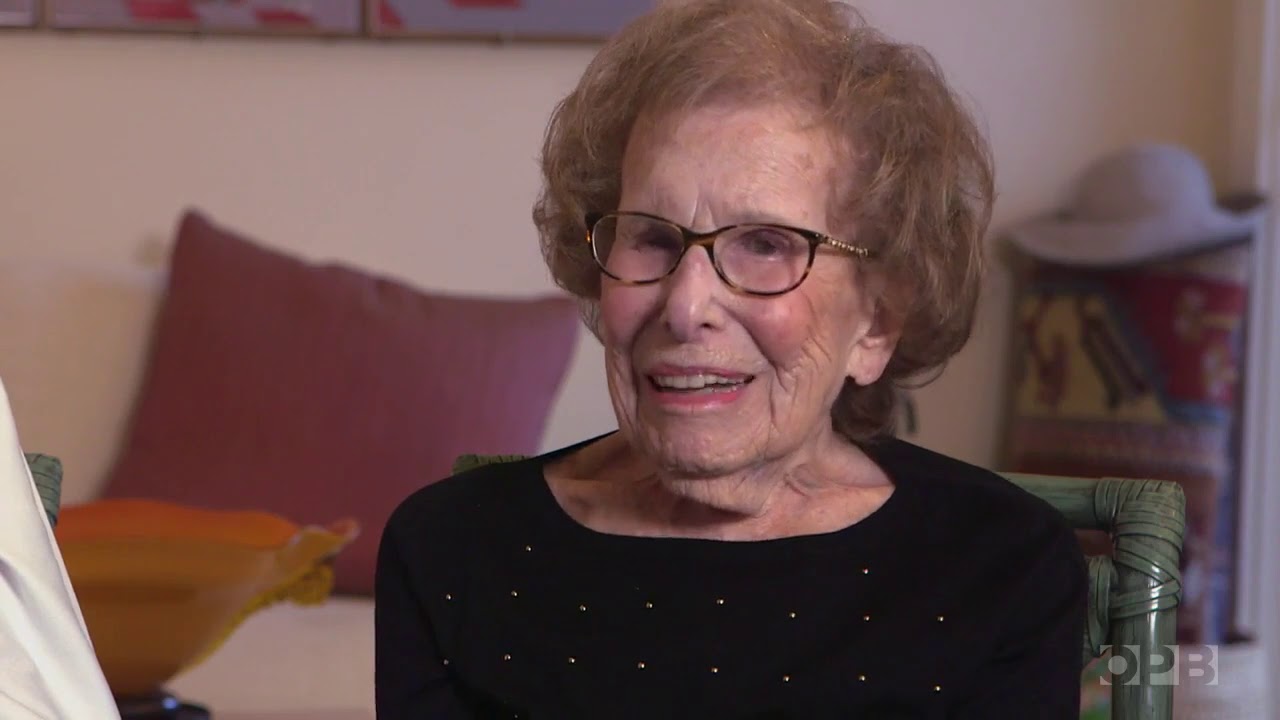
uh its uh poignance exemplifies the mood of her art in the early 1980s uh the extreme painterliness of its execution presents the unrestrained formal language uh with which harrisburn was now expressing complex complex and personal feelings roses passed she referred to them in her journal as dead roses trying to be awkward but so flamboyantly painted you'll notice they're they're loosely horizontal arrangement there against an implied landscape a landscape with its pink and purple streaked sunset sky which um brilliantly summons up for us the pain of nostalgia as well as the feelings of undying hope even at the end of life although their work at the stage may look very different i think we can see important analogies here with hardigan's paintings of the early 80s paintings like greta which we have just been talking about where heartache began began to work with dripped veils of diluted pigment in order to create ambiguous spatial and emotional effects the drips she told me when i interviewed her in 1986 the drips are like veils of tears or like or like bead curtains that you have to lift or go behind to see the imagery and she also acknowledged that this new technique in her work may have reflected her personal emotional state around 1980 as she went on painting throughout her husband's terminal illness using line and color here to evoke her personal pain well um it's getting late so i would like to turn this over now to members of the audience among whom i believe are several people who actually knew grace or elaine um if that's the case would you let us know how many people here actually knew them oh that's that's wonderful friends students colleagues um i wonder if any of you might care to share with us some special memory you have of your relationship with them or something that um came to a u when i was in graduate school uh do we have um do we have a microphone that could ah good good good and uh was giving a critique of our work that was on the wall in the watkins gallery uh and she said to me don't get pregnant don't have children it'll get in the way of your art and that is i mean among the wonderful things that she also had powerful not wonderful but powerful and and strong and uh relevant uh comments that she made that one really stood out because at that moment i was pregnant i thought oh my god i'm doomed [Laughter] i i knew grace hartigan when i went to the hofburger school of painting from 1999 to 2001. so it's a few quite a few years after the period you're talking about and there's so many wonderful anecdotes about grace um but i think she was a wonderful teacher also i remember her you by that time she was walking with a cane and i dreaded hearing the clip clip club club clip as she walked down the hall for our um critiques and um i remember her coming into a room and this is very early the first year and she uh saw that i was still working on the same painting after a month and she said are you still working on that and she said something else explicative you know but anyway she did say something like that and then she happened to see a photograph of my daughter who at the time was about 12 years old and she says listen you have to paint something you love so you take this and you paint this and it really was a breakthrough for me because all the other teachers were talking about ideas and she talked about love very special oh hi uh she was here in the 70s and i came as a graduate student in the mfa program and i was in one of her classes and she was the first woman who had ever been teaching the painting that i had experienced i was at that time on the edge of 40. i had three children and i was working out another life and she scared me absolutely out of my mind and i was really sort of afraid of showing her what i did but i didn't disregard her and i certainly thought a lot of her abilities it's that i just went into her as a fresh new inside me young but not young uh i probably was older than she and uh so it was an interesting experience and i gained a lot from her and i admire everything that she has done and i admire what you've done here by putting up a show like this curating a show like this i'm a feminist and by creating a show like this that gives us the opportunity to see two women that are exhibiting their strengths and it just gives us more strength so thanks norma thank you eloise anyone else yeah i just want to say a word about the feminism or lack of it from the viewpoint of an art historian in the department who along with norma were i was kind of embroiled and you know entangled in it in those early years now i i think about 1972-73 we'd all been uh meeting and exploding and marching and some of the art historians got the idea that maybe women artists of the past might even be put together in a syllabus and we could actually have a course on women artists it was an idea that was kind of hot about 1972 and i was one of the people who thought oh that's a good idea so helene was chair of the department at the time and i had as we have to do speak to the chair to get permission to introduce a new course so i said helene i got this idea and dotted out of that like women artist course on women artists and she looked at me slightly blankly and she said but what would you do all semester and you know it's so poignant in retrospect to to realize she didn't know her history i mean we didn't she didn't know there was one uh but none of us knew that history never none of us did that let's just era when there was not a single woman in jansen's history of art in the early 1970s yeah and and actually gotten it from what she wouldn't have and if she'd only you know paid attention to the dinner party when it came along it would have made a difference but i mean we the the other sad thing about it is a manu helene socially helene phil her husband who was a professor at georgetown of english at georgetown and we you know saw a lot of them and um and yet i never talked to her about her work and she never talked to me about mine now art historians and artists typically don't talk to each other about their work but but there was just a lost opportunity you know there on all sides yeah did she approve of the class she let me uh probably and i did teach the course but she didn't take it yeah but i think norma didn't you say that you found in her notes that she had take her your machiaioli book she knew yes she was interested in some of my art historical work but my more conventional art historical work i had done a book on the tuscan italian painters known as the machioli a group of 19th century painters who were contemporaries of the impressionists in france and um i came when i was looking through her journals which we have here in the au archive i came across this note about the machioli and my book and expressing interest in the work i'd done she told her journal but she never told me we we never had a conversation about it and that was sad yes uh i was in a class with helene my first official class at au in the fall of 1973 and i was in the class class and also jack rasmussen was in the same class and uh helene was very tough i mean she would come into the studio and she would look at your painting and make a few comments and go on to the next person and i think at the end of the class we had separate crits and by the way she did spend a little more time with the guys in the class which was jack and a fellow jack rasmus and we're her favorite and and and a fellow named phil who had just completed a theology or was finishing up a theology a degree very nice guy who went on to teach painting later and in the crit in the private critiques that we had at the end of class even though i'd been painting steadily and she'd seen the changes in my painting she said ah she said you know she said you're not a serious painter she said you know you're going to get married and it's going to be a problem and it was like how does she know i don't i don't know that and in fact it wasn't true you know i just kept painting um but it was it was a definitely uh kind of a very serious exchange about what was necessary in order to be a painter and especially if you're a woman you really had to be tough and you know i probably looked like i was about 15 and so i i'm sure that she felt like i just didn't have the tough appearance to make it but i think she'd be pleased to find out that i'm still painting [Laughter] um any other comments or questions or before i just let you lose to look at these paintings thank you you
Up Next
11:25
Decoding Waterhouse's Lady of Shalott: Art History Analysis
@Art_Deco
148.8K views•2025-10-11

114:18
Christian Iconography: History, Theology, and Meaning | Fr. Panayiotis Papageorgiou
@Trisagionfilms
58.8K views•2020-02-21
7:48
Ukiyo-e Art: History, Woodblock Printing & Influence
@japanathand
6.3K views•2023-06-08

16:34
Earliest Depictions of Jesus in Art: 10 Ancient Images Explained
@UsefulCharts
5.9M views•2022-06-03
Related Study Plans & Knowledge Roadmaps
Structured learning paths in Art History
art-history
Gothic Cathedrals: Engineering, Light & Society
01The Birth of the Gothic: Romanesque to Suger's Vision
02The Structural Triad: Pointed Arches, Ribbed Vaults, and Flying Buttresses
03Theology of Light: Lux Nova and Sacred Geometry
+ 2 more learning modules
14h5 modules
Explore Roadmap
art-history
Pre-Raphaelites: Realism, Symbolism & Critique
01The Victorian Art Establishment and Academic Formula
02The Founding of the PRB and Radical Realism
03Medieval Revivalism and Literary Symbolism
+ 1 more learning modules
8h4 modules
Explore Roadmap
art-history
Street Art: From Subways to Art Market
01Subcultural Origins in Philadelphia and New York (1970s)
02The Subway Era and Style Wars (Late 1970s - 1980s)
03The East Village Scene and Early Gallery Crossover
+ 2 more learning modules
10h5 modules
Explore Roadmap
art-history
Classic Maya Art: Iconography, Glyphs & Ritual
01Foundations of Classic Maya Visual Culture
02Deciphering Maya Hieroglyphs & Text-Image Integration
03Sacred Geography and Cosmological Architecture
+ 2 more learning modules
14h5 modules
Explore Roadmap