











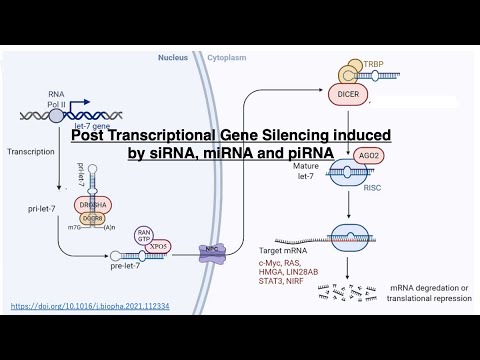


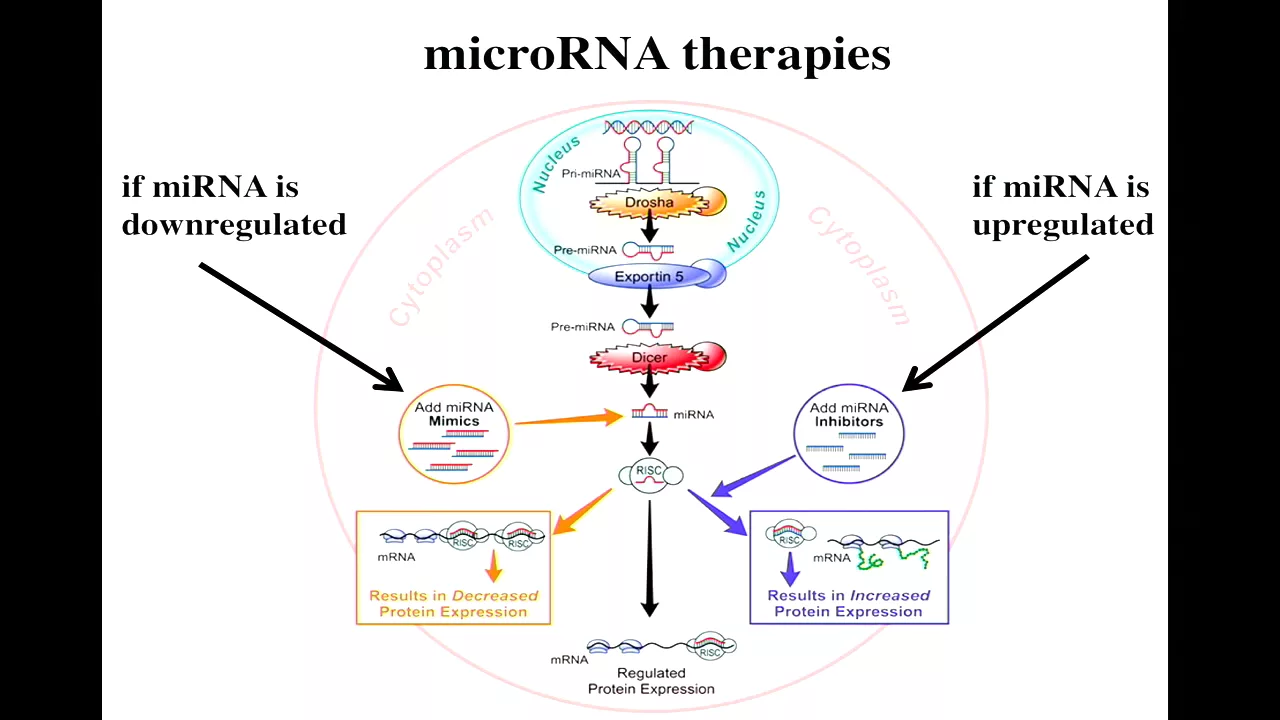


MicroRNAs (miRNAs) are formed through two main pathways: the canonical pathway where pre-miRNAs are processed in the nucleus by the microprocessor complex (DROSHA and DGCR8), then transported to the cytoplasm where they interact with DICER to form the miRISC complex; and non-canonical pathways where maturation occurs in the cytoplasm. The miRISC complex regulates gene expression by either inhibiting mRNA translation or promoting mRNA degradation through decapping complexes, primarily affecting the eIF4F complex formation and poly(A) tail stability.
Biogenesis of miRNA: Canonical and Non-Canonical Pathways
Added:The Central Dogma of Molecular Biology, specifically the transcription of DNA into RNA and the translation of mRNA into proteins.
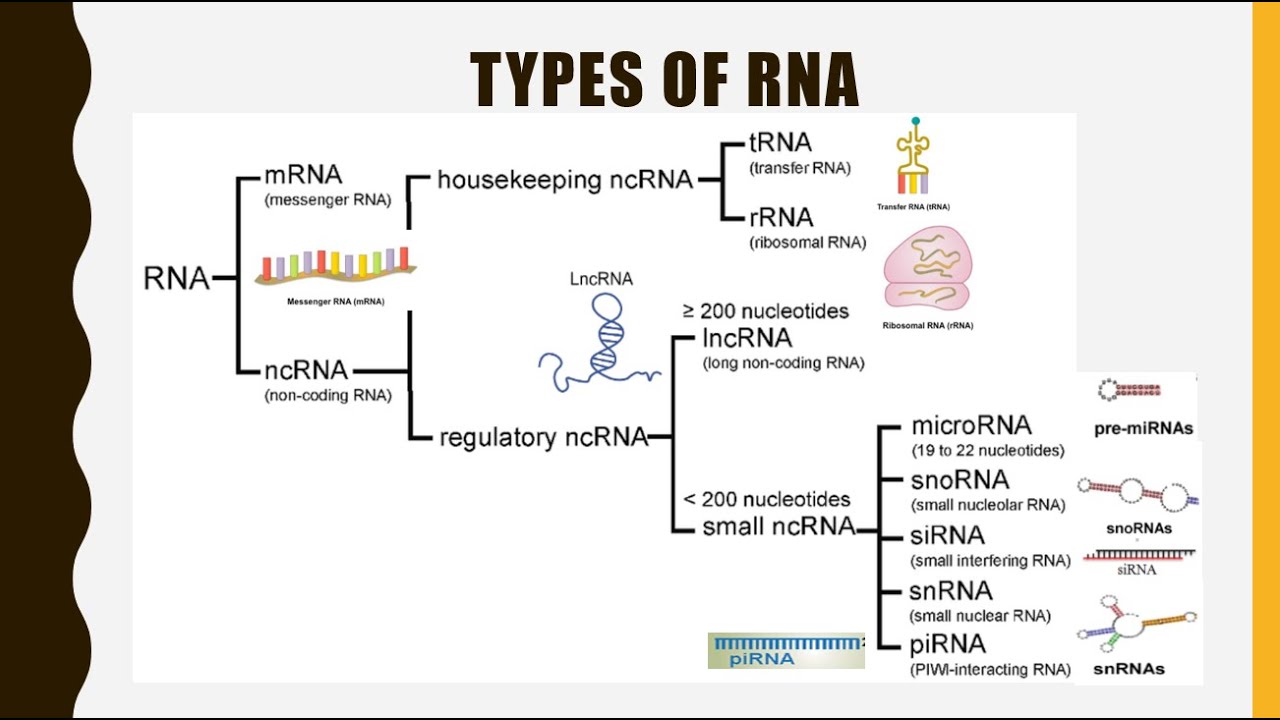
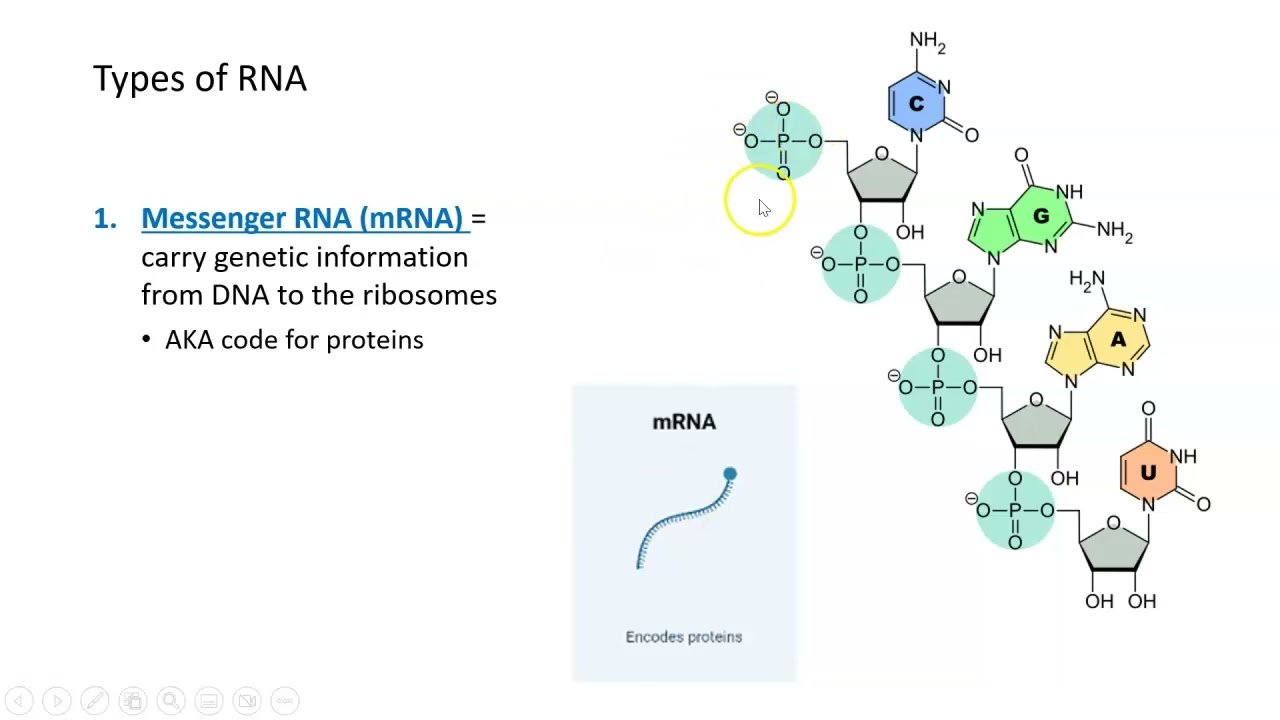
The basic structure and classification of RNA molecules, distinguishing between coding (mRNA) and non-coding RNAs (ncRNAs).
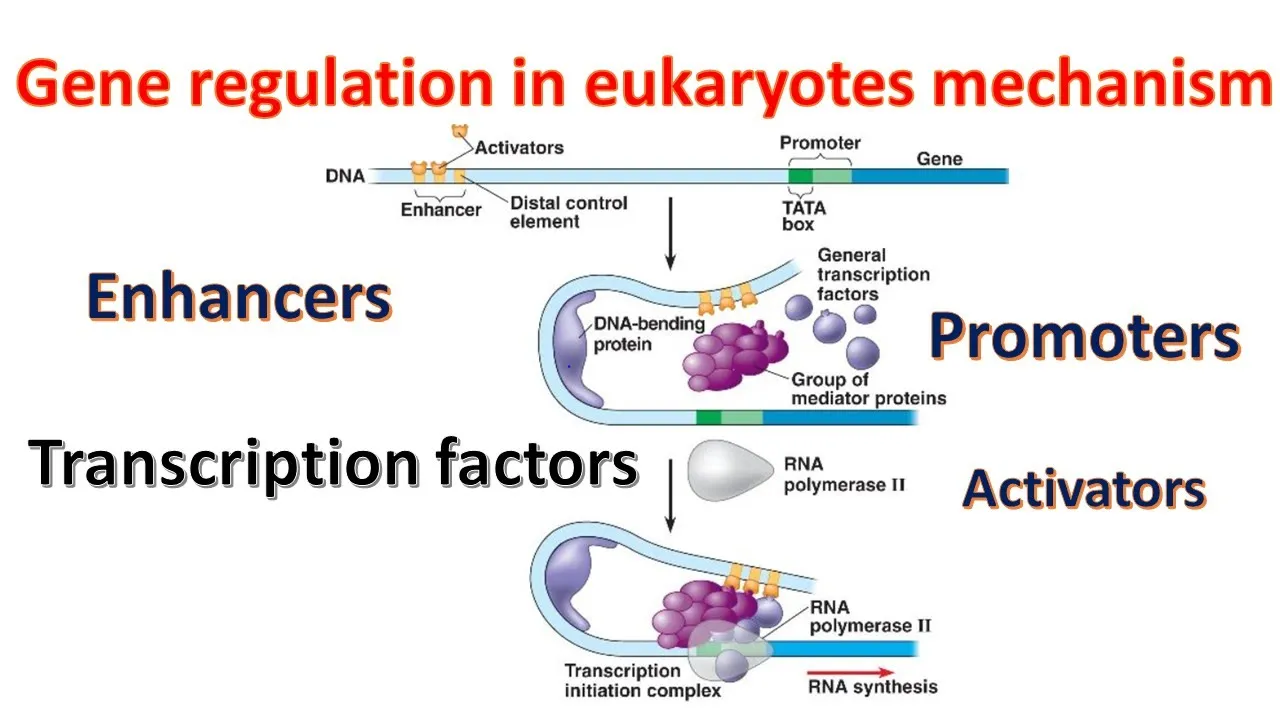
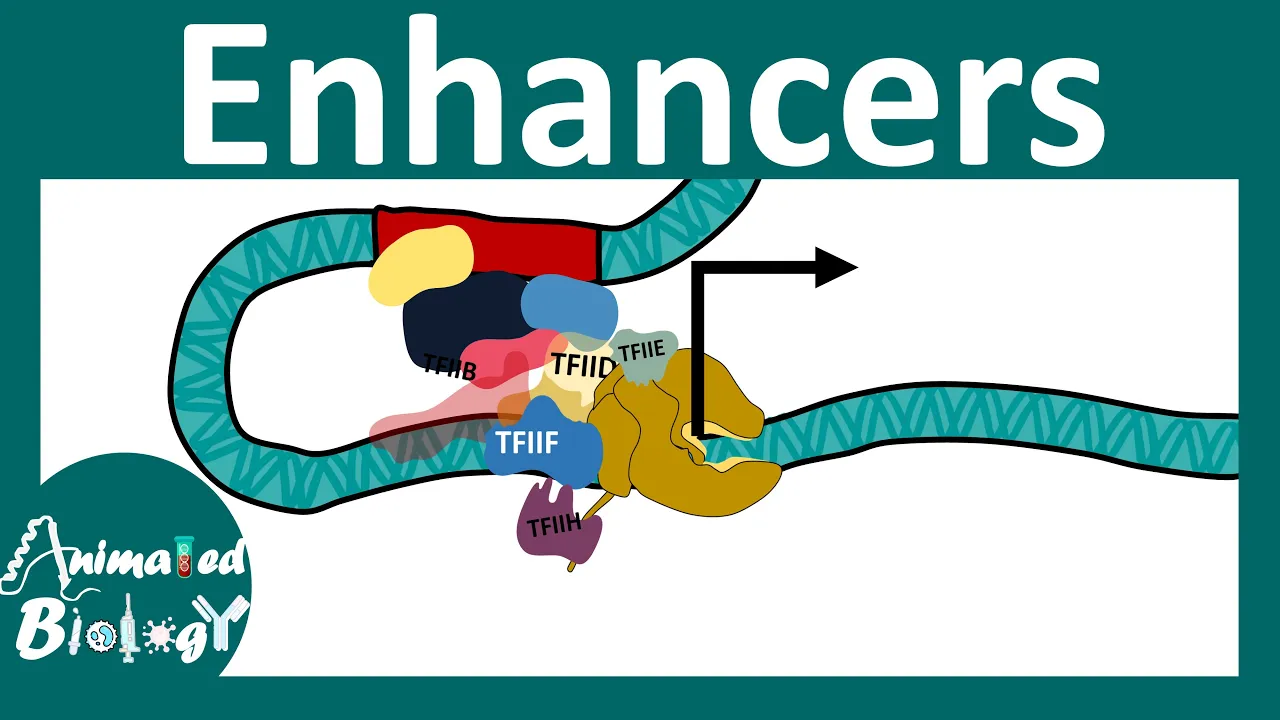
The fundamentals of eukaryotic gene expression regulation, including the roles of promoters, transcription factors, and enhancers.
Standard RNA processing mechanisms in eukaryotes, such as splicing, 5' capping, and 3' polyadenylation.
The precise molecular mechanisms of miRNA-mediated gene silencing, including translational repression, mRNA deadenylation, and target degradation.
A comparative analysis of miRNAs with other small RNA pathways, such as small interfering RNAs (siRNAs) and Piwi-interacting RNAs (piRNAs).
The clinical relevance of dysregulated miRNA expression in human diseases, specifically their roles as oncogenes (oncomiRs) or tumor suppressors.
Therapeutic applications of RNA interference (RNAi), including the development of miRNA mimics and antagomirs for targeted gene therapy.
246 views3likes7:58Original Release: 2024-04-06
in this video we will discuss about biogenesis of micro rnas or how the micro rnas are formed within the cells in our previous video we have discussed how the micro oras could be one of the therapeutic idea to Target a cancer tumor cells cancer or tumor cells so there are uh different ways by which these biogenesis of micro are been characterized and one of them is canonical and another of another of another type is non-canonical Pathways so in the form in the canonical Pathways what they will do is uh and before going to this different Pathways we need to understand this macro can be intergenic that is they can be formed within most of the interon part of the interon or non coding part of the uh Gene or some coding part or Exon of the gene however there are some uh that are formed from uh intragenic that that are ingenic previous one is intragenic microorgan and this next one is intergenic micro Oran where the microorgan are formed of independent of the host Gene uh to which they are finally going to Target so we let us start with this canonical Pathways so this is the premro that are formed transcript that are formed within the uh nucleus and after that what will happen there is a uh microprocessor complex that contain draa and dgc R8 has mentioned here that helps in uh helps in the maturation within the nucleus and also helps in the transport of also helps in the transport of this micrones into the cytoplasm where this pre micro rnas then interact with this daure to form a complex that is MI R SCC complex that can finally act on the mrnas to either inhibit in most of the cases it will inhibit but in some cases it might it can also overexpress some kind of mrnas so this is the canonical Pathways where more maturation is occurred within the nucleus now in the case of non-conical Pathways it is characterized into two different part first one is this uh srna or short range RNA is uh it it will also interact with the microprocessor that contains draa and dgc however uh and and also however the maturations is not occurs in within the nucleus and they will be trans transported from nucleus to the cytoplasm with the help of this exporting 5 and R GTP and there the pre micro RNA then interact with this ag2 for the maturations and therea it will form a complex that is is MSC complex in other case the uh this other case such as this Metron non calical Pathways where the micro interact with the spom interact with the spom so that the so that only the mic so that the contains are been exported out of this uh exported out with the help of exported out with the uh s in a similar pathway that has been followed by this canonical Pathways and in this case also the maturation is occurred within the nucleus and after that it will interact with the daer and then form MSC so in the last third non-al Pathways is about this m7g pre micro rnas so in this case micro rnas this uh micro are been modified through this m7g and uh here also the processing is not occurred within the nucleus uh however it has been it will be transported uh into the transported into the cytoplasm with the help expor one and nuclear and after that it will interact with the uh dicer where the that will helps in the further processing oh um one thing I need to correct is the here the also the processing will occur within the nucleus and then it will export out to the cytoplasm and then interact with the daer to form MSC complex and this MRC complex that as I have already told you just a moment ago that it can interact uh with the macro it can interact with the mrnas in most of the cases it will inhibit the MRNA translation in some cases it can it can lead to overexpression of the mrnas also so and uh during this process after this MRC is the and this interactions is this that is translation inhibition is usually uh happened by affecting this eif uh 4f complex formation it is essential for this mRNA translation and in some cases this decapping of this MRC complex will also occur using this decapping complex uh this decapping will of this MRC complex will leads to this uh uh will leads to the unstability or will cause unstability unstability in this MRC and in that case the mrcs are become unstable and it can be degraded and the MRNA degradation is shown in this case uh that this MRC interact with the transcription factors such as uh this uh dcap complex and that it will helps in the MRNA degradations using this xrn1 so so and also uh so the things that I have mentioned about MC unstability is for this mRNA un stability that is MRC interact with this complex to form a de decapping complex and that will degrade destabilize the MRNA and that will leads to the MRNA degradations because of the such destabilization could can be occurred by affecting the polyils that are usually at the end of this mRNA usually found at the end of the mrnas which helps in the stabilization so by degrading that it will helps in this Dil destabilization of the Mr that leads to the Mr degradation and that that is been shown here that deing complex uh this uh translation initiation will be inhibited by this uh decamping complex as it will uh degrade it will degrade the stability that is poly either po Tails so that the translation initiation will never be able to begin in that case this is the example shown here that gw1 128 P 2A complex and also the ccr4 not complex helps in this uh destabilization of this micro mrns so I hope you got idea about biogenesis or mrns micr RNs if you need to understand more about this biogenesis you can go biogenesis or development of micro RNs you can go through the reference that has been provided in the description that's all for this video thank you for your time
Up Next
29:42
How microRNA and Argonaute Form the RISC Complex for RNA Interference
@thebumblingbiochemist
2.1K views•2021-08-01
50:12
Bacterial Communication: Quorum Sensing and Biofilm Formation Explained
@JHUAAP
12.6K views•2011-06-28

5:35
Enteric Nervous System Explained: The Gut's Brain | Neurobiology Lecture
@alumniu6029
438 views•2018-09-12
7:08
Bacteriophages: Earth's Deadliest Killers and Future Antibiotics
@kurzgesagt
34.6M views•2018-05-13
Related Study Plans & Knowledge Roadmaps
Structured learning paths in Biology
biology
RNAi: Biogenesis, RISC & Gene Silencing
01Molecular Biology Foundations: DNA to Protein
02Introduction to RNA Interference (RNAi)
03Molecular Biogenesis of miRNA and siRNA
+ 2 more learning modules
10h5 modules
Explore Roadmap
biology
Mycorrhizae: Signaling, Biophysics & Ecology
01Foundations of Mycorrhizal Symbiosis
02Molecular Signaling and Root Colonization
03Biophysics and Bioenergetics of Nutrient Exchange
+ 1 more learning modules
11h4 modules
Explore Roadmap
biology
Circadian Clocks: TTFL, SCN & Periphery
01Foundations of Molecular Biology & Gene Expression
02Introduction to Chronobiology and Actograms
03The Core TTFL: Molecular Architecture of the Clock
+ 3 more learning modules
14h6 modules
Explore Roadmap
biology
Population Genetics: Math, Drift & Selection
01Genetic & Probability Foundations
02The Hardy-Weinberg Principle and Baseline Models
03Mathematical Modeling of Natural Selection
+ 3 more learning modules
18h6 modules
Explore Roadmap