






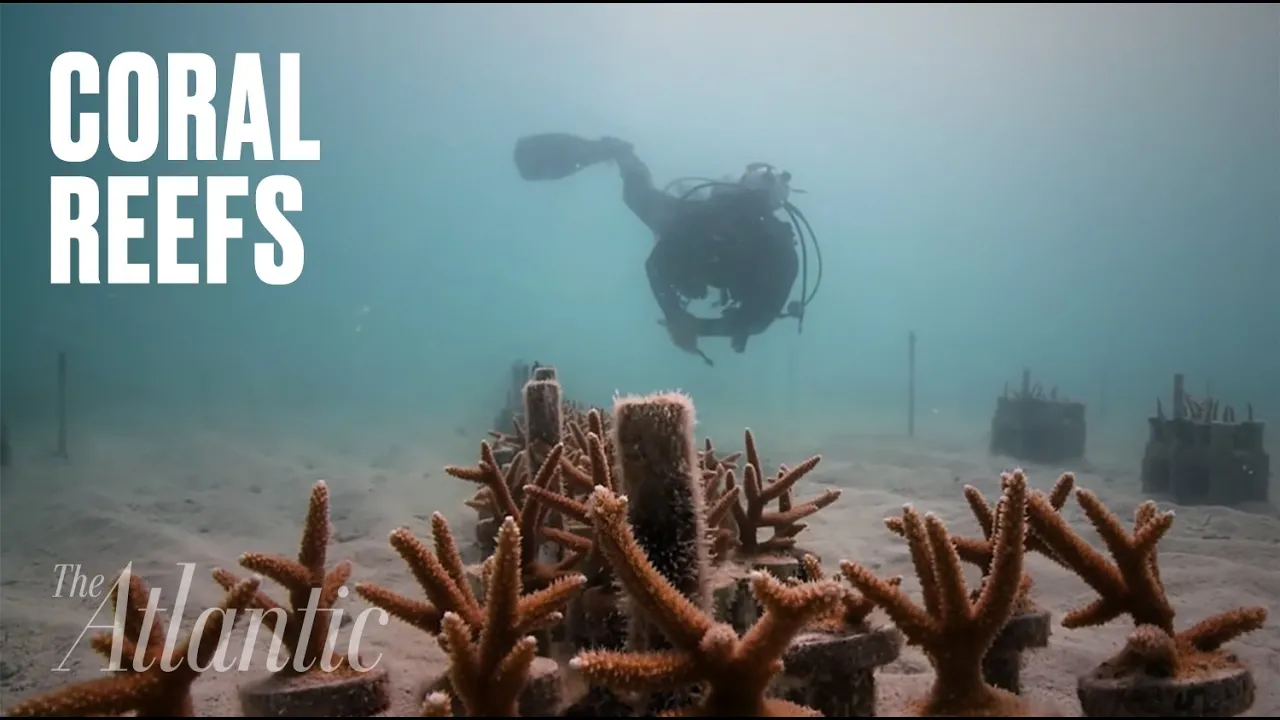




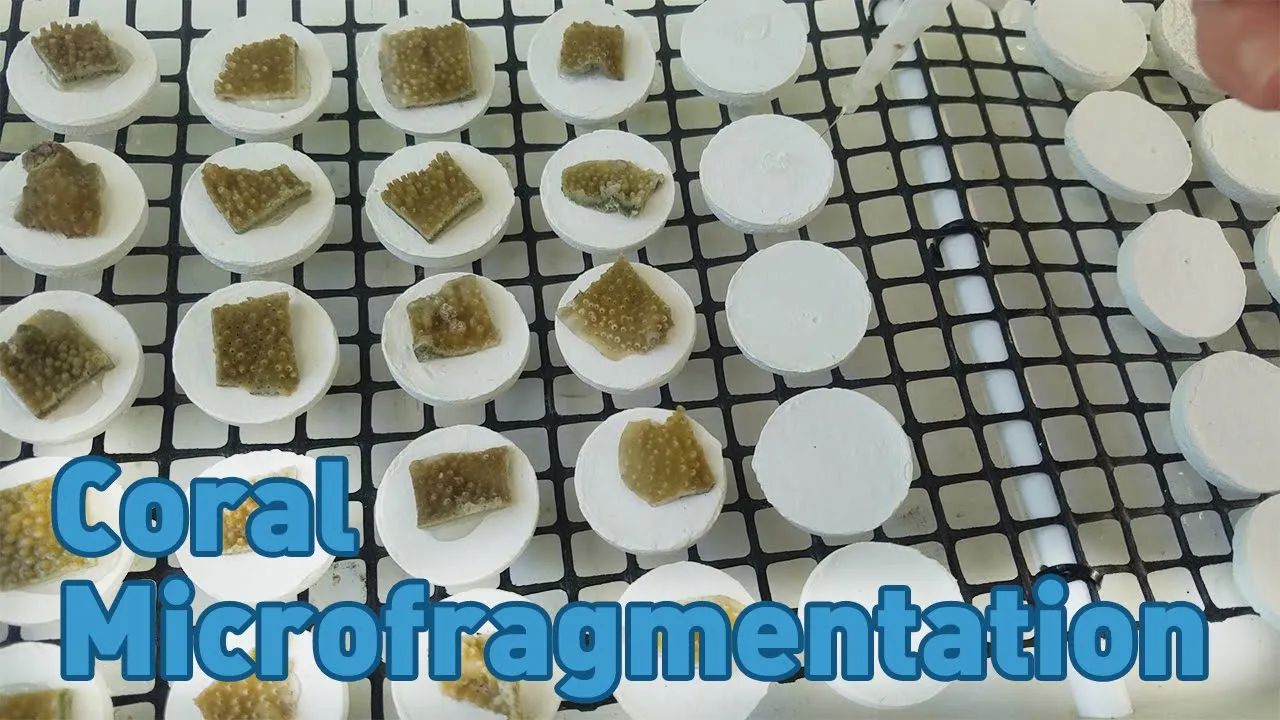


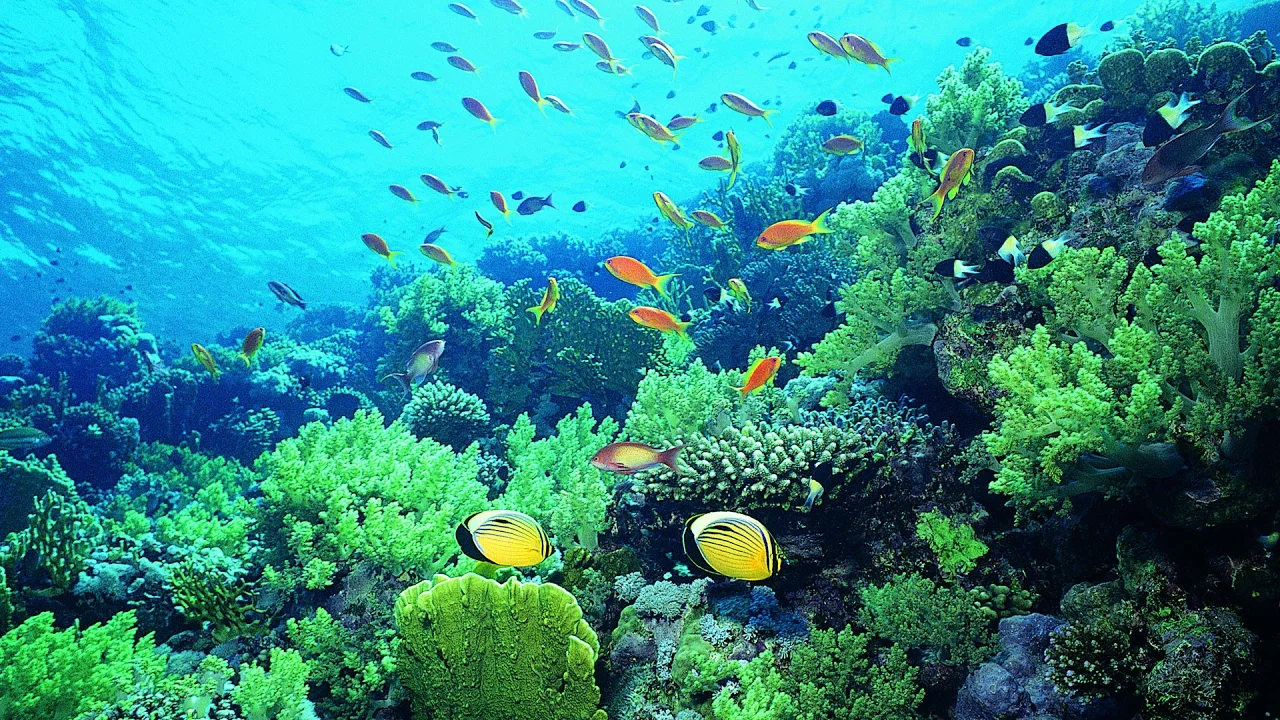






Dr. David Vaughan developed micro-fragmentation technology, which accelerates coral growth by cutting corals into tiny pieces that regenerate and grow up to three times faster than normal, enabling the restoration of coral reefs by producing thousands of corals daily and restoring dead coral skeletons to functional ecosystems in just two years instead of decades.
Coral Reef Restoration: Micro-Fragmentation Technology
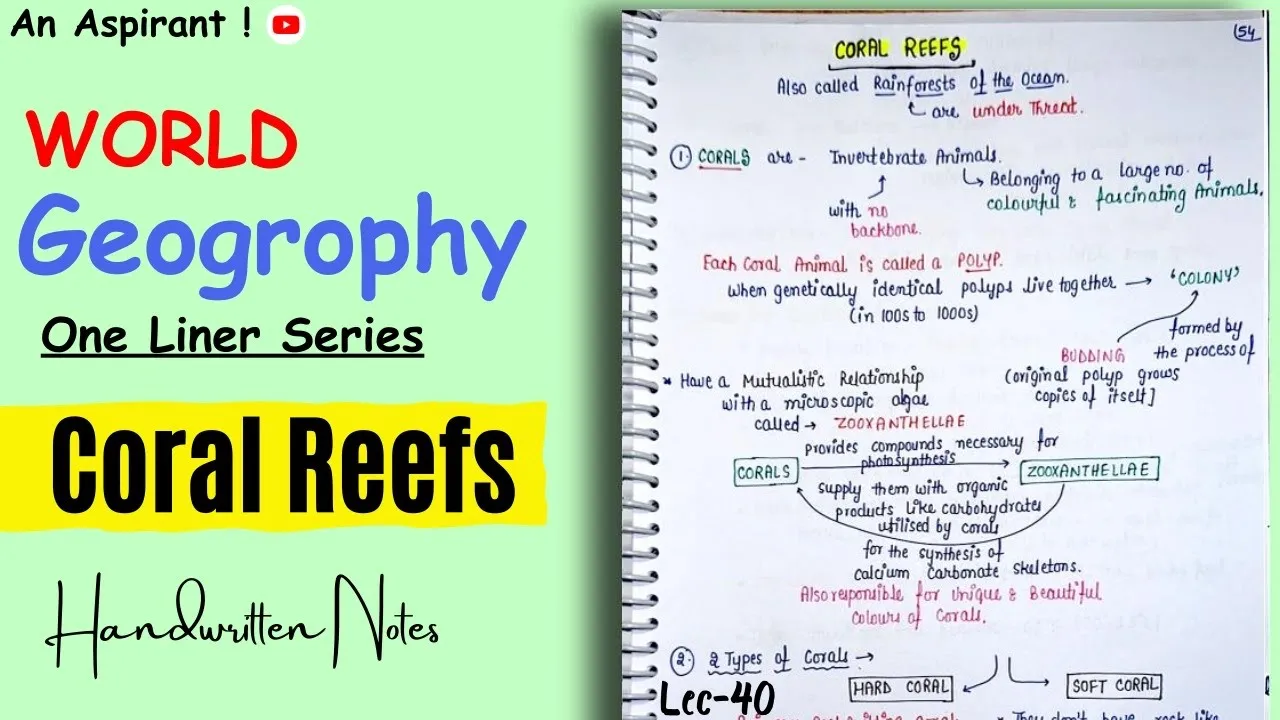
Added:Basic coral biology and anatomy, specifically the colonial structure of polyps and their symbiotic relationship with zooxanthellae algae.
The primary threats to coral reefs, including rising ocean temperatures leading to coral bleaching and ocean acidification.
The natural growth rates of corals, particularly the distinction between fast-growing branching corals and slow-growing massive/brain corals.
The difference between sexual reproduction (spawning) and asexual reproduction (fragmentation) in coral species.
The genetic challenges of micro-fragmentation, specifically maintaining genetic diversity to prevent monoculture vulnerability in restored reefs.
Assisted evolution and selective breeding techniques used to create climate-resilient 'super corals' that can withstand higher temperatures.
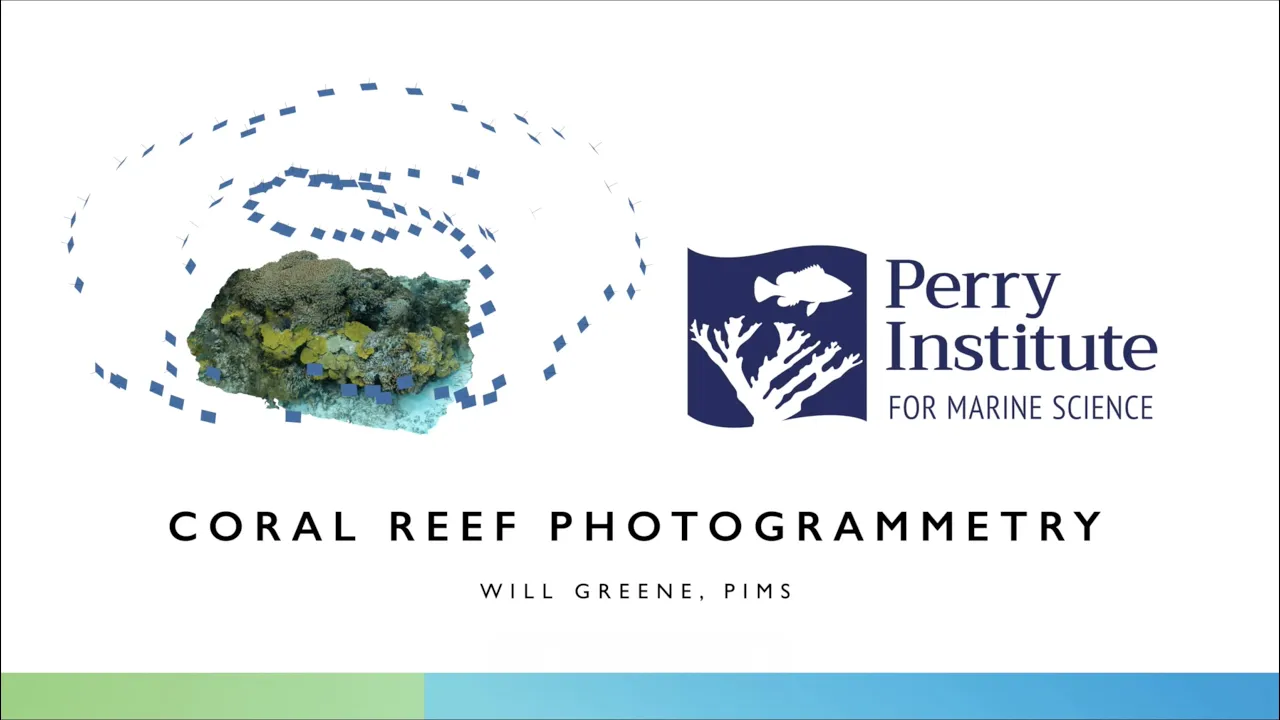
Ecological monitoring technologies, such as 3D photogrammetry and acoustic monitoring, used to track the health of outplanted coral reefs.
The socio-economic and policy frameworks required to scale up marine restoration efforts from local nurseries to global-scale initiatives.
41K views1.1Klikes18:26Original Release: 2017-07-13
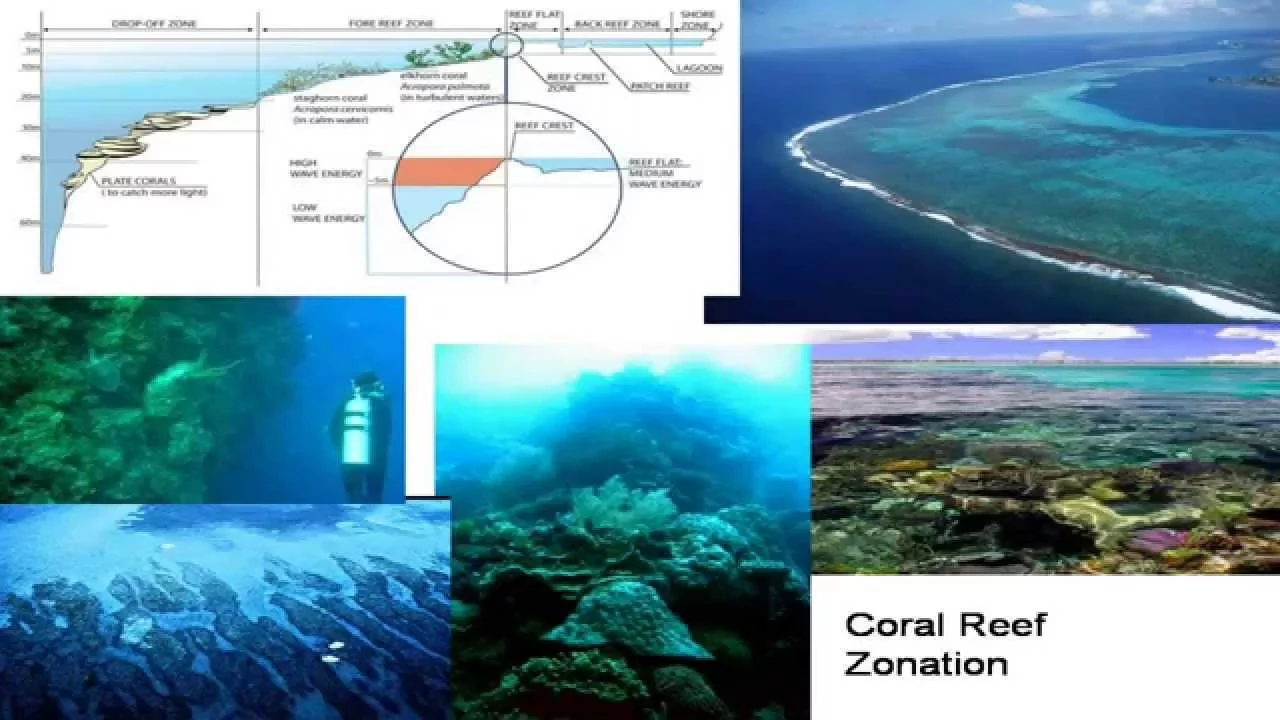
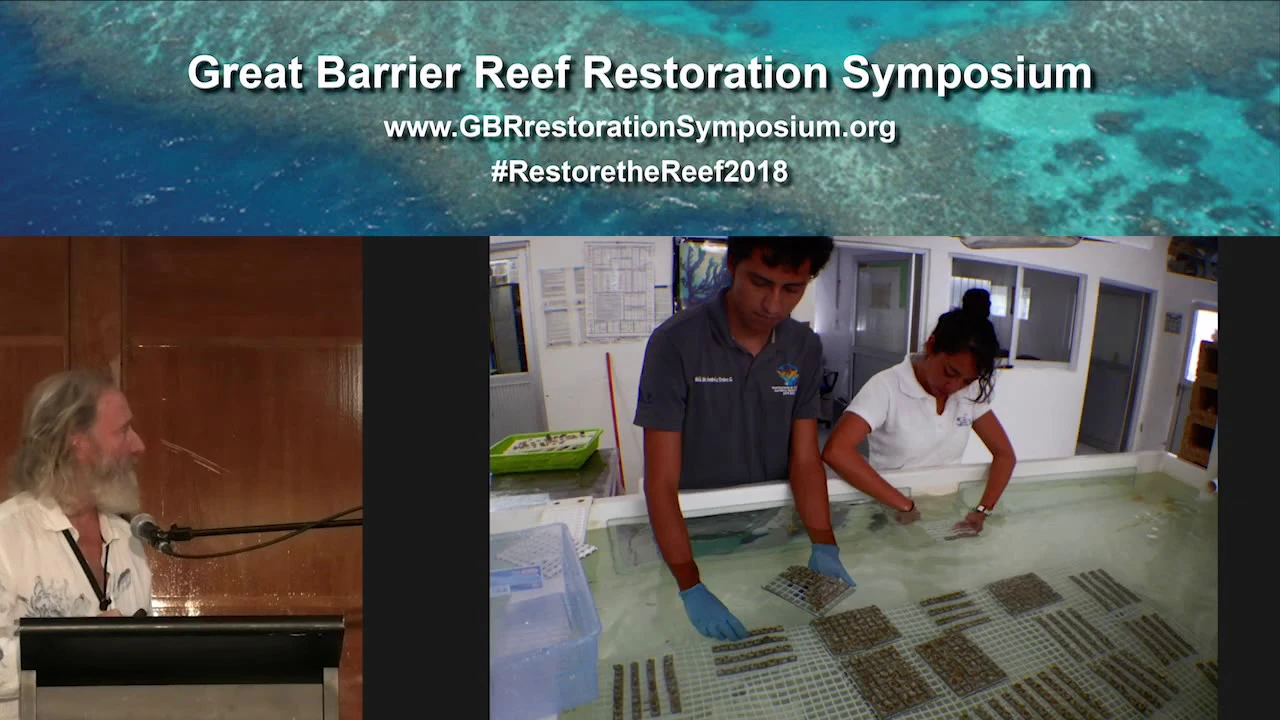
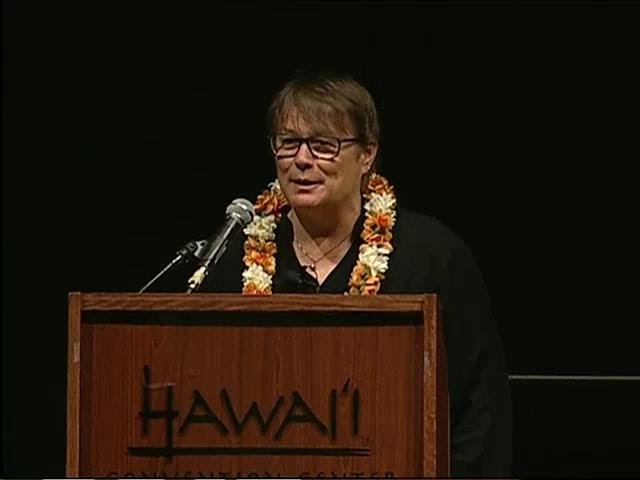
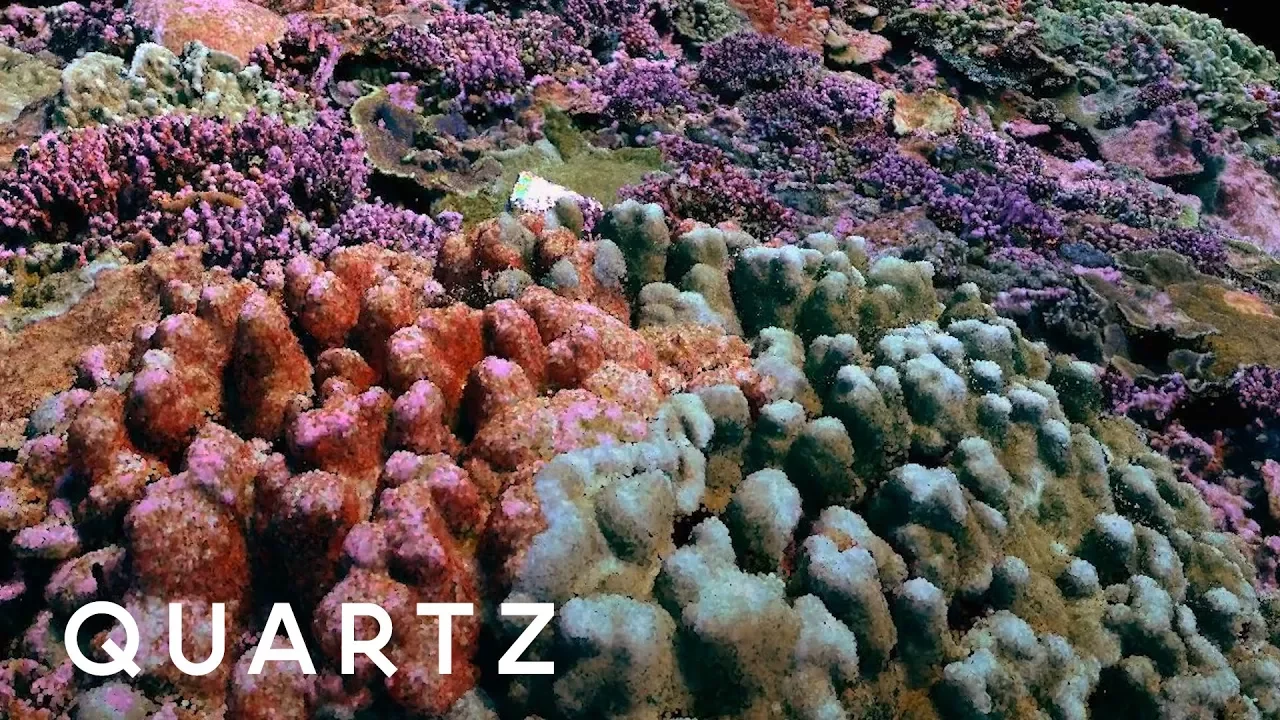
well thank you very much it's a pleasure to be here in Bermuda and uh I'm the executive director of moop marine labs in the Florida Keys new international center for coral reef research and reef restoration a brand new type of topic and what I'm going to do today is kind of unique I'm going to ask you to be a part of this talk and I'm going to ask your help so it's not a hard job but I want you each to follow me in a couple deep breaths you ready inhale exhale inhale a little bigger this time inhale exhale okay congratulations everybody does like to breathe but most people don't realize that the first breath you just took you can thank the forests and the trees and the plants that photosynthesize and produce extra oxygen but that second breath that you just took that larger deeper breath you should be thanking the oceans and that's because the oceans are 70% of this planet and provide through phytoplankton seaweed algae and coral reefs the oxygen we breathe everybody likes to breathe right well what else does coral actually do most people do realize that they are less than 1% of the bottom of the ocean but yet they provide 25 to 40% of all the Fisheries we like everybody likes to eat right well what else did they do well our oceans are one of our biggest economic steamboats here with a cruise boats with snorkeling with diving places like Bermuda Florida and the Caribbean realize that it's one of their big Main Stays if we don't have the reefs we don't have The Tourist dollars but one last fact I'd like to talk about that most people don't realize is that living coral reefs break the storm waves the surges and the hurricane damage that actually allows us to live along the coast that we love without those coral reefs and without those coral reefs being alive and growing as sea level rises we will not be able to breathe eat economic jobs or live near the coast that we love so we should pay attention to the reefs and many have seen in the news that the reefs are in trouble but what is really happening here the picture on the left is what the reefs used to look like when I was was growing up and snorkeling full of stagghorn elorn massive corals and since the 1970s and 80s when sea level temperatures started to rise we started to lose our Corals in some locations the same picture on the right is the same spot taken just a few years later well what's causing this and what can be done well we can do a few things locally we can protect Marine protected areas we can wait hopefully in protection from some of the stressors locally and hope that mother nature comes back we can improve water quality locally and hope that mother nature comes back we can do the best thing we can which is to lower our CO2 emissions because without that the long-term corals are in deep trouble so globally we must lower those CO2 levels if we really want the corals and all of us to survive but what can we do now we can actually restore living corals well what do you mean restore living corals you're going to put corals back just so they can die well one thing that we found out is the corals that are out there today are the ones that survived the last 30 or 40 years I going to show you a picture of an elkorn coral and in an elorn Coral when the temperature gets high and it bleaches well what you'll see here is the the coral on the right is bleaching the coral on the left is not bleaching a little bit later we find out that eventually the coral on the right that bleached dies the coral on the left did not so if we can take those corals the ones that are resistant to today's conditions and we can make more of them we can build a new reef but how are we going to be doing that most people think corals grow very slow right well we can do it with coral nurseries and that's being done now with one of the faster growing corals the branching corals the stagghorn corals the ones that looks like a deer's antlers this species actually evolved for years to be a fragile Branch When Storms came and broke it into pieces some of those people's pieces reestablished on the bottom and grew back to be a new Coral sort of a vegetation reprod production just like you would cut a plant we can do that underwater in Coral nurseries and it's one of the old tricks that is now being improved with technology for ways to grow those faster a 1-in piece of stagghorn coral in six months to a year grows 10 more inches and then we can plant some of those here's a quick example of five pieces planted on the bottom 1 month later they're starting to grow already 5 months later they're really being looked at as large growth and 7 months and actually almost one year later has actually made a habitat for the fish a functioning ecosystem in just one year so this is great news however this is one species and this is one species that has been done for a while and it has good survival but this is a species that usually doesn't live too long 3 5 maybe 10 years what about out all of the other species the slow growing corals the massive corals the ones that actually build the reef up well they are slow growing corals and they have not evolved to break into pieces and so this is a very tough one normally something this big may only grow a tiny fraction of an inch in a year so this one's real trouble so what should we do well let's forget about it and let's just talk about sex instead and we're talking about sex because actually corals have sex they actually spawn like you would think of a Bermuda gloworm or a fish in aggregations when they have a time of the year when they'll when they'll reproduce and by chance they may come together it occurs usually in the spring of the year just like the gloworm it occurs at a certain time it's usually in August it's usually after the full Moon in August it's usually a 2 days after the full Moon in August it's usually 2 days after the full Moon in August and exactly 2 hours after Sunset so how they do this we don't not know but they spawn and release billions of sperm and millions of eggs that float to the surface we didn't even know this occurred until the 1980s but now we know that the mass of corals reproduce sexually just like the birds and the bees and the flowers and the trees but they're very small small larvey are the size of a head of a pin or smaller and by chance this little tiny organism and only one in a million actually makes it wait a minute did I say one in a million makes it I meant one in a million makes it maybe every 25 to 100 years how can that be well some of these massive corals are living 100 800 years old so if they're successful once a century they've replaced themselves once if they live 500 years they may make five but we've lost 25 to 40% of the world's Corals in the last 40 years do we want to wait a million a 100 years to happen again no so 10 years ago we collected about a million of those eggs brought them back into the laboratory and literally produce one of our first test tube baby Cor s at 1 to 3 months that picture on the left is actually through a microscope cuz they couldn't even show you on a regular camera that's a 1 to 3mon Old Coral those little tentacles sticking up there now I know why only one in a million makes it 3 to six months later that picture looks beautiful on the right that's the size of a head of a pin so it's amazing these things make it at all but what we found out with those first VI that we grew is that one year later they were still only the size of a small coin 2 years later size of a medium coin and 3 years later the size of a large coin I got disappointed thought this is no longer a technology we can utilize and instead I took it off the shelf of this aquarium and I put them all on the bottom of the aquarium and forgot about them a few months later I went to move that piece and it stuck and so I yanked it and then I heard a crack and I broke a piece off it that had grown onto the bottom of the aquarium the size of a large coin and I looked at that coral and said oo that's going to hurt and I better check this in a couple days cuz it may die it may get infected it may get stressed and I looked back and I saw three little tiny pops left behind in a dust of calcium carbonate with three little tentacles sticking up and I thought they're not going to make it in fact I said they're toast but you know what that's not what happened two weeks later I went to look at the coral with the big hole in it and it had already grown tissue back that had taken three years to grow and it did it in a few months I literally ran down the hall of the lab to look at those three little pops they had already grown up to about a dozen pops about the size of a large coin again so this is crazy what's going on it became my Eureka moment or some call it my Eureka mistake so then went the science so the science behind the mistake was to take a scalpel take that same coral and cut it again into tiny tiny pieces pieces as small as one single poop and what happened is they grew back up to the size of a three-year-old in just weeks or months so something happens to these corals that causes them to grow fast when they are cut and hurt to very small pieces the same thing happens to our skin our skin does not grow very fast until we fall down and scrape it then it heals over very fast the coral is doing the same thing and hence was born micr fragmentation cutting them into smaller and smaller pieces and it worked with all the other 26 species of corals so to give you a quick review in the old time we used to take a big saw cut it into big pieces we'd wait for those each of those big pieces we'd hold them far apart and in one or two years we'd cut them into two more pieces now we take a specialized saw we cut them into tiny pieces about the size of a pencil eraser or even down to one pup and from One Piece now we get hundreds if not thousands of tiny pieces and they grow crazy in the next few months up to the same size so now that it took us 6 years to produce 600 The oldfashioned Way We Now produce thousands and we've produced 25,000 corals this year and planted 10,000 of them back onto the reef so now we have a new [Applause] technology and with the help of my assistant here shown in the picture we now in one day will cut 600 to a thousand corals and as he says without a sweat but what happened is we are now producing thousands in a day we didn't have enough tanks we usually put corals about 2 in apart and they would have a few years to grow because we don't like corals to touch each other they don't like being overgrown by another Coral they will fight another Coral they'll even kill another Coral but what we found out is these things were growing so fast we had to put them close together and the picture on the right in that area in the center you'll notice these corals have grown up they're touching each other but they're not fighting they're not fighting because they came from the same parent piece it's like your skin transplanting to your other arm and it recognizes that as itself the coral and reskinning is now knows that it's itself and will fuse back together so we now can take the potential of reskinning like your skin onto an old Coral Head like on the left get it to grow up touch each other and actually fuse the upper picture are just our first four small pieces that we put next to each each other 11 months later they fused into one Coral that would have taken 11 to 15 years Coral Fusion is now a new technology we can take a dead coral H head that's out there plant a few of these small fragments in a few months they grow over the fragment towards each other and out in the field on the right hand picture shows them fusing and touching together that Coral Head was produced in 2 years and would have taken 25 to 75 years to grow so now we can literally bring back corals back to life a dead scor coral skeleton that may have been 500 years old we can put 500 clone pieces on and in two years get them to touch and we literally are bringing a half a century Coral back to life in a couple of years this is amazing we can do something that I never thought possible before now to go back to sex the past few years we've had better success than 10 years ago a few years ago we got 12 then we got 25 last year a thousand this year 4,000 surviving out of those million now I'm not to saying this is important because we're going to plant these thousand instead of planting a million but these thousand now are 1,000 genetic recombinations there's no TN here these are now all genetic diversity and if we put these thousand out we'll let Mother Nature decide in 5 years which of these are best to survive we can also preest them now in tanks where we are adjusting the temperatures where we think it may be in 20 50 and 100 years from now but maybe we'll solve that too and we change the pH to see which one of these are going to be winners and which one are going to be losers now think about it I told you about two or three or four different new technologies the real trick now is putting them all together if we put these all together now we can produce a lot of corals in a small period of time we can get sexual reproduction to give us a thousand new genotypes we can test those genotypes to see which ones are resistant to high temperature low PH diseases pollution we can take those two that have each of those qualities cut them up refuse them back together into a size of a colony that would have been 25 years old and oh yes I forgot to tell you if they go to the size of a 25y old that's the time that they spawn and even though these are only one or two years old Size Matters and so at the size of a 50 or 25 yearold they know it is and they spawn and so now we can close the life cycle of an entire selection of a 100y old Coral in just a the lifespan of a graduate student and we can now do the amount of time and Crossing that everybody on land did with dogs cats birds bees cattle and everything with the economy scale we can plant a million corals if less than $10 a coral what let's do the math real quick we had 400 corals a couple years ago we cut them into 50 we get 20,000 20,000 in 6 months cut another 50 from each we get 1 million in one year so we can take stagghorn and elorn off the endangered species list in just a few years we can restore the reefs in our lifetime we can go from this the old picture back to the new picture but with your help so I'm not going to ask you one last time to work with me here join me inhale exhale you can now breathe easier that we're going to make a change with technology but you're are going to have to join me in stopping the extra CO2 being put out people ask me what will it cost us to restore the reefs I'll have to ask you what will it cost us if we don't restore the reefs thank you
Up Next
12:24
Coral Fragging: Reef Restoration in the Florida Keys
@GablesOnTheGo
7.6K views•2022-04-29

12:54
Triumph of Orthodoxy Icon: Byzantine Art & History Explained
@BenCallan
2.1K views•2024-08-06

11:43
Indigenous Astronomy: Rethinking Space Ethics | Karlie Noon TEDx
@TEDx
15.1K views•2025-11-30

1:42
Game of Thrones Opening Credits: A Cinematic Analysis
@gameofthrones
46.3M views•2011-04-18
Related Study Plans & Knowledge Roadmaps
Structured learning paths in General & Interdisciplinary Studies
general-studies
Elevator Engineering: History, Physics & Cities
01From Hoists to Safety Brakes: The Dawn of Vertical Lift
02Hydraulic vs. Traction: The Engineering Physics of Elevators
03Modern Speed, Safety, and Algorithms
+ 2 more learning modules
12h5 modules
Explore Roadmap
general-studies
Rubber: Material Science, History & Geopolitics
01Origins of Natural Rubber & Mesoamerican History
02The Chemistry of Natural Rubber & Vulcanization
03The Geopolitics of the Rubber Boom & Colonization
+ 2 more learning modules
12h5 modules
Explore Roadmap
general-studies
Containerization: Evolution, Logistics & Trade
01Ancient Trade & Bulk Cargo: Amphorae to Barrels
02The Industrial Revolution & Cardboard Packaging
03The Containerization Revolution: Malcom McLean
+ 2 more learning modules
12h5 modules
Explore Roadmap
general-studies
Textile Tech: Evolution, Labor & Global Impact
01Pre-Industrial Textiles: Handloom & Cottage Industry
02Mechanization: The Spinning Jenny to the Power Loom
03The Factory System & Global Labor Transformation
+ 2 more learning modules
10h5 modules
Explore Roadmap