







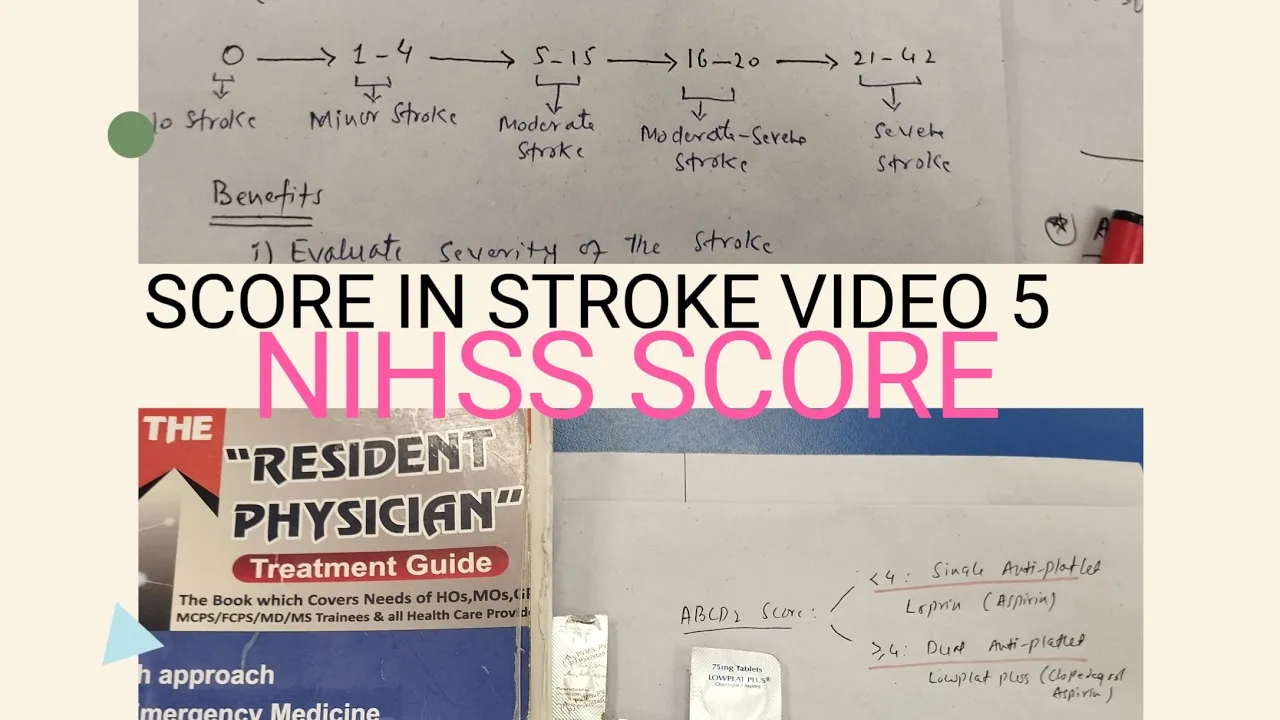
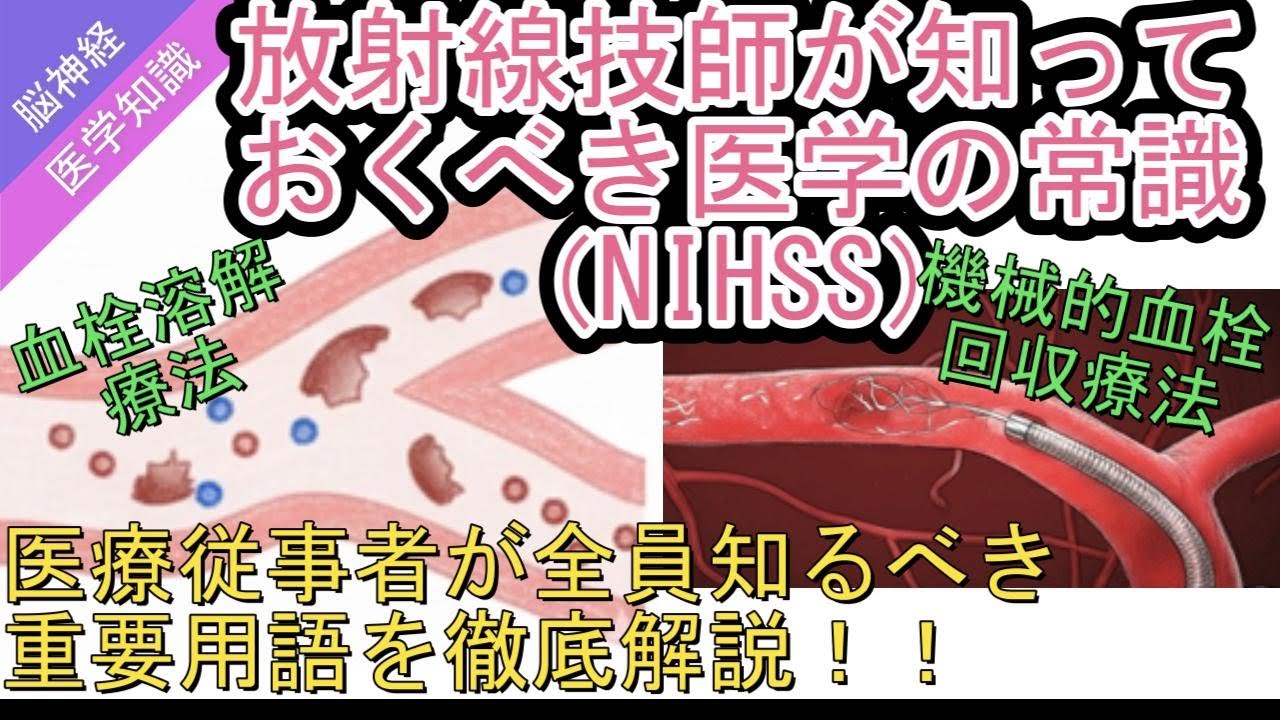





The NIH Stroke Scale is a standardized neurological assessment tool used to evaluate stroke patients by systematically testing consciousness, vision, facial movement, motor function, sensation, language, and cognition, with each domain scored to determine the patient's overall stroke severity.
NIH Stroke Scale Assessment: Scoring a Zero for CVA Signs
Added:Basic neuroanatomy and physiology, including the functions of the cranial nerves, cerebrum, and cerebellum.
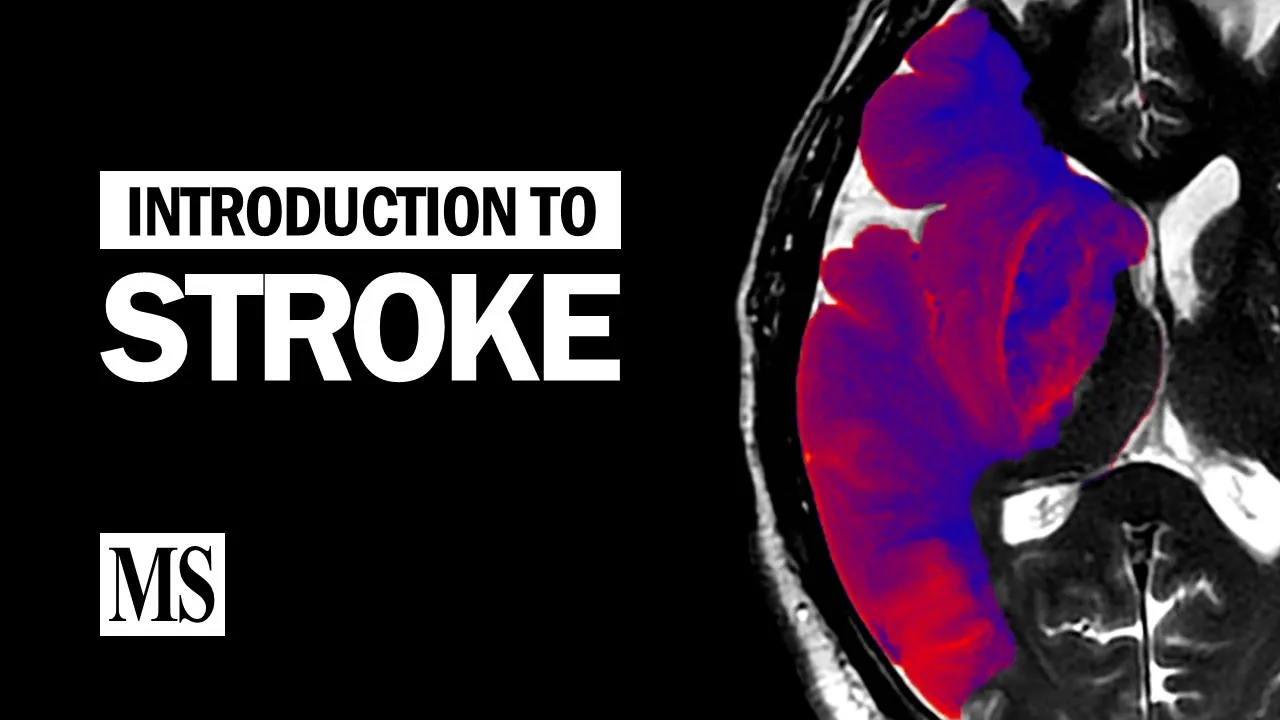
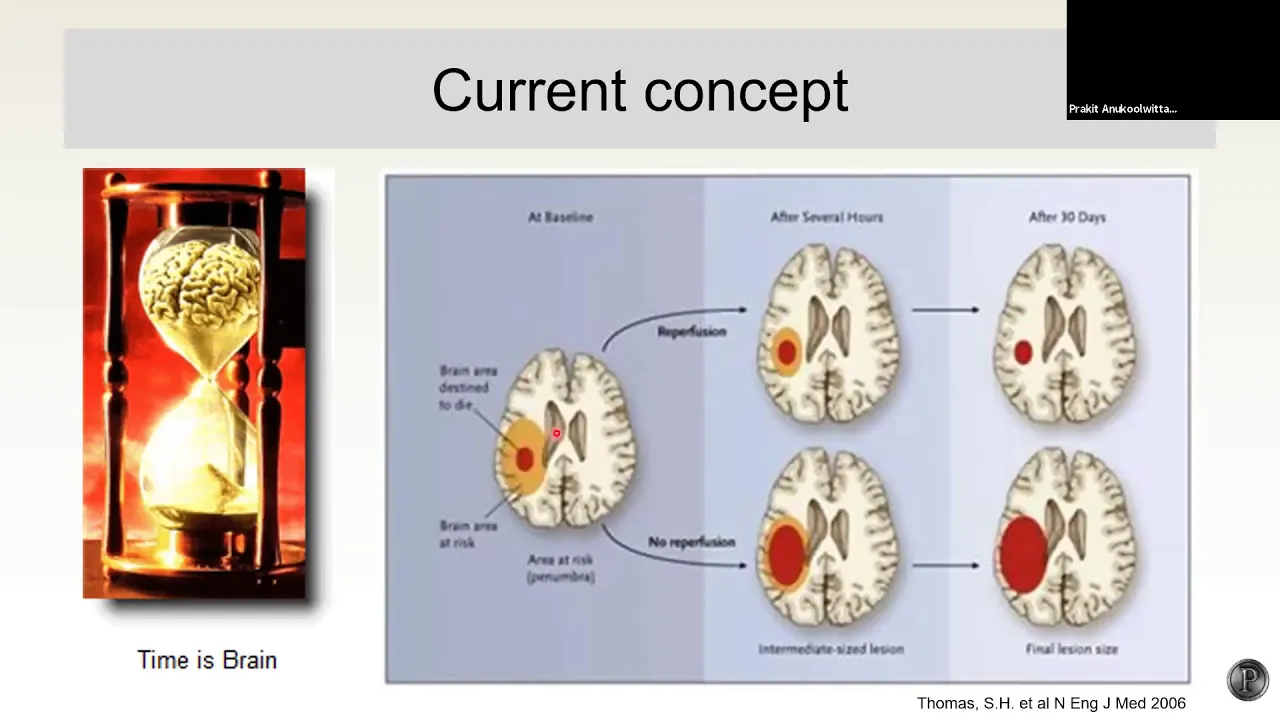
The definition, types (ischemic vs. hemorrhagic), and common clinical presentations of a Cerebrovascular Accident (CVA).
Fundamental principles of a clinical neurological examination, such as assessing motor strength, sensation, and cranial nerve function.
An introductory understanding of what the NIH Stroke Scale (NIHSS) is, including its purpose as a standardized clinical assessment tool.
How to accurately score and interpret abnormal (non-zero) findings on the NIHSS for patients experiencing acute neurological deficits.
The integration of NIHSS scores into acute stroke clinical decision-making, such as determining eligibility for thrombolytic therapy (tPA) or endovascular thrombectomy.
Identifying and differentiating 'stroke mimics' (e.g., hypoglycemia, complex migraines, Bell's palsy) that can complicate NIHSS assessments.
The clinical significance of serial NIHSS tracking to monitor stroke progression, patient recovery, and long-term prognosis.
235 views1likes6:15Original Release: 2026-04-17
All right, sir. How are you doing today?
Good. How are you? I'm great. Are you in any pain?
No, I'm not. And are you comfortable?
Yes.
And then, can you tell me how old you are? I'm 20. And what's the month?
April.
All right. And can you close your eyes for me? And now open them.
Now do some clenching of your fists.
Perfect. This patient will score a zero on a 1A, B, and C. They were able to listen to commands and answer questions correctly.
All right.
I'm going to have you keep your head still and look at my finger.
Follow it.
All right. This patient will score a zero cuz they were able to follow it correctly.
And there was no tracking abnormalities or movement of the head.
All right. Can you give me a big old smile?
Perfect. And can you squeeze your eyes together really tight? Now open them up.
Now raise your eyebrows up high.
Perfect.
This patient will score a zero because they were able to do these eagerly.
All right. I'm going to hold your arm up real quick. I'm going to hold it straight out. I'm going to have you hold it right here for 10 seconds. Ready?
1 2 3 4 5 6 7 8 9 10. You can relax.
Now same thing over here.
1 2 3 4 5 6 7 8 9 10. You can relax.
Now same thing with your feet. Hold them for 5 seconds. Ready?
1 2 3 4 5. You can relax.
All right.
1 2 3 4 5. Perfect.
This patient scored a zero cuz he was able to keep his limbs up for all of the required times.
All right.
Okay.
I'm going to hold my finger up here. I want you to take your finger and poke your nose and then my finger. Either hand if you want to start with.
All right. Now go ahead and do the other hand.
Sorry.
All right. And then now I'm going to assist you. I'm going to bring your heel up to your shin and have you drag it up and down your leg.
So drag it down to your foot and back up.
Do it one more time.
Perfect.
I'm going to do it with your other leg.
All right. This patient was score zero.
I think he could have done better.
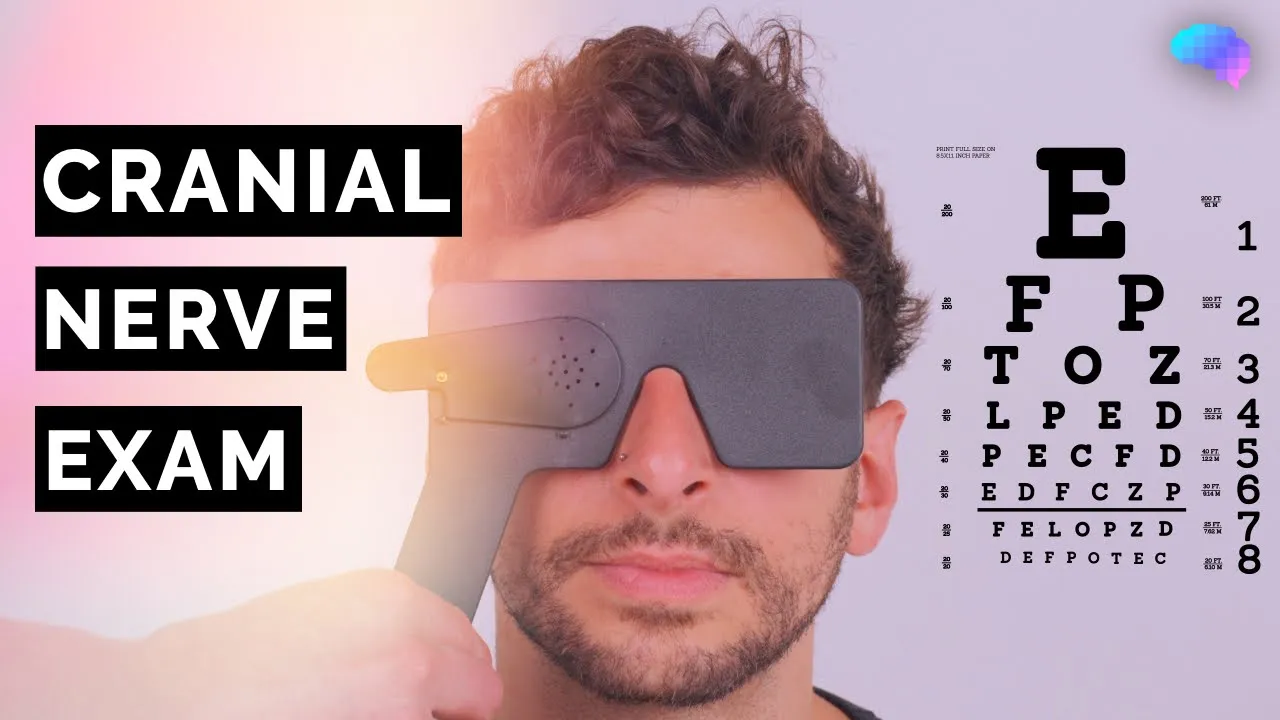
All right. Really quick, I'm going to have you cover one eye.
Now I'm going to hold some numbers for you. Ready? And you're going to tell me what you see.
One.
Two.
Three.
Five.
Two.
One. All right. I'm going to have you do it with the other hand.
One.
Two.
Three.
Five.
One.
Two. All right. The patient would score a zero in this cuz they were able to correctly identify all of the numbers.
All right. I'm going to take this pin really quick. I'm going to poke on each side of your face. I need you to tell me if they feel the same or if one feels sharper.
Same.
Same.
Same. Okay.
All right. Uh I'm going to show you a picture and ask you to describe it for me.
So, there's a boy that is on a stool that's falling over, but he's trying to get to the top of a cookie jar. And the mom is doing dishes in the sink, but the water is overflowing. All right. And then can you name some of the items in this picture?
There's a hammock, a feather, a cactus, and that's all I remember.
And then can you say just a couple of the words on this page?
Um I forgot all the words, but throughout, severe, same, difference. Perfect. All right, I would give this brave patient a zero because they had no aphasia and were able to communicate their point thoroughly.
And they also got a zero on their pronunciation cuz they were able to pronounce all of the words on the paper correctly.
All right.
Now, I'm going to have you close your eyes. I'm going to touch each side, left, right, or both. Let me know and tell me what you feel. Ready?
Yep.
Right.
Both.
Left.
Right.
Both. All right, I'm going to do your hands.
Right.
Left.
Both.
Left.
Both.
All right, now we're doing your feet.
Right.
Both.
Left.
Left.
Both.
Perfect.
All right, this patient also scores a zero on this, making his overall score on the NIH uh NIH Stroke Scale eight, zero.
Remain seated.
Up Next

24:00
NIH Stroke Scale (NIHSS) Training: Scoring & Elements
@JohnsHopkinsMedicine
37.3K views•2020-07-14

48:47
Graphic Medicine: Comics for Collaborative Healthcare Communication
@nationalpatientadvocate
189 views•2023-12-04

10:28
Neuroanatomy: Central and Peripheral Nervous System Divisions Explained
@AKLECTURES
136.2K views•2014-09-20
3:05
Stages of Labor and Vaginal Birth | Childbirth Animation
@nucleusmedicalmedia
52.1M views•2017-08-18
Related Study Plans & Knowledge Roadmaps
Structured learning paths in Medicine
medicine
Abnormal LFTs: Diagnostic Workup & Pathology
01Liver Anatomy and Basic Physiology
02Introduction to Liver Function Tests (LFTs)
03Hepatocellular vs. Cholestatic Patterns
+ 3 more learning modules
12h6 modules
Explore Roadmap
medicine
Analyzing Blood Smears: RBC, WBC & Platelets
01Introduction to Blood Components & Smear Preparation
02Normal Morphology of Blood Cells
03Erythrocyte Pathologies & Morphological Variants
+ 2 more learning modules
12h5 modules
Explore Roadmap
medicine
Mechanical Ventilation: Waveforms & Alarms
01Anatomy and Physiology of Breathing
02Introduction to Mechanical Ventilation & Core Modes
03Ventilator Settings and Waveform Interpretation
+ 2 more learning modules
12h5 modules
Explore Roadmap
medicine
Neuro Exam: Localization & Stroke Syndromes
01Foundations of Neuroanatomy and Vascular Supply
02The Neurological Examination: Step-by-Step
03Principles of Neurological Localization
+ 3 more learning modules
18h6 modules
Explore Roadmap