
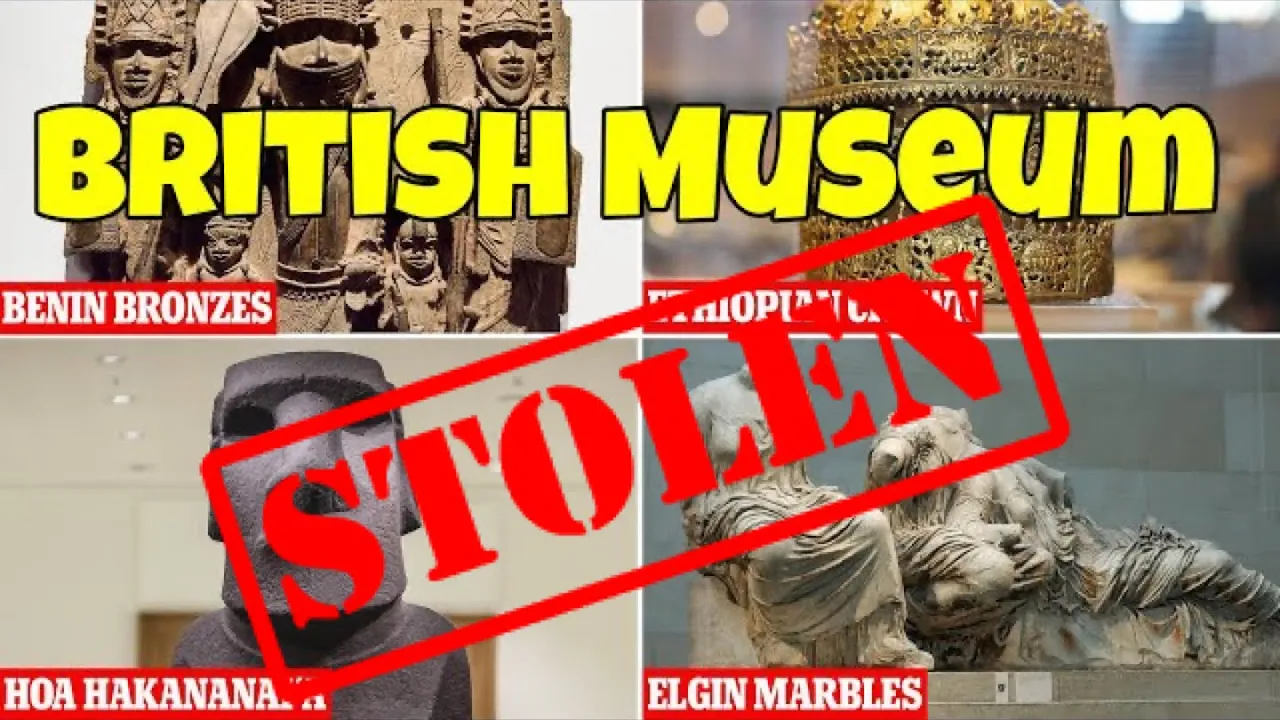
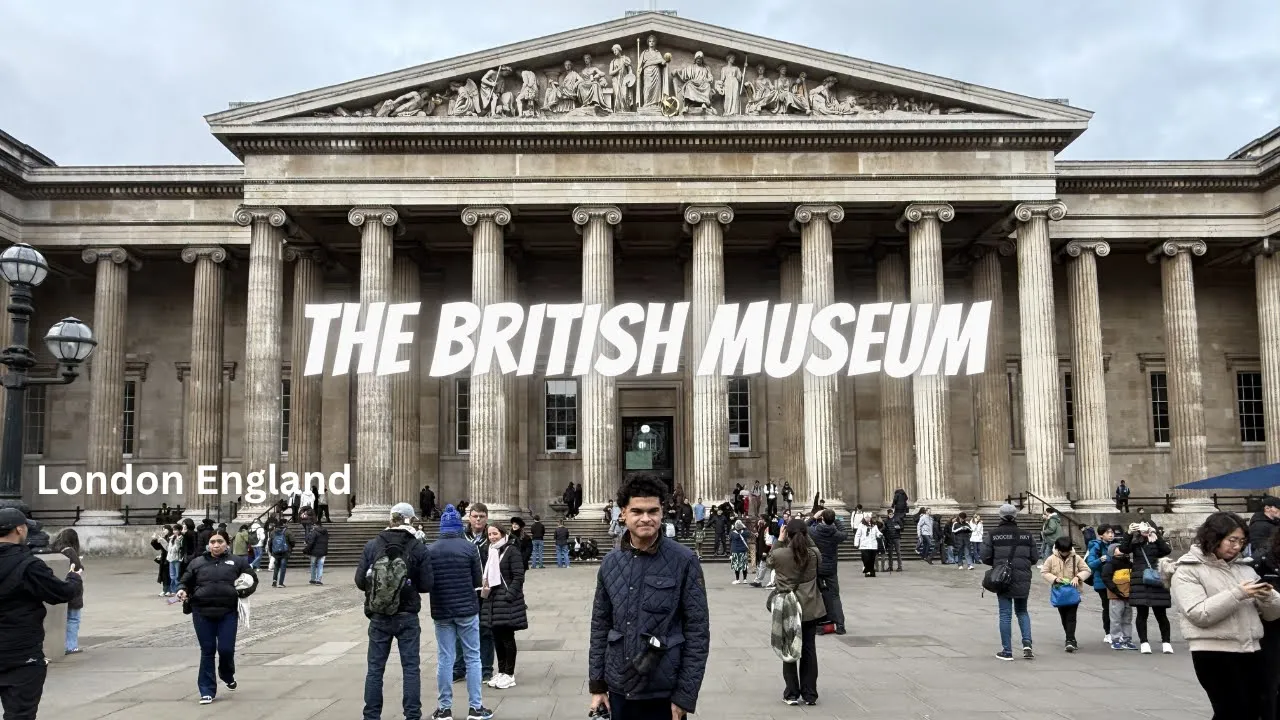













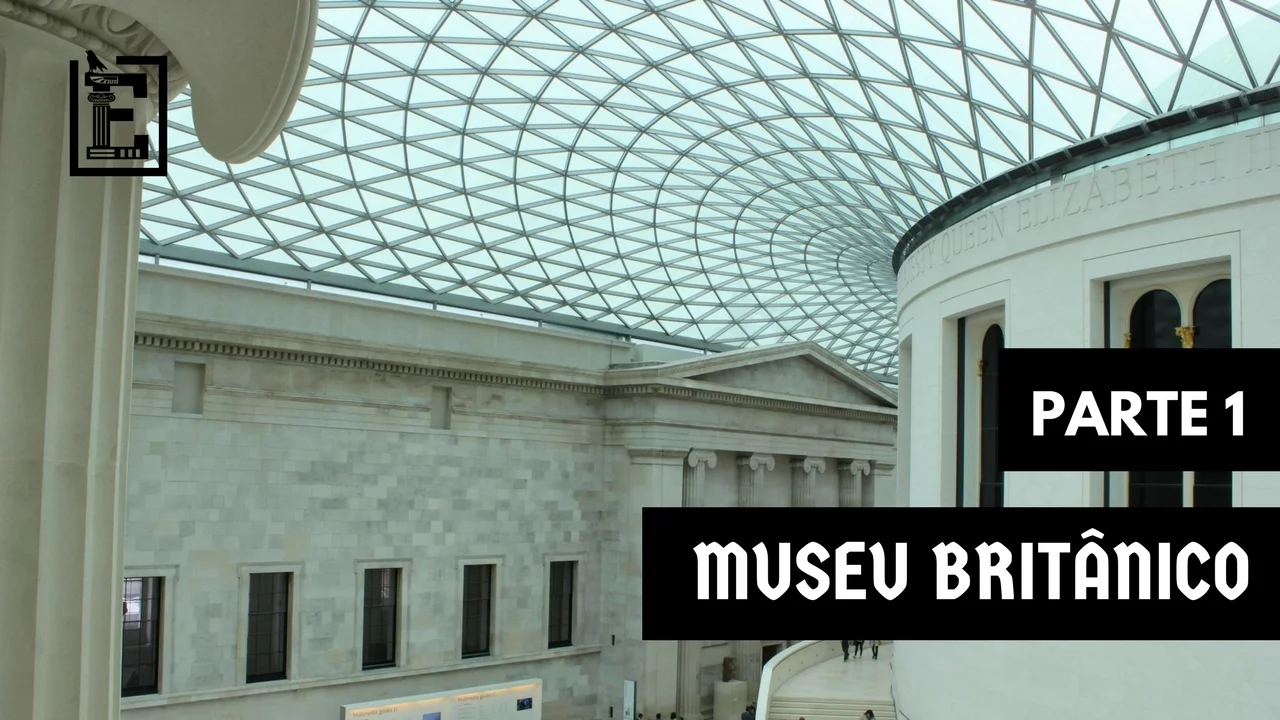








The British Museum houses numerous artifacts looted during colonial expansion, including the Benin Bronzes taken in 1897 when British soldiers destroyed Benin City and seized thousands of cultural objects; despite ongoing calls for their return from Nigeria and other nations, the museum maintains a policy of not returning disputed items, instead offering loans, highlighting the ongoing global debate about whether cultural artifacts should be repatriated to their countries of origin or remain in Western institutions.
The British Museum's Problem With Stolen Artifacts
Added:The history of the British Empire and the mechanics of colonial expansion, which facilitated the acquisition of global artifacts.
The concept of 'provenance' in art and archaeology, which refers to the documented history of an object's ownership and origin.
The fundamental role of national museums in the 18th and 19th centuries as instruments of state power and cultural curation.
Basic legal frameworks surrounding cultural property, such as the 1970 UNESCO Convention on the Means of Prohibiting and Preventing the Illicit Import, Export and Transfer of Ownership of Cultural Property.
Case studies of specific contested artifacts, such as the Parthenon Marbles (Elgin Marbles), the Benin Bronzes, and the Rosetta Stone.
The institutional and ethical frameworks of 'decolonizing the museum,' including collaborative curation and shared stewardship with indigenous communities.
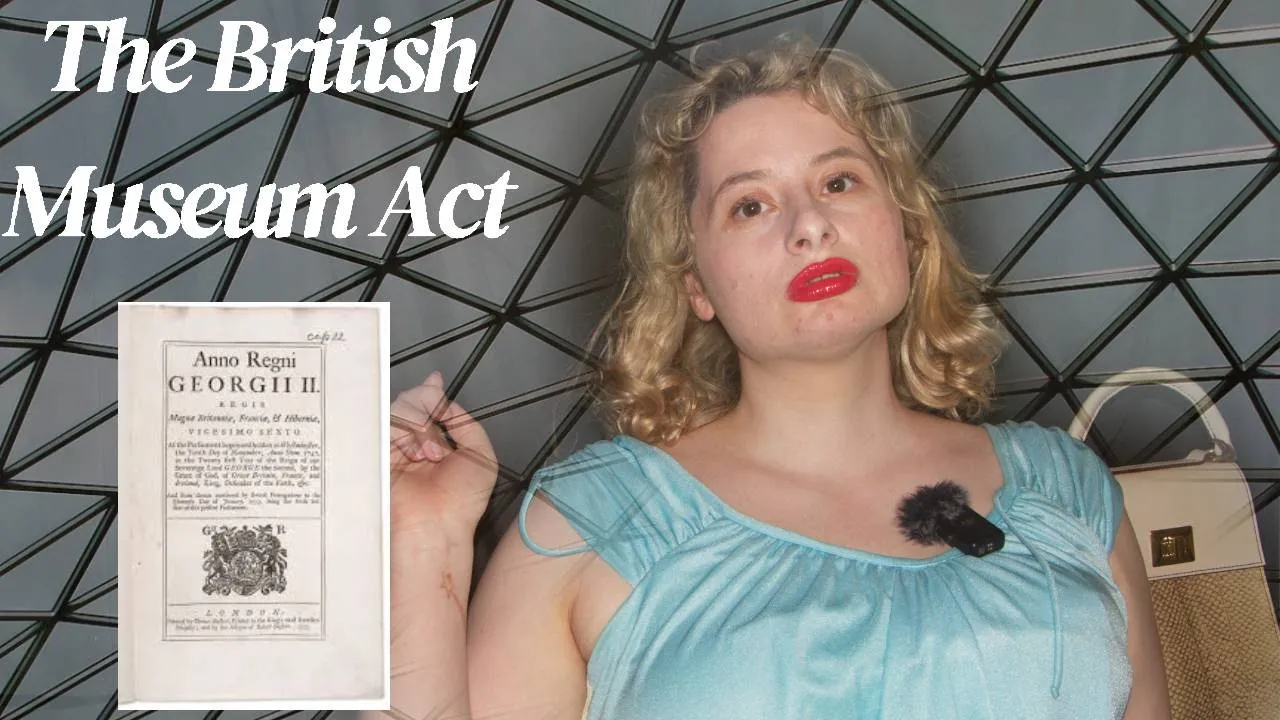
The legal barriers to restitution, specifically analyzing national laws like the British Museum Act 1963 which restrict museums from deaccessioning their collections.
The role of digital repatriation, 3D scanning, and virtual reality as potential technological compromises in cultural heritage disputes.
6.4M views168.2Klikes9:32Original Release: 2020-08-05
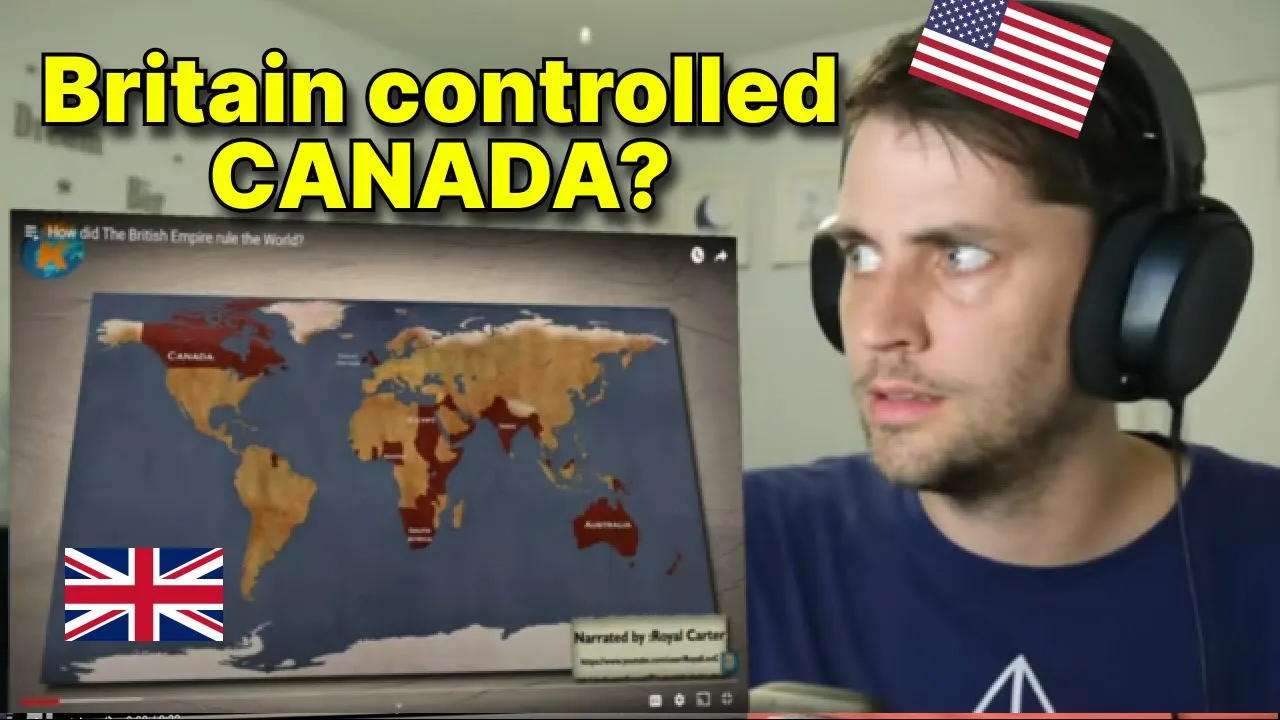
this is the british museum it's the world's largest world history museum and it draws millions of visitors every year inside it holds more than eight million cultural and historical artifacts from all over the world which cover 2 million years of human history if you follow the museum's recommended list of don't miss items you'll see its star pieces like this easter island sculpture that's about a thousand years old or this bronze sculpture of the hindu god shiva [Music] but there's a problem hidden in the museum and we can see an example of it along this route out of those 12 pieces nearly half have disputed ownership the british museum claims those pieces belong there on display for the world to see but in recent years many have been fighting to get them back to where they came from the list of disputed museum treasures keeps on growing should cultural artifacts return to their home countries or be left in western museums the subject of intense debate as to who should now own them let's start with some context in the late 1600s the british empire began expanding across several continents it became the largest empire in history controlling about a quarter of the world's land and population during its centuries-long role the empire took precious resources and wealth from countries all over the world including cultural and historical artifacts many of which ended up here in the british museum which was founded in 1753 and kept growing to accommodate all the new pieces in its collection lots of the items in the museum were legally acquired and are completely undisputed like this one a two thousand year old roman base sold to the museum by a duke in 1945.
the problem is with the pieces that are disputed like the first item you see as soon as you walk in the rosetta stone taken by british troops from the french in what is now egypt or further in the parthenon sculptures removed from the acropolis in athens by a british lord and sent to the british museum or over here on the floor dedicated to african art the benin bronzes some of the most contentious items in the museum the benin bronzes are kind of hard to categorize because they include such a huge range of items from engraved ivory tusks to brass sculptures to plaques but they were all produced here in the kingdom of benin in present-day nigeria this wealthy and industrious kingdom produced thousands of objects and art pieces starting in the 1500s a lot of the items adorned palace walls and were used for religious rituals but they weren't just decorative there were visual archives of the kingdom in a society that did not develop a written script as we know them that's professor chika okekeyagulu an art historian and professor from nigeria who teaches at princeton university they told their history how they narrated the histories of kingship of the kingdom its political and social life but in 1897 benin would lose thousands of these cultural pieces at the time european colonial powers were expanding south in what was called the scramble for africa they split up the continent into spheres of influence for financial exploitation all these pink areas were the british ones benin over here was in britain's sphere of influence but the kingdom didn't comply with britain's trade demands and in january of 1897 it led to what was called the benin disaster where benin guards killed seven british emissaries plus their many guides and servants in response 1 200 british troops embarked on a mission called the benin punitive expedition the british wanted revenge but the mission was about more than just that there were reports of these vast treasures in the palace of the king of the name and that if they could retrieve these treasures sales from it could offset the cost of the invasion this was all well planned and so the punitive expedition in other words was also an economic enterprise the british soldiers armed with machine guns conquered the city and burned it to the ground but not before carefully taking thousands of artifacts they piled them up neatly photographed them and even labeled them loot this photo taken at the benin palace after the raid shows soldiers with the dismantled plaques that were brought to the british museum and sold all over the world and after hundreds of years the once prosperous kingdom was gone the region fell under full british colonial control until 1960 when nigeria including the city of benin gained independence but even though they were finally free their historical artifacts were still spread all over the world locked up in western institutions like the leipzig museum of ethnology in germany and the que brandle museum in paris and of course the british museum [Music] 1995 in london that was my first time of seeing an original uh ancient benin artwork was yes at the british museum being in the presence of these magnificent objects and knowing that i had to travel all the way from nigeria to see for the first time in these objects it was a mixture of pride in the achievement of these ancient artists and and mixed with a sense of loss at what could have been if i only had to travel a few hundred miles but at this point you're limited to those uh privileged like me who could get a visa to travel all the way from nigeria to england um to encounter these objects most nigerians will never see them [Music] in march 2000 benin's royal family tried to change that they officially requested all cultural property illegally taken be returned to the rightful owner but for the most part the british museum has ignored any requests the museum is restricted by a government act that prevents it from returning objects but it has also made its stance clear in july of 2020 the british museum told vox we don't restitute but we are absolutely committed to lending as widely as possible including to nigeria the museum's foundational value resides in its breadth scale complexity and unity and as such is a true library of the world chica doesn't see it that way the british museum still behaves like a colonial museum you cannot claim to be an encyclopedic collector of stolen objects but some are starting to reckon with this history in 2014 the grandson of this british soldier from the 1897 benin punitive expedition returned these two items he had inherited to the benin royal family and in 2007 the benin dialogue group was formed western museums that hold the bronzes and nigerian government representatives have been discussing potential solutions ever since but as of today none of the bronzes have been returned but this is just one story this legacy is bigger than the bannon bronzes there are hundreds of contested items in the british museum with their own rich histories and with original owners trying to retrieve them but the problem is even bigger than the british museum it's a legacy of centuries of colonial power that repeats itself again and again with different artifacts in different museums because these requests aren't just about items they are also about cultural and historical identity and who gets to own it this is a long term project it may last beyond my own lifetime but the point is that it's now to start that process we cannot wait any longer for a next generation to even begin the necessary task and project of cultural [Music] reconstitution [Music] you
Up Next

6:40
Cabinets of Curiosities: Origins of Museums | Gem History
@gems
57K views•2022-04-28

33:02
The Great Schism of 1054: Causes and Consequences
@SacredCathedrals
113.5K views•2026-02-19
91:57
The Geopolitics of the Ukraine War and the Rise of Global Autocracy
@JordanHarbingerShow
468K views•2025-04-19
17:05
Understanding the Cold War: Superpower Conflicts and the Road to Détente
@OverSimplified
46.1M views•2019-01-24
Related Study Plans & Knowledge Roadmaps
Structured learning paths in History
history
Byzantine Iconoclasm: Theology, Art & Politics
01Foundations of Byzantium and Early Christian Images
02The First Iconoclasm: Leo III and the Crisis of Images
03Empress Irene, Nicaea II, and the Second Iconoclasm
+ 2 more learning modules
9h5 modules
Explore Roadmap
history
Iranian Revolution (Causes, Events & Legacy)
01The Pahlavi Dynasty and the Roots of Discontent
02The Spark of Rebellion and the Rise of Khomeini
031979: The Fall of the Shah and the Climax of the Revolution
+ 2 more learning modules
8h5 modules
Explore Roadmap
history
Mali Empire: Mansa Musa, Trade & Timbuktu
01Foundations of the Mali Empire
02The Trans-Saharan Gold and Salt Trade
03The Reign and Pilgrimage of Mansa Musa
+ 1 more learning modules
6h4 modules
Explore Roadmap
history
1947 Partition: Politics, Borders & Legacies
01Foundations of British India and the Divide
02The Political Negotiations and the Mountbatten Plan
03Drawing the Boundary: The Radcliffe Line
+ 2 more learning modules
8h5 modules
Explore Roadmap