






















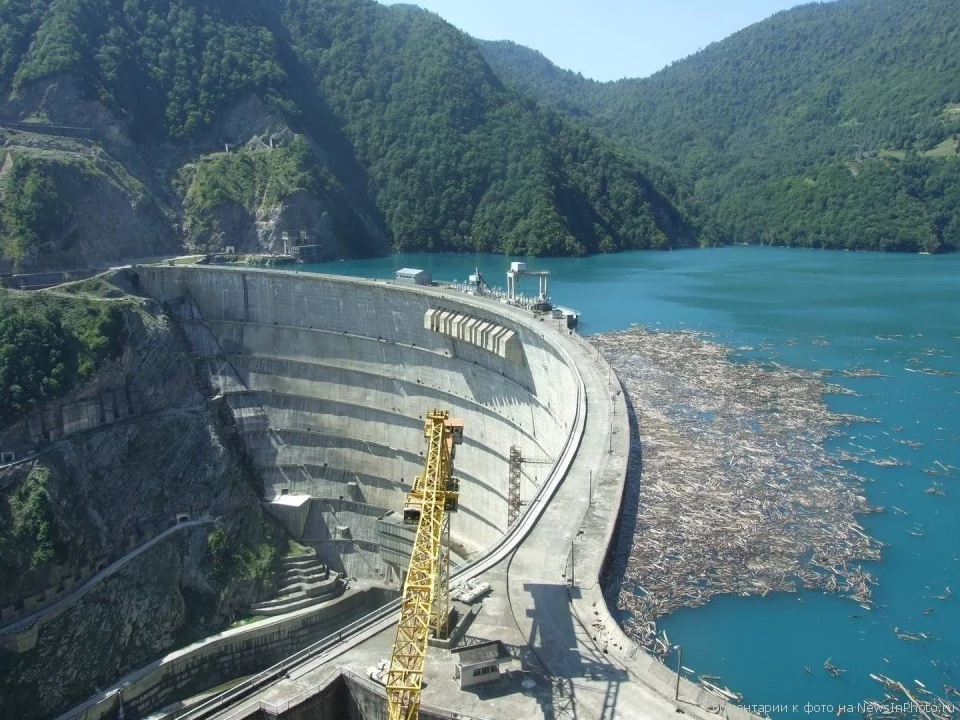


Reservoir silting occurs when sediment transported by rivers accumulates in dammed reservoirs, progressively reducing their storage capacity for water supply, flood control, and hydropower generation; this problem is exacerbated by geographic factors like mountainous terrain with loose soils and heavy rainfall, as seen in Taiwan where typhoons deposit massive sediment loads, and can be mitigated through upstream erosion prevention (terracing, vegetation), sediment routing strategies (sluice gates, bypass tunnels), and direct sediment removal (dredging, blasting), though complete elimination remains challenging due to the scale of watershed management required.
Reservoir Sedimentation: Causes, Impacts, and Mitigation Strategies
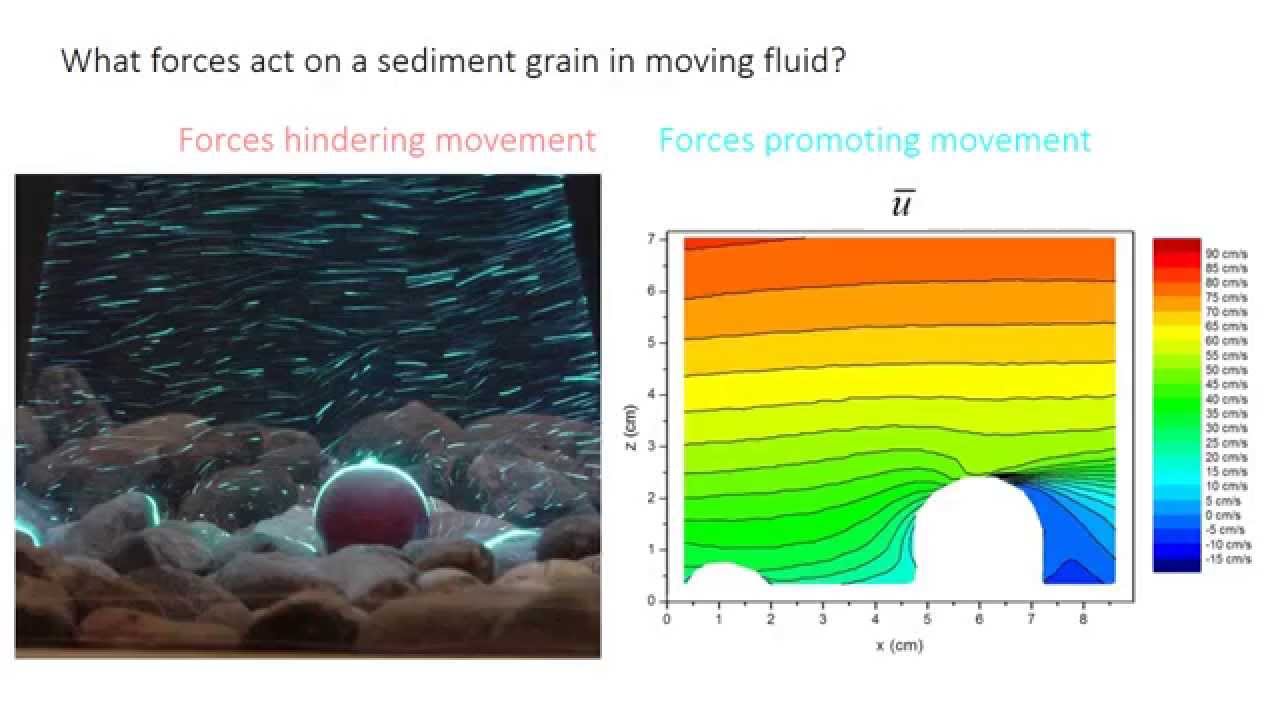
Added:Basic principles of sediment transport, including the difference between bed load and suspended load.
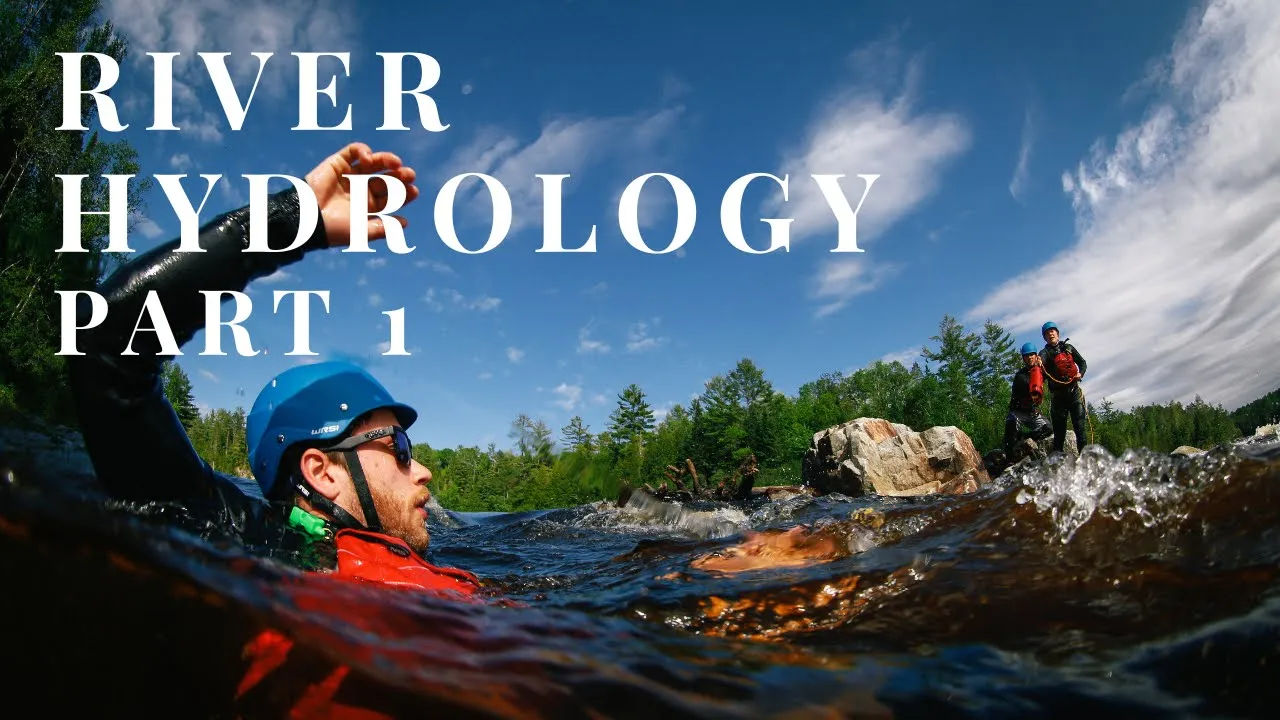
Fundamentals of river hydrology and watershed behavior, including river discharge and catchment dynamics.
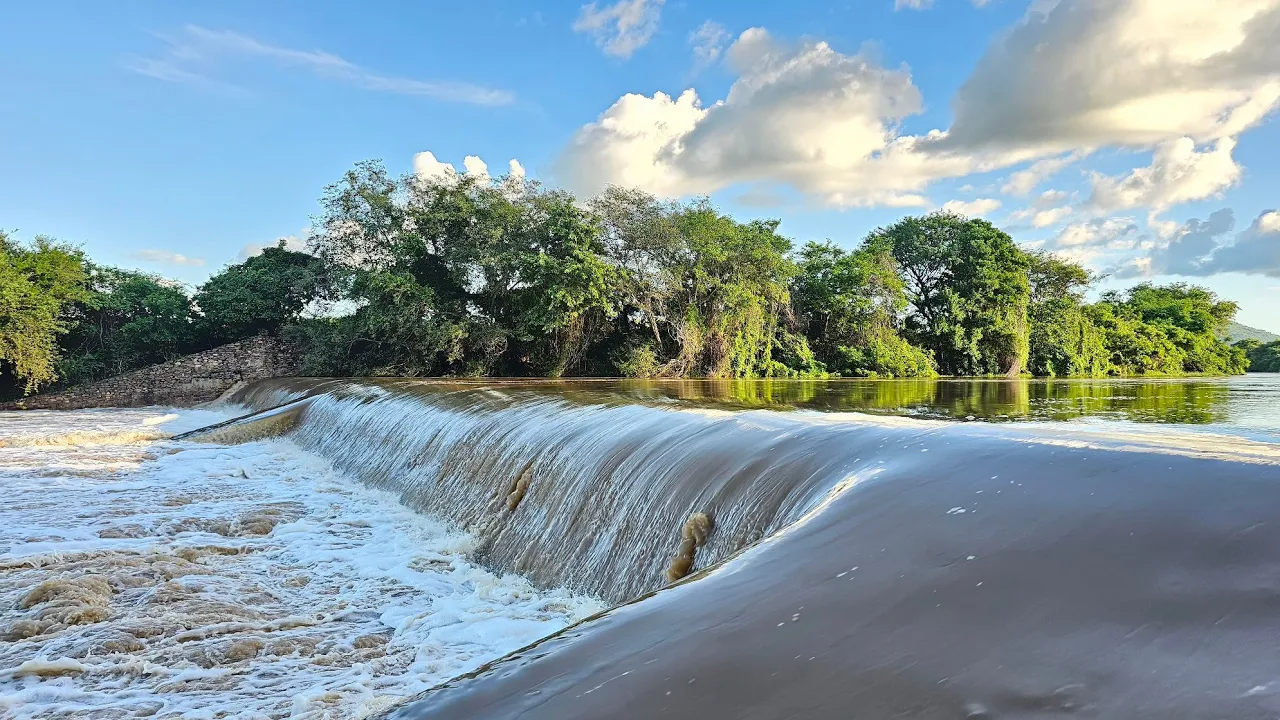
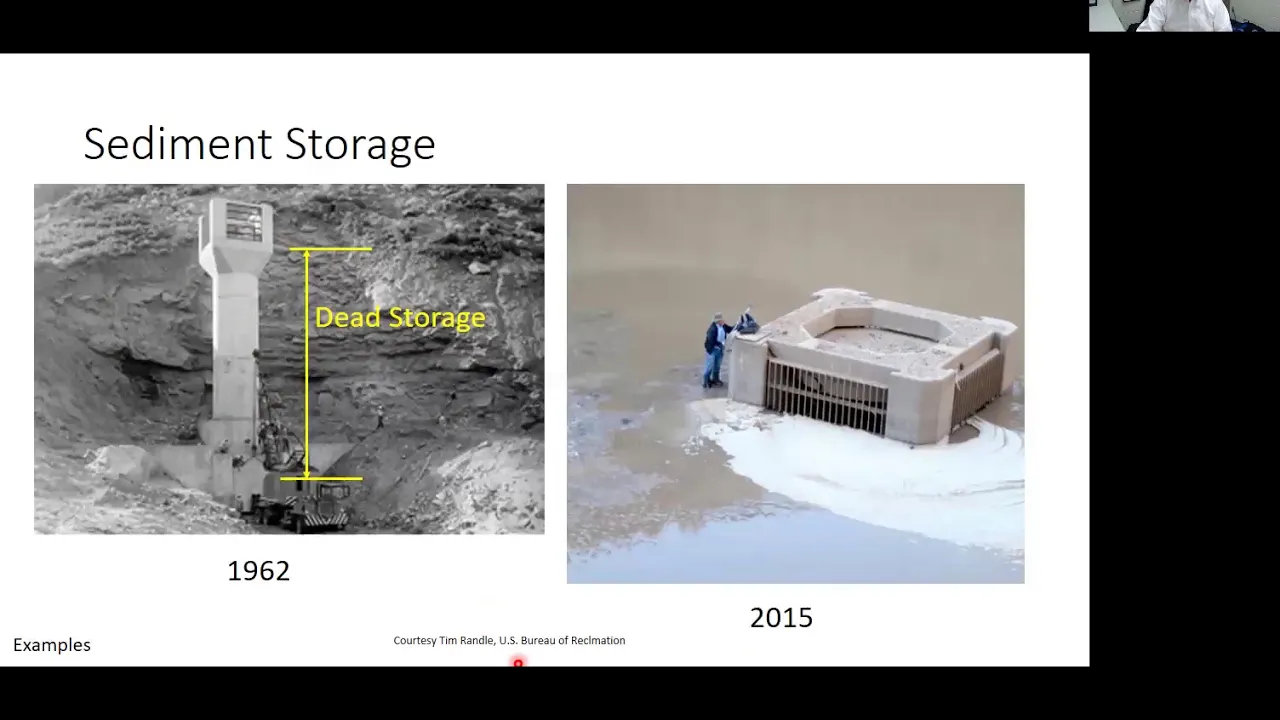
The primary functions and structural components of dams and reservoirs, such as dead storage, active storage, and spillways.
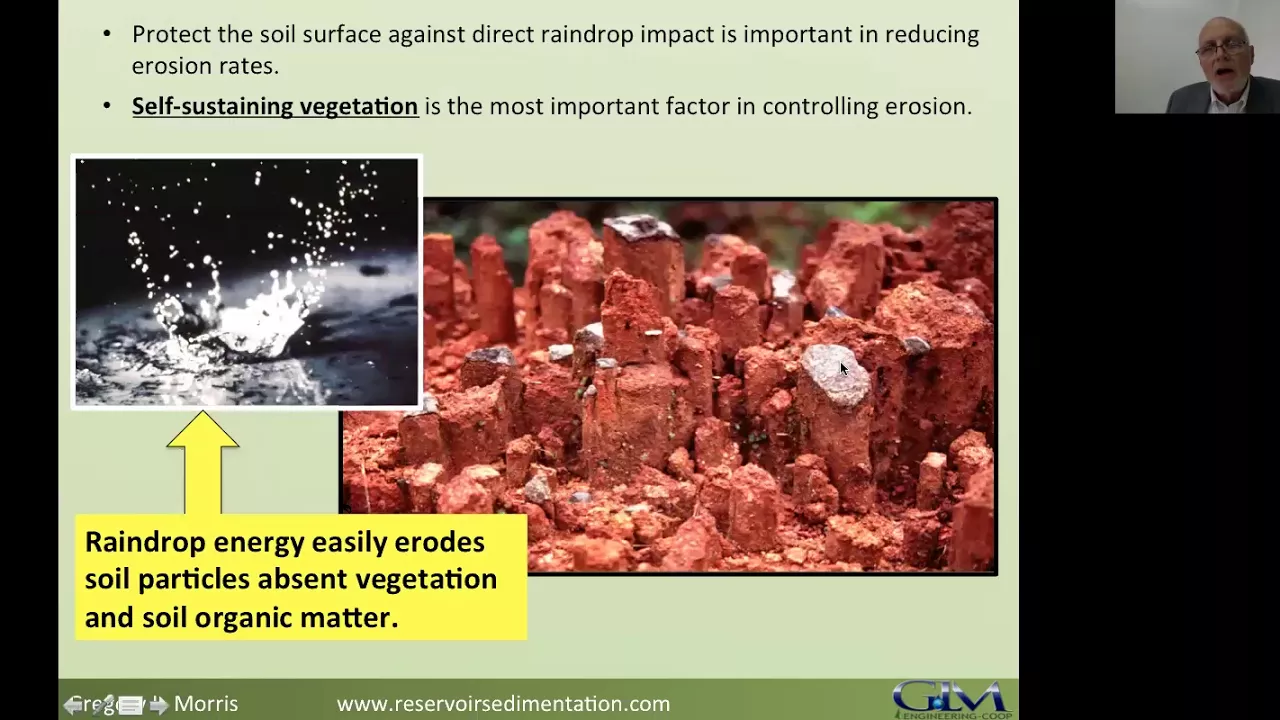
The process of soil erosion and how land-use changes (like deforestation and agriculture) accelerate sediment runoff.
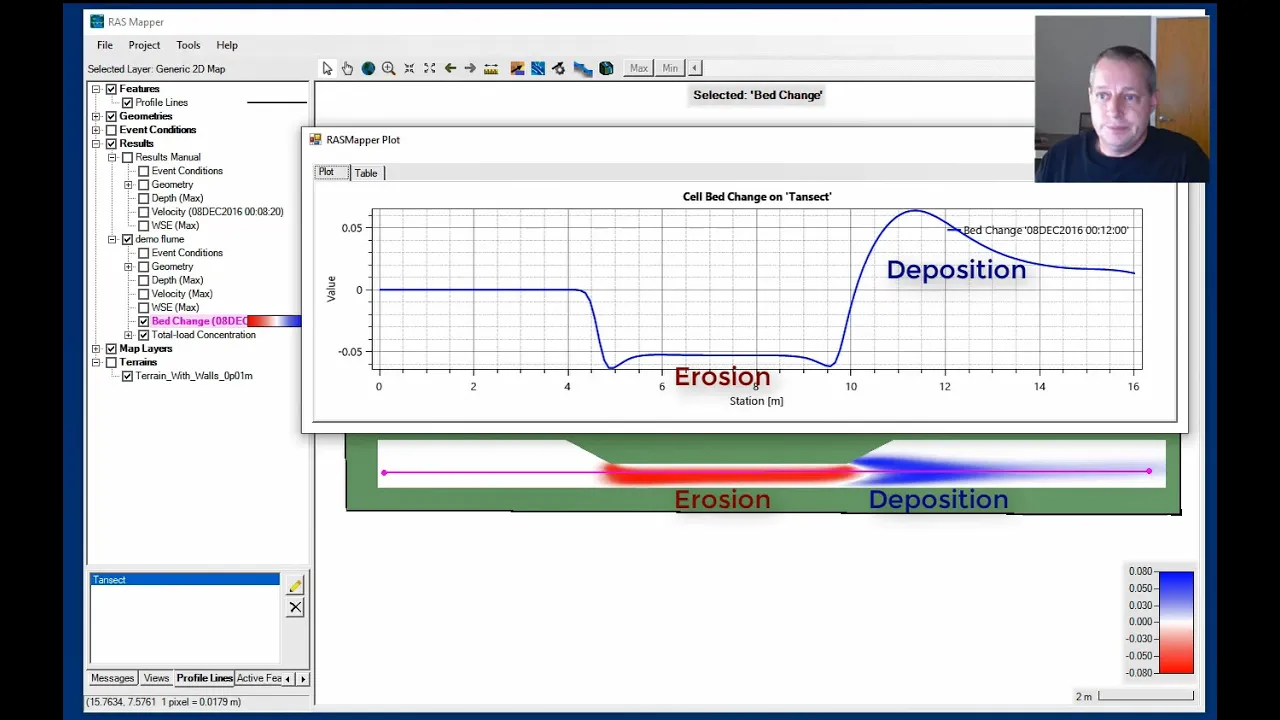
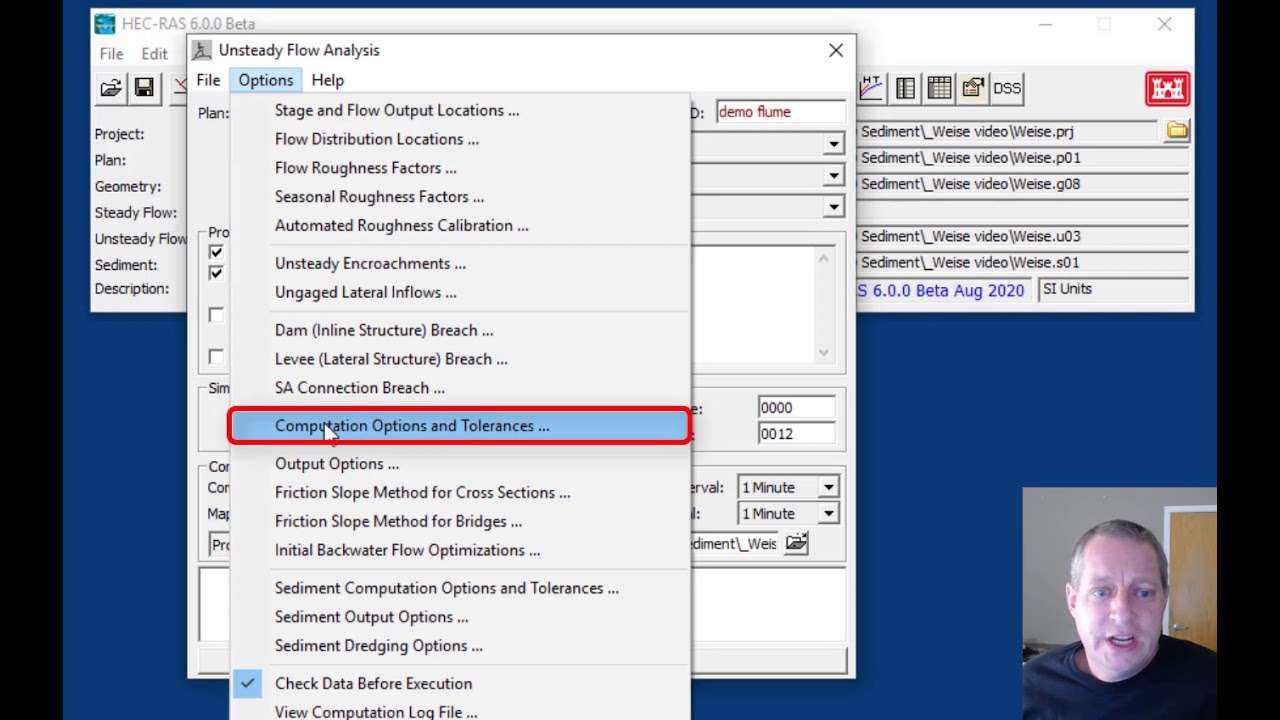
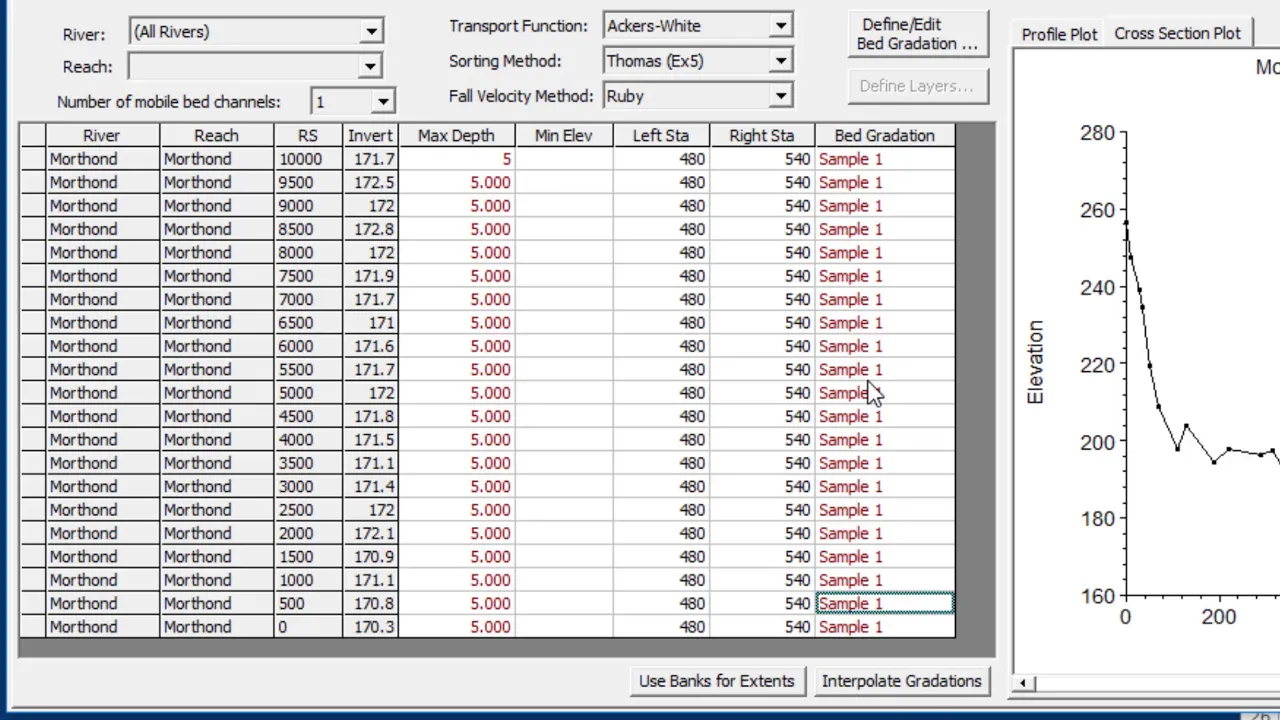
Computational modeling of reservoir sedimentation and sediment transport using specialized software like HEC-RAS.
Advanced engineering design of active mitigation structures, such as sediment bypass tunnels and low-level outlets.
Economic cost-benefit analysis of sustainable reservoir management, comparing active dredging with watershed conservation practices.
The ecological and engineering challenges associated with dam decommissioning and reservoir restoration when sedimentation is severe.
412.3K views8.8Klikes13:53Original Release: 2023-01-23
each year we lose one to two percent of the world's hydropower capacity to River silt and sediment silting slowly erodes a damned capacity to store drinking water generate power and protect from flooding necessitating expensive preventive measures and interventions many reservoirs across the world suffer from silting a constant concern in this video I want to talk about the reservoir silting problem but first let me talk about the asianometry patreon Early Access members get to watch new videos and see selected references for them before their release of the public it helps supports the videos since views are so volatile I appreciate every pledge thanks and on with the show Rivers carry two types of sediment coarse sediment and fine-grained sediment the first is coarse sediment which are Sands and gravels these materials generally come from the riverbed fine grain sediments or smaller particles about two millimeters wide they can come from the riverbed or from clay and silt in the water washed down into the river from rains or human activity Rivers carry amounts of both and the total amount as measured using a metric referred to as sediment yield this is measured in units of tons per unit time per unit area for example tons per year per square kilometer which is awkwardly shortened to something like T over km2 over year when you Dam a river to make a reservoir you interrupt its normal flow of sediment transport the river sediments now start settling within the reservoir itself eventually filling it up soon enough the reservoir has so much sediment on its bottom that it cannot carry as much water as it could before a situation known as Reservoir sedimentation or silting storage lost to silting is referred to as dead storage I actually never knew that reservoirs had this silting problem before I came to Taiwan silting affects every Reservoir eventually but it impacts taiwan's reservoirs more than most this is because of geography and whether taiwan's geography is heavily mountainous with many loose soils at the same time Taiwan has a lot of typhoon storms with long rainstorms that can go on for days like the one happening right now as I write this these rains sweep the loose soils into the rivers driving up the sediment yields for example 2009's typhoon murakat which killed 673 people and dumped 277 millimeters of rain across the island it was estimated to have deposited 90 million cubic meters of sediment into taiwan's largest Reservoir the dangwin reservoir this huge load of sediment combined with the torrential amounts of Rain Led to fears that the reservoir could spill over causing massive damage Downstream Australia's economy heavily depends on Surface irrigation drawing from dams and reservoirs until the 1970s Engineers did not much think about Reservoir sedimentation data was sparse and most assumed that Australian sediment yields were relatively low compared to the rest of the world this turned out to be incorrect thusly between 1890 and 1960 over 20 dams became fully silted in Australia many of these dams are old and outdated for instance Railway dams that were built to supply water for steam engines but a number of these dams are still in use serving as irrigation or emergency water storage for cities the times of highest facilitation happened during large floods following big droughts so for this reason the dams were ill-equipped to handle the massive influx of Muddy flood waters with significant consequences thereafter in what way we will talk about later beyond the aforementioned downsides there are other consequences of silting that we should include just a hammer in a point a silted reservoir makes it harder for boats to carry cargo to their destinations piled up sediment prevents them from getting to Dam locks for travel and when the sediment dries up it takes to the air causing dust storms and health hazards to local residents sediment hurts energy generation and hydropower dams in multiple ways coarse sediments erode the turbines Runner blades they abrade gate seals and spillways and they clog up the intake valves during Hurricane David in 1979 17 meters of sediment and debris blocked a valdezia dam in the Dominican Republic the power intakes were blocked for half a year and they were still dredging out material 28 years later in the past reservoirs were designed with the presumption of a working life that working life might last a long time like a hundred years but after that the dam would be presumed lost due to siltation but many dams are a critical piece of infrastructure and is not like we can hand over the keys and walk away we got to deal with it strategies for dealing with Reservoir facilitation fall into one of three categories sediment yield reduction sediment routing and sediment removal sediment yield reduction involves reducing the amount of sediment flowing into the reservoirs in the first place sediment routing is to move the sediment around or through the reservoir so that it does not accumulate and sediment removal is to remove accumulated sediment with hydraulic or mechanical techniques the single most significant cause for high sediment yields in the water is Upstream soil erosion dealing with this means either to prevent the erosion from happening in the first place or trap the eroded sediment before it reaches the dam soil erosion is often caused by humans with the best farmlands already cultivated poorer Farmers have to Deforest and cultivate the soils on sloping lands this makes the area extremely vulnerable to the rains you can do a number of things to protect these soils from being washed away reducing the amount of soil you till turnover and disturb helps a big deal protecting denuted soil with mulch cover or vegetation like vetiver grass is also critical an ancient method that still works is the Terrace you turn a slope into a series of flat steps with dikes at the edges this keeps the water from washing away and moving the soil there are literally hundreds of helpful methods you can do the biggest challenge is the sheer size of the watershed area you have to do it in some of these watersheds are massive spanning many hundreds of miles with different governances many erosion control programs have failed to make significant impacts because of the challenges of executing across a vast and complicated area but on the other hand hard work pays off siltation rates in Australia were extremely high prior to the 1950s but after introducing new farming techniques and land conservation methods siltation rates declined due to lower sediment yields in the rivers another treatment for reducing sediment yield before it hits the reservoir is to create buffer reservoirs Upstream sometimes this was not the Dam's intended purpose for instance take the piranha River 3 300 miles long it is South America's second longest river after the Amazon there are 39 major dams along this River including the massive itapu Dam the world's second largest hydropower project they also inadvertently serve as sediment traps for the larger yasaret the hydropower Dam Downstream on a much smaller scale you have Tiny Farm ponds over the second half of the century aerial photography over farms in Central Texas showed that farmers added up to three times more Farm ponds along the river tributaries this Pond construction has been for multiple reasons however one side effect has been a 55 percent decline in sediment yield in the watershed this contributed to a siltation rate for local reservoirs that is twice as good as that of similar reservoirs in other states sediment routing covers a variety of tactics that keep sediment from accumulating at the reservoir's bottom by routing it around or through the reservoir probably the most prominent routing tactic is passed through or to sluice the gates following a Chinese slogan discharge the muddy water impound the clean water this requires a substantial Reservoir drawdown lasting for an extended period weeks or even months based on a calendar schedule the dams also have to be designed with Outlets that can handle this flushing one of the reasons why the silta dams of Australia did so was because their Outlets were too small to allow large amounts of silt heavy flood waters to pass through many of China's big dams follow this strategy including the yellow Rivers Sandman Shah Dam this massive dam was built largely for flood control reasons though with some hydropower capacity so for most of the year it stays open and detains flood water only during the flooding seasons I covered this Dam a very long time ago when the YouTube channel was Far different you should watch that video another form of routing is to bypass a dam entirely through the use of tunnels these sediment bypass tunnels are more suited for medium-sized dams for which normal pass-throughs might be less effective the upside is that they do not require us to flush the reservoir's water levels they also allow for the river's natural Waters to continue on as it naturally does which can be an ecological benefit though considering these routing tunnels are open for just two to five days a year I cannot really judge how big a benefit that is Switzerland produced some of the first bypass tunnels back in the 1970s Japan has produced a few for their dams during the late 1990s and 2000s despite these tactics silt and sediment will eventually get into your Dam at some point you have to remove sediment you can do this either when the reservoir is dry called dry excavation or is not dry dredging dry excavation is an invasive costly effort the reservoir is first dewatered which can take up to an entire year conventional equipment is brought in to excavate the sediment slurry and truck it somewhere else the costs are highly dependent on the dam specific circumstance in 1993 the Los Angeles County Department of Public Works dry excavated several dams at a cost ranging from as low as five dollars per square meter to thirty dollars dredging is commonly practiced people dredge the bottom of rivers to make it easier for commercial shipping to pass through them you can dredge in two different ways hydraulically or mechanically hydraulic dredging you mix the sediment with water and then suck it up like the most disgusting Slurpee ever mechanical dredging this is where you dig up sediment with a machine-powered clam shell or bucket in either case dredging is an expensive notion and reserved for large projects and you might not be able to dredge this stuff fast enough in Taiwan Reservoir the Taiwan government spent a cumulative 160 million dollars on dredging yet High sediment yields mean that they have only been able to restore eight percent of total Reservoir capacity I can't end without talking about this one Engineers have proposed underwater explosions to loosen up sediment deposits and make them easier to flush away or drudge out in 2018 Taiwanese civil engineers tried this for the critically important tenguin Reservoir in the South which suffers from extensive siltation this Reservoir provides 40 of the area's water needs for that reason we cannot use sediment pass-through methods since that requires us to flush out valuable amounts of water the Taiwanese set up a de-silting tunnel and mechanically dredge out up to 2 million cubic meters of sediment each year but that only gets you about 8 to 10 meters deep into the muck so they decided to try using Dynamite to get the more impacted sediment out to protect animal life Engineers used underwater speakers black pepper powder and an air bubble curtain to drive away underwater creatures there were two experiments first a free drop method where they packed the dynamite with sand and gravel and blew it up at the bottom creating a 20 meter wide sediment crater and second they first drilled a hole some 15 meters deep and blew that up too this loosened up a 10 meter layer of sediment that stayed loose for the next six months combined with dredging and the desilting tunnels it was calculated that blasting can free up another 15 percent of reservoir capacity they recommended to continue the blast work Engineers have been dealing with Reservoir siltation since ancient times for instance the Romans equipped the 1 700 year old Monte Novo Dam with two outlets for flushing sedimented water but sometimes societies forget or lose the ability to maintain these with expected consequences you can see a few abandoned silted reservoirs like a 1 800 year old Roman build harbaka Dam in Syria some of these can be rehabilitated While others cannot dams might seem as invincible and unmoving as the mountains themselves but like any other piece of human built infrastructure they require effort to maintain their effectiveness you can't just build one and walk away all right everyone that's it for tonight thanks for watching subscribe to the Channel Sign up for the newsletter and I'll see you guys next time
Up Next

66:07
Riverine Sediment Load Responses to Climate Change in High Mountain Asia
@source-to-sink3621
245 views•2021-02-25

15:54
Life in Biosphere 2: Sustainable Ecosystems & Human Survival
@TED
334.9K views•2009-06-16

14:30
Microplastics Everywhere: How Plastic Impacts Our Lives
@TEDx
100.9K views•2018-05-08
10:28
Ice Stupa Artificial Glaciers: Solving Ladakh's Water Crisis
@SonamWangchuk66
3.2M views•2015-05-03
Related Study Plans & Knowledge Roadmaps
Structured learning paths in Environmental Science
environmental-science
Ocean Noise: Cetacean Impacts & Mitigation
01Fundamentals of Underwater Acoustics
02Marine Mammal Bioacoustics
03Anthropogenic Noise: Shipping & Seismic Surveying
+ 2 more learning modules
16h5 modules
Explore Roadmap
environmental-science
Road Ecology: Corridors, Overpasses & Fencing
01Foundations of Habitat Fragmentation and Carnivore Ecology
02The Road Barrier: Ecological Impacts of Transport Infrastructure
03Principles of Ecological Corridors and Connectivity Mapping
+ 3 more learning modules
14h6 modules
Explore Roadmap
environmental-science
Ocean Acidification: Kelp Buffering & Shellfish
01Fundamentals of Ocean Chemistry & pH
02Chemical Pathways of Coastal Acidification
03Bivalve Physiology & Calcification Under Stress
+ 2 more learning modules
18h5 modules
Explore Roadmap
environmental-science
Ice Stupas: Glacial Retreat & Water Security
01Foundations of Glaciology & Mountain Hydrology
02Climate Change and Glacial Retreat Dynamics
03The Science of Ice Stupas & Artificial Glaciers
+ 2 more learning modules
14h5 modules
Explore Roadmap