


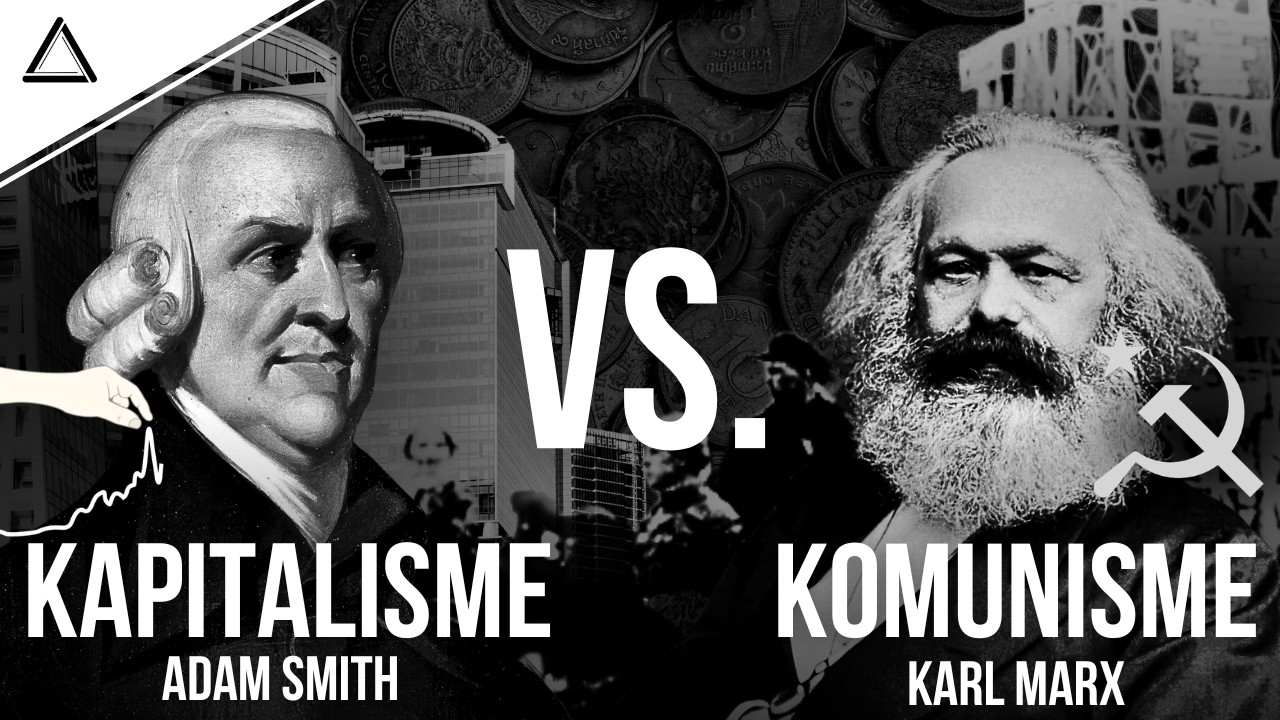









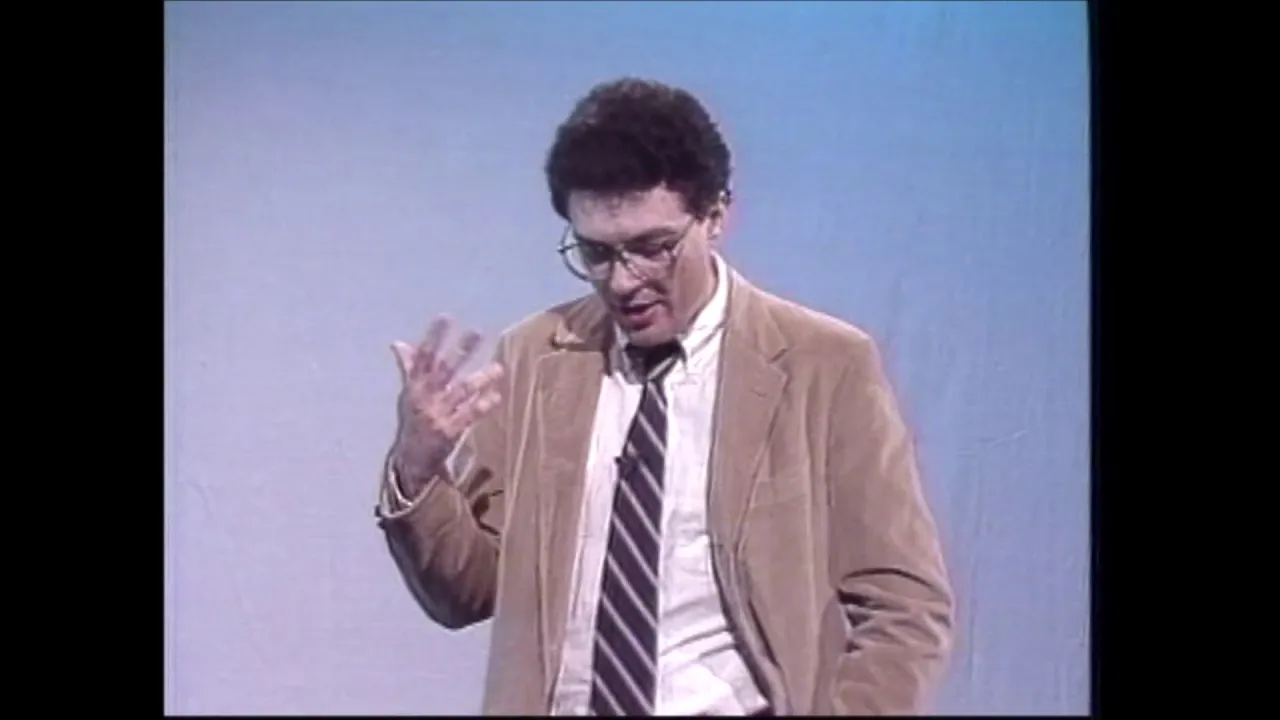




The Frankfurt School, a group of Marxist philosophers, economists, and artists associated with the Institute for Social Research, developed critical theory by synthesizing Marx's analysis of capitalism's objective features (reification), Nietzsche's critique of traditional subjectivity, and Freud's psychoanalytic insights to create a sociological theory of culture that explains how social processes determine yet relatively autonomously shape cultural forms, literary production, and modes of consciousness in advanced capitalist society.
The Frankfurt School: Critical Theory and Marxist Modernism
Added:Karl Marx's Critique of Capitalism: Understanding the core tenets of historical materialism, class struggle, alienation, and the economic base versus the cultural superstructure.
Sigmund Freud's Psychoanalytic Theory: Familiarity with the concepts of the unconscious mind, repression, and how instinctual drives are managed by societal structures.
Friedrich Nietzsche's Philosophical Critique: Comprehending his challenges to traditional morality, his critique of the Enlightenment, and the concept of perspectivism.
The Historical Context of Early 20th-Century Europe: Understanding the sociopolitical landscape that birthed the Frankfurt School, including the rise of totalitarianism, the aftermath of World War I, and the failures of early European socialist revolutions.
Horkheimer and Adorno's 'Dialectic of Enlightenment': Examining their critique of instrumental reason and how the promise of human liberation turned into new forms of domination and the 'culture industry'.
Walter Benjamin's Aesthetic and Media Theory: Exploring how mechanical reproduction changes the nature of art, politics, and historical consciousness.
Jürgen Habermas and the Second Generation of Critical Theory: Investigating the transition to communicative action, discourse ethics, and the defense of the unfinished project of modern democracy.
Applying Critical Theory to Contemporary Society: Analyzing modern phenomena such as digital surveillance, globalized consumer capitalism, and algorithmic culture through a critical neo-Marxist lens.
6.7K views172likes49:16Original Release: 2021-10-28
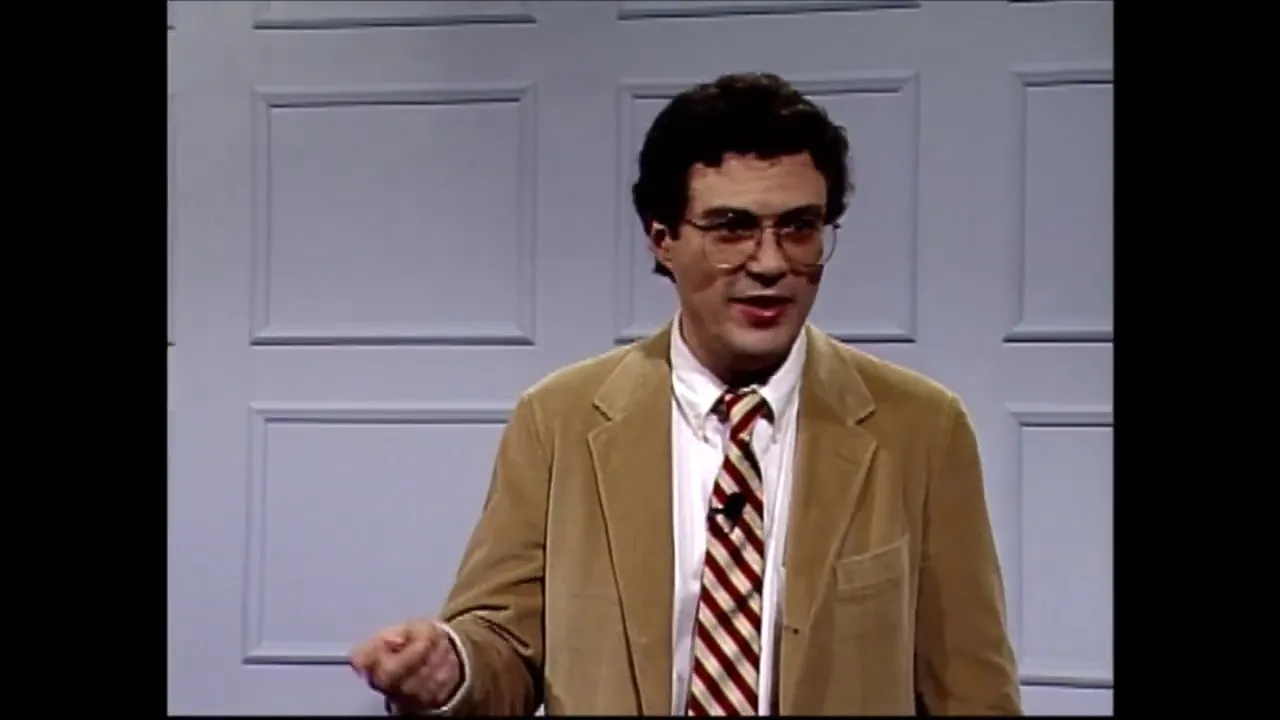
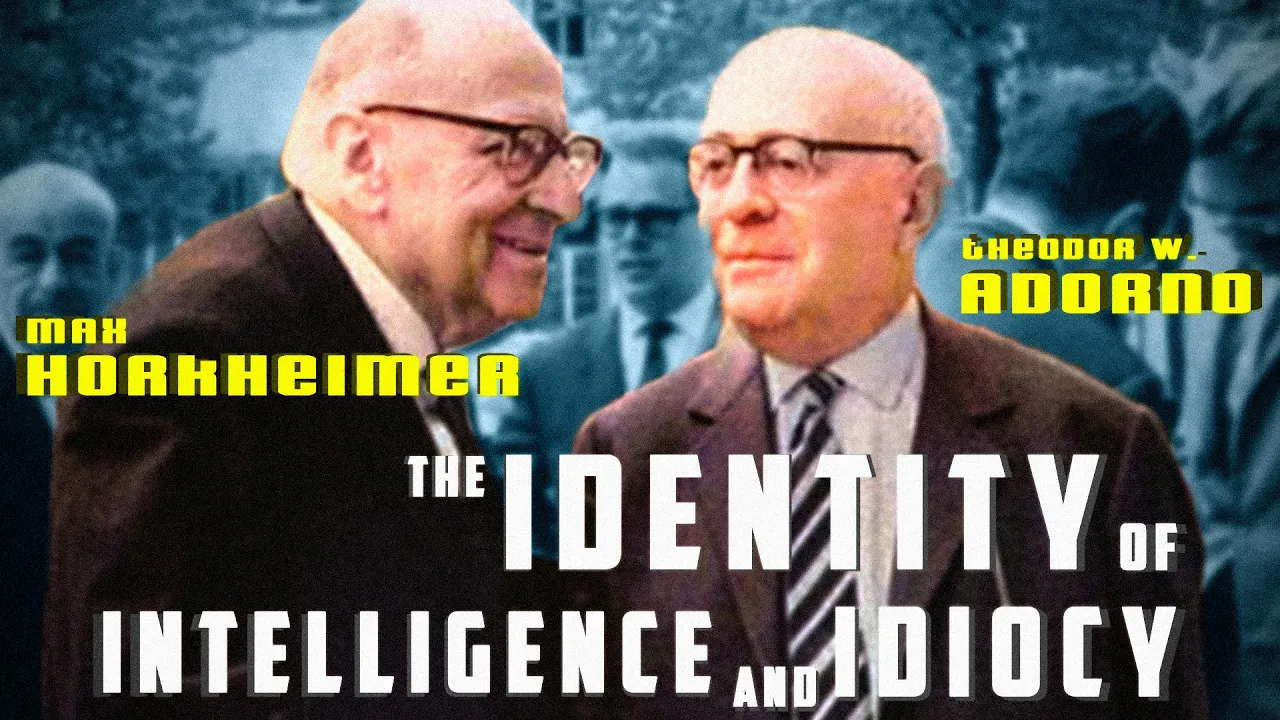
[Music] although the title of this lecture is the frankfurt school it is a lecture intended for students reading modern european mind i would be quite interested to know how many of the people here are not in fact reading modern european mind oh i think it's the majority okay that's very interesting good um some of you are presumably um i suggest i i stress this because obviously it's not the same as a general lecture on the frankfurt school i have organized this lecture series to bring out the connections between the frankfurt school and the things that people are concerned with on the course of modern european mind so those of you who are not reading modern european mind should bear that in mind in fact that this is not a general lecture called on the frankfurt school i hope to speak for 30 to 50 minutes and move some time for discussion or for you to come and ask questions individually if you want to so so don't be uh hesitant in doing that let me know as well if i go if i speak too slowly or too fast or if you find the material too difficult or too easy okay well today's introductory lecture which is called marxist modernism will be divided into two halves in the first half i shall try and explain why a lecture series on the frankfurt school is relevant to the course modern european mind and i shall do this by examining some of the different rationales for modern european mind uh with which you may be familiar or you may not be familiar and i shall then show how a discussion of the frankfurt school can help to make sense of the material and rich discussion of the issues which crop up in that course i should explain who the franks at school were i'm not assuming any knowledge of your part where the frankfurt school is concerned that i will be assuming some knowledge of marx nature and freud and of some of the the uh literary authors as well and i'll tell you later on which works of literature would be relevant to have read for the later lectures in this course um i shall then give the title and a previous description of the rest of the lectures in the series you may be aware that for various reasons which had nothing to do with me um the even the title of this lecture course was not included in the in the lecture list for this term i hope some of you have seen the posters which list the lectures but i will go through them one by one and tell you what they will be and the date on which i'll be giving them in the second half of the lecture i shall discuss in very general terms the influence of marx nietzsche and freud on the frankfurt school to show how this school the school interpreted these thinkers so as to develop a radical and sociological theory of culture and mode of literary analysis [Music] well the course model european mind is traditionally divided into two parts the first part has been called diagnosis i think that's what you do in the first term of it if you do it over two terms and the second part has been called expression the first part diagnosis the central authors are usually marx nature and freud in the second part there's usually a large choice of authors but for our purpose in this lecture course will be most interested in the german authors that is thomas nan franz kufka and bertolt brett but also the english or french writer depending uh which language you're reading in samuel beckett sometimes the first part of the course is called ideas the mind part of modern european mind and sometimes the second part is called literature the modern part of modern european mind however it is quite impossible to maintain these distinctions between diagnosis and expression or ideas and literature in the very trivial sense that all the theorists were distinguished and original writers and all the artists were deeply influenced by the theorists but in much deeper senses too which is the aim of this lecture course to bring out and establish there is one major rival in the search for the unity of modern european mind and that's existentialism for the major exercise thinkers such and can you also write novels and plays existentialist readings have been developed of the philosophers in the course of marx nature and freud and of the novels and plays of beckett and kafka often by stressing the centrality of alienation now the frankfurt school were contemporaries of husserl heidegger saatch and camus their philosophical and literary theory was developed in opposition to phenomenology and existentialism in opposition to what they considered to be its lack of historical political and social awareness they also opposed existential readings of beckett and kafka and in the course of this lectures i hope to discuss this opposition between these two rival schools well who were the frankfurt schools there were a group of marxist philosophers economists political theorists critics and artists who are members of the institute for social research this institute was set up in frankfurt in 1923 in germany i put some of the names on the board and i've marked those three people who were concerned with who were never actually members of the institute although they were closely associated especially ernst bloch [Music] the institute was set up with a specific aim of giving support to the workers movement in germany after the first world war the aim was to develop interdisciplinary research within a marxist framework and the institute in the 20th and 30s published two very famous journals one of which was called the the journal for social research it was given a very bland sort of social research title in spite of the fact that it was a marxist journal and i'll discuss that more um in later lectures max hawkheimer who's on the board became the director of the institute in 1929 and this was only four years before hitler came to power and in the early 30s the institute went into exile first of all in switzerland and france but very soon reestablished in new york in the 30s so although we think of it as a very german phenomenon it's important to realize that really for the first 20 years of their existence the frankfurt school were not in germany um in the 40s most of the members of the school as most of many other immigrant german intellectuals went to live in california so in the 40s they were in california during the time in america um some members of the school became closer together and some became further apart see that at the end of the war at the end of the forties many members decided to stay in america particularly probably two you've heard of marcusa and from they stayed in america but hawkheimer max horkheimer and theodore davao adorno went back to germany and they set up the institute again in frankfurt but this time instead of being outside the academic system they also became professors of philosophy and sociology at the university in frankfurt so their role was rather different but as i've mentioned several of the people who are on the board three in fact were never members of the institute but all of them except bertold brecht and i'll explain why he's different um later on we're associated with what has come to be known as critical theory or critical marxism [Music] now what is critical theory or critical marxism i expect some of you have heard of that catch phrase well its founder could be said to be georg lucas and that's why lucas is relevant to this lecture series and the time of its founding could be said to be the period just after the first world war and it's important to realize that this was a very revolutionary period in a period between 1918 and 1920 there were revolutions in russia germany and hungary and it wasn't clear at that period which revolutions would succeed and which would fail now the basic thesis of what is known as critical theory was developed in opposition to the marxism of the pre-war period and this marxism was associated with the second international sure if you know what the second international was but it was an annual meeting of representatives of socialist and communist parties from all over europe um and the marxism especially of the german social democratic party of the pre-war period this brand of marxism to use the words of marx's first thesis on foiabach and i quote had the chief defect of all his or to existing materialism that the thing reality sensuousness or society is conceived only in the form of the object of contemplation but not as human senses activity have practiced subjectively unquote by giving this quotation what i mean to stress is that marxists like lukach and karl koch believed that this marxism had become passive deterministic positivist and descriptive in short established an orthodox instead it was necessary according to lukach and kosh to recover marx's intention by restoring the emphasis on praxis human subjectivity so that marxism could become again a theory of revolution but and this is the crucial point really for the future uh works that we'll be looking at is social analysis revealed that the revolutionary subject was not emerging or if the revolutionary subject had been defeated then it was necessary to examine the causes of this by a persistent critique of the new forms of domination economic political political and cultural and lucas and corsh and the frankfurt school after them believed that the new forms of domination were not only economic and political but also cultural the cultural has become political to paraphrase a sentence that i think is now used by feminism the personal has become political [Music] so critical theory is really shorthand for this position and it was resolutely opposed to definitions of marxism as a science they did not accept the idea that marxism was like a natural science marxism had to resolutely subject itself to criticism in order to remain active and revolutionary and not passive and orthodox two further implications of this position which are very relevant for our concerns is that the frankfurt school did not only draw on marks but they drew also on nature and freud as major critiques of culture of their age to develop integral series of social and cultural change in the first half of the 20th century so they didn't they weren't just interested in marx but they were interested in using the insights of other critic critique critics of capitalism [Music] another implication of their position is that they applied these theories to the analysis of the works of their contemporaries that is to the work of kafka man beckett to the development of jazz and other forms of the mass media and i as you can see i'm stressing that at this time kafka man and beckett were contemporaries of these marxist theories so yes in a very simple sense then well it's not so simple in a simple sense the frankfurt school therefore might be seen as the bridge over the modern european mind chasm because on the one hand its members were deeply influenced by marx nietzsche and freud and on the other hand they were devoted to developing a marxist aesthetic and did so largely by polenics over the work of beckett kafka and man [Music] but there are further senses in which the frankfurt school or whether [Music] all the others were artists as well as marxist theorists and literary critics i don't know if you realized that bloch was a composer benjamin wrote short stories breit as i'm sure you know wrote poems and plays and adorno was a composer they worked together on their art as well as on their theory and they collaborated with other artists for example during the forties in los angeles just outside hollywood in fact schoenberg stravinsky thomas mann leon fosterfanger hans eisler brest [Music] at that point was in russia that's really the joke actually but i'll explain more about that later on at various times adorno worked closely with thomas mann on his novel dr faustus brock worked closely with hans eisner the composer i don't know if you've heard of hans eisler he's a very interesting character he started off as a pupil of schoenberg in vienna and he later on became a collaborator of breast so he's very interesting for this dispute or polemic between adorno and schoenberg and brest on the other hand which we'll be going into later in this lecture series and benjamin as you may know worked closely with brett now what provided the basis of these common interests and involvement well it was a belief which they all shared that they faced the same dilemma as marxists that they faced as artists art like marxism marxism like art must modernize itself if it was to continue to have any importance in face of colossal political and social change [Music] they differed and they differed often bitterly over how this modernizing should be achieved but they all applied their principles of innovation to both their theoretical and their artistic work [Music] well what was that political and social change in the first 30 years of the 20th century which impressed them so much and i'm sure you know but i'll just sum up some of the major factors on the one hand the immense industrial and technological development of capitalism in germany and also especially in russia during the first 30 years of the 20th century i don't mean by that so much the development of capitalism but the emphasis on the immense technological developments in the first 30 years of the 20th century the devastation of world war one you may know that many people in germany even quite radical artists and thinkers were very excited initially by the first world war and it was only when the war was protracted for many years that they became disillusioned with it and started to support the idea of a democratic government in germany [Music] the failure of the german revolution 1918 to 1920 a period of unrest which had awakened many hopes among the communists and the socialists the stalinization of the revolution which did succeed the russian revolution and of course the rise of fascism in germany and italy on the other hand the cultural responses to these events the various artistic and literary movements which developed during the world war one the weimar period and in russia now these uh movements there are several of these movements and i want to keep them separate have data and surrealism expressionism [Music] cult now i've written these up especially apart from the foreign words in them because all of these movements have come to be lumped together under the title modernism but originally they were quite separate movements and they were all based on different theories of the relationship between art and society and they were originally linked to debates over socialism or communism and during the course of this lecture series i'm going to go into each of these and explain what what they were trying to explain what they were and who was linked with them and how they link up with the frankfurt school but the point i would like to make today is that what has come down to us now as debates over modernism and realism for example in luke catcher's book the meaning of contemporary realism you'll find that realism is contrasted with modernism but in fact in the original debates when newcastle first wrote the article that went into that book he didn't use the word modernism he either used expressionism or surrealism or one of these other words and we're going to see what were the differences between them [Music] right all the people we are concerned with had to make the decision when hitler came to power in the 30s whether to go east or west whether to go to moscow or new york they all debated as theorists over whether expressionism and the other modernist movements with which they had connections as artists had contributed to the rise of fascism after the war they had to decide again whether to go east or west to east germany or to west germany and they also had to decide how to write poetry after auschwitz that's a quotation from adorno the point i'm trying to make is that all of these people had had to define their position in relation to stalinism and to fascism and to make up their minds after the war about the possibility or impossibility of a post stalinist or fascist and fascist world another offshoot therefore of this lecture series will be to try and break down what is known as modernism into its different original forms this will also enable us not only to see the political and historical connections but to it to discuss for example the relationship of thomas mann to expressionism or in france kafka to surrealism but it is also to show that the theorists themselves were involved in the expressionist movement and other modernism movements [Music] theorists not only artists or rather both as artists and as theorists thus a central aim of this lecture series is to put the debates over literary modernism and marxist theory into their historical and political context in order to show that that context is the same for both debates this is not in order to prove their limited historical interest but is the best way of arguing for the continuing importance of these issues [Music] therefore the lectures in this series will emphasize the political and social context of aesthetic debate the lectures will be organized around the connections between political choice philosophy of history and literary analysis i'll now give the titles and dates and brief descriptions of the other lectures in the series um next week february the 1st the lecture is called the politics of realism [Music] in this lecture i will discuss the only pre-marxist works of lukach because paradoxically enough it was his pre-marxist writings which had most effect on the marxist work of the rest of the frankfurt school [Music] will discuss the relationship between his major work history and class consciousness and the russian and hungarian revolutions i will then go on to discuss his latest theory of bourgeois and socialist realism and his position and his relationship to stalinism because you may know that from the twenties onwards lukacs was in russia february the eighth 8th the lecture is called the greatness and decline of expressionism that title actually is a title of a lecture by luke hatch but it's quite good for summing up brock's position i suspect you know least about bloch i will i will uh tell you much more about him um black was a close friend of lucas during the uh first world war but he later became a bitter enemy of lukach's position in the 1930s he opposed lukach's ideas over the relationship between politics and art [Music] and i will also discuss bloch's definition of expressionism or modernism and his analysis of the relationship between fascism and art which was one of his major concerns on february 15th the lecture will be called the battle over walter benjamin in this lecture i will discuss benjamin's marxist philosophy of history his analysis of tragedy which draws a lot on nietzsche's book the birth of tragedy which i expect some of you have read and his subsequent analysis of the history of modernism i will also discuss because it links benjamin with the rest of the frankfurt school the political and intellectual basis are the different interpretations of walter benjamin walter benjamin has been claimed by many different parties and i will try and explain what the issues are in this battle over the heritage of walter benjamin um the week after february the 15th will be a reading week so the next lecture will be on march the 1st this lecture is entitled the dialectic of enlightenment that's the title of a book by max hawkheimer and theodore w adorno perhaps some of you will look at it this book is a very central work for the frankfurt school in it developed their critique of marx their own philosophy of history they developed their theory of what they called the culture industry and they discussed mass society and we will discuss those issues and i will try and correct some of the misconceptions about this particular book on march the 8th the lecture um is entitled liquidating aesthetics that is also the title of an article by brecht which is translated it appears in the um theater edited by white which i think is on on the list um in this lecture we will discuss with a look at critique of lukach's notions of bourgeois and socialist realism we will compare brex critique of traditional aesthetics with a critique of traditional aesthetics developed by the rest of the frankfurt school so we're not going to be considering breast as a whole but particularly breast pollenics discussions and arguments with the rest of the frankfurt school [Music] on march the 15th the lecture is called the search for style theodore w adorno and as you'll see you can see i am in a sense giving the donor the last word this is partly because i don't know criticized everybody else he criticized lukach's concept of realism he criticized brett's concept of the epic theater he criticized benjamin's history of modernism and in the place of these series he developed his own aesthetics which was designed to show the reproduction of contradictions in both so-called popular culture and in modernism or expressionism in the final lecture if any of us are still up to it on march the 22nd uh is entitled franz kafka or thomas mann some of you may know that this is the title of an essay by luke hatch which appears in the book on your reading list um i hope it's on the reading list realism in our time um actually you might like to put a bracket there because that's the american edition the english edition is called the meaning of contemporary realism it's a slim paperback so next to the book says realism in our time the addition you'll be able to get hold of is called the meaning of contemporary realism the central effort in that book is called franz kafka or thomas mann franz kafka stands in lukacci's mind for modernism and thomas mann for realism now in the last lecture what i will try to what i will attempt to do is to rewrite that essay by a way of illustrating and summing up the discussion of the previous weeks and show all the different views to these issues in relationship to new catchy's original posing of the question so i will try and show how the different views which we've been discussing in the previous week have implications for our understanding and analysis of literary texts if you're interested in reading from kafka or thomas mann the thomas mann which is most relevant to read is uh his most difficult and challenging book but by far the most worthwhile one and that is dr faustus and with kafka it will be good to have read the trial well for the rest of the time today [Music] i wish to discuss the general features of the frankfurt school's reception and interpretation of marx beecher and freud which underlies the various debates over aesthetics which we will be discussing in subsequent weeks as i said at the beginning i am assuming a basic acquaintance with marx nature and freud and i will just be stressing the aspects which is most relevant for the frankfurt school [Music] well basically the frankfurt school used marx to develop a theory of culture which analyzed the changes in the objective features of capitalism they call this the increase in rarefication have you done this word replication it'll crop up quite a bit it's not the same as alienation but i'll explain that as we go along [Music] while nature's and freud's ideas were developed to criticize the traditional concept of the subject or the individual in philosophical idealism and an earlier marxist theory so marx was used to develop a theory of changes in the objective features of capitalism which they used the word rarification to sum up while nietzsche and freud were used to criticize the traditional concepts of the subject or the individual in philosophical idealism in the previous philosophical tradition and in earlier marxist theory a theory of literary production and reception was developed on these bases [Music] well firstly marx although the concept of different forms of culture succeeding each other in history is central to hegel its place is taken in marxist thought by different social forms determined by the successive modes of production marx had no theory of culture as such although as i've said hegel did and it was the basis of hegel's philosophy of history in the later 19th century marx's perspective became rigidified into static mechanistic and deterministic distinctions between the economic base and ideological legal and political superstructure [Music] the frankfurt school reverted to a dynamic distinction between social processes and resultant social forms by taking as their model of culture and ideology not a distinction between base and superstructure but marx's theory of commodity fetishism and this theory receives its classic statement in capital volume one chapter one and throughout the grindr [Music] the theory of commodity fetishism you've probably heard of sexual fascism but not commodities okay oh yes as i was saying there's a section in capital chapter one volume one actually called commodity fetishism but the grim dresser there's a lot on commodity finishes on the green dresser and um sometimes people find that well marx uh expeciates more in in the grinder than in capital [Music] right well i'm not going to try and outline very roughly indeed what marx's theory of commodity federalism is if you don't know it then i would recommend that you look at these few pages in in capital volume one commodities according to marx are produced in a society in which labor power is sold for a wage and surplus value is realized when the product of that labor is sold by the entrepreneur or the employer for a profit i'll repeat that in a minute this is by contrast with a pre-capitalist society or a non-capitalist society in which the direct producer or worker would either consume or sell the product himself he would not be selling his labor power and you would be realizing directly the value incorporated in the product i'll repeat the first bit again shall i commodities are produced in a society in which labor power is sold for a wage and surplus value is realized when the product of that labor is sold not by the worker but by the employer or entrepreneur for a profit and this is by contrast with a non-capitalist society in which the direct producer or worker would either consume or sell the product of his labor himself he would not be sending his labor power and he would not be realizing he would be realizing sorry directly the value incorporated in the product thus a commodity that is a product produced under capitalist conditions consists of two components its use value and its exchange value its use value which marks us of course its value in use means its specific qualities for example the taste of an apple or the warmth of the coat which you buy which we should buy which you wear an exchange value the exchange value by contrast is what a commodity is equivalent to as a ratio of another commodity usually expressed in money so one is a ratio another is the concrete qualities of a product a result of this divorce between youth and exchange is that exchange value seems to be a characteristic of the product itself that is its price people think that value in here in the product itself and they do not understand that in fact it is the expression of specific social relations and activities between people marx says the social character of activity as well as the social form of the product and the share of individuals in production here appears in the commodity as something alien and objective a definite social relation between men assumes the form of a relation between things that's the crucial sentence and this is what marx calls fetishism that is when you treat something as a thing in itself when in fact it is the expression of determinate social relations between people [Music] [Applause] [Music] the frankfurt school believed that this idea that real social relations between people are transformed into and misunderstood as relations between things provided a model for the relationship between social processes and social institutions and consciousness and this model unlike the distinction between economic base and ideological superstructure would not reduce institutional and ideological formations to real epi phenomena or to simple reflections of a base it would provide a sociological explanation for the social determination yet relative autonomy of other social forms such as culture it provided a way of saying that something is both socially determined and yet also partially autonomous [Music] marx is not saying for example that the illusions that arise out of commodity fetishism are wrong he's saying that those illusions are necessary and real but nevertheless they are illusions and this is what the frankfurt school from you catch onwards called rayification a term which marx himself did not use although for various reasons it has become associated with marx himself in fact their adoption of this notion of rarification gave the different members of the frankfurt school enormous liberty to interpret marx differently even the theory of commodity fetishism came to support quite different philosophies of history and quite different political positions and theories of culture well that's all i'm going to say about their general um adaptation of marx for the moment and i'll say something about the frankfurt school's interest in nature it is a common place that ideas have been abused by 20th century social theorists and politicians of the right for example you may have heard of oswald spengler or ernst but it is not so generally known that nietzsche have lost influence on 20th now why were they interested in nature they are interested in nature for a number of reasons and i will list them quite briefly [Music] nietzsche rejected a philosophy of history based on a hegelian idea of an ultimate chaos or goal in history of an ideal society in the future of the reconciliation of all contradictions nietzsche rejected that position he applied the notion of contradiction to the optimistic philosophy of history itself for example that the process of historical change might turn into the opposite of all the ideals and this is what hawkhein and adorno were used to call the dialectic of enlightenment they were interested in nature because nietzsche criticized the traditional philosophical concept of the subject and this traditional philosophical concept of the subject which had also been adopted by certain forms of marxism for example the existentialist interpretation of marxism is that the unity of consciousness is the basis of all reality the frankfurt school on the country believed that sociality could not be reduced to the sum of facts of consciousness and they used this point to emphasize both that social reality cannot be reduced to people's consciousness of it but this analysis of social determination of forms of subjectivity is essential that subjectivity is a social category a third reason why they're interested in nietzsche is that nietzsche's thought is based on the idea of rule to power and the frankfurt school too were interested in analyzing new forms of anonymous and universal political and cultural domination which affects everyone equally and which prevents the formation of classic liberating proletarian class consciousness firstly they are interested in nietzsche because nietzsche launched an attack on the bourgeois culture of his day like marx he referred to bourgeois philistinism the frankfurt school too wanted to demonstrate the reemergence of social contradictions in both so-called popular and so-called serious culture they were equally critical of both highbrow and lowbrow if you like in fact they rejected that distinction nietzsche the the final reason why the frankfurt school were interested in nature is that nietzsche produced an analysis of the birth of tragedy in greek society which was radically sociological and which unlike the earlier tradition in german thought did not idealize greek society and this provided a model for the frankfurt school's analyses of literary genres in advanced capitalist society the frankfurt school put their emphasis on literary form not content [Music] well finally i'd just like to say a few words about the fact that if the traditional concept of the subject was unacceptable what was to take its place the frankfurt school used freudian theory to explicate the social formation of subjectivity and its contradictions in advanced capitalist society they thought that psychoanalytic theory would provide the connection between economic and political processes and resultant cultural forms but they did not turn to freud's later more obviously and directly sociological works which you may have read in modern european minds such as civilization its discontent they based their interpretation on the analysis of freud's most central psychoanalytic concepts they were particularly attracted to freud's position that individual what the subject was unacceptable what was to take its place the frankfurt school used freudian theory what the subject was unacceptable what was to take its place the franchise school used freudian theory to explicate the social formation of subjectivity and its contradictions in advanced capitalist society they thought that psychological theory would provide the connection between economic and political processes and resultant cultural forms but they did not turn to freud's later more obviously and directly sociological works which you may have read in modern european minds such as civilization is discontent they based their interpretation on analysis of freud's most central psychoanalytic concepts they were particularly attracted to freud's position that individuality was a formation an achievement not an absolute or a given for they wish to develop a theory of the quote loss of autonomy or decline of the individual an advanced capitalist society which would not idealize what had counted as autonomy or individuality in the first place they used freudian theory in many of their major studies in their studies of the acceptance and reproduction of authority in late capitalist society in their examination and attempts to account for the success of fascism in their development of a concept of culture of the culture industry and its influence on people's consciousness and unconsciousness and finally in their general inquiry into the possibility or impossibility of cultural and aesthetic experience innate capitalist society [Music] well that's really all for today in subsequent lectures i shall be stressing the differences between the various thinkers if anybody would like to ask any questions now i'd be very happy to answer them you
Up Next

34:18
Adorno & Horkheimer on the Culture Industry & Mass Deception
@IITRoorkeeJuly
11.3K views•2019-03-01

164:01
John of Damascus on Holy Images: A Theological Defense
@BannedBooks
139 views•2026-04-25

68:32
Should We Destroy the Machines? Big Tech Surveillance Critique
@TheStoriesWeTell303
167.9K views•2025-11-30
4:57
The Myth of Sisyphus: A Greek Legend of Eternal Punishment
@TEDEd
8.6M views•2018-11-13
Related Study Plans & Knowledge Roadmaps
Structured learning paths in Philosophy
philosophy
Frankfurt School: Critical Theory & Culture
01Foundations of the Frankfurt School and Critical Theory
02Horkheimer & Adorno: The Critique of Instrumental Reason
03The Culture Industry and Mass Deception
+ 2 more learning modules
12h5 modules
Explore Roadmap
philosophy
Philosophy of Language: From Frege to Austin
01The Linguistic Turn: An Introduction to Language in Philosophy
02Gottlob Frege: Sense and Reference
03Early Wittgenstein: The Picture Theory of Meaning
+ 3 more learning modules
15h6 modules
Explore Roadmap
philosophy
Feminist Epistemology: Standpoint & Injustice
01Introduction to Epistemology and Feminist Critiques
02Sandra Harding and Standpoint Theory
03Donna Haraway and Situated Knowledges
+ 2 more learning modules
12h5 modules
Explore Roadmap
philosophy
Environmental Philosophy: Ethics & Deep Ecology
01Foundations of Environmental Ethics & Anthropocentrism
02Biocentric Individualism and Animal Liberation
03Ecocentric Holism and Deep Ecology
+ 1 more learning modules
10h4 modules
Explore Roadmap