











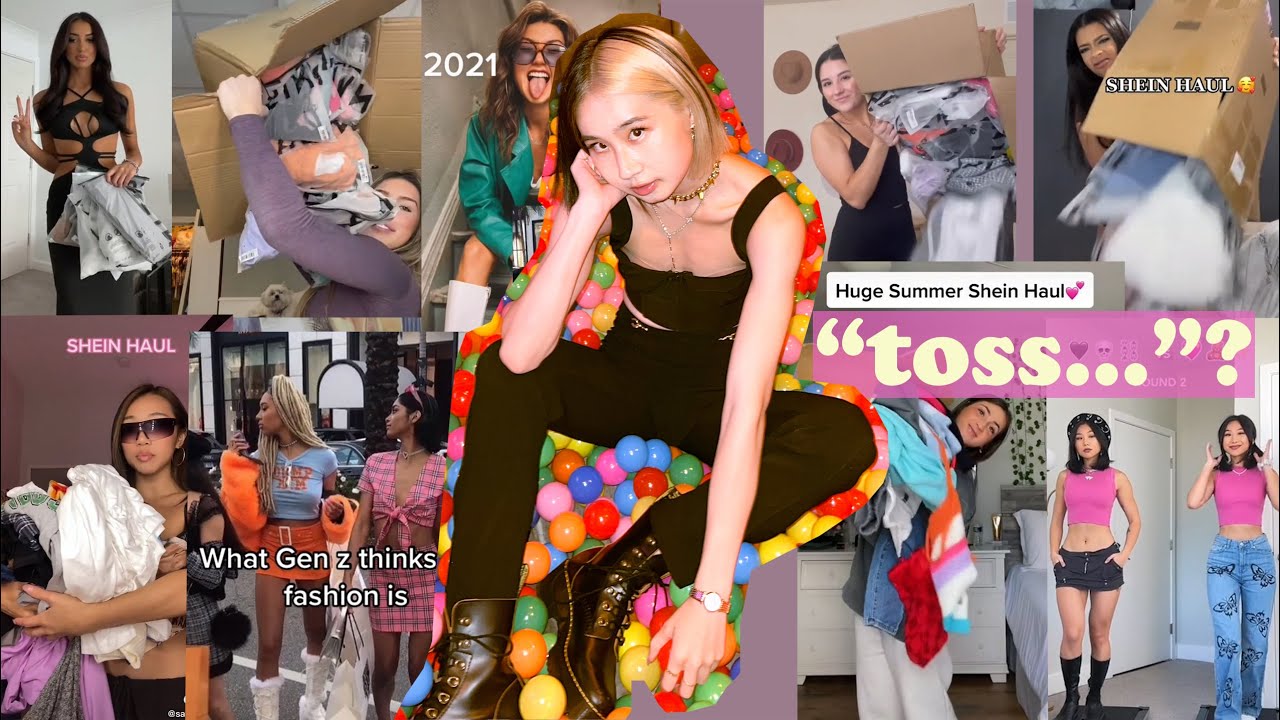




Social media algorithms, particularly those on platforms like TikTok, have transformed alternative subcultures by prioritizing visual aesthetics over ideological depth, potentially diluting their original rebellious and politically engaged nature; however, this evolution does not necessarily mean the destruction of subcultures but rather represents a modern adaptation where individuals can still explore and express their identities through these movements, even if the emphasis has shifted from political commitment to aesthetic presentation.
TikTok and the Evolution of Alternative Subcultures
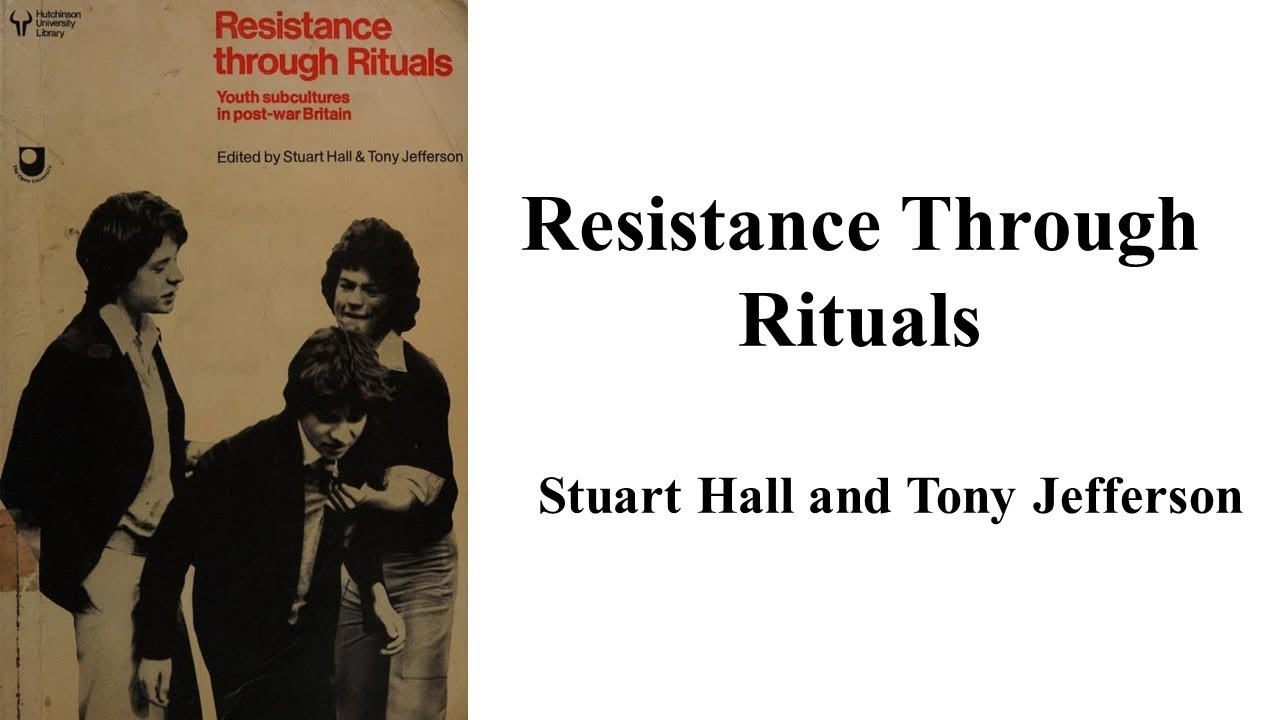
Added:The sociology of subcultures, particularly how youth groups historically used style and music as a form of resistance against dominant cultures (e.g., the Birmingham School of Cultural Studies).
The mechanics of algorithmic curation, specifically how social media platforms use recommendation engines to create hyper-personalized content loops.
The concept of commodification, or how grassroots cultural movements are adopted, mass-produced, and sold back to consumers by the fashion and media industries.
The sociological definition of 'authenticity' and how it functions as social currency within peer groups and communities.
Digital Ethnography: Learning how researchers study online communities, micro-trends, and identity construction in virtual spaces.
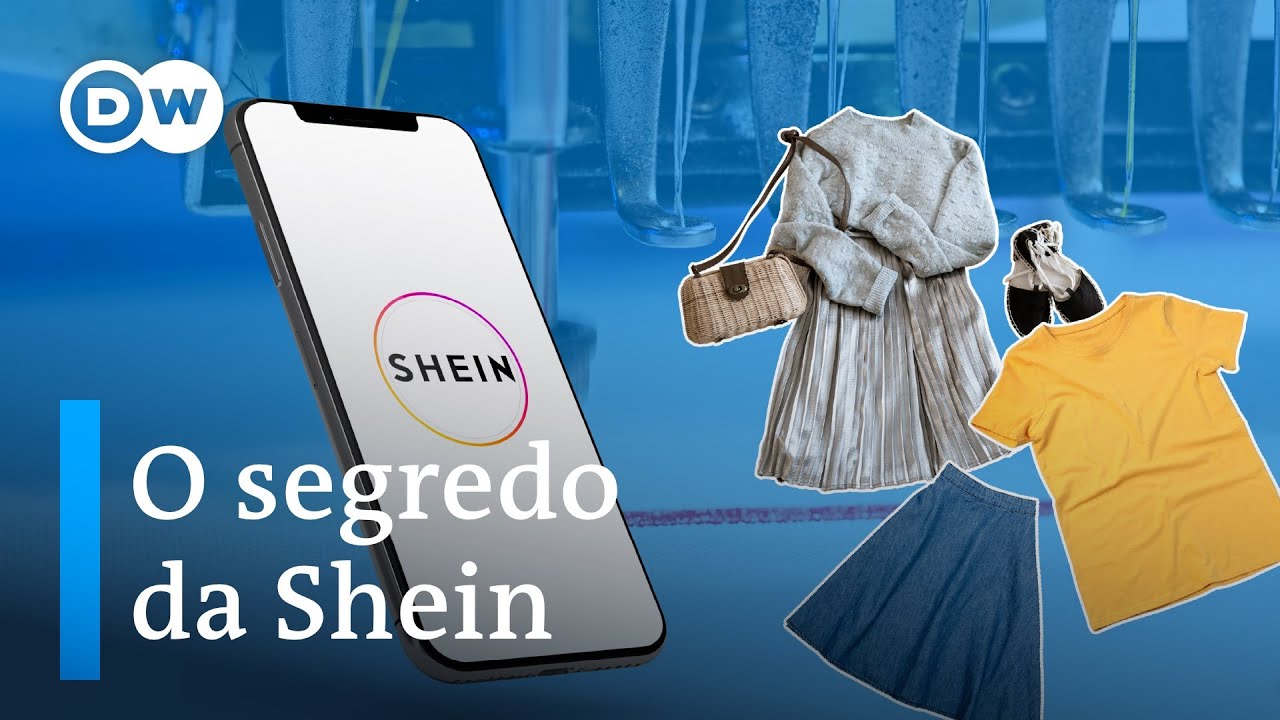
The environmental and ethical impacts of rapid micro-trend cycles and ultra-fast fashion business models driven by social media acceleration.
Algorithmic Homogenization: Analyzing whether globalized platforms are erasing regional subcultural differences in favor of a homogenized digital monoculture.
The corporate co-optation of alternative aesthetics, exploring how brands use subcultural symbols in modern influencer marketing and advertising.
241.3K views13.6Klikes17:02Original Release: 2024-08-16
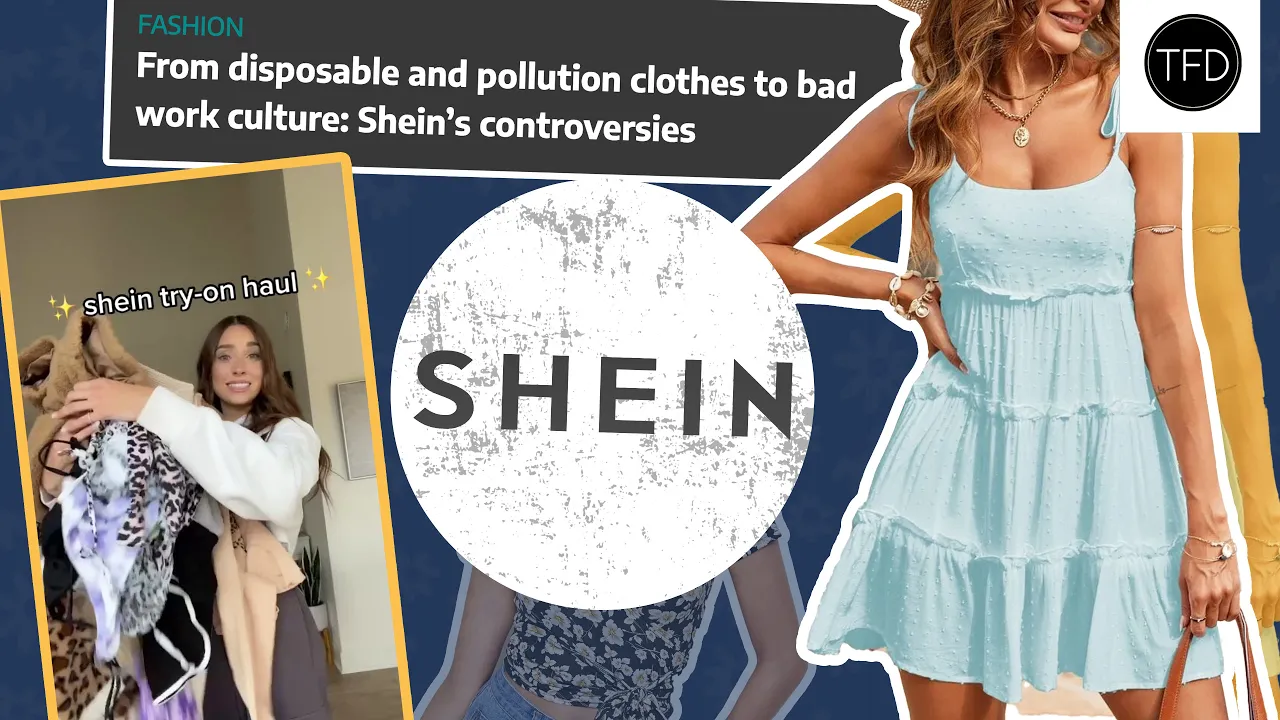
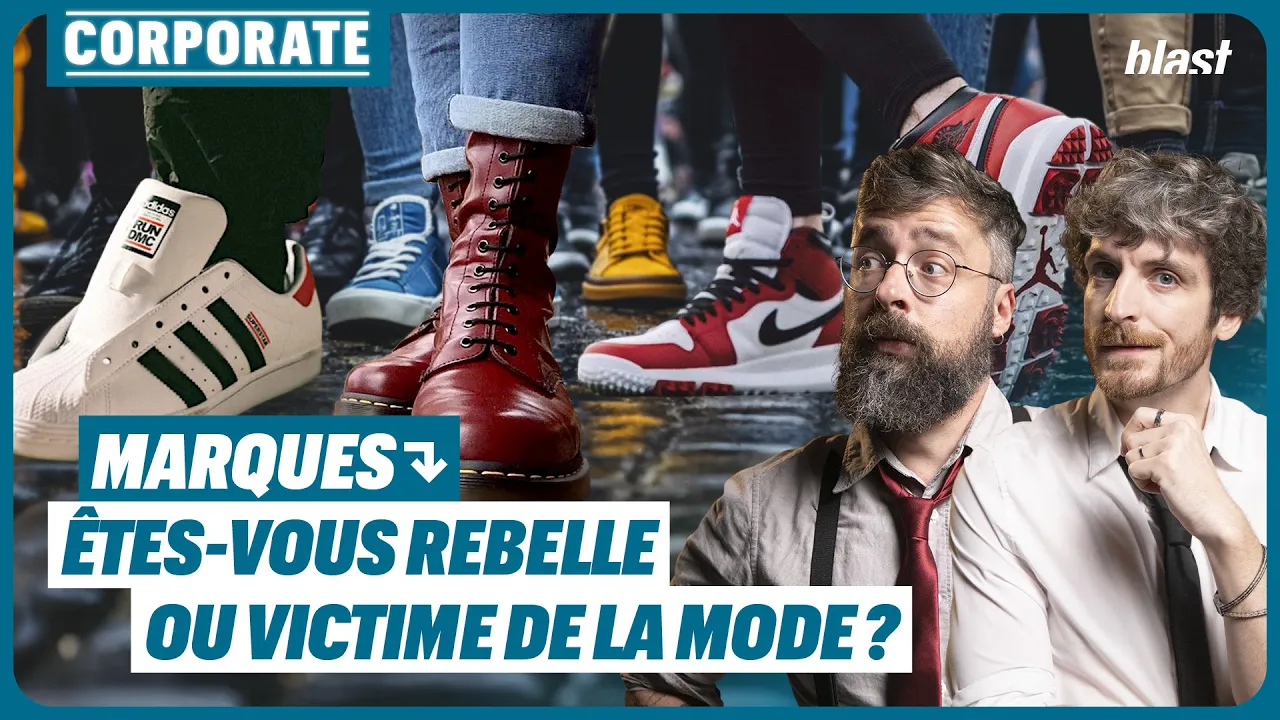
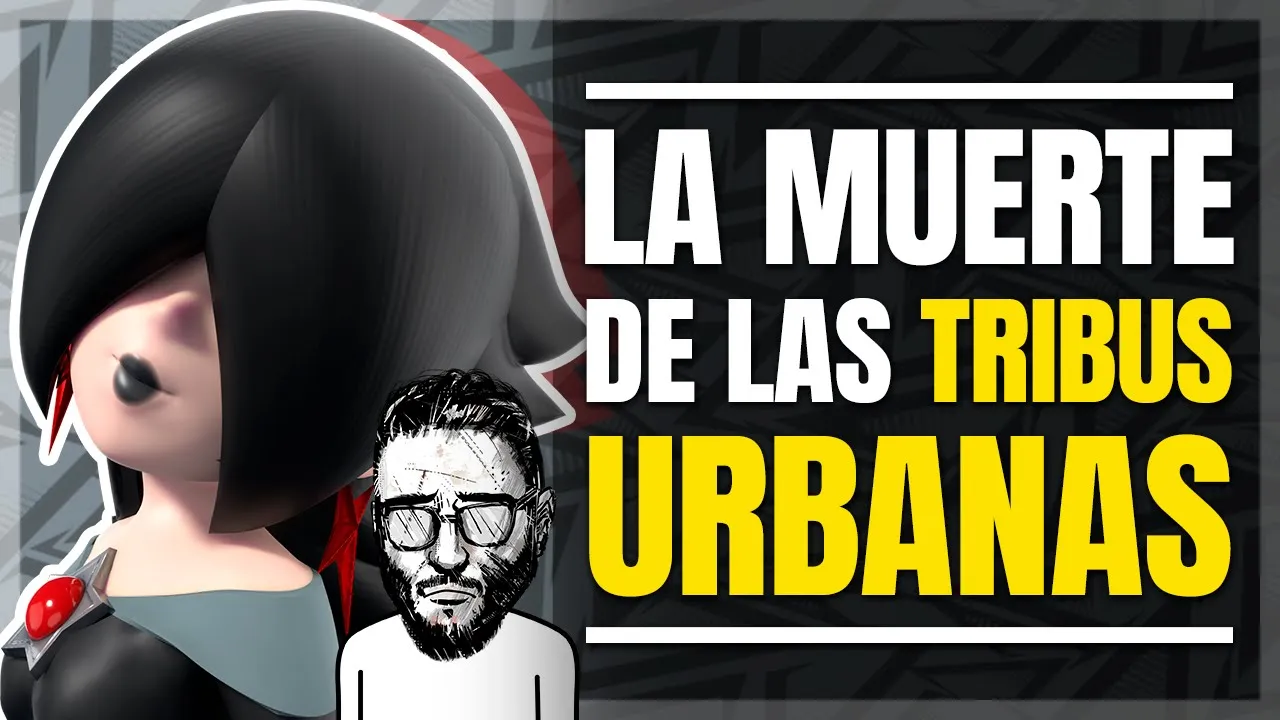
the whole point of alternative subcultures is that they're different from what's deemed to be normal right so what happens when things like emo punk goth become popular not a lot of people know this but it actually creates a super massive black hole that we all get sucked into and die but in reality alternative subcultures have Rich histories ideologies political affiliations and even dietary restrictions but some argue that Tik tok's algorithm and culture of virality are diluting alternative subcultures turning them into just another Trendy Top you can buy from Sheen for under $10 there's irony in a subculture like punks even being on an app like Tik Tok but social media is a huge part of our daily lives now and it's how most of us communicate so are we just experiencing an evolution of these groups into the modern day or has Tik Tok completely ruined alternative subcultures the term aesthetic has kind of taken over what we used to think of as subculture newer Generations don't understand what makes them of subculture and not Aesthetics yes we are losing subculture and it is because of the internet because historically being alternative also meant that you were alternative you were radicalized with your political stance we all knew that the pandemic would have have lasting repercussions in so many different aspects of our lives and one of those seems to be this obsession with Aesthetics and subcultures maybe it was an attempt to find Community while socially distanced or to distinguish yourself amongst your peers but now post pandemic it seems like there's this increasing pressure for everyone to fit themselves into their own little # boox in order to please our Overlord the algorithm I feel like dark Academia is a good example of this because apparently this term originated in 2010 but I've never heard of it until it was popularized on Tik Tok in 2020 and this one I get because realistically who doesn't want to live at Hogwarts we've all seen that food table but taking control of how we look and assigning meaning to it is very appealing in our very unstable times and it could also be an attempt at escaping from from a reality you don't want to face this is actually how most if not all alternative subcultures originated in times of sociopolitical hardship however some claim that the rise of alternative subcultures now is purely based on Aesthetics online and it's devoid of all real meaning in the real world that these subcultures were built on when I think of an aesthetic within our contemporary cultural landscape it makes me think of more like a costume or like roleplay but now it's not taken seriously it's seen as a costume it's seen on Sheen because people have reduced entire subcultures down to how your Instagram feed appears this whole alternative subculture debate on Tik Tok is really interesting to watch play out because when I was in Middle School and I know a lot of you will relate because I can see that a lot of my viewers are in the same age range as I am when we were younger outside of Myspace and you would be bullied for being emo and it's funny seeing people talk about emo culture when at the time I feel like we were all ashamed of it and like the last thing you would do is call yourself emo despite what you listen to or look like now emo style and Goth makeup are trending hashtags on Tik Tok and it's nice to see that younger people can Embrace these cultures and seemingly not feel embarrassed about it but has this Embrace gone to to far are alternative subcultures now only performed for an audience online Tik Tok is on one hand a stage for our current culture and on the other hand it's a strange consumerist ecosystem of microt Trends with an all- knowing all powerful mysterious algorithm that somehow tailored to everyone of Tik tok's 1 billion users back in February of of this year statista reported that 41% of Tik tok's user base are using Tik Tok shop this simple way to shop thrives on consumers impulsivity and feeds into our overc consumption and fast fashion if you're on Tik Tok you likely know how bad Tik Tok shop is but we still get sucked in even knowing that I get sucked in knowing that last month I bought a pack of eyelashes from Tik Tok shop on a whim because they were only a few dollars and guess what I haven't worn at all those eyelashes I don't even really wear false eyelashes but the eyelashes I saw were apparently the best eyelashes that anyone's everever put on and they were used to promote an alternative makeup look I was being sold on this fantasy version of myself the more alternative looking cell with big fake eyelashes who is really Ben benefiting from this it's not the people it's not the culture it's the marketers and the businessmen it feels like Tik tok's Trend cycle has mass-produced and somehow neatly packaged all of these various alternative subcultures whether it's goth emo punk Etc and they're selling us a way of looking that might have nothing to do with our interests or our tastes you can realistically get on Tik Tok shop and buy everything you would need to be a clean girl so can you buy Punk buying into a trend might work for purely aesthetic subcultures like Y2K honestly Y2K is perfect to be a part of the trend cycle because all you need to do is rhinestone your phone and you can live head empty that's what we were doing at the time but this is difficult now when we talk about alternative subcultures because this goes against their very existence most alternative subcultures were derived from the punk movement of the 1970s and the original Punk ethos was centered around things like anti-authoritarianism anti-consumerism anti- capitalist beliefs and a DIY approach to making music and clothing The Goth subculture is a primarily music-based offshoot of the punk movement so they share a lot of that anti-establishment beliefs and they added in gender egalitarianism hardcore also came out of Punk and brought in antiviolence pro- environmentalist ethos as well as typically left-wing Anarchist or egalitarian political views this is why you'll see many people online saying that you can't be any form of alternative if you have conservative beliefs every alternative scene whether it be the trans scene the queer scene the drag scene the scene scene the metal scene were all formed as a rebellion against the mainstream you're different from the masses so also your views politically human rights environmentally would be different than how everyone else thinks and I don't want to say that that's wrong because I do agree but when emo came around and emo came from Hardcore emo didn't seem to have any sort of political or ideological views and this could just be my own experience because these things vary significantly where you're from but Emo music was generally self-centered in our own individual emotional experiences and didn't seem to have a lot of ties to the larger political climate like the past subcultures did and that's what happens with subcultures in general they evolve and they shift with time sometimes building on themselves sometimes completely Shifting The Narrative of what they once believed in the original Punk scene for example was incredibly self-destructive with the use of substances and alcohol then in response to this straight edge was born out of the hardcore scene and it directly opposed that original Punk destructiveness and straight edge politics vary significantly from revolutionary to all the way to conservative so what I'm getting at is that you can't necessarily put a blanket statement over the world of alternative subculture cultures because they are incredibly vast and it kind of takes the whole culture element out of it 1970s punks did a bunch of substances slept wherever they could sometimes they would wear hate symbols to be shocking 2024 punks post fit checks on Tik Tok because Tik Tok is a huge part of our culture today does it mean that they're any less Punk because they're operating in our current climate it goes without saying that anyone can dress any way they'd like but I do agree that there is a lot more to alternative subcultures than just looking the part the fact that these subcultures are alternative implies that they can't be for everyone if everyone were goth no one would be alternative right and what makes this discussion more difficult is that something inherent in a lot of these alternative subcultures is the lack of Conformity or the general distaste for following any sort of set rules so now when we try to put rules on people who can and can't represent different subcultures it kind of goes against the very culture we want to protect in this article by the New York Times the writer is particularly interested in how the term preppy has shifted and it used to look like this and now apparently it looks like this but this article goes on to argue that subculture are fading away with the younger generation now subcultures in general once the polls of style and art and politics and music around which wound so many ribbons of teenage meaning have largely collapsed the article goes on to argue that teenagers today are focused on a hyperactive landscape of Aesthetics these are primarily Visual and take place mainly online and they come and go with no real Rel relationship to the real world there's even an enormous wiki page that categorizes all of the different Aesthetics that teenagers can try on and take off as they please there are thousands of Aesthetics on this page like this took some real work to put together but why do we feel the need to dissect culture in such a granular way it feels obsessively hyperaware Vice wrote in 2022 that the instant accessibility of these Trends and Aesthetics is divorced from much of their original context and that these have become empty signifiers which goes back to what we were talking about of the loss of some of those ideologies over time and in response to this there's been a lot of alternative subculture policing going on online and really this applies to all alternative subcultures but I see it particularly with the term goth anyone who posts anything related to goth style or goth makeup will inevitably be bombarded with comments saying that they're actually not goth but this emphasis on authenticity is also nothing new in the alternative subculture landscape there was this viral now deleted video I'm not going to show it I don't want to put any more attention to it but essentially this one Creator was saying that they want to petition to bring back poser checking and while apparently this was targeted at bigger alternative creators that don't align with those ideologies we talked about before most people took it as just an attack on anyone that's interested in any subculture and this Tik Tok Creator cassette made a response to that original video saying a big part of the punk culture is inclusivity an Aesthetics can be away into politics that's why fashion is often political so if we deny people the chance to explore fashion then we're gatekeeping one of the entry points into people learning about what the core values of alt and punk are and also we're denying people the right to establish themsel as a person so yeah you may consider it cringe but let me ask you this go back onto your first post on social media and tell me that you haven't done this as well we've all done it we're all humans and it's just a right of passage I think this is a great take and definitely something to keep in mind why are we so obsessed with like inter policing when there are really more important things to focus on ID wrote an article entitled fashion has reached Peak Trend core and we're all tired and in it the author writes what this actually speaks to is a fascinating amalgamation of Aesthetics that is blurring the lines of set Style Guidelines and expectations which shouldn't be taken too seriously and while some folks might take offense at their precious subcultural symbols being co-opted by people outside of their clicks most people truly don't care honestly it's hard to argue with that style is constantly evolving culture is ever evolving do these definitions truly matter I think that it's all incredibly fascinating that's why I've sat down and explained this to you all for so long but a lot of this discussion it admittedly is pretty chronically online Behavior the reality is that if you went out into the world as an alternative person but you weren't wearing the right brands or the right things you're supposed to wear as an emo person realistically no one would care no one is going to judge you like how commenters on Tik Tok might a takeaway from this video is that if you're interested in alternative subcultures that's great you can go go and deep dive into the history and memorize every single band that might be relevant in your specific subculture you can definitely do that or you can just exist and listen to the music you want to listen to dress the way you want to listen to think the way you want to listen to and just enjoy whatever you enjoy we are all incredibly diverse people with diverse interests and tastes and maybe all of this hyper analysis or focus on Aesthetics and Trends just points to to our need for individuality and to just Express Yourself how you please there probably is no one size fits-all when it comes to really any subculture but with that I would love to know what you all think about how and if Tik Tok has really ruined alternative subcultures or are we just living in a more modern day version of them let me know in the comments down below but if you've made it to the end of this video thank you so much I really appreciate it if you have leave me this Emoji in the comments so I know that you are a real one bye everyone [Music] [Music] [Music]
Up Next

28:26
Fast Fashion's Recycling Myth: Unveiling the True Environmental Cost
@DWDocumentary
755.1K views•2021-10-19

12:54
Triumph of Orthodoxy Icon: Byzantine Art & History Explained
@BenCallan
2.1K views•2024-08-06

9:49
FastAPI vs Flask vs Django: Choosing the Right Python Web Framework
@TechWithTim
302.5K views•2024-05-26

1:42
Game of Thrones Opening Credits: A Cinematic Analysis
@gameofthrones
46.3M views•2011-04-18
Related Study Plans & Knowledge Roadmaps
Structured learning paths in General & Interdisciplinary Studies
general-studies
Elevator Engineering: History, Physics & Cities
01From Hoists to Safety Brakes: The Dawn of Vertical Lift
02Hydraulic vs. Traction: The Engineering Physics of Elevators
03Modern Speed, Safety, and Algorithms
+ 2 more learning modules
12h5 modules
Explore Roadmap
general-studies
Rubber: Material Science, History & Geopolitics
01Origins of Natural Rubber & Mesoamerican History
02The Chemistry of Natural Rubber & Vulcanization
03The Geopolitics of the Rubber Boom & Colonization
+ 2 more learning modules
12h5 modules
Explore Roadmap
general-studies
Containerization: Evolution, Logistics & Trade
01Ancient Trade & Bulk Cargo: Amphorae to Barrels
02The Industrial Revolution & Cardboard Packaging
03The Containerization Revolution: Malcom McLean
+ 2 more learning modules
12h5 modules
Explore Roadmap
general-studies
Textile Tech: Evolution, Labor & Global Impact
01Pre-Industrial Textiles: Handloom & Cottage Industry
02Mechanization: The Spinning Jenny to the Power Loom
03The Factory System & Global Labor Transformation
+ 2 more learning modules
10h5 modules
Explore Roadmap