














MEMS (Micro-Electro-Mechanical Systems) deformable mirrors, developed through a collaborative academic-industry partnership, enable adaptive optics by using electrostatic actuators to correct optical aberrations in real-time. These compact, low-cost mirrors (compared to traditional piezoelectric alternatives costing $3,000 per actuator versus MEMS at $10,000-$50,000 for comparable arrays) have revolutionized applications including retinal imaging (revealing individual photoreceptor cells for the first time in living eyes), astronomical telescope imaging (achieving diffraction-limited performance on large telescopes), and deep-tissue microscopy (imaging through scattering biological media). The technology works by measuring wavefront distortions with sensors, calculating corrective shapes, and applying voltages to electrostatic actuators that deform a reflective surface to compensate for optical aberrations, thereby restoring image quality to near-diffraction-limited performance.
Shaping Light with Deformable Mirrors | MEMS Adaptive Optics
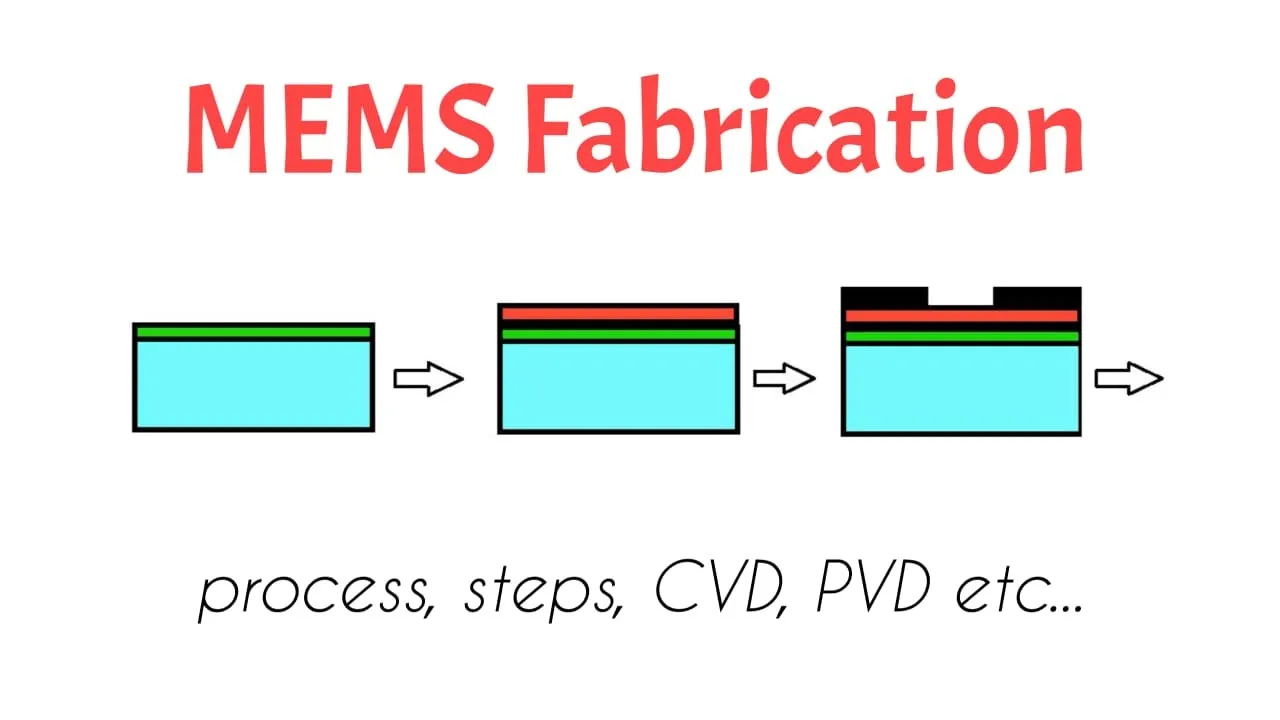
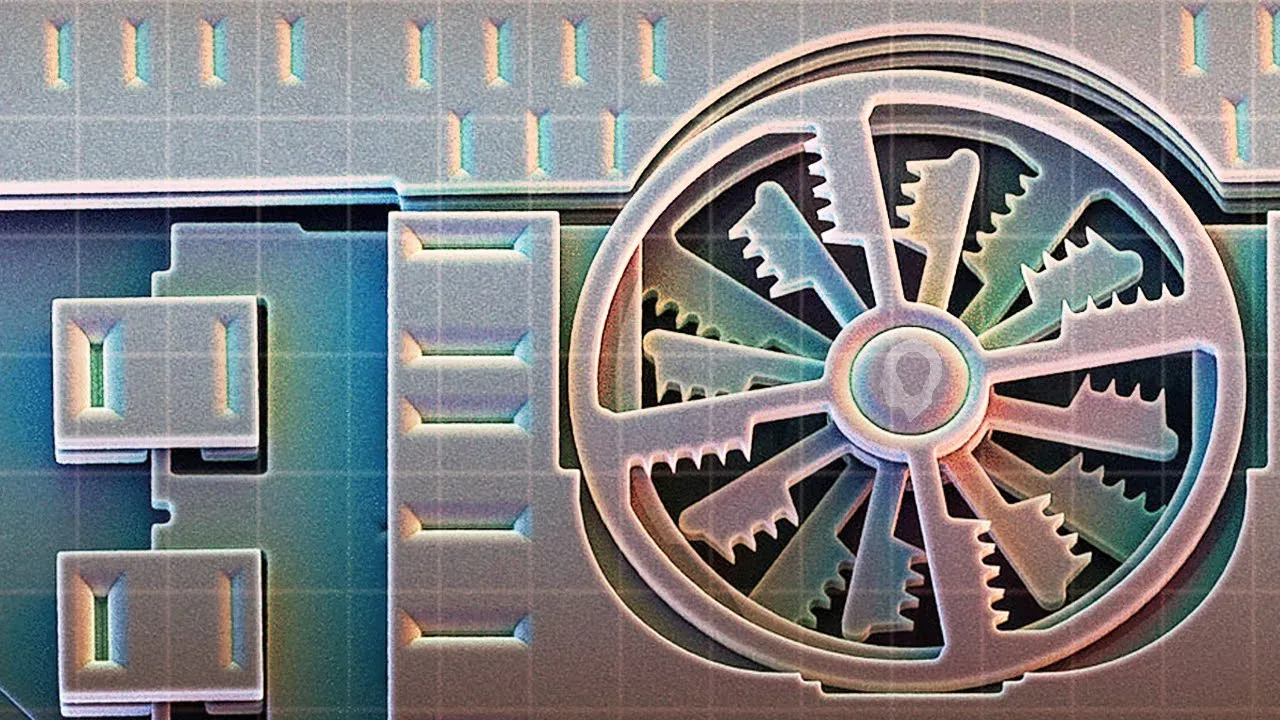
Added:welcome everyone to our distinguished lecture for the College of Engineering this might be our fifth I don't care I've lost count now this is a wonderful event which celebrates a distinguished senior faculty member who has had a massive impact not only scientifically and technologically on their field but also a major impact on the institution and the uh branding and and what makes it what makes it differentiator for Boston University's College of Engineering it's a celebration of that impact and a celebration of the way we honor our leading faculty members today's speaker is Tom buffano who directs the Boston University photonics Center he leads its programs for Education scholarly research and development of photonic technology translation for Commercial and Military applications Tom received his bachelor's and his masters from Duke in mechanical engineering and Material Science and his PhD from NC State in mechanical engineering he joined Boston University in 1988 as an assistant professor he serves on the U.S army science board and is founder and chief technical officer of Boston Micro Machines corporations in Cambridge Massachusetts Tom's research focuses on design and Manufacturing of microelectomechanical systems mems for optical applications he was awarded the international beppy Colombo prize in 2009 for his achievements in research education and Technology development related to deformable mirror development and space science he has won r d magazine's top 100 innovator awards for on three separate occasions that's three separate years Tom has over 120 peer-reviewed Journal articles and Conference proceedings six issued patents and has served as the plenary speaker for several major meetings including the spee and Optical Society of America conferences locally Tom's impact has been nothing short of sensational he served as chair of the manufacturing engineering department for seven years which happened to be simultaneously with my 10 years as chair of the biomedical engineering department which was helpful to me in many ways and during that time Tom worked with extraordinary collegiality as a critical advisor as we put together for example the University's Whitaker Foundation Award to be specific it was Tom's Vision to add a component to that award in biomeems to the proposal that made it competitive in our capacity to recruit excellent faculty including of course people like Kathy clappich here to BU as the second director of the photonic Center his impact has been absolutely transformational it is Tom's leadership and vision that made the photonic Center become such an enjoyable and enabling research and education amplifier for not only engineering but for chemistry and physics at Boston University the center is now one of the most powerful magnets for excellent faculty and excellent graduate students it's nothing short of the pride and joy of the faculty and administrators throughout Boston University and Tom has made this happen ing on a more personal note Tom and I have been friends and close colleagues now for 25 years he is a confident and a crucial advisor to me as chair and again as Dean perhaps his most important role was serving on the dean search committee which found me please welcome one of my favorite lunch partners Professor Tom bafano I don't know oh thank you Ken thanks that's great I consider that my finest moment as well uh and there were five so I'm the sixth uh uh Irving told me I had to uh correct you so so uh thank you all I'm so I'm so delighted to have you here and this is really special it's wonderful for me um I'm really moved I I love being at bu and I uh and I love having you as colleagues so uh I'm grateful to be able to tell you a little about what I do I'll share some of my experiences here and then uh we'll try to get it over with uh mercifully so this painting a lot of people have asked me about this painting uh this is Guido sandri of course those of you who've seen Guido sandri paintings around this is classic Guido sandri Guido is a uh was a professor in mechanical engineering uh when I first arrived at bu with my wife we were two we were both uh professors in the College of Engineering started here and Guido was a wonderful wonderful Mentor for us in the first few years we were here he was uh he was great and he had this great sense of both science and math but also of art he calls this Optical brutalism and I think you can agree uh and and this painting is actually in my house so um so I invited my wife and I invited Guido over to dinner one night and he said he would paint us a mural because we had a big big blank wall in a great cathedral ceiling 18 feet by six feet or or so and Guido said no problem buy me a canvas buy me these paints and he gave me the numbers of the paints and we bought the paints and he came over and we drank a bottle of wine and we had some beautiful dinner and we drank some more wine and um my daughter is there my young daughter is is playing with Guido everybody's having fun and my wife comes over to me and says you know it's getting kind of late when's he gonna paint the painting So I go over to Guido and I say Guido you know it's about 10 o'clock when are you going to get started painting he says oh I could never paint while you're awake good night Guido we put the kid to bed and and you hear and the canvas was on the ground and you hear just swooshing all night long this swooshing so nobody's sleeping I'm not sleeping my wife's not sleeping the kid's not sleeping but in the uh and then it gets quiet and I think oh thank God he's done and I come downstairs and he's reading poetry on the couch on my couch and I said God it's beautiful Guido at this time there's no black in this painting and he says oh I'm just on a break I'm looking for inspiration and then uh through the course of the night he finished it and uh and then the Final Touch was he had my daughter walk all over it in her sneakers so when you look on this there are all these Footprints so uh so I I I dedicate this talk to Guido who's who's still with us but he's uh uh is now no longer an active member of the department okay tour quick tour of my life at bu this guy of course this is uh Daniel Delson he he had uh the the grace to hire my wife and myself to this University and for those of you who know me well like uh Ken I've told the story many many times that that they really wanted my wife they really didn't Dan said to me look Tom there's 50 other universities in the Boston area can't you find a job at any of them and and he was kind enough when I couldn't to hire me and uh Cal who's taken pictures is always reminding me that when I uh when I first came I had to try to change from being a graduate student and the first thing I did was buy a whole bunch of bow ties so that uh for the first three years I was here is all bow ties nothing but bow ties so that's me and of course hair uh I came I had done uh grinding on my way in so I used to do grinding of glass that was what my PhD was in and I had this particular uh idea about how you could grind glass without making a uh fracture make it a ductal chip on glass and we did that it was beautiful and and so that was what I started doing my research in I got a grant when I got here and uh from the NSF to do that again and to try to make grinding wheels last a long time so I I got the Grant and I finally figured out sometime I think I don't know five years in how to make grinding wheels last a long time so this is the grinding wheel that lasts a long time these are the ones that don't brilliant beautiful Insight take it to Norton which is now Saint Joe ban in Worcester and I took it to them I said I've solved your problems and they said this doesn't solve our problems we sell grinding wheels and so I got out of that this is the uh this then so I really did I just said I'm done with grinding I'm done with glass I got to figure out what else to do and uh right at that time uh you look at these names Bennett Goldberg Gil Jones Ted mustakis Ken Rothschild Mike ruane uh three are still active faculty two are Emeritus faculty here all uh Pioneers in the photonic Center they wrote this proposal that got us 29 million dollars John Silber signed it and that's what established this building so I became a part of the photonic Center due to their uh great work and then I started working on this thing I had an idea about how to make uh um compact discs more efficiently and I had this idea and and I launched a company and uh and it was a great idea way ahead of its time and uh and that failed very badly and then I uh I was the chair of manufacturing so I was looking for a picture to show what it is to be the chair of manufacturing this is the class of I think for the manufacturing Engineers maybe 2003 five yeah so that was the class we used to take uh class pictures with the gang they were small enough we could take them all in there for the senior class and that was a wonderful part of my life and then I started making mems and I started making mems because we hired a guy I'll tell you about him in a minute but uh we hired a guy who was doing mems and he said yeah anybody can do this this is really easy and so I I started making the mems and uh and then just a month ago I got my clock so that you for those of you who haven't been here long enough 25 years you get one of these it really is about that size and uh and so that's it that's the introduction that's who I that's who I am for 25 years okay so let's uh let's move on to the talk the mems mems I I've developed over the last maybe I guess it's about now 15 years both an academic program and in concert with that a commercial program a technology development program at a company so that's unusual for a faculty member lots of potential for conflicts of interest lots of uh seedy things that can be thought of about it but it was wonderful for me because it allowed everything I did academically to be aimed toward technology translation This Guy's in the back now that's Paul Bearden he was uh my uh who's my wife's advisee in the EK 100 class when we first got here and I liked him immediately because when we invited all the students to our house for pizza to you lived out in Brookline Paul was the only one who came so so it was awkward for him it was awkward for us but we've been close friends ever since and this is Stephen cornelison who's the vice president of the company there are there are about 10 people in the company and I think maybe six or seven bu people have worked there through the years and three or four work there now so we've developed this company and it's all about this thing on the bottom here which is a cross-section of a silicon mirror this is a silicon substrate all these parts are silicon they're color-coded to because they're different parts of the mirror but uh the these are these red things are fixed electrodes the blue things are an electrostatic actuator array the green things are posts and the arms things a mirror and the whole idea is that if you uh if you apply a voltage to one of these electrodes the actuator uh the electrostatic attraction between positive electrode and the grounded actuator layer pulls those two plates together that pulls on the post that deforms the mirror voila you have a deformable mirror so you can make something change and I'll I'll show you how uh We've milked that to death that particular geometry we have done nothing Innovative since then I'm not sure that that was even my idea I think mostly that design was a collaboration between me and Ken Gabriel but I have certainly claimed credit for it everywhere outside of here so uh so one of the things I wanted to I I guess you already have the impression that we have a certain philosophy in in my uh in my group and with my graduate students and I was trying to find uh a slide that represented that and I got one it's a off the web so it's this is not an original thing but I laughed out loud when I saw it so I wanted to give it to you but this is the philosophy of my lab I'll give you a minute so the idea is there's only two things in the world that matter to a mechanical engineers WD-40 and duct tape does it move no shoot it yes put some WD-40 and the other way around with the duct tape but the re the problem we're trying to solve the problem that we took on um related to this so in the very beginning the Adaptive Optics these deformable mirrors the problem is that the leading causes of blindness are diseases that affect the cells in the retina and to make progress on those diseases you really need to be able to see the cells in the retina and it might seem strange to you but until four or five years ago that was impossible to do while you were still alive and had your corneas intact right we could take your retina out and look at it but we couldn't see the cells while they while it was still uh in your head so this is the problem the and and many many mistakes were made by God on creating eyes so many one of them is that the cones and the rods are behind the blood vessels behind the nerve fiber layer they're they're laying underneath everything these things that are supposed to detect light and so uh that was so I drew this the wrong way for years thinking the cones have to be in the front don't they and my Ophthalmology friends always tell me now they're back there behind all the nerves so that's a problem that they're they're actually buried a little underneath things and their sizes are about uh two microns or three microns in in lateral span which makes them impossible to see so this is the uh for those of many of uh of you are or my colleagues in engineering and some of you I'm so grateful for are not engineering or science people just come because they like me for one reason or another so I uh I wanted to give my quick tutorial so I for those of you who are photonics members forgive me for the rest of you uh thanks for coming so so you got a lens and the lens goes to a focus and that's the uh that's the the ray Optics idea and and everything is wonderful there and if you think about the lens having a focal length F and you think about the uh the the width of that beam that's going into the lens and you ask well what what does it actually look like what does the intensity look like at the focus of the lens it has a certain width to it we call that an Airy spot and uh if it's a circular aperture and the width is this Dr okay and uh and I would say God gave us this equation but it's actually Germans who gave us this equation about the uh and and there are some similarities uh about the um the diffraction limit so the thing about the diffraction limit that I find wonderful is that it was it was so dominant as the as the you can't break the diffraction limit which which sort of felt good to uh to my uh German colleagues for many years and now if everything published in photonics literature is all about I broke the diffraction limit so there really is no diffraction limit right so this is just a notional idea that if you do take a lens like this and focus it down that this Dr is just a function of the wavelength the focal length and the aperture diameter of the lens and if you use this simple system that actually works out to be true so then uh if you think about well let's make this an i all we had to do is draw a circle around it to make it an i and uh and now for human eyes lambda's 500 nanometers that's that's uh you know visible light f is 20 millimeters D is five millimeters and so you can you can make a pretty quick estimate of what the diffraction limit is on the back of your eye so if everything was great we'd be able to see those cells because they're a little bit bigger than two microns so uh but we can't see the cells so then you ask the question well why can't we so we have to figure out what our Imaging resolution limit is and there's a really easy way to do that so what we're trying to find out is what can we actually resolve on our core on our retina and uh and the way to do that is to take two lights that are far away and walk back away from them until you can't see that there's two anymore and when you can't see there's two anymore uh you just do the geometry of these two similar triangles and it'll tell you what the actual uh spacing is you could see on your retina so no no fancy tools just this and so we have that that's over here so uh so this thing over on the wall is two LEDs one two green LEDs they're blinking you see them so raise your hand if you can see two now don't cheat if you can see two raise your hand right okay so so keep them up just for a second so some of you are blind but it's about here right so it's oh that doing dirty lot this is like the Lettermen band yeah so so this right here is you can put them down now so that's for uh each of those columns is four meters uh away so it's uh one two three four times four 16 meters and so we got d uh we got L is 16 meters and d0 is a centimeter they're about a centimeter apart and of course I didn't uh I I didn't uh do this thing without calculating that in advance uh so there it's about 10 microns maybe 15. 10 or 15 microns on the retina that's the problem that's bigger than all the cells so this is a great scientific opportunity and also a great technical opportunity for us because if we can fix this problem it's not just that we make it better we make it better to where there's some functional thing you can see that that you couldn't see before so that's the uh that's the idea now why is there the difference between the theoretical diffraction limit of 2.4 and the actual well you know that that has to do with these bad Optics we've got so the Optics in your eye I'm fond of saying they're like uh Cracker Jack lenses because not only does that tell you what what it is but it also differentiates if you're over 50 or not when they used to put the lenses in the Cracker Jack Bishop knows all right so uh so the Imaging diffraction limit is this what actually happens is your lens is a little bit warped the warping spreads that diffraction limit to something else and uh and the whole point of Adaptive Optics of deformable mirrors is I can compensate the aberrations so the aberrations are here they're spreading this thing out if I put a shape on the DM that makes these lines past the lens line up again then I get back to the diffraction limit that's all Adaptive Optics is that's all we do and so uh the simple question is uh so when you do that you get a nice Sharper Image the simple issue is how do I measure those aberrations and then and then how do I fix them so this is what your eye uh we we can take all the aberrations in your eye and decompose them uh into uh uh orthogonal components and the the doctor does that for you when you get glasses they tell you you have cylinder which is astigmatism and an angle a rotational angle on a stigmatism and you have defocus and they fix that none of these other things do they fix but these are what they look like if you have those aberrations in your eye I've got um I've got some of this which is spherical aberration that's Halos around things if you look at this uh the sky at night and you look at a star and you see each star has a little Halo he really doesn't have a Halo if you have these they call these coma aberrations because of what they do to your eye it's a it looks like a comet so if you look up at the star and you look it looks like it has a tail again it doesn't really have that so um so then what do you do to fix them it's a really simple system you uh you have light from the eye that you either put in there yourself or uh well you have to put it in in the eye you send light in and then the light that comes back out you bounce it off the deformable mirror and you also bounce it off of a wavefront sensor what's a wave front sensor it's something that can tell me the shape of the wave front error the shape that I need to put on my DM and so once it tells me that I put that on the deformable mirror and I get a high resolution image okay so why why mems DMS why not do this some other way well before mems DMS you could still get deformable mirrors there are these guys with uh they'd make nice glass plates and they'd take piezoelectric actuators and glue them to the back of the glass plate they did this here in Massachusetts actually i-tech was the company and it's it was a spin out of BU and uh and they make great great deformable mirrors so this is one uh that is uh you see in a large telescope I'm not sure which one I could make it up but then Paul would know I was lying so but it's a large mirror uh it's got a couple hundred actuators in it but for this mirror each actuator and Driver ends up costing you about three thousand dollars so uh so you do the math if you've got you know 300 actuators in this thing you're in the you're you know getting close to uh uh 10 million dollars for uh a mirror you've got a mirror that's that's very very expensive uh so so this is a problem for people who want and it's also not exactly the size of the eye it's a hundred millimeter so we made these mirrors there they have a tremendous design advantage in that we can scale them to large arrays they're made with mems uh they're smaller in size weight and power they're lower cost we can make the same number of actuators for uh maybe a 10 or 15 000 dollars and uh okay maybe fifty thousand dollars and uh and then they have this performance advantage that they're not piezoelectric so they're creep free they're fast and I think I said low power twice um okay so how did we decide then to make these mems uh you know why did I so I'm grinding glass right I'm grinding glass there are all sorts of materials things you could go into why do you go into mems so I'll tell you quickly how that happened for me the uh this is all around early 90s there was a Foundry that came up with the first mems Foundry so you could send them a design and they'd send you back a mems device in North Carolina it was The Foundry this is great because it used to be only electrical engineers had these tools and electrical engineers you know they're they're nice they're not that friendly with their tools so mechanical engineers had to go in and say can I borrow your you know your lithography tools can I borrow your thin film deposition and then you had to learn how to use those things nobody wanted to do that so the mechanical engineers were loving this Foundry and The Foundry was an idea of a mechanical engineer so this opened the sandbox to Emmys like me uh and then they launched exactly the same time this DARPA mems program and the DARPA mems program was launched by this guy Ken Gabriel who for eight weeks was a bu professor and uh he was a bu Professor here he he was great he was wonderful and as soon as he got here he uh got an IPA you know a a an appointment for uh to be a a federal program leader a contract monitor at DARPA and he took that job and before he left here though in those eight weeks he and I wrote a proposal together for deformable mirrors to make deformable mirrors so it was a joint idea and then when he got to DARPA our proposal was rejected by NSF very badly you know comments like Rule and uh and and so he calls me and he says you know I'm now at DARPA and uh and I said yeah I know your proposal with me didn't get funded and he says no but you didn't hear me I'm now at DARPA and so he said submit that thing to me and I did and I swear to God he called me and I said I submitted it it was a beautiful proposal i s I submitted it to him and he calls me and he says what you submitted this with an NSF kind of budget this is DARPA double it and I said okay and I yeah I added a few tasks and it was wonderful it was really the launch of a great thing for me and why did he and I choose Adaptive Optics as the topic because in 1991 the Department of Defense Declassified Adaptive Optics and so for those of you who are really brilliant and have ideas all the time you're always way ahead of the rest of us right so you have in the back of your mind all these things going on well I could try that and I could try this but for me it was great to have this moment where the Department of Defense just dumped a trove of material out so now I'm the equal of everybody else I know what everybody else knows all at the same time and so we all uh competed for who can make the best use of this suddenly Declassified material and uh and uh I should say that when I did this there was one other person in the uh in the college who saw this as a great idea too and who joined me on this thing with DARPA and that was Dave castanyan and Dave castanyan was at the time working on uh on uh small macro scale deformable mirrors and for for him and I it was a it was just a watershed of an event that DARPA won wanted us to do this and wanted us to do it in this area of importance to DOD so we had this great Trove of activities okay so now uh let me quick go through the design and the fabrication of the mems the first publication we had here's with uh Dave oh sorry and uh Mark hornstein and then a bunch of students was about how we make this uh how we make these deformable mirrors okay oops um the the actuators I've said are electrostatic so uh so that means essentially you can think of them as parallel plates attracted to one another and those parallel plates attracting to one another uh cause this deflection uh the electromechanics are pretty straightforward uh there's uh and and one of my students recently uh did his PhD work on this he realized that if you just pull the mirror off in the posts you have a completely linear system a beautiful linear system that's a plate defined by the plate equation and what he understood that I didn't understand until he told me was we don't have to solve this plate equation we're going to tell it what deflections we want we're telling it the part with the with the Dell on it so all we need to do is figure out what the forces are so this is an integration all we have to do is integrate this equation if we integrate this equation we can find these forces okay now you got the forces on the post so what I need to know what voltages to apply to the electrostatic actuator so he says well okay I've got this equation over here where if you give me the forces and again you give me the deflection again I can solve just almost algebraically for the voltage and so this student had this great insight and we manage then to get a a beautiful model of the device and be able to control it in open loop very nicely so uh then we made a version of it that I could understand because it was simpler where you just cut the mirror and now there's no coupling in the mirror at all and it's just this last part that uh that you have to worry about and that's an even easier set of equations to work on some people want segmented DMS and somewhat continuous I'll tell you a little about that and then uh so uh Ken asked me to uh to be part of the current lectures so then I had to actually go back and solve all those uh those horrible equations and uh Dr barboni was nice enough to let me in his class and of course I spent months making sure there were no mistakes in the equations and then I talked to the students as if I'd done it that afternoon all right how do I make them so you make them in this uh in this recipe based process you go in you say I want to start with a silicon wafer with a nitride layer on it I want to deposit a little bit of um of silicon there which is my bottom electrode I'm going to deposit oxide silicon dioxide which is my sacrificial material on top of that uh that first electrode I made I'm going to deposit more silicon on top of that and you'll notice each layer I deposit is conformal it goes on to the next one and covers it up so you could be saying to yourself well that's a dumb way to make a mirror that you know when you finally get up to the top this thing's not going to be flat yeah yeah that's a problem and so um and then you cut holes in the Silicon so that you can get at this oxide and then you pour hydrofluoric acid on the on the top of the whole thing and it eats away the oxide and then you're left with this actuator and then the actuator behaves sort of like this when you put voltage on it so this is just the actuator part I'm going to now put a post in the middle of that actuator and attach it to a mirror at the top oh I I gotta say once I figured out that part I started use using these uh making mems devices in my classes and I was at first we made really complicated mems devices but I realized what they really wanted was to write letters home to their parents in tiny letters too tiny for their parents to see so that's what we did we did all the lithography but not released structures what we did was we used this class to write these 20 nanometer tall letters on a three millimeter chip home I'll give you an example here I I I when I was putting this slideshow together I was digging through last year's class and I found this one it just it cracked me up says Hi mom loving be you so much I've neglected to bathe Kevin he was not a good student all right um so so what else do we do now I've got the actuator layer we've been to the actuator we then do another layer to get the mirror and post on there and then we dump the whole thing in the acid and then BMC has developed a whole bunch of processes none of those were really developed at bu to do put gold on it put it in a package seal it up and uh and evaluate and test it every time we do a batch it costs us somewhere in the neighborhood of a quarter of a million dollars and the batch gives us 20 Wafers and three to 100 devices per wafer depending on how big the device is and so we have had full batches that produce nothing and then we've had full batches that produced the world's supply of a particular kind of mirror for indefinite time um so the uh the first time we really got a fully working open loop everything going uh mirrors about in 2007 somewhere a few years before that people from uh from around the country started wanting to buy these mirrors even though they were not very good at that time and we're grateful to them because that kept the company alive so they were buying mirrors that were horrible knowing that by sustaining us they might be able to eventually get good mirrors and that did work out for them the mirrors are reliable we've tested them to trillions and trillions of Cycles so some mirrors to 50 trillion Cycles there's really no failure uh mechanism if it works out of the gate it's going to work forever they're really fast so we can do frame rates of uh 20 or 30 kilohertz with these things that changes the world of Adaptive Optics in some way because you don't have to be as smart if you can be fast um that's at least what I said to the kids in school yeah this is uh they're very predictable this is again the student who figured out if you just anchor everything at the post it's just a force balance the upper part is linear the bottom part is calibratable and so you're in good shape and so we now can in a single step get them to go wherever we want within about 20 nanometers um and then the two characteristics that are really important about the mems uh DMS are their stroke how far can it move and how many actuators does it have and so these are the two columns sort of as a function of time uh how we did over the years you could see sort of a steady increase with the demand coming from the market for more actuators and larger stroke not always at the same time and then these are two of the application areas I'll tell you a little more about those ophthalmoscope and Telescope so ophthalmoscopes need more stroke telescopes need more actuators um and uh and then one thing we learned late and it's it's embarrassing because I was chair of the manufacturing engineering department is some things about yield and this was this was truly uh a revelation for me it shouldn't have been but it was so we're making mirrors and we're making these are the the bread and butter years we make and they're coming out you know great we're making 90 yield these things are coming out great so somebody wants a mirror with larger number of actuators and we're using the same process which means we have the same defect density per square centimeter so let's make a mirror with a little bit more actuator it's not a big deal it's no problem so then we got people came to us to make a mirror that's four times bigger than this I'm saying that's no problem we can do that Paul and I agreed we told them we'll take your contract that one is down here this was awful so this was a lot of years and a lot of misery about trying to make that mirror because it's so low on the yield curve but but all this data existed before we took that contract okay so this is the mirror this is actually an interferometric microscope image of the mirror I had a student Cara silver who uh who sat in front of the interferometer and figured out how to both shape the mirror and record those things and make it into a movie so this was her summer project and I use it all the time so I love it um I'm going to tell you about three applications in pretty quick uh sequence here so uh now we've got the mirrors what are we going to do with them so I'm going to tell you about astronomy vision science this retinal Imaging and then a little bit about microscopy so astronomy my my guy Galileo uh 1610 points the telescope up another thing I'm uh everybody knows that Galileo wasn't the first guy with the telescope there were other people uh in and around the Florence and Padua area who had telescopes what's different about Galileo is he's the first one to point it up so everybody else is looking out look at that guy uh so when he looked up this was what he saw this is Saturn and we know that because we recreated the telescope so we got the Optics this is what he saw on Saturn that's got to be thrilling because nobody knows Saturn has rings so this was exciting and this really launched the whole field of astronomy uh this is the Keck telescope for which you paid about 75 million dollars it probably cost a billion today it's a 10 meter telescope segmented telescope here it is up here you see a little guy in the bottom here waving right so this is a big telescope and here's the quality of Neptune from the Keck now if if you're the guy who's got to go make the case that you've really really outdone Galileo this is not good and this is 390 years later right so then they put the Adaptive Optics on and they did get the Improvement right so the the Adaptive Optics fixes the aberrations in the atmosphere and then a few years later uh you know the quality just got better and better so this is Neptune or Jupiter from the what they call the very large telescope they're not very creative about these telescope names very large telescope um yeah that's it okay so then uh people took our mirror and uh this one entrepreneur guy said I want to make a million dollar add-on to little telescopes it's a million dollars is that right roughly uh million dollar add-on and so we made this million dollar add-on and you can tell me whether this is worth a million dollars for you uh I'm not so sure but this is the robo AO add-on and that was uh maybe the uh second application of mems deformable mirrors for large telescopes um then we had uh my friend sup chakra bharti said if you could do this on the ground I could do it in space and so we got a grant from NASA to make a a rocket that goes up stays up for eight minutes looks at uh a planet near a star it would when we proposed it it would have been the first light given to uh uh an Imaging system from a planet and uh and then comes back to Earth so it seemed like a great thing got delayed a little bit and then when it finally launched um I'm saying it worked great but the thing is none of the Telemetry worked so none of the data got back and then it crashed so I say the mirror worked well I say it imaged the planet but uh but that's sort of a Schrodinger kind of uh thing at this point um this is this is uh though what happened in between when we first proposed that and now is some people using real telescopes found planets around the HR 8799 solar system three planets rotating around that thing that was cool and so suddenly that whole astronomy field turned to want to do this they want to find planets why do we want to find planets uh we want to know if we're alone uh so the people from Gemini telescope contacted us and they got a team together to build the Gemini Planet imager that relied on a critical component this 4 000 actuator DM from uh Boston Micro Machines here's the uh that instrument being shipped to uh Gemini just this year the expected first light is October 2013 on this one so um this is what we expect to see with the jet the Gemini Planet imager in comparison to what we've already gotten on the Keck so it's it's better um how what's hard about looking at a planet this light down here that you see this little uh blue blip that's the light from the planet in turn this is intensity and log scale and this is the light from the Star nearby the planet if everything were perfect if everything's perfect it's only several uh maybe six orders of magnitude lower in intensity than the Starlight that's swapping it so These Guys these astronomer instrument people are great they came up with an idea about how to use interferometry to null the uh an area right around the star block the Starlight perfect wavefront correction and by God the little planet will stick up uh out proud of the telescope of the solar light so when I got to BU these were the planets uh I think Pluto's not on there we were we were predicting that it wouldn't last right so these are the planets in terms of mass mass equivalent Jupiters so um uh this equivalent Earths this is equivalent Earths and semi-major axis this is uh distance from the its sun in atomic units in Earth orbit astronaut astronomical you'd thank you Atomic units right this is 2012. thanks Ted uh this is 2012 all the planets that we know and what's interesting is they're all different ways we find them we could find them because the star Wiggles we can find them because the planet blocks The Starlight a little bit so it has a dip but the ones in Orange are special those are ones where we got light from the planet so why is that important if you can't get light from the planet that you distinguish from the Star you can't tell if there's life on it you have to do spectroscopy to see whether there's life on it so these are the only ones we can really tell anything about biologically and with the G Pi this is what we expect so we expect to get a lot closer this is now in masses in Jupiter years and we expect to get a lot of jupiter-like planets so all this seems great and so why we built the mirror and we uh we gave them the engineering mirrors and they had a couple of dead actuators in the 4000 and we said here it is and they said well here's the difference between a perfect mirror and one with one non-functioning actuator in this null we're trying to get this is what your one non-functioning actuator does so this made it much harder for us and uh suffice it to say that we delivered something that finally satisfied them I won't say it was perfect but we made an engineering mirror we made the final mirror and that thing's gonna uh give us first light in October bunch of other observatories have mirrors from us and so this is one of our key areas of uh of achievement in deformable mirrors I want to go to vision science first thing we did in vision science was we stuck a mirror in a four-opter in this thing where you're looking at the eye chart and now and this is with help of Livermore we built this instrument you stick your head in it you see a little tiny eye chart and it tells you uh automatically what's wrong with your eyes and fixes it so look at that you've got perfect vision so this thing replaced what's in your optometrist's office you know the little thing where you say better or worse and that thing cost three thousand dollars this costs three million we didn't sell any of those but as Ken was fond of saying you know I won these r d Awards when you win an r d 100 award it means you have screwed up you've gone down a blind alley so I've gotten three of them with uh with BMC uh so in the past decade there's been some uh fairly transformative things in retinal Imaging just like there were in astronomy so this was in 1996 the best image of a retina in Vivo ever made by a guy named Don Miller he's uh who's a great uh Optical instrument developer this is without AO this is the first image with AO by uh um uh David who Williams David Williams up at Rochester and then uh things are getting a lot better in that field so what did we do we saw everybody using our mirrors to make these retinal Imaging systems and nobody putting them in the clinic so what Paul did was said I have to make one of these instruments not because I want to learn how to make the instrument because I want to get one to the clinic I don't want to play with the instrument so this is what a normal ophthalmoscope will do what will give you as an image of the retina and what we did was built an instrument had it built with taking the best features out of all the instruments that had used our mirrors in the past and uh and we got a much better image and then we took that instrument and uh well first I'll show you some images so this is uh this is an image from my friend Austin rorda where we're sectioning through the retina so these when you see these striations okay we'll we'll wait these these little dots that those are your cone photoreceptors the black things of course are blood vessels you could see the blood flowing through the blood vessels and then these striations are your nerve fibers so those are above those are above the photoreceptors again the blood vessels are above the photoreceptors and uh and so you could see very clearly the cellular structures in the eye with our instrument we were able to see this nerve fiber layer we're able to see the cone photoreceptors and we were able to see for the first time microaneurysms in the eye so these are things very related to disease uh so this thing was powerful once we knew that it worked we sent it to Jocelyn diabetes Setter and all we were was support from then on they decided what to do with the instrument they stuck it in clinical it's back here I took my class to see it this is my class um but we stuck it in there and we support it and then uh and make sure all the images are good but they're using it in clinical trials for drug Discovery for diabetic retinopathy okay last subject last subject microscopes so Thor Labs loves these mirrors they sell them in their catalog they love the mirrors so they decided to make an instrument this wide field microscope when you have a microscope and you make it high resolution I'm gonna look at I'm gonna look at high resolution what happens your field of view shrinks it always shrinks why does it shrink well because it's expensive to make a wide field objective that's all it's not impossible it's just expensive so Thor Labs had this idea let's make a wide field objective and make it badly and then use the deformable mirror to fix the objective wherever it's uh wherever we're going through it so I can fix it if I'm looking over in that angle I fix it if I'm looking over this angle I fix it so they made this thing it's very beautiful it uh it can look at uh like this is a mosquito larvae and you get one micron resolution over uh you know uh tens of thousands of Micron field so it's all everything's great I mean everything's wonderful here didn't sell very many of these apparently this is not as interesting to other people as it was to us so uh but but this is the the kind of thing that they were doing with the microscopy so we started getting interested in other things uh I I had a conversation with Jerome and we decided we would try to image through strongly scattering media because this is the challenge of Imaging in the brain and that seems like one of the places where there's really not been a lot of progress so far so we we started down this path and we said uh Jerome gave me the tutorial so these are Jerome's slides if there's any mistakes Jerome is right there uh so uh in a scattering medium the beam spread so I'm trying to focus the beam I can't focus it because it spreads due to the scatter right and at the far field I get speckle so there's just all these Blobs of light and it gets worse the deeper I go the more modes there are the more Speckles there are so we discovered we didn't discover other people discovered that with a spatialite modulator you could precondition the light so that it had constructive interference in these Speckles so that the central speckle was brighter than the rest of them and that looks a lot like focusing it isn't focusing it's constructive interference but it looked enough like focusing so there were a ton of papers in Nature and Science saying this thing is really magic and when we looked at it we realized it wasn't all that magic but it was a great application for a DM so we're in and so we took the spatialite modulator and we built a little system that would try to go through these scattering media and uh and what we found if you look at this Slide the left side is the speckle pattern and you notice its intensity goes from zero to three just in arbitrary units the right side is scaled to the same value and it goes from 0 to 600 it and you get this very bright spot so you're 600 times brighter at that one speckle just by optimizing this system we use this segmented DM to make this work here's a I'm going to impose a bunch of shapes on the slm I'm going to watch the optimization happen what's the enhancement and I'm going to watch in this what looks like a pretty dark field watch the spot appear so you can see as I as I do my optimization the spot gets brighter and then when I'm all done this is the shape and phase on the slm so it doesn't look anything like Focus or anything like that it's just constructively interfering to give me a beautiful image so what do we do with that well of course we think about the guys who pay the bills the first thing we do is send through and and write bu through the scattering medium onto the camera so we can even though you can't really get a sharp point on that camera with anything but the slm we can now write bu on there Jerome was unimpressed so he says let's try to optimize through biological media we tried that so now we had a little bit of chicken and the chicken is sagging and oozing and we're going through it and we can uh we then move the spatial light modulator and we're able to control optimize until we turn the control off and it unoptimizes again so we we had some capability of doing Dynamics the problem is to make this work you need a camera deep in the tissue that's a mess that doesn't work out so well so Jerome and others had an idea actually uh and I think the dma of uh first been published at Genelia Farms hhmi you could do this technique with two Photon microscopy because two Photon gives you a signal that looks like it's coming from a camera deep within the tissue so uh so we set up out to do that and we didn't want to build our own uh two Photon microscope so we borrowed one from Thor labs they gave us two Photon microscope setup and uh and here it is here's the first light which is about a month ago and uh and this is the system correcting for the spherical aberration and sure enough it improves the signal so this is where our research goes now okay that's it that's it so here's the uh the conclusion are we got all sorts of capabilities with these mems mirrors I really haven't done a lot in recent times on design that goes mostly to BMC and we've just started a new set of manufacturing problems with mems mirrors I'd like to thank a whole bunch of collaborators I won't mention there are all their names here but there's a bunch at bu there's a bunch of students and all the staff at BMC and I acknowledge a financial interest in case you didn't know in Boston Micro Machines Corporation I'm grateful to all the founding uh funding agencies thank you thank you well I'm sure we have some time for some questions for Tom if there's any yeah I'm going to go with the two photons and what size are you talking about we think we can go twice as deep some the person who did this uh it depends on the scattering mean free path and the transport mean free path in the sample so uh let's let's go back to brain so normally in brain you can go uh half a millimeter that's pretty reasonable and we're hoping to go a millimeter and if you do that there's actually it's like the vision science thing if you do that you suddenly get through uh a significant functional section of the brain that you wanted to see going deeper would be better but the difference between a half a millimeter and A millimeter is substantial in is that also a spot size you're looking at as well about a millimeter bot size spot size is uh well it's the scan uh there's a scan area field of view and the spot size spot size of the objective is a micron or less and the field of view is probably 20 or 30 microns no more it's very small this is looking through a tube yeah is there a desire to increase the Amir account and what is a practical limit in your view is there a desire that that manufacturing problem was hard um there is a desire to go bigger the next generation of what they call what is it overwhelmingly large telescope you know another Bad Name the overwhelmingly large telescope is going to need a hundred by a hundred or ten thousand actuators in most applications other than Planet finding a few dead actuators are no problem if that's the case there that desire we can meet but I think to make them perfect with 4 000 actuators that's a hard job and I don't think we have an answer about how to do that well yet does that answer your question yeah Bennett um so uh iPhones probably not um so the cheapest mirrors we make cheap the the most affordable mirrors we make are about five or seven thousand dollars for 32 actuators you bought one actually and um and uh yeah that's right all right that's right fifteen thousand and uh but they could be much less expensive the uh the biggest expense is the driver so the driver is uh you you've got a driver that's running at uh two or three hundred volts at a few kilohertz and N channels so with the four with the Thousand actuator device that thing ends up costing about a hundred fifty thousand dollars they sell them pretty good at that uh but yes there is actually current program at BMC to try to uh in cases where you can phase wrap and you don't need as much voltage to make them much much less expensive and there's a target market for that yeah Glenn so it's price the reason you're not making deformable mirror yes yeah well the the other thing is uh you'd only see your own face right so they're not transparent uh and yeah oh yeah so you could yeah you could have the Tilt up glasses uh right so that at an angle um there are app there are every day Paul gets lots of inquiries from people who want an application that'll get lots of these for very little money and in fact the center for Adaptive Optics which uh helped us quite a bit over the years and was an NSF S T Center used to always say at the beginning of every meeting we're aiming to make these uh these mems devices cost a penny and actuator and uh and it always caused us a little chuckle Ted uh any so piezoelectric actuators are are not native to the sort of fabrication that's done for mems silicon and silicon dioxide so all the competitors who went with piezoelectric lost in the end because they couldn't use a Foundry we save a lot of money by using a Foundry even though The Foundry costs are high they absorb lots of the capital costs so that was one failure the second failure is that piezoelectrics no matter how well they're made they creep and they don't stay in the same place so you can never do open loop control as it turns out for astronomy the next big application is something like tomography where you you the telescope is so large it's looking through different parts of the atmosphere and so for that you can't actually you can't have a feedback loop in the traditional sense you have to measure the wave front and put that on the DM but you don't know how well you did in that case piezos can't work at all so they're relying on mems mirrors which is good for us is there any way of hybridizing the kind of technology that goes into DLP kind of things with this to get cheaper and also get beyond the limitations of them which are simply on off yes so we did that we made uh a hundred and fifty thousand actuators on CMOS uh with um uh Alan Alan do you remember that project there was uh Allen helped helped us with the vlsi we made him on the CMOS I re we were doing this at the chip level so we would make CMOS chips and then process the mems on a chip this was a bad idea uh two students got their phds from it so I won't say that it was uh you know an outrageously bad idea but it it never had the chance of surviving as a a manufacturable process but there's a group at fraunhofer in Germany that makes such mirrors with segments that move up and down and that works that you can make that work uh it's it's unclear that there's a really giant market for that though and there's a big Capital expense so in the beginning I thought you almost answered my question right there but then actually in the end you said something that uh maybe revived my question um how do you view competition with slms or slms going to take oh are they creeping into what a DM can do or uh can DMS creep into what slms can do and and then the question is so in an slm which is just a spatial light modulator so piston element segmented mirror we have trouble getting to large numbers so we can't do a hamamatsu slm or Boulder non-linear slm can have a million pixels we'll I Won't Say Never but it's unlikely we're going to get to a million pixels on the other hand we can go at 30 kilohertz frame rate an slm at best goes 30 Hertz frame rate so when you think about the degrees of freedom you can change per second we're where we beat them on on a lot of measures so we do quite well and there are many people in this microscopy field who are anxious to have spatialite modulators that are not wavelength dependent not polarization dependent and super fast so yes I think this is a great big market for us yeah okay I want to thank Tom again for the tremendous talk everybody stay seated we've got two gifts for Tom so they can remember this talk in this moment for the rest of his life or at least through the remainder of the evening and they'll pick up hours so to get in here first is an endowed wooden chair nice oh thank you and uh it has my name on it that's right it's a chairman and and the uh this is a chair he can rest in as he ages um and the other one is a framed version of the uh photograph and the announcement of this wonderful uh talk that Tom has given thank you so much
Up Next

Containerization's Global Impact | Marc Levinson on Shipping, Trade, and Globalization
@uctv
7.8K views•2008-05-28
Ultrasonic Transducers: Resonant Frequency Measurement and Horn Design
@imajeenyus42
229.9K views•2017-02-22
Polymer Environmental Degradation: Mechanisms & Stabilization
@iit
1.8K views•2012-07-10
How a Student's Question Saved a NYC Skyscraper from Collapse
@veritasium
22.8M views•2025-04-26
Related Study Plans & Knowledge Roadmaps
Structured learning paths in Engineering