













![As Funções Harmônicas e a Natureza [Vídeo exclusivo]](https://i.ytimg.com/vi_webp/ALEd5DUu3aE/maxresdefault.webp)
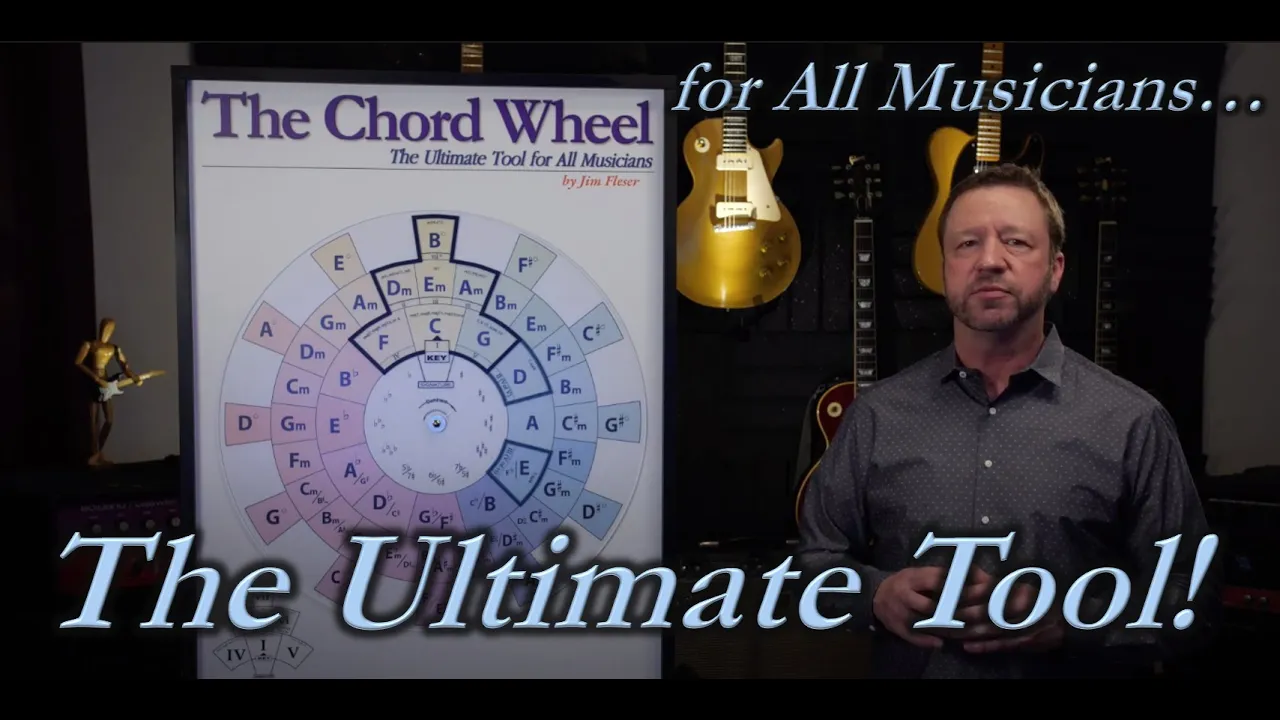



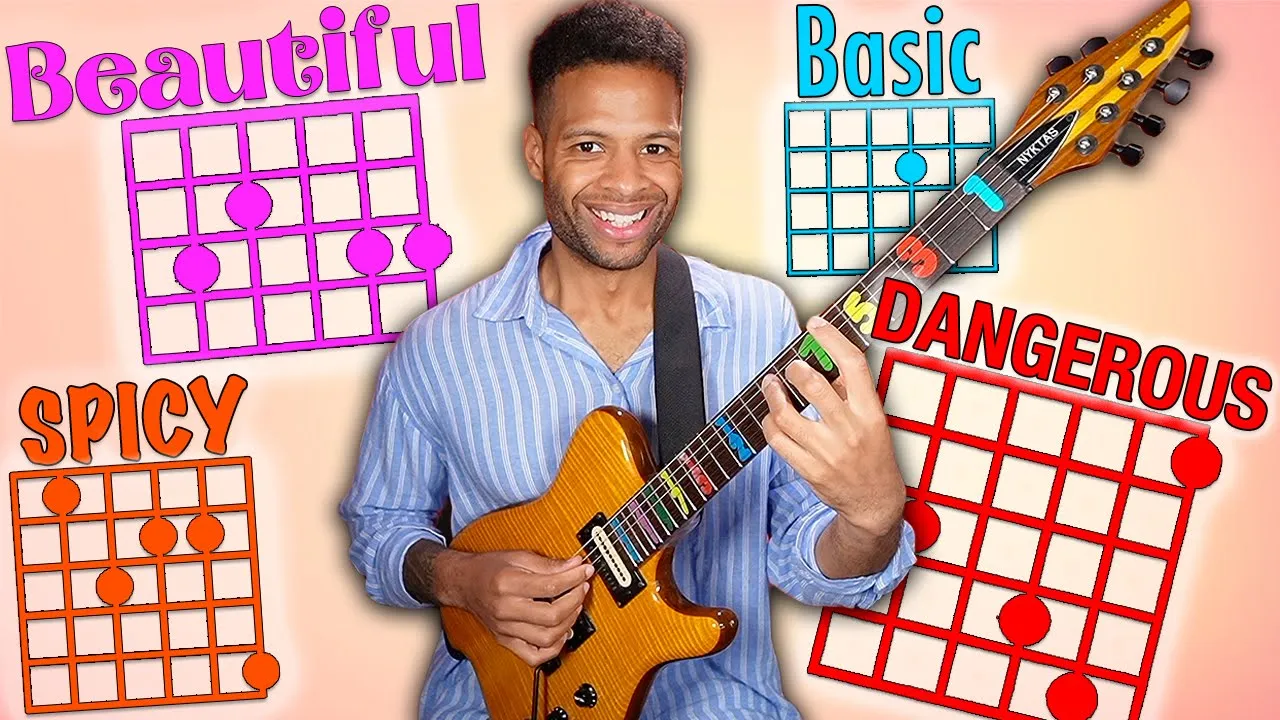

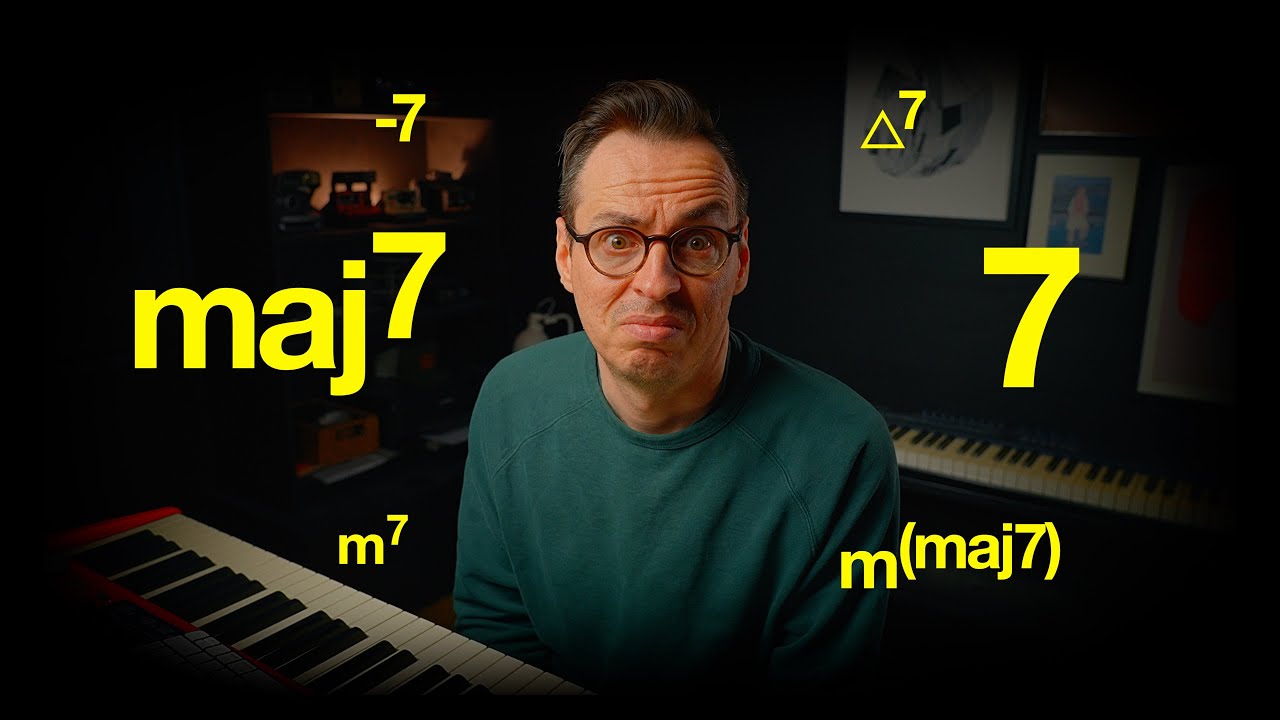
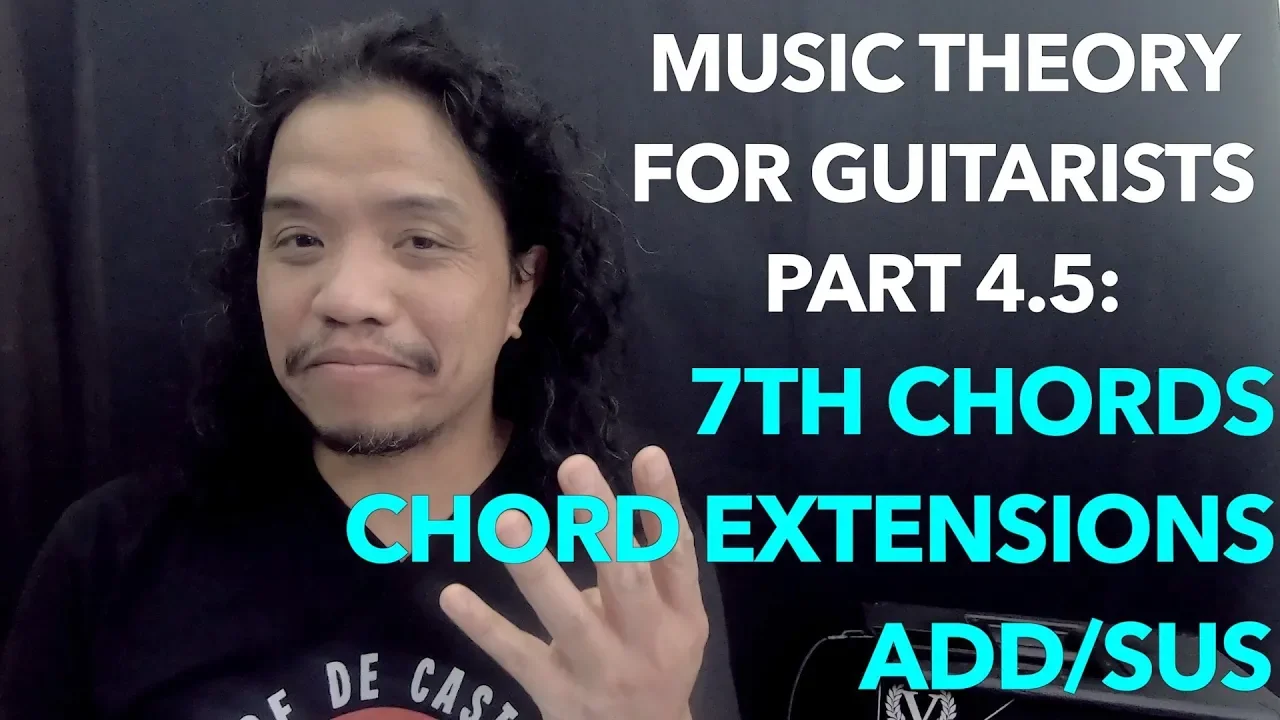







In music theory, chords fit into a key by starting from each of the seven notes in that key and determining which chord type (major, minor, or diminished) will use only notes from that key. In a major key, chords 1, 4, and 5 are major chords, chord 7 is diminished, and chords 2, 3, and 6 are minor chords. In a minor key, chords 1, 4, and 5 are minor chords, chord 2 is diminished, and chords 3, 6, and 7 are major chords. This systematic approach ensures all chords belong to the key and work together harmoniously.
How to Build Chords That Fit a Key: Music Theory Explained
Added:Understanding major and minor scale construction (the specific patterns of whole steps and half steps).
Basic knowledge of musical intervals, particularly major and minor thirds and perfect fifths.
The fundamental concept of a triad and how to build basic major and minor chords from a root note.
Familiarity with the musical alphabet (A through G) and how accidentals (sharps and flats) function.
Applying Roman Numeral Analysis to understand the harmonic function (tonic, subdominant, dominant) of each diatonic chord.
Writing and analyzing common chord progressions, such as the I-IV-V and ii-V-I, in various musical genres.
Extending diatonic triads into four-note seventh chords (major 7th, minor 7th, dominant 7th, and half-diminished 7th).
Studying voice leading principles to ensure smooth and melodic transitions between chords in a progression.
Exploring voice-leading and non-diatonic concepts like secondary dominants and modal interchange to add harmonic interest.
422.8K views10.5Klikes11:19Original Release: 2012-06-09
Hello everybody. I thought today we could start talking about chord progressions. Uh we've finally arrived at this point where we can start fitting things together. Did a video on basic chords and talked about how all the the basic chords are set up. And then I did a little video on uh keys and did a little introduction to how keys kind of work. And those are the two sort of building blocks that we need to start fitting chords together and stringing together these chord progressions where one chord kind of flows into the next.
we actually start kind of constructing music this way. So the whole reason why we need to start talking about chord progressions on their own as their own subject is that you can't just take a bunch of chords and kind of stick them together and play one after another and hope that it works. It'd be a little bit like taking a whole bunch of random words and just stringing them together.
You can't really expect to get any kind of sentence that makes sense. You you have to kind of think about the bigger picture, how everything else fits within that sort of bigger idea of a sentence.
and you need a noun and a verb and that sort of stuff. Same with music. Chords don't just sort of magically work together. You have to sort of set them up in a way that makes sense. So to do that, we're going to start by looking at a key again for a minute here. If you remember, uh, a key kind of had these seven notes in it. There's a certain pattern to figure them out. And we'll start with the key of D major again. So D major, remember, starting on D. And you have three notes in a row that are all separated by whole step. So these three right there. And then right up next to that you start your fourth note and you have four more notes in a row.
Four more notes in a row that are all separated by a whole step two. So three right there and then four. Those are our seven.
Now here's a really simple concept. The very first note in this key D. If we wanted to, we could take this note and we could use it to start building a chord. We could do some kind of D chord.
And we're not exactly sure what kind of chord that needs to be yet. Maybe it's a D major, D minor, something like that.
But some kind of D chord ought to fit because we know that D is in this key.
So starting here is a good place to start. Same with note number two. We could start on note number two, which is Z. And we could build some kind of E chord. And there's got to be some kind of E chord that will fit with this key because we know that E is one of the notes in this key. So we can build a chord starting off of note number one.
We can build a chord starting off of note number two or note number three all the way up. Now, we know that D will turn into a chord we can use. So will E, but D sharp will not. Remember, D sharp is not in the key of D, which is what we're kind of looking at was these three. So, we can't expect any kind of D sharp chord to fit with this key. So, what that means is there's basically seven different chords that we can build uh that are all going to fit within this key. We can do the D chord, an E chord, F#, G, A, B, or C sharp. Every one of those is one starting on one of the notes in this key. And uh instead of calling them by their sort of proper name, instead of saying D major or E minor, whatever they turn out to be, I'll just say chord one, chord two, chord three. Remember, this is note number one in the key. This is note number two, number three. So the chords will kind of get their names from that.
If we start building a chord off of note number three, we'll just call it our three chord. Hopefully that makes sense.
So all we really need to know is what kind of chord Zo should actually be. If we do a D chord, does it need to be a D major chord, D minor chord, or D diminished, or whatever else? We need to figure out what kind of chord is going to fit within this key.
So if we start guessing, say, okay, we know that some kind of D chord is going to work here. It's going to fit our key.
Let's try a D minor. If you look at the notes in a D minor, remember the way to figure out a minor chord is you have your root note. You go up a whole step and a half step, then two whole steps.
That gives you your D minor chord. But if we look at the three notes in this D minor chord, this F, this doesn't belong in our key. Remember the D major key, these three, and those four. We never had an F natural. So this D minor chord, it's a nice chord, but it doesn't belong in this key because this middle note isn't one of the seven we're supposed to be working with. But if we did this instead, made a D major chord, all three of these notes fit within our key very nicely. So that makes us think that, okay, a D major chord is a chord that can fit within a D major key. And we can go through each chord that way. We can figure all of them out. We we knew that an E can turn into some kind of chord that works. If we tried an E major chord, you can see that this note doesn't actually fit in this key. We never had a G sharp in this key. But doing an E minor chord, all three of these fit very nicely. So that means so far if we're playing music in the key of D major, we could do a D major chord, we could also do an E minor chord. Those two should work together and they should fit within this key. Now, we can go through every single chord in the key this way. We could start on uh note number three, build our three chord, and figure out what notes are actually going to fit. Uh it should turn into this F sharp minor. We could do our four chord starts right here on G and that should turn into a G major. Remember, all the key, all the notes just have to belong to the key. Uh, we could do an A chord, A major. We can go all the way through and figure all these out. But I'm not going to show you each one because even though you could sit here and work out what all the different chords are that fit within this key, it's much much easier and more practical to just kind of memorize them. Just learn uh which which ones are supposed to be what. That you learn that your one chord should be a major chord, your five chord should be a major chord, your three chord should be a minor chord, that sort of stuff.
Because every single key you do, they're going to be the same. If in the key of D major, if we take our one chord, we just worked out that it's going to be a major chord. But if we were in the key of G major, here's G major.
If we make our one chord, that should also be a major chord. If we did the key of E major, our one chord should be a major chord. They're going to stay the same for every different key you do, as long as they're the same key. We're talking about major keys for now.
So learning which one is which means that you're going to know what all the different keys are. So here's a simple way to remember it.
In a major key, your one chord, your four chord, and your five chord. Those are your major chords. So say it again, major key, chords 1, four, and five should be major. So that means right off the bat, if you know what notes are in your key, you could play chord number one is a major chord. Chord number four is a major chord. Sorry, wrong chord.
Chord number five is a major chord. And those three, those three ought to fit within this key and they ought to work with each other.
Okay, so remember those three. 1, four, and five are major chords. Um, chord number seven, I want to jump to that one. Chord number seven is going to turn into a diminish chord. We could sit and work through that. Here's this one. Um, the only type of chord we can get to actually fit is going to be this C sharp diminished. If we start on note number seven, we wind up with a diminished chord. We try to do like a normal minor chord, we wind up with a G sharp, and that doesn't fit our key either. So, has to be this only kind that fits. So, just remember chord seven should be a diminished chord. So, 1, four, and five are major. Seven is diminished. And then the rest the other three which are chords two three and six where were we two three and six should be minor. So 1 four and five are major seven is diminish and then the rest are minor.
It's the simplest way I can think of to remember that. If you can keep that straight, if you can remember that you know which ones are which, then any key you do, as long as you know what the notes are in the key, you should be able to come up with seven different chords that all belong to that key.
Now, let me show you how to do this for a minor key, and then we'll go ahead and wrap this up. So, remember the pattern for a minor key, let's do F minor this time. Pattern for a minor key is two notes and then three notes and then two notes, right? So whole step apart, three notes, whole steps apart, two notes. Now the the minor key follows the same principles. You have seven notes to choose from. You can turn each one of them into a chord. But the difference is that since the arrangement of the key is different, your chords are going to kind of turn into different things. For example, your your one chord in a major key, this would be a major chord. But in a minor key, that won't work because if you try to do a major chord, this middle note here doesn't belong to the key anymore because we changed the arrangement of all the notes. So in the case of a minor key, your one chord needs to be a minor chord. Um, and you could work through each one the same way, but I'm just going to tell you what all of them work out to be, and hopefully you can remember it.
There's actually a pretty similar arrangement of chords in the minor key and the major key. In a major key, your one chord, your four chord, and your five chord were all major chords. In a minor key, your one chord, four chord, and five chord are all minor chords. So, they're kind of the same setup that way.
So, if you can remember that, you've got most of it already. Now, in a major key, your chord number seven is a diminished chord. In a minor key, it's chord number two. So, remember, major key, seven is diminished. Minor key, two is diminished. And then the rest you can just kind of fill in the blanks. Uh you know in a minor key if 1, four and five are minor, two is diminished, all the rest of them are major. So that means chord number three, chord number six and chord number seven are major chords.
Same in a major key. Remember that 1, four and five are major. Seven is your diminished. Everything else is minor.
Both keys have three major chords, three minor chords, and a diminished.
Hopefully all of that sits right. Um, but that's pretty much all there is to figuring out what what chords are in each key. You have seven to choose from.
Remember what the arrangement is, and if you forget, you can always just work it out. This is what I just showed you. Um, but hopefully you can keep that in your head, and then it's really easy to find different chords in different keys. So, I'm going to leave it at that for today.
What we haven't talked about yet is how to do a little more with those chords.
Showed you how to figure out the the chords in, say, the key of D. Here's your one chord. Here's your two chord, four chord, five chord. And you could actually just play a few of these. Start to play around and go from one to the next and get a feel for what sounds right. But you won't hear a lot of music that just kind of plunks down one chord and then another and then another.
You're going to be applying patterns.
Maybe I showed you this last time, this sort of repeating note pattern, just kind of moving in from one to the next or or whatever. um you can start fitting melodies on top. And a lot of times you'll actually take these chords and kind of flip them around and reorder the notes to get them to really kind of move smoothly from one to the next. Uh that's something called inversions, which I'll get to really soon. But to start with, just work through what I just showed you, the the seven chords in each key. Get used to what they sound like, how to figure them out, see if you can memorize what's what, and you should be in a really pretty good position to start really turning this into music. So that's it for today. Um, thanks for watching and I will see you very
Up Next

14:44
Andalusian Cadence: Songs & Music Theory Analysis
@DavidBennettPiano
430.1K views•2025-01-15

10:20
Mozart's Musical Dice Game Explained: History, Rules, & Fun
@webpianoacademy
5K views•2023-03-13
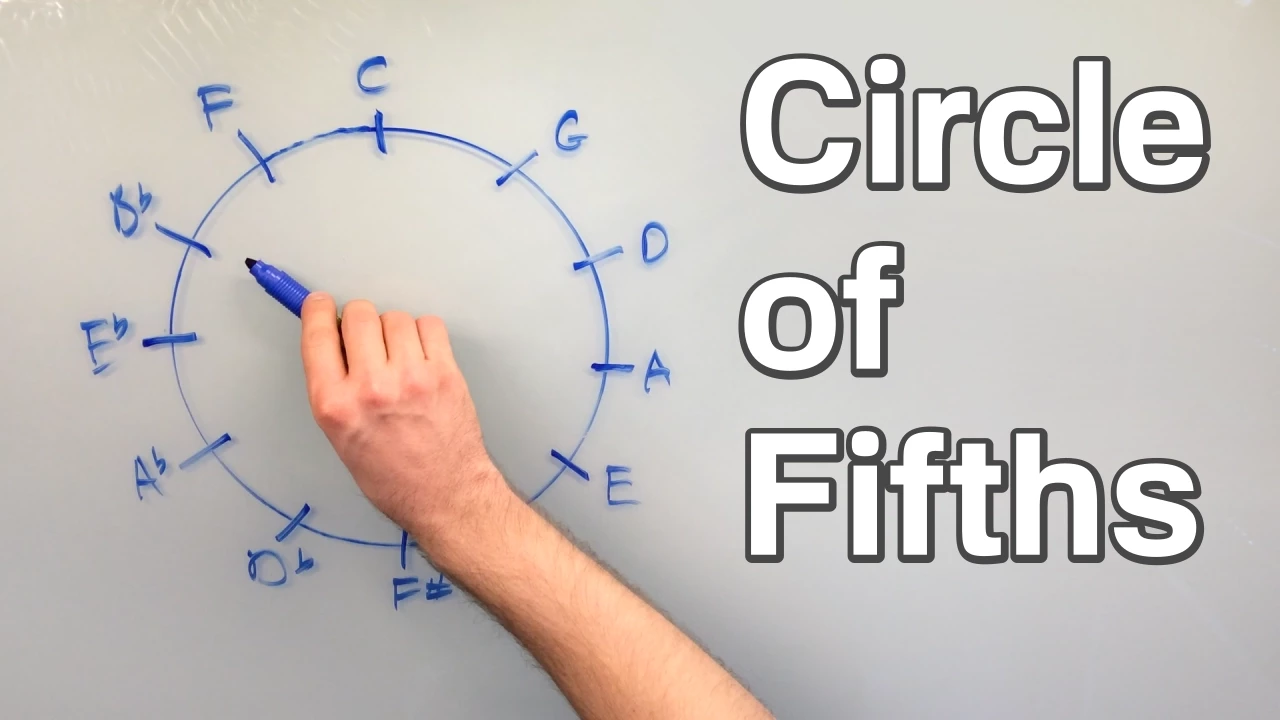
15:17
Circle of Fifths: How to Apply It in Music Theory
@MichaelNew
6.3M views•2015-03-13
10:49
Understanding John Coltrane's Giant Steps: A Music Theory Analysis
@Vox
10.4M views•2018-11-12
Related Study Plans & Knowledge Roadmaps
Structured learning paths in Music Theory
music-theory
Composing Galant Music: Partimento & Schemata
01Foundations of Figured Bass and Keyboard Harmony
02The Rule of the Octave (Regola dell'Ottava)
03Galant Schemata: The Building Blocks of Form
+ 2 more learning modules
30h5 modules
Explore Roadmap
music-theory
Decoding Overtone Series: Tuning & Drone Music
01Acoustic Foundations: The Physics of the Overtone Series
02Tuning Systems: Equal Temperament vs. Just Intonation
03Microtonality and Spectralism: Beyond Standard Pitches
+ 2 more learning modules
24h5 modules
Explore Roadmap
music-theory
Impressionist Harmony: Scales, Planing & RPGs
01Foundational Music Theory: Keys, Intervals, and Seventh Chords
02Impressionist Color: Chord Planing and Parallel Harmony
03Whimsical Textures: Pentatonic Cascades and Whole-Tone Scales
+ 1 more learning modules
14h4 modules
Explore Roadmap
music-theory
Negative Harmony: Axis Reflection in Indie Pop
01Music Theory Foundations: Scales, Intervals, and Triads
02Functional Harmony and the Circle of Fifths
03Demystifying the Negative Harmony Axis Reflection
+ 2 more learning modules
16h5 modules
Explore Roadmap