![Music theory basics[Part 2 of 2]](https://i.ytimg.com/vi/LRLP9OjYDlE/maxresdefault.jpg)


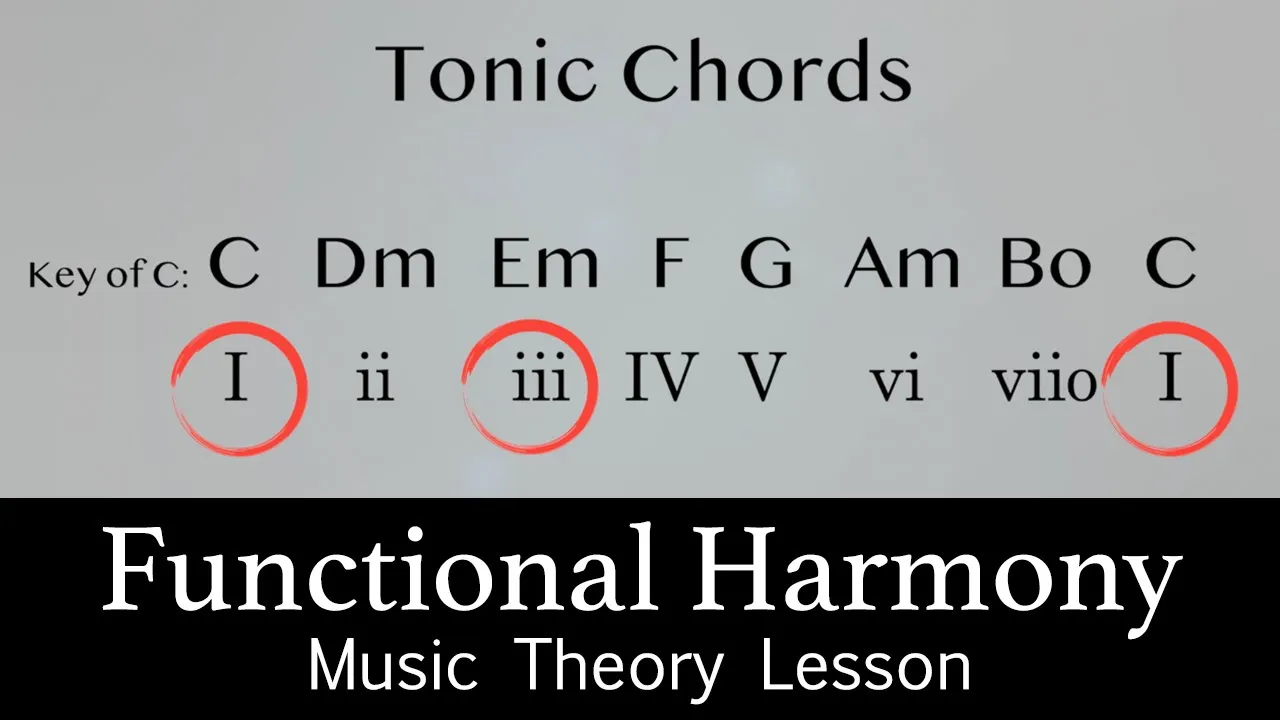



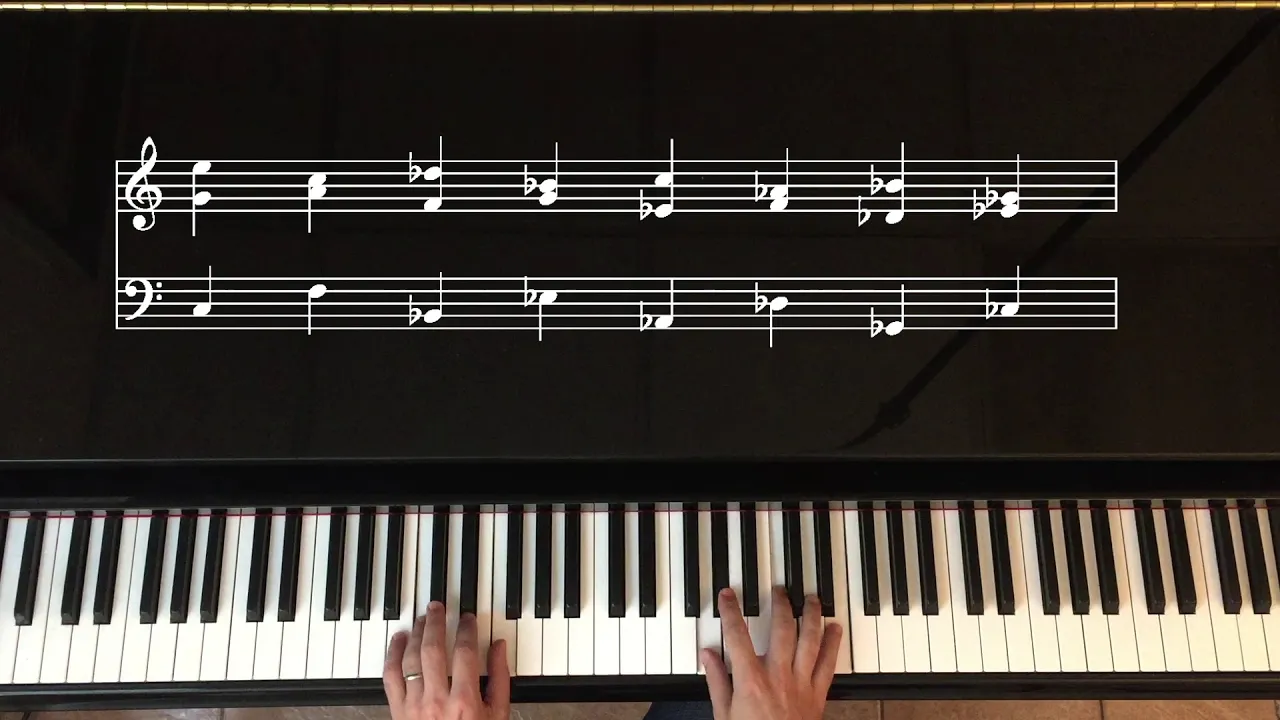

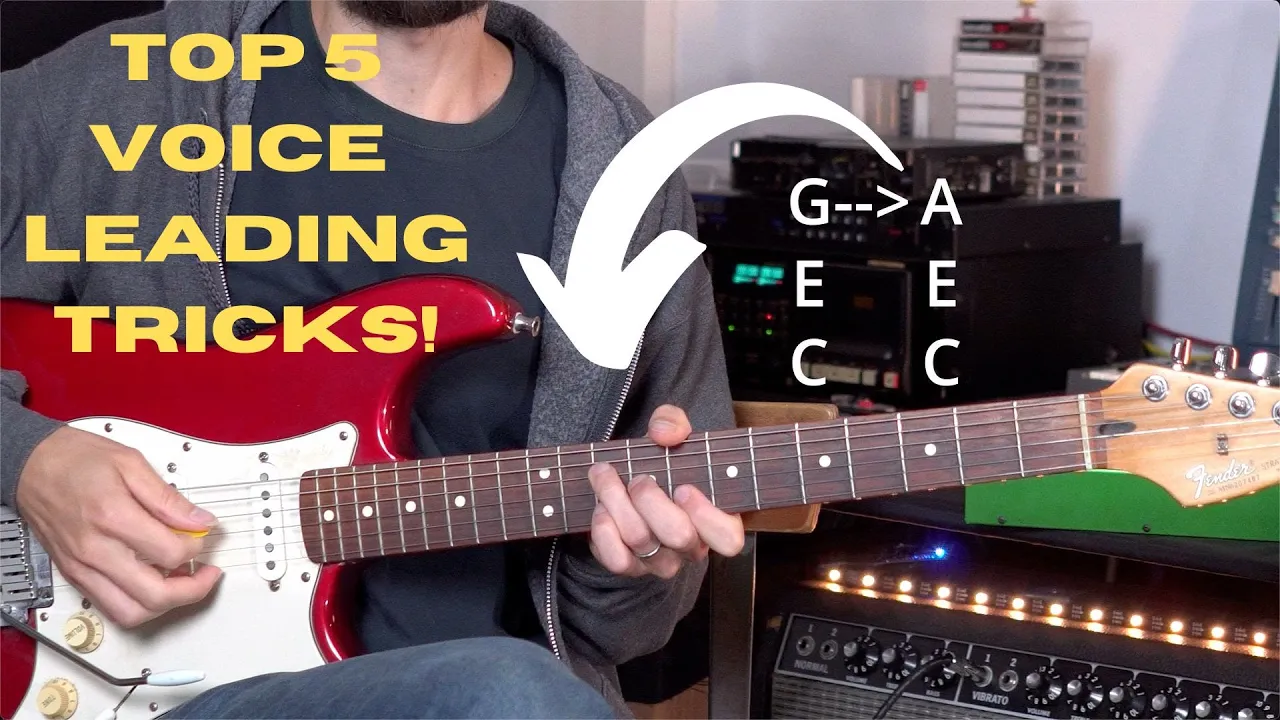







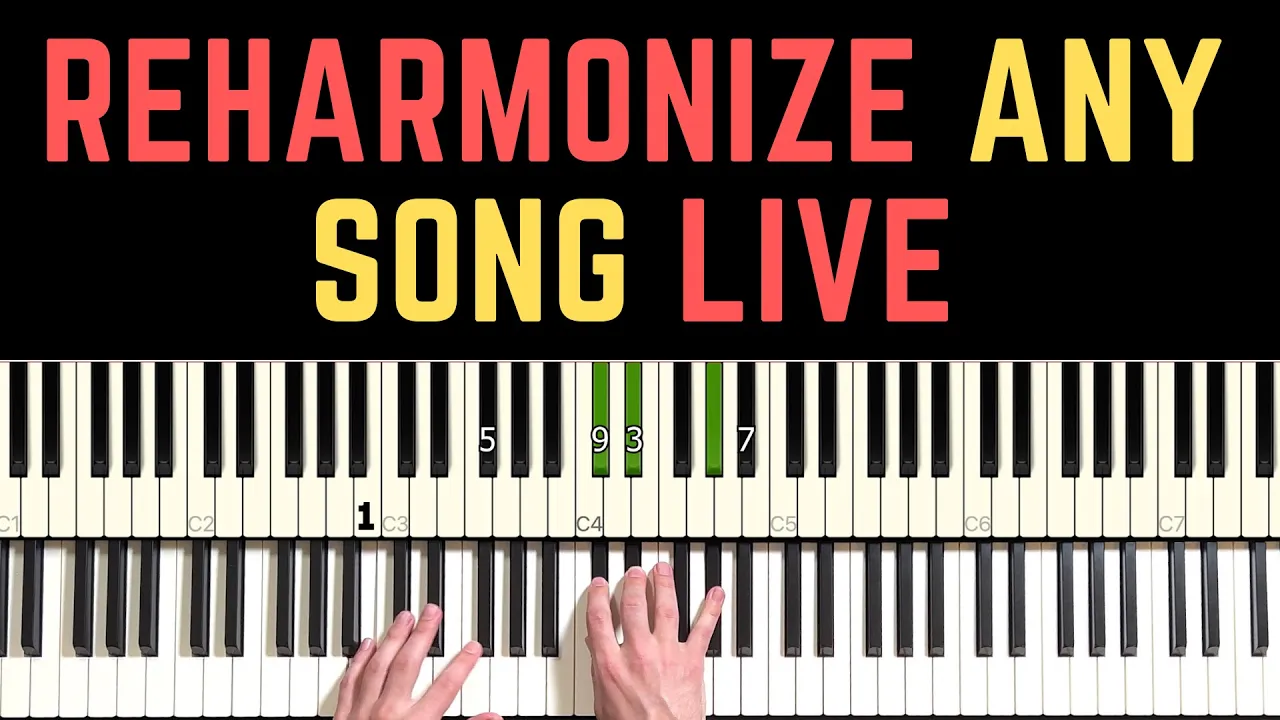
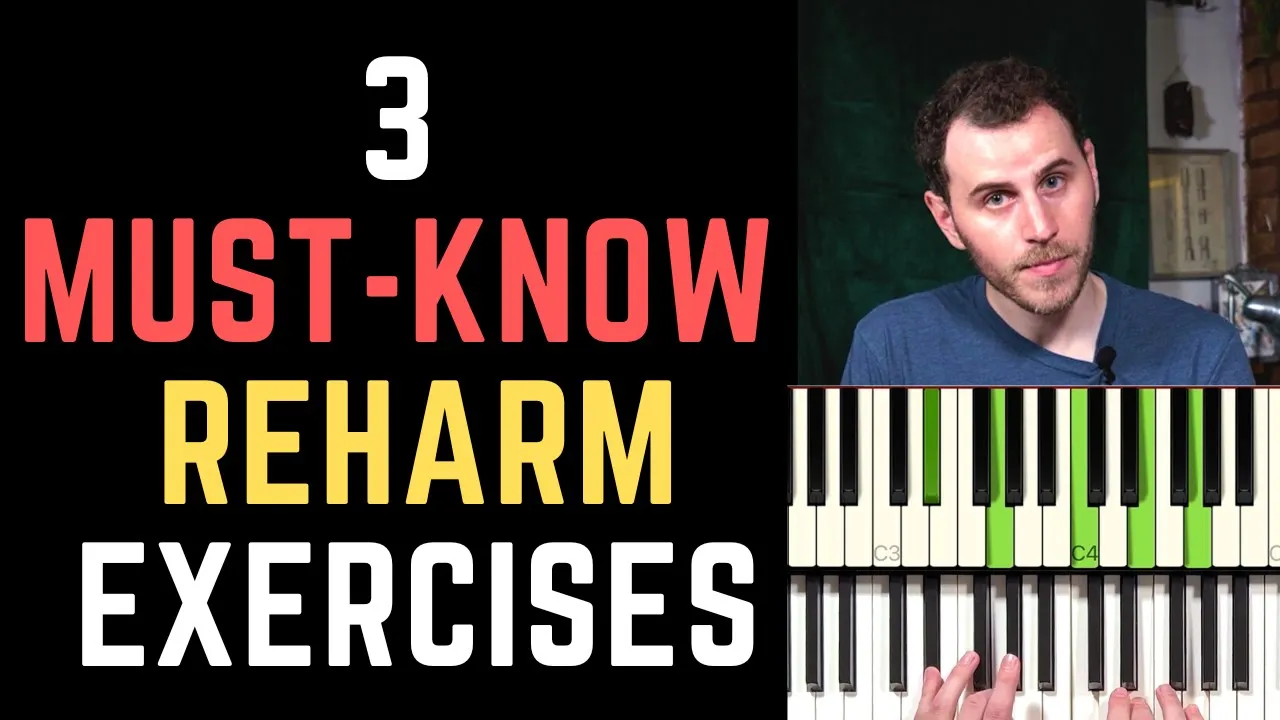

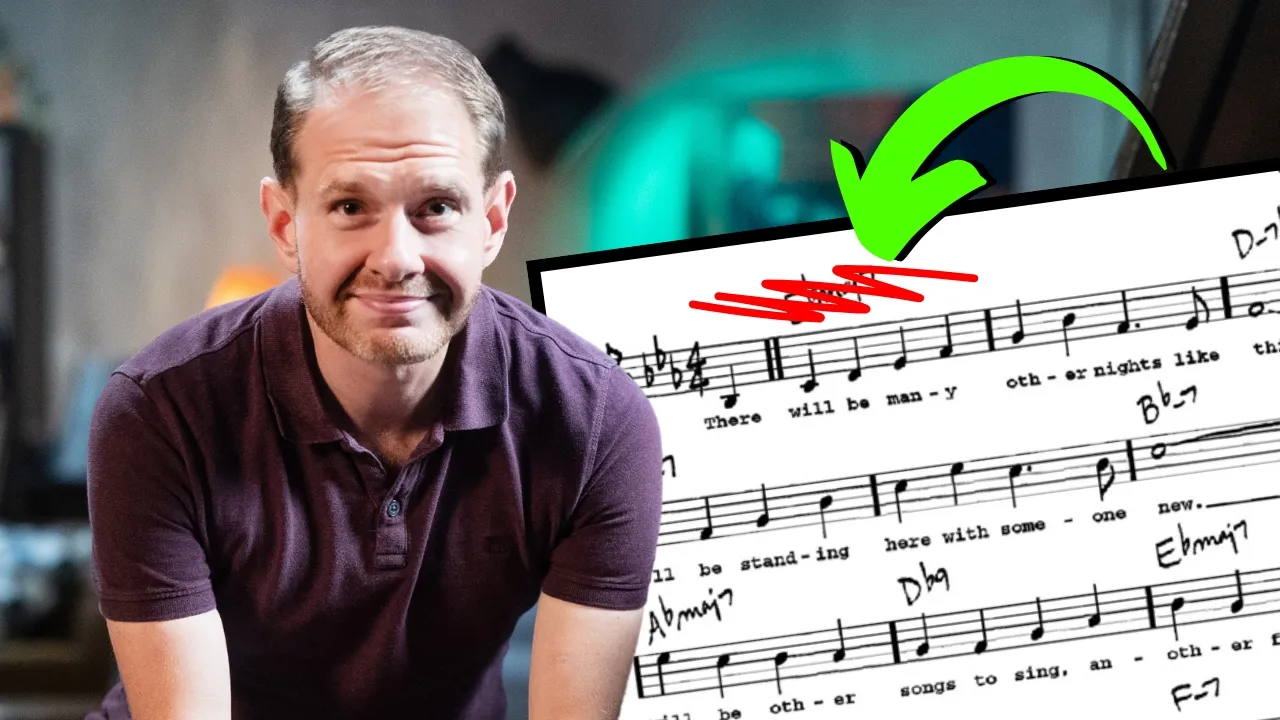

Reharmonization is the process of assigning new chords to an existing melody, and this video presents seven levels of increasing difficulty: Level 1 uses diatonic substitutions by replacing chords with others from the same key category; Level 2 adds chromatic notes through secondary dominants; Level 3 harmonizes in the relative minor key; Level 4 uses closely related keys like the five chord; Level 5 employs distant keys requiring chromatic note handling; Level 6 creates modal jazz sounds by avoiding functional resolutions; and Level 7 focuses on voice leading by treating each chord note as a melodic line while preserving harmonic motion.
Musical Reharmonization: 7 Levels of Harmonic Analysis
Added:Understanding of basic diatonic harmony, including scales, triads, and seventh chords.
Familiarity with functional harmony and Roman numeral analysis, specifically tonic, subdominant, and dominant relationships.
Basic knowledge of voice-leading principles, such as smooth stepwise motion and resolution of active tones.
Introduction to standard chord substitutions, including relative major/minor swaps and secondary dominants.
Application of advanced modal interchange and chromatic mediant relationships in song arrangement.
Study of symmetrical harmony and multi-tonic systems, such as Coltrane changes.
Techniques for real-time, spontaneous reharmonization during jazz improvisation or solo performance.
Exploration of non-functional harmonic concepts, including quartal harmony, planing, and polychords.
467.2K views21.3Klikes29:06Original Release: 2020-07-08
[Music] reharmonization is the process of taking an existing melody and writing a new set of chords to go with it putting a melody you already know in a totally new harmonic context can be really fun and it's great as a practice tool for aspiring composers or arrangers it can also be a deceptively tricky task to make a reharmonization sound natural to make it sound like the melody was written with your new chords in mind for this video I've broken down seven different approaches to reharmonization in order of difficulty and written an example using each of these methods to reharmonization eco-village theme from a Link to the Past Kakariko villages theme has a very simple melody that's very easy to work with but each of these levels of reharmonization presents their own unique challenges feel free to take these examples as exercises to work on your own reharmonization x' if any of them jump out at you also each of these examples will be played by my buddy eighty-eight bit he's a great pianist that arranges note-for-note covers of retro game music for solo piano definitely go check out his channel he's got some great videos up here on YouTube to get us all on the same page let's have eighty-eight bit play the Kakariko village theme as it is on the Super Nintendo with its original harmony untouched you the original harmony is very simple the intro and first eight bars of the melody use a repeated one six two five progression which is about as common and straightforward as it gets the last eight bars take the same idea and stretch it out just a little bit with a four five six these simple harmonic choices perfectly serve the melody and give the tune an atmosphere to match the sweet cozy village that it's trying to represent let's see how much we can change this atmosphere by messing around with the Harmony [Music] level one is all about identifying the function of each chord and substituting other chords from the same key that served the same function generally you can break down all the chords diatonic to a key into three categories tonic function chords including the one three and six chords predominant function chords including the four and two ports and dominant function chords including the five and seven diminished chords for the purposes of reharmonization you can view any court in a progression as interchangeable with the other chords in its category so for the initial one six two five progression i kept the one chord B flat but swapped out the six G minor for another tonic function chord the three D minor I also swapped up the two chord C minor for the other predominant function chord D for D flat while I kept the final five chord a five chord I swapped it out for a different type of five chord the original F seven is now an E flat over F or F seven sus chord I really like the way this progression walks up step by step to the five chord like this so I reversed the idea by swapping the following B flat chord out for the sixth chord G minor and then walking down from there in stepwise motion all the way to the C minor seven chord that I used instead of the original C flat major in bar nine adding cord extensions is a simple way to add new colors to an existing progression as well I put the major seventh on every four chord which is always a great sound but especially at points where the ninth of the chord shows up in the melody the UD even at this simple level you always have to be aware of how the melody interacts with the Harmony this awareness will make sure that your harmony always sounds appropriate and it can also give you some good ideas the final c7 to b-flat isn't a categorical substitution of the original five chord but I thought of it because I love the sound of a two-to-one in the melody over a minor chord and so I thought this bar of D to C would work well with the C minor chord underneath overall I think this one turned out pretty good [Music] level two adds a layer on top of level one's diatonic substitutions by judiciously adding in notes from outside the key pick a few chords from the original harmony to use as targets then set them up by replacing the chord or two before them in the progression with something that will resolve to the targeted court a clear example of the strategy is the intro and first four bars of the melody here I targeted the C minor chord in bar three and replaced the g minor that came before it with a leading tone diminished chord diminished seven this chord resolves to C minor super clearly and uses a couple notes that aren't in the key of B flat which is our goal for this level but it also flows super smoothly as a walk-up from B flat minor even though we're trying to introduce chromatic notes into the harmony we still want our reham to sound natural the other chords i targeted were the G minor in bar 6 the E flat in bar 9 and the C minor chord in bar 11 that I substituted from the originals b-flat major just to delay the resolution to the tonic until the very end each of these targets I set up with secondary dominant chords the c7 to G minor a 2 bar to 5 to the E flat and an a7 setting up the demon since these secondary dominant chords are inherently tense these are the places to pile on all of your favorite stanky chord extensions the melody over the d7 chord outlines the flat 13th and sharp ninth of the chord for the B flat 7 to a flat I threw on a 13th and a flat 9th which is a really cool sound and over the a7 to D minor I threw on a flat 13th and a sharp knife waaah the g7 flat 9 that follows that D minor chord is another secondary dominant chord setting up the C minor that kicked off the final 251 in the original harmony but I swap that out for a little surprise for kayden's to end things off the melodies walk down from D to B flat at the end outlines the major 7th and 6th over that minor 4 chord which just sounds beautiful it's simple but to be honest I think this is one of my favorite rear arms in the video [Music] the idea for the next few levels is to take the melody as is and harmonize it as if it was in a different key now the farther away the new key that we pick is from the original the harder this process is going to be which is why harmonizing into the key of the relative minor is relatively easy a good starting point generally is to take the Roman numeral analysis of the original key and just plug in those chords from the new key which is what I did for the last eight bars here a four five one flat six two five one in G minor for the first eight bars though while I kept the one and five words that start and end each phrase I filled the space in between with a hit the road jack style descending progression you theory nerds out there may know this as an Andalusian cadence but I always think of it as with this method of reharmonization the endings can be tough to make sound convincing even in such a closely related key this melody in particular is so strong in outlining the B flat major harmony that this final resolution to b-flat made by reham really feel like a real arm to counteract this I used AG minor six for the final tonic G minor chord and then swooped up to a stinger a James bond-esque G minor major nine chord if nothing else this distracts from the melody enough that it doesn't sound like the tune is in b-flat major with some G minor frosting on top [Music] the next level is to harmonize the melody into a key that's pretty closely related to the original but a little farther out than the relative minor the key of the four the five or their relative minors the two and the three would be my recommendations but depending on the melody some of these will be harder to make work than others for my example I used the key of the five F major which presented a challenge as the melody is so clearly outlining a b-flat Triad most of the time I was able to deal with this by swapping the position of the original chords using a 2 5 +6 progression that resolved to the one on the third bar of the phrase rather than starting on the one chord on the first bar of the phrase this put the F in the melody over the toilet F chord which helped make this chord progression a little more convincing [Music] I kept the move to the four chord at the start of the third phrase which is a B flat chord in this key and preceded it with a secondary dominant SS to F 13 flat nine [Music] can you tell I'm a sucker for that sound then I used that for cord as the jumping-off point for a really pretty progression that worked really well with the melody a B flat to B flat minor major seven to F add to over a to d7 flat thirteen this minor four-to-one add to over its third is one of my favorite harmonic moves and it leads really cleanly to the dominant six chord d7 to set up the final 251 now of course here's where we run into a problem how are you going to deal with the melody resolving to a b-flat in the key of F if we don't end on an F chord this will not sound like it's in the key of F because it's not supposed to be in the key of F it's supposed to be in b-flat I stole a harmonic trick from the Beach Boys and did a deceptive cadence to the tonic dominant sus chord this c7 resolves to an e-flat over F or f7 sus which then resolves to our tonic F major one bar later maybe not the most convincing rearm in the world but it gets the job done [Music] now to try and do this process with a key that's very far from the original requires a pretty big vocabulary of harmonic moves and some puzzle solving skills the farther away from the original key you go the more of the melody notes are going to be chromatic to the new key so you have to find ways to deal with these notes while still sounding like you're in the key that you chose for my example I picked the key of the flat six G flat major which has four notes different from the original key of b-flat but on the optimistic side these Keys have three notes in common and I figured that resulting the melody to a b-flat at the end could work harmonized as the third of a G flat chord after picking the key I realized my biggest problem was going to be dealing with all of these D naturals in the melody as I mentioned the melody is structured around a b-flat triad and the B flat and F notes in that triad are both native to the key of G flat major the D natural however is either D sharp fifth or flat sixth of G flat major so I had to pull out as many different ways of incorporating the flat sixth into a core progression as I could to make these melody notes sound natural I ended up using a rising fifth line cliche the kind I talked about in my last video for the first melodic phrase we have a static G flat chord with v moving chromatically up to the sharp fifth than the sixth then back down this worked really well but I didn't want to just lean on this crutch the whole time so for the next four bar phrase I harmonized the d-natural in the melody with a secondary dominant 3 chord in B flat 7 this would typically set up a move to e-flat minor but I used a deceptive cadence and slid up to a C flat major 7 chord instead this gives the F in the melody at this point the juicy sound of being the sharp 11th of the court the following phrase sits on both the flat 2 and flat 3 of the key that after 1 bar of the 7th F moves on to hammer that D natural for a while this part was pretty tough to manage but I did my best I wanted to have a resolution to G flat in the last 8 bars if possible to ground the arrangement since there's so much chromaticism going on the only spot to really make this happen was the F in bar 11 which I harmonized as the major 7th of a tonic G flat chord to make a resolution to this court as clear as possible I wanted to put the 5 chord in front of it and luckily the a in the melody in the bar before this G flat chord could work as the sharp 5th of a 5 7 sharp 5 chord when in doubt use a dominant chord they can take on almost any note as some kind of altered extension and make it work to deal with the G in the bar before I approached the D flat 7 sharp 5 chromatically from above with AC minor 11 chord there are enough notes in common between the two chords that it's a relatively smooth transition now I knew I had to use a minor for cord with one of these D naturals in the melody it would just be too good of an opportunity to pass up I approach this B minor word C flat minor chord with a quick chromatic change to c7 offering a burst of color before sliding down chromatically to the target chord this is a harmonic move typical of bebop writing and it worked out as a way to deal with this D natural going into the final cadence unfortunately this C natural in the second last bar kept me from being able to make a smooth minor for to resolution at the end I had to interrupt this cadence with an F major seven chord that slid up by half-step to resolve to our final G flat major seven I'm not completely satisfied with the last half of this one to be honest but I really like the first eight bars and it's the best that I could do [Music] level six is where we start getting intentionally weird the goal is to create a modal or non-functional sound by avoiding typical harmonic resolutions and focusing more on what kind of interesting colors you can bring out of the melody with different harmonizations I was trying to evoke the style of sixties modal jazz think Wayne Shorter and Herbie Hancock the approach for this method is to isolate each bar or phrase of melody and think only about what chords could fit with that one bar with almost no consideration for how the chords you pick are going to fit together actually for this example I made a point to choose chords that didn't flow together well I avoided moving chords and fourths as much as possible in favor of movements of a third or a step and that tried to pair together chords that didn't fit in the same scale or key this makes the arrangement sound more complicated which isn't always a good thing but that's what I wanted to go for for this example I started off with this repeated G minor to E flat major seven relationship inspired by Wayne Shorter's writing and then threw in a chromatic mediate relationship between G minor nine and this e flat minor nine chord to add some tension on every other repetition the held F in the melody works well over both chords and a consistent melody note to make these kinds of dissonant harmonic movements a little more palatable after establishing the G a flat G one of a few times I wanted to catch the listener off-guard so for bar seven of the melody I left suddenly to a b7 sharp 11 chord these Lydian dominant chords are staples of jazz harmony and they have a ton of power if dropped at the right time for the last eight bars I wanted to use some slash chords another modal jazz staple and it ended up with a progression of C over D a minor 11 F over E flat to a minor 7 these chords don't have much in common and there's no functional logic to the progression but each fits with the melody note it's harmonizing and you get some pretty interesting colors with each harmonic shift from the B minor chord I wanted to slide back down to where the tune started for a sense of resolution this harmonization doesn't really have a tonic note per se but I think the relationship between G minor and E flat major seven that was established in the beginning functions as a makeshift tonic of the arrangement going back to this vamp after a departure to Wilder harmonic territory in the middle gives us a sense of release [Music] all right here we go this in my mind is the ultimate approach to reharmonization instead of thinking chord symbol to chord symbol consider each individual note in each chord as its own melodic line and built the harmony by trying to create strong lines in these inner voices that lead to interesting harmonic places all the while keeping the bigger picture of the tune in mind for this example I wanted to retain some of the important voice leading from the original harmony and see if I could recontextualize that voice leading into something new for example a 5 7 to 1 cadence like the one that brings us from the first four bar phrase to the second uses the voice leading of these 7th or leading tone of the key resolving up to the root while the fourth simultaneously resolves down to the third of the tonic chord these seventh and fourth of the tonic chord are in context the 3rd and flat seventh of the dominant 5 chord this voice leading relationship is a big part of what makes the 5 7 to 1 cadence what it is so if I keep this voice leading consistent I can change the other notes in the chord to something more interesting and retain the strength of that 5 7 to 1 resolution in this case I harmonized the a B flat and F notes of the f7 chord as the flat 3rd 6th and 7th of Ag flat minor major 7 chord it still moves to a b flat major chord so the voice leading works just as well as your traditional 5 one cadence but I resolved the G flat in the bass down by a half step to an F making the resolution into an inversion of the tonic a B flat over F chord isolated it sounds like this I think it's a really cool sound that totally works as a resolution but it's really uncommon because voice leading is so dependent on where you're going it's good to pick a couple points in the arrangement like this first that you can aim towards for the first four bars I knew I wanted to start on a B flat chord and end on this G flat minor to b-flat over F move so I picked a descending bass line to fill in the gap and then figured out what chords I could use to make that work the one six to five progression from the original first four bars contains the tonic note B flat in each of the first three chords so I wanted to preserve that voice leading over top of my new bass line creating this crunchy but surprisingly palatable a minor seven flat nine chord in bar two that leads to my old favorite a major sus two chord with the third in the bass experimenting with voice leading like this allows you to make decisions that run contrary to common practice in the second phrase the b-flat inner voice of bar sevens C minor chord originally moved down by a half step for bar eights f7 since I kept that same voice leading for the first phrase I wanted to do the opposite for the second so I moved that b-flat note up to a B natural four bar eight I kept the C minor 11 in bar seven but for bar eight to accommodate this B natural note I ended up using an 89 flat 5 chord the root movement is non-functional but each of the inner voices from one chord to the next either stay consistent or only move by a half step so it maintains a pretty smooth flow even though it's a pretty dissonant chord [Music] moving toward the final resolution I wanted to use a really cool version of a three six two five one progression so I used a voicing technique I stole from the great jazz arranger Gil Evans this D minor to g7 sets up the two of the key C minor for the last four bar phrase and the lower voices follow what you would typically expect from this progression the melody also fits perfectly well over these courts the inner voices though are where things start to get weird inside this D minor chord I voiced a C major triad to create a lush D minor 11 sound I used the exact same thing for the C minor chord with a B flat major triad in the inner voices creating a C minor 11 sound for the g7 chord in between I took this triad voicing and moved it down by a half-step to bridge the gap between the two chords creating a PE major over g7 sound this means this G chord has both the dominant and major seventh in it and the major seventh is even voiced on top of the flat seventh giving us a crunchy minor nine the interval still the logic of the voice leading is so solid that it actually sounds like a smooth resolution with the super tense dissonance of this g7 chord only making our arrival to the following C minor all the more sweet [Music] for the final cadence to b-flat I wanted to do something pretty out there again I kept the leading tone Teutonic voice leading present in the original 5:1 cadence but this time I combined it with the flat seven to one cadence so popular in video game music and Zelda music in particular combined this gives us a final cadence of a flat major seven sharp 11 sharp 15 to b-flat [Music] this Lydian chord with the flat 2nd or sharp root is a favorite of Jakob Colliers with his idea of the super hyper mega whatever Lydian which I won't get into the details of here I won't pretend that this arrangement is on his level but it seems like this voice leading first mentality is how Jakob Collier approaches all of his writing and it's the reason he can create such wild chord voicings that works so well hopefully you found something of value in this presentation big thanks to 88 bit for recording all these reforms and thanks to you all for watching you can find these arrangements all on my patreon page for $5 plus patrons and you can follow me on twitter at in fit music theory thanks so much for watching have a good one [Music]
Up Next
8:36
Mastering Real-Time Reharmonization: Neo Jazz Piano Exercise
@NoahKellman
59.5K views•2021-06-18

10:20
Mozart's Musical Dice Game Explained: History, Rules, & Fun
@webpianoacademy
5K views•2023-03-13

47:36
Understanding Diatonic 7th Chords in Major Keys | Music Theory Tutorial
@GracieTerzian
54.7K views•2022-03-02
10:49
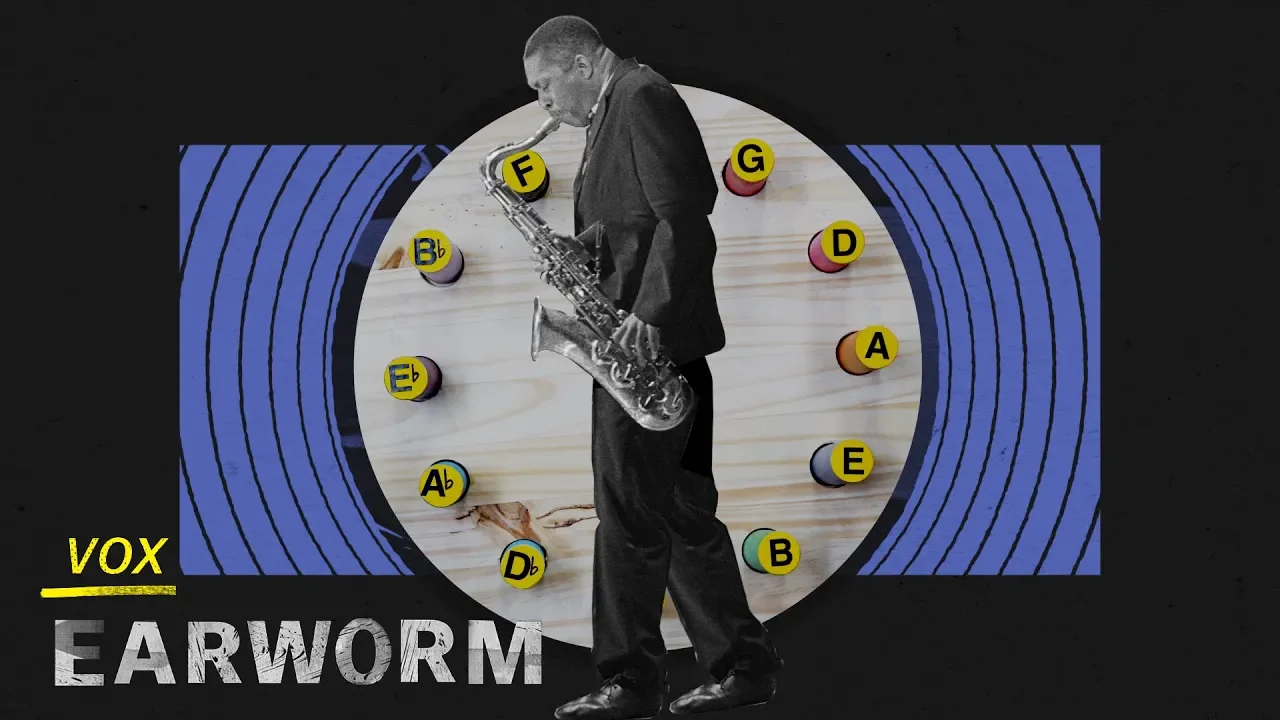
Understanding John Coltrane's Giant Steps: A Music Theory Analysis
@Vox
10.4M views•2018-11-12
Related Study Plans & Knowledge Roadmaps
Structured learning paths in Music Theory
music-theory
Composing Galant Music: Partimento & Schemata
01Foundations of Figured Bass and Keyboard Harmony
02The Rule of the Octave (Regola dell'Ottava)
03Galant Schemata: The Building Blocks of Form
+ 2 more learning modules
30h5 modules
Explore Roadmap
music-theory
Decoding Overtone Series: Tuning & Drone Music
01Acoustic Foundations: The Physics of the Overtone Series
02Tuning Systems: Equal Temperament vs. Just Intonation
03Microtonality and Spectralism: Beyond Standard Pitches
+ 2 more learning modules
24h5 modules
Explore Roadmap
music-theory
Impressionist Harmony: Scales, Planing & RPGs
01Foundational Music Theory: Keys, Intervals, and Seventh Chords
02Impressionist Color: Chord Planing and Parallel Harmony
03Whimsical Textures: Pentatonic Cascades and Whole-Tone Scales
+ 1 more learning modules
14h4 modules
Explore Roadmap
music-theory
Negative Harmony: Axis Reflection in Indie Pop
01Music Theory Foundations: Scales, Intervals, and Triads
02Functional Harmony and the Circle of Fifths
03Demystifying the Negative Harmony Axis Reflection
+ 2 more learning modules
16h5 modules
Explore Roadmap