

























Testimonial injustice occurs when a speaker's credibility is diminished by the hearer's prejudice, causing the speaker to receive less credibility than they deserve; this phenomenon affects not just formal testimony but everyday speech acts, and is compounded by hermeneutical injustice when marginalized groups lack the conceptual tools to communicate their experiences effectively across social contexts.
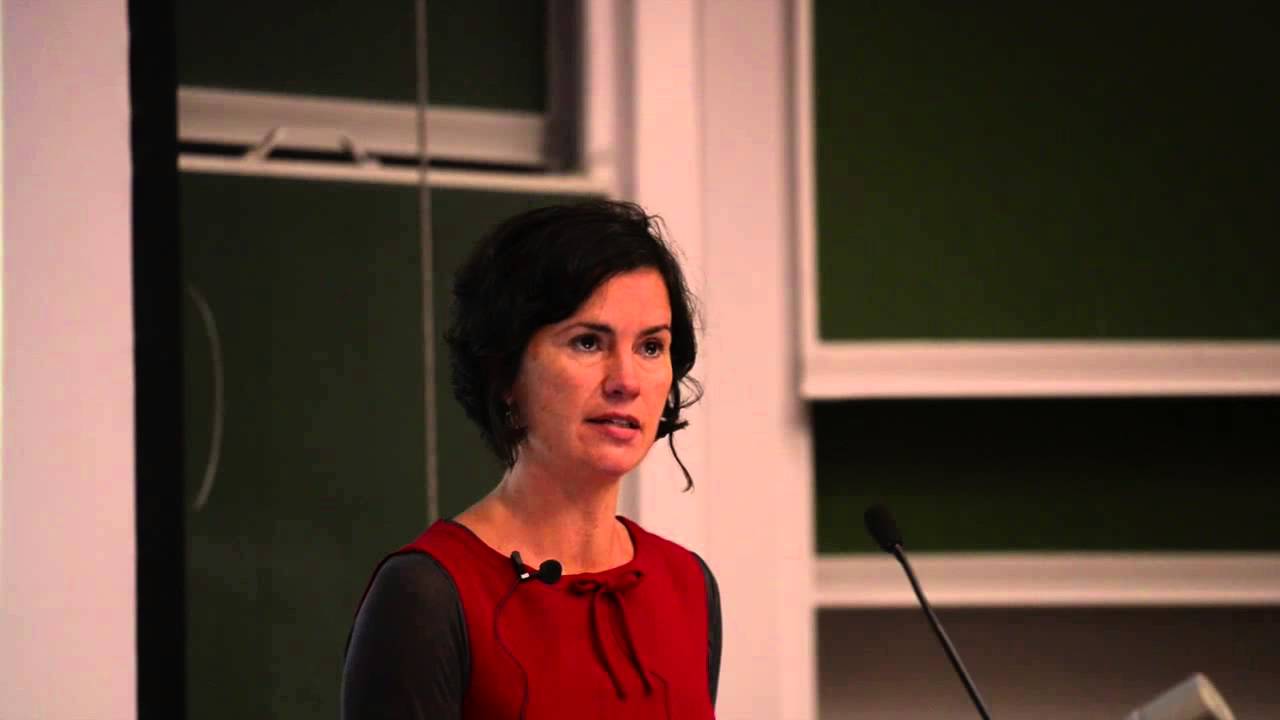
Testimonial Injustice Explained by Miranda Fricker | Epistemology
Added:Basic Epistemology: Understanding the concepts of truth, belief, justification, and testimony as a primary source of knowledge.
Social Identity and Stereotypes: Awareness of how gender, race, class, and other social categories shape societal perceptions of authority and reliability.
Implicit Bias and Prejudice: Understanding how unconscious biases influence human judgment and decision-making processes.
Hermeneutical Injustice: Exploring Miranda Fricker's companion concept regarding how a lack of shared interpretive resources structurally disadvantages marginalized groups.
Epistemic Injustice in Applied Fields: Investigating how testimonial injustice manifests in legal systems (e.g., jury bias) and healthcare (e.g., dismissing patients' pain).
Virtue Epistemology: Studying the intellectual virtues, such as testimonial justice, required to counteract identity-prejudiced credibility deficits.
Epistemic Oppression and Resistance: Analyzing broader philosophical frameworks of intellectual silencing, epistemic exploitation, and active ignorance.
10.9K views223likes6:13Original Release: 2020-06-16
so I think that everybody's always known that when the powerless have something controversial to say to power or when somebody has a crime they'd report that isn't that we're going to be well-received or when somebody who's relatively powerless just wants to make their opinion heard in a context of power they can sometimes not be believed when they should be they can receive a level of credibility that's lower than it should be in one way of thinking about that is that prejudice is always in the air between speakers and hearers and sometimes they have this very negative and unjust effect of meaning the people are not believed when they should be one way to theorize this phenomenon and to give it a useful label is to think about it specifically in terms of prejudice and credibility and that it's a kind of credibility deficit that's caused by prejudice and I've theorized that in terms of the label testimonial injustice and it's meant to be a label that covers not just testimony in a formal sense as in a court of law or if you are witness to a crime but testimony as in everyday cases of telling somebody something offering an opinion airing a reason trying out a hypothesis so any kind of speech act where you're looking to receive a certain level of credibility but the credibility is reduced because of prejudice that's what I've called testimonial injustice one example of people putting this concept to use is that recently I had the privilege of being invited to go and speak in Bogota at the memorial for peace that is a monument created by the sculptor Doris Salcedo in a series of talks called sexual violence and testimonial injustice and I spoke with a victim of sexual violence who has become a campaigner and she spoke first to recount her story of sexual violence and her story of not being believed and of having her words suppressed and of being subject to threats and then I joined in with the theoretical aspects which she told me she had found useful than the other campaigners told me they found useful in their protest in shaping what they wanted to achieve politically by bringing women's experiences to the fore so in the 53 years of civil war in Colombia they say there's been a great deal of sexual violence against women which had not come to the fore and there are many different explanations and factors in how it's so difficult to report these crimes some factors are more structural than others some factors are to do with lack of education and the need for consciousness-raising to help women actually articulate their experience to powerful bodies like the police others are to do is just physical threats but also there are aspects of prejudice which mean that there's a kind of stigmatization from the habit of victim blaming that they'd encountered so that when they did try to report crimes they really weren't believed or not believed in the right way so that their work was taken seriously so it was very interesting for me to discover that they've been using this term and had found it useful in their campaigning so one of the many things I learned from the women they're the campaigners and the victims of sexual violence was that for many victims women who lived in the countryside and had very little education and many of whom were illiterate they didn't really have the resources or the support to be able to frame their experiences of these crimes in the kinds of concepts that are required to report them as crimes so they hadn't been helped to say things like he raped me or he was sexually violent they might say things like he hurt me or he was rough with me and so part of the work of the campaigners is to enable women to actually communicate their experiences and make sense of their experiences in terms of the kinds of concepts that are necessary to report them as crimes and that brings me to a different concept of epistemic injustice namely hermeneutical injustice and is a little bit long to explain but basically has two ingredients if you're a member of a hermeneutically marginalized group which means if you're a member of a group that doesn't get to contribute to the shared pool of concepts on equal terms with other groups then you're at a kind of unfair disadvantage when it comes to making sense of your own experiences and communicating those experiences to others who might not share the concepts even if you do have the concepts yourself when you attempt to communicate an experience across social space for instance to a police force or to members of your family or to colleagues who do not share the concepts or in other ways reject the concepts and resist the concepts that you need to make your experience intelligible then your subject or hermeneutical injustice and I think one of the things I learned from the women there was that many of them are subject to that kind of injustice and so part of the work being done is to enable those women to frame their experiences differently and in a way that's effective for them when it comes to protesting what happened to them so, one of the thoughts that I came away with from that trip besides admiration for the women who were speaking out and campaigning and trying to make things better was that even in the midst of violence and threats of violence there's an importance to people's ability to make full sense of their experiences and to know that they can actually communicate them across social space and be believed and that not being believed or not having your word taken seriously especially when you're talking about something really important is a profoundly damaging and frustrating kind of injustice which somehow lives alongside the other kinds of physically threatening and terrorizing in justices and the people who are subject to those sorts of in justices care about both aspects of it.
Up Next

79:27
Storytelling for Multispecies Justice and Care: A Lecture by Donna Haraway
@techno9152
7.4K views•2021-03-24

164:01
John of Damascus on Holy Images: A Theological Defense
@BannedBooks
139 views•2026-04-25

68:32
Should We Destroy the Machines? Big Tech Surveillance Critique
@TheStoriesWeTell303
167.9K views•2025-11-30
4:57
The Myth of Sisyphus: A Greek Legend of Eternal Punishment
@TEDEd
8.6M views•2018-11-13
Related Study Plans & Knowledge Roadmaps
Structured learning paths in Philosophy
philosophy
Frankfurt School: Critical Theory & Culture
01Foundations of the Frankfurt School and Critical Theory
02Horkheimer & Adorno: The Critique of Instrumental Reason
03The Culture Industry and Mass Deception
+ 2 more learning modules
12h5 modules
Explore Roadmap
philosophy
Philosophy of Language: From Frege to Austin
01The Linguistic Turn: An Introduction to Language in Philosophy
02Gottlob Frege: Sense and Reference
03Early Wittgenstein: The Picture Theory of Meaning
+ 3 more learning modules
15h6 modules
Explore Roadmap
philosophy
Feminist Epistemology: Standpoint & Injustice
01Introduction to Epistemology and Feminist Critiques
02Sandra Harding and Standpoint Theory
03Donna Haraway and Situated Knowledges
+ 2 more learning modules
12h5 modules
Explore Roadmap
philosophy
Environmental Philosophy: Ethics & Deep Ecology
01Foundations of Environmental Ethics & Anthropocentrism
02Biocentric Individualism and Animal Liberation
03Ecocentric Holism and Deep Ecology
+ 1 more learning modules
10h4 modules
Explore Roadmap