






![Герменевтическая несправедливость | В гостях Михаил Хорт [S01:E93]](https://i.ytimg.com/vi_webp/HCuX7P2FUkw/maxresdefault.webp)










Feminist epistemology argues that knowledge is always situated—shaped by our individual perspectives formed through upbringing, experiences, socioeconomic status, gender, and race—leading to three key views: feminist empiricism calls for deeper examination of empirical theories to include marginalized perspectives; feminist standpoint theory holds that different social groups possess unique but equally valid knowledge; and feminist postmodernism claims no single perspective is superior, with each individual holding their own legitimate knowledge based on their specific position in society.
Feminist Epistemology: Three Standpoint Theories Explained
Added:Introduction to Epistemology: A basic understanding of traditional theories of knowledge, truth, justification, and the concept of objectivity.
Foundations of Feminist Theory: Familiarity with the distinction between sex and gender, and how power dynamics shape social structures.
Classical Empiricism: Knowledge of the philosophical belief that scientific knowledge is derived from sensory experience and objective observation.
Introduction to Postmodernism: A general grasp of postmodern skepticism toward grand narratives, absolute truth, and universalism.
Epistemic Injustice: Exploring Miranda Fricker's concepts of testimonial and hermeneutical injustice to see how identity affects credibility.
Situated Knowledges: Examining Donna Haraway's influential essay on how 'objectivity' can be redefined through partial, embodied perspectives.
Intersectional Epistemology: Investigating how race, class, and colonial power structures intersect with gender to shape marginalized standpoints (e.g., Black Feminist Epistemology).
Feminist Philosophy of Science: Analyzing how these epistemological frameworks are practically applied to identify and correct male bias in biological, medical, and technological research.
896 views16likes8:11Original Release: 2021-10-16
When it comes to feminist epistemology, the idea is to remember that what different people take away from a situation and the knowledge they gain from it tends to be a product of what they bring to the table. So a situated knower, according to our feminist epistemologists, is the specific knower from a specific perspective. The claim is we all come to a scenario with a different perspective.
We have perspectives that are a product of our upbringing, our past experiences, our socioeconomic status, our gender, our race; all of that plays into our perspective. And when we go into a scenario, that perspective will inform the knowledge we gain from this scenario and that knowledge is called “situated knowledge”. Situated knowledge. It's the knowledge from that specific perspective.
There are three different epistemological views that we will glance at. There are others; we're just going to glance at these so that we get an idea of how the shift in perspective can shift our epistemological ideas. The first one is feminist empiricism.
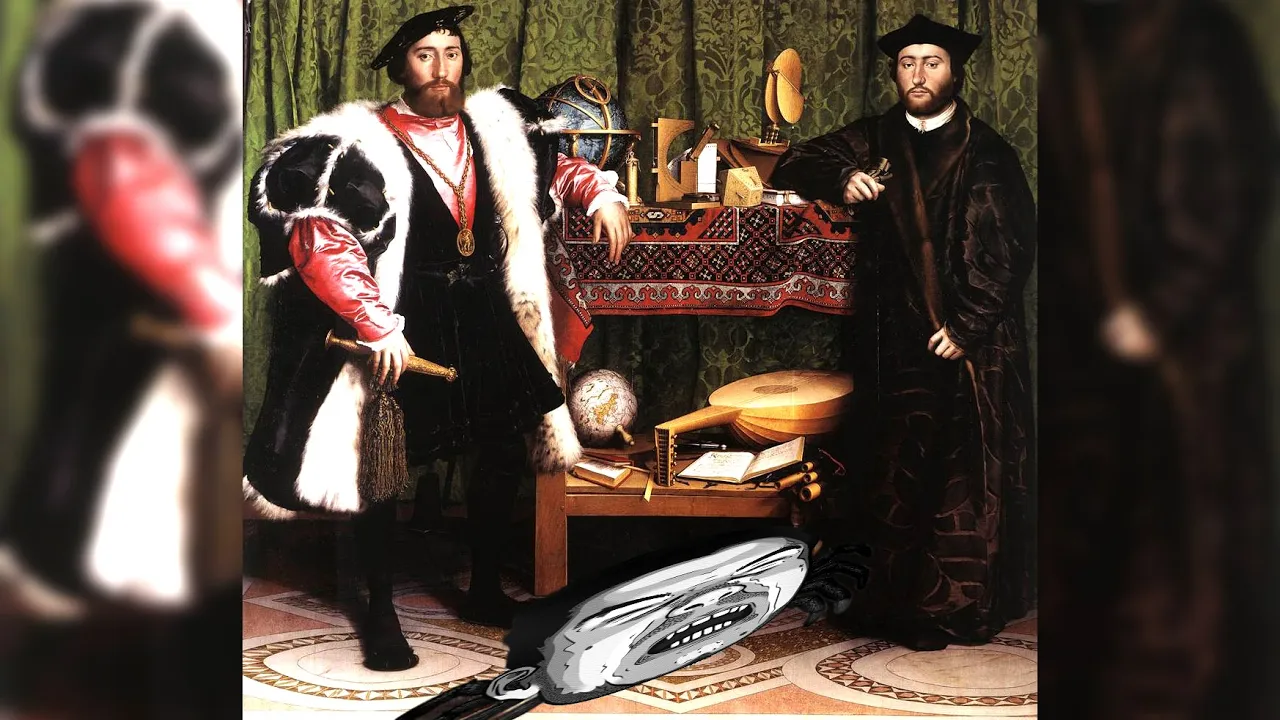
Feminist empiricism is where we simply look at empirical theories in deeper ways. We examine matters deeper. This seems strange, right? Well anybody can say that. The idea is… and it's not a very controversial idea, empiricism has been around for a long time; but the concern is that our past empiricists have focused on the male perspective; leaving out the feminine perspective and what it might tell us from an empirical standpoint. Consider Aristotle, who when around counting the teeth of adult men and determined that adult men have thirty-two teeth. He then extrapolated that adult women only have twenty eight and he did that because he figured women's mouths were smaller so they have four fewer teeth. You know one on each side on each level, I suppose. Aristotle didn't go around counting the teeth in women. He could have presumably. He just extrapolated from what he learned about men. So the feminist empiricist wants us to not do that. They want us to look at everything in a more methodical and deeper way. Feminist standpoint theory, by contrast, argues that different groups each have unique, all be it equal, knowledge. Now these groups are racial groups, gender groups, socioeconomic groups; but the groups have unique, although equal knowledge. So in other words, men are going to have unique knowledge to women. That knowledge is equal. Neither group has superior knowledge to the other, but it is unique as a product of their gender. This might sound a little strange to you because as some of you know, perhaps first hand, there is a very large mixing of these groups. You know you can be a member of a particular race, a particular gender, or a particular socioeconomic status.
Somebody else can have the same race and gender, but a different socioeconomic status. Somebody can have the same socioeconomic status, but a different gender and a different race. So how we choose our standpoint gets a little tricky, not to mention I mean I’m partially a product of the crossing of the groups; not all people of a particular race are going to have the same knowledge. Not all women have the same knowledge. Not all men have the same knowledge. So dividing into groups gets tricky. So finally there's feminist postmodernism.
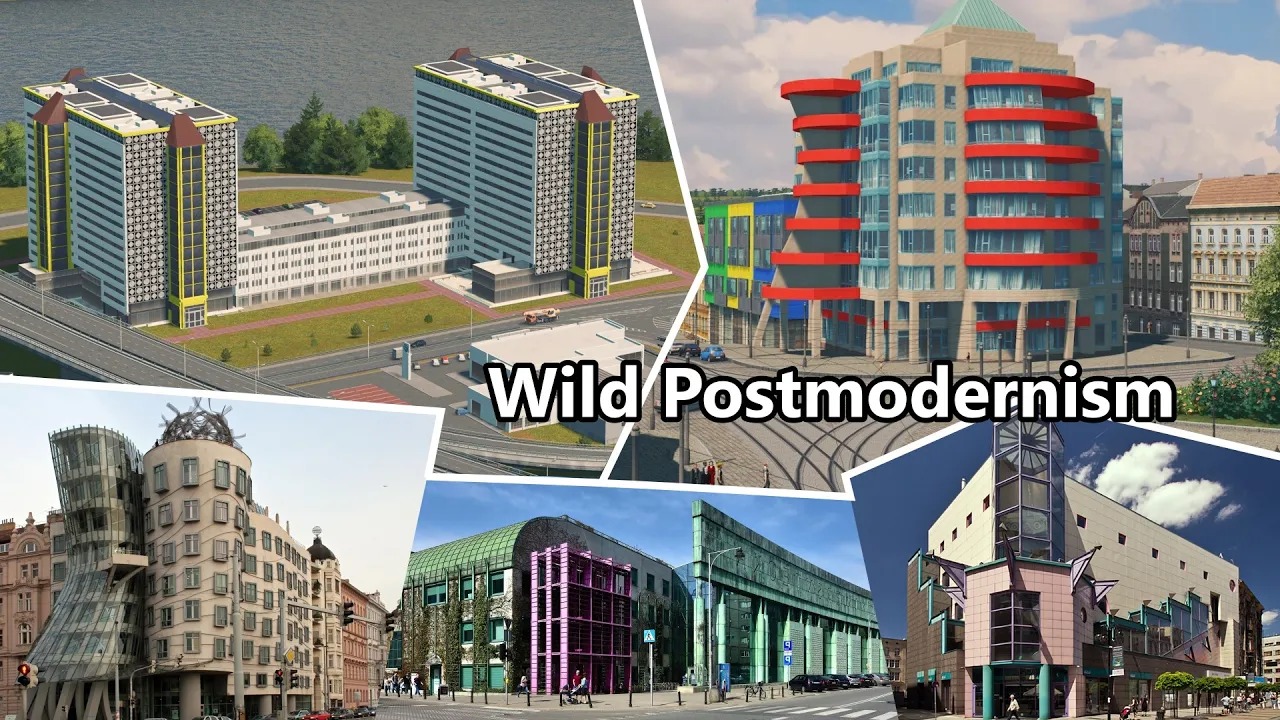
Feminist postmodernism claims that there is no common view. There's no perspective that's better than another. Every individual has their own view, their own knowledge, and no one individual's knowledge is better or worse than another person's. So I have my own perspective therefore I have my own knowledge. You have your own perspective therefore you have your own knowledge.
Brad Pitt has his own perspectives so he has his own knowledge. You know we can go on and on. Bill Gates has his own perspective so he has his own knowledge; you're getting the idea. It's all a matter of our individual perspectives. There is no common view.
There is no common perspective and no individual's knowledge or perspective is superior to another's. One might question under those conditions, how we ever come up with what somebody might want to call the truth? If everybody has a different perspective and everybody has different knowledge and we don't have anything that's common, how do we in fact communicate and work with each other?
Just something to think about. Okay, lots of stuff in this module. Some of it was quite complicated so please be certain to rewind and re-listen if you need clarification on anything; as well as, if you have any questions, please, please, please send me an email.
Just make sure you identify yourself in the email. Have a great week!
Up Next
10:35
Philosophy Explained: Origins, Metaphysics, Epistemology & Value Theory
@crashcourse
8.1M views•2016-02-08

164:01
John of Damascus on Holy Images: A Theological Defense
@BannedBooks
139 views•2026-04-25

68:32
Should We Destroy the Machines? Big Tech Surveillance Critique
@TheStoriesWeTell303
167.9K views•2025-11-30
4:57
The Myth of Sisyphus: A Greek Legend of Eternal Punishment
@TEDEd
8.6M views•2018-11-13
Related Study Plans & Knowledge Roadmaps
Structured learning paths in Philosophy
philosophy
Frankfurt School: Critical Theory & Culture
01Foundations of the Frankfurt School and Critical Theory
02Horkheimer & Adorno: The Critique of Instrumental Reason
03The Culture Industry and Mass Deception
+ 2 more learning modules
12h5 modules
Explore Roadmap
philosophy
Philosophy of Language: From Frege to Austin
01The Linguistic Turn: An Introduction to Language in Philosophy
02Gottlob Frege: Sense and Reference
03Early Wittgenstein: The Picture Theory of Meaning
+ 3 more learning modules
15h6 modules
Explore Roadmap
philosophy
Feminist Epistemology: Standpoint & Injustice
01Introduction to Epistemology and Feminist Critiques
02Sandra Harding and Standpoint Theory
03Donna Haraway and Situated Knowledges
+ 2 more learning modules
12h5 modules
Explore Roadmap
philosophy
Environmental Philosophy: Ethics & Deep Ecology
01Foundations of Environmental Ethics & Anthropocentrism
02Biocentric Individualism and Animal Liberation
03Ecocentric Holism and Deep Ecology
+ 1 more learning modules
10h4 modules
Explore Roadmap